-
-

-
-
-
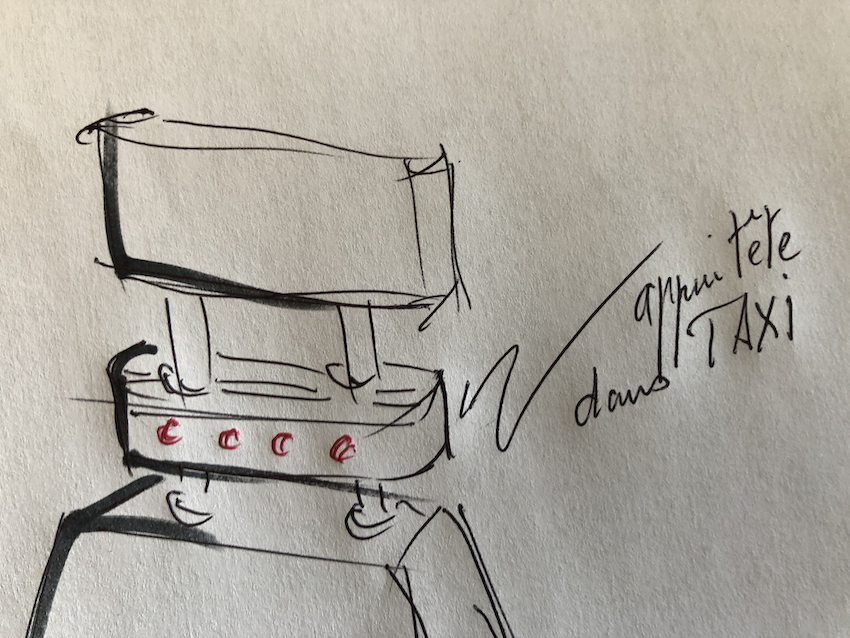
Alternative design
-
-
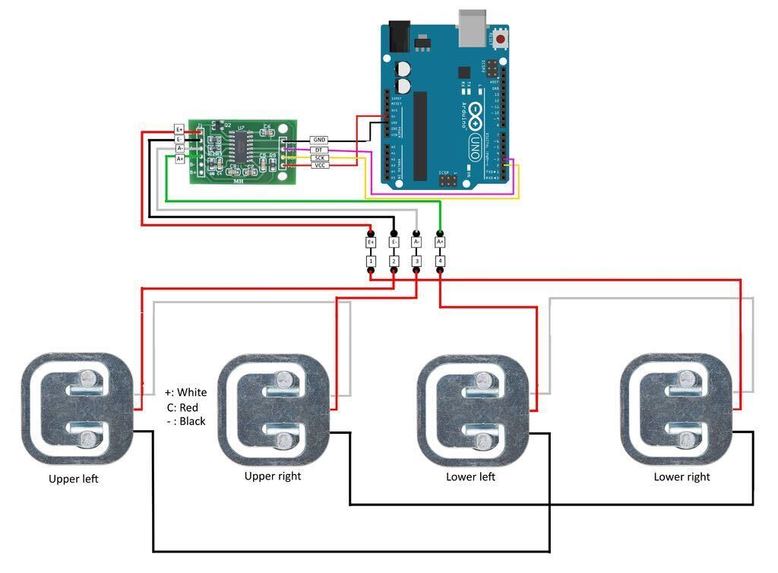
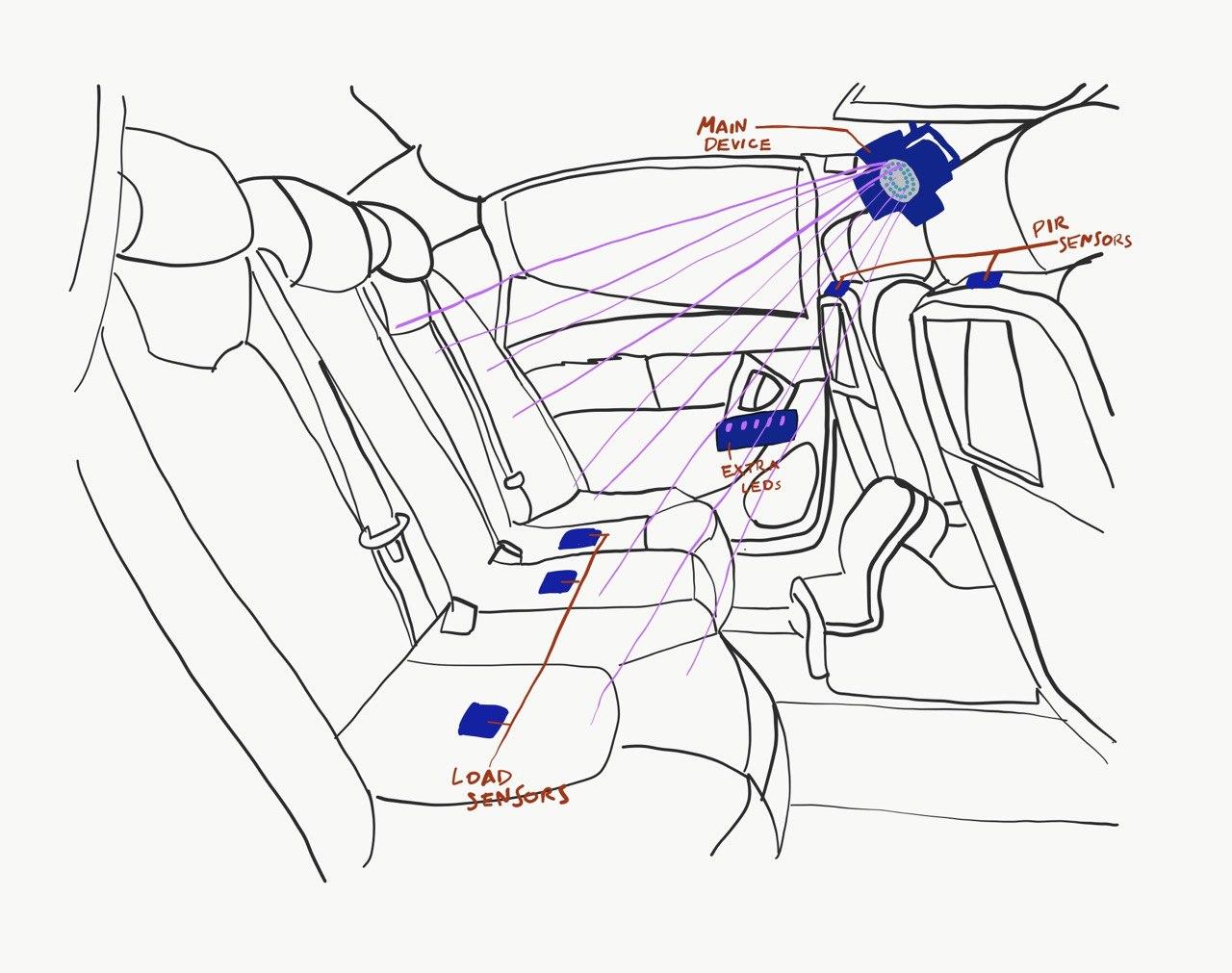
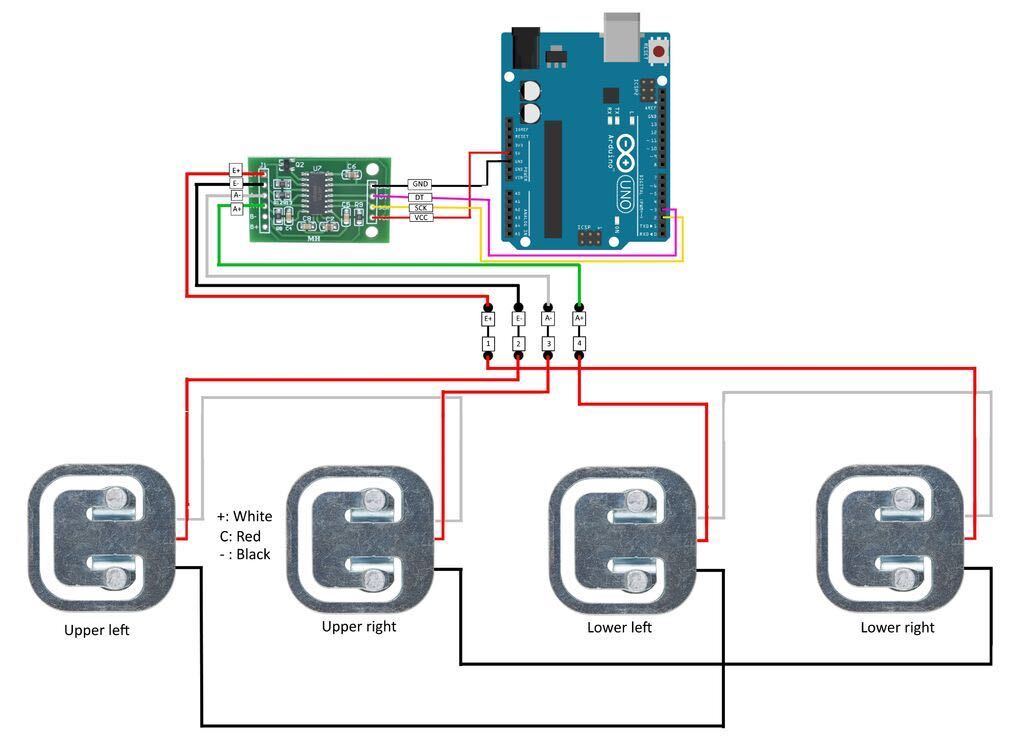
Load sensors (which go under the seats)
-
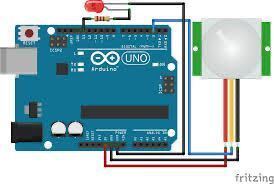
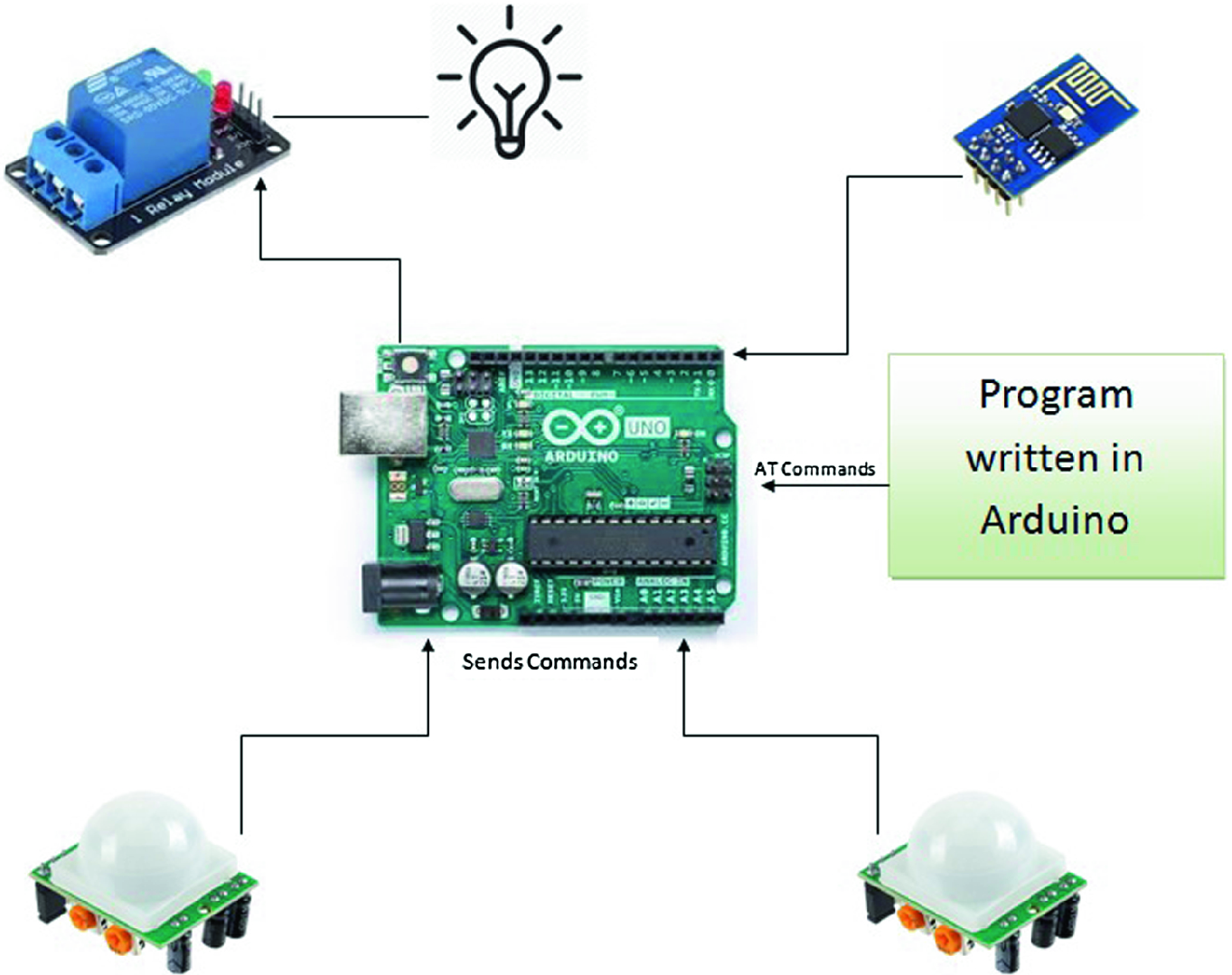
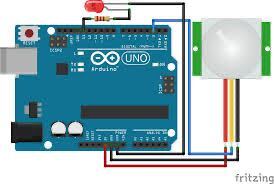
The PIR circuit
-
-
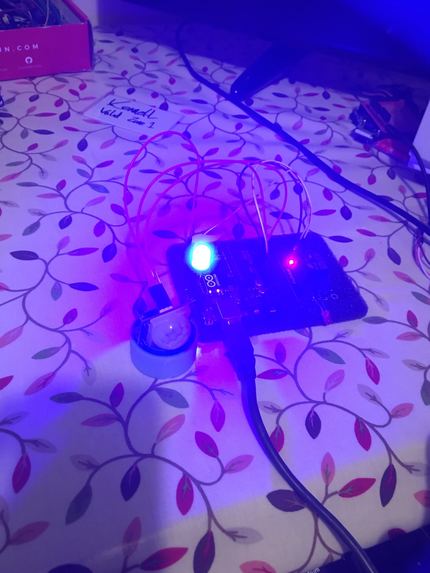
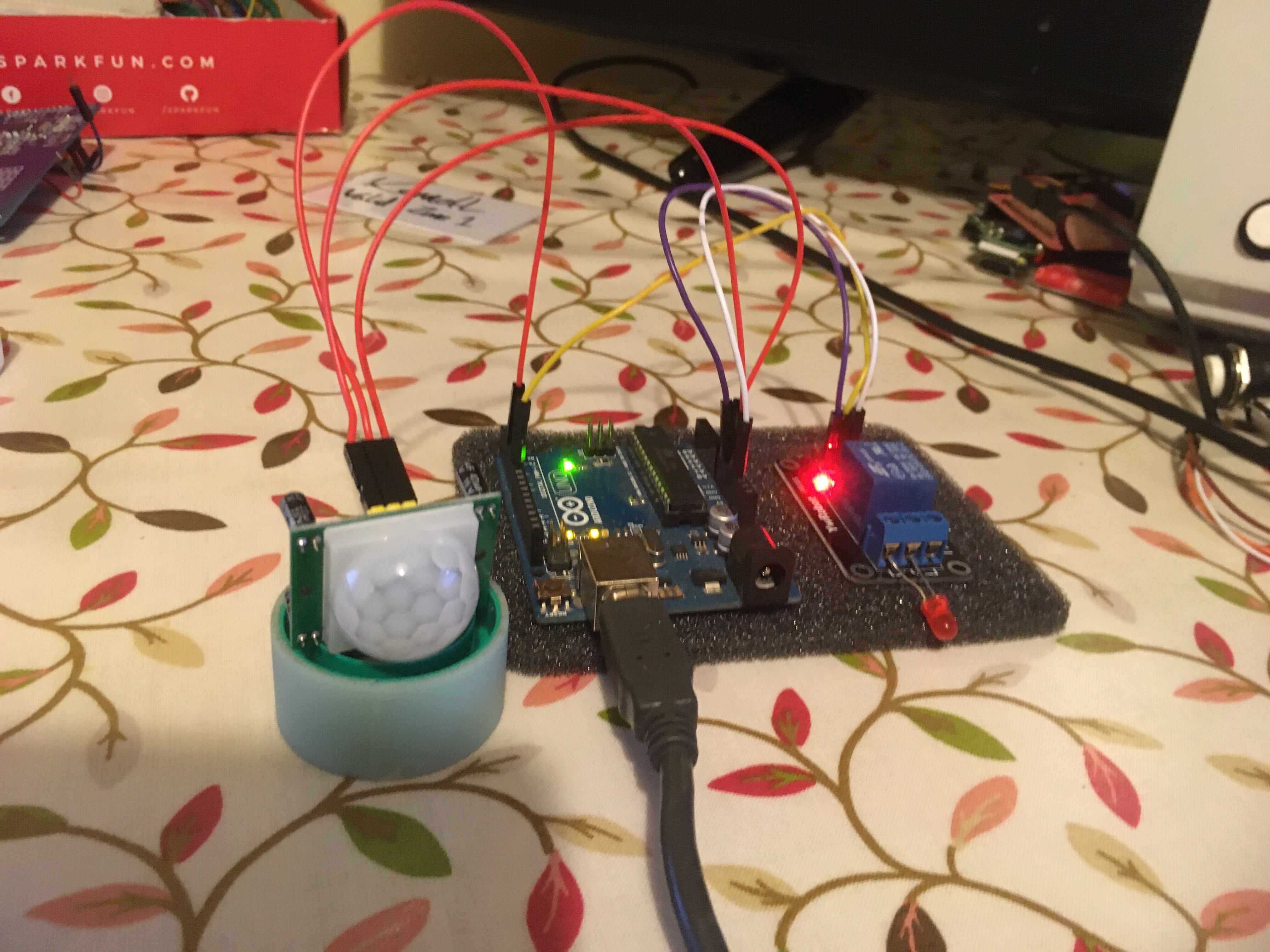
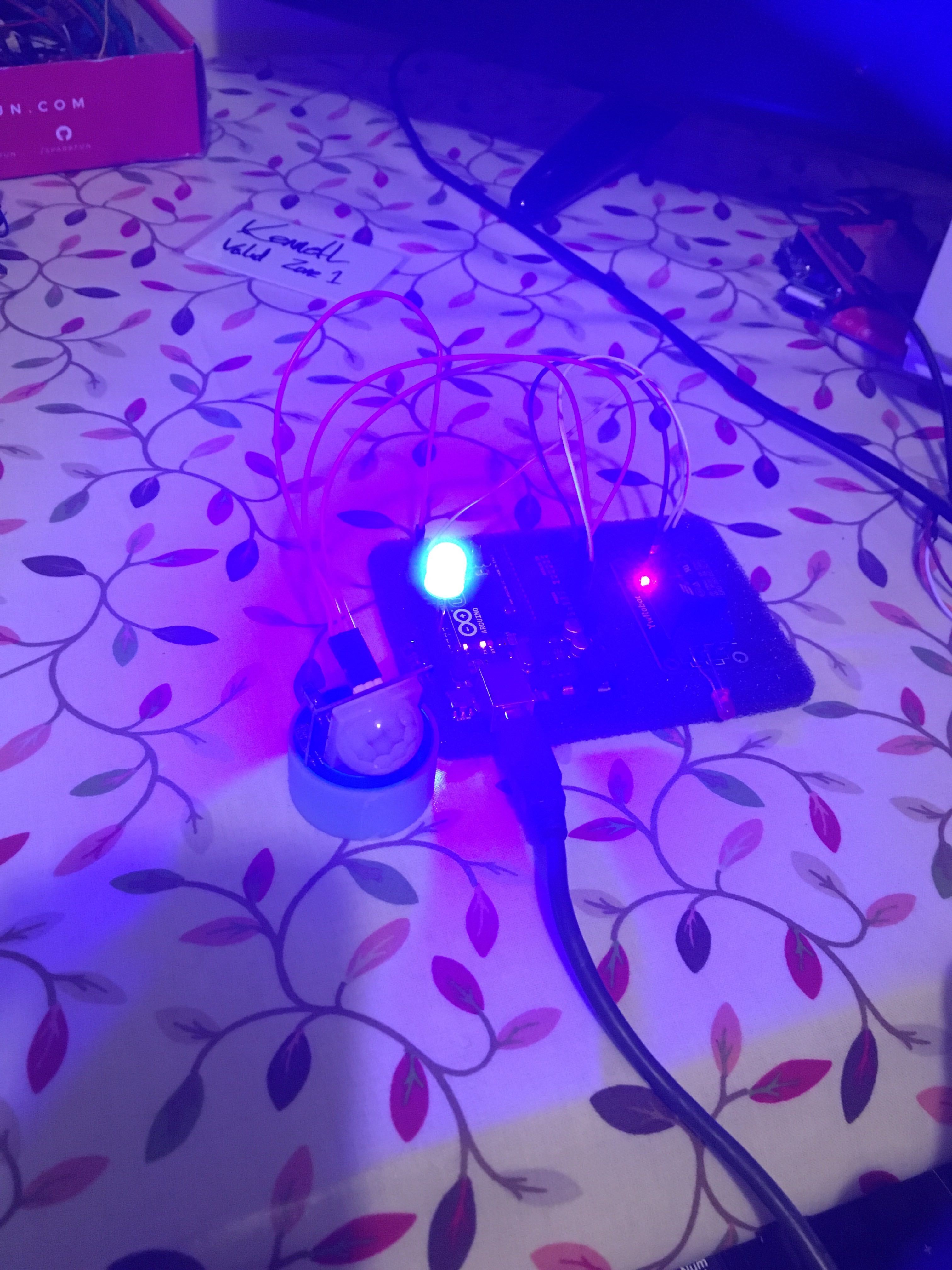
The final prototype
-
-
-
-


The problem our project solves
After months from the beginning of the lock-down, in Europe, several governments are trying to adopt some countermeasures. The complete lock-down indeed it’s not sustainable in the long run. Therefore several nations are trying to restart their economies.
Among the problems that need to be tackled in the following weeks, one of the crucial ones is to ensure the safety of European citizens, and transport is an essential part of everyday life.
Commuting in these troubled times of the Global Covid-19 Pandemic could bring dangers that for many have been unprecedented in our lifetime. It’s a simple fact that we must all get from A > B, however diligent a person may be on an individual level, we are also at risk due to other’s lack of contagion/hygiene practices. Due to the Covid-19, there is an increasing risk of transmission through the use of Public Transport, particularly in taxis, buses & trains. Gloria serves to ensure dissemination prevention in such environments.
The solution we're bring to the table
This is why we’re introducing Gloria. Gloria is an easy to install UV-C device.
The idea is born by looking at all the different types of smart-lightbulbs on the market, these common objects, available everywhere around the world, have indeed gained during the last years progressively more functionalities. We are developing a smart device that, thanks to the UV-C LED technology, is able to accomplish fast and effective sterilization of the surroundings.
The device would also include sensors for human detection to automatically stop the process if a movement is detected for safety reasons.
Gloria mitigates the virus propagation risk within the vehicles that a vast proportion of the population around the world has no opportunity to avoid on their daily commute.
What we have done during the weekend
In this section, we are going to discuss the reasoning behind our choices and what have been the turning points in our discussions.
Business Perspective
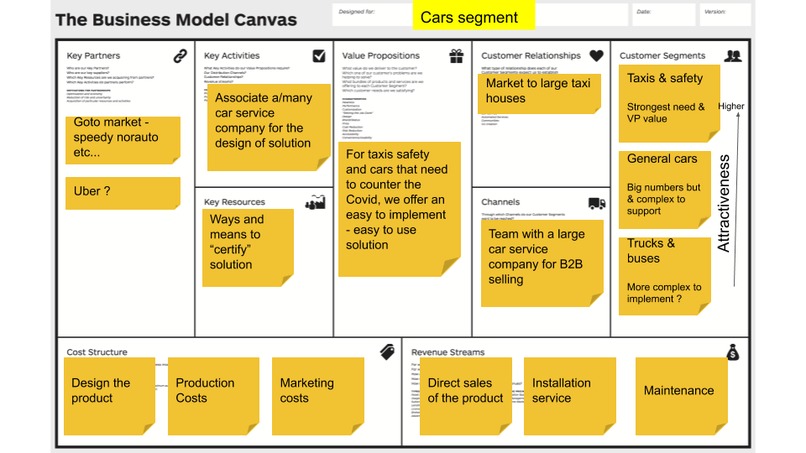
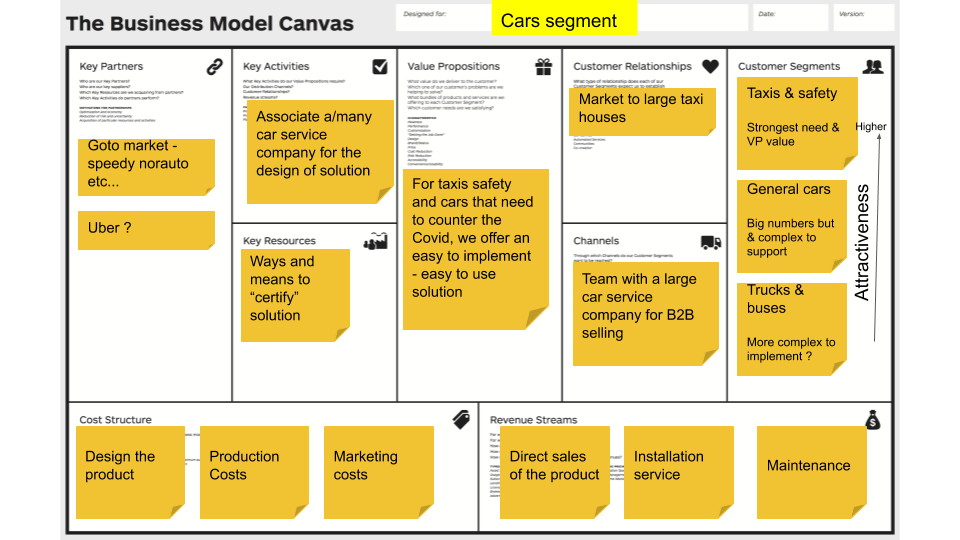
Under a business perspective, we initially identified our potential customer segments:
- Householders
- Business Owners
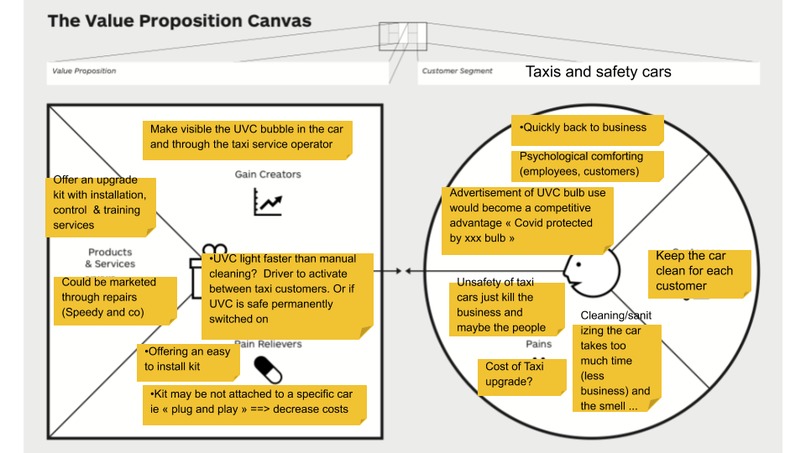
- Taxi and Safety car
- Government building and structures (parks, street, etc)
- Public transportation
We started to design the Value proposition and Business Model Canvas to better identify their pains and gains. The results of our analysis show that the most promising markets are Public transportation and Taxi/Safety Car. Their diffusion, critical role, and popularity makes them the perfect clients for our solution.
Health Perspective
One of our first concerns was ensuring the safety of our solution, for this reason, we decided to analyze the different technologies available on the market. The first solution we analyzed has been Far UV-C 222nm technology, this solution, despite not being harmful it’s at the moment too expensive for our business case and more importantly, hasn’t been tested enough so it’s not safe to use.
Thereby we moved to a different approach using the conventional UV-C Led and integrating the light with a motion detection sensor in order to immediately stop the sanitizing process whether a movement is detected. The solution would still require to be manually powered on. This last problem is particularly important in a home environment where a pet or person can still be in the house. In the other customer segments, this problem doesn’t occur since the sanitizing process is performed when the shops/buildings are closed or there is nobody in the taxi/public transportation mean.
| PROS | CONS | |
|---|---|---|
| UV-C | Cheap - Easy to procure | Harmful to virus and human |
| Far UV | Not harmful to human (still in testing) | Expensive - Hard to procure - Distance - Power -Not yet validated for human usage |
Technical Perspective
After an efficient and detailed brainstorming session among the team, we designed the best device that could be flexible enough to fit different environments.
Many designs efficacy and safety issues have been considered within the confines of how to best avail of germicidal UVC sterilization within Public Transport - Taxis, People-Carriers, Buses & Trains.
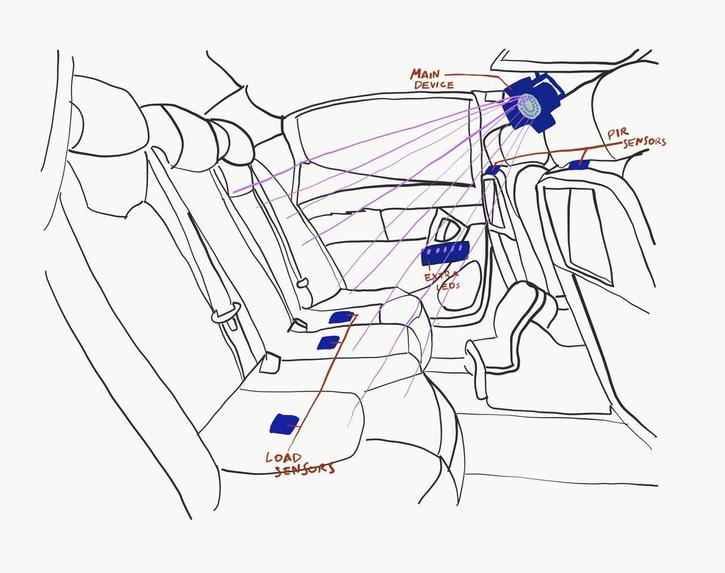
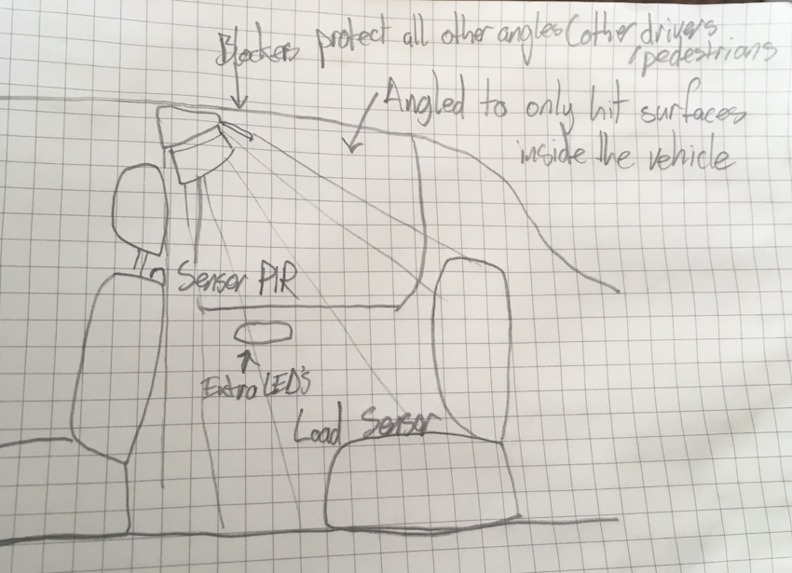
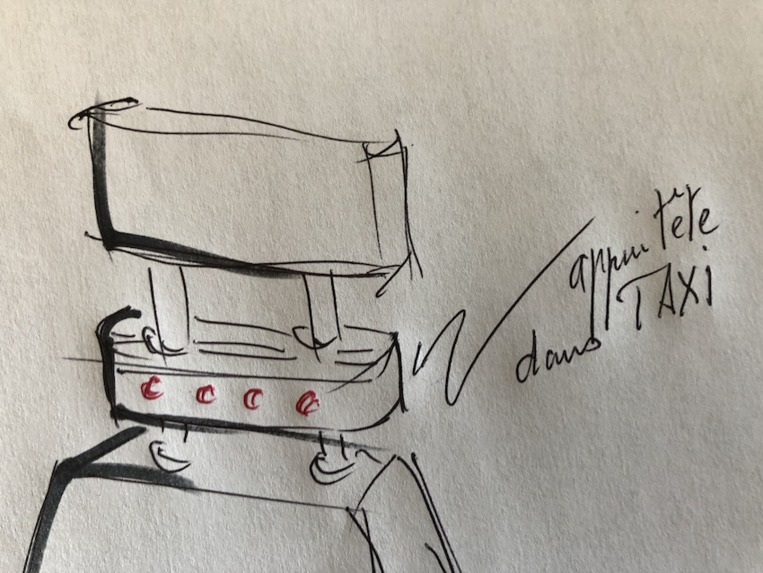
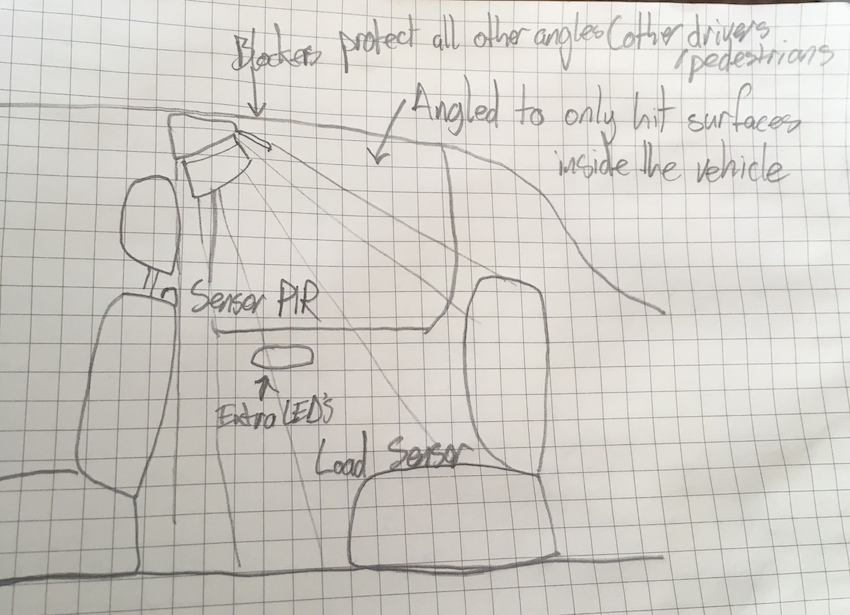
Many considerations about the form factor and best placement of UVC LEDs have been iterated through, by the team throughout the EUvsVirus event. Thought has gone into placement within vehicles to ensure maximum sterilization effect, including the safety of drivers, passengers, and pedestrians alike. Each of these ideations has all influenced the form-factor decided upon by the team.
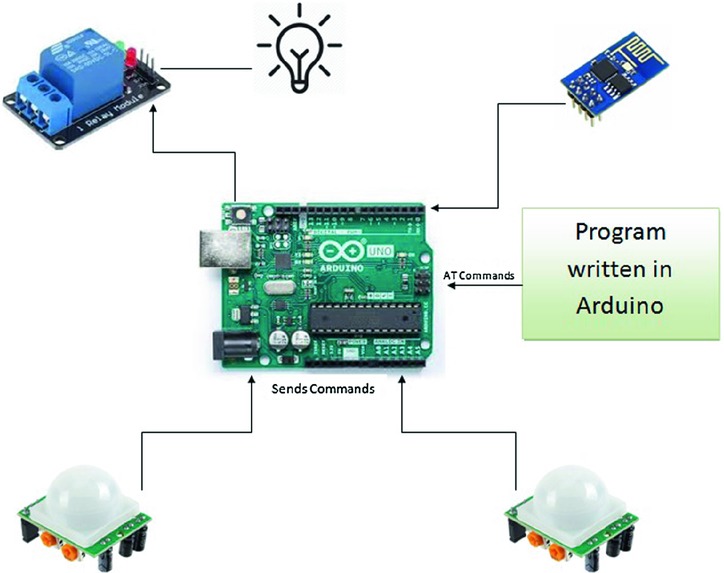
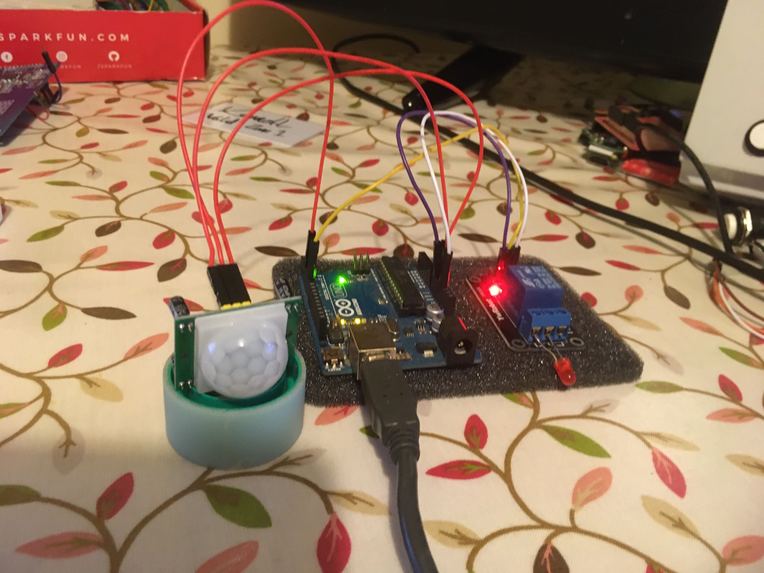
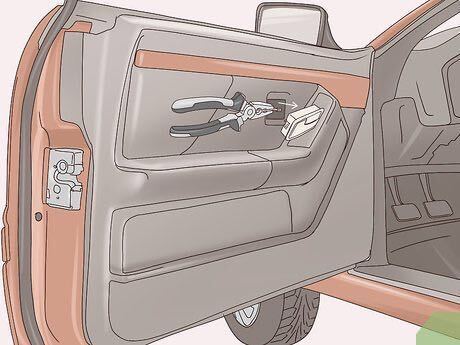
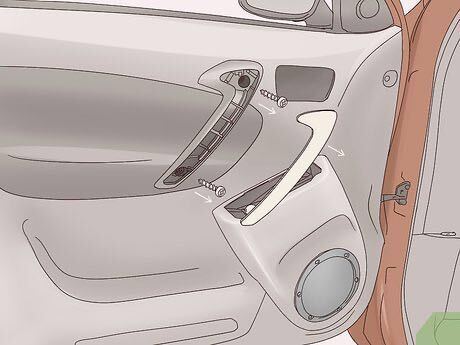
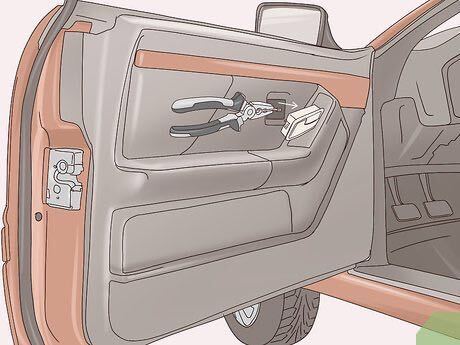
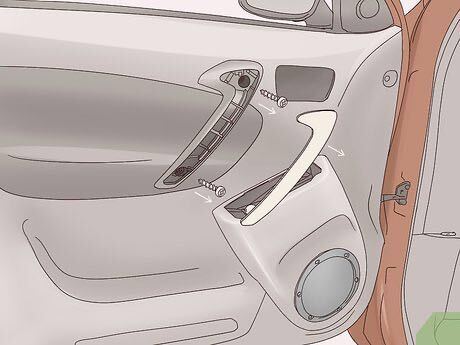
We developed the first prototype with all the required functionalities using an Arduino Uno, UV-C light that is turned on manually and connected to the external PIR sensors.
The solution’s impact to the crisis
In the phase we are almost entering in, we must ensure that some services are safer than ever in order to create a healthy environment for our cities.
Mr C. Vasseur, administrator of ChauffeurLand, an association of professional drivers in France told us: the UV sanitizing is a very good idea and because the drivers are afraid for them and their customers... It's an actual problem and big companies are beginning to equip their cars with sanitizing solutions (ozone cleaning...) and UV would have advantages
The necessities in order to continue the project
Since we have created the first prototype and we have established through our analysis that there is a potential market for our solution, in order to scale up we need to identify the right companies that are able to mass-produce Gloria, since we want to ensure the maximum quality through all the necessary tests and checks.
In practice, the next iteration of development should include "dual tech". There should be a load sensor on the seat, in conjunction with the PIR. There should be no weight on the load sensors, nor movement within the field of view of the PIR in order for it to be deemed safe to trigger the UVC LEDs to begin sterilization of the seating area. This is because this adds great safety to ensure that scenarios have been designed around to ensure that passengers, pedestrians, cyclists and other road users are not exposed to the UVC Light.
The value of our solution after the crisis
The solution we have developed, despite being particularly useful against Covid-19, can be used to sanitize public and private transportation systems also in the future, indeed the UV-C technology eliminates the 99.9% of bacterias.
Sources
- Ultraviolet Germicidal Irradiation
- LED's Magazine specifics on effect of UVC & Covid-19
- Knowell UV-C LED experiment (video of petri dish, UVC & microbial life being affected)
- Ultraviolet light machines are fighting Coronavirus: Here's how
- UVD Robots
- Efficacy of an Automated Multiple Emitter Whole-Room Ultraviolet-C Disinfection System Against Coronaviruses MHV and MERS-CoV
- Ultraviolet Germicidal Irradiation Fundamentals and Indoor Environment Applications
- Klaran UVC LED Maker Surface disinfection product description
- Klaran UVC LED Germicidal power
- Klaran UVC UVC LED considerations
- LED's Magazine Radiometer for ensuring UVC LED's are performing
- Life-time of UVC LED’s vs UVC bulb’s
- Safety considerations with UVC in 250nm - 280nm range
- 2020 COVID-19 Coronavirus Ultraviolet Susceptibility
- Evaluating UV-C LED disinfection performance and investigating potential dual-wavelength synergy
- How can I calculate the UV dose, in J/m2?


Log in or sign up for Devpost to join the conversation.