-
-
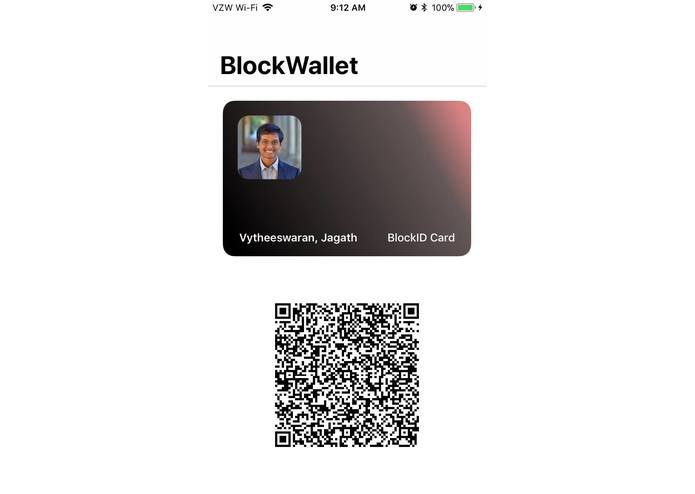
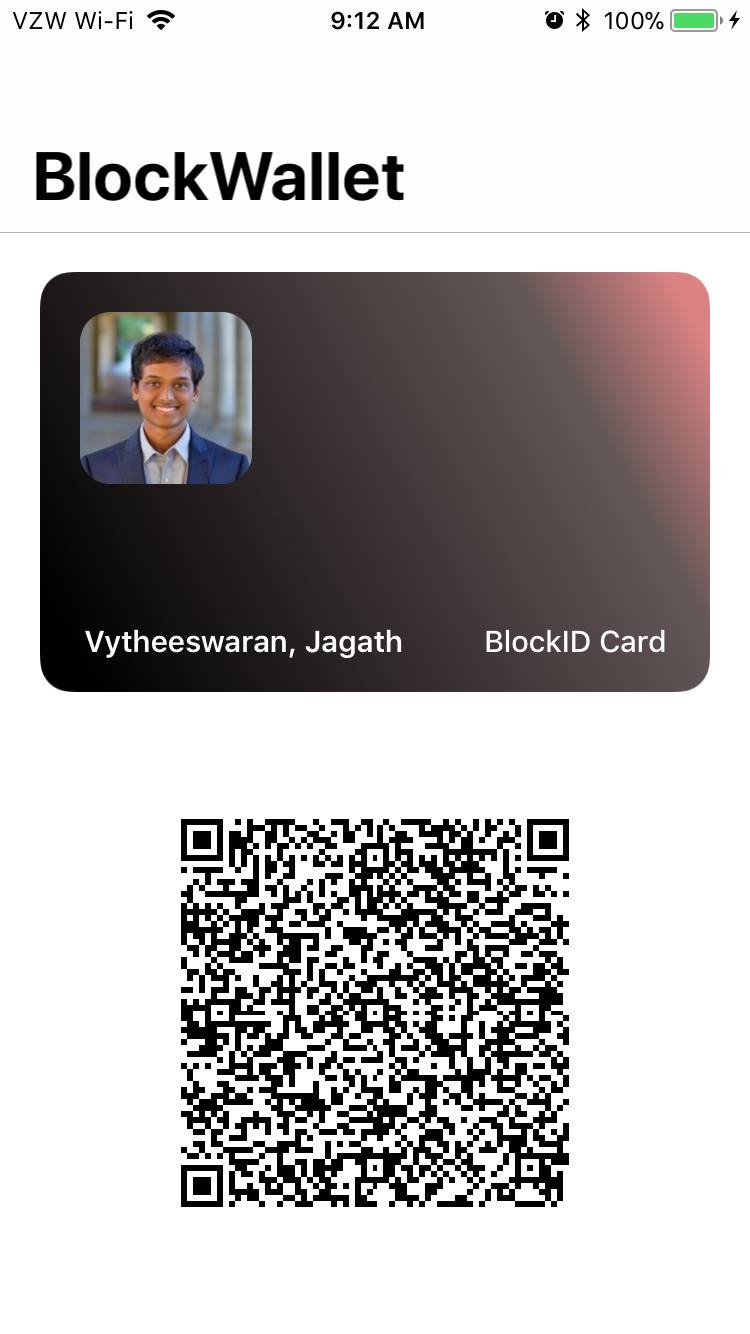
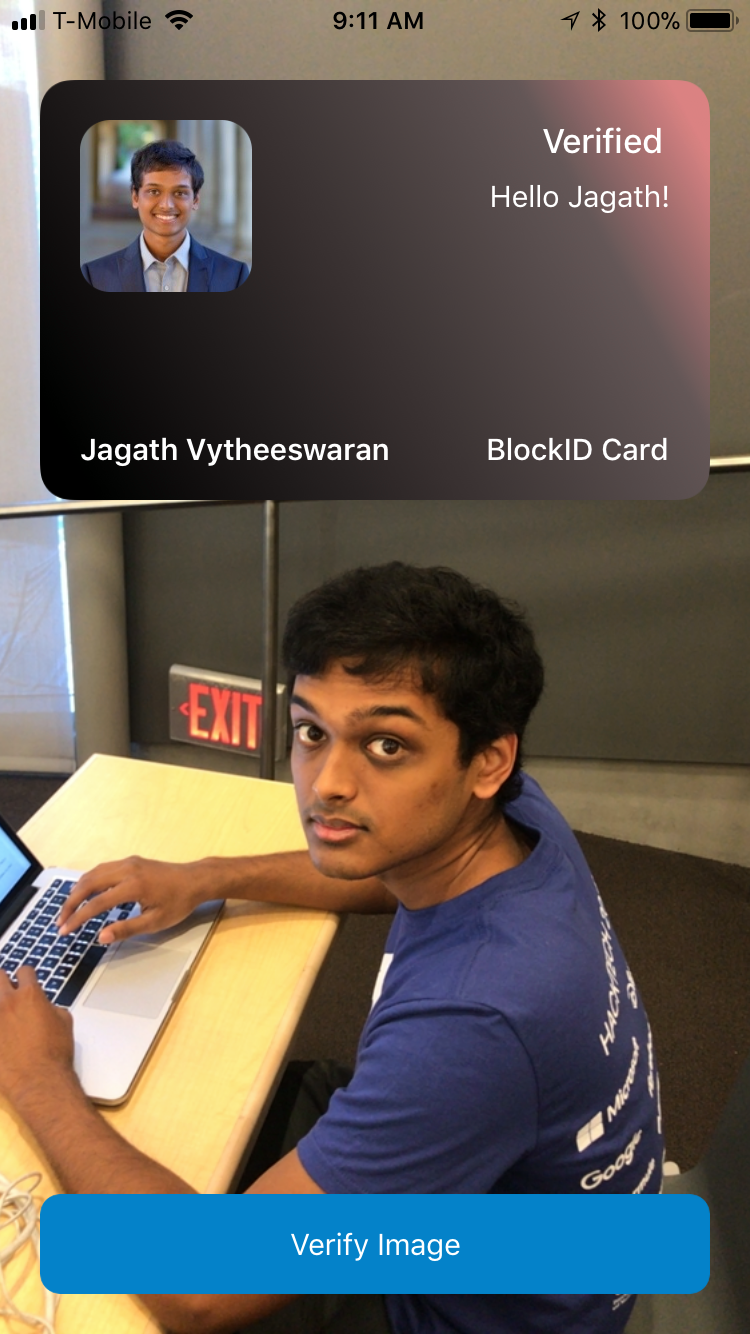
Our app's screen for a given ID and the generated QR code. Here, you can see I've set one up with a face and name.
-
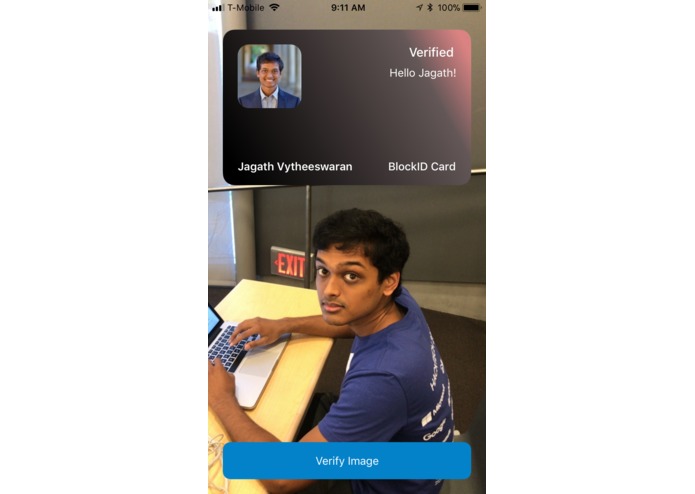
The app has looked up my name, face, and address on the blockchain to verify my identity. It then used Cognitive to see if I'm at the camera
-
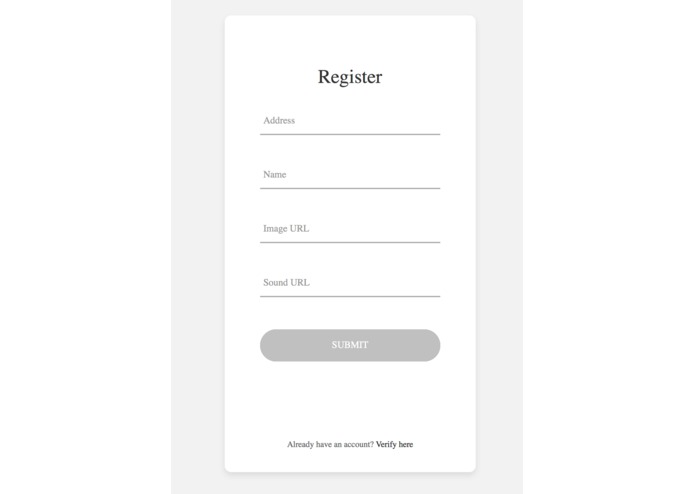
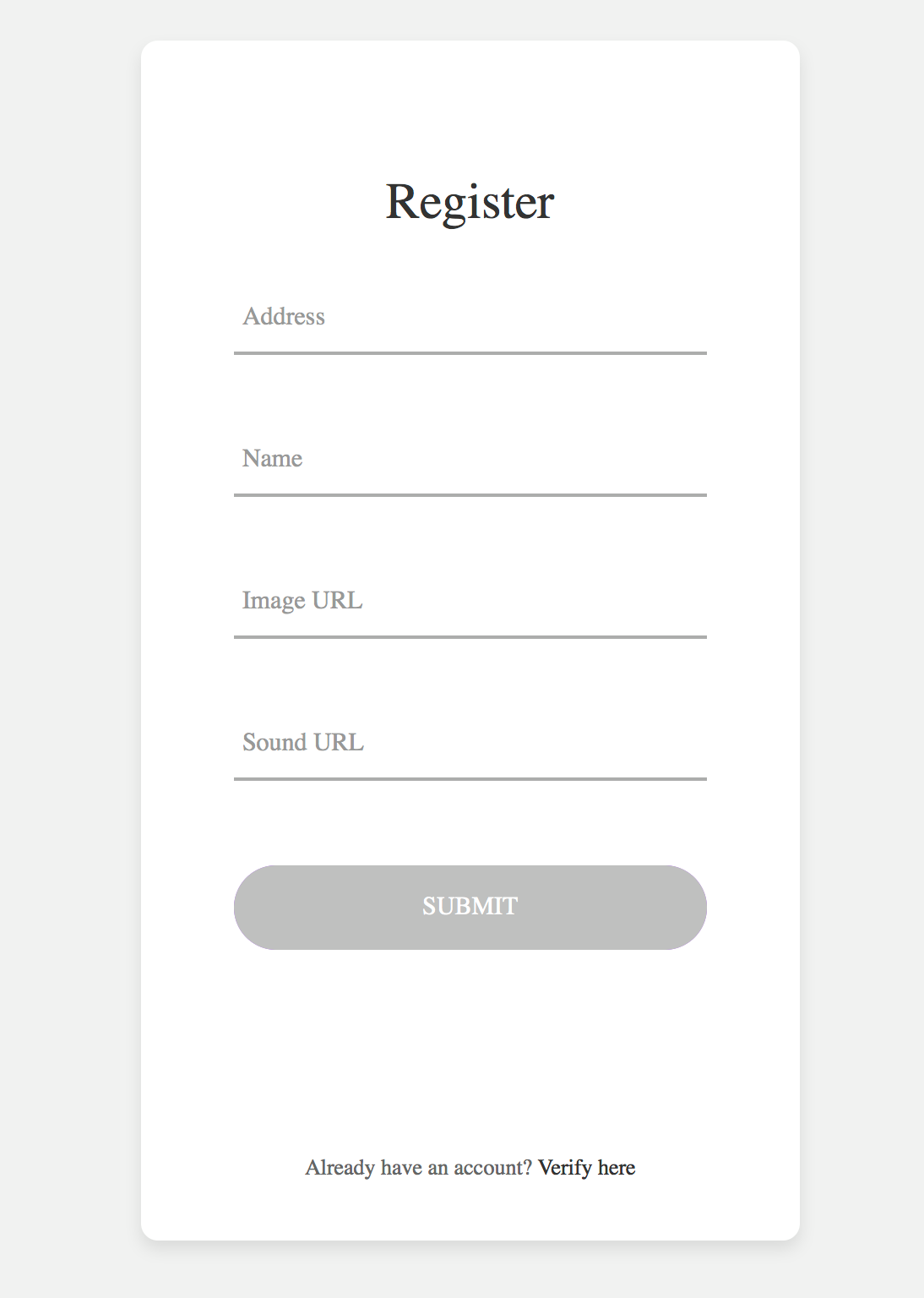
Creating an ID block on the blockchain using our webapp.
Inspiration
How can we verify that someone is who they say they are, beyond any reasonable doubt?
Current methods, like passports, driver's licenses and SSN's, require the use of forgeable and loseable documents - is this really the best we can do?
Our system fixes this problem by bringing ID to the blockchain. With our hack, people can add a fingerprint of aspects of their ID, like a name and picture, to the Ethereum Blockchain (in practice, this would involve authorization with, say, the government). Then, upon verification, they can simply offer their address on the blockchain, and the information requested by the verifying party -- if they are indeed who they say they are, their hashed name and ID should match the name and ID on the block. It's as simple as that! No more needing "authorized" and insecure documents to prove your existence - this is a secure and private way to ensure identity and easy verification for everyone.
What it does
We've implemented an Ethereum Blockchain ID system, as described above, with a face-recognition app using iOS and Microsoft Cognitive as proof-of-concept.
We've developed a webapp to add an encrypted name and picture as a block to the blockchain. Through our app, users can generate a QR code with their name, picture, and block address. This QR code can be verified with their ID block - if they match up, our face recognition system will use the camera to match the face on the block with the face on the camera. If the person is truly who they say they are, the camera will verify their identity. As simple as that!
How we built it
We used Solidity to create Ethereum ID smart-contracts and Ruby to interface them with our ID-creation webapp. For our ID-verification app, we used the Microsoft Cognitive Face ID API with Ruby and Swift. For security purposes, we used hashing algorithms to make it easy to verify identity without data compromisation.
Challenges we ran into
Incorporating the Microsoft Speaker Recognition API was a huge hurdle; we originally envisioned coupling voice recognition with our use of Face API to add another layer of ID verification, but ran into issues with converting live audio into formats compatible with the API, while still keeping the app efficient. However, in the end we created a workaround to adapt the speech recognition API for our purposes, and in the next iteration of the app, functional speech verification will be implemented.
Accomplishments that we're proud of
We put together a functional interface with the Ethereum blockchain and adapted smart contracts to allow for the building of an app which safely stores your identity and allows easy verification.
What we learned
How to interface with Blockchain using Ethereum and smartcontracts, and how to implement the Microsoft API and develop apps with Ruby and Swift
What's next for Globlocks: a Blockchain-based Universal ID System
Globlocks has a promising future ahead. Upon further development of our blockchain system, web application, and mobile application, the plan is to take our project to the marketplace and make an impact on the world. By doing so, we will be able to sell the idea and implement our blockchain based identification system. Our target consumers are governments seeking to replace their dated system of identification with a secure and efficient alternative. Promising applications include health care systems, gun transactions, and voting rights.
Built With
- ethereum-blockchain
- google-cloud-services
- ios
- microsoft-cognitive


Log in or sign up for Devpost to join the conversation.