-
-
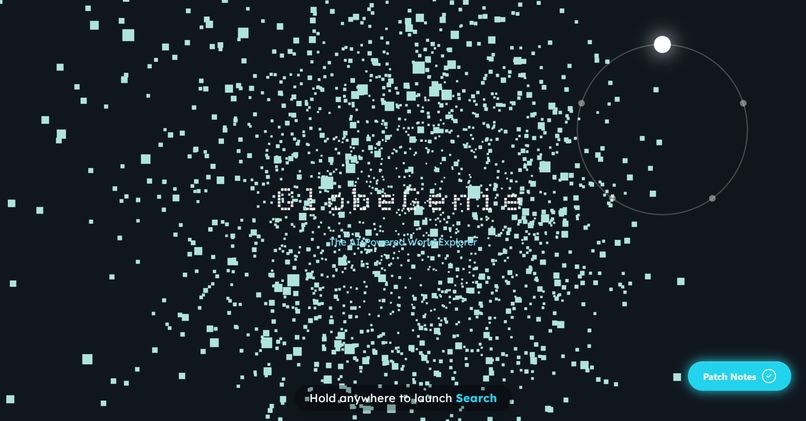
HomePage
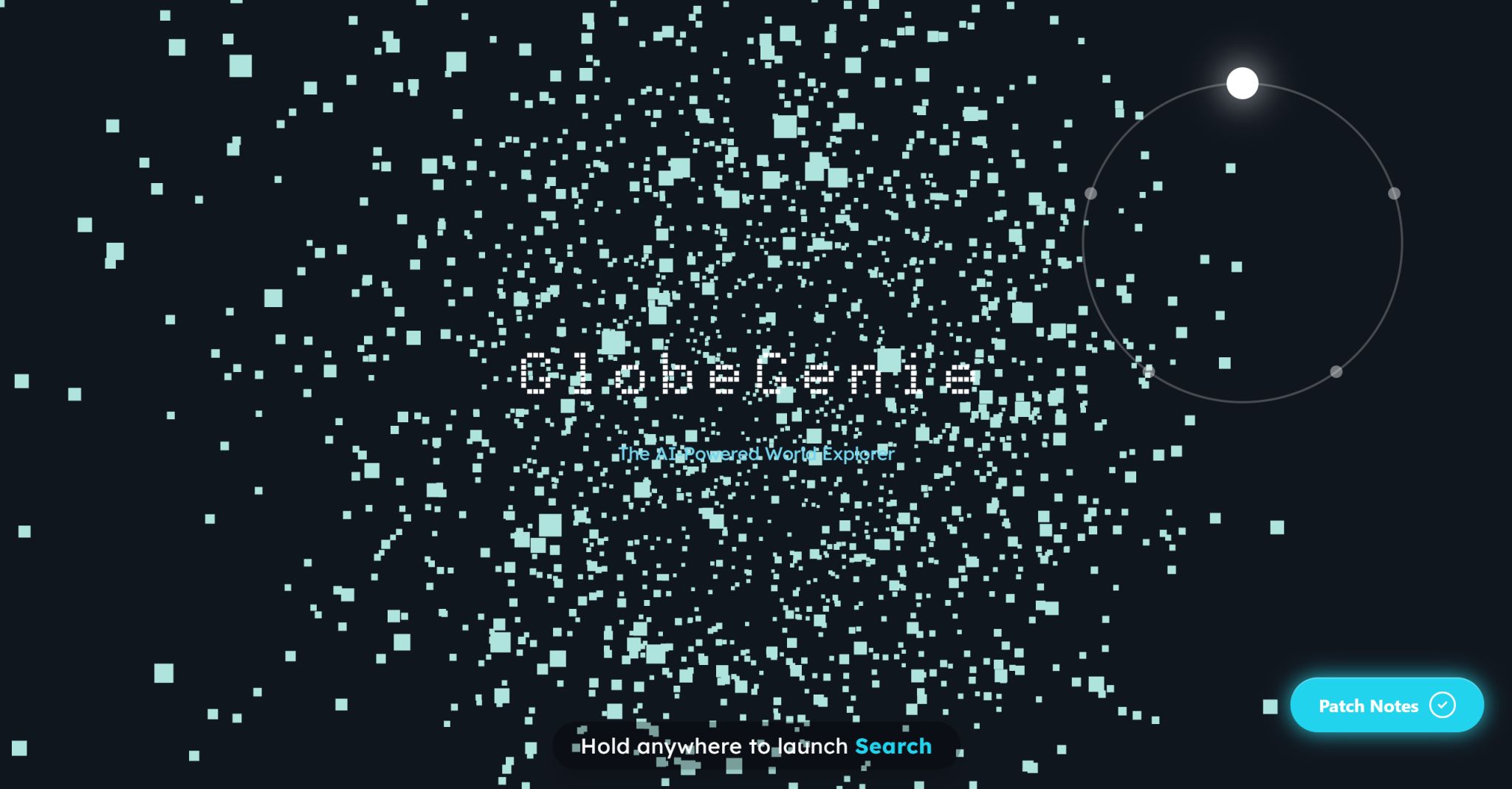
Inspiration
What if exploring the world didn’t mean jumping between browser tabs and generic travel guides?
What if a website felt like teleportation — visually stunning, AI-enhanced, and intuitively scrollable?
That’s how GlobeGenie was born.
A fusion of immersive UI, intelligent search, and ambient storytelling — designed to let you explore places before you board a plane.
What I Built
GlobeGenie is a real-time, scroll-navigate AI travel explorer that lets users:
- Scroll through themed sections like Attractions, Cuisine, and Travel Tips
- Use a radial cursor that morphs with every section and follows the mouse
- Search any place to explore curated info with Google Maps and Unsplash integration
- Experience particle-powered transitions and glowing patch notes UI
- (Upcoming) Live globe rendering, soundscapes, and easter eggs for places like Atlantis
How I Built It
The entire frontend was handcrafted using cutting-edge frontend technologies and custom animation logic.
Frontend:
- React
- Vite
- Tailwind CSS
- Framer Motion
- React Router
- Custom mouse interactions & scroll-based section navigation
- Canvas particles and morphing UI using GSAP-like principles
Backend:
- Flask (Python)
- RESTful API endpoints for search
- Integration with location-based services and AI enhancements (future)
What I Learned
- How to create scroll-based navigation without scrollbars
- Morphing UI/UX through radial logic and magnetic buttons
- Integrating Flask backend with real-time frontend interactivity
- Optimizing for motion, immersion, and dynamic user engagement
Challenges Faced
- Smooth scroll navigation across all browsers without scroll-jumping
- Managing custom cursors and responsive mouse position updates
- Avoiding jank with multiple animations and performance tuning
- Making it look good on desktop while still planning for mobile support
Built With
- flask
- framer-motion
- google-maps
- python
- react
- react-router
- tailwind
- vite


Log in or sign up for Devpost to join the conversation.