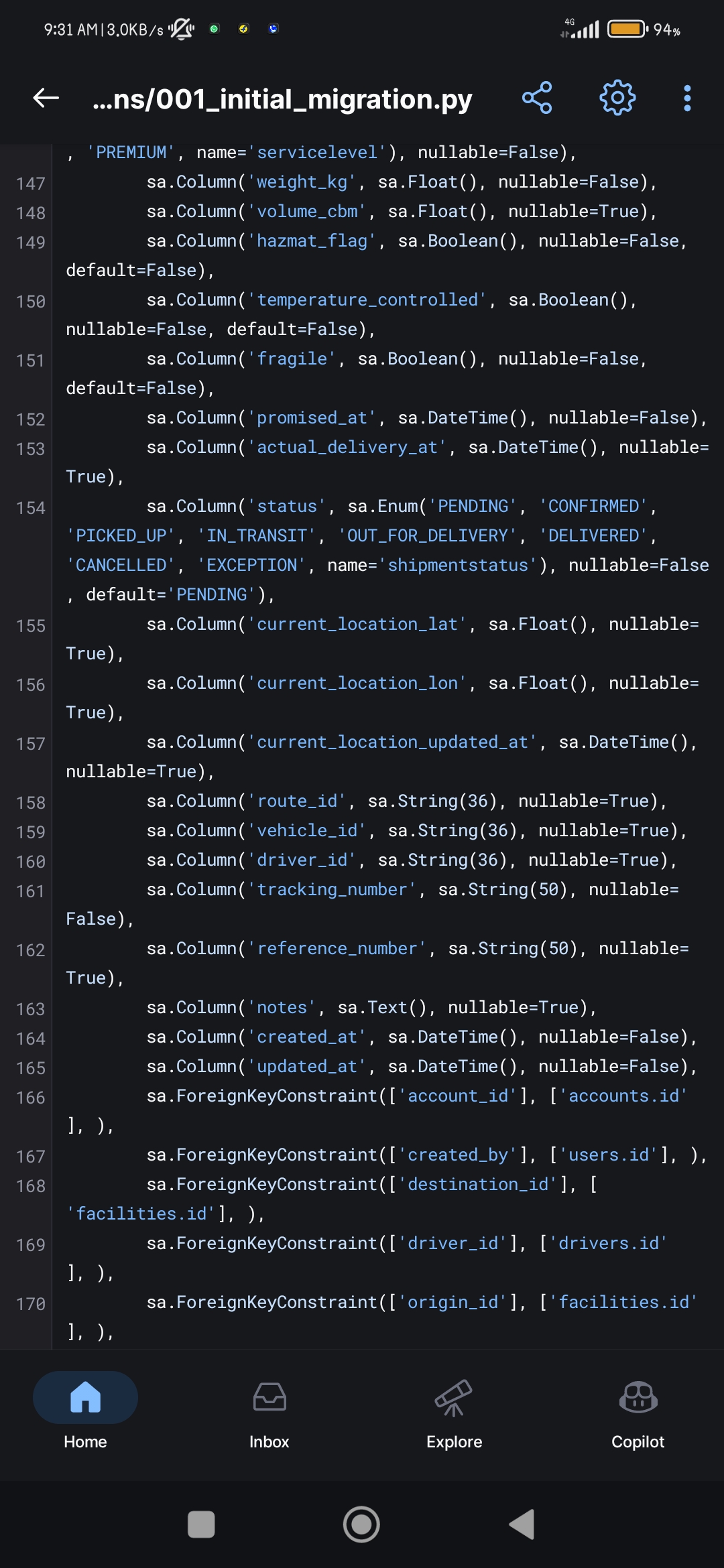
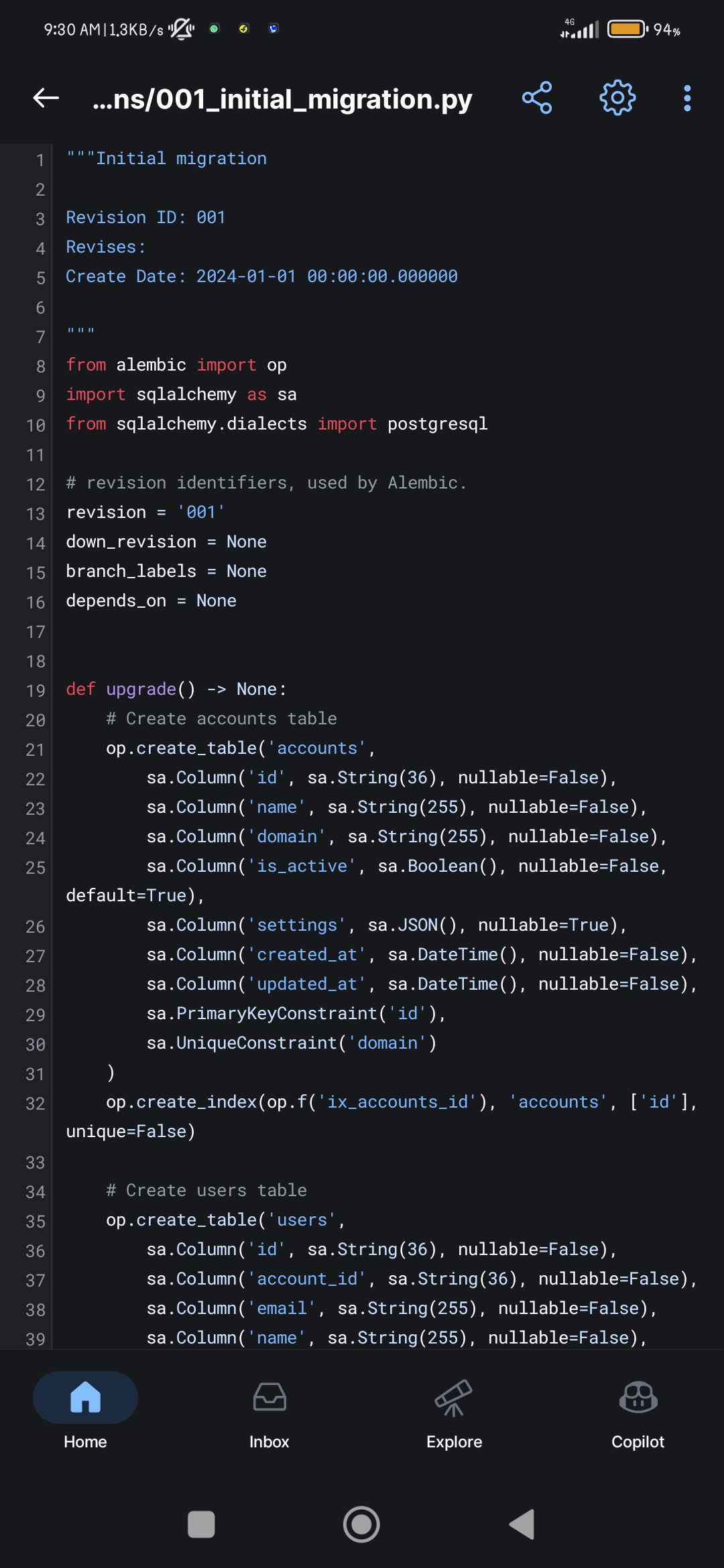
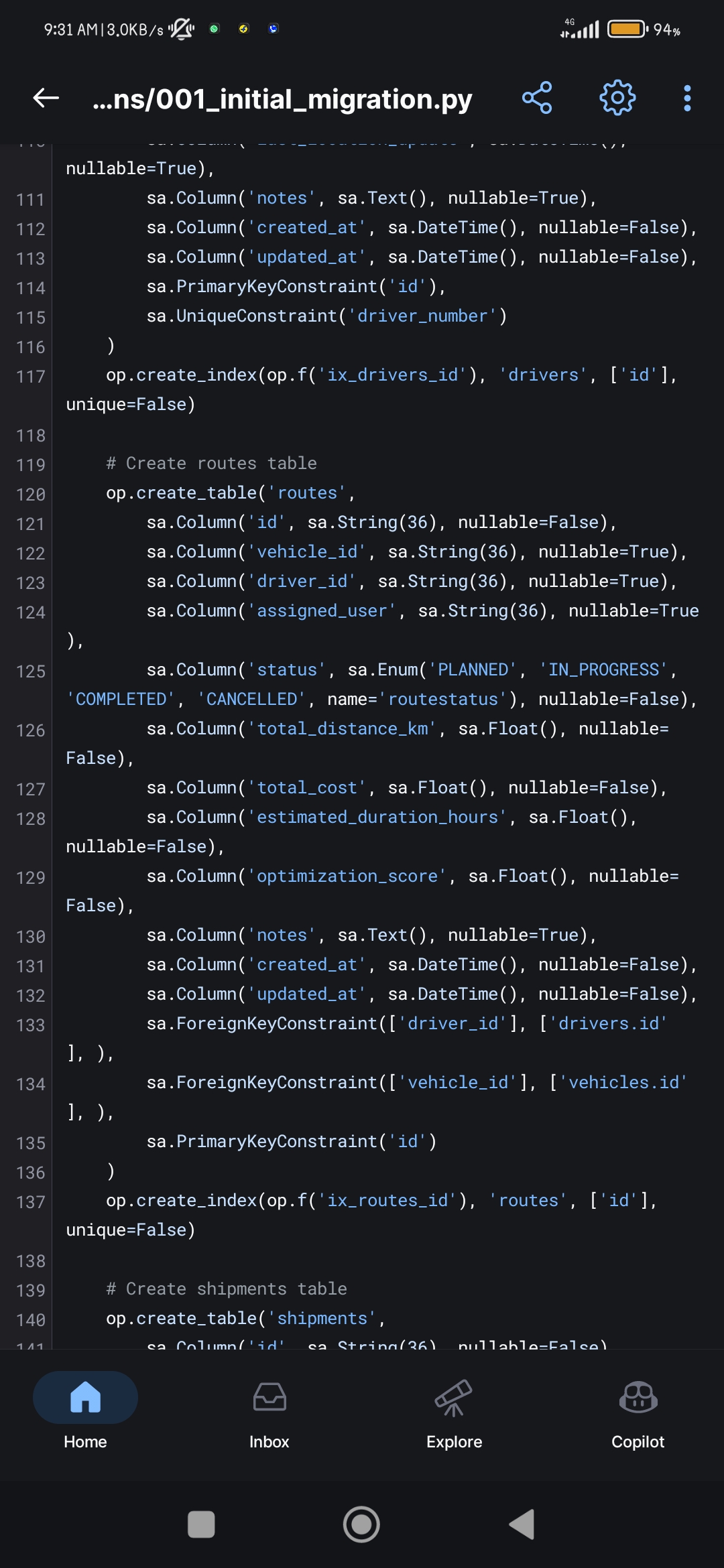
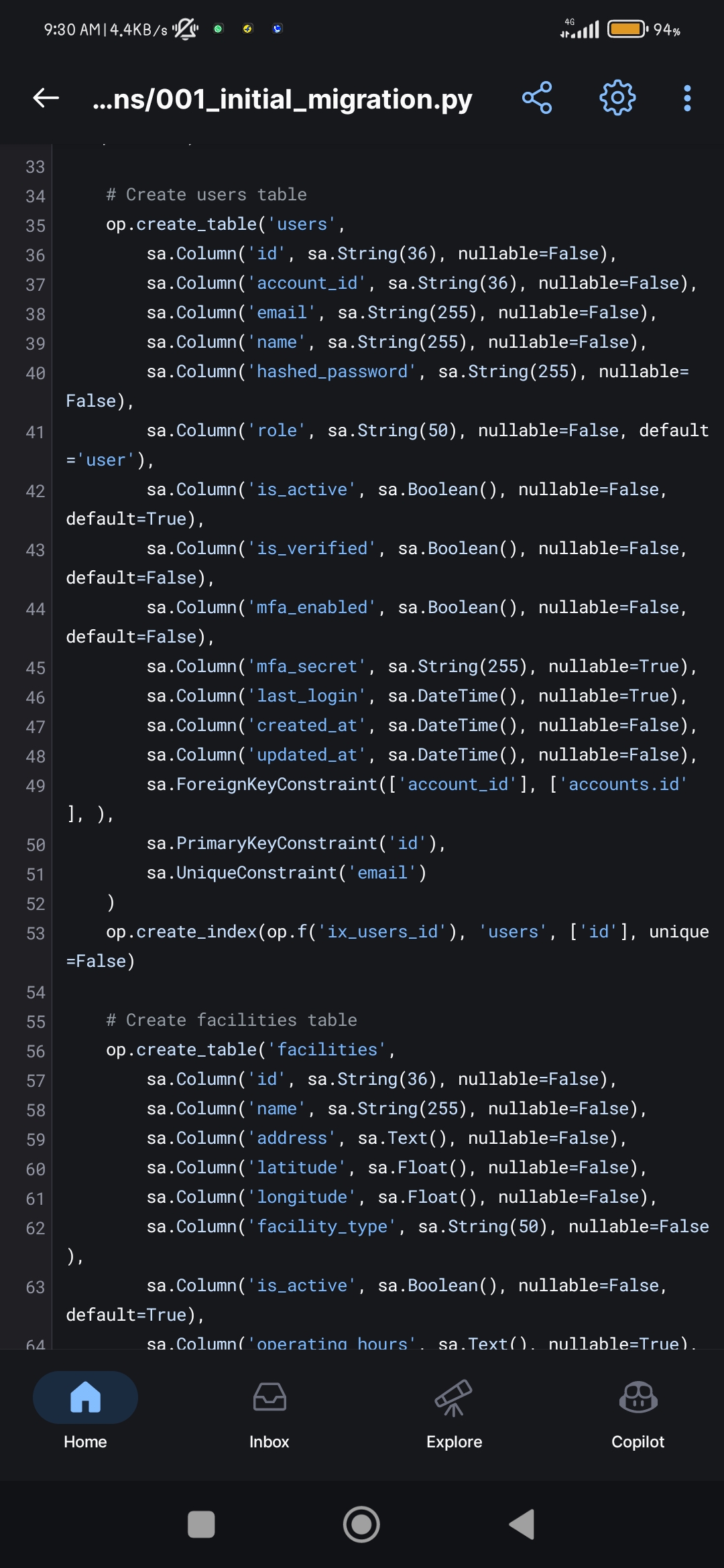
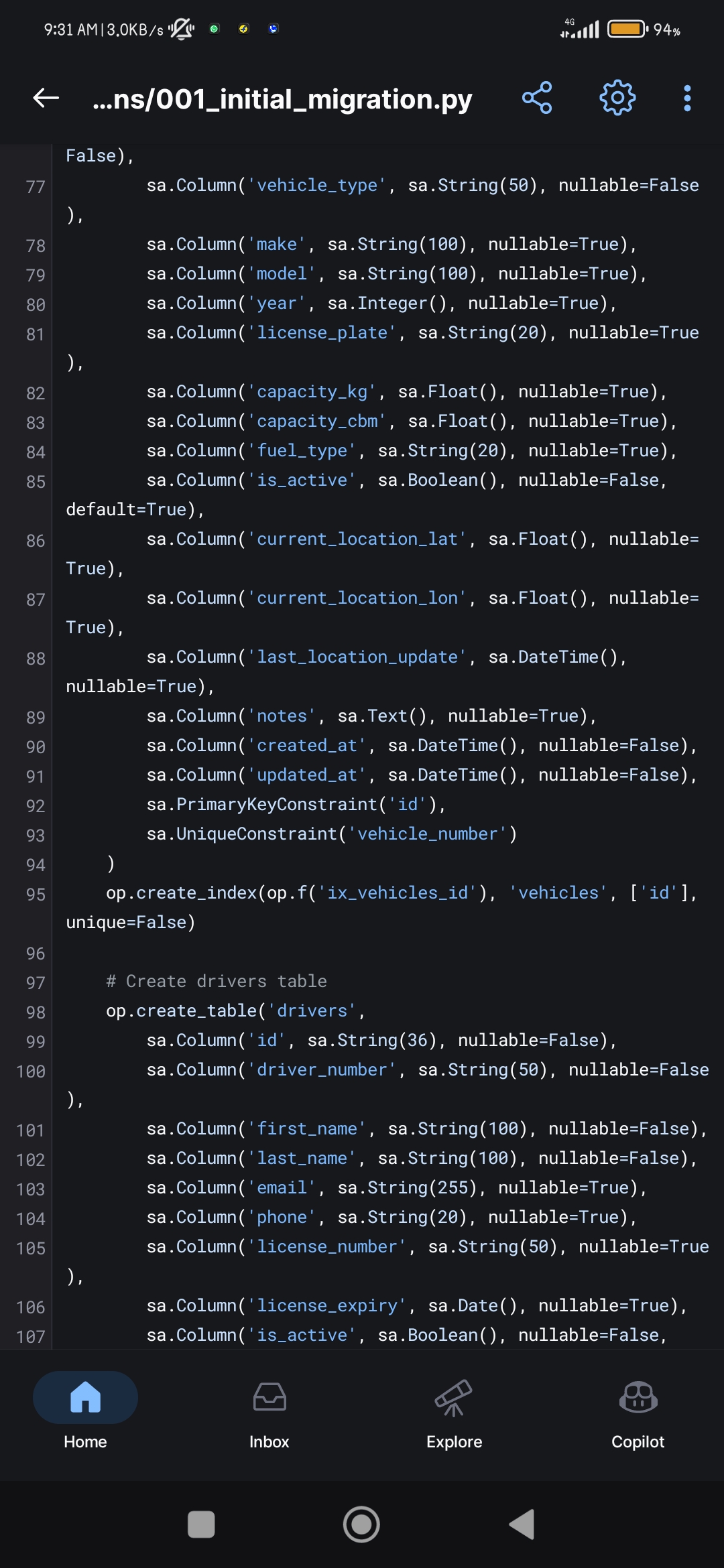
What it does Global Logistics is an AI-powered logistics management system that helps businesses manage transportation, shipments, inventory, warehouses, and deliveries efficiently. It provides real-time shipment tracking, route optimization, demand prediction, and delivery-time estimation. The system analyzes logistics data to identify delays, reduce transportation costs, optimize routes, and improve decision-making. It connects suppliers, warehouses, transport providers, and customers through a centralized platform, creating a smarter and more transparent supply-chain network. How we built it We built Global Logistics using a combination of Artificial Intelligence, Machine Learning, web technologies, and databases. The frontend provides an easy-to-use dashboard for managing shipments, inventory, routes, and tracking information. The backend handles business logic, user requests, logistics data, and communication between different modules. A database stores shipment, vehicle, warehouse, customer, and inventory information. Machine Learning algorithms are used for demand forecasting, delivery prediction, route optimization, and risk detection. Challenges we ran into One of our major challenges was handling large amounts of logistics data and ensuring that the information remained accurate and consistent. Designing an efficient route-optimization system was another challenge because delivery routes can change based on distance, traffic, vehicle availability, and delivery priorities. Integrating different logistics modules into one platform also required careful planning. We also faced challenges in selecting suitable Machine Learning algorithms and making their predictions useful for real-world logistics operations. Accomplishments that we're proud of We are proud of developing a complete concept for an AI-driven global logistics platform that brings multiple logistics operations together. We successfully designed modules for shipment tracking, inventory management, route optimization, delivery prediction, and logistics monitoring. We also created a system architecture that can be expanded with additional AI features in the future. Our project demonstrates how Artificial Intelligence can improve traditional logistics operations and support faster, data-driven decisions. What we learned Through this project, we learned how AI and Machine Learning can be applied to real-world supply-chain problems. We gained knowledge about data collection, preprocessing, prediction models, route optimization, database management, and system design. We also learned the importance of teamwork, problem-solving, testing, and designing a user-friendly interface. Most importantly, we understood how different logistics operations are connected and how technology can improve the complete supply-chain process. What's next for Global Logistics In the future, Global Logistics can be enhanced with real-time GPS and IoT integration, live traffic-based route optimization, advanced demand forecasting, automated warehouse management, and AI-based risk detection. We can also integrate smart vehicles, drones, and autonomous delivery systems to improve transportation. A mobile application can provide customers with live delivery updates and notifications. The system could eventually become a fully automated global logistics platform capable of making intelligent decisions in real time and continuously optimizing the supply chain.
Built With
- ai
- and-database-technologies:-frontend:-react.js
- and-deliveries.-mysql-stores-the-logistics-data
- and-python-based-machine-learning-models-analyze-the-data-for-demand-prediction
- css
- decision-tree
- delivery-time-estimation
- git-&-github-the-frontend-provides-the-logistics-dashboard
- html
- inventory
- javascript-backend:-python-with-django-/-django-rest-framework-ai-&-machine-learning:-python
- linear-regression-database:-mysql-api:-rest-api-development-tools:-vs-code
- numpy
- pandas
- route-optimization
- scikit-learn-machine-learning:-random-forest
- shipments
- vehicles
- while-the-django-backend-manages-users

Log in or sign up for Devpost to join the conversation.