-
-

Social Forecasting
-
Economic Forecasting
-

Geopolitical Forecasting
-
Global forecasting system


Inspiration
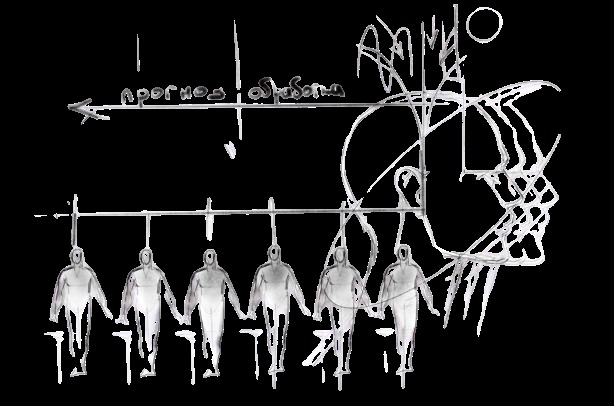
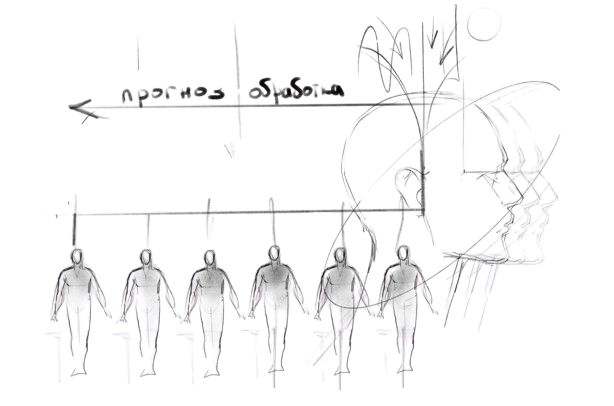
The idea for the Global Forecasting System (GFS) emerged from our neuroscience and consciousness research, where we explored the links between dreams, collective intuition, and large-scale social dynamics. We wanted to create a predictive system that integrates human subconscious data with artificial intelligence — a tool capable of detecting early signals of geopolitical, social, and economic change before they manifest. This vision was first outlined in our July 2024 research paper “Forecasting Social, Geopolitical, and Economic Events Using the ‘Banchenko-Technology’.” The paper laid the scientific foundation for GFS and introduced a theoretical framework later expanded into a working prototype during the Theta EuroCon Hackathon in Berlin (Sept 7–11, 2025).
What it does
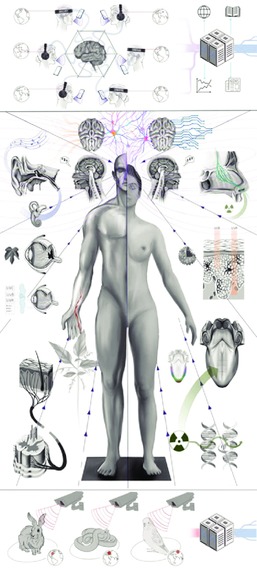
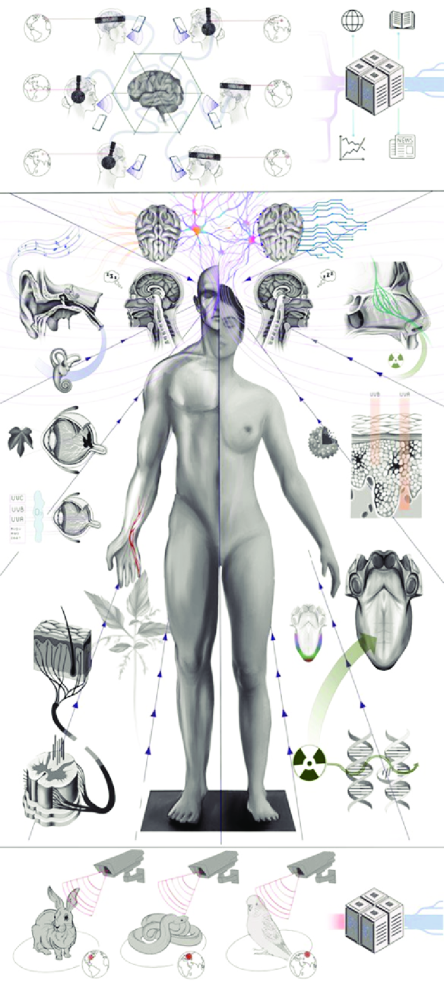
GFS is a predictive intelligence platform that merges neuroscience, behavioral analytics, and AI. The system captures and analyzes non-traditional sources of data — dream narratives, subconscious patterns, and anomalies in animal behavior — to detect early signals of macroeconomic and geopolitical shifts. It goes beyond quantitative models by adding a human and biological dimension to forecasting.
How we built it
We developed both a multilingual web interface and a Telegram bot for data input and user interaction. On the backend, GFS runs a distributed AI architecture based on LangChain, FastAPI, PostgreSQL, and Docker. The analytical core is powered by Banchenko-Technology and the Kapustin Markers Algorithm, which extracts structures from dream narratives, identifies recurring archetypes, and matches them to real-world data streams — including market tickers, media narratives, and DEFCON status indicators. This combination enables semantic synchronization between subconscious data and external global signals.
Challenges we ran into
Our biggest challenge was integrating such diverse datasets — dreams, news, markets, animal behavior — within a consistent analytical framework. Balancing symbolic and statistical reasoning also required designing hybrid AI pipelines that could handle both semantic interpretation and numeric forecasting efficiently. Additionally, running complex models under hardware limitations during the hackathon pushed us to optimize every process — from embedding extraction to asynchronous data orchestration.
Accomplishments that we’re proud of
Built a functional GFS prototype in just five days during the Theta EuroCon Hackathon Developed a novel symbolic-semantic matching pipeline based on Banchenko-Technology Integrated dream analytics, market tickers, and media data into one forecasting workflow Presented our work live at the conference — receiving strong engagement and post-event interest from developers, investors, and organizers
What we learned
We learned how to coordinate a distributed research and development team under tight deadlines while unifying scientific, engineering, and media workstreams. The hackathon showed that AI systems integrating human data sources — such as dreams — can generate meaningful early-warning signals and that people are genuinely fascinated by this approach. What’s next for Global Forecasting System by ASRP We are expanding GFS into a scalable cloud-based infrastructure capable of handling millions of dream inputs and environmental signals in real time.
Our roadmap includes:
API for research institutions and media partners Launch of a prediction marketplace based on verified subconscious and environmental data Continued scientific research and publication in cognitive AI and predictive analytics
Built With
- ai
- langchain
- langraph
- llm
- node.js
- typescript


Log in or sign up for Devpost to join the conversation.