-
-
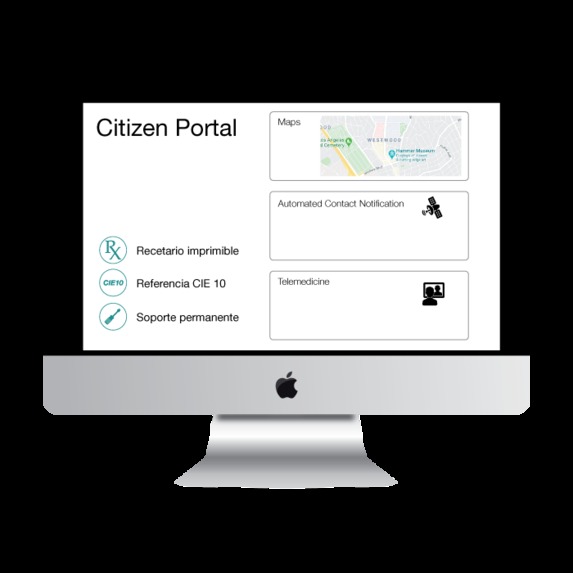
Citizen portal helps the citizen stay informed, healthy and provided with basic medical consultation from home.
-
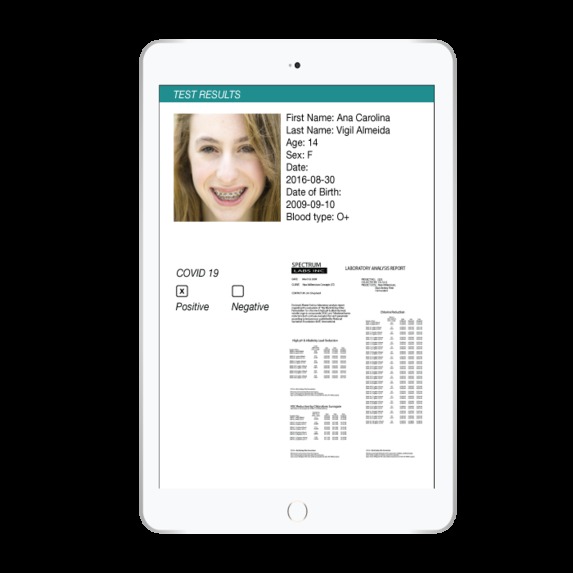
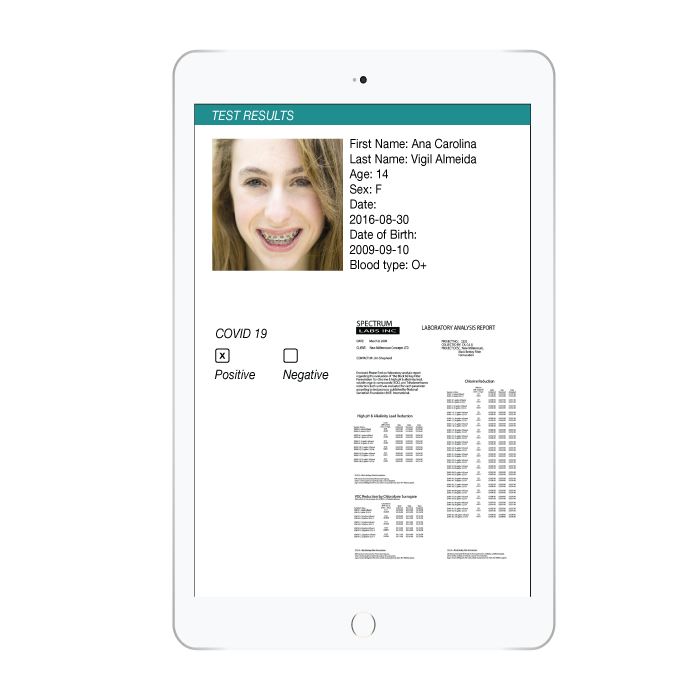
Test results positive for covid-19 instantly notify the contacts on file
-
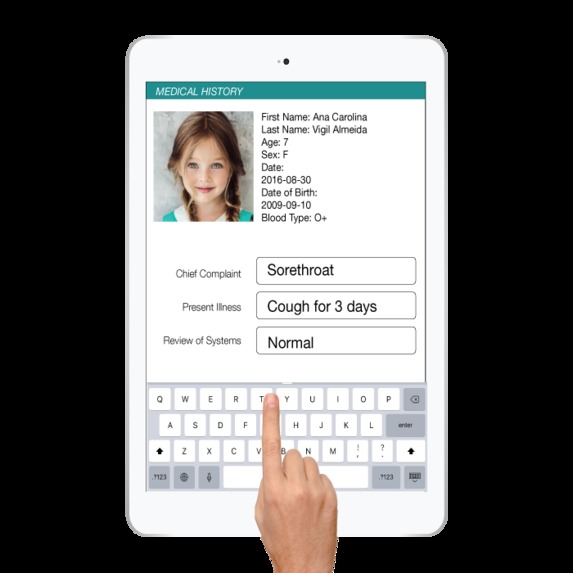
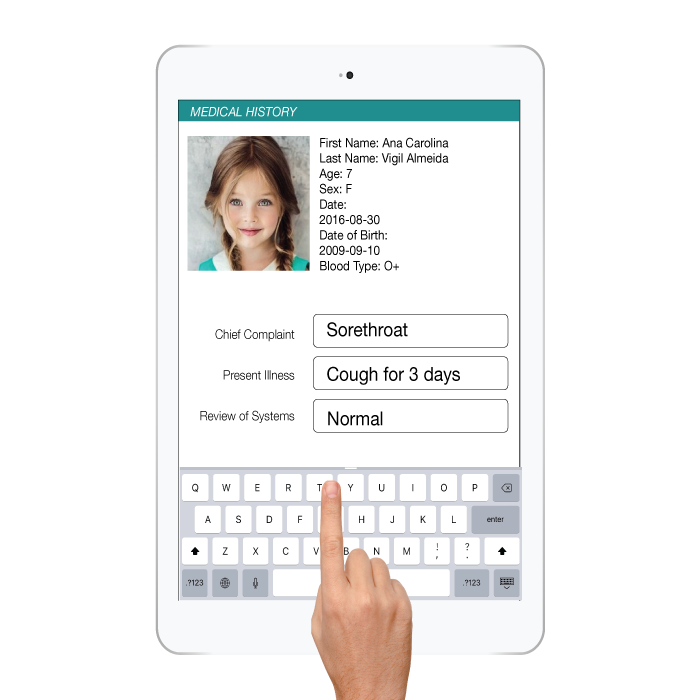
To add a new clinic Record on a patients profile
-
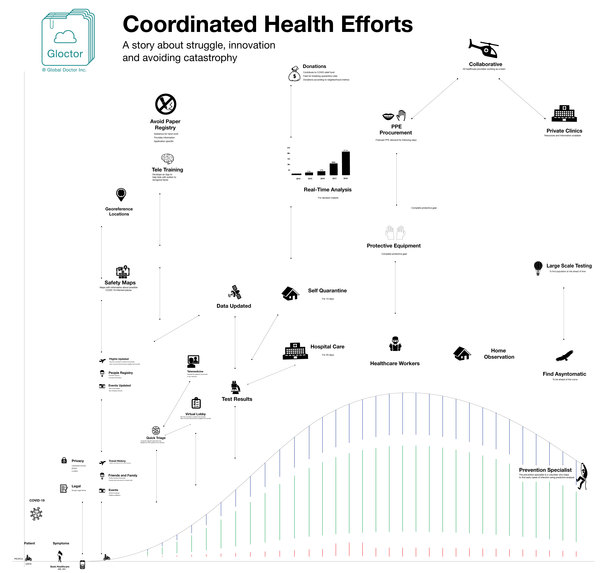
This graphic shows the integration of the service in every step of the process.

We have a Cloud-based electronic health records system and we want to implement a set of 7 features that will help to manage this public health emergency.
The biggest threat we are facing is the overflow of our healthcare system due to the high number of patients seeking care and long hospitalization periods.
Multiple problems arise from 3 sides:
Healthcare providers don't have PPE and Ventilators Healthcare providers receive too many suspected COVID-19 patients at the same time, and they don't have enough physical and human resources capacity to attend all of them. Patients don't know exactly what to do when they have symptoms and the communications systems to get guidance are not always available. Patients go to the emergency room when symptoms become severe and still they have a long waiting period until they receive medical care. Patients who arrive at the emergency room are in contact with citizens who are there for other reasons until they are identified as suspected COVID-19 patients, facilitating the transmission of the virus. Patients with COVID-19 confirmed or suspected who have mild symptoms (fever, headache, myalgia) need medication, and they go out to pharmacies and healthcare facilities to relieve those symptoms, exposing others to infection. Patients with infection or suspected infection don't comply strictly with quarantine time. Patients with the confirmed infection don't communicate the diagnosis to the people they have been in contact with. Citizens don't know exactly what places pose a high risk of contracting the virus. Citizens with other diseases are left unattended while the healthcare facilities try to cope with the great influx of COVID-19 patients.
To address that, the system will have 3 points of access:
What it does
Organizes the crisis around the patient to prevent the collapse of healthcare providers By organizing the attention process and analyzing data we can be one step ahead of the virus.
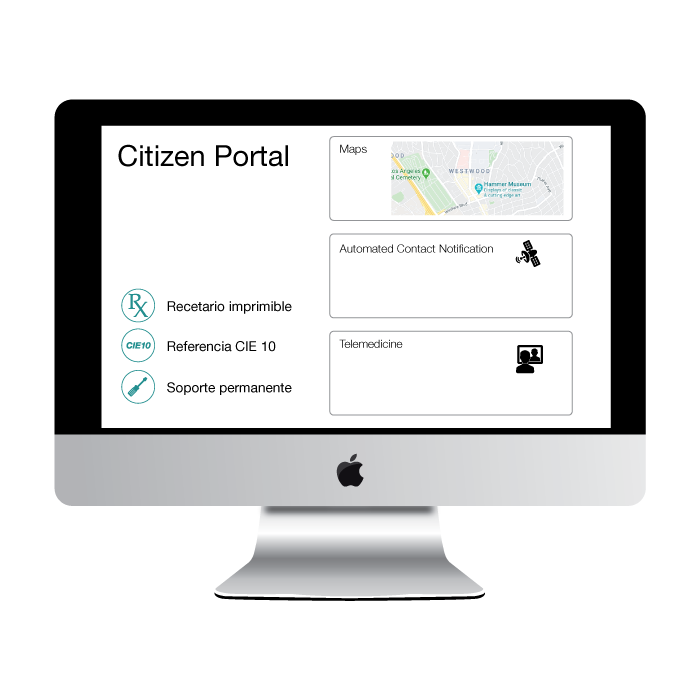
CITIZEN PORTAL
COVID-19 map: Informs citizens about places with a high risk of COVID-19 exposure using a georeferencing system, so they can avoid going there.
Automatic contact notification: Notifies and monitors people who had been in contact with confirmed COVID-19 patients, including exposure in events or flights.
Telemedicine: Provide patients with other diseases with easy access to medical advice via phone or video call with a Doctor so they attend healthcare facilities only if strictly necessary.
COVID-19 Patient Portal
Quick Triage: Provides automated guidance and initial management for patients with symptoms, including the delivery of over-the-counter medication to relieve symptoms and reduce the number of patients attending pharmacies and healthcare facilities.
Georeferenced quarantine: Monitor quarantine compliance by suspected COVID-19 patients using geo-referencing through location services, and charging a ”COVID-19 donation fee” if a patient is detected out of his home area, the funds will go to a COVID-19 relief fund.
Virtual waiting room: Allows suspected COVID-19 patients to notify when they are attending a healthcare facility, so the chosen healthcare center can give him a window time to arrive. This will enable a more efficient check-in and doctors will be prepared to receive them separately from other patients, mitigating the risk of contagion.
Healthcare Provider Portal
Collaborative Supplies: Implement a system to request supplies between healthcare facilities so equipment such as PPE and Ventilators can be shared if they are not being used.
Citizen portal
COVID-19 Map
A healthy citizen goes out to work or to buy groceries, he opens the portal and sees a map showing the places in the city with different colors, places in red have been notified through the system as places where COVID-19 patients had been on the last 14 days, so he knows he has to stay away from those places. A list of events, flights, cruises with COVID-19 warning will be displayed to announce that if people have been there a quarantine is required.
Automatic contact notification
Using the information entered by COVID-19 patients during registration, about travel history, events, places and people he had been in contact with during the last 14 days, the system will notify the contacts by phone and email alerts that he has been in contact with a COVID-19 patient (Anonymous), in the last 14 days. Then, the asymptomatic citizen is instructed to maintain quarantine at home for the next 14 days and to register in the system to monitor symptoms and receive proper medical attention if needed.
Telemedicine
Citizens with other illnesses who need medical advice can make an appointment with a doctor in the system’s database, to be contacted by them at the time selected via phone or video call. This will allow them to ask a doctor about their doubts and refrain them from arriving at healthcare facilities if it is not needed.
How I built it
It is built on HTML5, PHP, CSS. Using a MySQL database on a hosting service.
Challenges I ran into
Many challenges are related to payment (insurances and policies), and others related to legal terms. The Healthcare industry is at the same time very regulated in every country and at the same time, It is all the same since we are all part of the same species.
Accomplishments that I'm proud of
We are proud of the thought process that is embedded in our design for these solutions. We have designed our features from a virologist point of view since it is the angle will serve the most in this particular situation.
What I learned
What's next for Global Doctor, Coordinated Health Efforts
Next is to connect with some large organizations to organize efforts in a centralized way.


Log in or sign up for Devpost to join the conversation.