-
-
WHAT
-
WHY
-
WHO
-
WHEN
Inspiration
“This storm will pass. But the choices we make now could change our lives for years to come." - Yuval Noah Harari
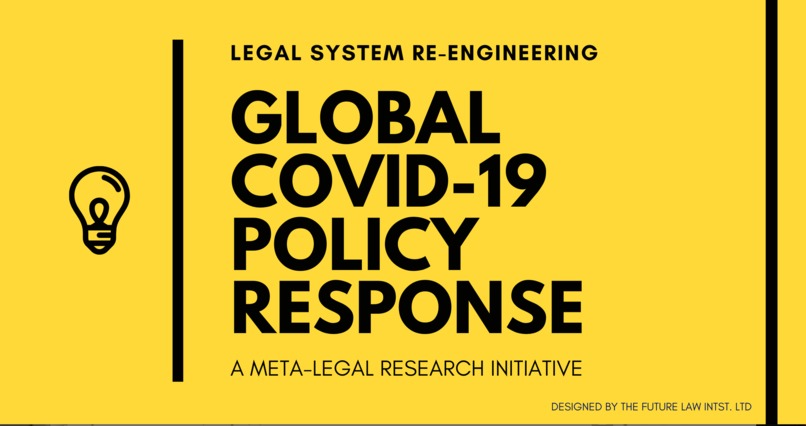
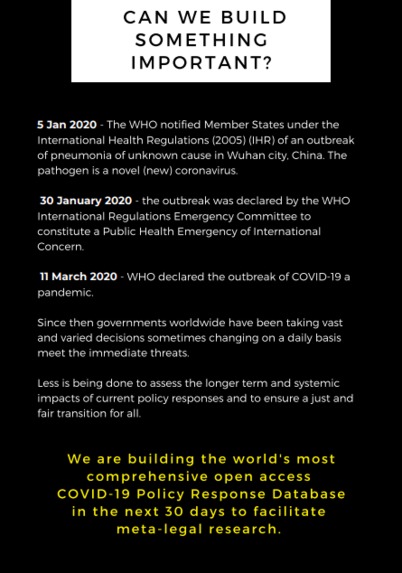
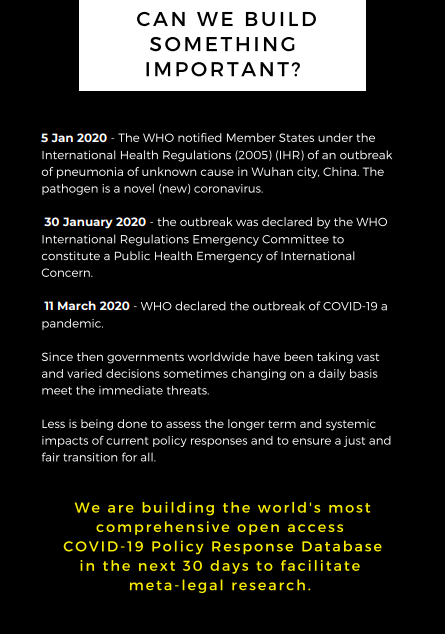
COVID-19 has undoubtedly catalysed a defining period in our collective history. The World Health Organisation (WHO) has notified its Member States about an outbreak of pneumonia of unknown cause in Wuhan city, China already in early January 2020. In February WHO gave this new disease a name - Coronavirus disease 2019 (COVID-19). On 11 March 2020 WHO declared the outbreak of COVID-19 a pandemic.
In order to address immediate threats within their jurisdictions, governments worldwide are making vast and varied policy responses encroaching on civic freedoms. New guidelines, policies, orders and laws are being passed on a daily, even hourly basis, and sometimes these measures seem inadequate, irrational and, without any time constraints, illegitimate.
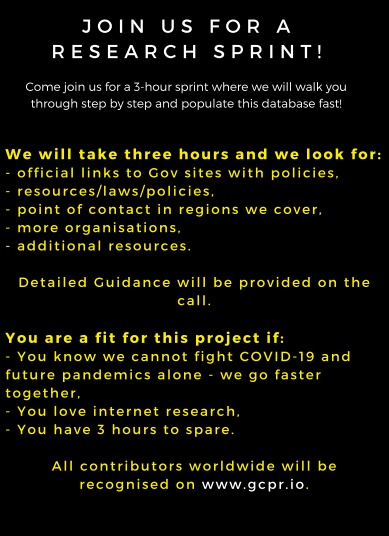
In order to make sense of such legal disarray, co-founders of Future Law Institute and initiators of GCPR reached out to lawyers, system-thinkers and other professionals around the world to participate in a collaborative effort. Following the 'research, respond and reshape' sequence, they have found many more similar endeavours and existing databases and have invited all to join powers in creation of a Global COVID-19 Policy Response (GCPR) Database.
What it does
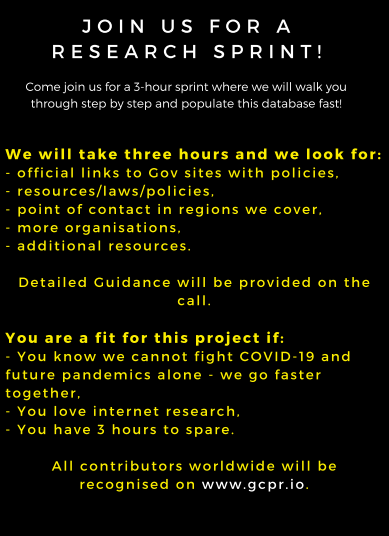
GCPR is a new type of collaboration between various different networked communities of practice. We host virtual research sprints to collaboratively collect relevant information and make entries to the database. The database enables all legal professionals as well as non-lawyers to find relevant policies, measures and guidelines issued in different jurisdictions with ease. Consolidated data will also allow for deep analysis and cross-indexing, which will reveal possible correlations between the spread of the virus and best-practices, policy responses and rule-making processes.
Visualisation of collected information will make raw data comprehensible and possible to use by mainstream media, yet the distributed work and inputs made by professionals, edited by the experts, will keep this database a reliable and up to date source of information.
How we built it
In two weeks since we've started the GCPR Database has come into existence on Google Spreadsheets, which currently allow for easy editing and online collaboration. We're already close to the second phase, where data will have to be consolidated and a more comprehensive and advanced database will have to be composed for further research. We are exploring possibilities with SQL and HTML5 now. We also enabled communication with various messaging frequencies and are using Telegram messaging app for day-to-day communication, Zoom breakout rooms for weekly sprints and email for overall broadcasting. We've also established a website and have partnered with other data providers to coordinate the integration of various different databases.
Challenges we ran into
One of the expected challenges is the language barrier as many legal resources are only available in the native language but are not being translated professionally. In order to compose and synchronise the whole master database, we will have to invest and provide for translation where applicable. As the number of contributors rises, so does the need for improved facilitation, cooperation across different timezones, access and ease of contribution, CRM techniques.
Accomplishments that we're proud of
We've established incredible cooperation between 80 lawyers, system-thinkes and policymakers in less than 2 weeks, along with a working website and new collaboration methodology we practice through GCPR Sprints and partnership proposals.
What we learned
The learnings on GCPR Sprints (one of them hosted during the EUvsVIRUS Hackathon) have provided us with an incredible overview of differences between jurisdictions, possible improvements, best-practice policy-making procedures and creative patterns for research and data generation processes.
We've also learned more about the costs of such endeavour, which not only cover the development and back-end professional design, but also front end campaign, expert facilitation of GCPR sprints and management of the contributors for appropriate informing and coordination. In order to make the front-end and public relations transparent and professional, team will have to be equipped with professional narrators. The team which now consists of two initiators and two outsourced developers will also need experts for data visualisation and legal mapping.
What's next for Global COVID-19 Policy Response Database
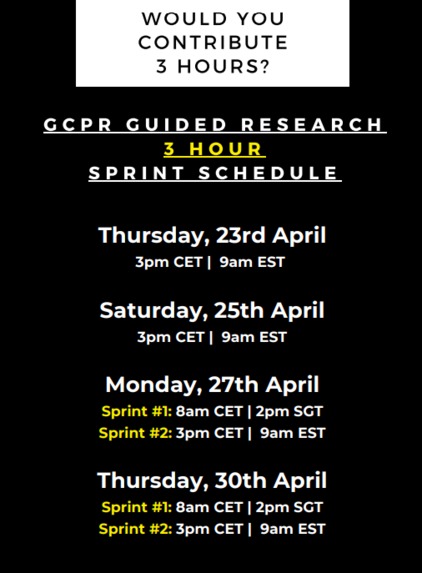
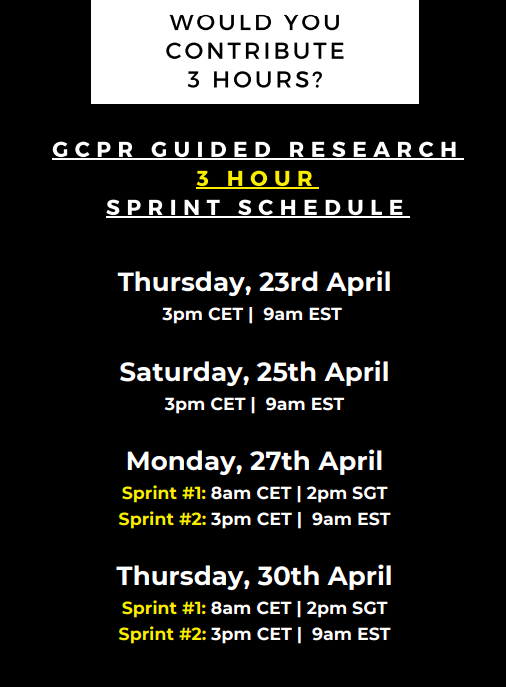
In the following week, GCPR Contributors and supporting partners will officially make an Open COVID-19 Pledge and put the database online. Monday and Thursday (27th and 30th March) mark the double sprint days, where contributors will meet in Zoom Breakout Rooms to further research and complete their entries for several jurisdictions. In first week of May GCPR initiators will make a reflection call and revise learnings from 5 sprint days, co-create a report and decide on next steps.
Meanwhile, data will be integrated with more accessible databases - approximately 2 more before we move collected information to a more sophisticated infrastructure with different hosting and possibility to customise entires, make cross-references, indexing and examine relevant correlation functions.
Once the data is collected and synchronised, the GCPR Database will be visually presented and legal mapping will take place. Such analysis can further on be of use to ministries and policy-makers to better understand the applications of laws and regulation they produce and to track social, economic and other impacts of policy responses and complex dynamic structures.


Log in or sign up for Devpost to join the conversation.