-
-
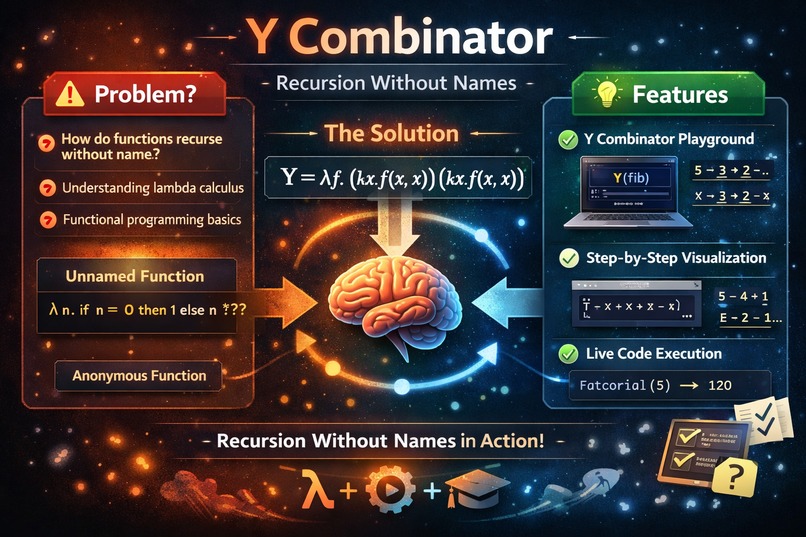
launch lab AI
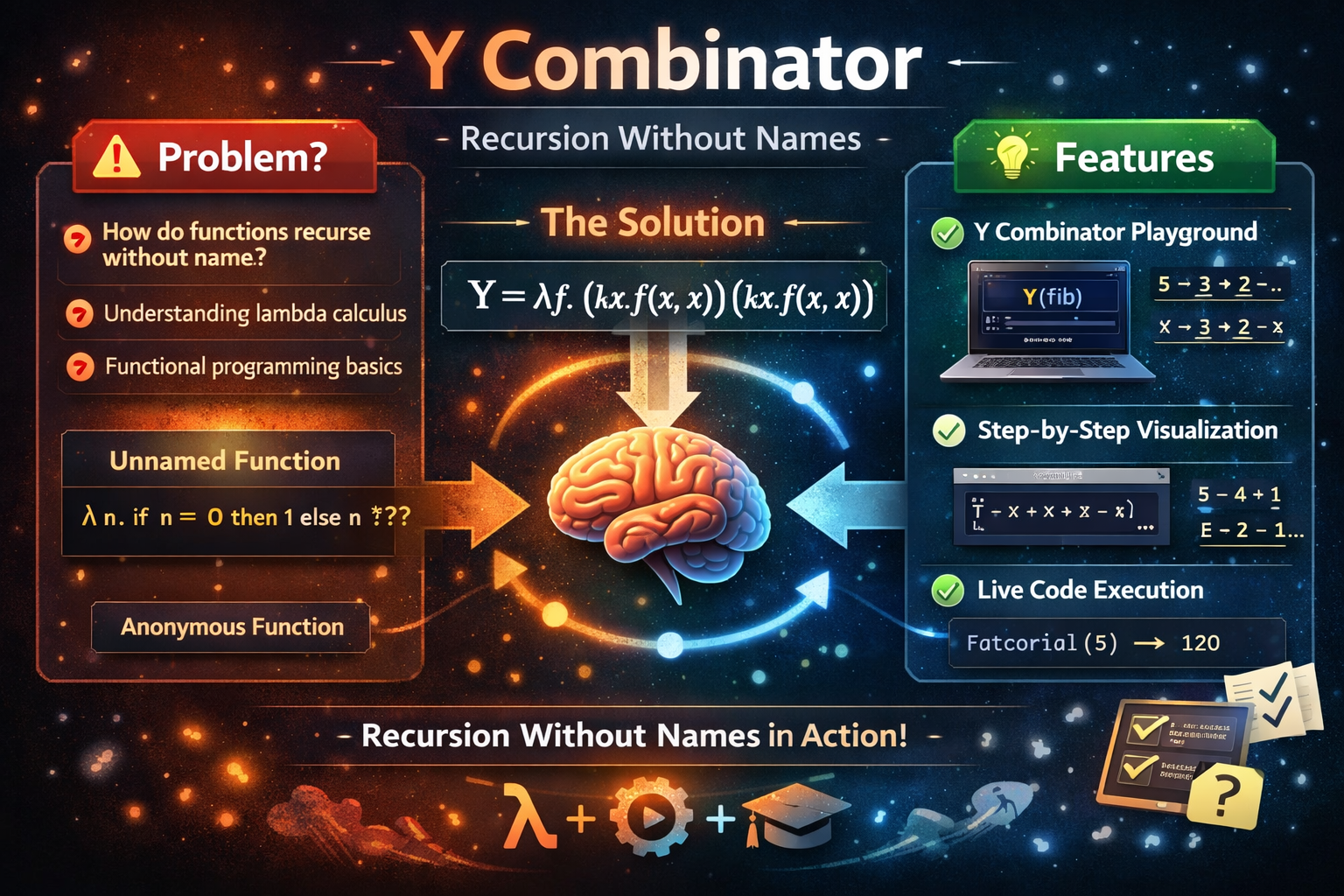
Inspiration GlitchMind was inspired by a simple but powerful idea: systems don’t just fail randomly—they reveal their deepest logic when they break. While working on glitch-based game mechanics and recursive concepts, I noticed that the most interesting behaviors often came from unintended interactions. Just like in recursion, where functions loop back into themselves, users can unknowingly (or intentionally) create loops, exploits, and anomalies in systems. This project was born from the curiosity to understand those “glitches” not as errors, but as signals of hidden structure.
What it does
How we built it I built GlitchMind using an AI-native workflow powered by Zerve. Instead of manually writing long scripts, I started with questions like:
“What unusual patterns exist in this dataset?”
The Zerve agent handled:
Data inspection and cleaning using pandas Behavioral clustering using machine learning (scikit-learn) Anomaly detection through statistical deviations Iterative debugging and refinement of code
For anomaly detection, I relied on statistical intuition. For example, identifying outliers using:
z= σ x−μ
Where:
$x$ = observed value $\mu$ = mean $\sigma$ = standard deviation
Values with high $|z|$ indicate unusual behavior—potential glitches or exploits.
I also explored sequence patterns, where repeated transitions like:
A→B→A→B
can signal recursive or looping exploits within systems.
Finally, I packaged the results into:
A visual dashboard for insights A natural language explanation layer A deployable API for real-time anomaly detection
Challenges we ran into
Accomplishments that we're proud of
What we learned This project completely changed how I think about data analysis. Instead of asking “What does the data show?”, I learned to ask:
“What is the system trying to hide?”
Key takeaways:
AI agents can dramatically accelerate experimentation and iteration Anomalies are often more valuable than averages Systems behave most honestly at their edges (failures, glitches, exploits) Recursive and looping behaviors appear in real-world data more often than expected
What's next for GlitchMind GlitchMind demonstrates that the most valuable insights don’t come from normal behavior—but from the moments when systems break. By combining AI-driven analysis with human curiosity, this project turns glitches into understanding, and anomalies into intelligence.
Built With
- and-deployment-fastapi-?-building-and-deploying-the-analysis-as-an-api-json-/-csv-?-data-input-formats-machine-learning-techniques-clustering-(k-means)-anomaly-detection-(z-score
- and-manipulation-scikit-learn-?-clustering-and-anomaly-detection-models-numpy-?-numerical-computations-matplotlib-/-plotly-?-data-visualization-and-dashboards-zerve-(ai-native-platform)-?-agent-driven-code-generation
- concepts)
- isolation
- iteration
- pattern
- python-?-core-programming-language-for-data-analysis-pandas-?-data-cleaning
- sequence
- transformation

Log in or sign up for Devpost to join the conversation.