-
-
Home
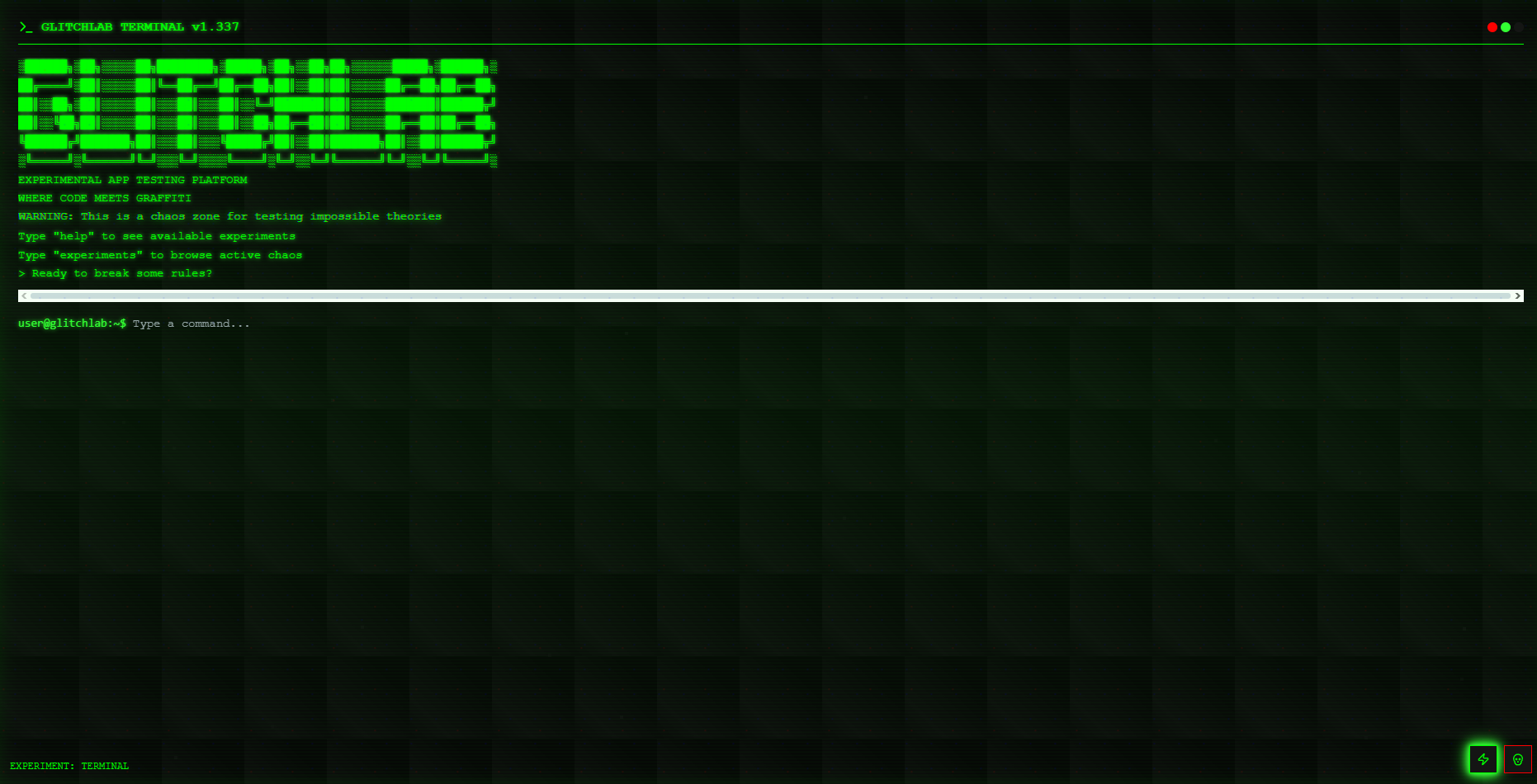
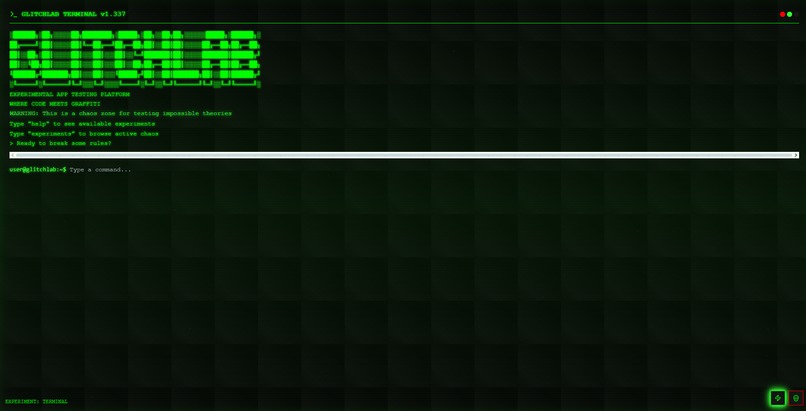
GlitchLab Experimental Writeup What was your hypothesis? Digital interfaces have become too predictable and safe, following established UX patterns that limit creative expression and genuine human connection. We hypothesized that deliberately breaking conventional design rules - through visual chaos, intentional confusion, and anti-patterns - could reveal new insights about human-computer interaction and create more authentic digital experiences. How did you test it? We built GlitchLab as a live experimental platform featuring multiple theory-testing environments: a dating app without photos to test attraction through conversation alone, news feeds that filter emotional manipulation, self-destructing single-use interfaces, and deliberately backwards UX flows. The platform uses real-time glitch effects, terminal aesthetics, and progressive interface decay to create controlled chaos. Users interact with these experiments anonymously, with behavior patterns tracked to measure adaptation and engagement without traditional usability metrics. What worked? What didn't? The visual aesthetic successfully created an engaging, rebellious atmosphere that encouraged experimentation. Users adapted surprisingly well to unconventional interfaces when given clear feedback about the experimental nature. The anonymous interaction model reduced social pressure and increased honest participation. However, some chaos elements proved more frustrating than insightful - random interface corruption without purpose created confusion rather than revelation. The self-destructing app concept worked better as a statement piece than a practical tool. Most importantly, we learned that controlled disruption yields better insights than pure randomness, and that breaking rules works best when users understand they're participating in an experiment rather than encountering broken software.
Built With
- react
- typescript
- vite

Log in or sign up for Devpost to join the conversation.