-
-
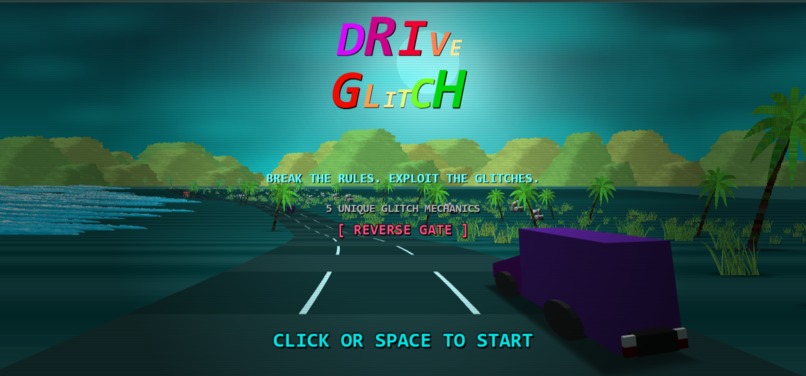
Start of the Game
-
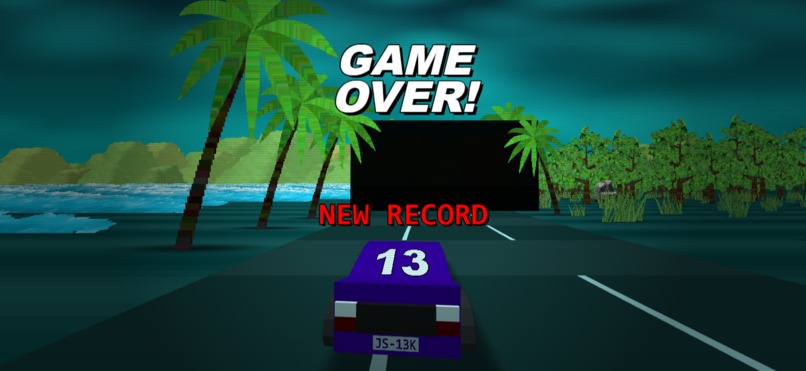
Obstacle 1: Wicked Wall
-
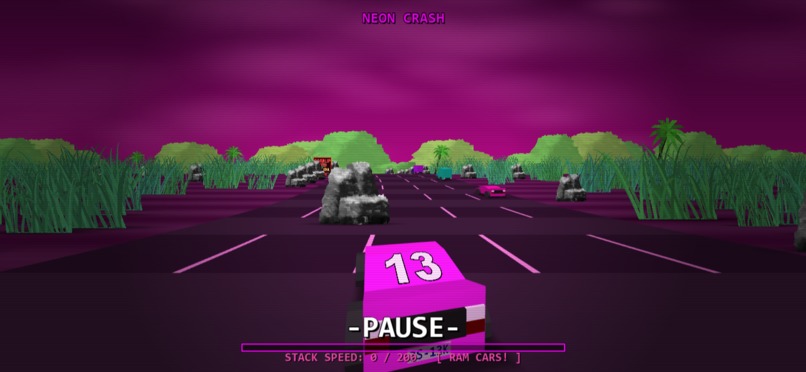
Obstacle 2: Rocky Road
-
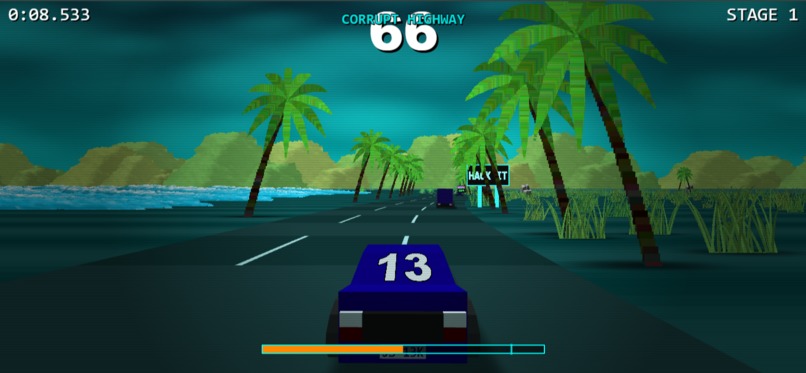
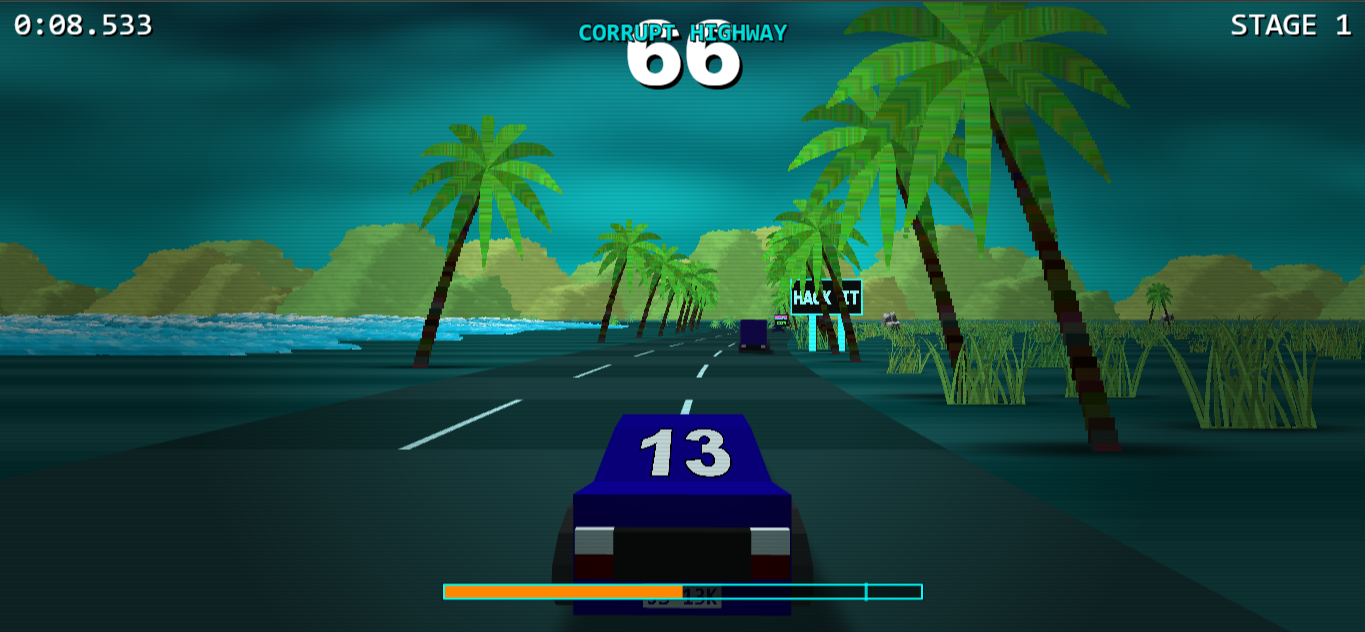
Terrain 1: Corrupt HighWay
-
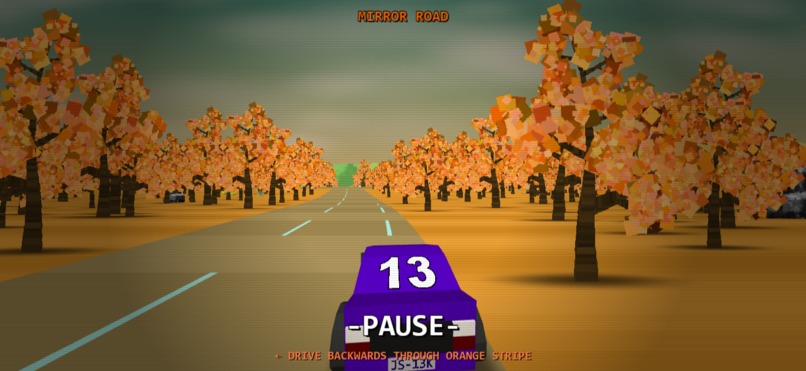
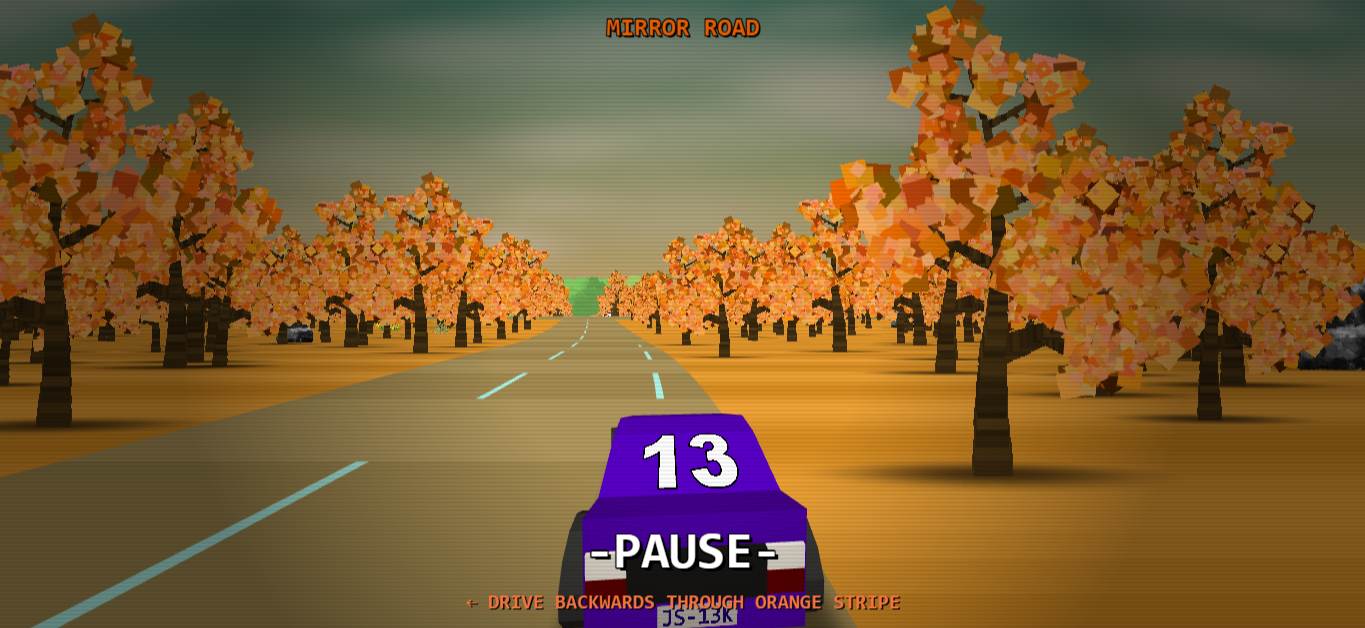
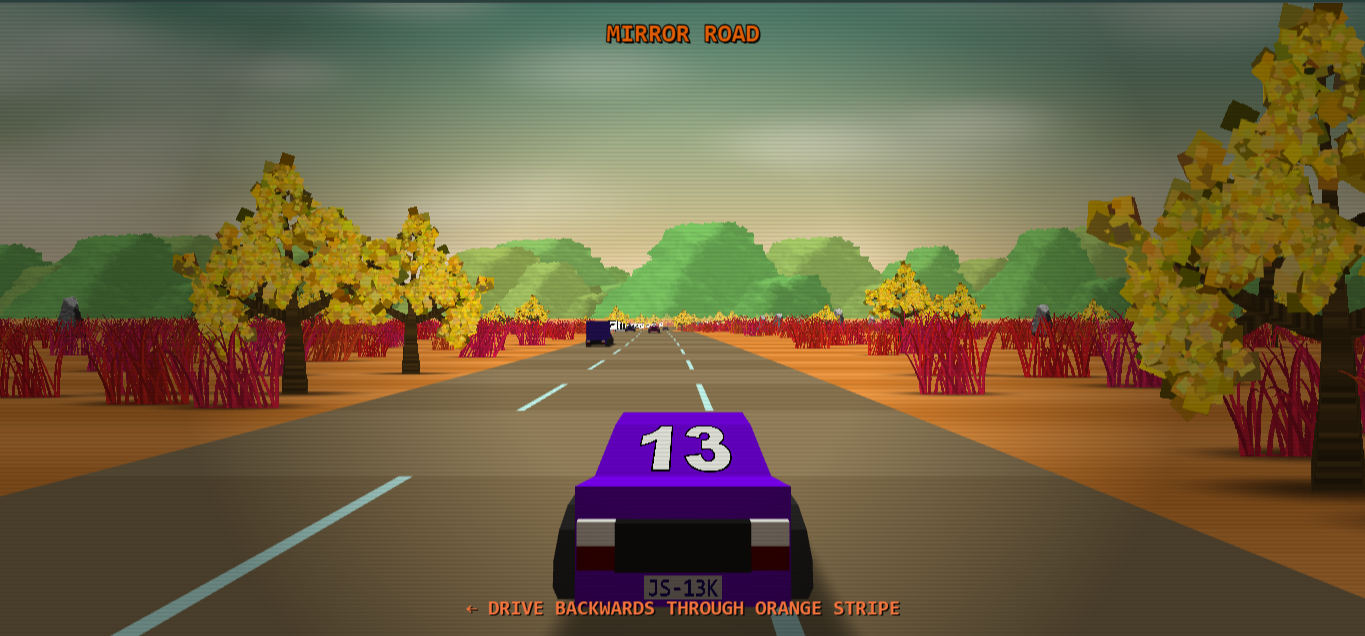
Terrain 2: Mirror Road (1)
-
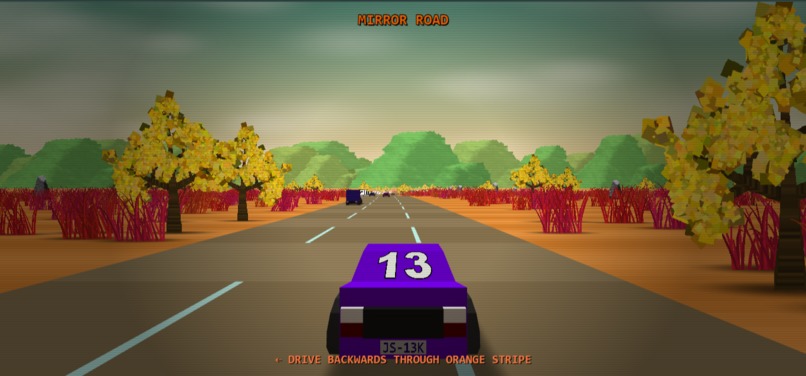
Terrain 2: Mirror Road (2)
-
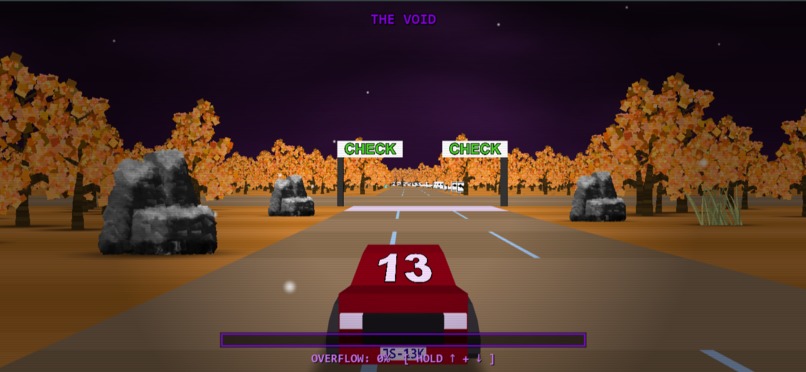
Terrain 3: The Void (1)
-
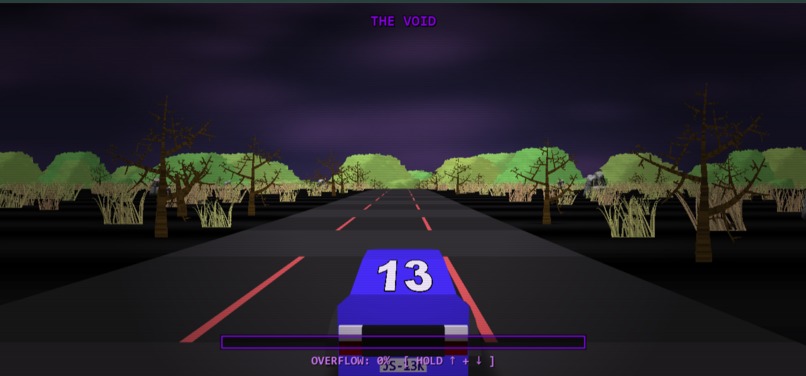
Terrain 3: The Void (2)
-
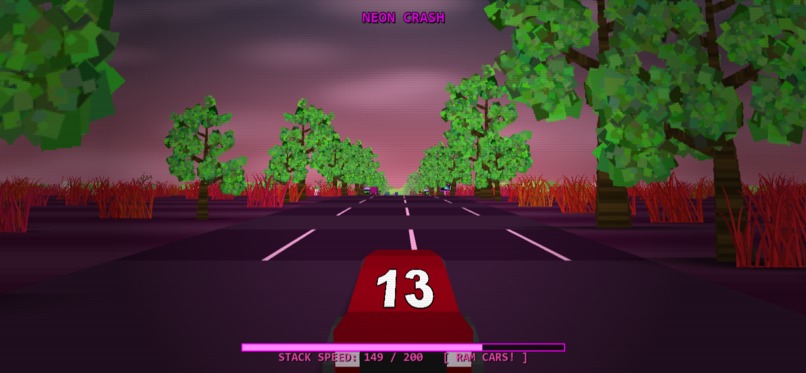
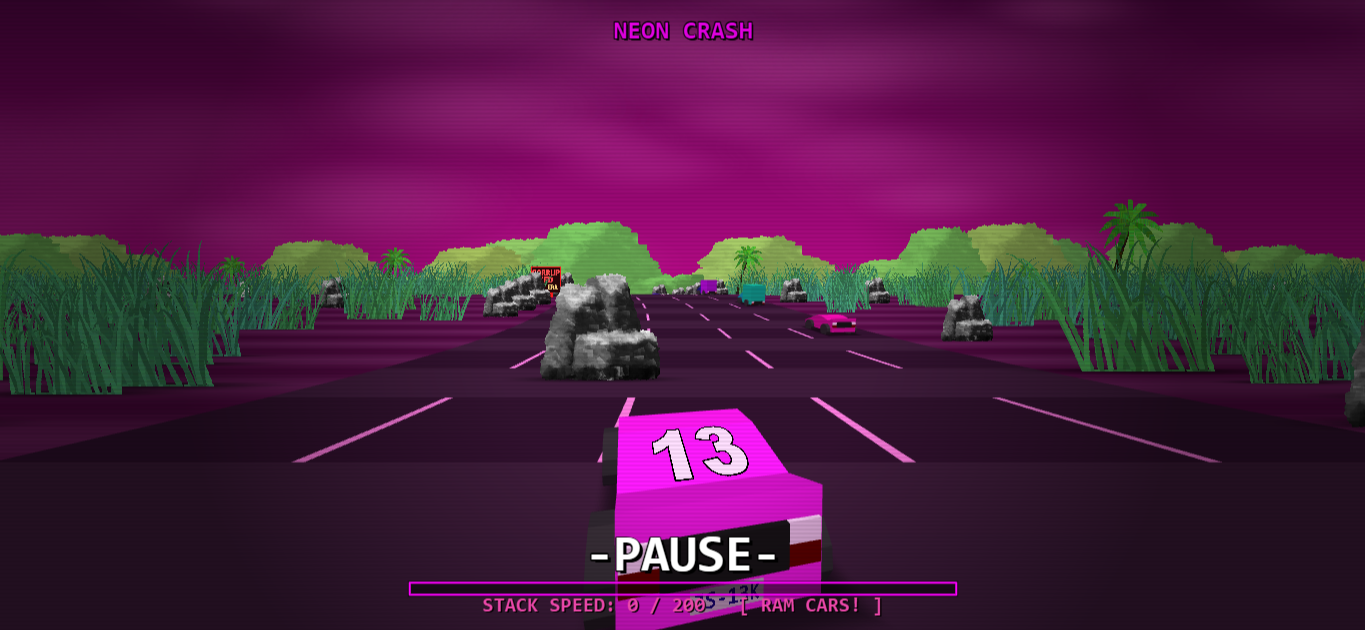
Terrain 4: Neon Crash
-
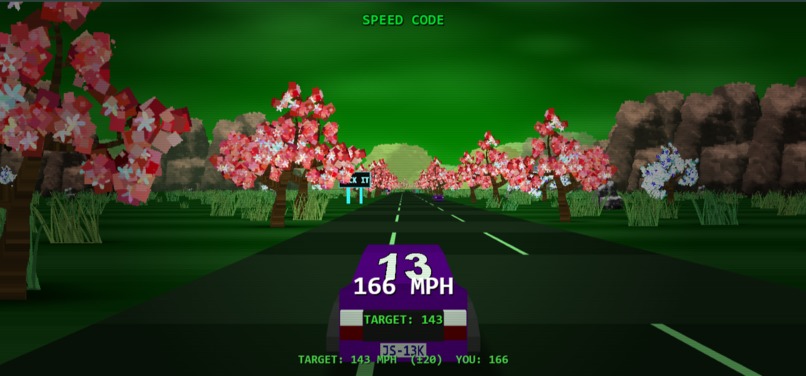
Terrain 5: Speed Code
Inspiration
Every single racing game I've played is perfectly calibrated to prevent glitches. The speed running community often tries to exploit these games by bugs, but later get banned and shamed for glitching. I thought that this isn't fair, and developed this game to encourage glitching. Glitch Drive enables users to purposefully find secretes and bugs to finish the games - and using them is the only way to succeed.
What it does
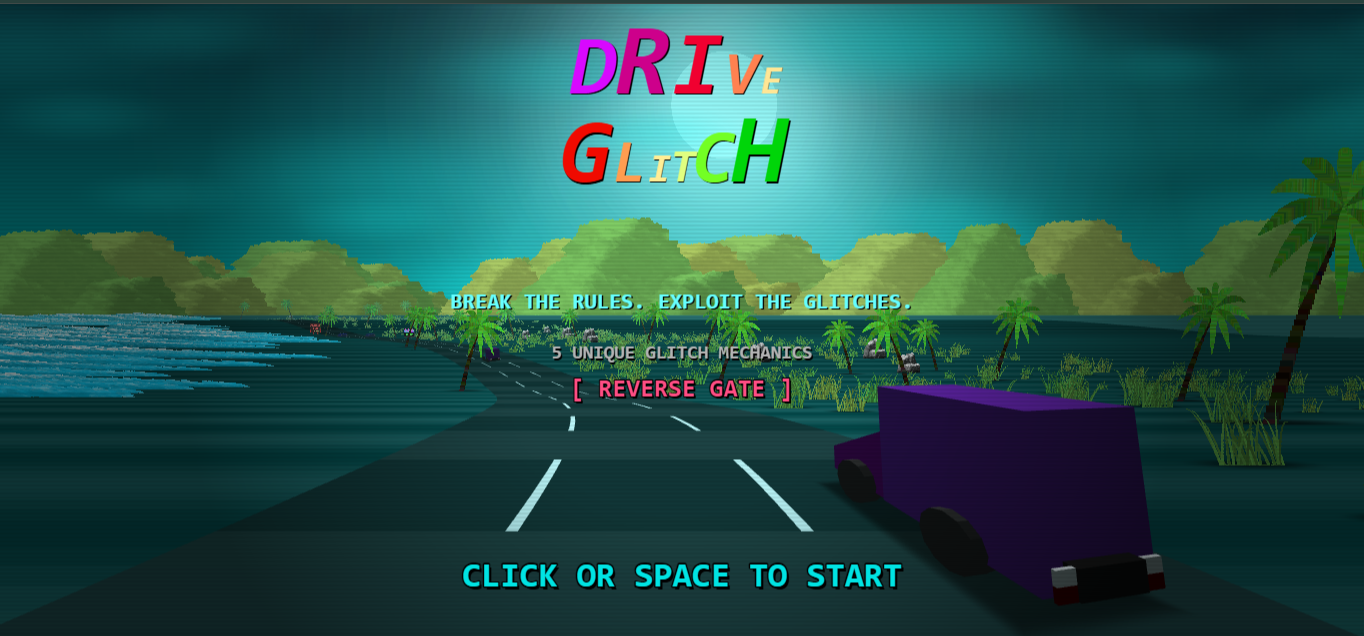
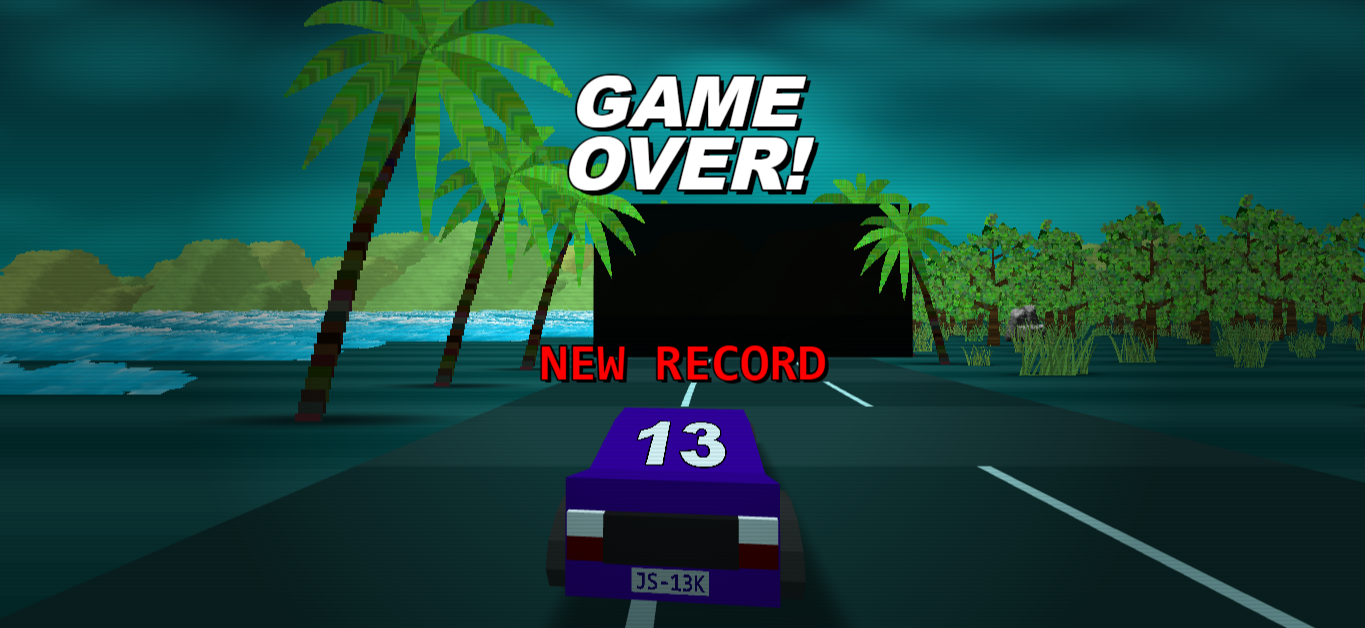
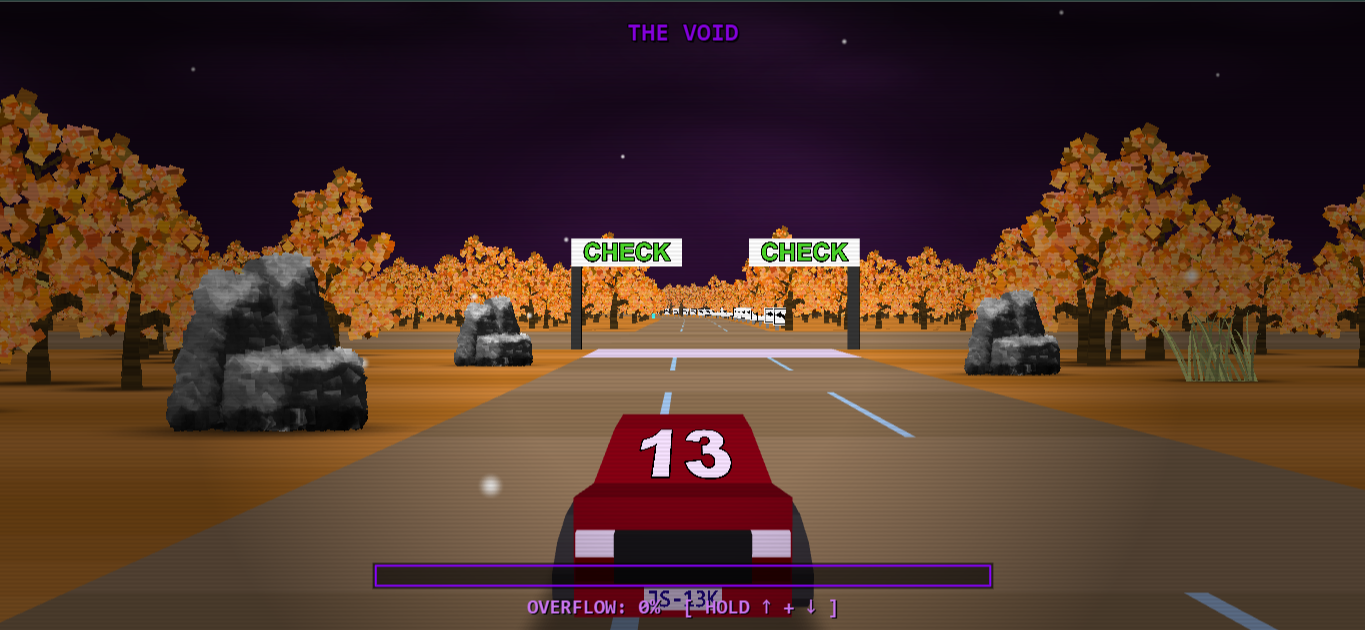
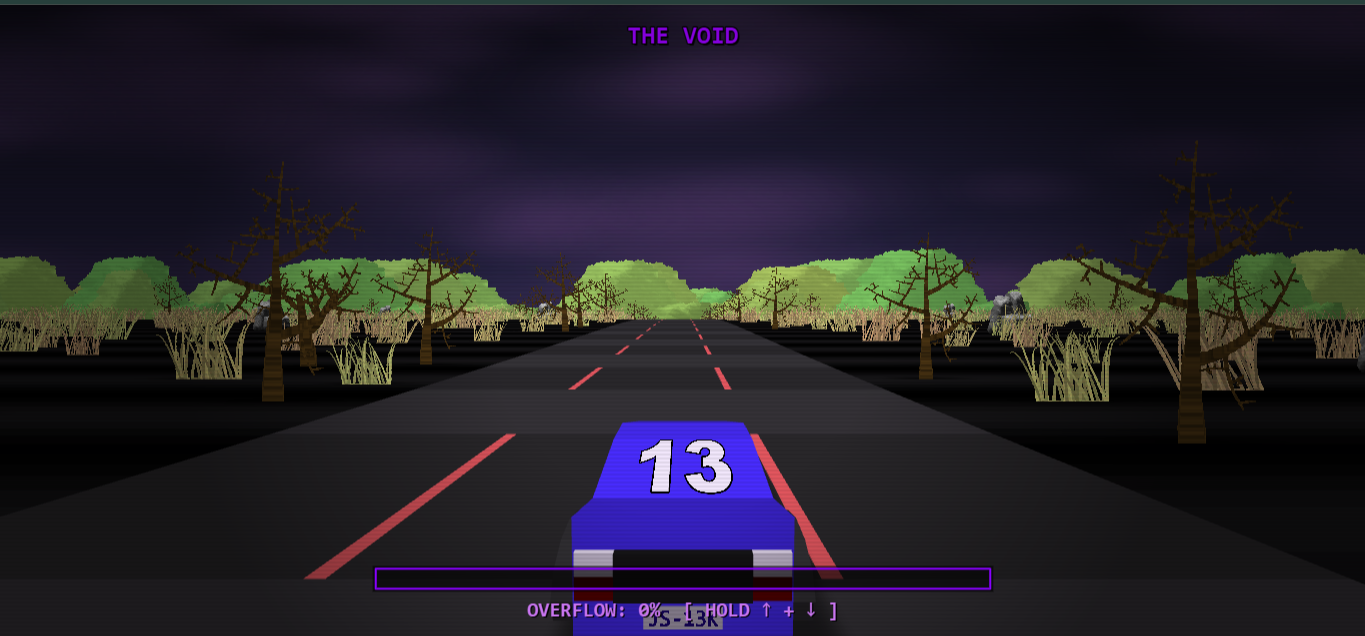
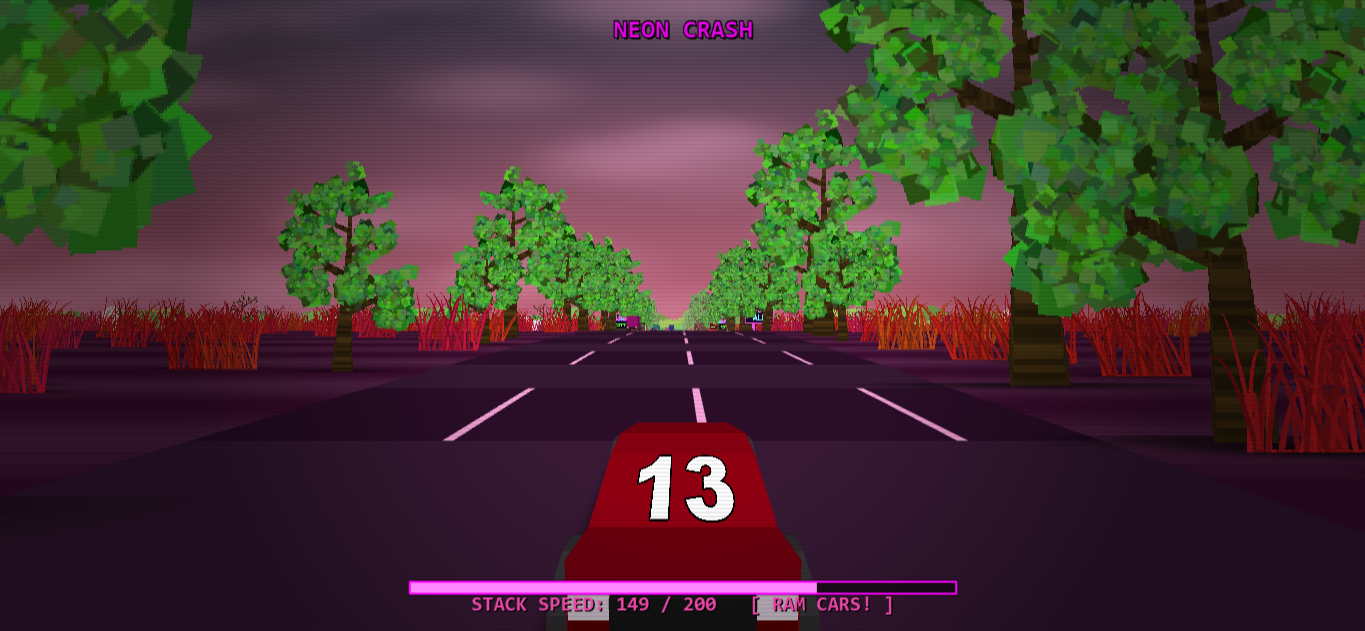
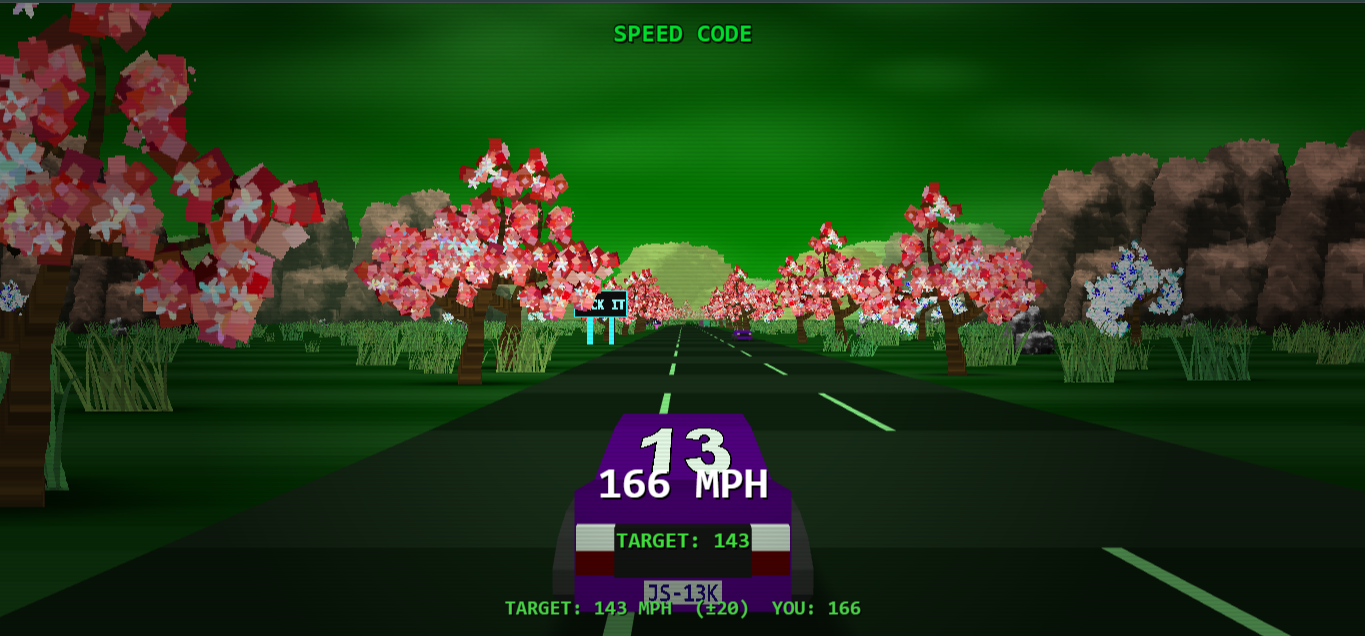
Glitch Drive is a WebGL pixel-art racing game with one rule. You cannot win by playing normally. A series of glitch gates block the road, and each one can only be bypassed by exploiting a specific flaw in the game's simulation:
These are the glitches enveloped in our game
- Wall Clip — hit the weak seam at max speed
- Overflow Boost — hold gas and brake simultaneously to corrupt your speed value
- Reverse Gate — trick the one-way lock by approaching from the wrong direction
- Velocity Stack — car crashes give you speed instead of taking it away
- Speed Lock — hit the gate at exactly 143 mph or it bounces you back
How we built it
We built Glitch Drive using a lightweight WebGL racing engine as our foundation and then redesigned it around the idea of intentional glitches. Most of the development focused on creating new gameplay systems, reworking vehicle behavior, and building visual effects that reinforce the game's corrupted, unstable atmosphere. We included a glitch system, custom 3d glitch gates, basic animation for the car, tracks, randomly generating scenery, and timers to make this game work. We also added miniscule effects such as the billboard signs, gates, and the revolving car color to make the game seem more glitchy.
Challenges we ran into
The reverse driving was difficult to do as the original velocity.z was max(0,...) making the car stop and go backwards. We had to split damping logic to allow negative velocity while keeping forward physics the same
GL render order was hard as the glitch walls kept conflicting with the sprite rendering pipeline. Sprites use glSetDepthTest(1, 0) (no depth write) while walls need (1, 1). We had to extract wall rendering into its own pass between cars and scenery.
The hardest part was making glitches feel like genuine discoveries rather than tutorial steps We added proximity-based hint messages, visual cues baked into the walls themselves, and generous enough thresholds that the "aha moment" arrives naturally.
We had to think from a gamer's perspective in order to create naturally seemingly glitches that the user will enjoy.
Accomplishments that we're proud of
We are proud of having this game complete and functional. It is lightweight and works on mobile and PC, and is compatible with just a browser.
What we learned
We learned that sometimes creating awesome games revolves around the perspective of the gamer, rather than a mere developer. This shift in mentality let us make more immersive games rather than a standard racing game.
What's next for Glitch Drive
We want to add more glitch types such as out of bounds traveling, etc. In addition we want to add a glitch freer roam where all glitches are active simultaneously. A global leaderboard could be added and there could be community glitch submissions where players can create and share their own glitches.
Built With
- 3d
- java
- javascript
- pixel
- vanilla
- webgl


Log in or sign up for Devpost to join the conversation.