Inspiration
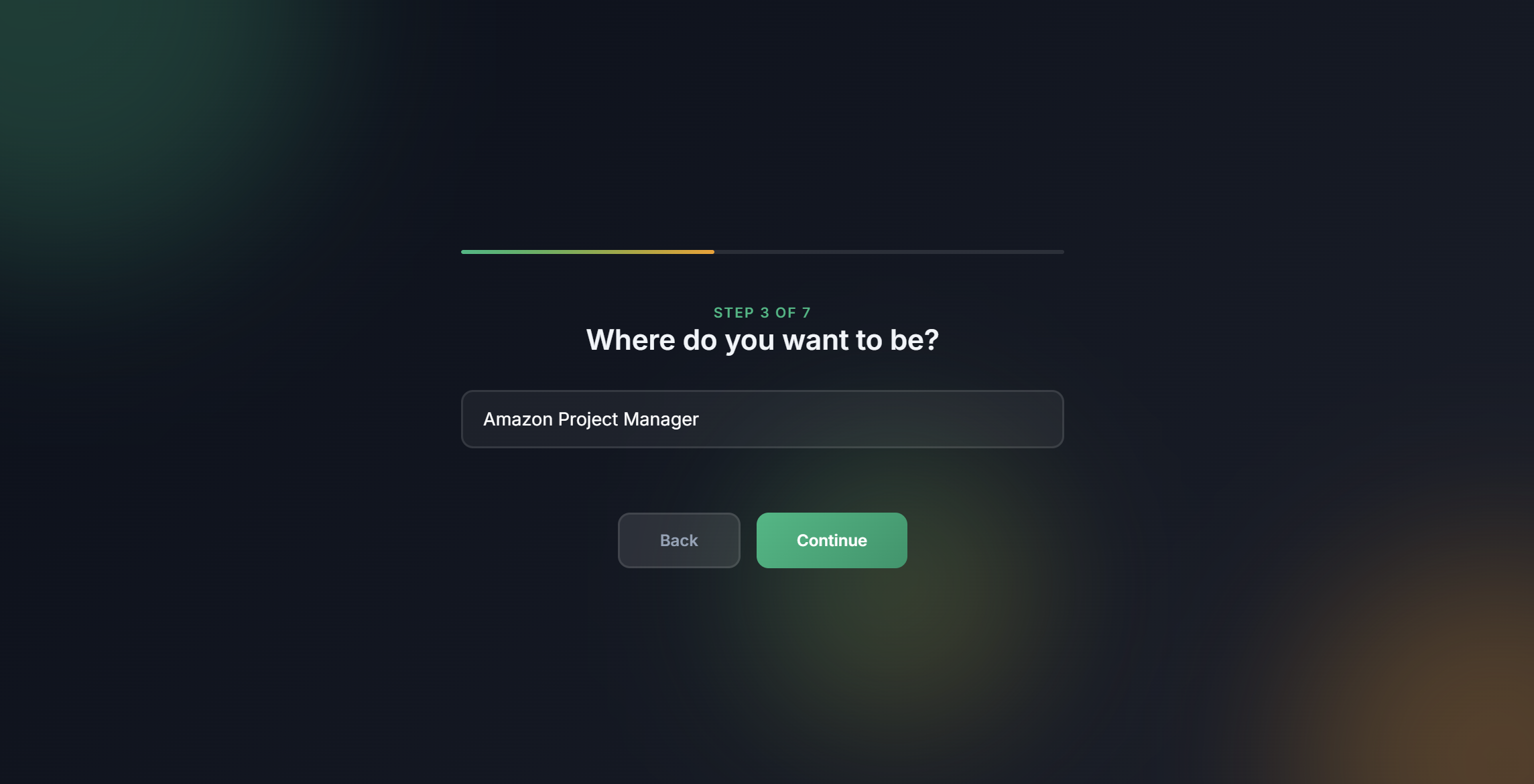
We realized that students and early professionals often struggle to articulate who they are in a way that makes sense to the market. People know their hobbies, interests, and skills — but translating that into relevant projects or career assets is surprisingly difficult. We wanted to bridge the gap between someone's personal identity and how that identity shows up professionally.
What it does
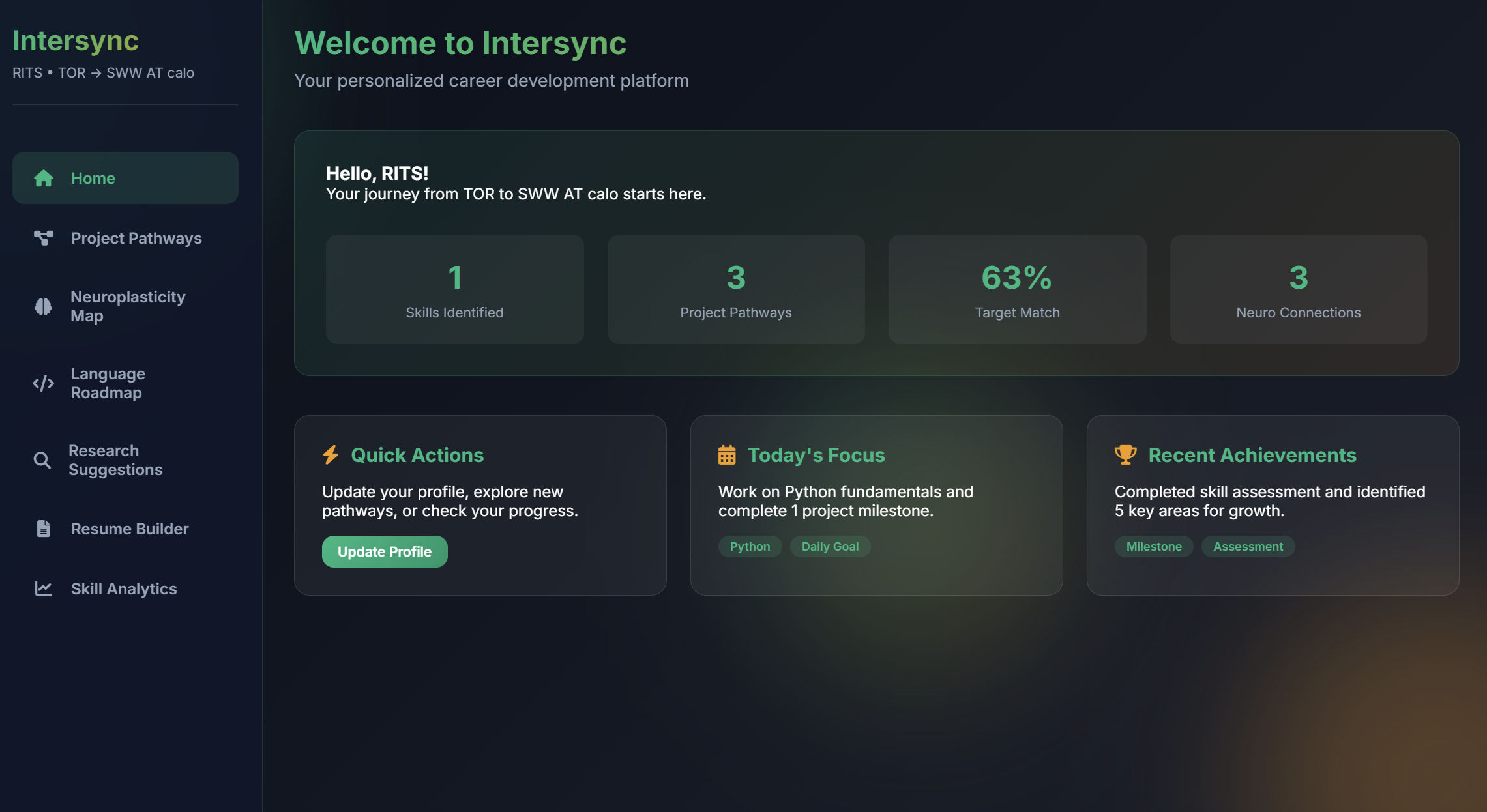
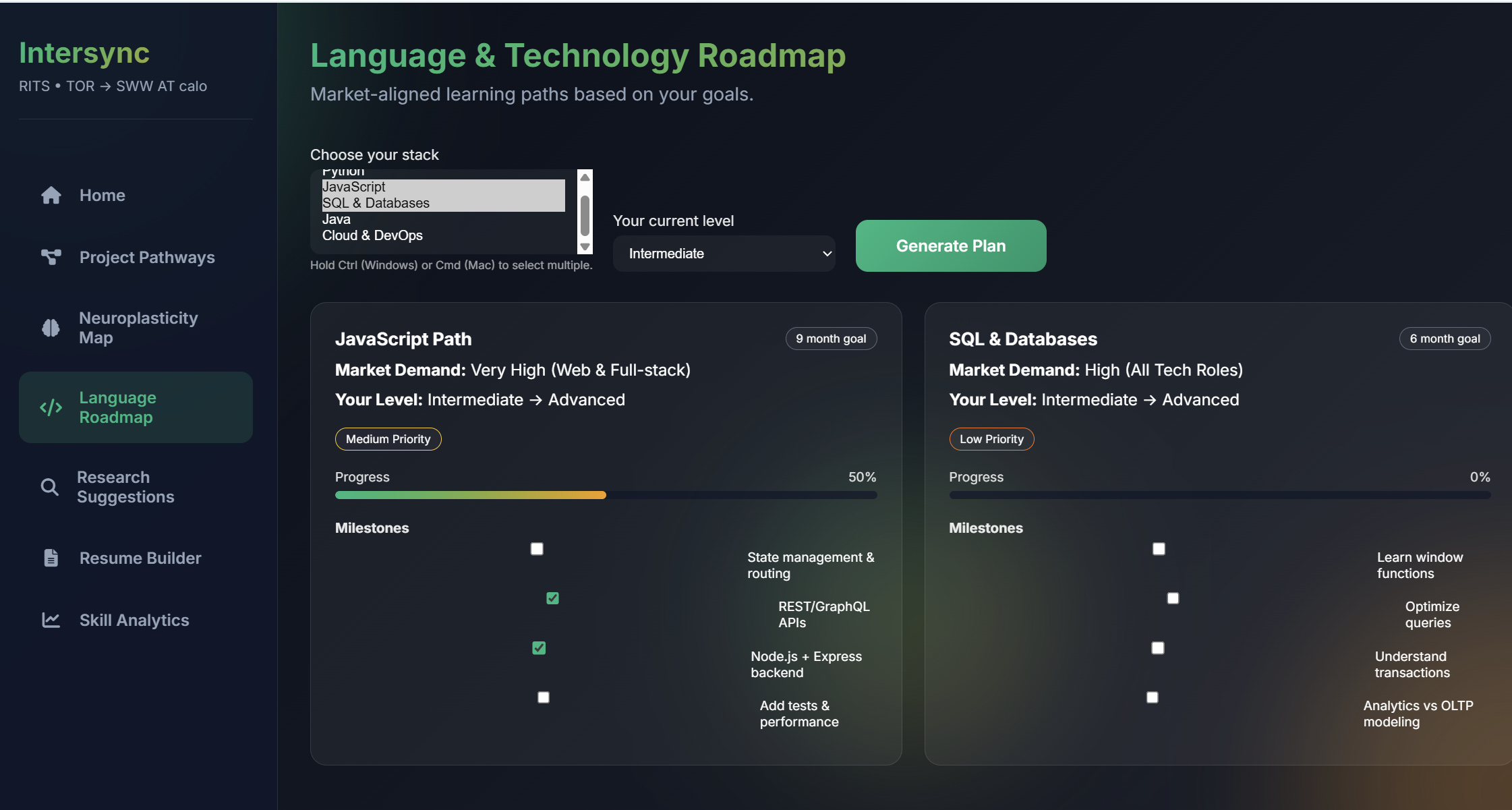
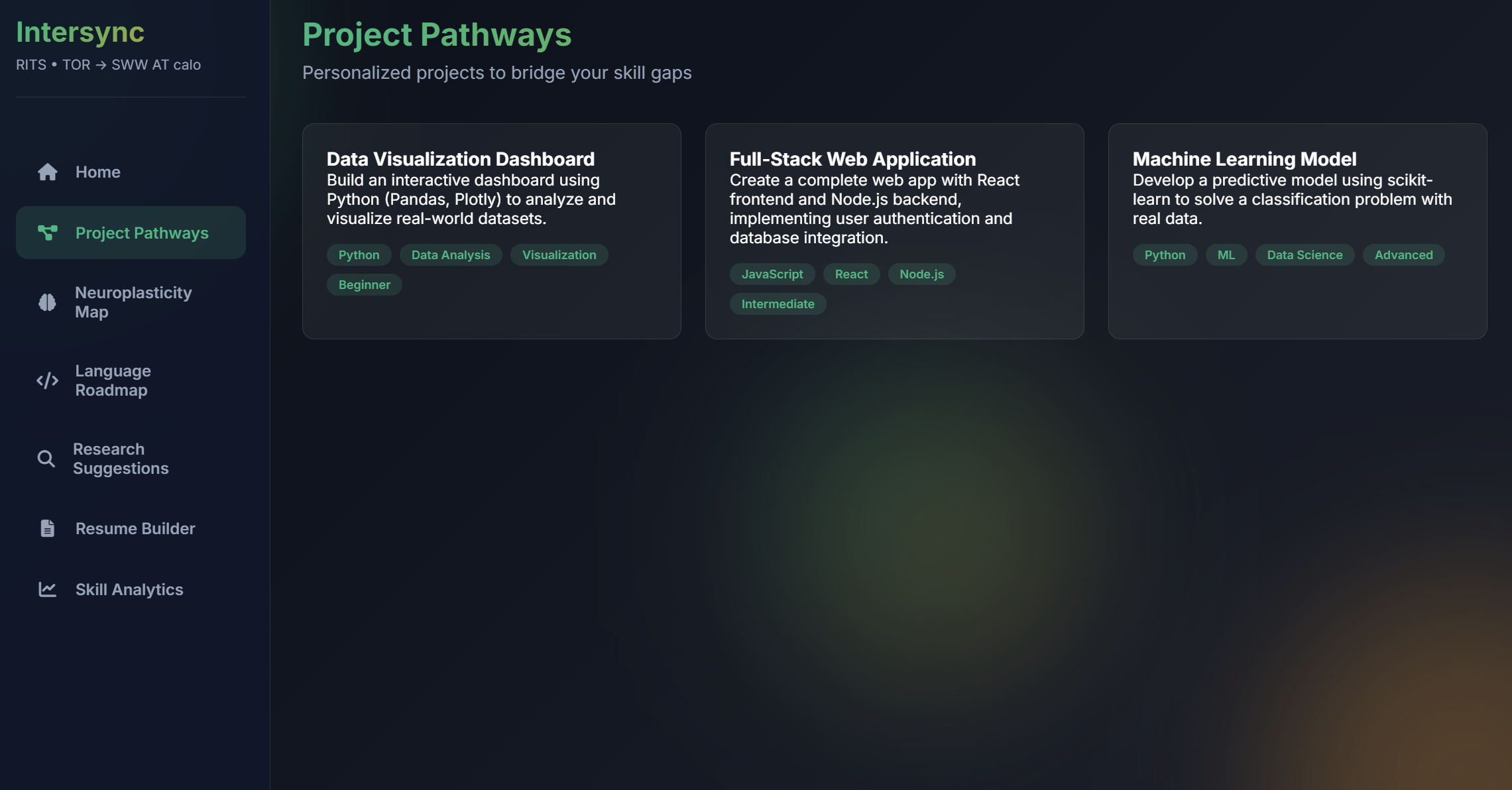
Intersync takes your personal interests, skills, and goals and turns them into structured, market-aligned outputs. Today, it supports two core flows:
Build a Project Users list interests/hobbies, and a generative back-end (Gemini) transforms those into viable project ideas aligned with current market demand, tech stacks, and emerging skills.
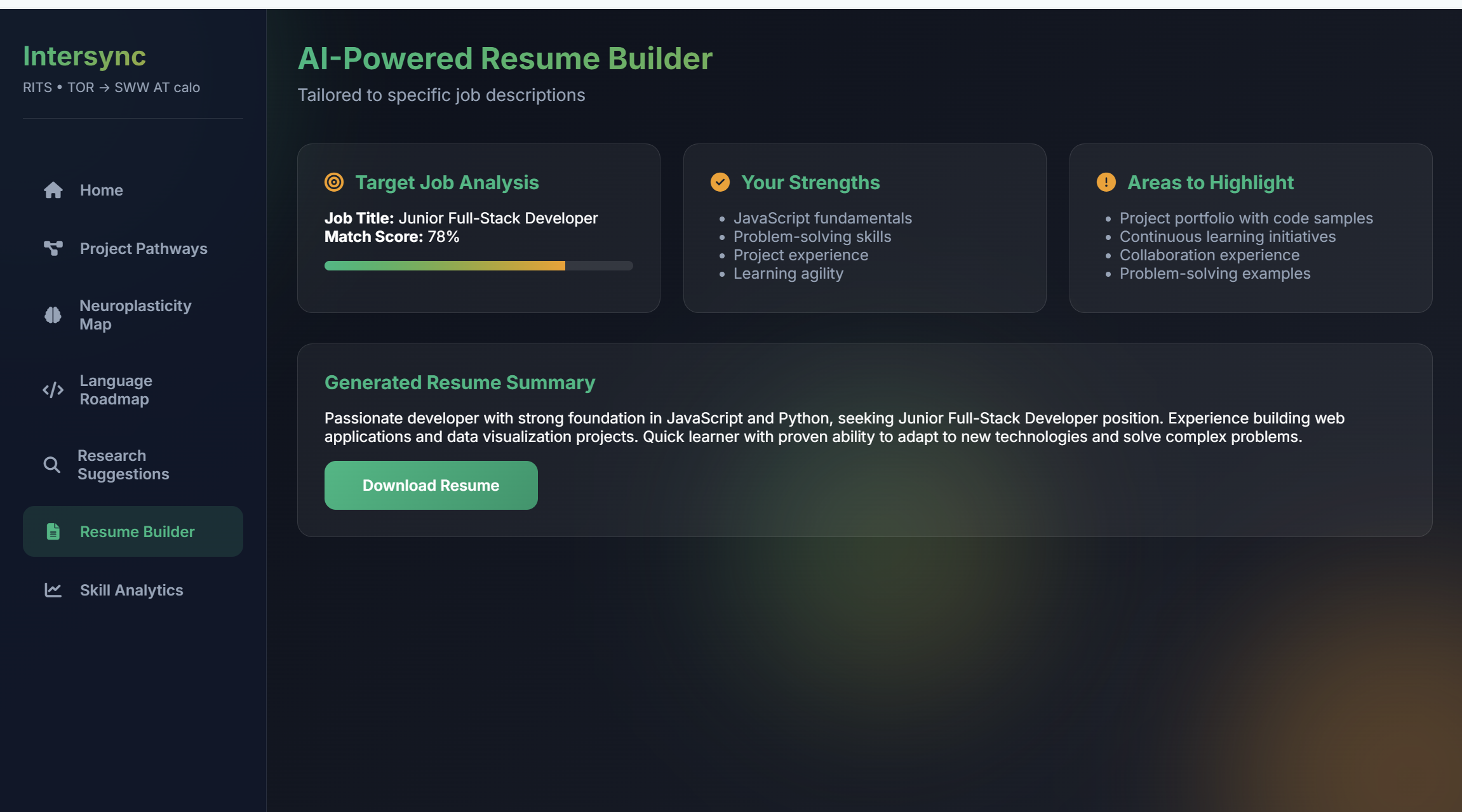
Build a Resume Users’ skillsets are visualized as neural pathways, allowing them to assemble role-specific resumes tailored to job descriptions and projects they’ve completed.
In short, Intersync connects who you are → to what you can build → to how you present yourself.
How we built it
Front-end: HTML/CSS/JS with a modular dashboard system
Back-end: Node.js API that orchestrates Gemini for:
- project generation
- tool & stack recommendations
- resume phrasing
Neural Mapping: client-side graph rendering for skill pathways Data Layer: dynamic job-tech skill graph inspired by StackOverflow dev survey, GitHub trends, and hiring reports.
The system was architected so that the intelligence layer can improve over time without rewriting the UX. The front-end requests structured outputs, and the back-end becomes the “brain” that gets smarter.
Challenges we ran into
- Designing a UX that feels personal, not transactional
- Mapping interests → project ideas in a way that isn’t generic -Making generative outputs feel structured instead of free-text -Creating a neuro-style skill graph that balances accuracy with aesthetics -Aligning technical recommendations to market data rather than vibes
Accomplishments that we're proud of
- Built an identity-to-career pipeline that doesn’t exist in mainstream platforms
- Designed a professional UX that could be used beyond a hackathon demo
- Integrated LLM output into structured artifacts (projects, resumes, pathways)
- Created a skill visualization layer grounded in neuroscience metaphors
- Established a scalable architecture for future intelligence upgrades
What we learned
- Crafting meaningful AI tools requires domain scaffolding — not just prompting
- Users need more help than “generate a project idea” — they need a pathway
- Identity → skills → projects → resumes is a sequence, not a single feature
- Neuroplastic analogies actually help users understand skill transfer
- Modular front-end + smart back-end = best way to iterate fast
What's next for Intersync
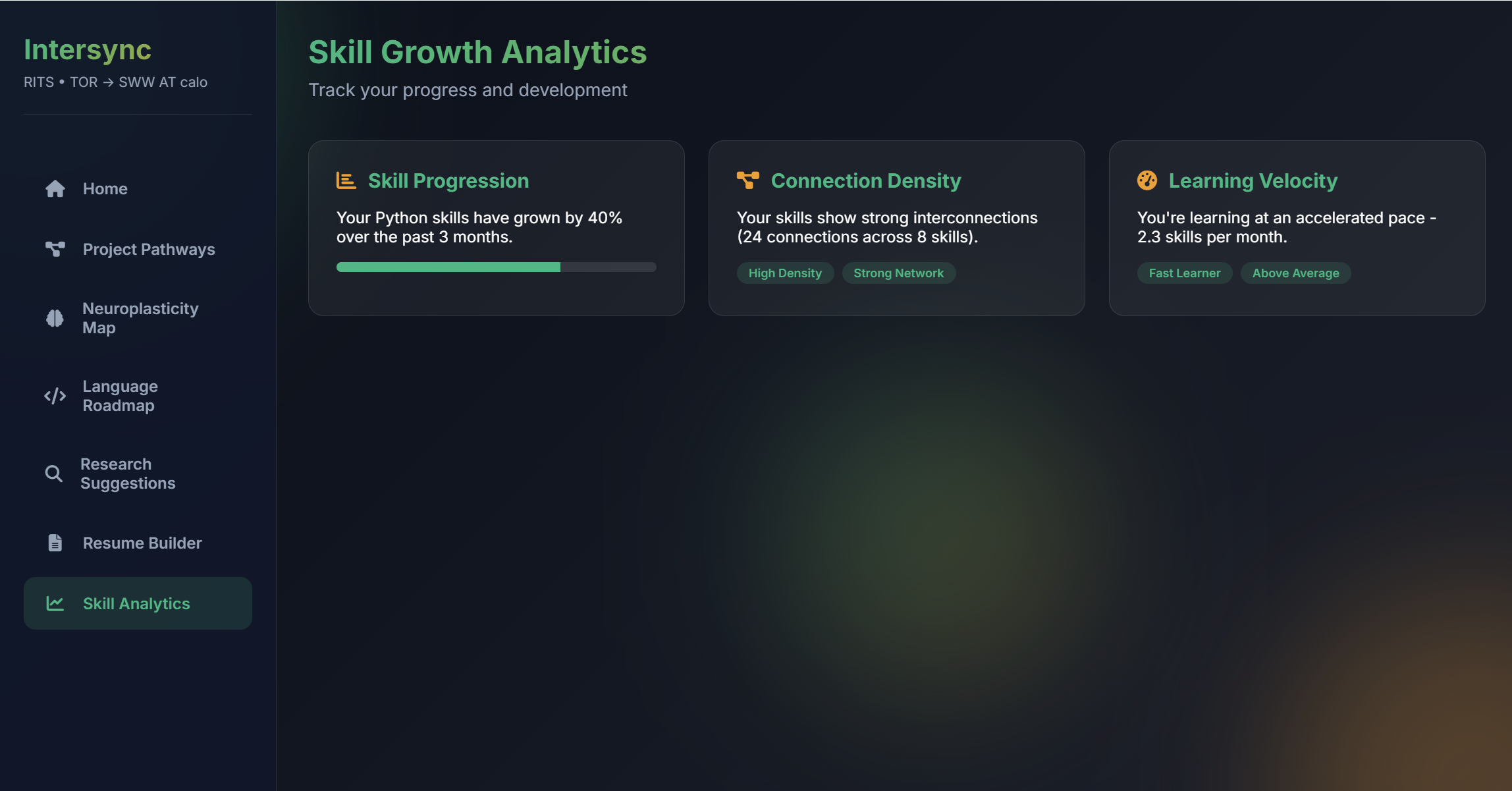
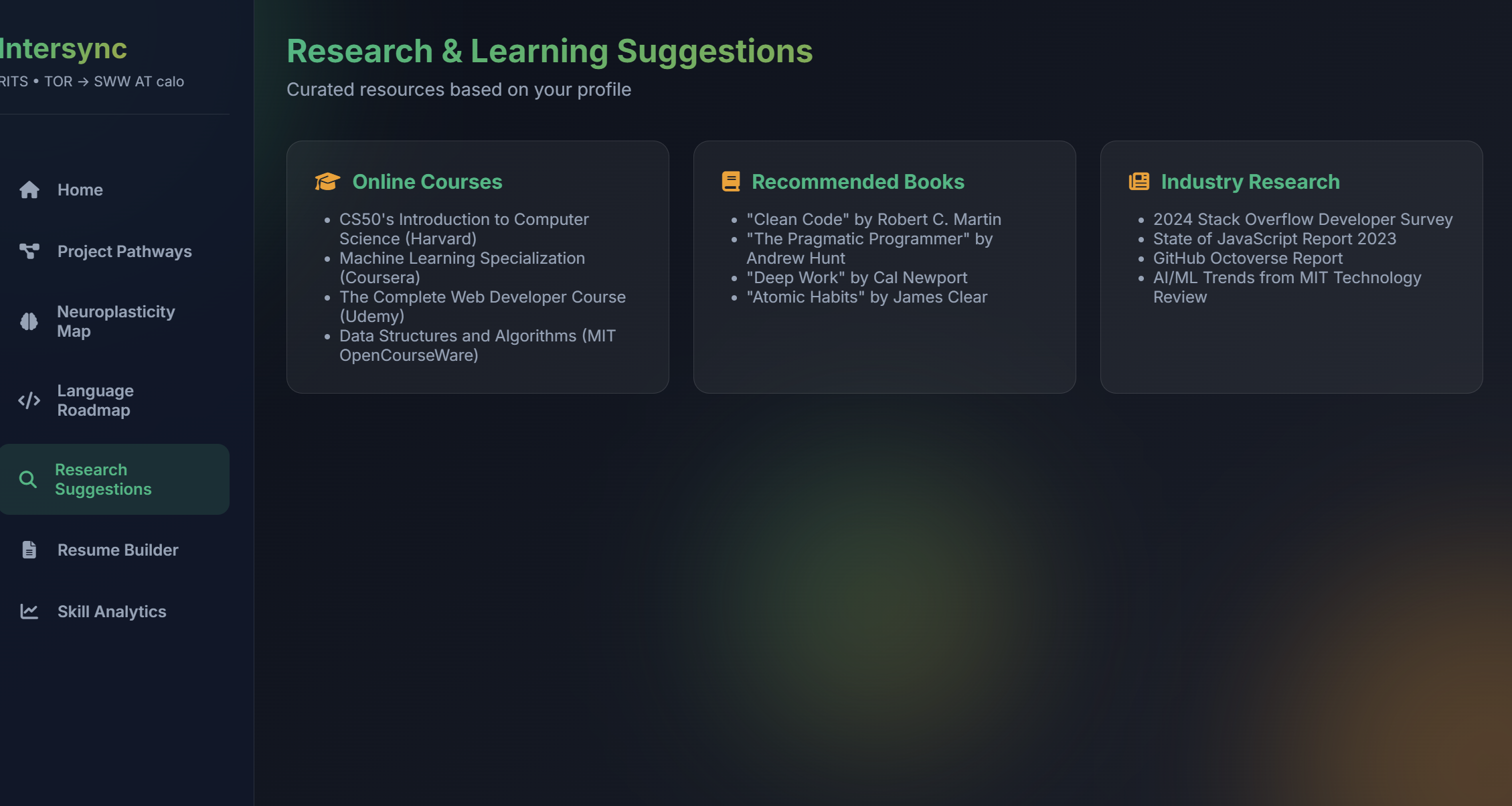
Research Mode: convert interests into research problems & paper outlines Portfolio Export: generate websites that showcase projects Feedback Layer: recruiters/advisors can annotate user work Learning Metrics: track “identity growth” over time
Built With
- claude
- css3
- figma
- gemini
- html5
- javascript
- python


Log in or sign up for Devpost to join the conversation.