Inspiration
The idea for Glappy originated as part of a bachelor’s thesis project at the University of Latvia (LU), written by one of our team members.
Inspired by ongoing challenges in mental health, we decided to take the concept further and build a tool that offers accessible, daily, and affordable support using AI-powered technology.
Our goal is to help people feel better every day, prevent deterioration, and reduce the burden on traditional mental health services.
What it does
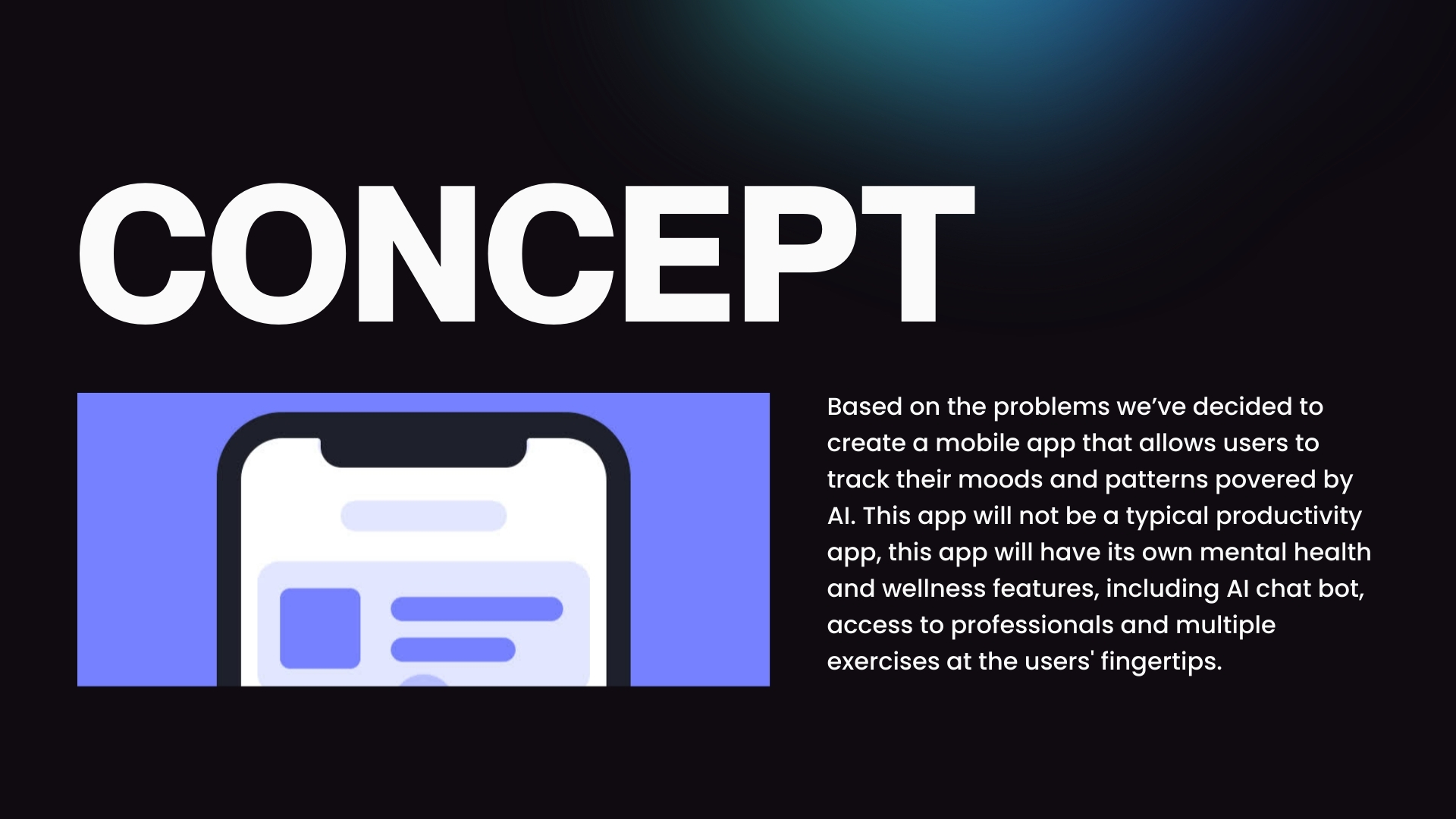
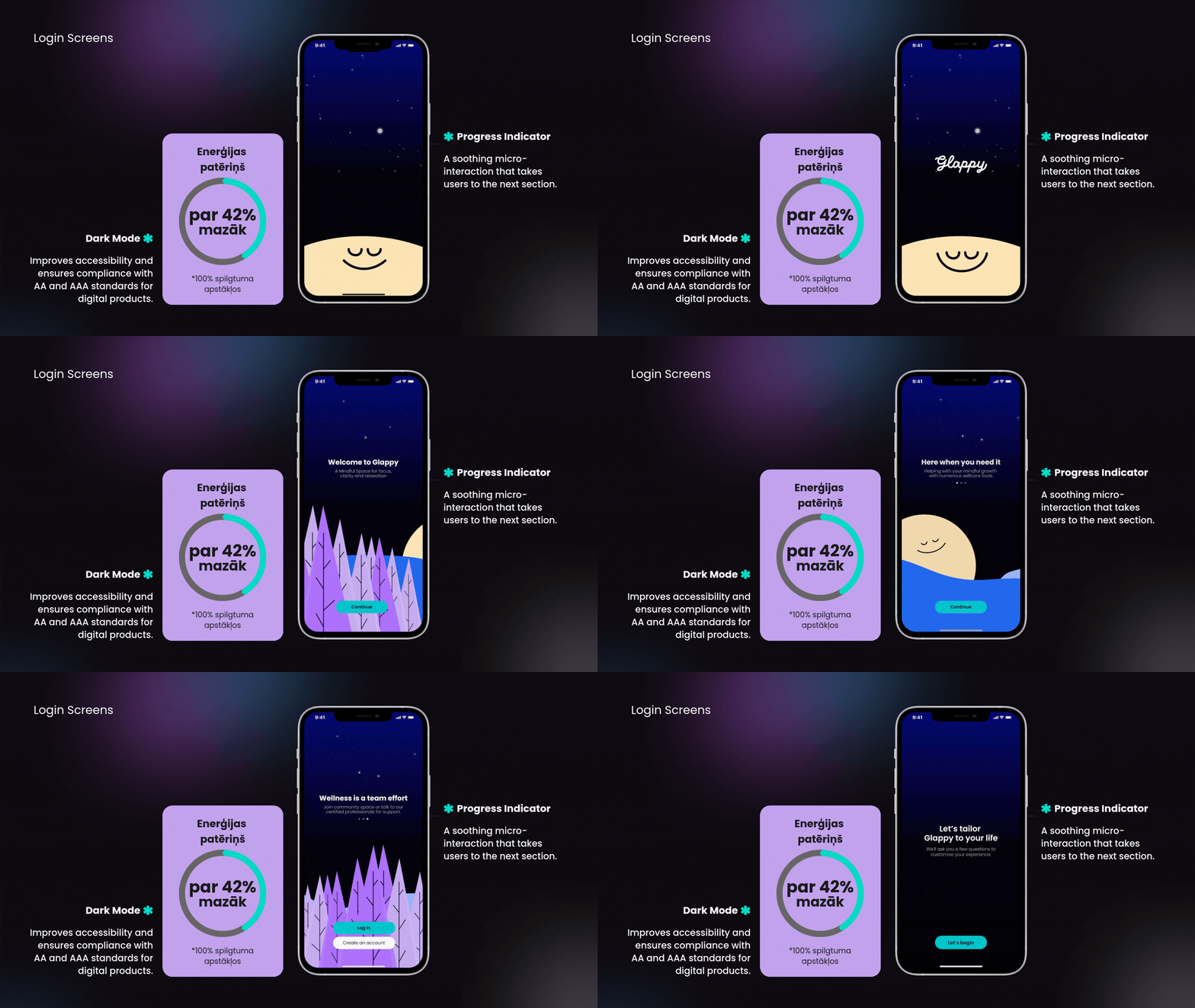
Glappy is an AI-powered mental health app that helps people with anxiety improve wellbeing, build healthy habits, track emotional patterns, and connect with therapists when needed.
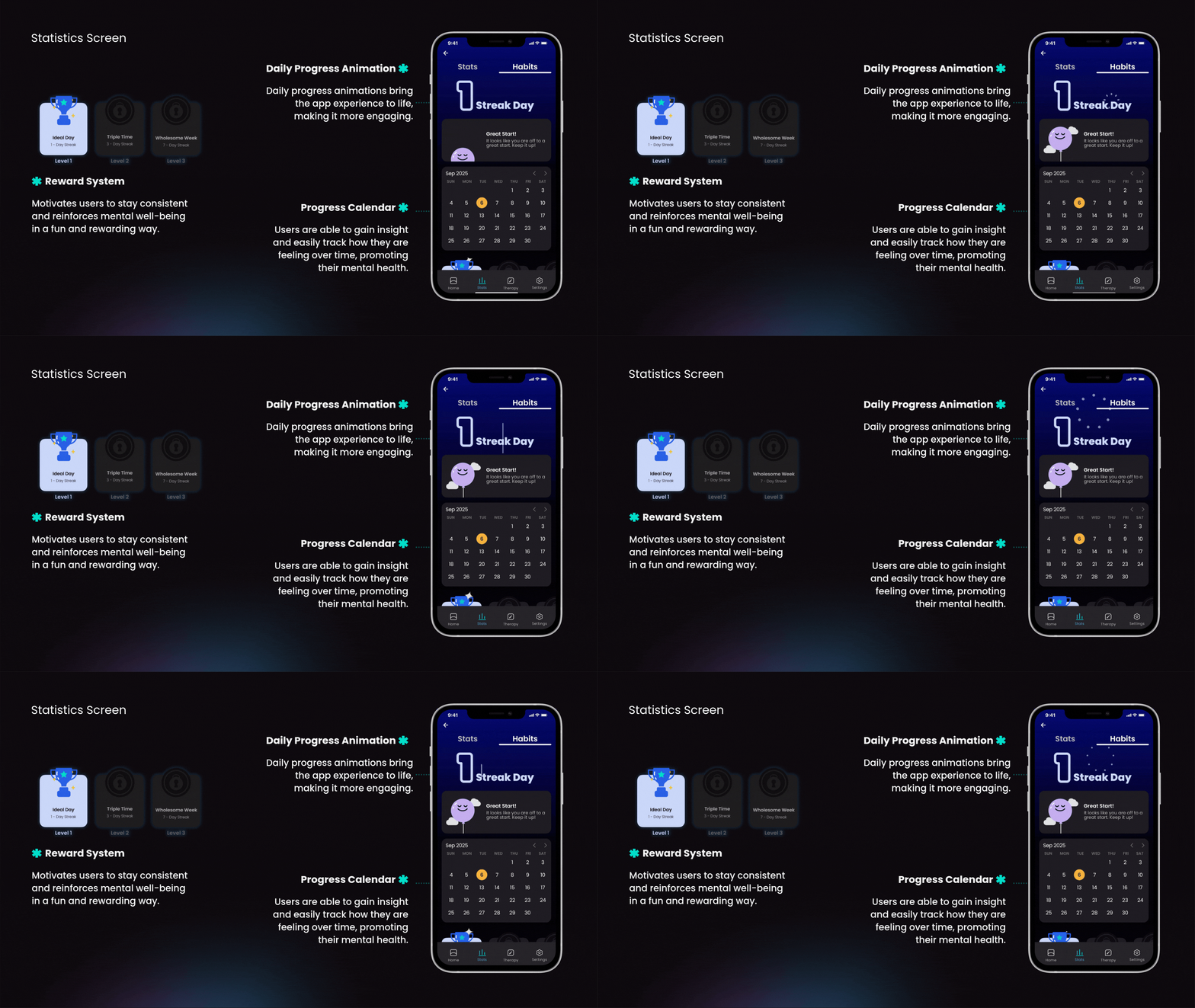
The app uses gamification to keep users engaged and motivated.
Glappy is not intended to replace professional psychological help, but rather to serve as a supportive resource that empowers users to take small, consistent steps toward better mental health — and to seek professional care when it's truly needed at ease.
Key Features
🎯 AI-Powered Daily Tasks
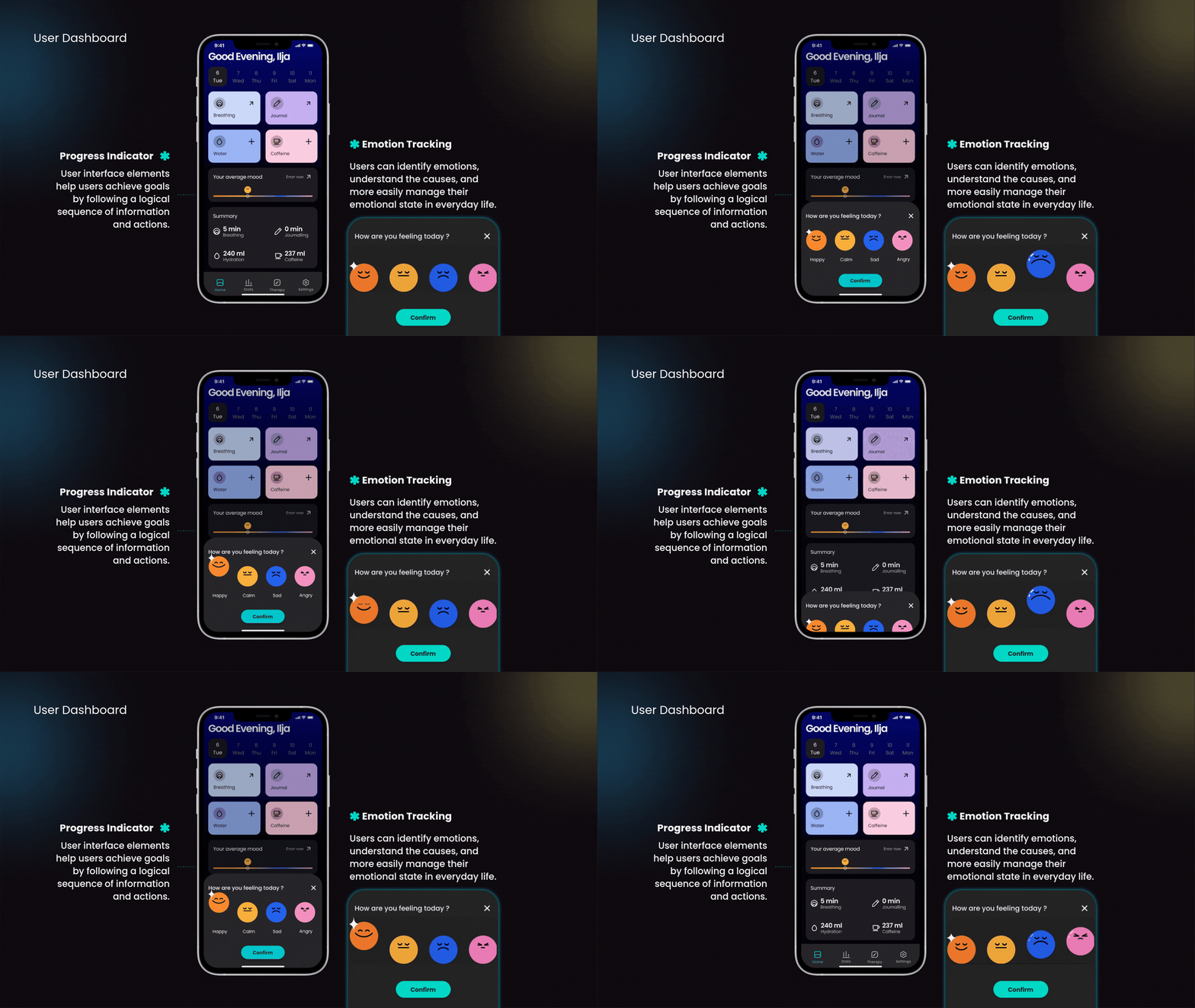
Personalized daily exercises and reflections generated by AI to reduce anxiety and improve mental wellbeing.📊 Emotion & Pattern Tracking
A smart mood tracker that identifies emotional patterns and behavioral trends over time.🎮 Gamification & Motivation
Progress tracking, achievements, and gentle challenges to keep users engaged and motivated.🧠 Crisis Detection & Escalation
The AI monitors user input and behavior to detect potential distress and, if needed, recommends connecting with a mental health professional.💬 Human-in-the-loop Support
Certified therapists can access anonymized conversation data (with user consent) to offer personalized help when required.🔒 Privacy-First Design
Data is handled securely, and users stay in control of what is shared with professionals.
How we built it
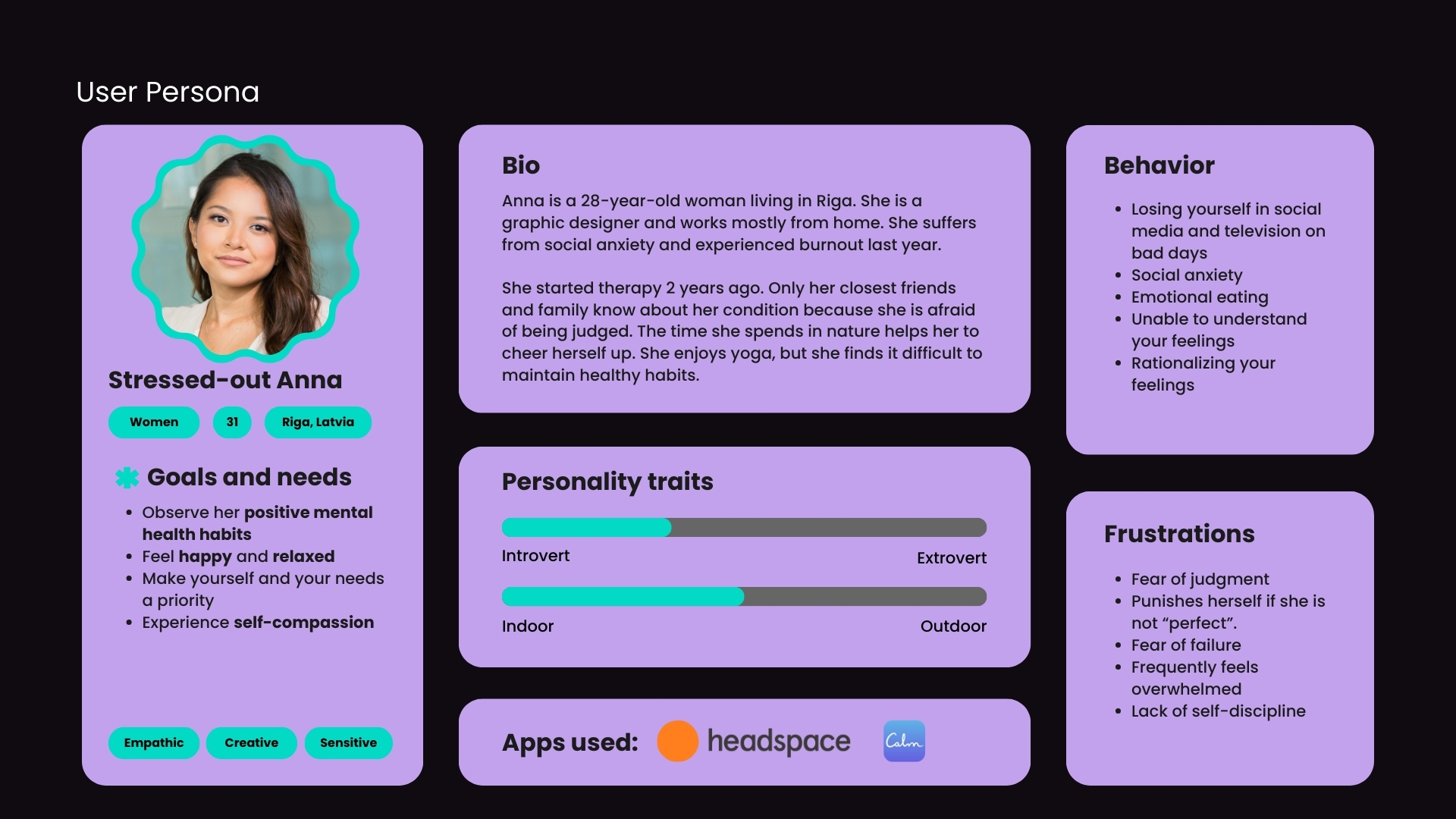
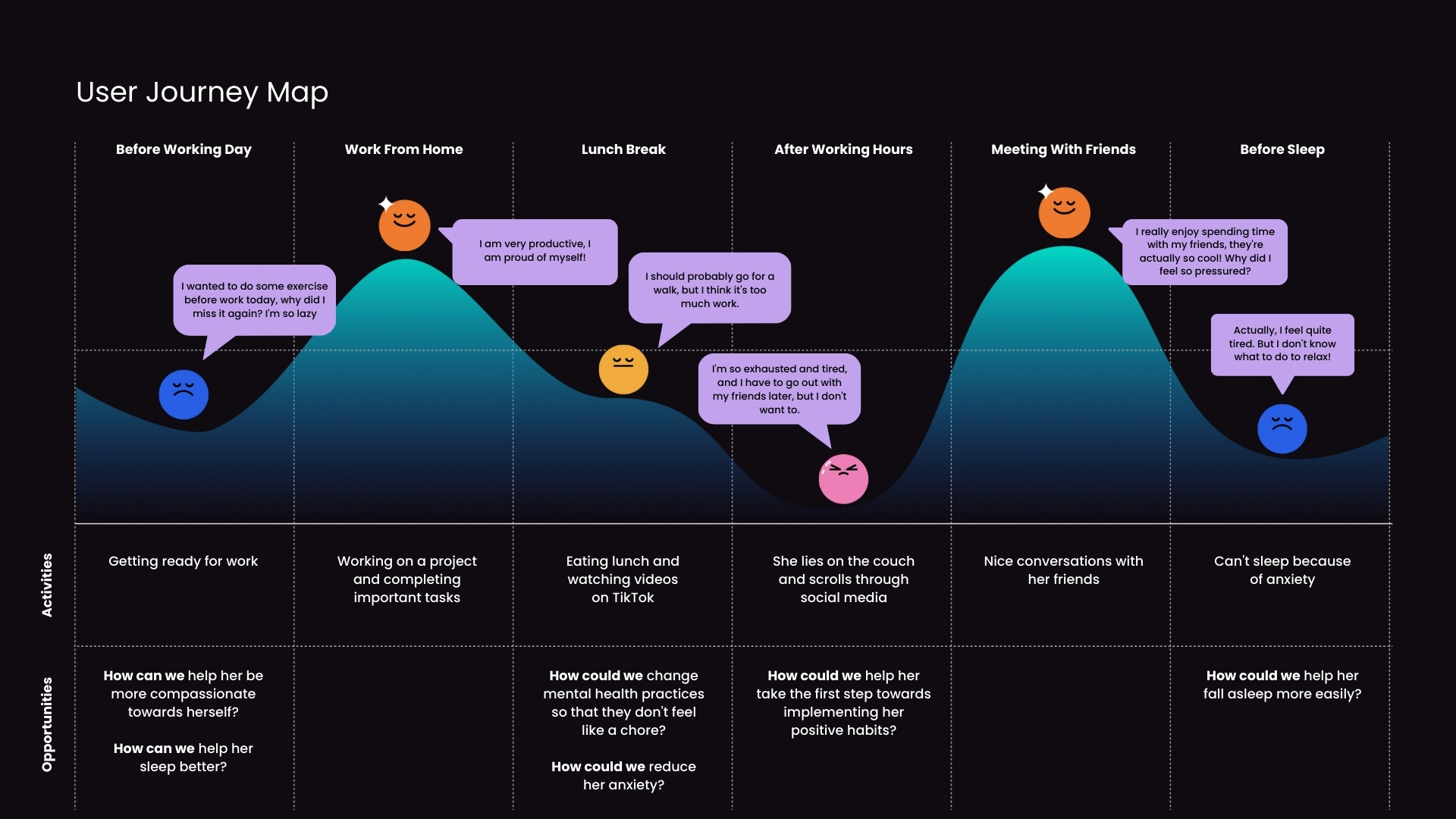
We are currently in the early planning stage. Our team has mapped out the user journey, defined user personas and the core target audience, outlined key features, and selected the technology stack we plan to use during the hackathon.
We will focus on building a working MVP that includes AI-assisted daily tasks, a mood tracker, and a chat-based interface.
Challenges we ran into
Even at this early stage, the biggest challenge is designing a mental health experience that feels safe, effective, and trustworthy — while respecting user privacy and ensuring professional support is accessible only when truly necessary.
Accomplishments that we're proud of
We're proud of creating a concept that balances AI-driven automation with real human care, and we're excited to bring this idea to life during the hackathon.
We're also proud that the initial idea was born from academic research and developed further through collaboration.
What we've learned thus far...
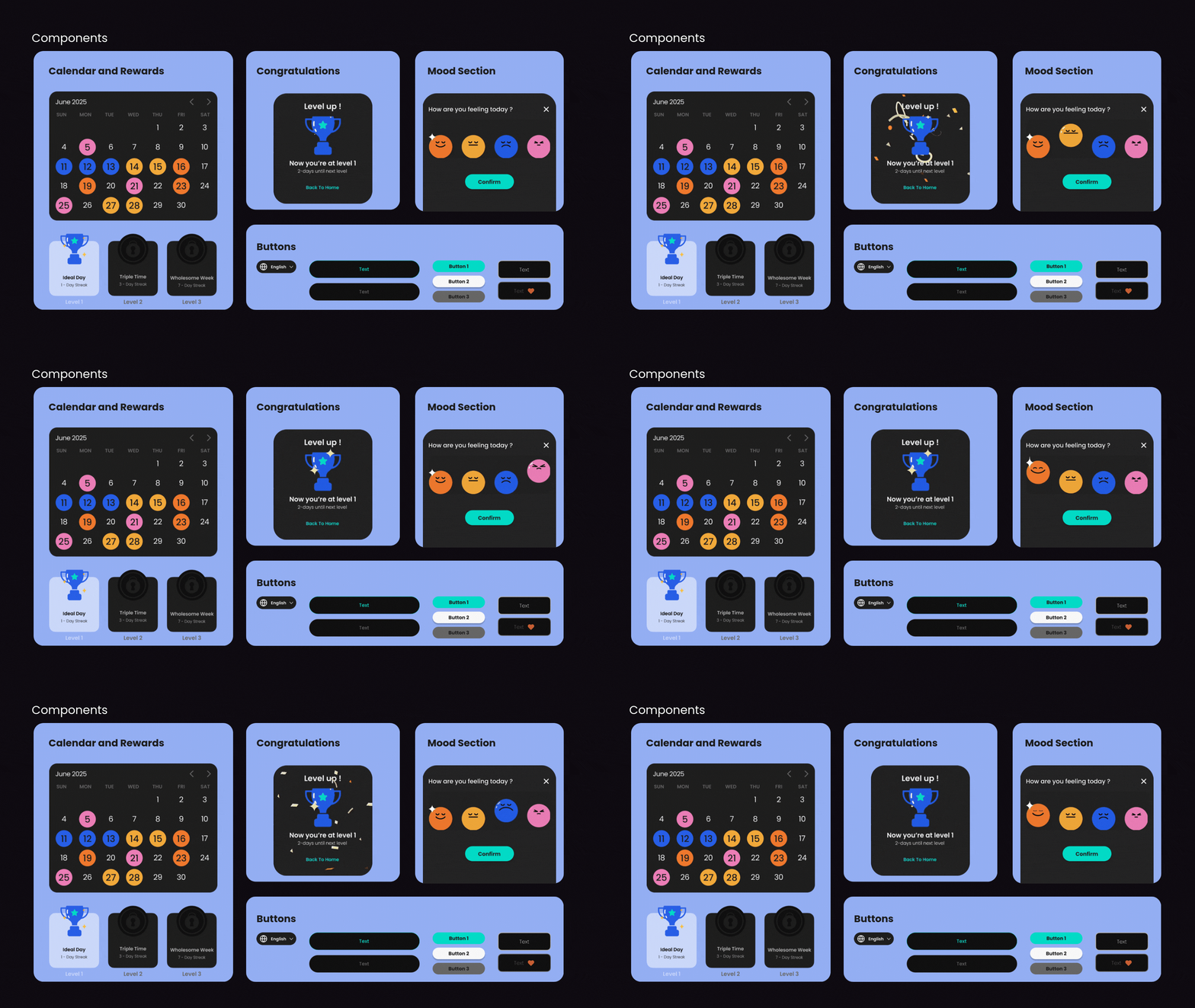
– Microinteractions provide immediate feedback, reducing user frustration and improving usability. – Gamification promotes motivation by incorporating goals, rewards, and overcoming challenges. – Combining these elements creates an emotionally engaging and intuitive user experience.
More coming soon — we’ll reflect on this after the hackathon!
What's next for Glappy
At the hackathon, we’ll develop the first functional prototype of Glappy. Following that, we aim to work with mental health professionals and advisors to make Glappy a practical, intuitive, and user-friendly tool for everyday mental health support across Baltic states and Europe.
Why this matters
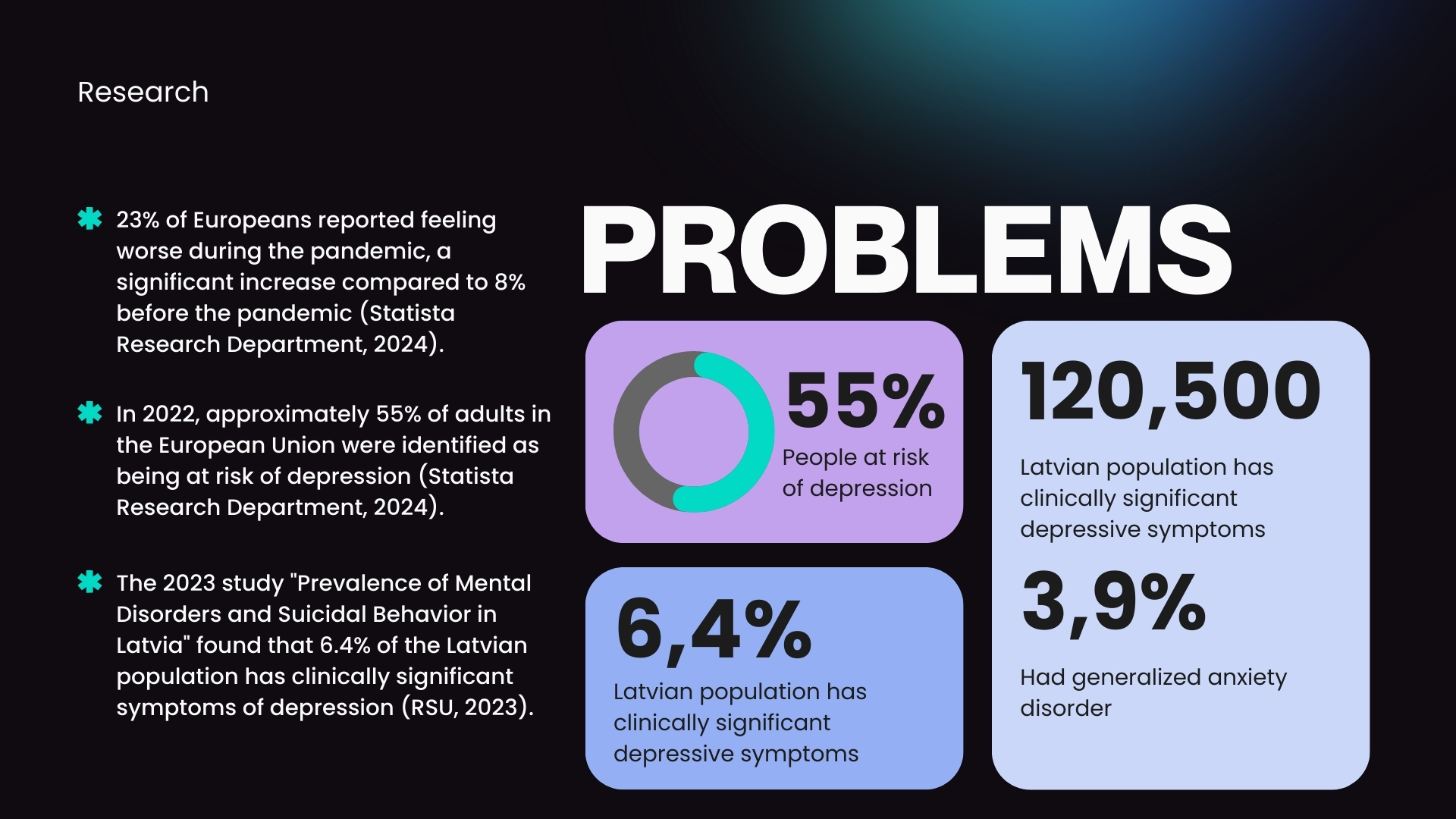
Mental health issues — especially anxiety and depression — are on the rise across Europe.
According to the Statista Research Department (2024), 23% of Europeans reported worsened mental wellbeing during the pandemic — a sharp increase compared to just 8% before it.
In 2022, approximately 55% of adults in the European Union were identified as being at risk of depression.
In Latvia specifically, a 2023 study titled "Prevalence of Mental Disorders and Suicidal Behavior in Latvia" (RSU, 2023) found that 6.4% of the population exhibited clinically significant symptoms of depression.
These statistics highlight the urgent need for proactive, accessible, and scalable mental health support — something Glappy aims to deliver.


Log in or sign up for Devpost to join the conversation.