-
-
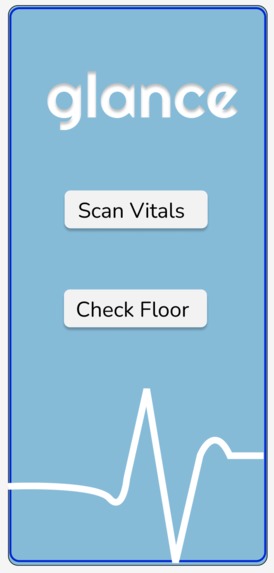
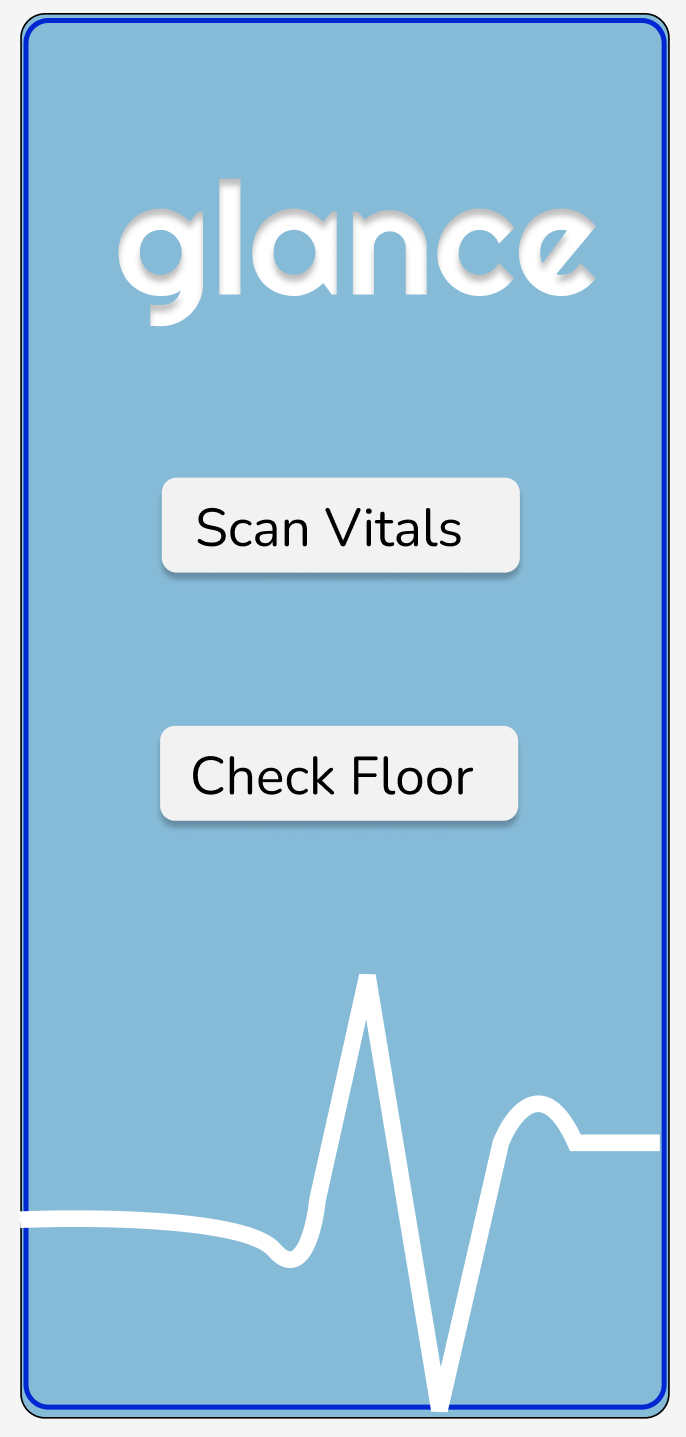
Homepage
-
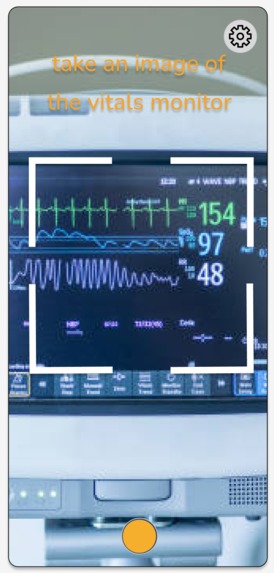
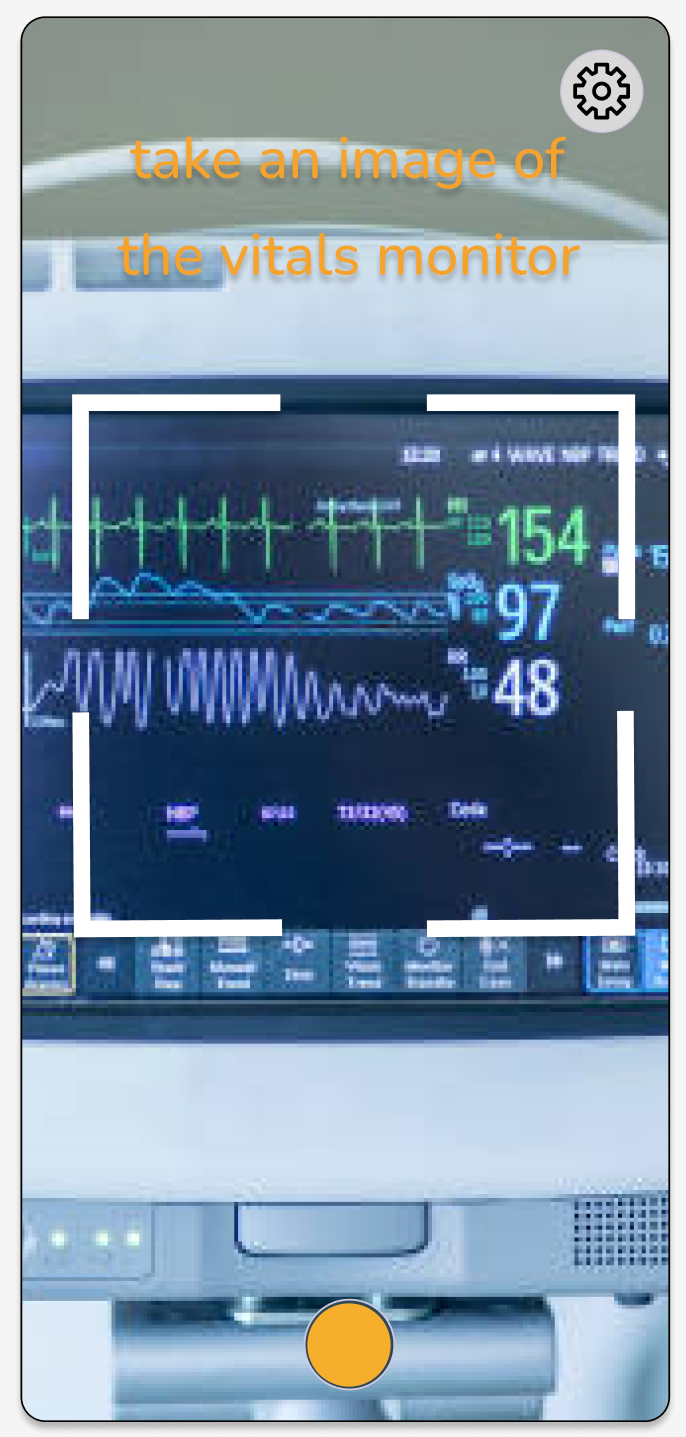
Vitals detection interface
-
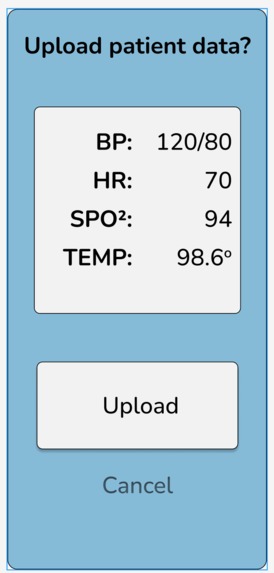
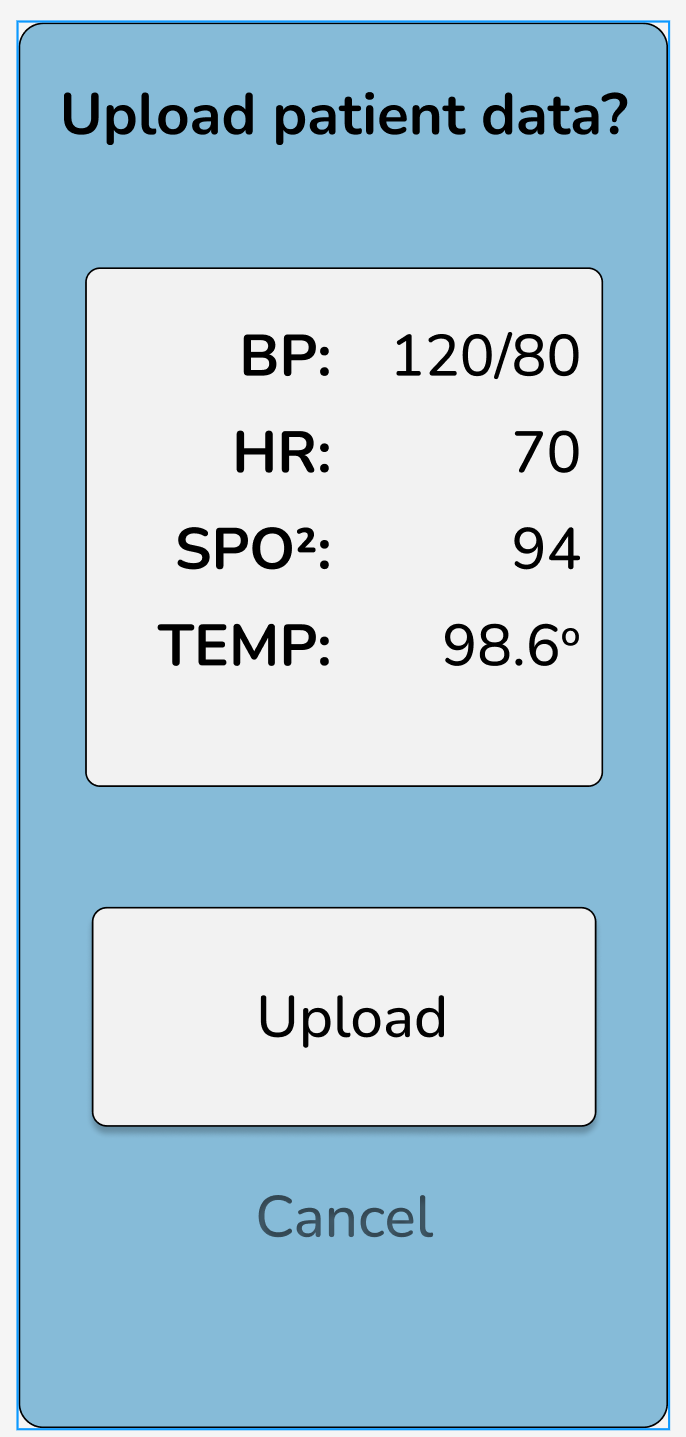
Checkpoint
-
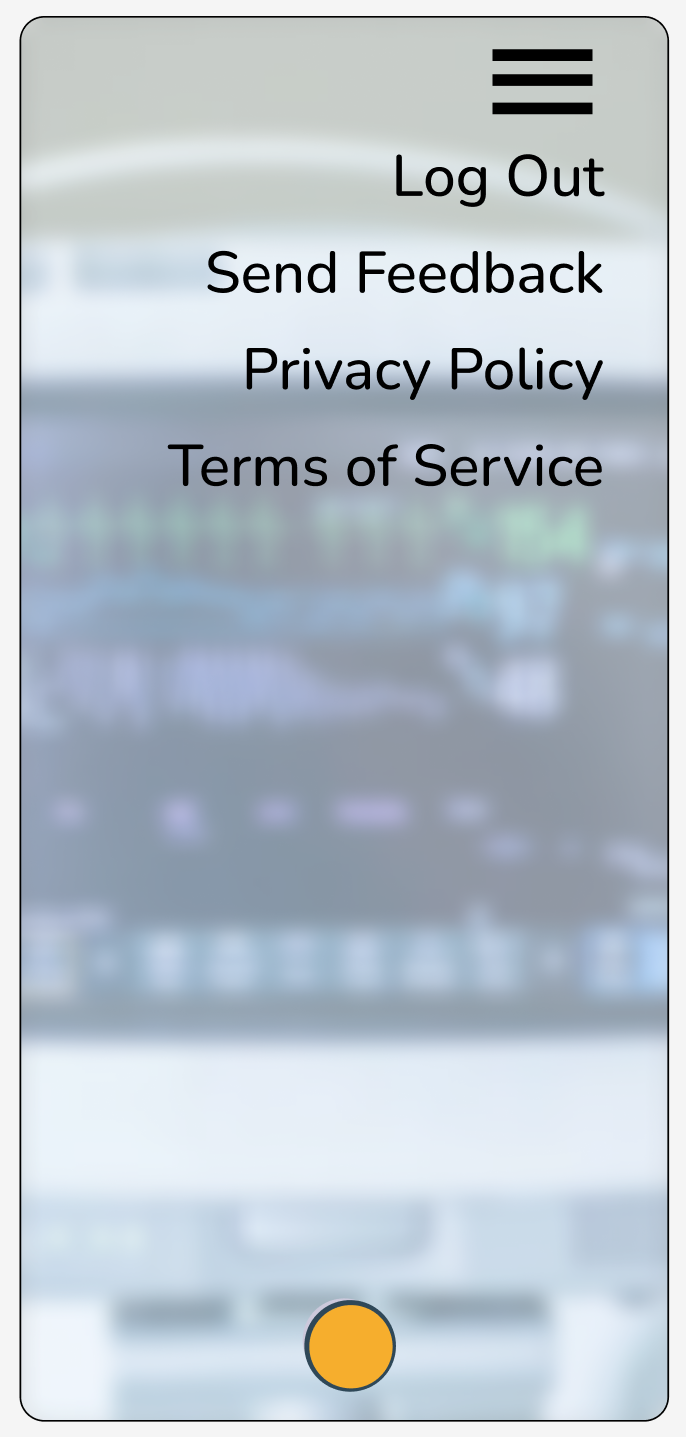
Settings
-
Logo

Inspiration
glance improves patient monitoring and decreases diagnostic error allowing medical professionals to excel in their roles. Addressing the persistent challenge of medical error, glance leverages computer vision and advanced statistical methods for personalized patient monitoring. Requiring no more than a smartphone or computer, glance optimizes existing medical equipment to minimize provider strain and elevate the quality of care at any hospital. glance addresses a growing need for precision medicine at any bedside.
What it does
At the core of glance is a text recognition system that uses computer vision algorithms to read and record information from a patient’s vital signs monitor screen. This streamlines the process for recording and tracking patient vitals. Simply this glance of the camera errors reduces incorrect logging of critical information.
Beyond logging information, glance improves patient care and monitoring through two major interventions:
Through statistical methods, glance establishes baseline vitals for individual patients and gives practitioners dynamic feedback when visiting the patient. As opposed to the current gold standard which relies on pre-set thresholds, glance gives immediate feedback allowing practitioners to respond to nuanced changes in a patient’s conditions. For example, knowing whether a patient’s blood pressure has taken a small, but not alarm-worthy dive can be critical information in seeing how they are responding to a new medication.
The second outcome is nurse station integration, so medical providers can see, at a glance, which patients might need their attention. Our system clearly labels which beds have abnormal vitals, and which patients' readings have not been updated for an extended amount of time. This is particularly important in low-resource settings, where upgrading existing monitoring systems to those that transmit their information to a centralized system would be far too costly.
glance empowers nurses and prevents adverse health events before they happen by providing access to this longitudinal patient data and patient-personalized notifications.
How we built it
Text recognition was done with the pytesseract library, which is a wrapper for the Tesseract OCR Engine
OpenCV was used for image preprocessing steps
We created our webapp with streamlit.io
Frontend was done in Figma
Challenges we ran into
Stepping out of our comfort zone of data science, we experienced a learning curve with developing the frontend of glance. While Streamlit and Figma enabled this learning process, prior experience would help with creating a user-friendly mobile app in this time frame.
We would have liked to work collaboratively in an IDE that allowed it, but we experienced difficulties in getting our necessary packages (particularly for CV) going in a cloud-based environment.
Accomplishments that we're proud of & Things we learned
Our teamwork -- we managed to combine computer vision and AI into an early-stage web-application
- Idea generation – we’ve drafted several potential solutions for developing patient safety tech, and made sure to pursue something worthwhile.
- Individual growth – all our team members had the opportunity to work with new software, perform in a new role, and experience app development
- Our project! glance has the potential to change how we approach patient monitoring and we’re proud of what we’ve been able to develop
- Idea generation – we’ve drafted several potential solutions for developing patient safety tech, and made sure to pursue something worthwhile.
What's next for glance
Customization for specific hospital settings: currently, glance works with vital sign monitors. With provider feedback, we can integrate any ~snappable~ patient data.
Integration with EHR to ensure seamless, centralized data-collection
Experiment with OCR API instead of tesseract for easier app integration


Log in or sign up for Devpost to join the conversation.