-
-
Homepage
-

Sign-in page
-
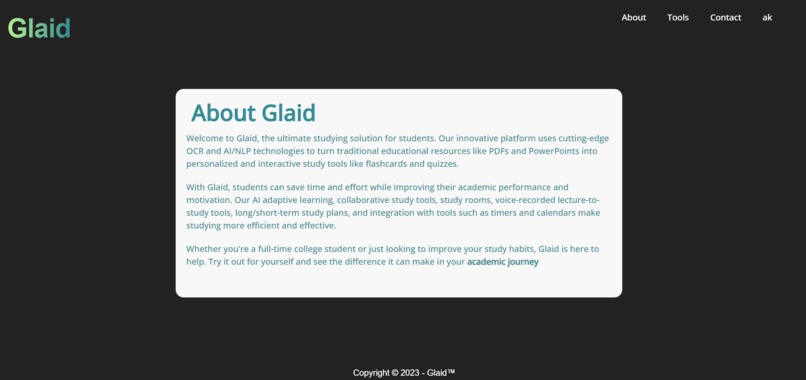
About page
-
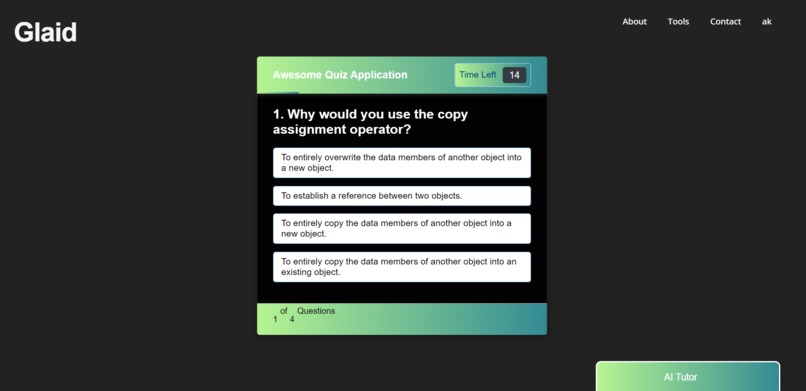
Quiz Example
-
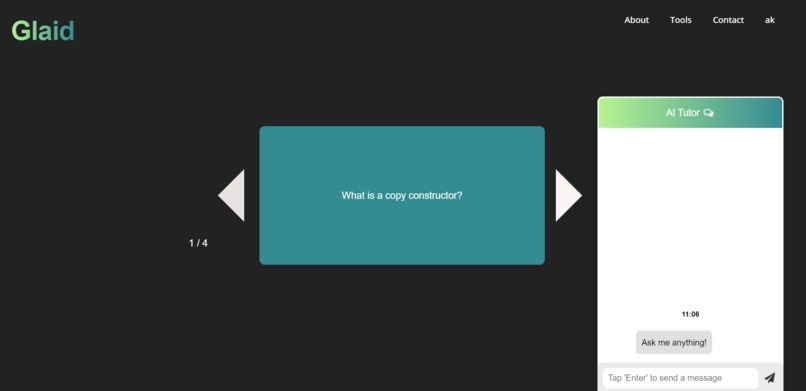
Flashcards Example + AI Tutor
-

Saved Study Tools
-
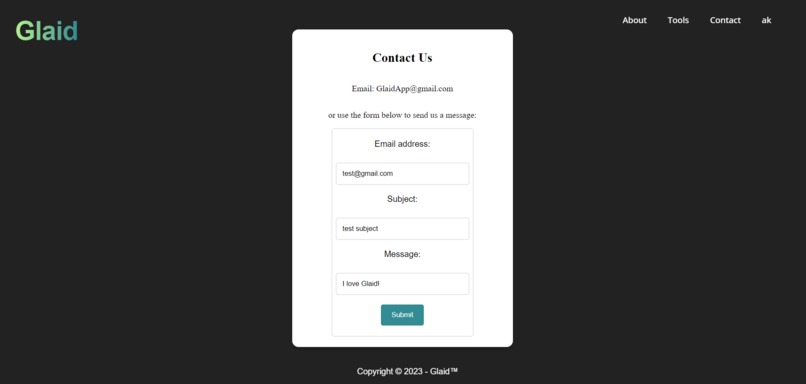
Contacts page

Inspiration
The traditional methods of studying, such as taking notes and creating flashcards, can be time-consuming and ineffective for many students. The process of making flashcards and practice quizzes serve as a barrier to studying. The abundance of educational resources and study tools available can also be overwhelming, making it difficult for students to find the right ones to fit their needs. Say goodbye to tedious study prep.
What it does
We understand the challenges that students face when it comes to effectively studying and retaining information. That's why we've developed a modern solution that utilizes OCR/AI/NLP technologies to convert traditional educational resources like PDFs and PowerPoints into personalized study tools instantaneously. These tools include flashcards, interactive quizzes, and other resources that are tailored to the individual student's needs. We also have an AI Tutor, which is integrated as a pop-up menu students can access to get answers for any questions they have while studying. Our innovative approach ensures that students have an efficient and effective way to study, leading to improved academic performance and motivation.
How we built it
First, we needed functionality to extract the text contents of PDF files. We experimented with several Optimal Character Recognition(OCR) libraries and decided to go with PyPDFium2 to parse the users input PDF. From there, we used the OpenAI GPT3 API to generate flashcards and quizzes from the extracted text. We had to experiment with prompt engineering in order to get useable and consistent output from the machine learning models. After generating the study materials, we store them in a CockroachDB SQL database, which allows users to return to their previous studies. This SQL database also stores users login information and associates their account with their generated study materials, allowing them to revisit their studies later. The website was built using Flask in Python. We used Javascript to design a popup menu where users can talk to an AI tutor and ask questions, this chatbot is also built using the GPT3 API. We also used Flask-Mail to build the contact page, which allows users to send us emails.
Challenges we ran into
We ran into many challenges. The first thing we had to tackle was finding a good NLP API to use. We experimented with some of Microsoft Azure's NLP functionality, but ended up going with OpenAI for simplicity. We also ran into a lot of difficulty getting the website hosted due to issues with Docker. We were not able to get our site hosted in the 24 hours, but we hope to get it done in the next few days. It also took us a long time to get the login page working and to associate users study materials with their account in the SQL database.
Accomplishments that we're proud of
We are very proud of the login page and the overall design/UI of the website. The login page allows users to store study materials and revisit them later. We were also very proud of how well the AI/ML works for generating the study materials. The flashcards and quizzes are on par with human-created study materials and significantly reduces the difficulty for students to study.
What we learned
A better understanding of python's NLP libraries and integrating it into a flask app. We also familiarize ourselves with using cockroach db and storing our IDs needed to generate practice tests and flashcards.
What's next for Glaid
Glaid has endless amounts of possibilities and future integrations. Through AR we hope to be able to add features to scan a document immediately Other integrations include: Ai adaptive learning, collaborative study tools, study rooms (like clubhouse but for study groups), voice recorded lecture-to-study tools, long/short term study plans for tests like the SAT MCAT through ML model training, integration with tools such as timers calendars and so on.
Built With
- ai
- cockroachdb
- css
- flask
- flaskmail
- gpt3
- html
- javascript
- natural-language-processing
- ocr
- openai
- pypdfium2
- python


Log in or sign up for Devpost to join the conversation.