
Inspiration
Human-caused climate change is present in everyday life. Destruction is being wreaked upon ecosystems, cultures, and even homes. This climate change issue can be seen through the rapid melting of glaciers. Many people aren't aware of this issue, so our team sought out to create a website that promotes awareness of this issue as well as environmental activism.
What it does
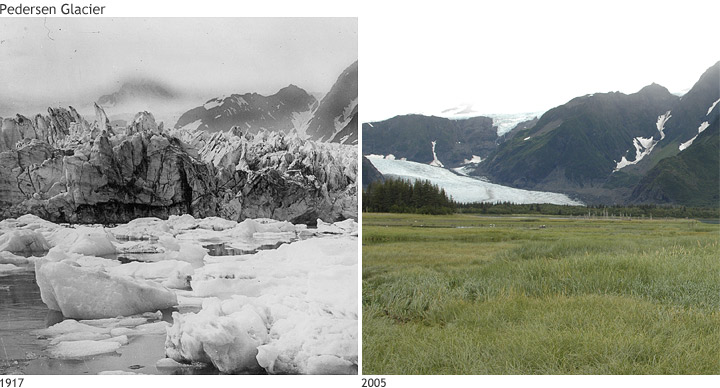
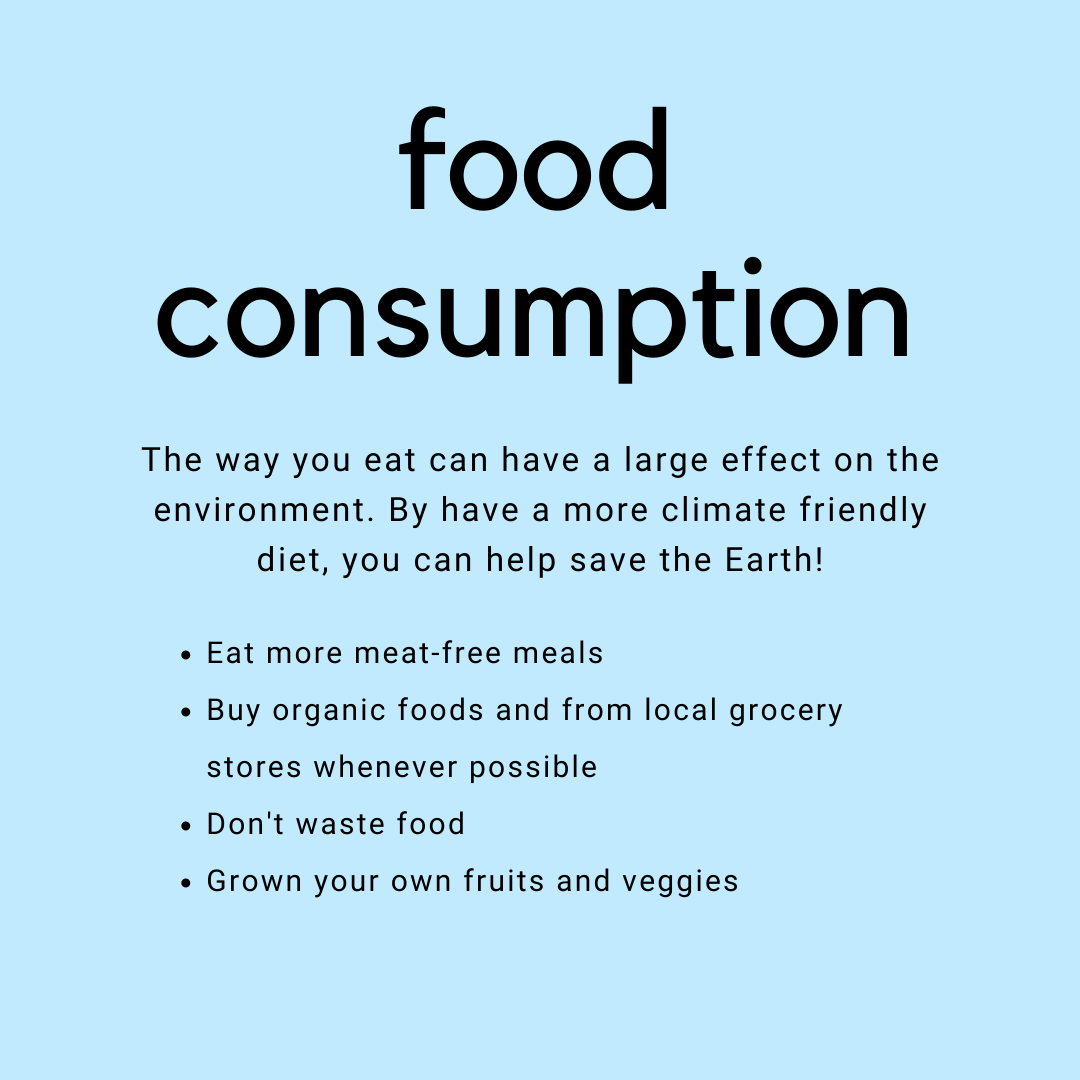
The Glacier Time-Machine demonstrates how glaciers have reduced in size over the last several decades and will continue to melt into the future. Using Machine Learning, users can travel into the past or future to see how glaciers have been melting. Users can explore our web page to see the catastrophic effects of these diminishing glaciers. Our website provides an interactive map of over 5000 glaciers around the world as well as information on ecosystems that rely on glaciers. At the bottom of our page, users can learn about the next steps they can take to prevent these harmful effects.
How I built it
We built our website using an HTML/CSS/JS file for coding front end/user interface parts of the website. We then used a Python file, with the library folium, to create an interactive map. We used EazyML to generate a ML model. We used several python files to grab user data from the HTML file, use it to predict, create a SCV file, and finally pass it to the HTML file. Finally, we used APIs to tie all the pieces together.
Challenges I ran into
As this was our first time using APIs, understanding the concept of APIs as well as the practical implementation was a challenge. Additionally, manipulating CSV files through automatic functions as per user inputted data proved to be a challenge.
Accomplishments that I'm proud of
Going into the hackathon without knowing about APIs or Machine Learning, we researched and learned how to use them in a short span of time. The website is also super aesthetically pleasing, despite the complexity of the program. It contains numerous steps transferred between coding languages and websites, which made it hard to code. However, we surmounted these challenges.
What I learned
We learned how to use APIs in a short amount of time, and also learned how to transfer code between coding languages. We also learned a lot about machine learning through EazyML.
What's next for Glacier Time-Machine
Our next steps would include adding more glaciers that users can view, to show how widespread this issue is. We would also like to create corresponding supplemental machine learning models to show the impact of climate change on carbon emissions, to demonstrate that climate change impacts many aspects of the environment.
Built With
- cgi
- css
- eazyml
- html5
- javascript
- python


Log in or sign up for Devpost to join the conversation.