


Inspiration
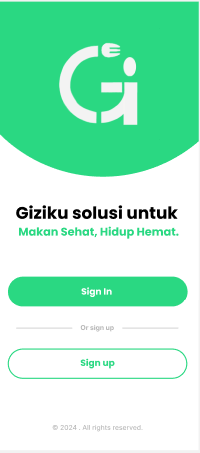
Indonesia still faces two major challenges: child malnutrition and high rates of food loss and waste. On the other hand, many families struggle to create nutritious menus due to budget constraints, and many fresh food items in traditional markets go to waste because they are not purchased. Giziku was born as a bridge: helping families create realistic healthy menus while empowering local food vendors so their products are not wasted.
What it does
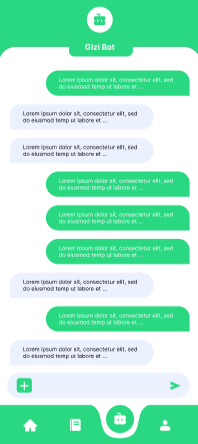
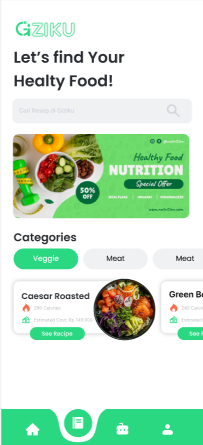
Giziku provides: Weekly menu simulations for users based on family economic data Nutritious recipe recommendations tailored to budget and nutritional needs A platform for food sellers to offer their stock (especially surplus items nearing their expiration date) Nutrition consultations via an interactive and adaptive AI chatbot
How we built it
The app was built using Flutter as the main framework for multiplatform mobile, supported by Supabase for authentication, data storage, and user-seller relations. The AI chatbot was built using Gemini services to answer questions about nutrition. The recipe database was developed contextually, tailored to nutritional values, budgets, and local ingredients. We also built an input system for sellers so they can quickly upload the food items they want to sell.
Challenges we ran into
Developing a recipe recommendation system that is culturally, nutritionally, and economically relevant Integrating the AI chatbot with accurate and user-friendly responses Designing an interface for two user roles: families and food sellers Balancing nutritional ideals with economic realities Dynamically adjusting food ingredient data to local prices and availability
Accomplishments that we're proud of
Designing a feature that addresses two major issues simultaneously: child nutrition and food waste Integrating education, technology, and social interaction into one application Providing realistic and practical weekly healthy meal simulations A seller system that reduces food waste while increasing local income
What we learned
Nutrition challenges cannot be solved from a health perspective alone, but must also involve economic, cultural, and social factors. Technology can help create healthy and affordable menus, but local adaptation is still necessary. The role of market actors (sellers) is crucial in creating a sustainable food system AI is highly beneficial for nutrition education, but local content curation is necessary to ensure relevance
What's next for Giziku
Integrating gamification for children and parents in nutrition education Collaborating with village governments, health posts, and market communities Providing recipe recommendations based on the availability of ingredients in nearby marketplaces


Log in or sign up for Devpost to join the conversation.