-
App Logo
-
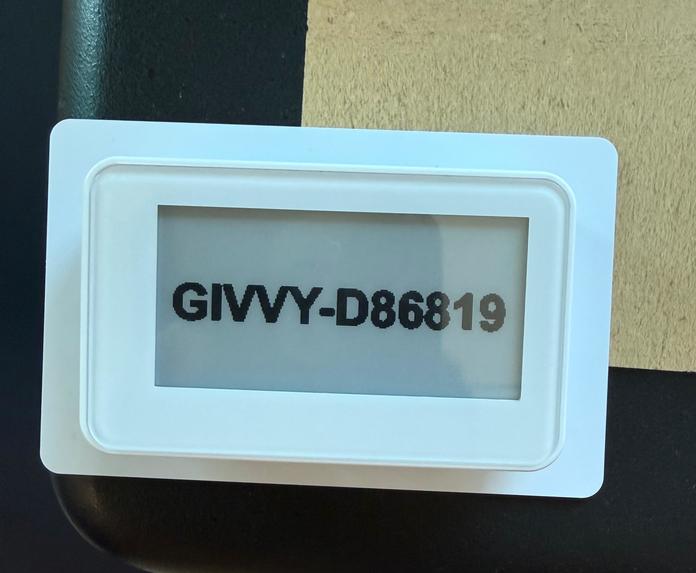
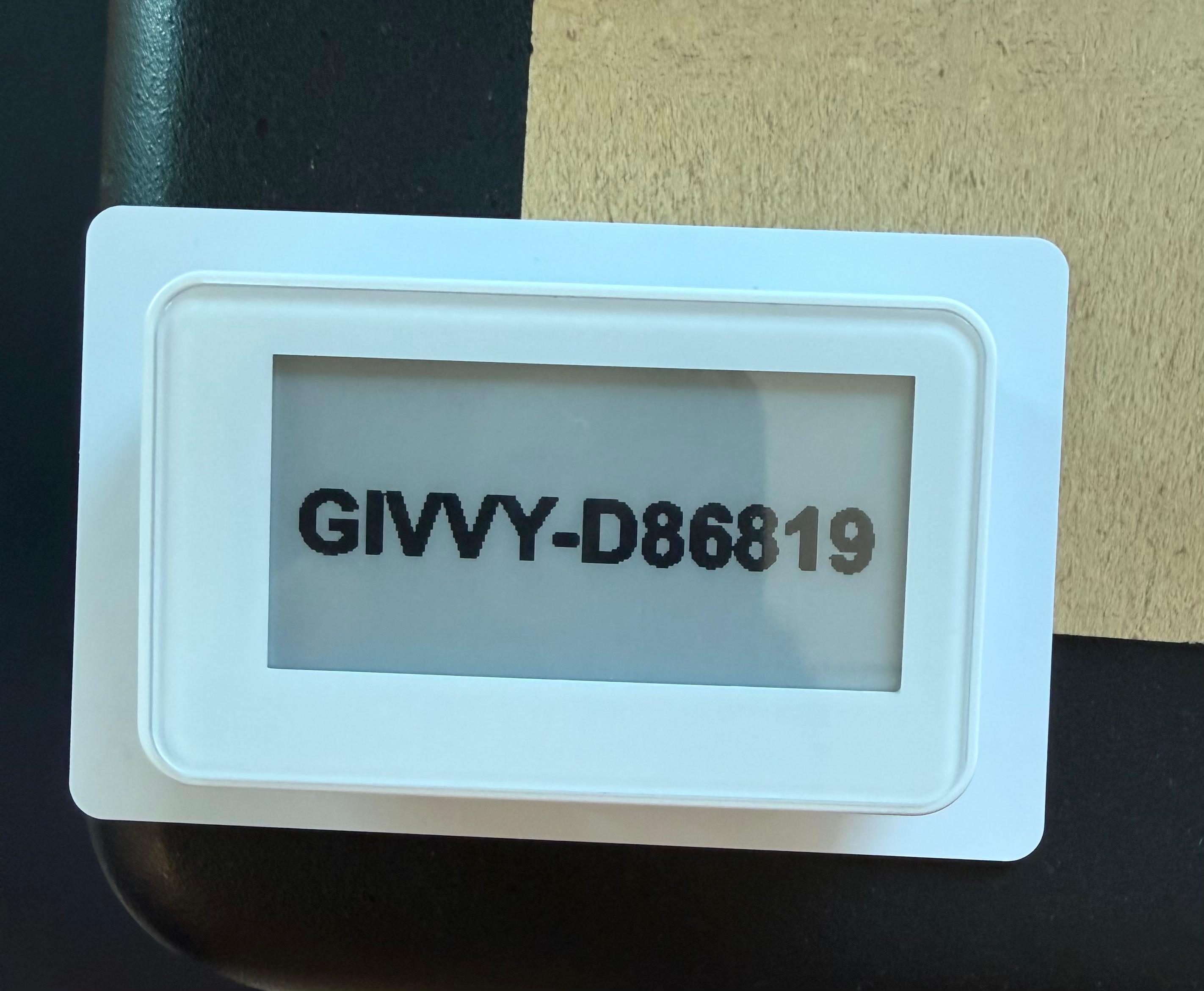
E-paper
-
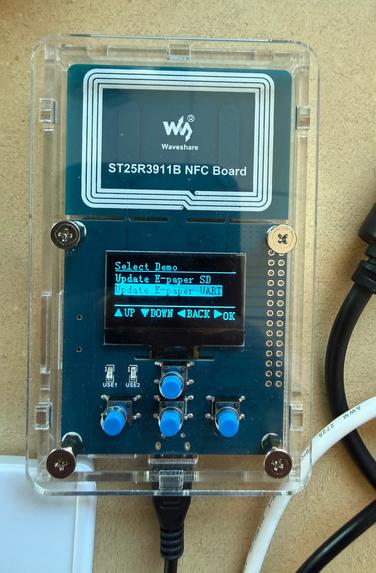
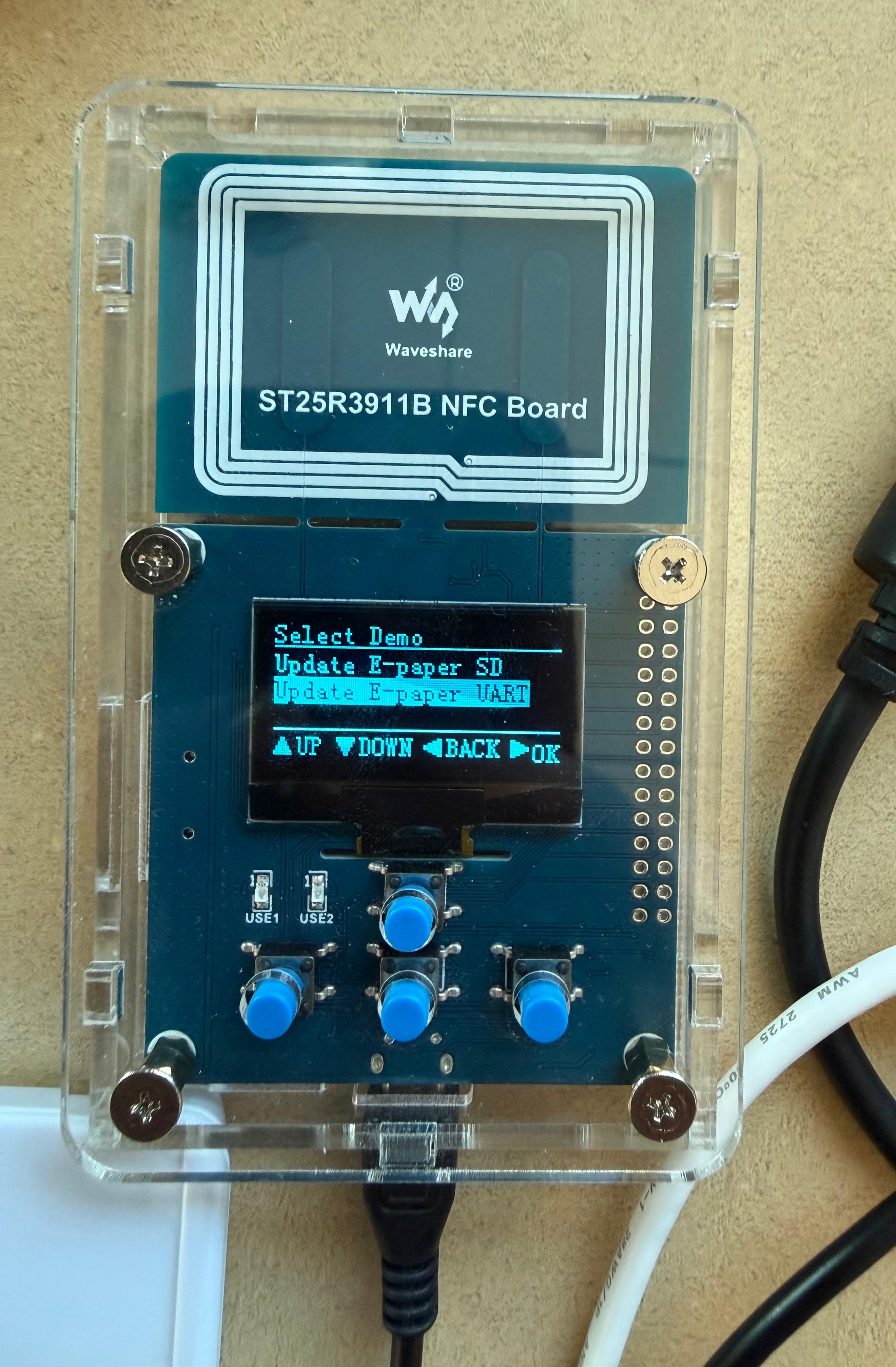
ST25R3911B NFC Board
-
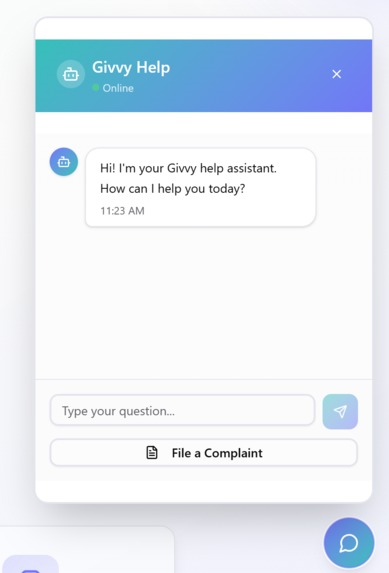
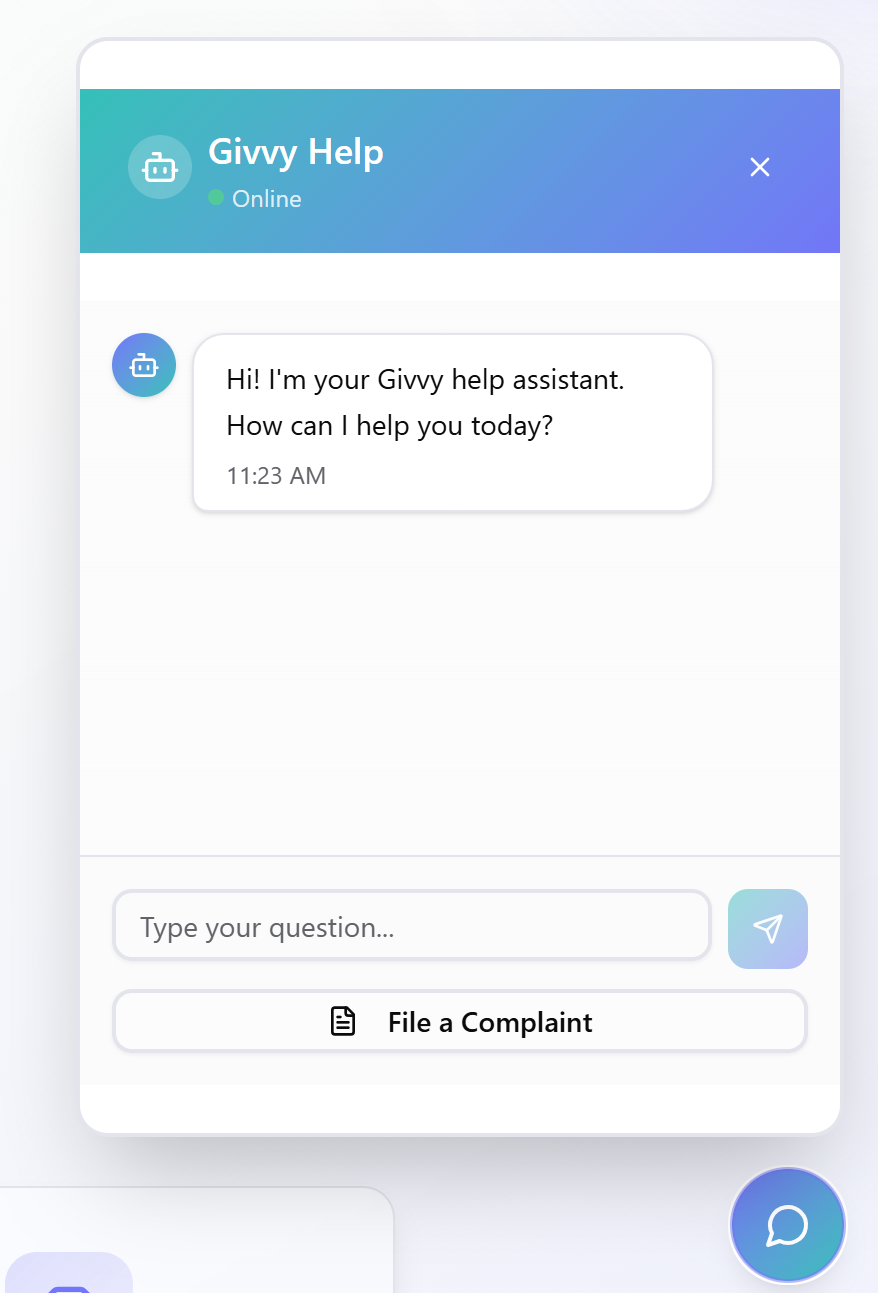
Chat Bot
-
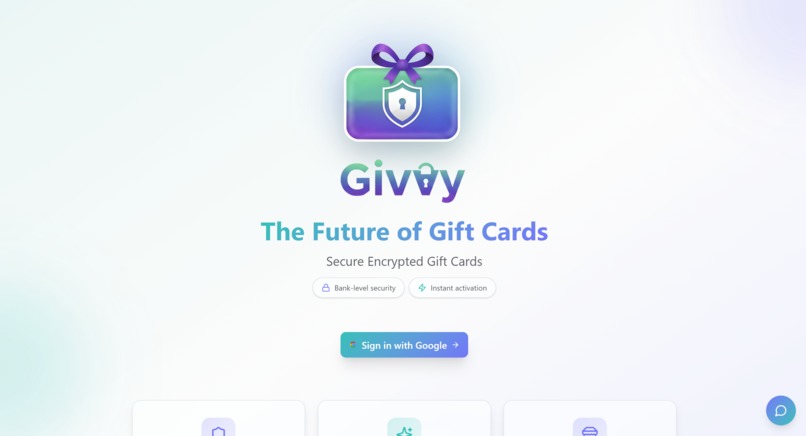
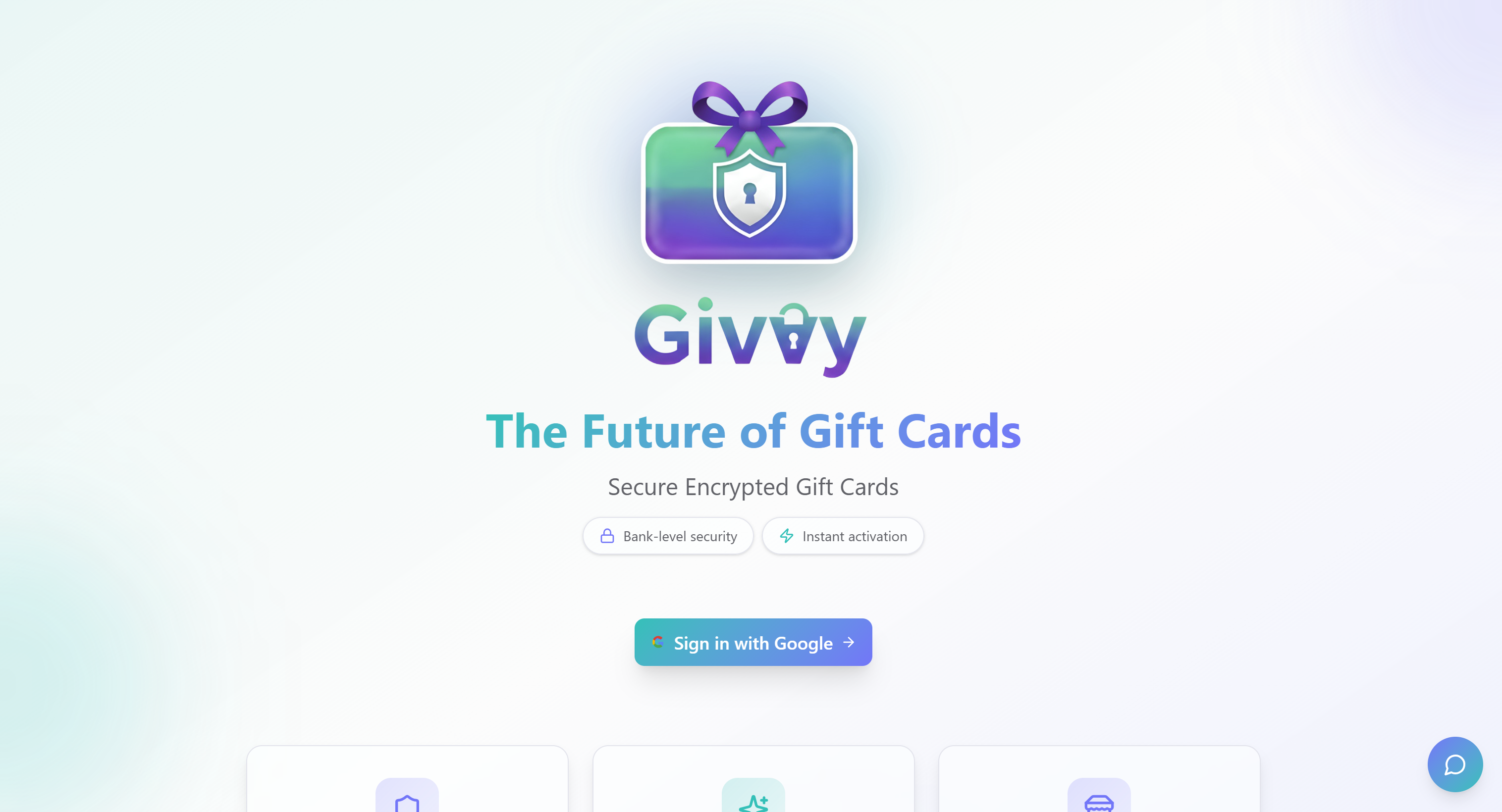
Home Page
Inspiration
Gift cards are meant to be convenient, yet most are insecure, easy to duplicate, or managed through outdated systems. We wanted to reinvent this simple idea by blending hardware encryption with modern web technology. Inspired by real-world issues of fraud and lost balances, we set out to design Givvy, a secure, encrypted NFC-based gift card that users can actually trust, one that combines the tangibility of a physical card with the security of digital cryptography.
What It Does
Givvy allows stores to issue AES-encrypted NFC gift cards that can be activated, redeemed, and verified securely.
Counter Staff Interface: Register, activate, and manage gift cards via a secure dashboard.
Consumer Interface: Check balances and transaction history using the card number and PIN.
When the card is tapped on an ACR122U NFC Reader, the backend performs mutual AES-128 authentication, then updates the ST25R e-ink display to show the live balance. Every tap establishes a unique session key. This ensures protection against replay or cloning attacks.
How We Built It
We built Givvy using TypeScript, Python, and Supabase.
Frontend: React + TypeScript + Tailwind CSS for responsive dual interfaces.
Backend: Node.js + Express + Supabase (PostgreSQL) for secure data storage.
Authentication: Firebase Auth for staff login and access control.
Hardware: Python scripts using pyscard and pyserial to communicate with the ACR122U NFC Reader and ST25R3911B e-ink board, enabling real-time encrypted transactions and visual updates. Displaying the gift card codes using the e-ink displays.
Deployment: Hosted frontend on locally and integrated APIs through Supabase and Firebase.
Challenges We Ran Into
Integrating hardware-level encryption with web-based authentication was our toughest challenge. Automating the ST25R e-ink display updates required precise timing over serial communication. Debugging AES session keys and syncing data securely between Python, TypeScript, and Supabase was also complex. Balancing strong encryption with an intuitive user experience, especially under hackathon deadlines, tested our full-stack coordination.
Accomplishments That We're Proud Of
We built a fully functional prototype where a physical NFC card securely communicates with a web backend and displays its balance in real time. Seeing the e-ink display update instantly after a successful AES handshake proved that fintech-grade security can be practical, intuitive, and reliable. We’re proud of designing a system that is secure by design, not by patching.
What We Learned
We learned the inner workings of NFC cryptographic authentication, how to manage AES key diversification, and how to connect embedded hardware with modern cloud platforms like Firebase and Supabase. More importantly, we learned how to turn a complex security concept into a smooth, user-friendly experience that unites software engineering, embedded systems, and design thinking.
What's Next for Givvy
We plan to expand Givvy into a secure digital gift card ecosystem by adding merchant dashboards, real-time analytics, and optional on-chain transaction logging for traceability. Future versions will include mobile NFC support so users can activate and redeem cards directly from their phones. Our long-term goal is to make Givvy the gold standard for secure, sustainable, and elegant digital gifting.


Log in or sign up for Devpost to join the conversation.