-
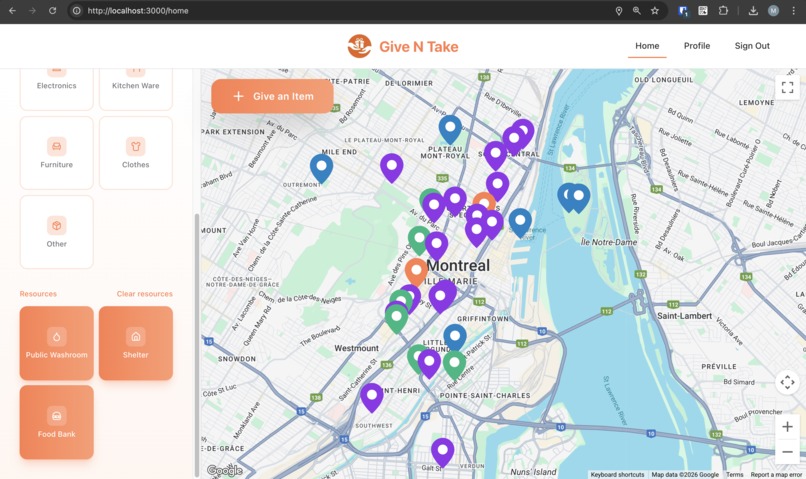
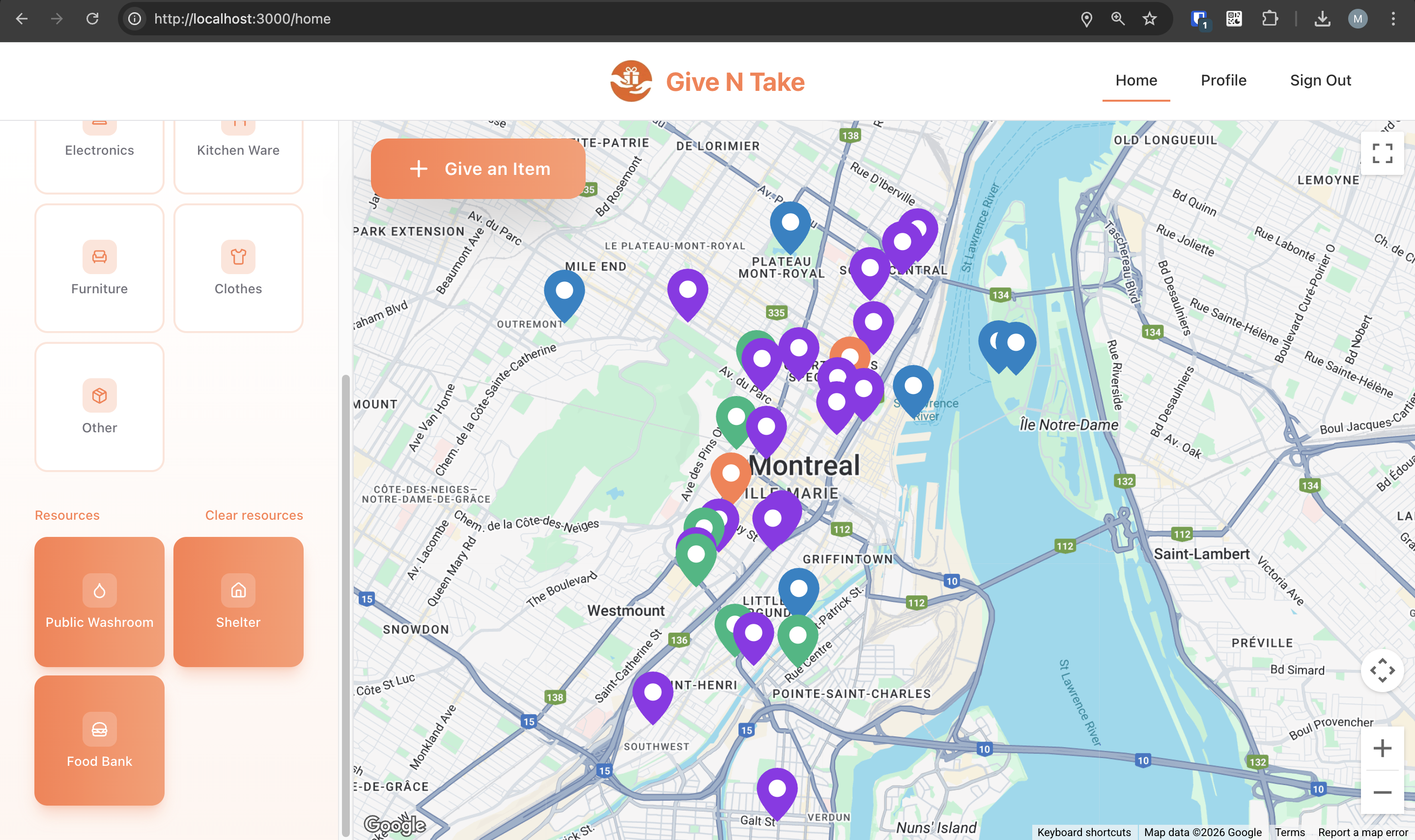
Public resources
-
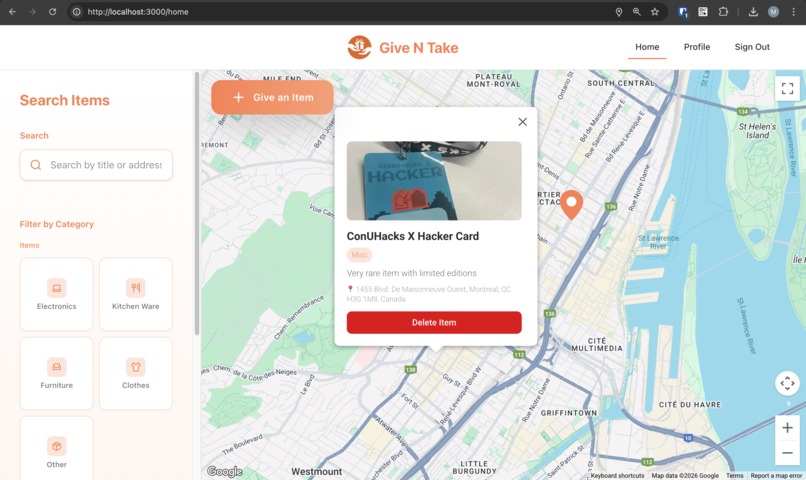
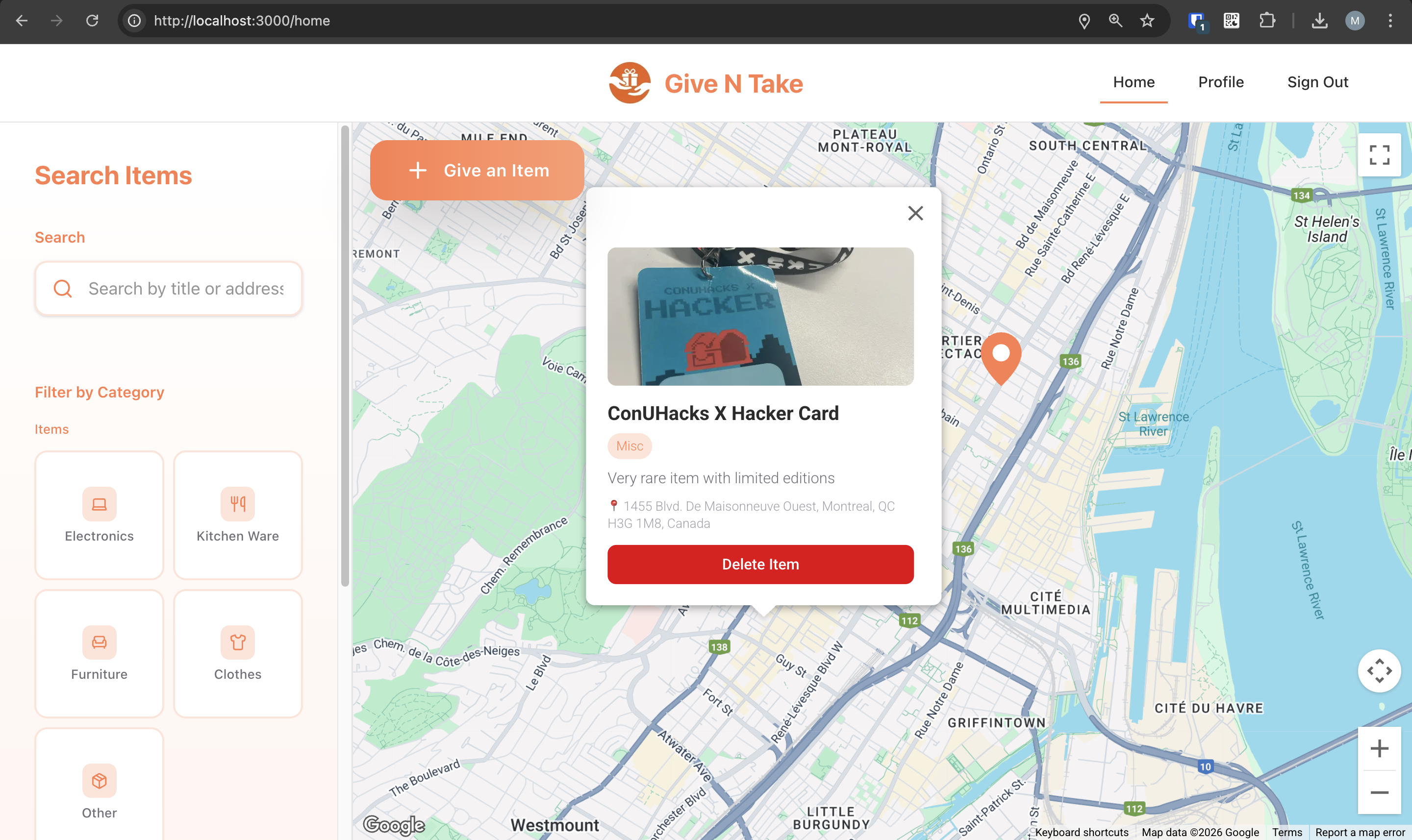
Item giveaway
-
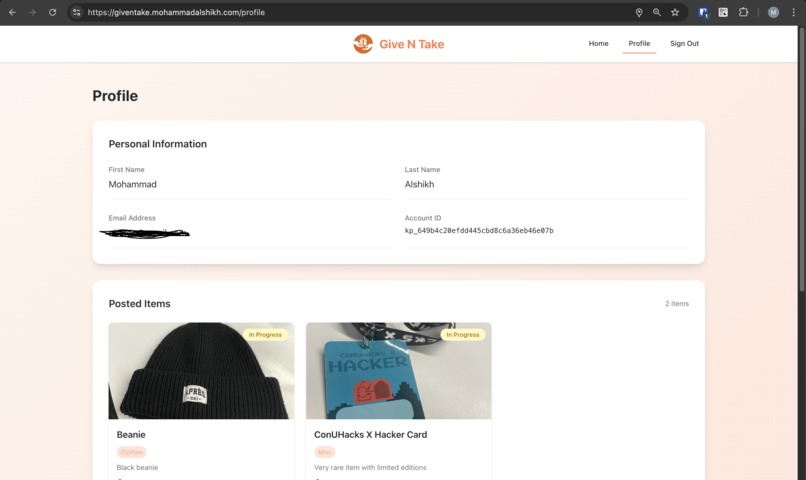
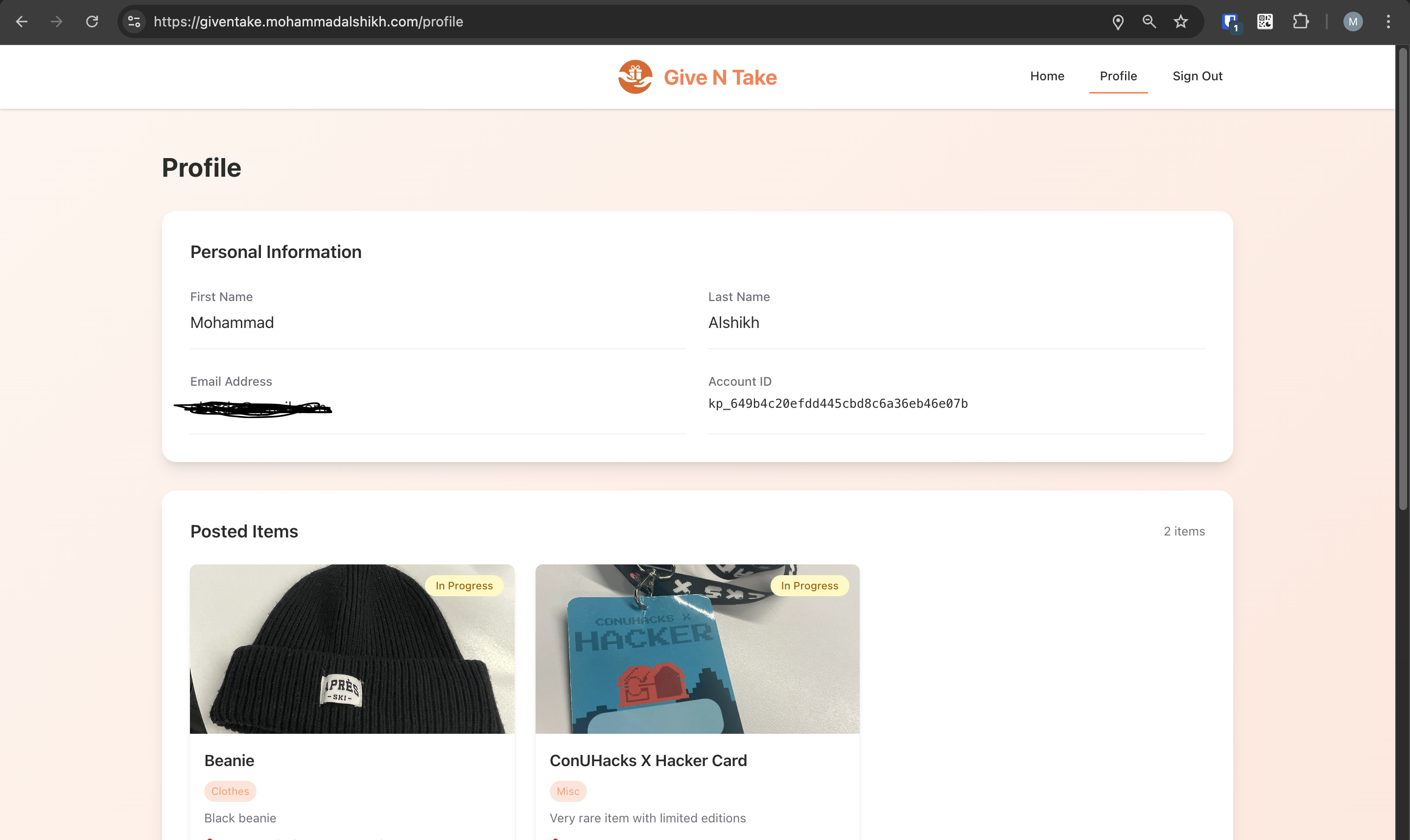
Profile page
-
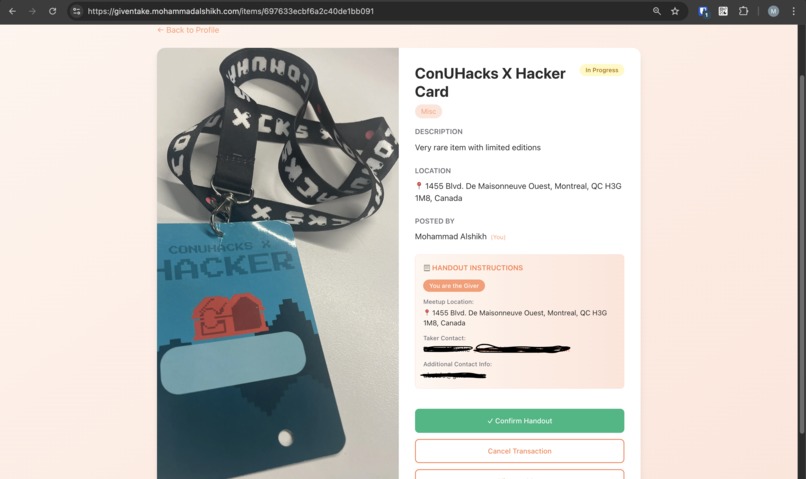
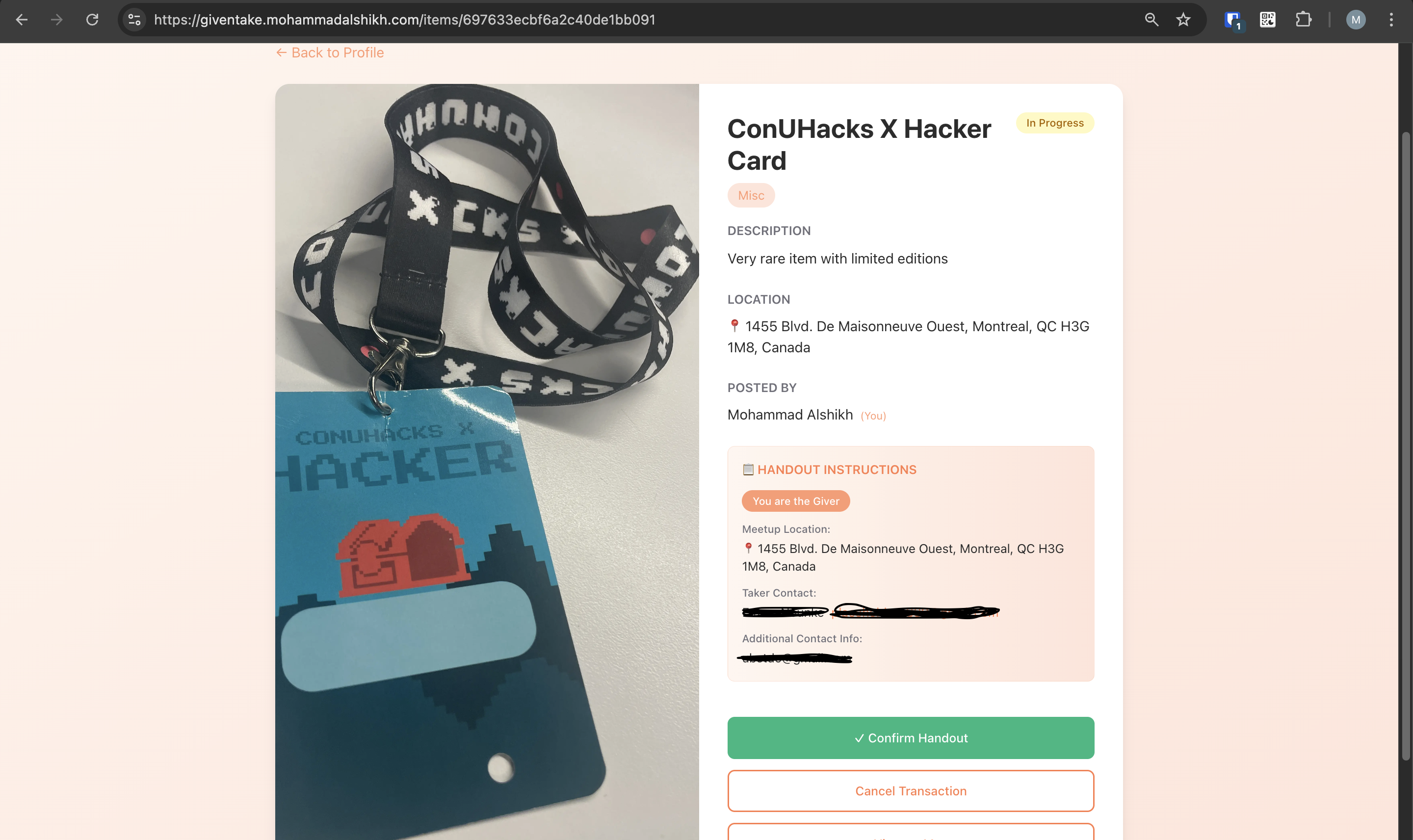
Handout process
Inspiration
Friday, January 23rd. It is approximately -23 degrees out there, one of the coldest nights of the year. A friend and I are just leaving a comedy show: it was great, we had a good time! As we’re walking outside, we witness a couple of homeless people getting kicked out of the building we were in, and left to fend for themselves in these rough conditions. That’s where the idea for our app comes from: we as developers can use our powers to help the most vulnerable amongst us, in a significant and impactful way. Our initial idea was to build a web app that would help people experiencing homelessness locate nearby shelters, food banks, and public restrooms. We had already explored this idea before but it never came to fruition. We thought this is the time to see it through.
However, as we discussed the problem further, we realized that support does not only come from organizations. What if individuals also had an easy way to help? Many people discard perfectly usable items throughout the year, such as clothes, furniture, and electronics, items that could make a real difference in someone else’s life. Give N Take was born from this realization. Our goal is to strengthen community connections by making generosity accessible, while reducing waste and encouraging mutual support within local neighbourhoods.
What it does
Give N Take is a community-driven platform centered around an interactive map that connects givers and takers. Users can:
- Give: Upload items they no longer need with photos, descriptions, and locations
- Take: Browse available items on an interactive map and claim what they need
- Connect: Build a culture of sharing and sustainability within their local community
The platform shows real-time locations of available items, making it easy to find and collect items nearby.
How we built it
Tech Stack:
- Frontend: Next.js 14 with TypeScript and Tailwind CSS for a responsive, mobile-first interface
- Authentication: Kinde for secure user authentication and authorization
- Database: MongoDB for storing item listings, user data, and interactions
- Storage: Firebase Storage for scalable image hosting
- Mapping: Google Maps API for interactive map rendering and location services
Development Process:
- Implemented Kanban boards for agile project management
- Protected API routes and resources using Kinde authentication middleware
- Built RESTful APIs for CRUD operations on items and user profiles
- Integrated geocoding services for address-to-coordinate conversion
- Designed a fully responsive UI that works seamlessly on mobile and desktop
Challenges we ran into
- Git Merge Conflicts: Coordinating work across multiple team members led to complex merge conflicts that required careful resolution
- Real-time Map Rendering: Optimizing performance when displaying hundreds of markers on the map while maintaining smooth interactions
- Image Upload & Storage: Implementing reliable drag-and-drop file uploads with Firebase integration and proper error handling
- Mobile Responsiveness: Ensuring all features, especially the map interface, work flawlessly across all screen sizes
- Authentication Flow: Integrating Kinde authentication with Next.js App Router and protecting sensitive routes
Accomplishments that we're proud of
- Successfully integrated a multi-platform tech stack (Next.js, Kinde, Tailwind, MongoDB, Firebase) into a cohesive, functional application
- Created a beautiful, intuitive UI with consistent orange theming and smooth animations
- Implemented full mobile responsiveness with drawer navigation and touch-optimized controls
- Built a secure authentication system that protects user data and API endpoints
- Delivered a working MVP within the hackathon timeframe with all core features functional
- Achieved seamless real-time updates when items are posted or claimed
What we learned
- The critical importance of defining clear requirements and project scope early in development
- Effective git collaboration strategies to minimize merge conflicts in team environments
- How to integrate multiple third-party services (Kinde, MongoDB Atlas, Firebase) into a unified application
- Mobile-first design principles and responsive UI/UX best practices
- The value of incremental development and testing features continuously rather than all at once
- Working with modern React patterns like Server Components and Client Components in Next.js 14
What's next for Give N Take
Security & Safety:
- Implement user verification and rating systems to build trust
- Add in-app messaging for safe coordination of item pickups
- Create safety guidelines and best practices for meetups
Privacy Enhancements:
- Allow users to show approximate locations rather than exact addresses
- Implement privacy controls for user profiles and listing visibility
Feature Expansion:
- Expand beyond physical items to include community resources (free community centers, food banks, public services)
- Add resource categories for services like tool lending, skill sharing, and community events
- Implement notification system for nearby item postings matching user interests
- Create community impact metrics showing total waste reduced and connections made
Platform Growth:
- Build native mobile apps for iOS and Android
- Add social features like user profiles, following, and community forums
- Integrate with local charity organizations and sustainability initiatives


Log in or sign up for Devpost to join the conversation.