-
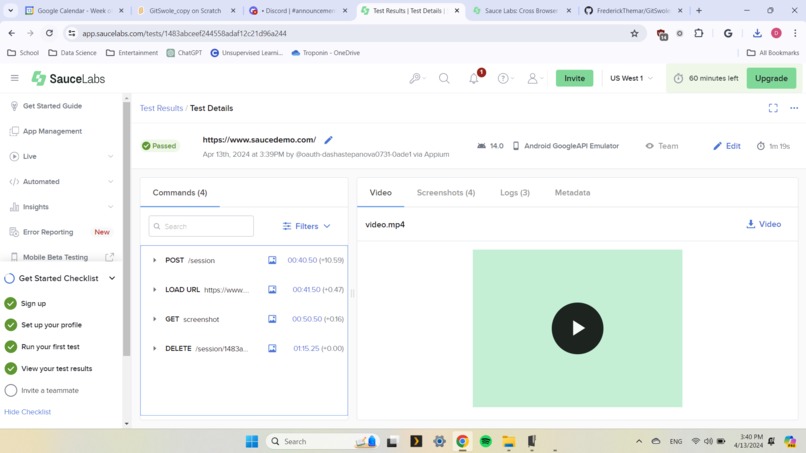
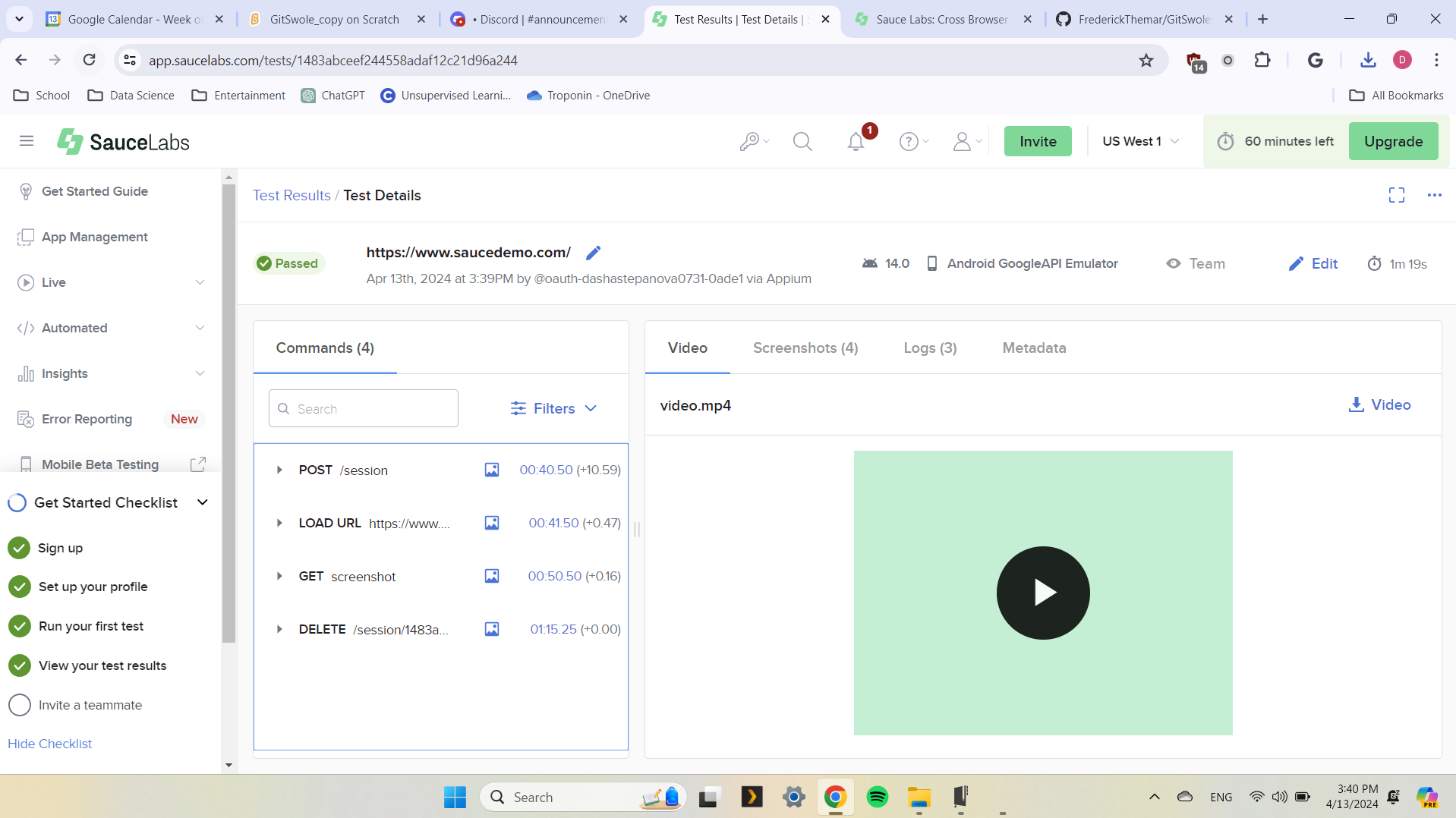
SauceLabs Test Screenshot
Inspiration
We know it is common for people to have trouble sticking to their fitness regimen, so we wanted to think about what would make someone stick to it. The answer was blackmail.
What it does
The app prompts the user to provide an phone number of a loved one or, preferably, an ex. The user connects the app to their Fitbit and if they do not meet their activity goal for the day, such as 10,000 steps, then the app will prompt them with their current "punishment level" and give them a choice between several messages that can be sent to the provided phone number. The more their "punishment level" increases with subsequent failures to meet their activity goal, the worse the messages become, thus incentivizing following the regimen.
How we built it
We used a Python library called Kivy. It can be used for mobile development, and has the benefit of letting you test the app without running an Android emulator.
Challenges we ran into
At first we tried to use Android Studio to make the app, but this IDE is rather cumbersome for people using it for the first time. Also, we took some time to settle on how we'd actually implement the app, bouncing between a few ideas before settling on Android Studio (and Kivy after that.)
Accomplishments that we're proud of
We sent a text message with Python, something we did not know was possible before this project.
What we learned
Mobile development is a lot harder than I remember from high school...
Also, we have gained some experience with Kivy, which can be useful for developing more Android and IOS apps in the future.
What's next for GitSwole: Sweat or Regret
The next step would be for us to implement the Fitbit API connection. Right now it relies on the honor system, with the user inputting how many steps they got in a day.
After that would be getting access to an API that allows us to send SMS through Python. We found some promising ones, but they cost money so we settled sending emails instead.
Built With
- kivy
- python


Log in or sign up for Devpost to join the conversation.