-
-
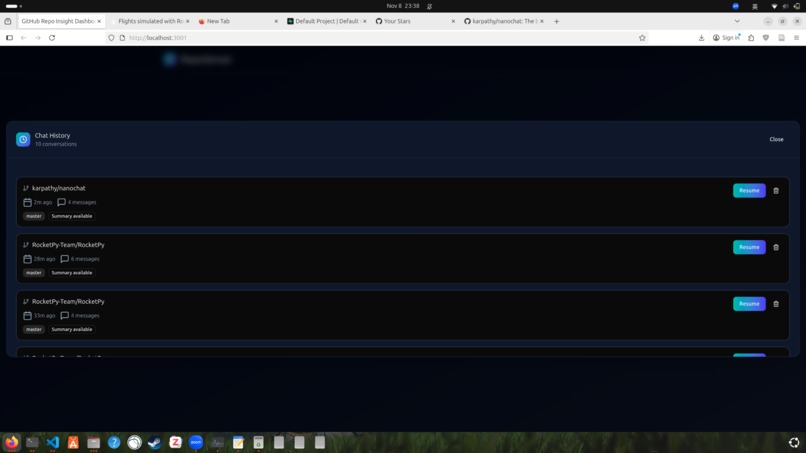
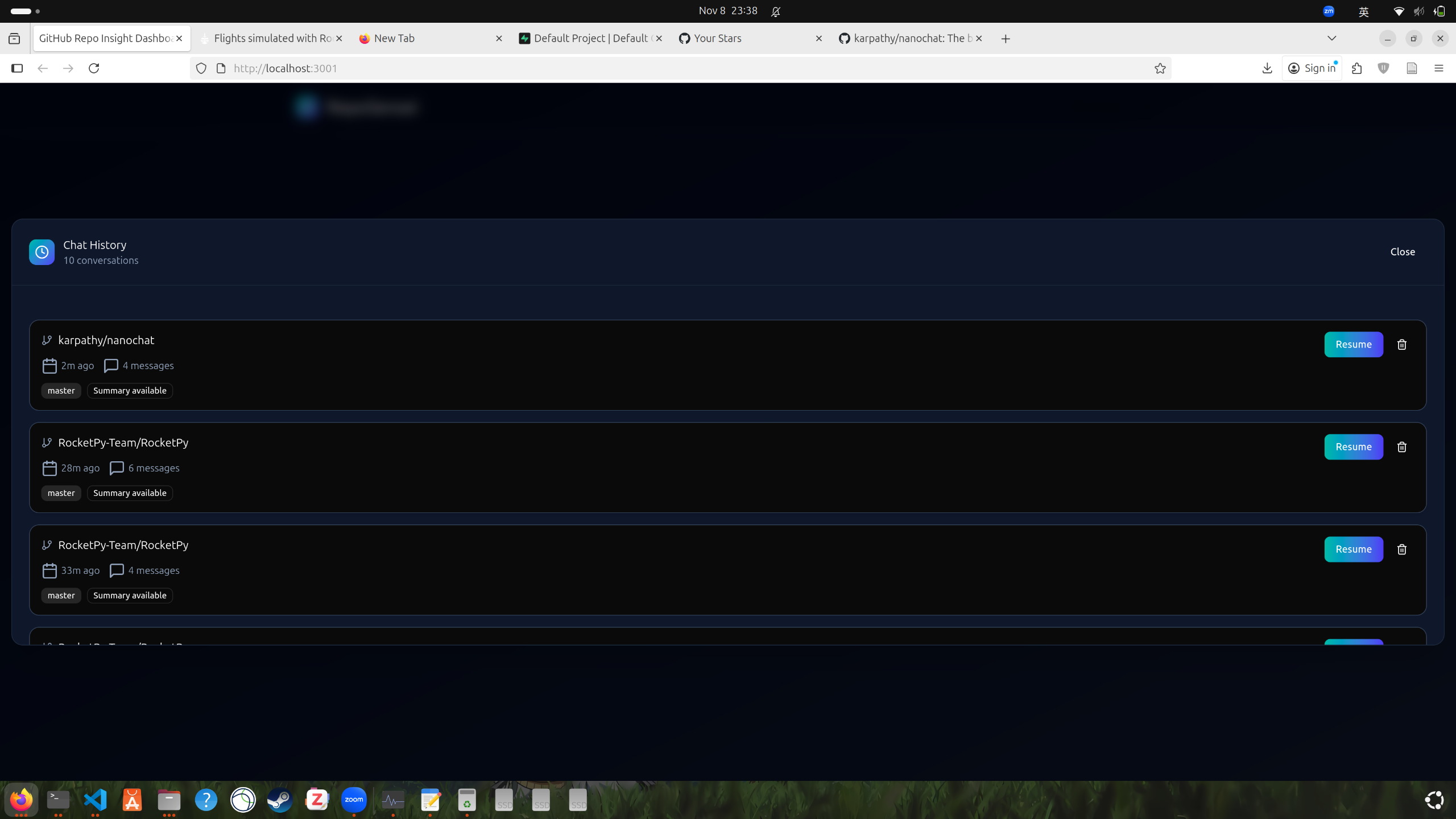
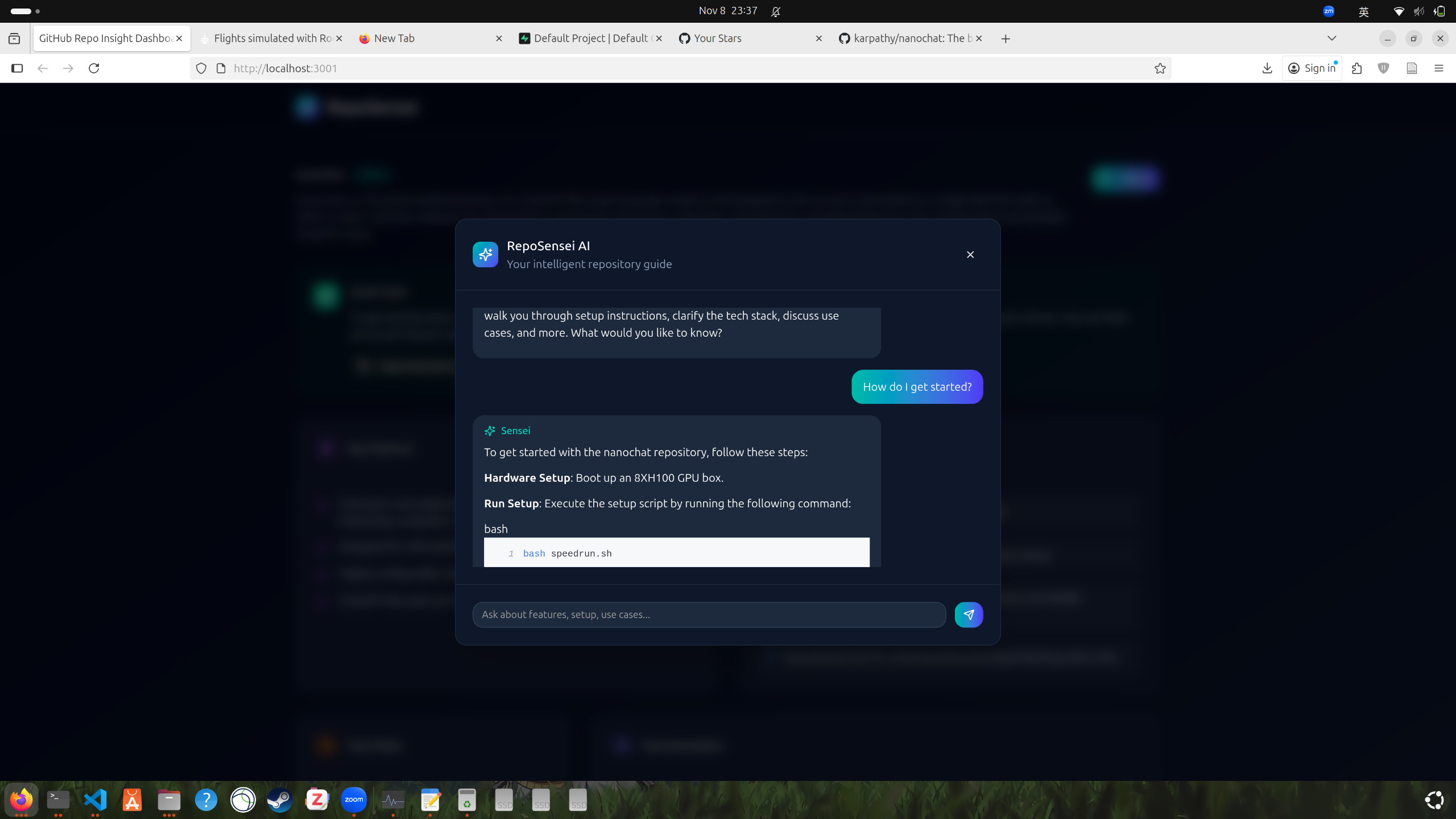
Chat history
-
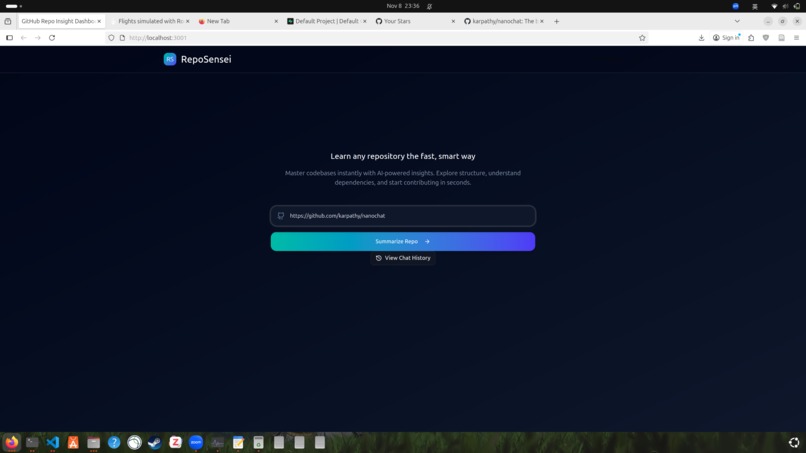
Minimalistic homepage
-
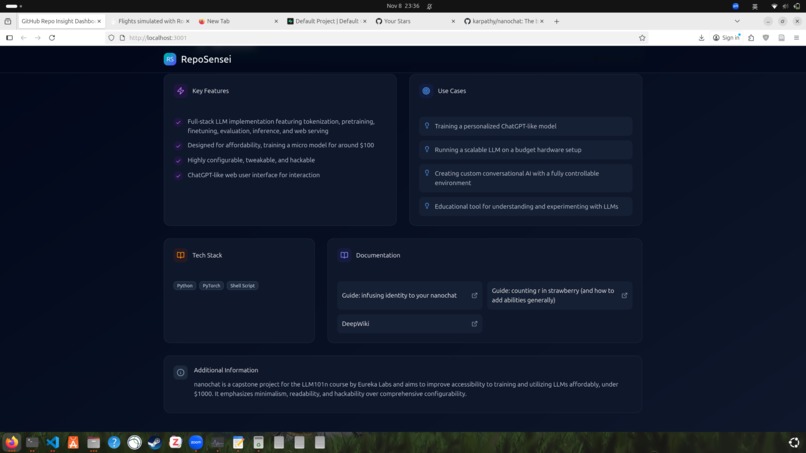
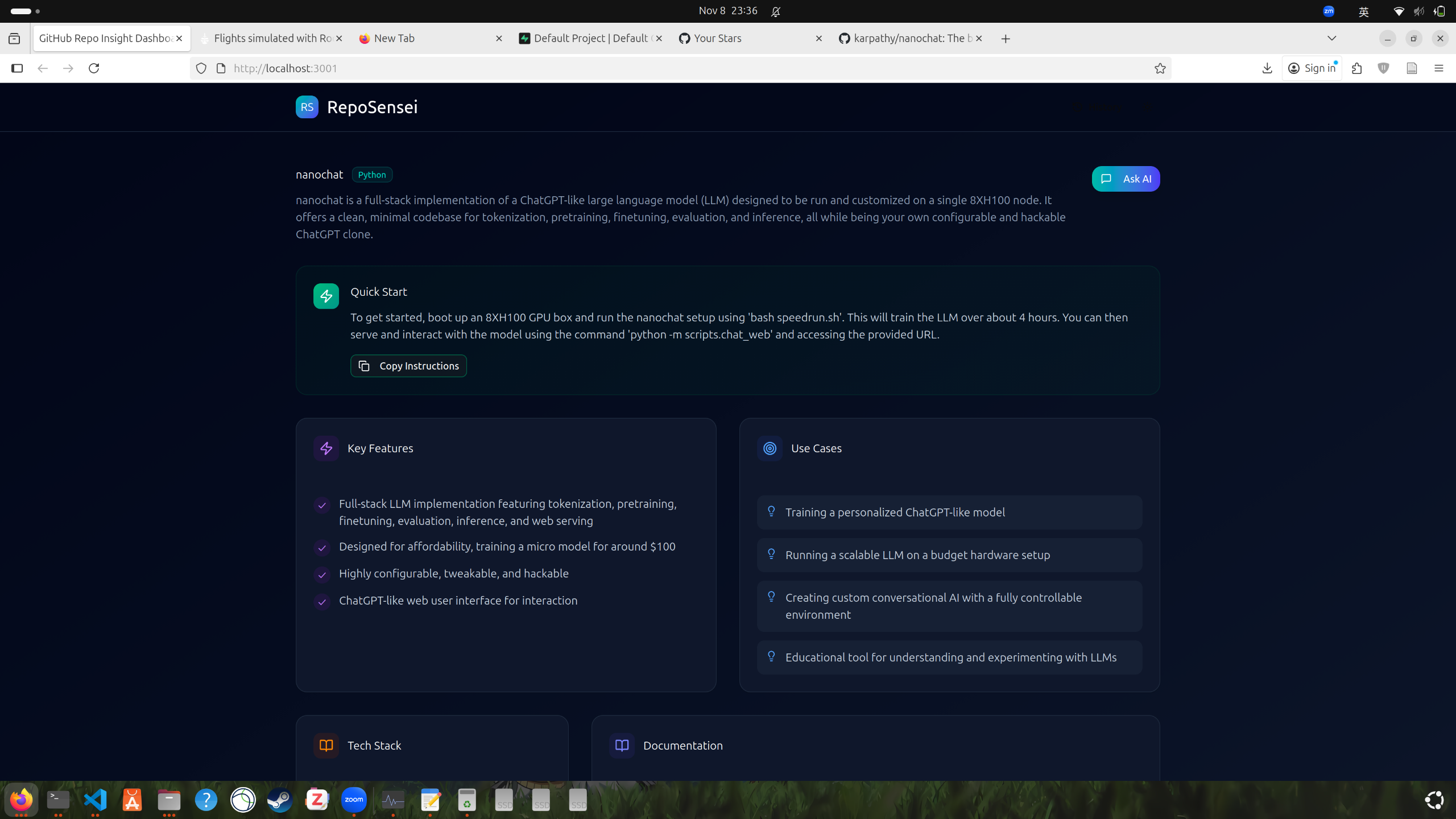
Summary dashboard #2
-
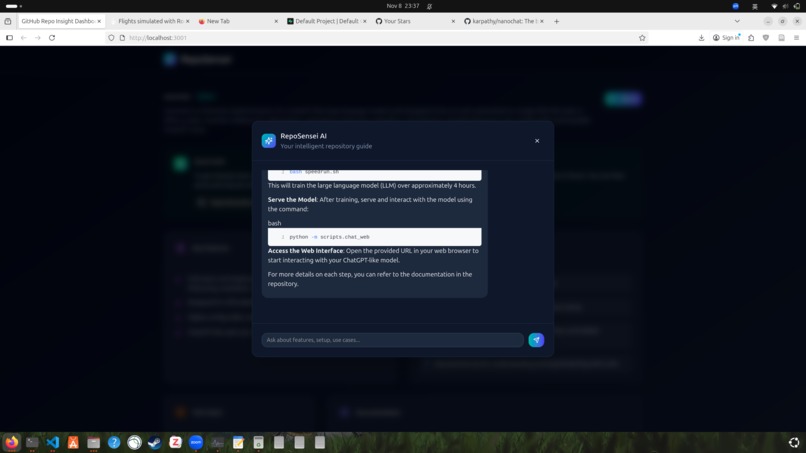
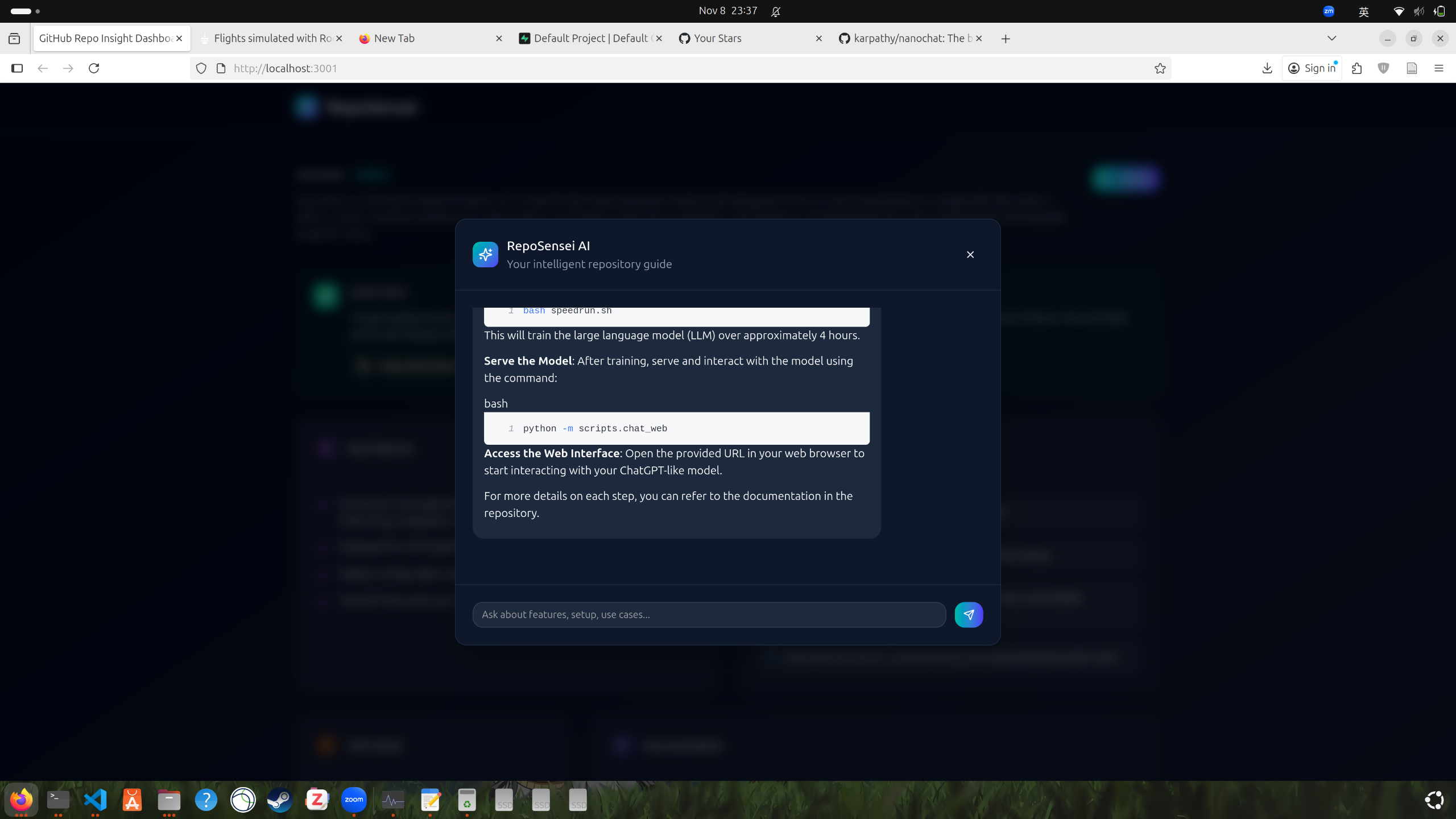
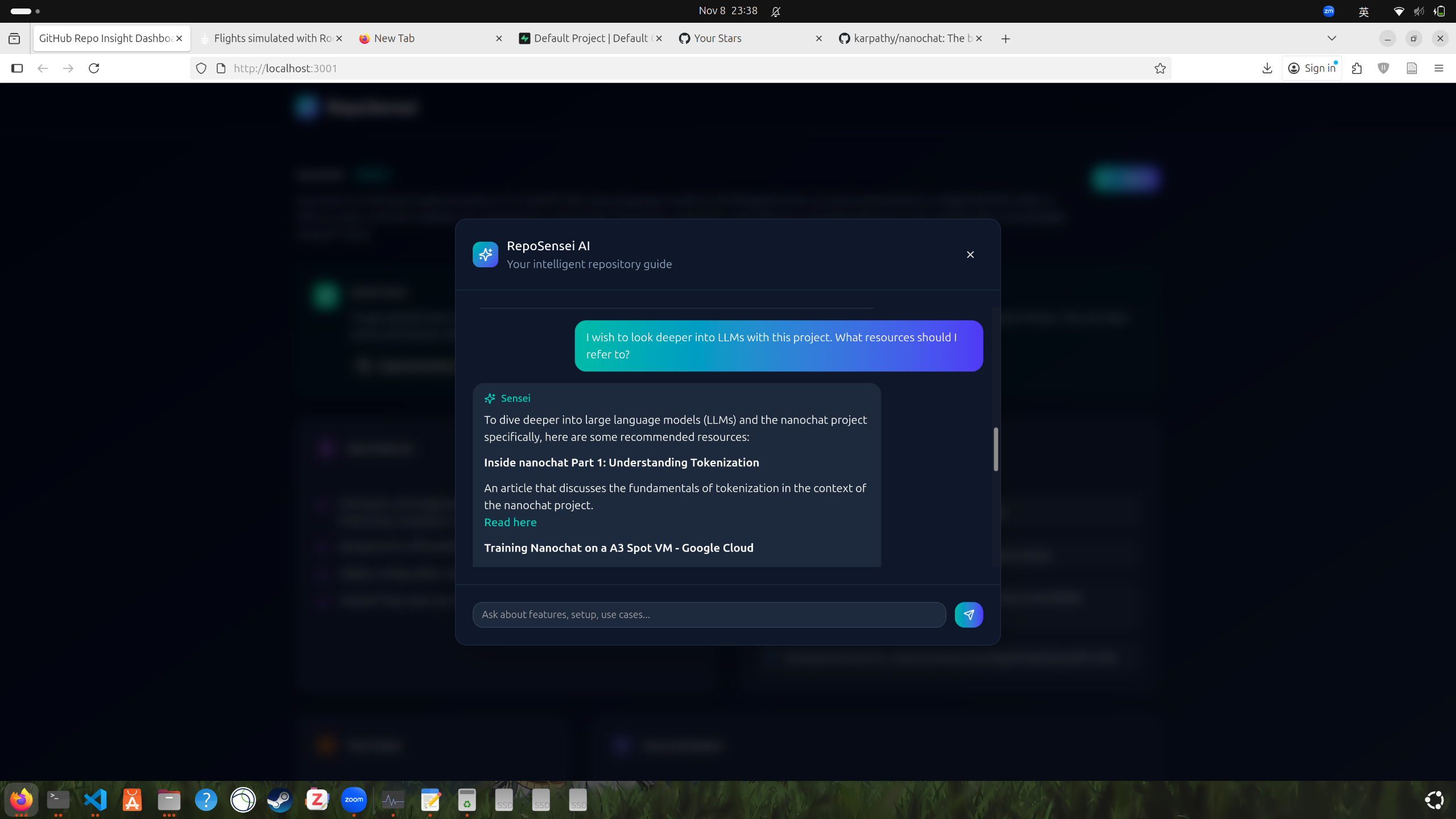
Ask AI #2
-
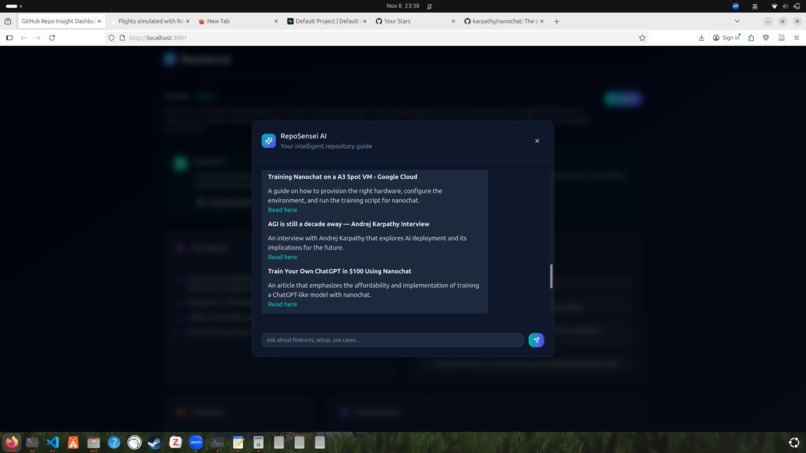
Ask AI #4
-
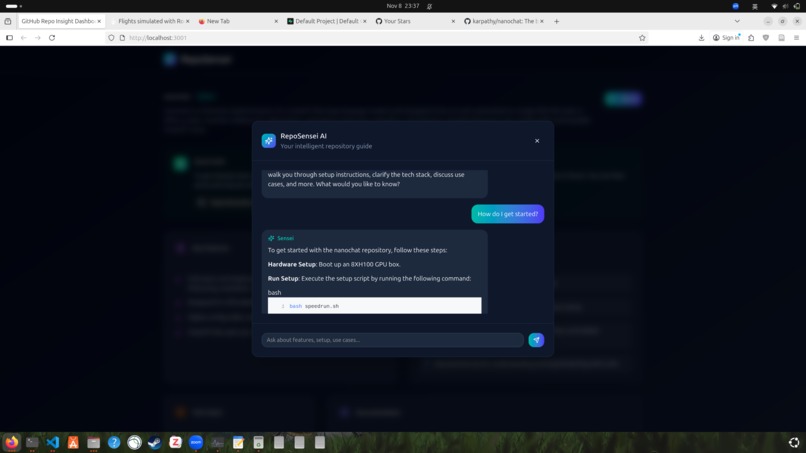
Ask AI #1
-

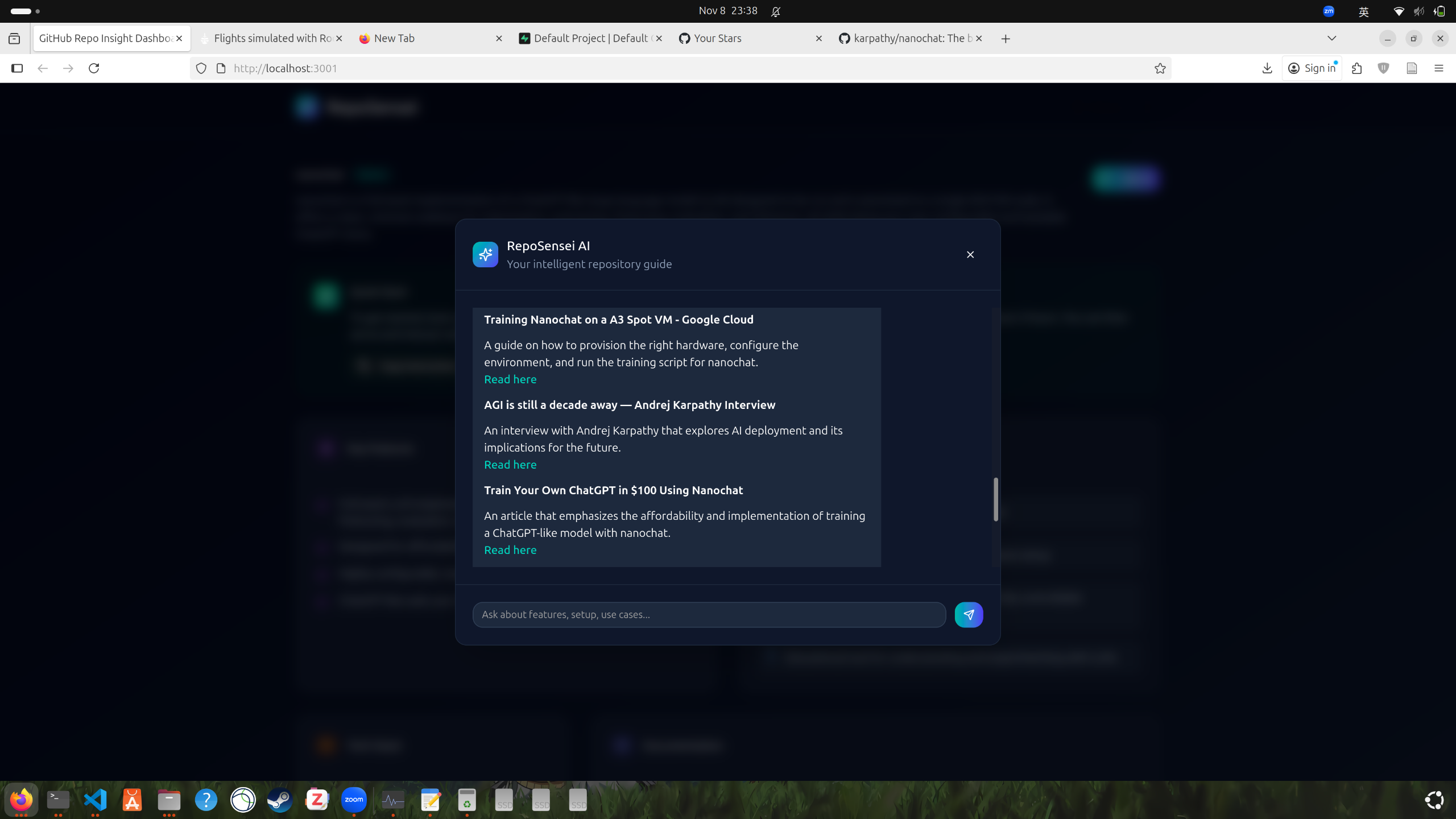
Ask AI #3 (External resources)
-
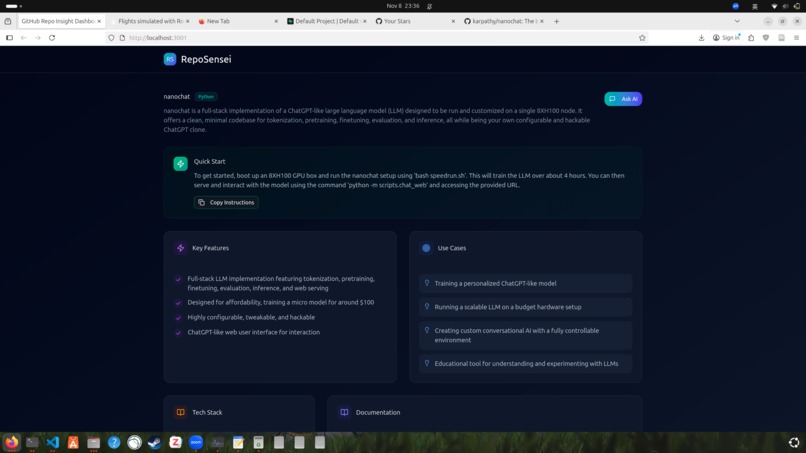
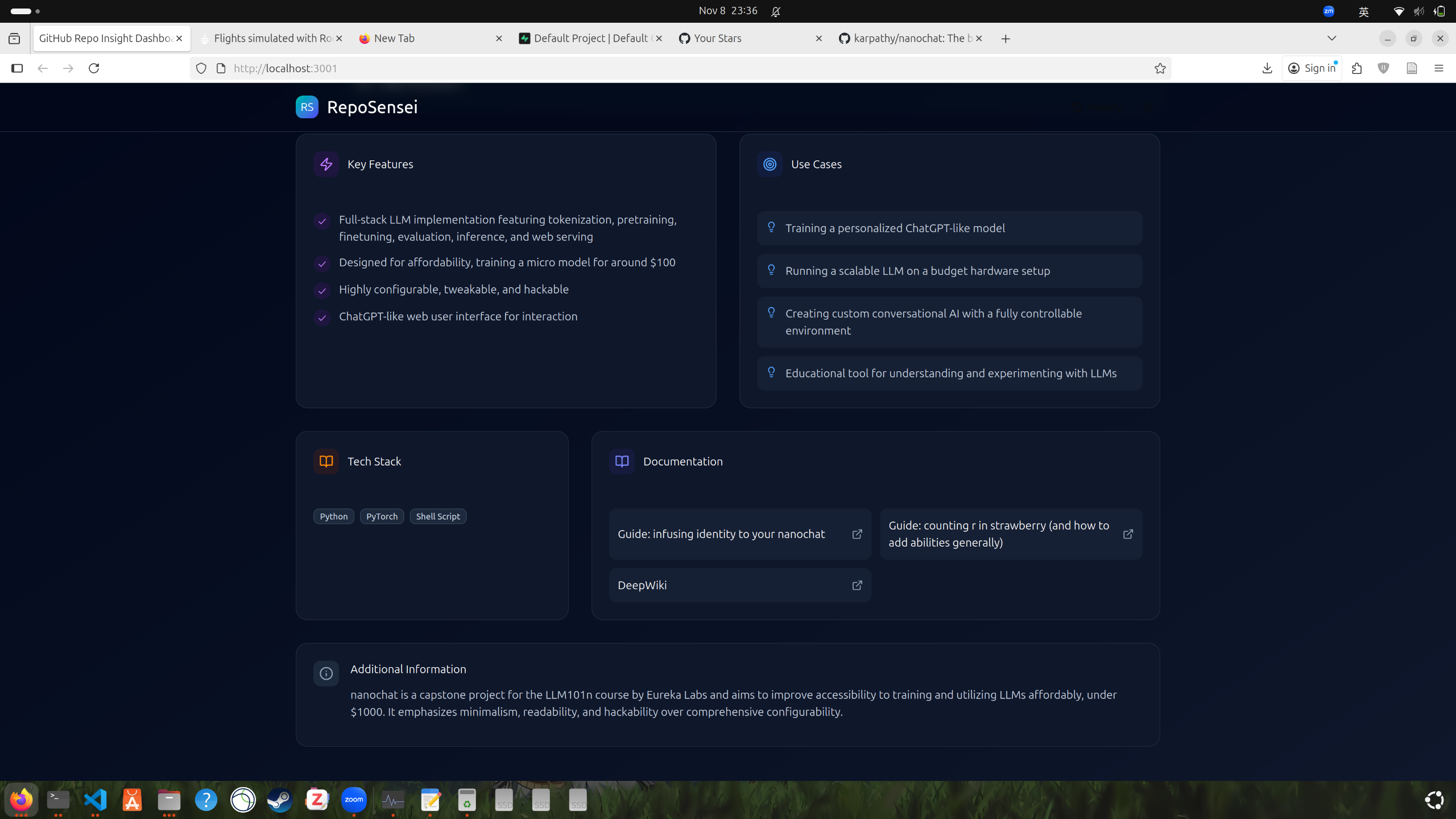
Summary dashboard #1

Inspiration
Almost everyone uses GitHub. But as researchers and engineers, we’ve all faced the same situation of spending hours scrolling through endless README files, fixing broken dependencies, and trying to make someone else’s code run. What should have been the start of discovery often turns into a maze of confusion.
What it does
We built a system that does exactly that. Our AI doesn’t generate random answers, it retrieves the right documentation, relevant code snippets, and setup guides, and it helps set up environments, configure dependencies, and initialize repositories, all through natural interaction. What used to take hours now takes minutes.
How we built it
- OpenAI models for summarization, reasoning, and interactive Q&A
- RAG pipelines to connect README and doc context with real-time retrieval
- Supabase for storing project metadata and logs
- Figma and Shipitbot for frontend UI design
- Python & Docker for environment setup automation
Challenges we ran into
- On the ideation side: we started with big ambitions, exploring concepts like building a better Copilot or a smarter Claude Code. It took extensive research, deep brainstorming, and countless discussions before we converged on the idea of RepoSensei, which is a solution that’s not only innovative, but also genuinely helpful and feasible within our scope.
- On the development side: combining frontend and backend, our project now exceeds 10,000 lines of code, which pushed us to optimize our workflow and collaborate efficiently. We learned to work with modern AI-assisted coding tools, version control discipline, and clear communication to keep momentum high and the “vibe” productive throughout the build process.
Accomplishments that we're proud of
- Built a functional prototype that can summarize and reason over large READMEs and documentations.
- Successfully connected RAG retrieval with automated setup scripts.
- Created a workflow that saves hours of manual setup for real researchers. ## What we learned
- Working efficiently with AI-powered coding tools. We learned how to collaborate effectively with “vibe coding” assistants without getting lost in automation. Along the way, we developed a strong system prompt framework that can be reused and refined for future projects.
- Coming up with a good idea. We discovered that great ideas don’t appear out of nowhere. They emerge through dialogue, research, and genuine empathy by putting ourselves in the users’ shoes, understanding their frustrations, and building something that truly solves their problems.
- Earn one more experience in software engineering.
What's next for GitSpy
In the next phase, we plan to expand GitSpy’s understanding to pull requests, issues, and commit histories. This will allow the AI to capture not just what a project is, but how it evolves.
- For product managers, GitSpy will analyze pull requests and summarize technical changes in plain language, helping them track progress, understand feature discussions, and align teams more effectively.
- For active developers, GitSpy will interpret open issues, identify TODOs, and highlight opportunities for contribution, reducing onboarding friction and accelerating open-source collaboration.
- For researchers, it will surface key insights about project activity, dependencies, and maintainability, turning GitHub from a static code host into an intelligent, living knowledge base.
Ultimately, our goal is to make GitSpy a RepoSensei an AI mentor that reads between the lines of GitHub, bridging human intention with technical execution.
Built With
- copilot
- crawl4ai
- docker
- figma
- githubapi
- langchain
- openai
- shipitbot
- supabase
- typescript
- vite


Log in or sign up for Devpost to join the conversation.