-
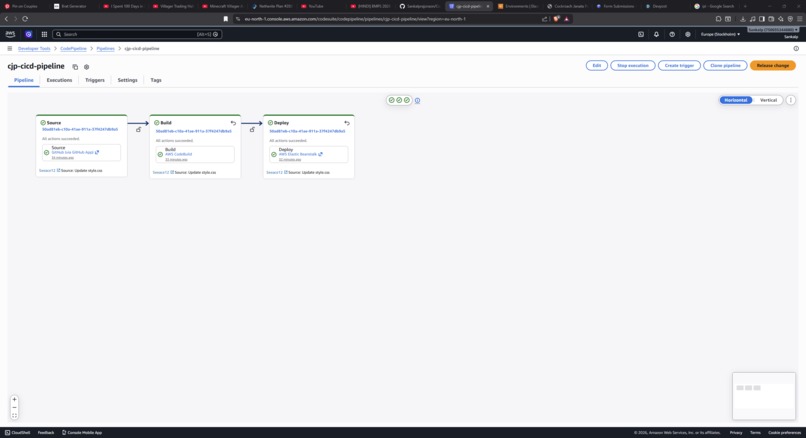
Pipeline
-
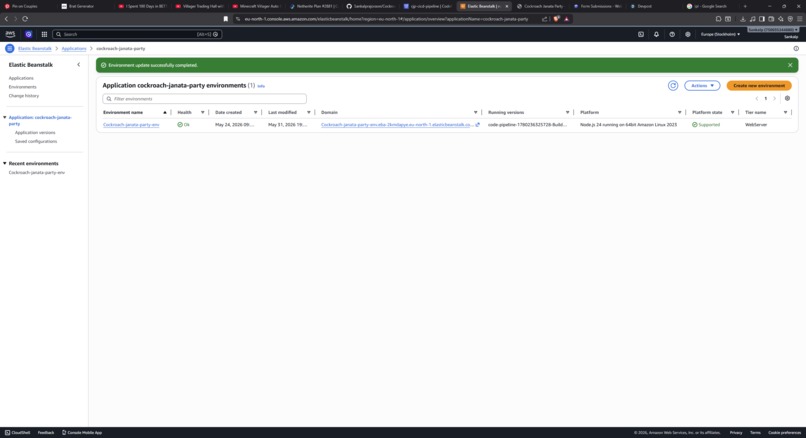
Elastic Beanstalk
-
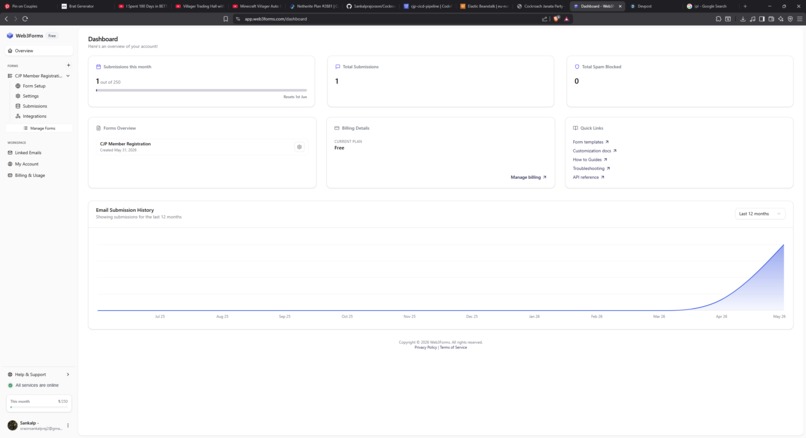
Form Collection
-
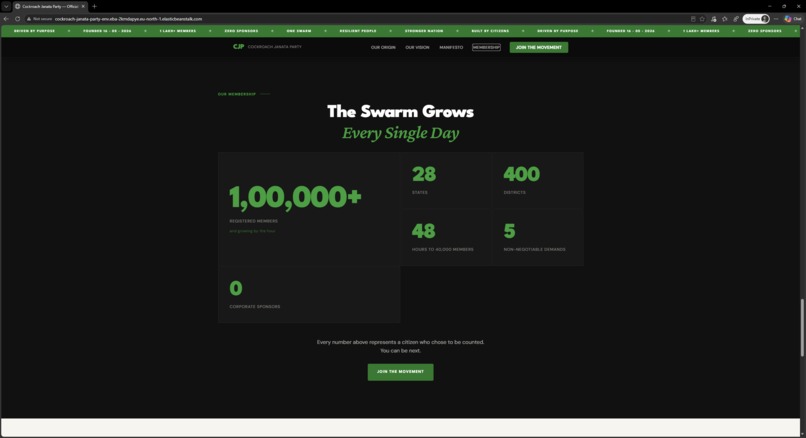
Website
-
Website
-
Website
-

Website
-
Website
-
Form
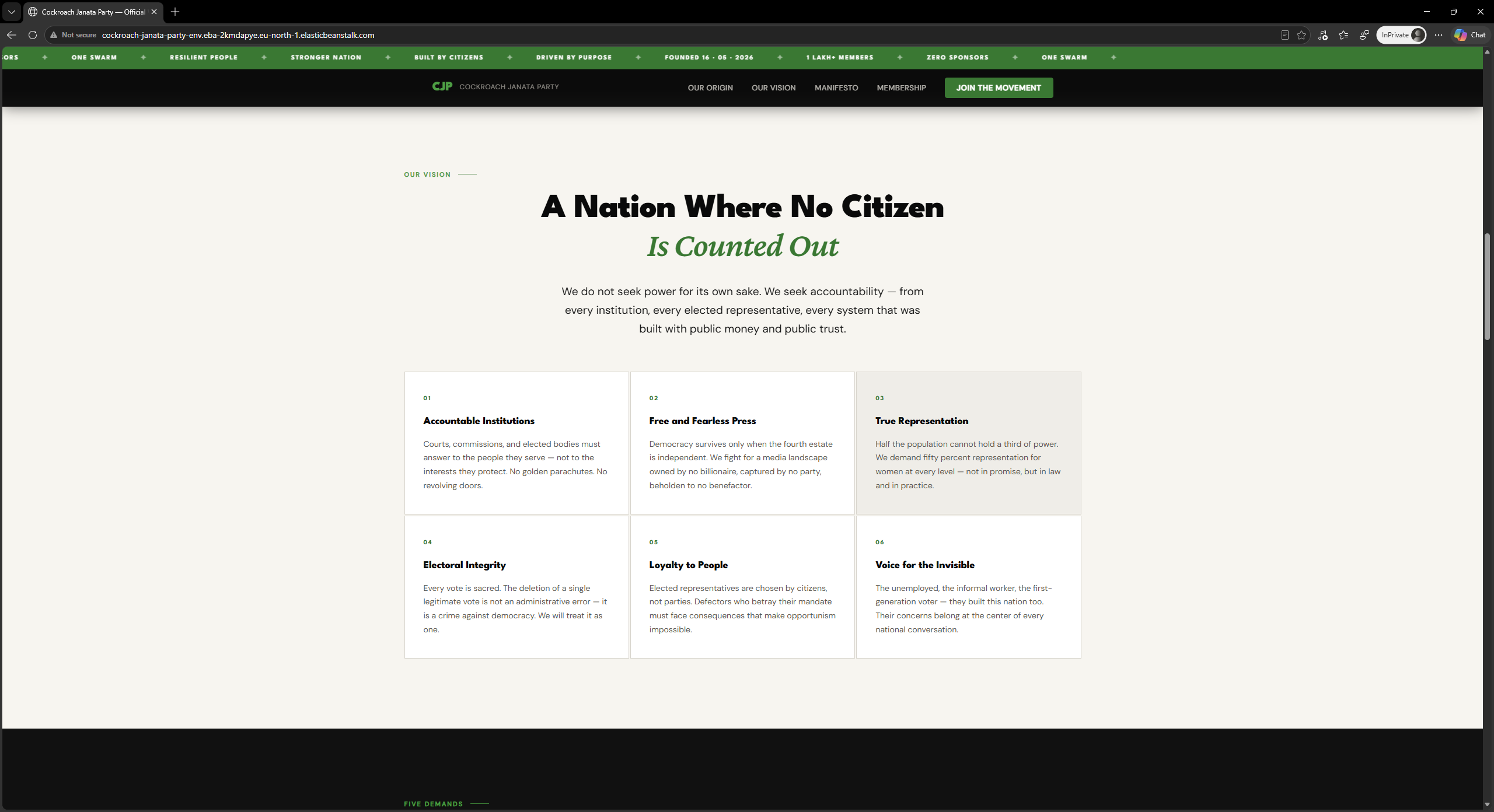
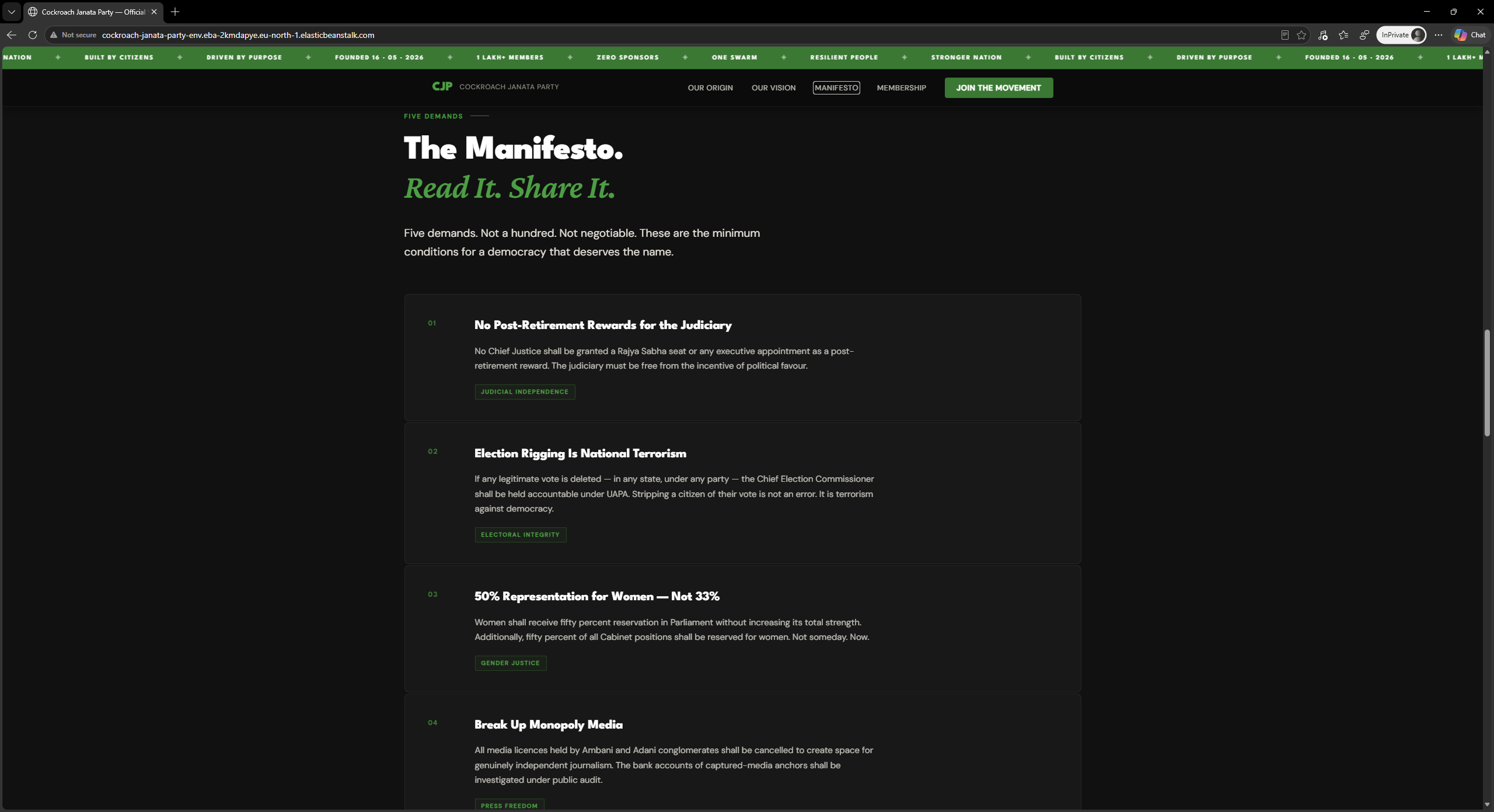
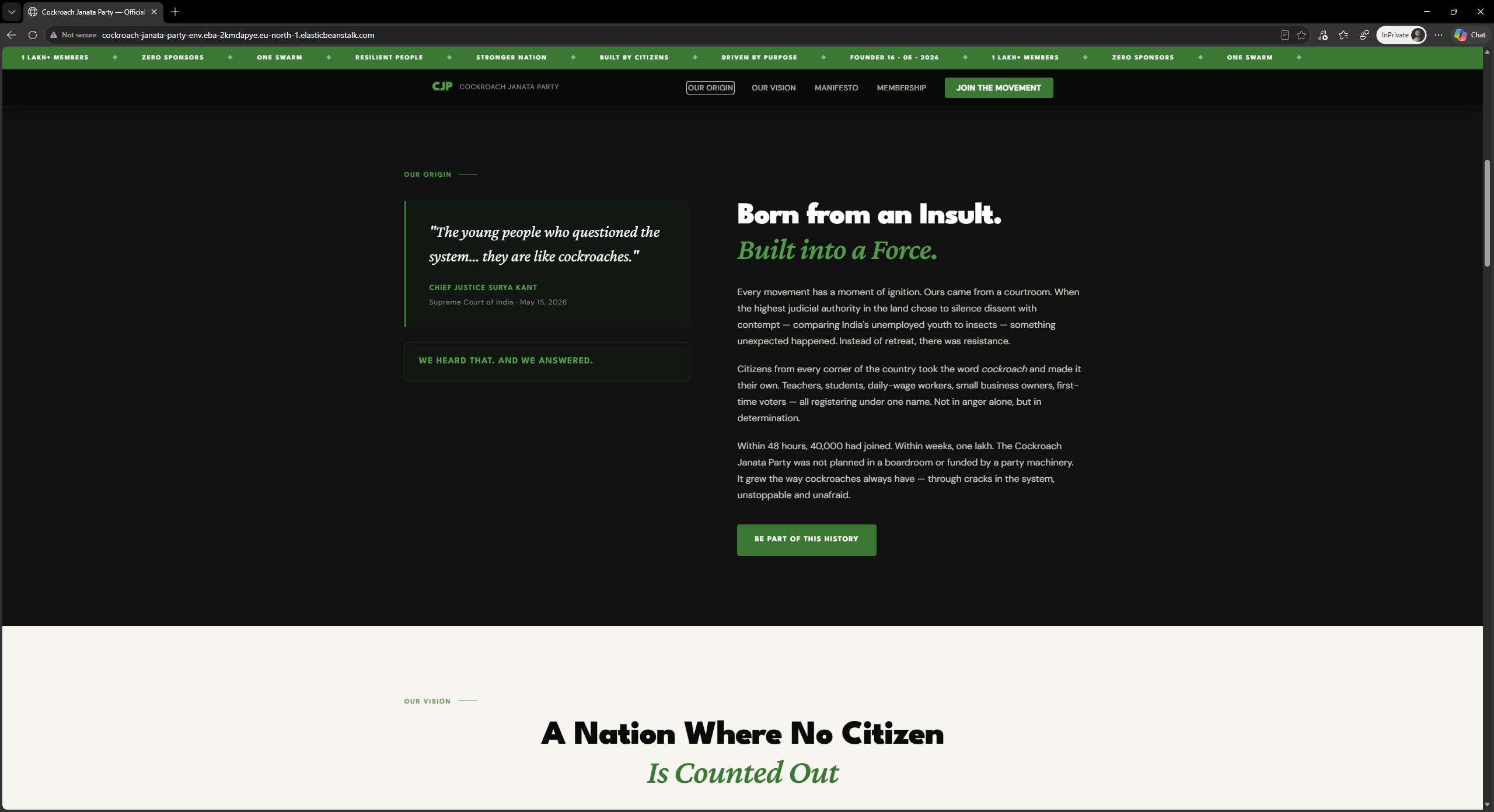
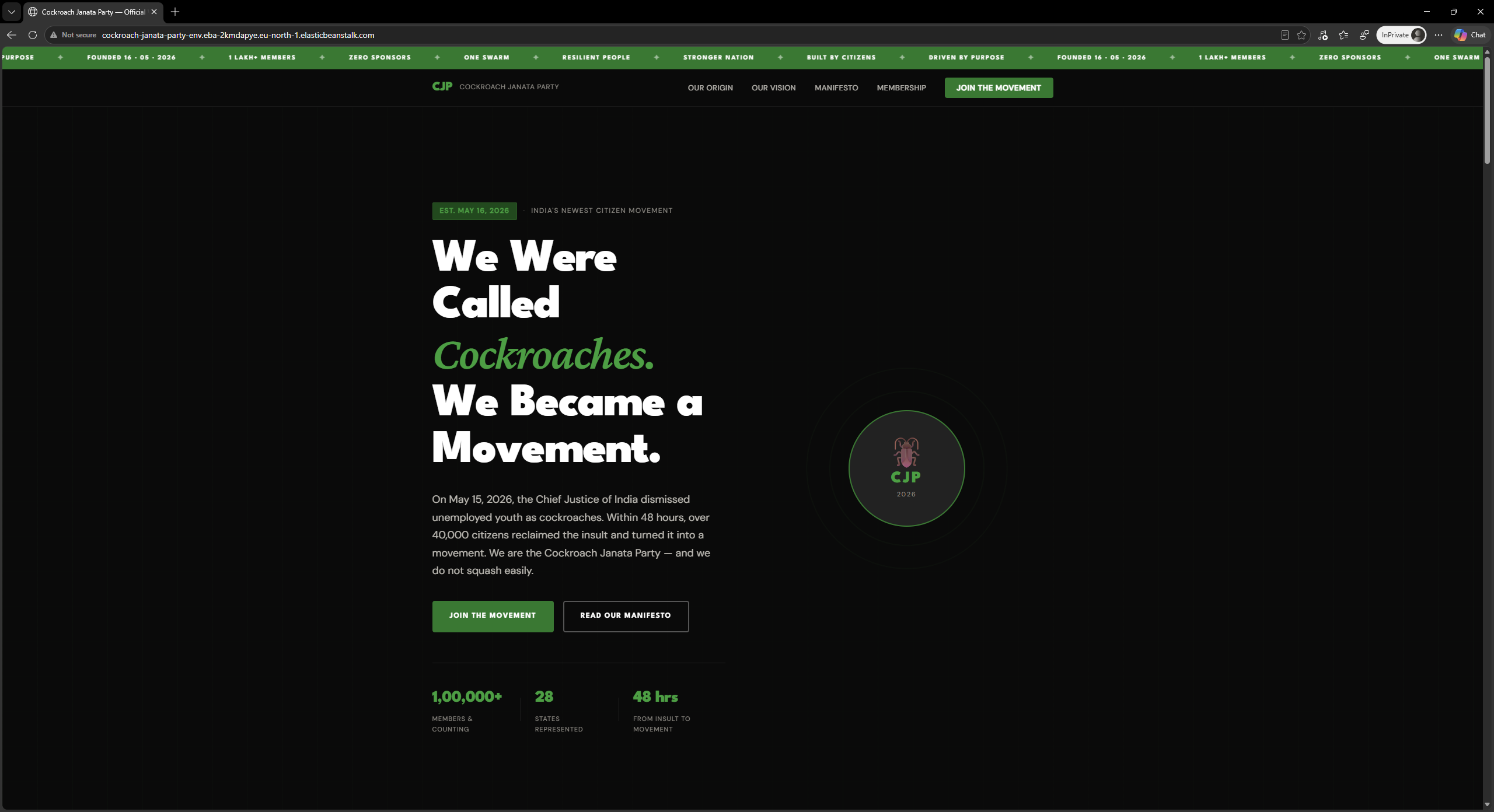
GitFlow AWS Cloud Pipeline
Inspiration
In modern agile development, speed and reliability are paramount. Manual deployments are notorious for consuming developer hours, introducing configuration drift, and causing human errors during high-stakes releases. This project was inspired by the desire to implement true DevOps culture: removing human friction from the delivery cycle. The goal was to build a secure, autonomous bridge between code commits and a live cloud environment, transforming a multi-step engineering headache into a single git push.
What it does
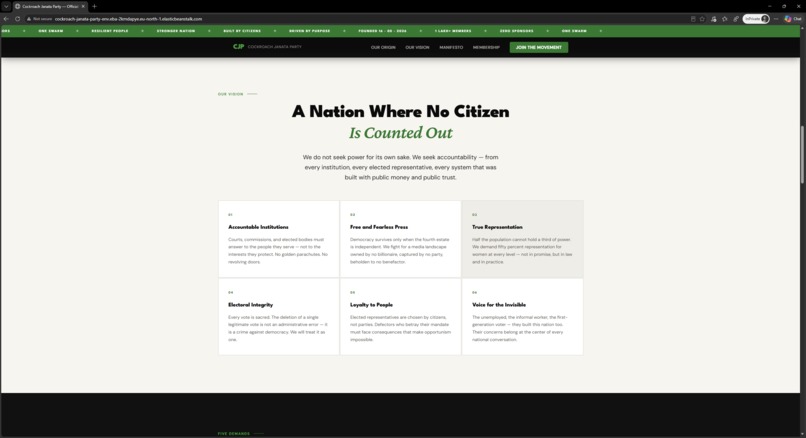
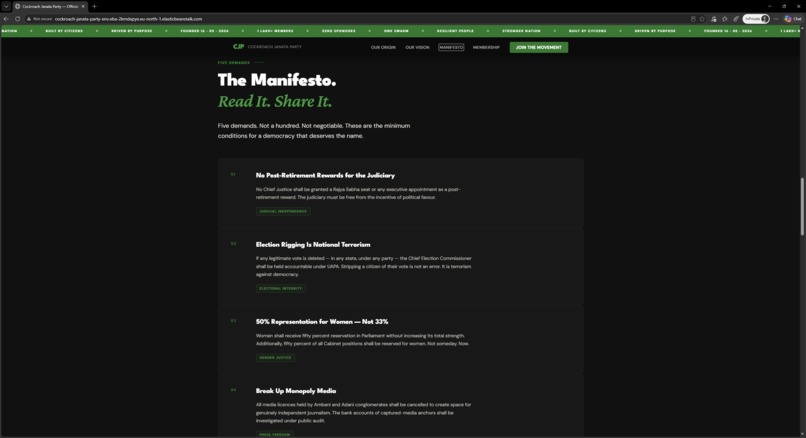
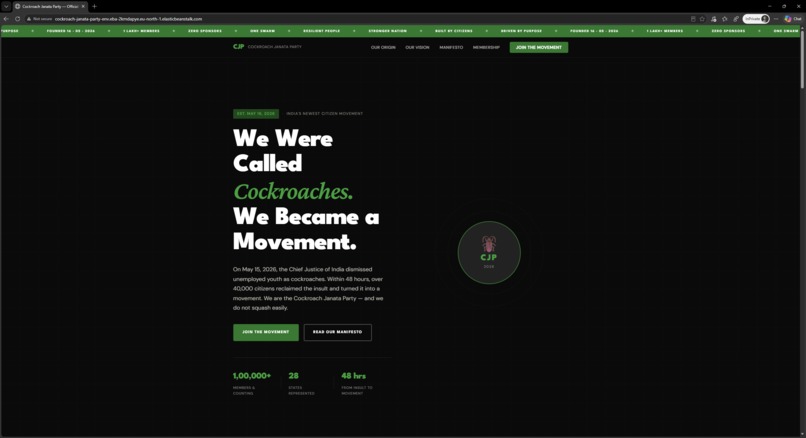
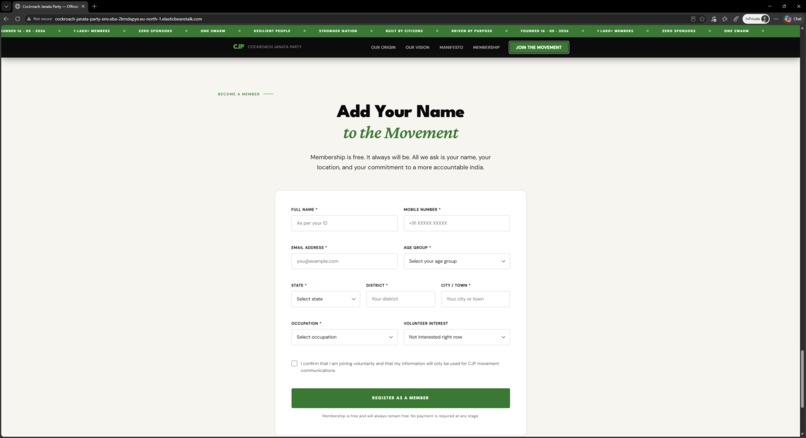
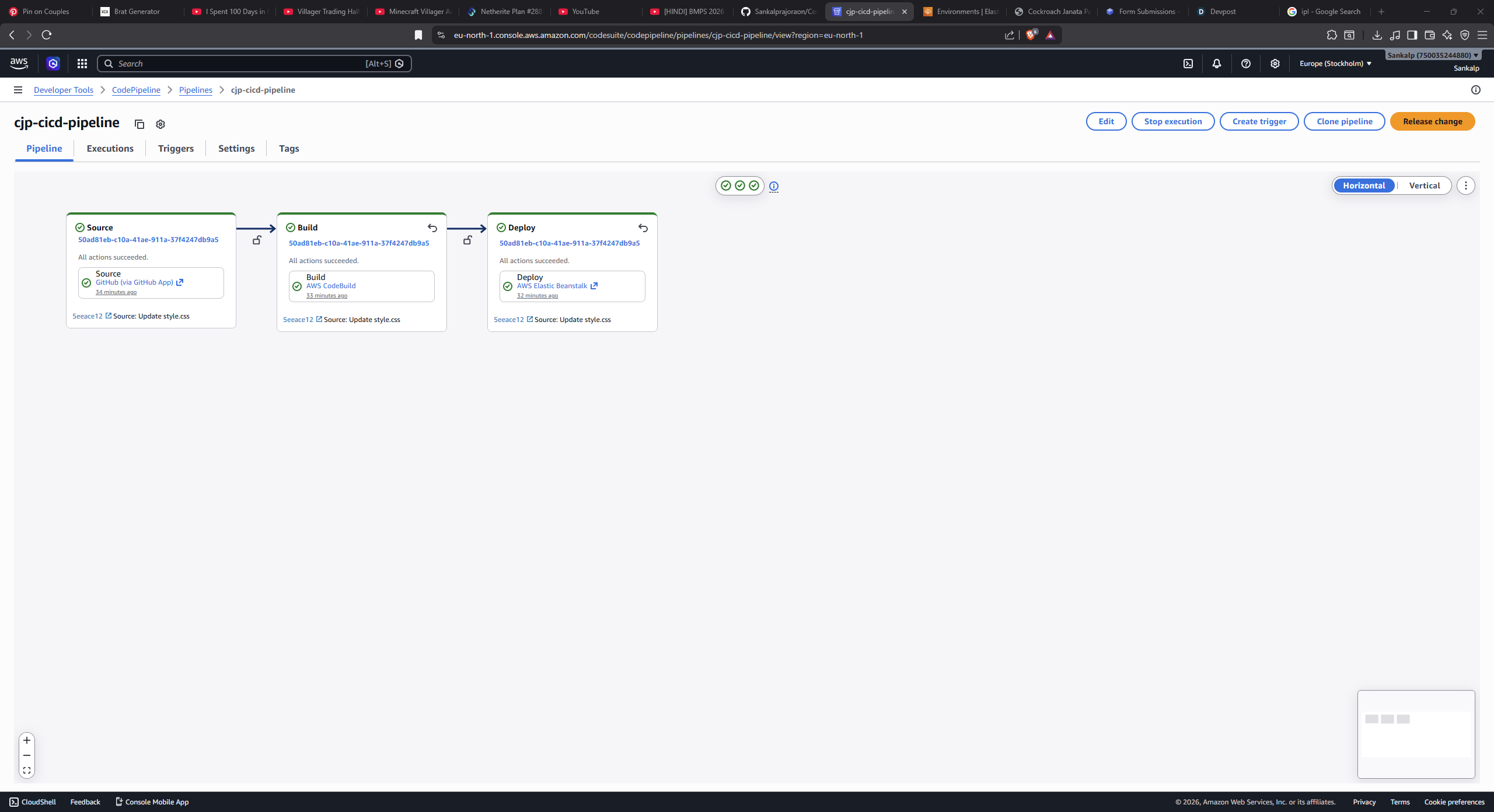
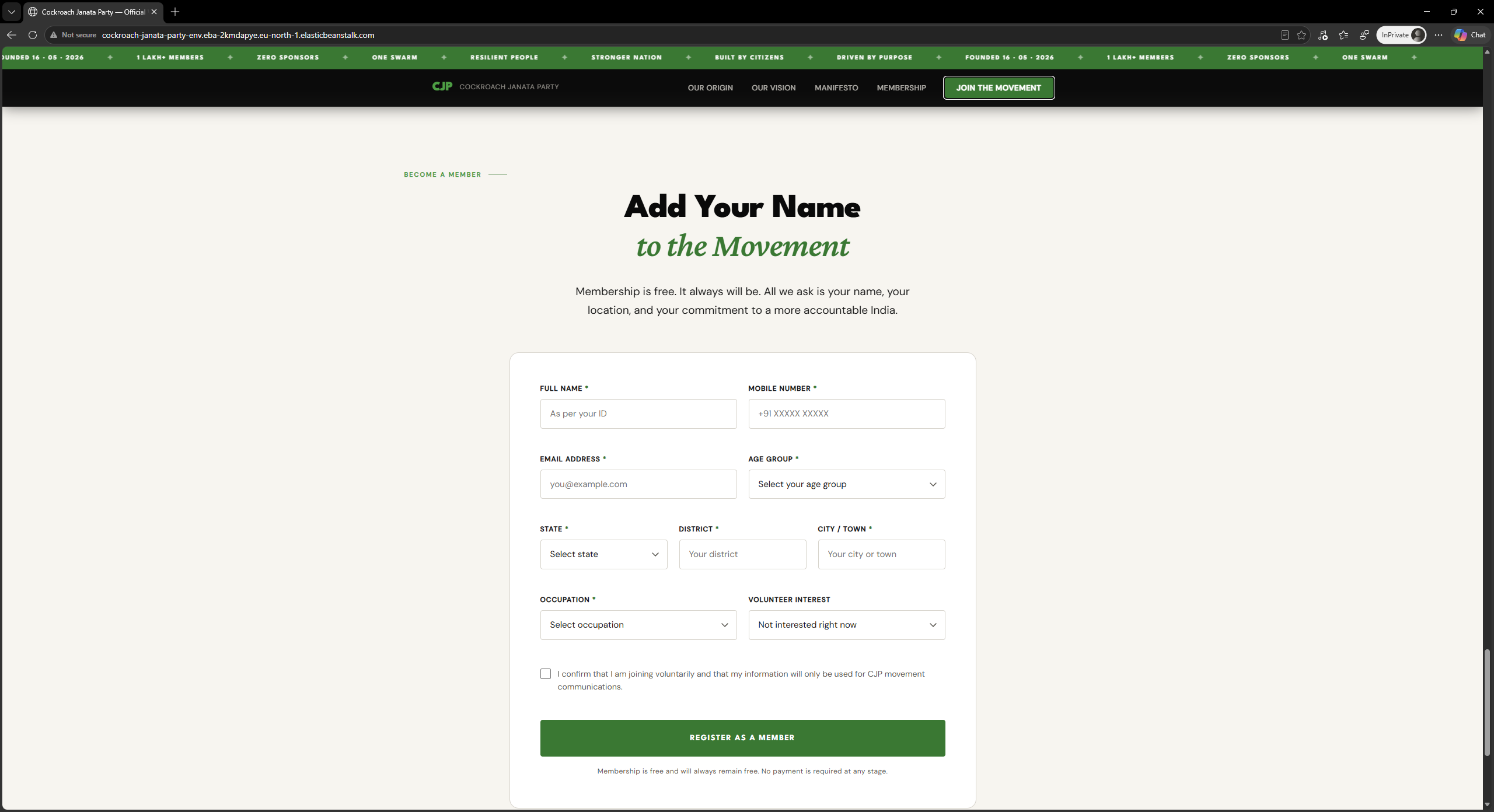
GitFlow AWS Cloud Pipeline is a fully automated Continuous Delivery engine. It monitors a source repository for updates, extracts code upon a commit, compiles and builds the application assets, runs necessary health checks, and dynamically deploys the web application to a scalable infrastructure. By automating these environments, developers get immediate feedback on their code changes, and end users get updates without experiencing platform downtime.
How we built it
The project leverages a modern, cloud-native architecture stitched together entirely through native integrations:
- Version Control: Managed on GitHub, acting as the absolute source of truth.
- Orchestration: AWS CodePipeline serves as the central nervous system, monitoring repository webhooks to automatically trigger workflows.
- Build Phase: AWS CodeBuild spins up ephemeral compute containers to compile code and run builds according to instructions in a
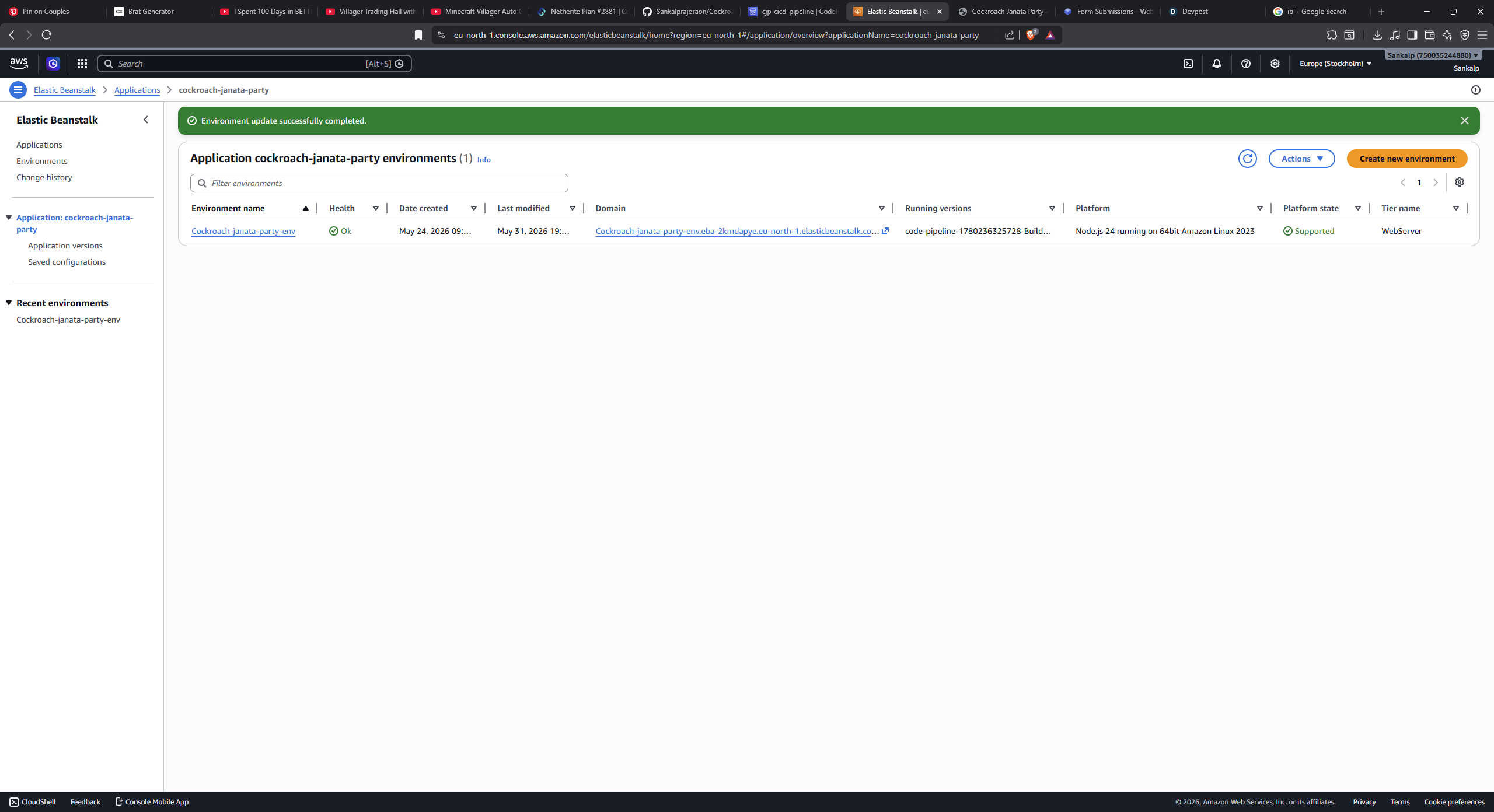
buildspec.ymlfile. - Hosting & Scalability: AWS Elastic Beanstalk acts as the destination, provisioning the under-the-hood EC2 instances, managing Elastic Load Balancers, and auto-scaling to handle incoming user traffic.
Challenges we ran into
The primary challenge revolved around cloud security boundaries and IAM (Identity and Access Management) privilege management. In early iterations, components failed to communicate due to overly restrictive permissions. Resolving this required meticulously mapping out granular, least-privilege IAM roles so that CodePipeline could securely pass artifacts to CodeBuild and Elastic Beanstalk without opening security vulnerabilities.
Configuring smooth deployment strategies within Elastic Beanstalk also proved difficult, demanding precise environment configurations to prevent downtime while updating running application instances.
Accomplishments that we're proud of
- Zero-Touch Automation: Successfully achieved an end-to-end continuous delivery flow where deployment requires zero manual cloud console interaction.
- Optimized Latency: Reduced deployment feedback loops drastically
- Clean Configuration Architecture: Built a completely decoupled build specification that keeps infrastructure parameters separate from raw source application code.
What we learned
This project provided immense hands-on experience regarding cloud-native design patterns and the core philosophies of DevSecOps. We deeply explored security boundaries, learned how to analyze verbose build logs to debug infrastructure-level failures, and mastered how environment-variable injection works across containerized build steps. Most importantly, we learned that continuous delivery isn't just about automation; it's about building predictable, reproducible software pipelines.
What's next for GitFlow AWS Cloud Pipeline
The foundation is built, and the roadmap to enterprise maturity involves shifting toward complex deployment topologies:
- Multi-Branch GitFlow: Creating parallel pipelines where pushing to
developdeploys to a lower-cost QA staging environment, while a push tomaintargets production. - Manual Approval Actions: Integrating AWS SNS notification gates to require an explicit peer sign-off before a build migrates from staging to live users.
- Infrastructure as Code (IaC): Translating the entire manual AWS setup into reusable Terraform or AWS CloudFormation templates to allow one-click environment replication.
- Shift-Left Security: Embedding automated vulnerability and secret scanning (like SonarQube or Gitleaks) directly inside the CodeBuild step to block insecure code from ever deploying.

Log in or sign up for Devpost to join the conversation.