
Inspiration
We've all been there—standing in a store or scrolling endlessly online, wondering "Will they actually like this?" Gift-giving should be one of life's greatest joys, but it's become a source of anxiety and uncertainty. Traditional gift recommendations rely on crude demographic data or basic purchase history that barely scratches the surface of what people truly want. We were inspired to solve this universal problem by creating technology that could understand not just what people buy, but what makes them genuinely happy.
What it does
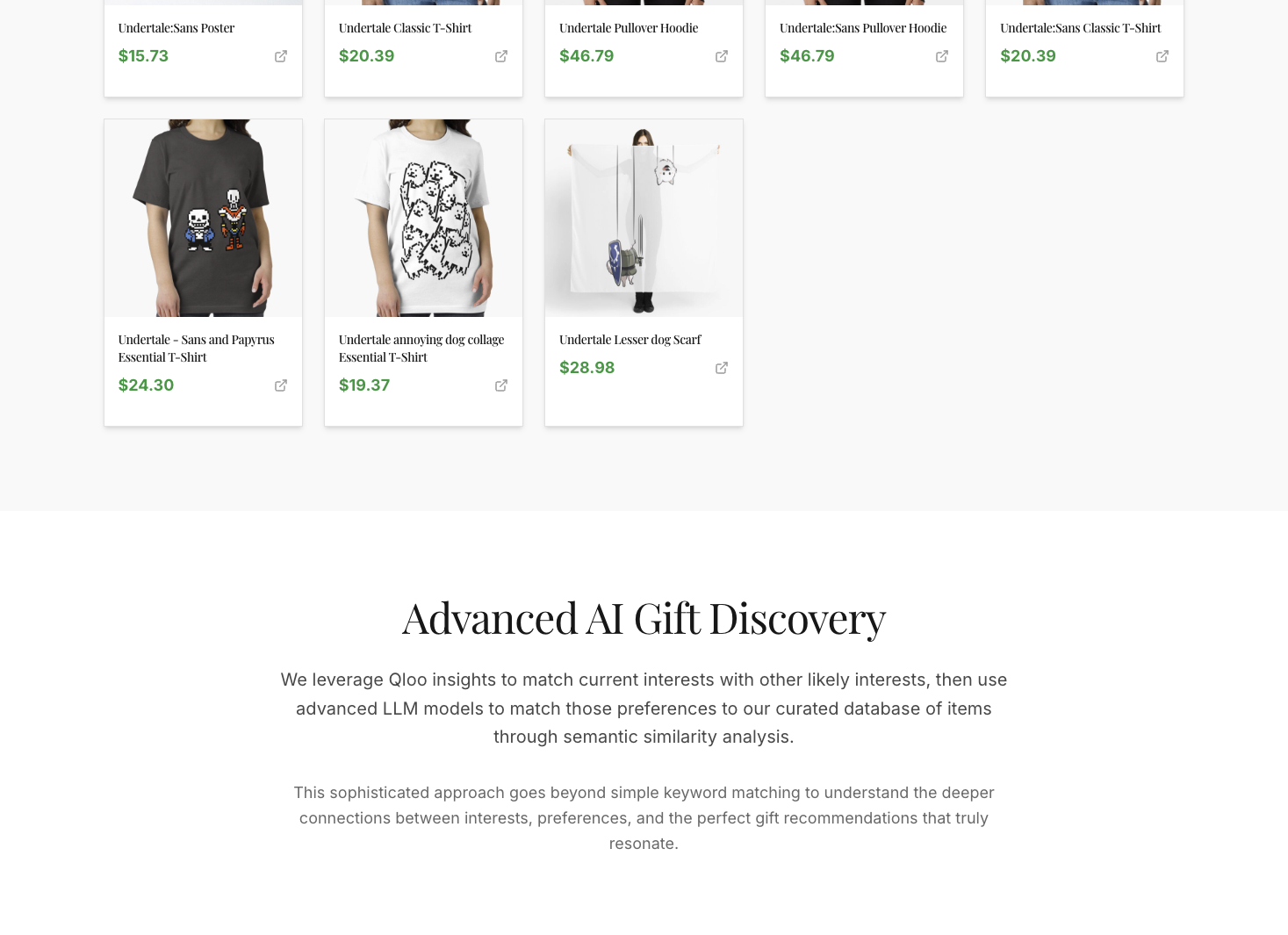
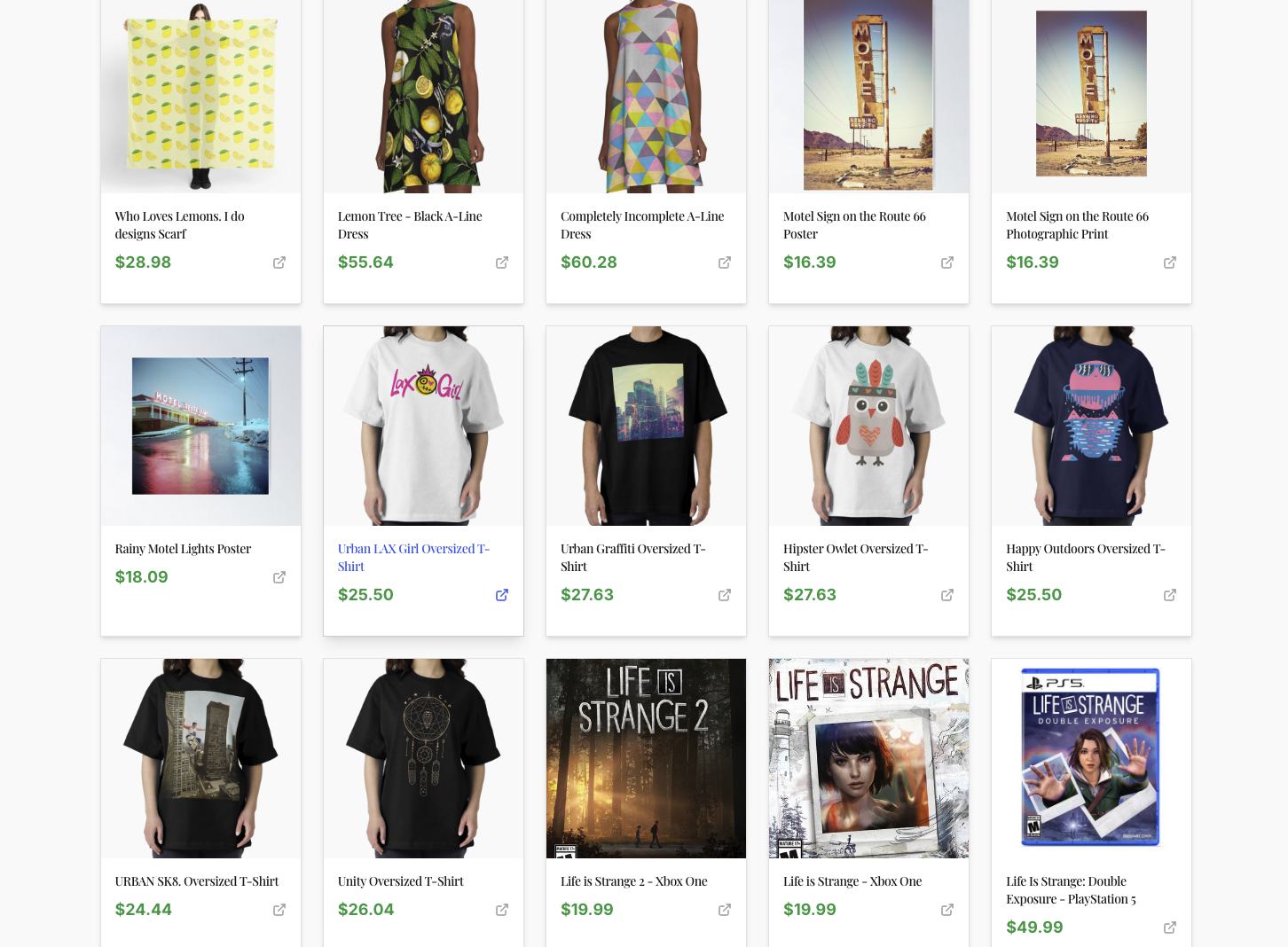
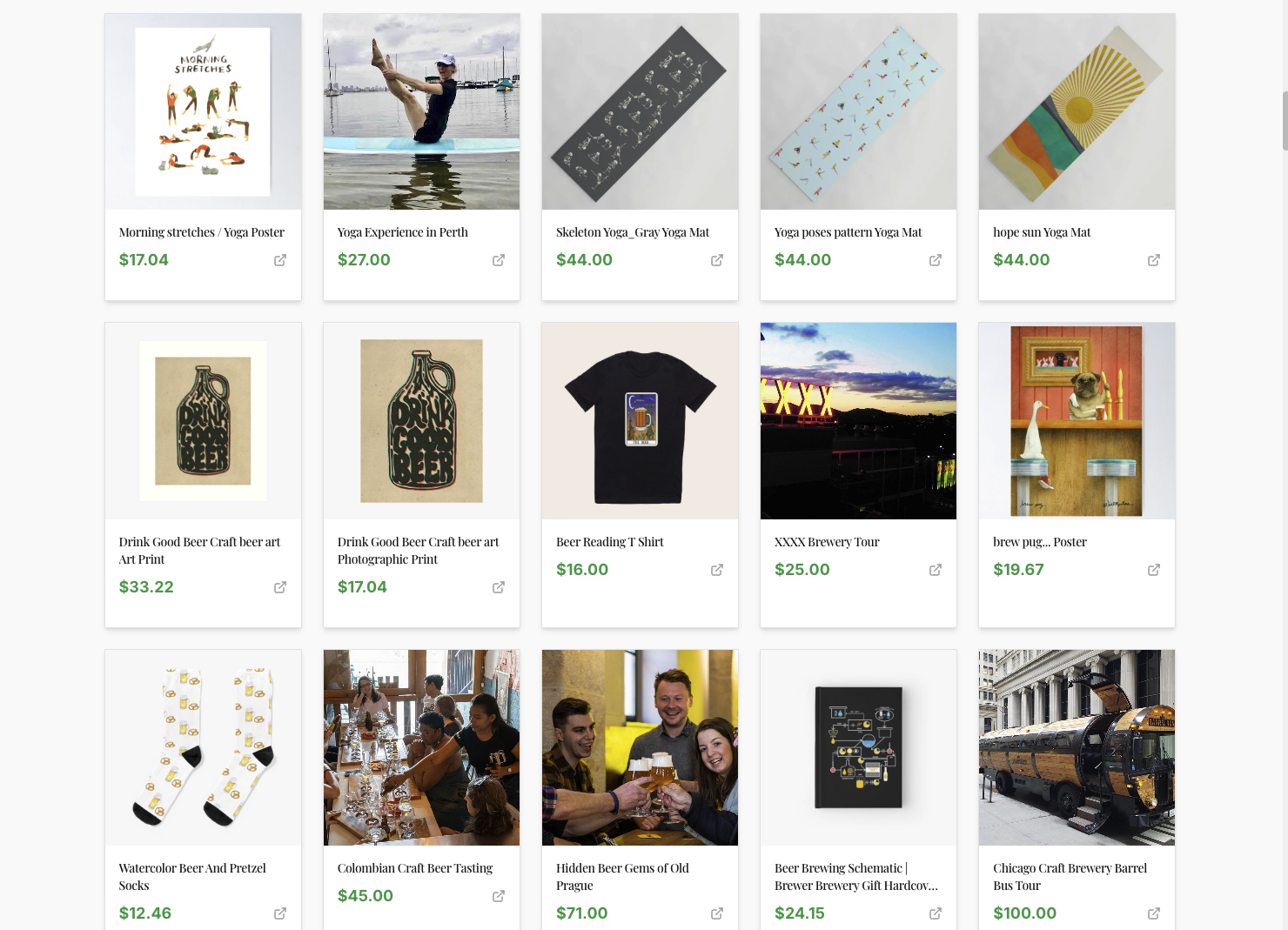
GiftsTheyWant.com is an AI-powered gift discovery platform that understands what people truly desire. Users input information about a recipient's interests, hobbies, or personality, and our system generates personalized gift recommendations that go far beyond obvious choices. When someone loves hiking, we don't just suggest hiking boots—we understand they might also appreciate artisanal coffee for early morning adventures, sustainable products that align with their values, or photography equipment to capture their experiences.
What makes this revolutionary is our dynamic affiliate marketing approach. Instead of static affiliate links that show the same products to everyone, our LLM intelligently embeds affiliate links that flex based on semantic matches to personal tastes. This creates the ultimate affiliate marketing platform where every recommendation is hyper-personalized, dramatically increasing conversion rates while providing genuine value to users.
How we built it
Our platform uses a sophisticated multi-layer AI architecture that revolutionizes how preferences translate to product recommendations. We start by using ChatGPT to extract natural language inputs into structured topics and interests, which we then process into Qloo entities and behavioral insights. This gives us deep understanding of the psychological patterns behind user preferences.
The breakthrough comes in our vector embedding approach. We retrieve embedded values for those Qloo insights and use ChatGPT's vector embeddings to find semantically similar items within our comprehensive vector database of products. This database can include the entire Amazon catalog—or any retailer's inventory—but instead of relying on their direct search algorithms, we're semantically matching products based on psychological insights.
Since we control our own vector database, we can affiliate with any number of businesses and brands, creating a dynamic ecosystem where user insights are matched to products they're very likely to want across multiple platforms. This eliminates the limitations of single-platform recommendations and creates truly personalized discovery across the entire commerce landscape.
Challenges we ran into
The biggest challenges were all data-related. Creating comprehensive product datasets, embedding them effectively, and efficiently looking them up to deliver relevant results to end users proved to be massive undertakings. We had to build robust pipelines for processing and embedding product catalogs from multiple retailers while maintaining semantic accuracy across thousands of items.
The scale of data processing required for real-time semantic matching presented significant performance challenges. Efficiency in processing large amounts of data is still something we're actively working on improving. Balancing the depth of our vector embeddings with query speed, managing memory usage across massive product databases, and optimizing lookup algorithms for sub-second response times has required continuous iteration and optimization of our infrastructure.
Accomplishments that we're proud of
We've built a semantically-driven affiliate marketing platform that operates independently of any single retailer's search algorithms. By layering ChatGPT vector embeddings with Qloo behavioral insights, we've created a system that can surface products from across the entire e-commerce landscape—imagine having access to Amazon's full catalog but with recommendations driven by psychological understanding rather than browsing history.
Our vector database architecture allows us to affiliate with unlimited retailers and brands while maintaining semantic relevance to user psychology. This means we can recommend the perfect artisanal coffee from a small roaster, camping gear from REI, and a photography book from an independent publisher—all in response to someone who loves hiking—because our system understands the deeper connections between interests and products across the entire market.
Most importantly, we've transformed affiliate marketing from a scattershot approach to a precision instrument that actually serves users' genuine interests.
What we learned
Building AI that understands human psychology is incredibly complex but immensely rewarding. We learned that the most meaningful gifts aren't just functional—they reflect understanding, connection, and care. The data taught us that people's true preferences exist in the spaces between their obvious interests, in the subtle correlations and emotional connections that traditional recommendation systems miss entirely. We also discovered that successful AI product development requires constant iteration and validation against real human experiences, not just technical metrics.
What's next for Gifts They Want
We're revolutionizing affiliate marketing by creating a truly personalized affiliate platform. Our vision extends beyond individual gift discovery to become the ultimate affiliate marketing ecosystem where every product recommendation is dynamically matched to user psychology. Traditional affiliate marketing shows static product grids to everyone—we're building a system where affiliate links adapt in real-time based on semantic understanding of personal preferences. The product we're building is one where affiliate marketing becomes genuinely helpful rather than intrusive—where every recommendation feels handpicked rather than algorithmically generated.
Built With
- chatgpt-api
- nginx
- postgresql-vector-database
- python
- qloo
- typescript
- vultr


Log in or sign up for Devpost to join the conversation.