-
-
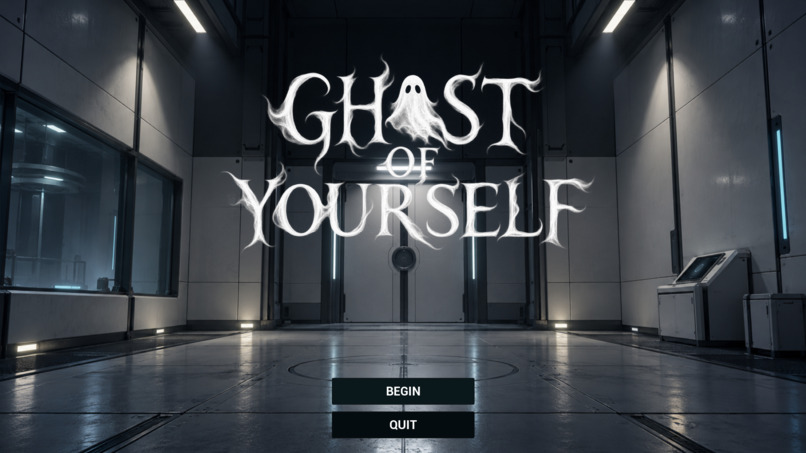
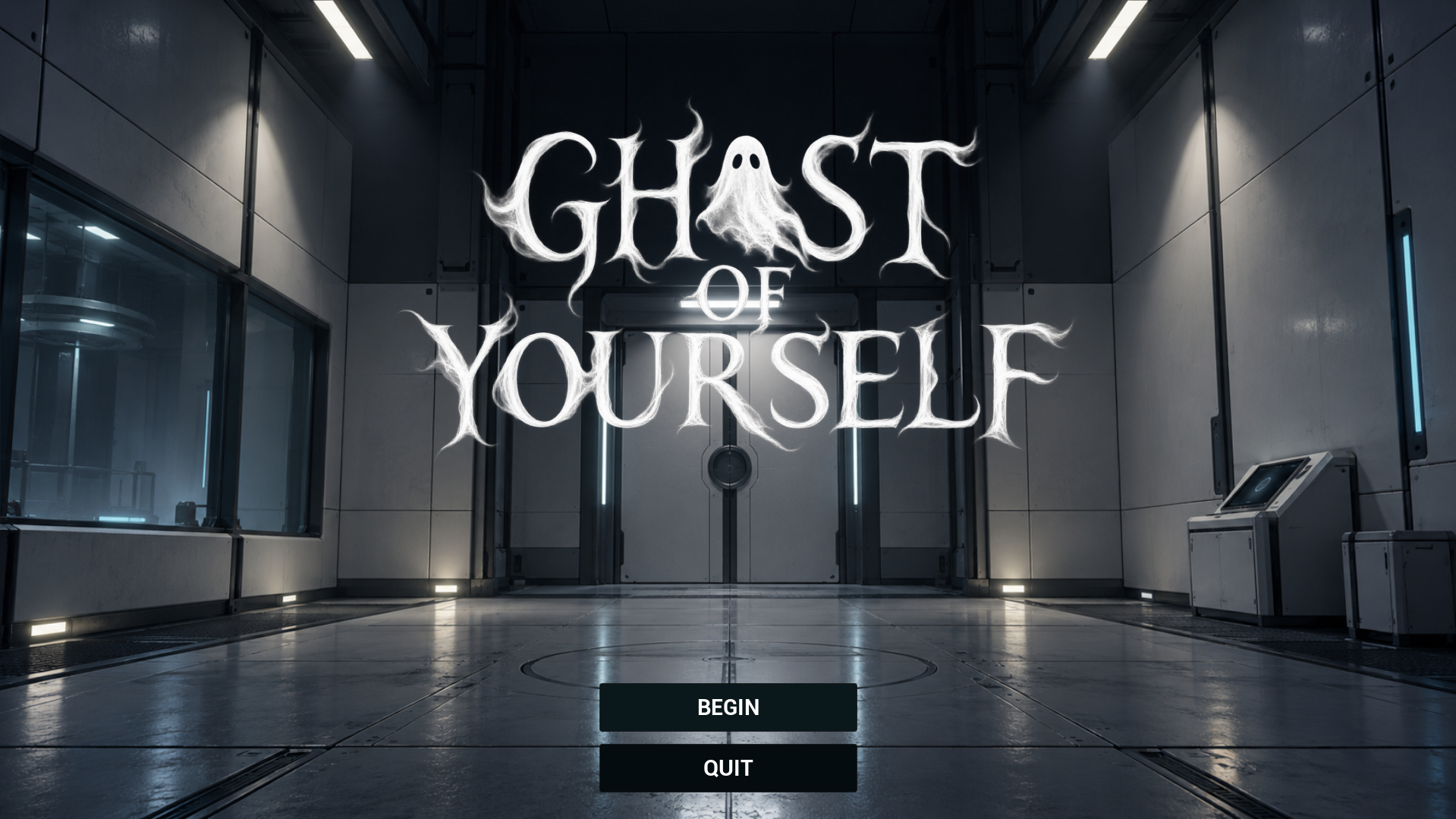
Title Screen
-
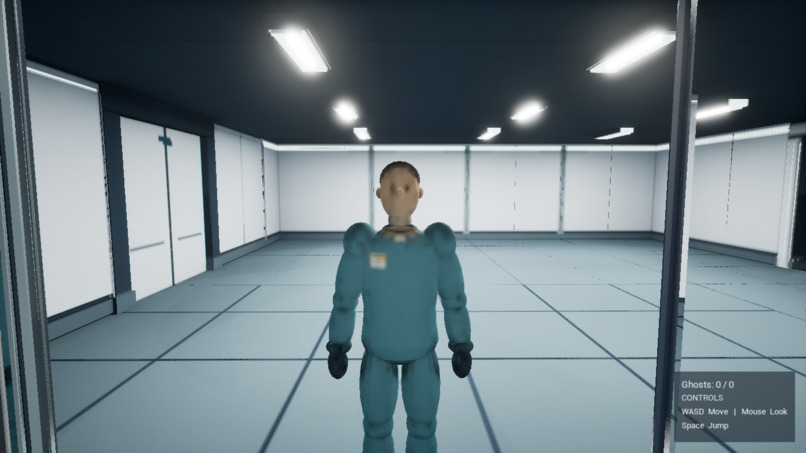
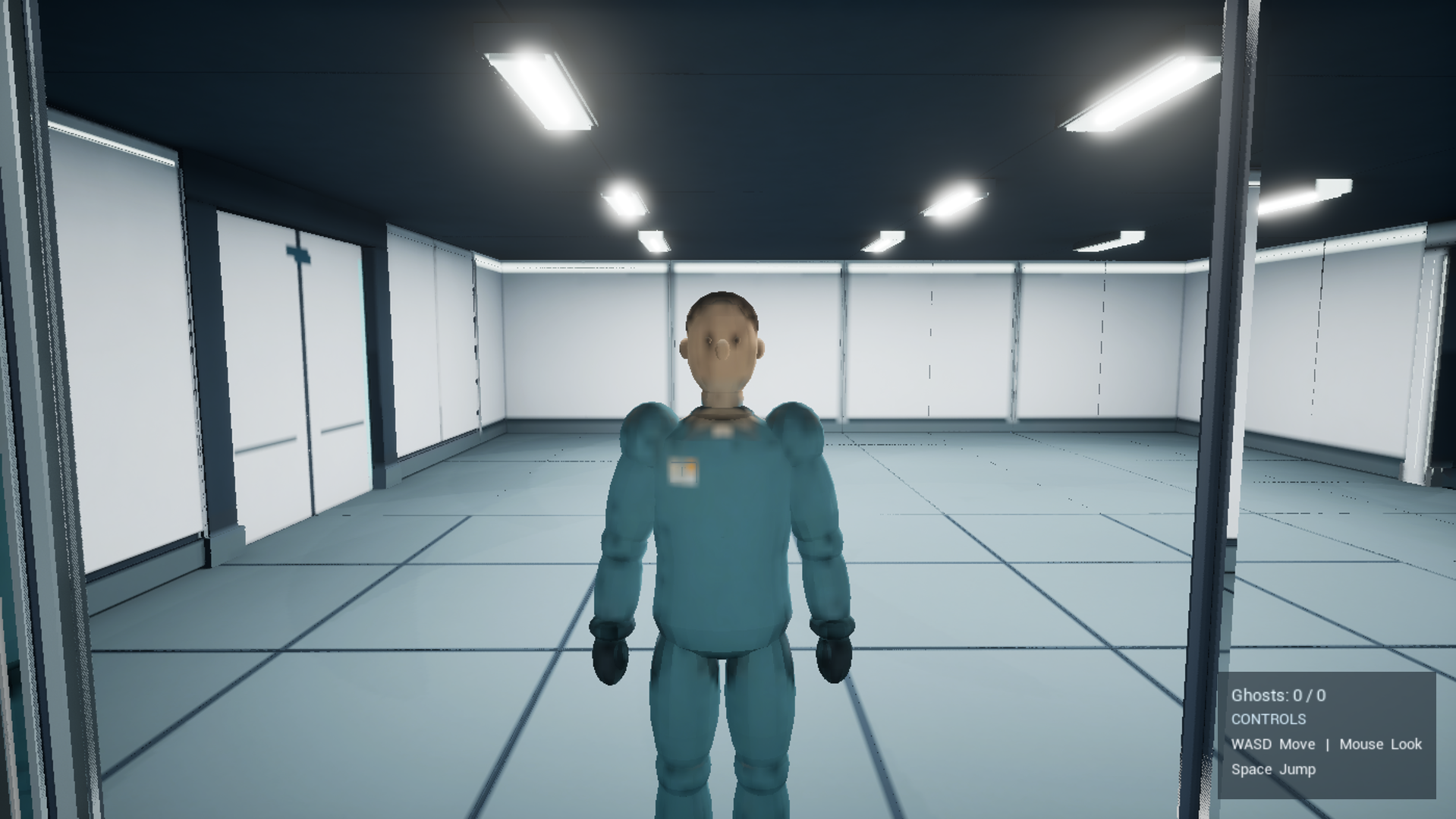
Mirror Selfie
-
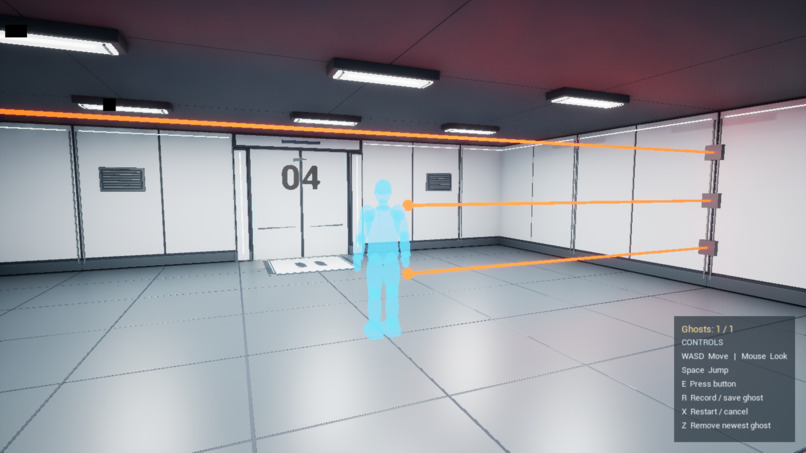
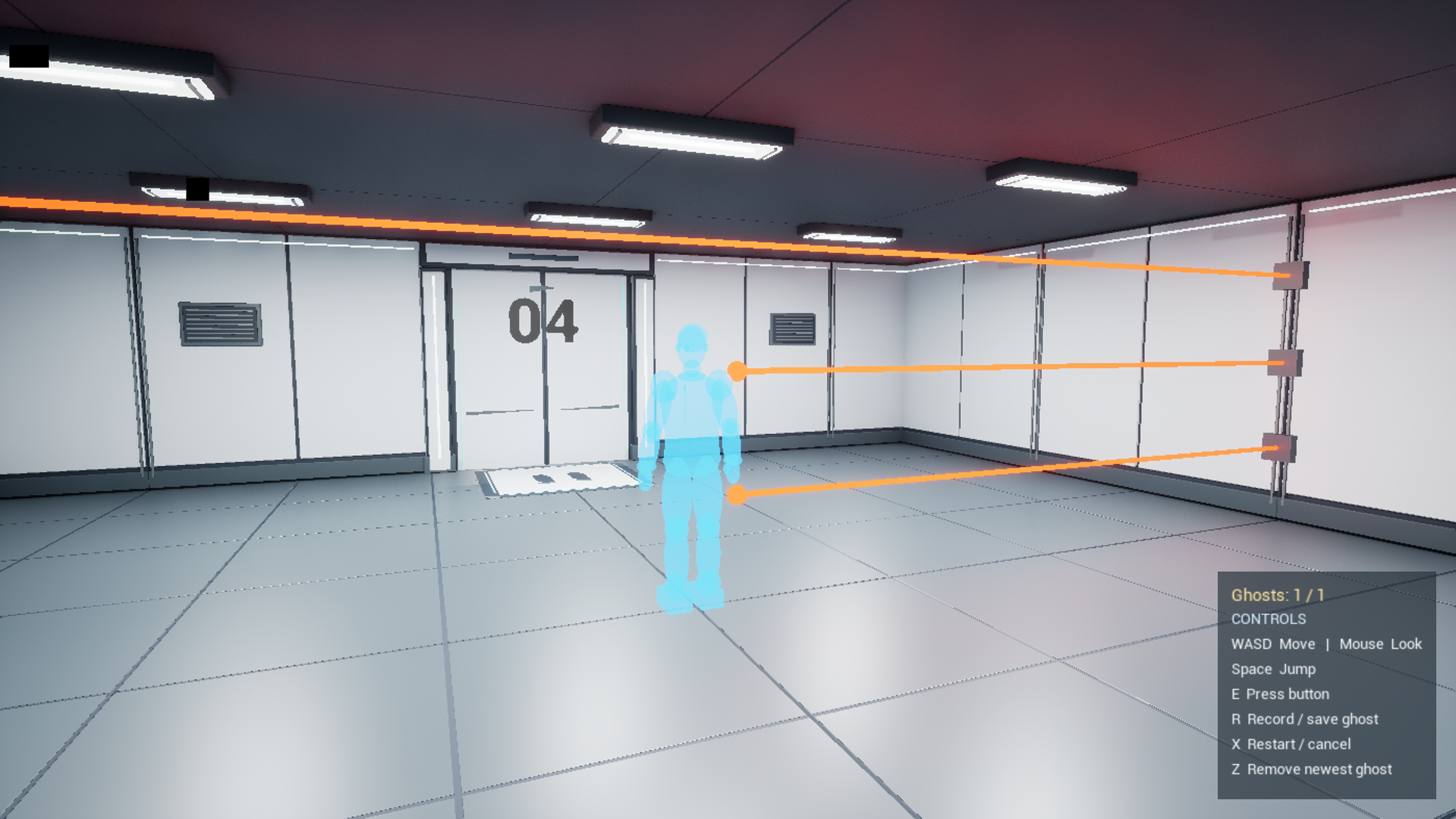
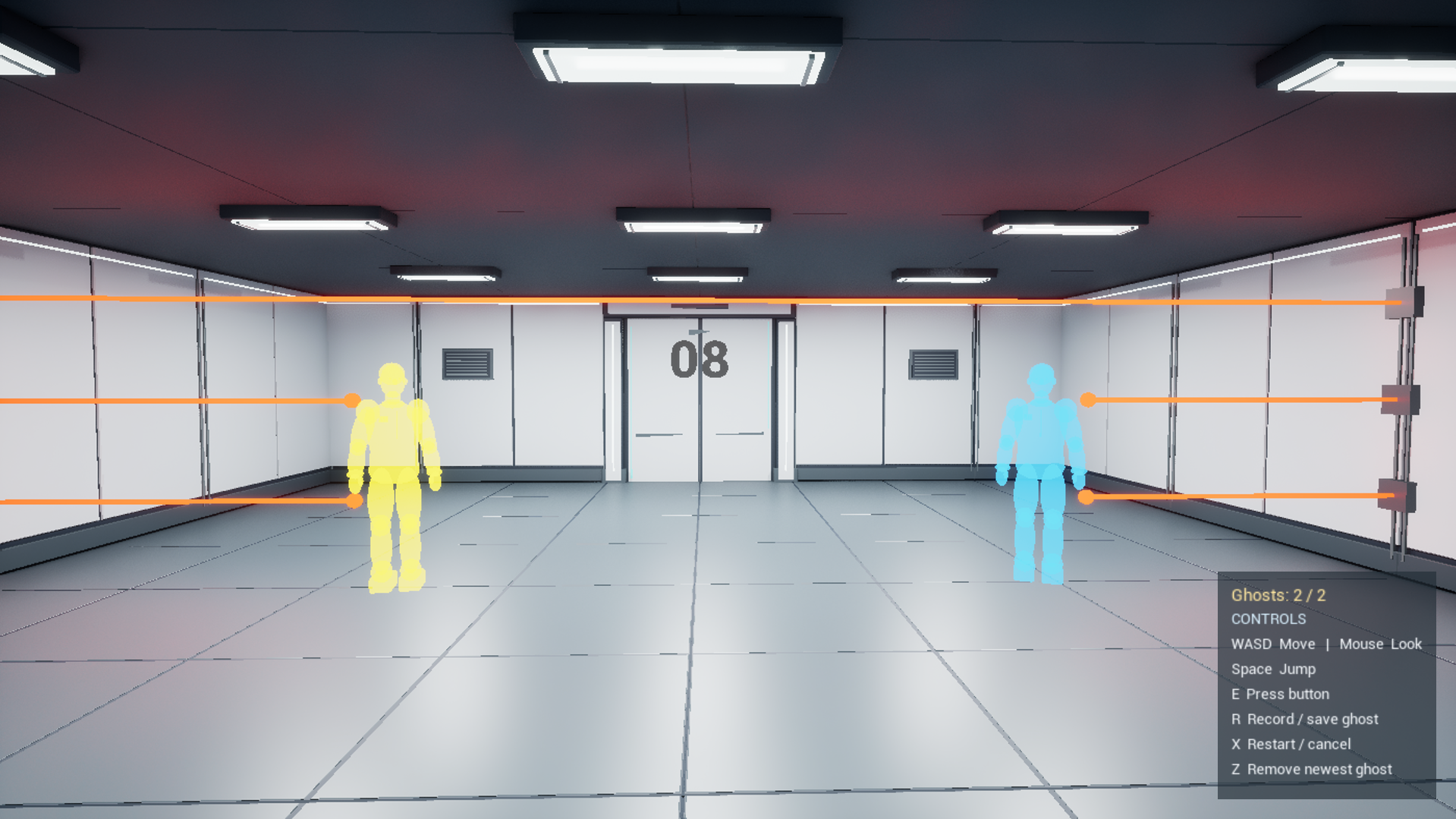
Lasers Being Blocked
-
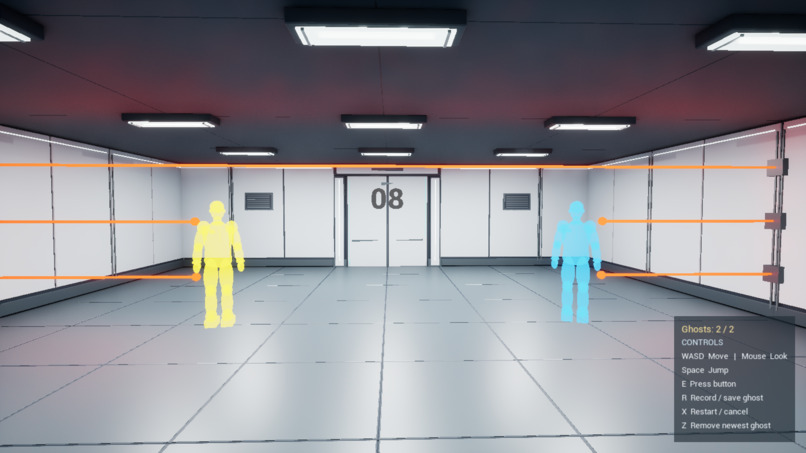
Lasers From Both Sides :D
-
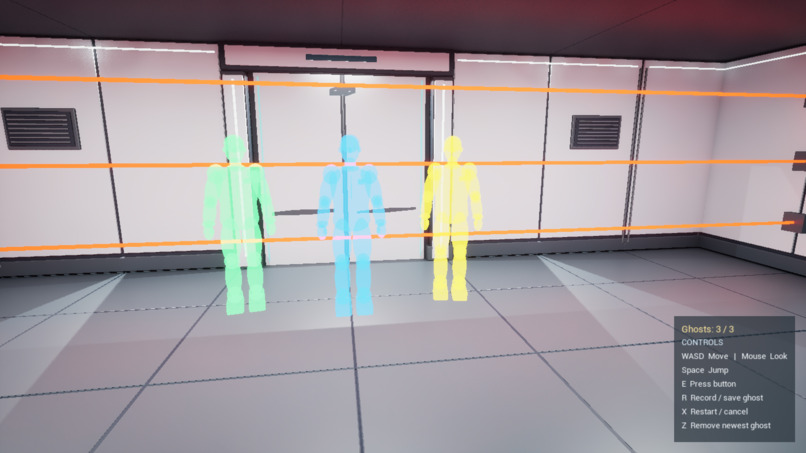
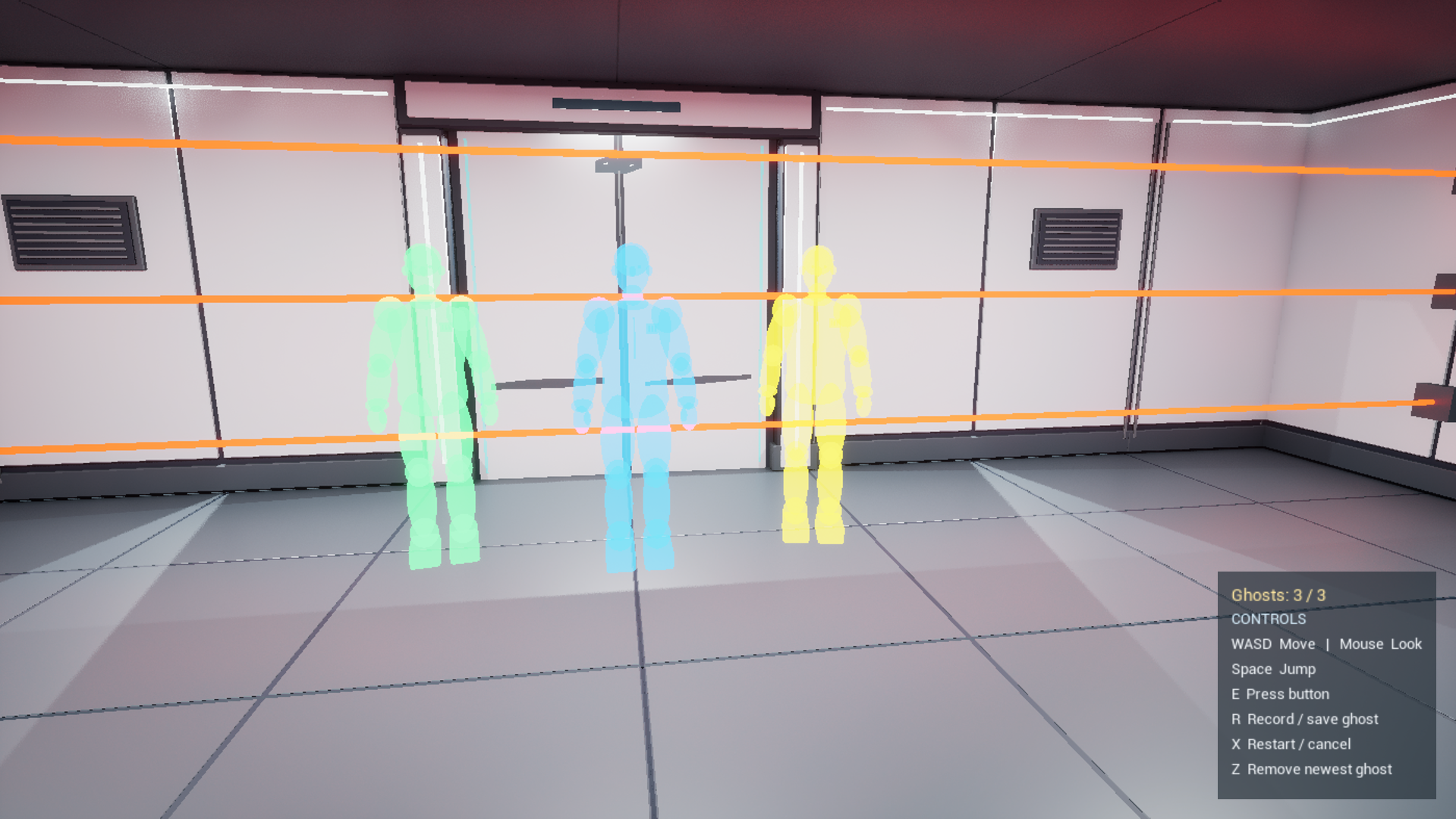
The 3 Ghost Colors
Inspiration
What if your past actions became your teammates? That idea became Ghost of Yourself, a first-person puzzle game set inside a suspicious research lab. Rather than solving every challenge alone, you record your movements and create ghosts that replay them. Progress depends on learning to cooperate with your past self.
What it does
The game features ten puzzle rooms built around recording and replaying your actions. Your ghosts can hold pressure plates, activate buttons, and block security lasers so you can safely pass. Later rooms allow multiple ghosts, turning simple interactions into puzzles about timing, positioning, and coordination. A friendly—but suspicious—robot narrator introduces the experiments and explains the mechanics. Translucent ghosts, wispy screen effects, and electronic background music help establish the lab’s atmosphere.
How I built it
I built the game in Unreal Engine, starting with the First Person Blueprint template and moving the core recording and playback system into C++. The recording system captures timestamped player transforms and interpolates between them during playback. Native gameplay systems handle pressure plates, synchronized buttons, laser barriers, moving gates, and room transitions. I used Blender for custom assets and character animation, ElevenLabs for narration, and AI-assisted tools for programming and visual asset creation. I also added a title screen and a pause menu with sensitivity and audio settings.
Challenges I ran into
One early challenge was getting ghosts to replay movement smoothly instead of jumping straight to the end of a recording. Other challenges included making collision-free ghosts interact with puzzles, coordinating multiple recordings, importing compatible character animations, and preventing the player’s body from blocking the first-person camera. Unreal’s Live Coding workflow also caused crashes during development, so I switched to closing the editor and performing full builds. Making the menus respond reliably required replacing custom click handling with standard UI buttons.
Accomplishments that I'm proud of
Within a 36-hour hackathon, I turned a recording mechanic into a game where the player effectively builds their own puzzle-solving team. Every ghost represents something the player actually did, making each solution feel personal.
What I learned
I learned how to combine Unreal’s visual tools with C++, build reusable gameplay systems, and use automated tests to check recording and puzzle behavior. The project also taught me how much small details matter: readable ghost colors, clear recording feedback, smooth transitions, and reliable controls all affect whether a puzzle feels understandable.
What's next for Ghost Of Yourself
Possibly some more puzzle rooms eventually.
Built With
- blender
- c++
- elevenlabs
- openai
- python
- unreal-engine

Log in or sign up for Devpost to join the conversation.