-
-
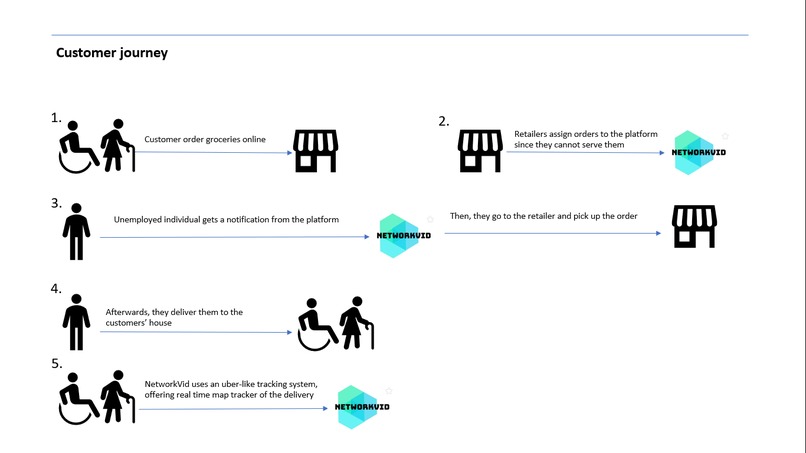
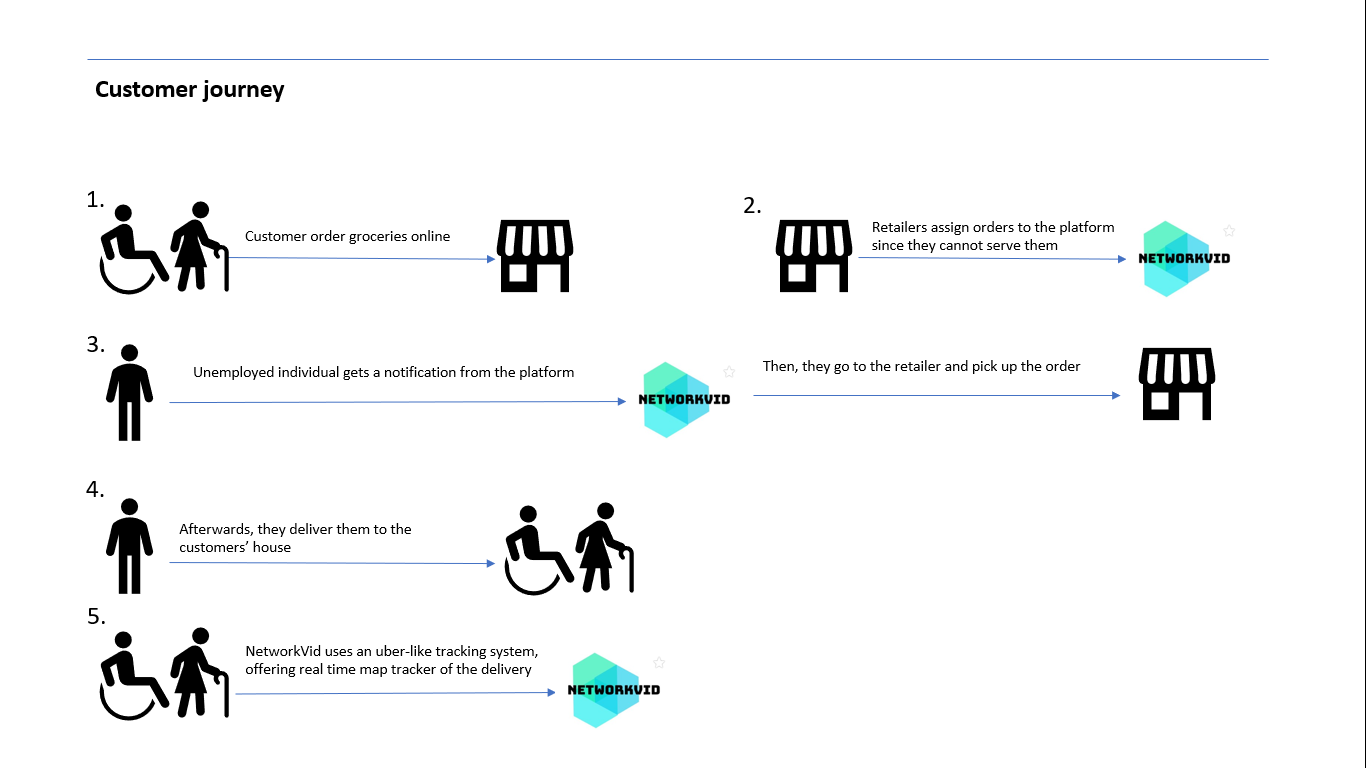
User journey. Swipe right to check the story quickly.
-
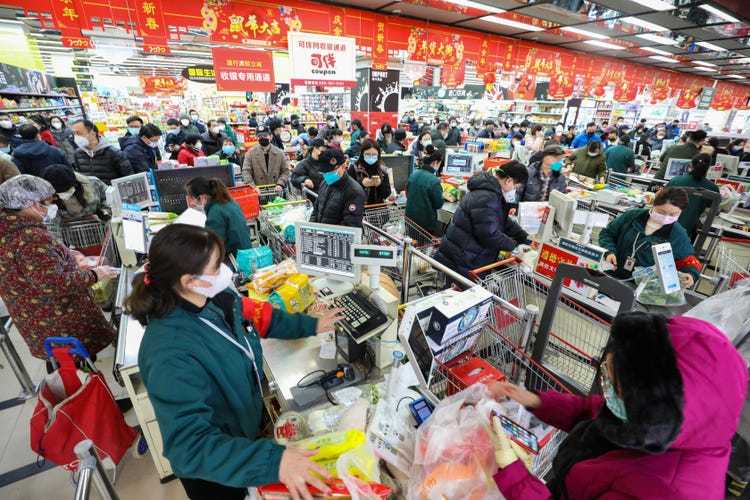
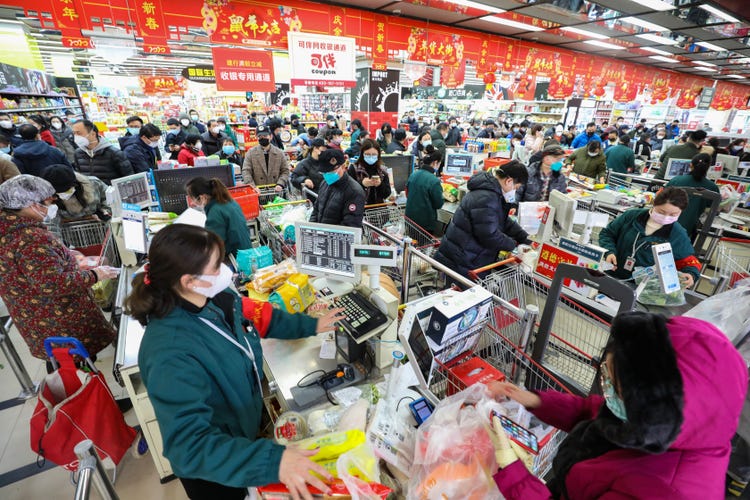
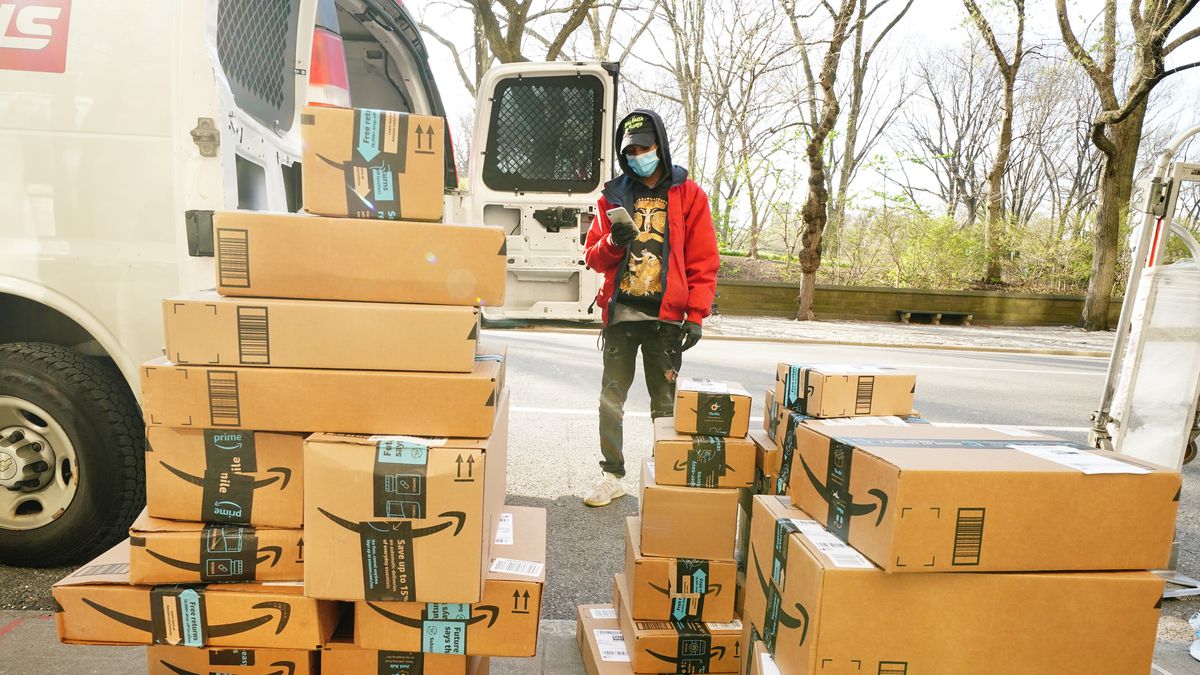
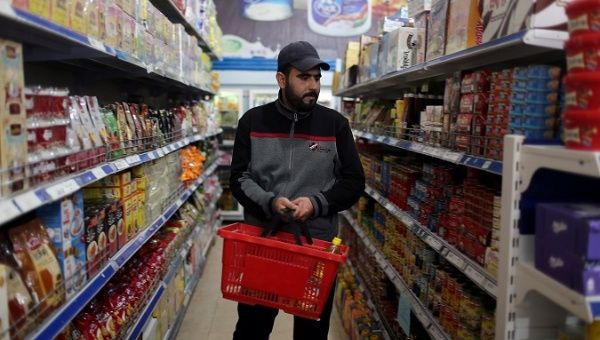
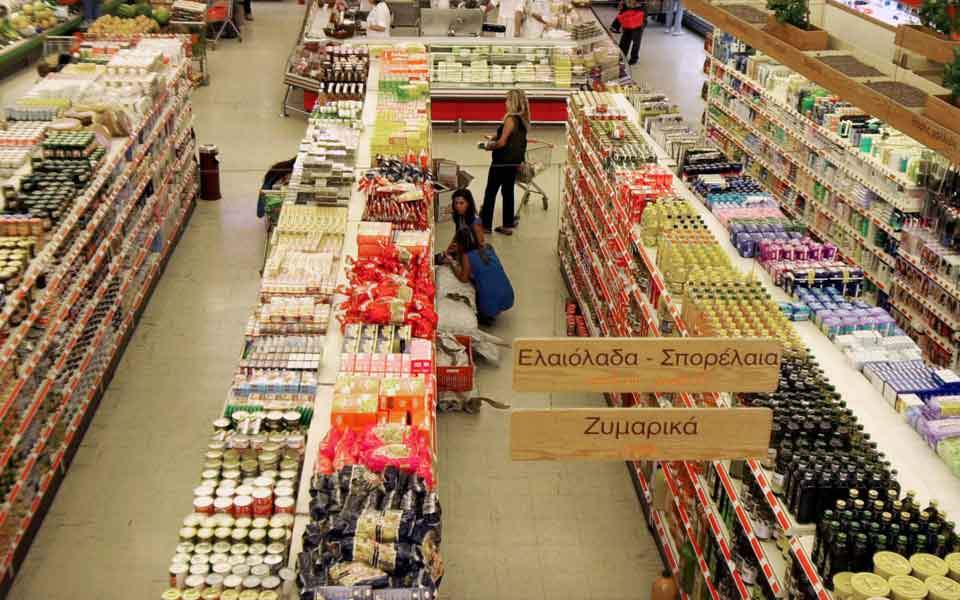
Retail stores get cluttered during Covid
-

Consumers try to shop online
-
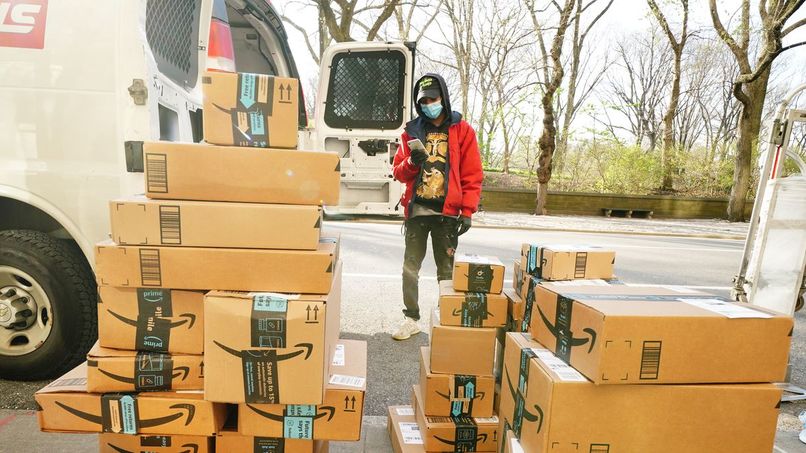
Retailers cannot serve the increased demand
-
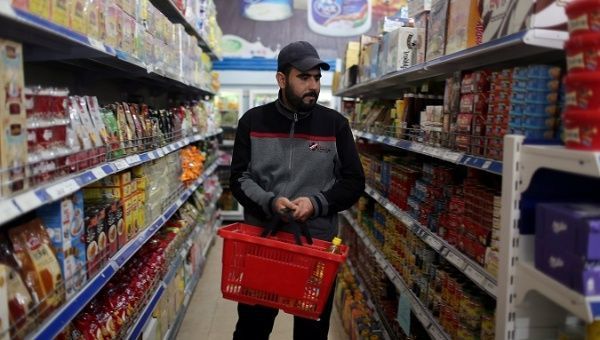
Unemployed deliver groceries to them and get paid
-
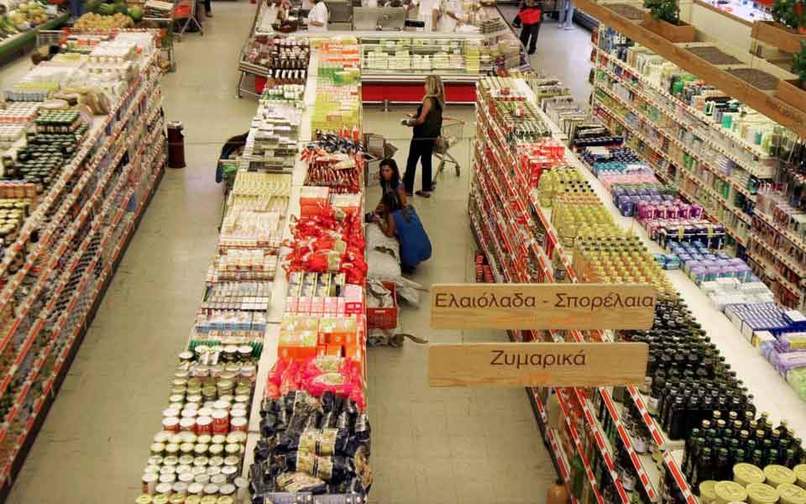
Supermarkets are not so crowded
-
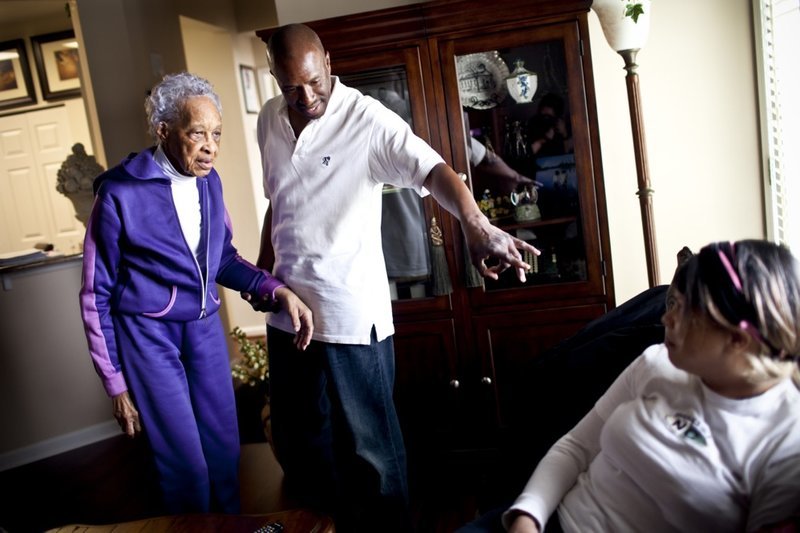
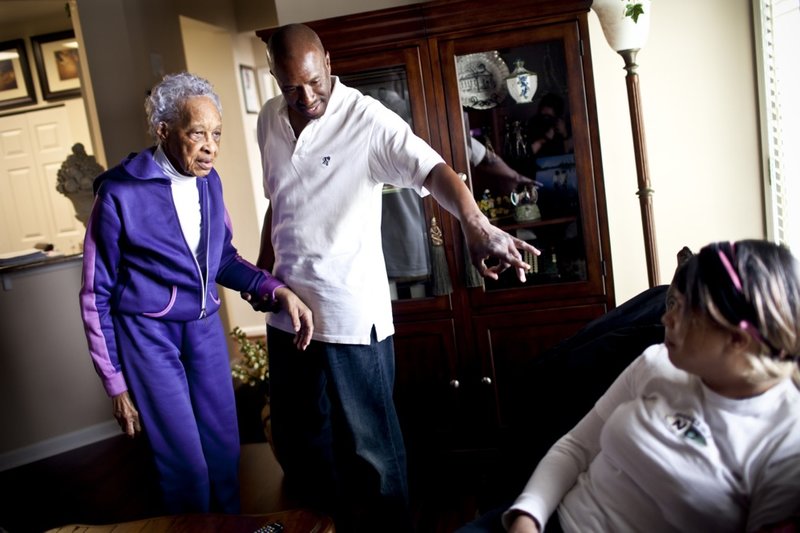
Most at risk groups can safely stay at home

Inspiration
The experience of the last months (during the Covid-19 outbreak) shifted our attention to some particular, very prevalent, problems related to the rise of the unemployment ratio and the skyrocketing of the demand for retails of essentials to houses.
The spread of the virus resulted in individuals avoiding being in crowded confined places, where the probability of being exposed is peaking. In this category, there belong many of the stores that sell essentials and necessities, which raises the necessity for their management to organize the process of delivering orders to customer houses. Although they have intensified their efforts in that direction, they do not possess either the resources (delivery staff) or the network logistics for satisfying the demand.
On another aspect,small and medium businesses are severely impacted in terms of their ability to stay productive, which practically inhibits their potential to sustain their workforce. The unemployment rate related to the SMEs in Italy, for example, increased from 9.9% to 12.7% during March of 2020, which constitutes a clear indication of the pandemic’s havoc on the job market. Many people become unemployed because of the outbreak and they stay without an avenue for revenue for months on end.
The ascending trajectory of online grocery shopping (by 2023, the online groceries market will see a 66 % turnover growth in Europe, reaching 47 billion euros, as new research by IGD confirms) was enhanced and ,in a sense magnified, by the recent pandemic. So we want to ride the wave of this particular tendency and exploit it to provide a real solution.
So, our intuition was to laser our focus on possibly finding a way to kill two birds with one stone and provide a neet solution that both facilitates the emergence of a side income source for unemployed individuals and assist the stores in covering the demand in terms of requested deliveries.
What it does
Our team focuses on developing an online real-time platform that will connect supermarkets and pharmacies with unemployed people who are willing to be in the delivery process and sustain a side income for the pandemic outbreak. After the initial launch, we are planning to expand it to any other retailer (for example hardware-stores) and local services (e.g., food delivery from restaurants to homes)
So we are trying to accommodate the delivery of essentials by introducing in the process people that recently lost their jobs and are in need of some compensation during this stalling of their career and possibly people that are generally in need for some extra salary.
What is more, we should state that this process will also motivate people to order their supplies from their home and stay safe. An important aspect of the Platform is the sense of locality that is prevalent in the way that the platform is supposed to function. Specifically, we feel that the independent delivery individuals will serve the orders of the stores near their area that they live and that is the way that the platform will match the requested orders with the destinations (houses).
Security and 3rd party validation
The individuals that will be using the application are either:
- Unemployed, they are officially stated in the government authority and their data can be provided with their consent.
- People who are working now part-time only (e.g. 50%) - they are also in need of extra income, w/o being registered at the unemployment office, but they have documents that can prove this.
So, we will collaborate with the correspondent, in order to create a validated database of trusted users. Regarding the security issues that might arouse, we will exploit the team expertise in network security, in order to further ensure that the application cannot be hacked by individuals that do not have the rights.
How we built it
It is actually an idea that was recently formulated, therefore the concrete backbone of the platform was finalized after a lot of exploration and extensive discussion. So the process of building a functional prototype has already started but nevertheless it is in a rather preliminary stage.
Having said that, we feel extremely confident that the team’s background (expertise in web development, front end, back end as well as experience in strategy and digital marketing) is more than sufficient to bring this vision into fulfillment. In addition, the idea is inspiring to all the members of the team and constitutes a major factor of motivation moving forward.
Regarding the technology that will be needed to build the mobile application we will use
- Node. js, Python, Java and Ruby on Rails for the back-end development.
- Html, CSS and JavaScript frameworks for the front-end part of the app.
- For the "Uber-like" tracking function we will need GPS and OpenStreetMap API, which works for both iOS and Android.
Challenges we ran into
The fact that the idea is in a preliminary stage implies that we have not yet been able to run into any actual challenges. But the formulation of the idea at some level of abstraction is a strong consideration of the team for months. Therefore the process of troubleshooting, which has taken place on more than one occasion has revealed some potential future obstacles. For example:
- The possible inertia of the pharmacies and stores in terms of trusting the delivery process to, practically, a third party
- The necessity for promoting the platform to already unemployed people
- The process of optimal routing for the deliveries and the matching of deliveries and people available for making them
- The legal foundations for the process to be able to run seamlessly
- Ensuring the health of carriers between each delivery
Accomplishments that we're proud of
The formulation of a concrete capable and experienced team that is united under the same values and motivated by the single purpose of bringing NetworkVid in real life could be considered the most significant accomplishment and constitutes the foundation and the source of optimism for future success. Other than that, we have searched for numerical data and surveys that validate the cause of such an endeavor. Saying that:
- 3 weeks minimum delivery time-frame for all Online supermarkets in Athens, Greece (our target starting market)
- In the UK Ocado closed the doors to all new customers from early March.
Therefore, the above clearly demonstrate: (a) The viability of the project for the beta version. (b) The scalability of your solution across the boarders.
What we learned
During this challenge we tested the teams' ability to work in an orchestrated fashion when presented with specific deadlines and task description. It was a great chance to work with intensity towards the fruition of bringing NetworkVid into life. Additionally, we connected with people passionate with attempting to provide solutions to problems similar to what we tackle on, so that was a source of inspiration and motivation to proceed
What's next for GESS
GESS is a team created by young and motivated people who seek to solve societal problems introducing state-of-the-art technologies. Our involvement in this Pan-European hackathon is just the beginning of a creative journey, full of fascinating ideas and innovations that strive for improving different aspects of human life.
A validation of our idea from a Pan-European hackathon will give us courage and support in finalizing and running successfully NetworkVid platform.
This platform could be the beginning for our next idea that targets in tackling food waste. The idea is to make deliveries of supplies that are near to expire in more affordable prices.
In addition, we feel that the idea of NetworkVid actually addresses and solves problems that are more universal and transcend the period of a temporary pandemic outbreak. So we strongly aspire to establish the platform as a trademark in the world of digitization.
What can be easily extracted and concluded as a main point for the platform to become successful is the establishment of trust and credibility from both the aspect of the end user (person that awaits the delivery at home) and the stores.
Project plan:
- End of May: Prototype ready and in parallel finding 30 grocery stores
- End of June: First tests with the beta version
- End of August: Debugging, restructuring & pilot with +70 stores,
- By September: Full launch in 3 European countries. Budget estimation: 20k EUR
In that regard, our consideration is to tackle the issue of reliability by creating a multistage process for validating the people assigned to deliver. They will have to provide the platform with personal information such as their address, phone number etc and they will have to provide required documents that confirm the provided info. Secondarily, the delivery individual should provide remote access to their phone location for the platform and enable all the entities involved in the transaction to track their location in all the duration of the process. We have a long list of contact information for many stores in the nearby area of Marousi and Pefki, Athens and we aspire to commence a pilot of the functioning platform exploiting the know-how of the local economy.


Log in or sign up for Devpost to join the conversation.