-
-
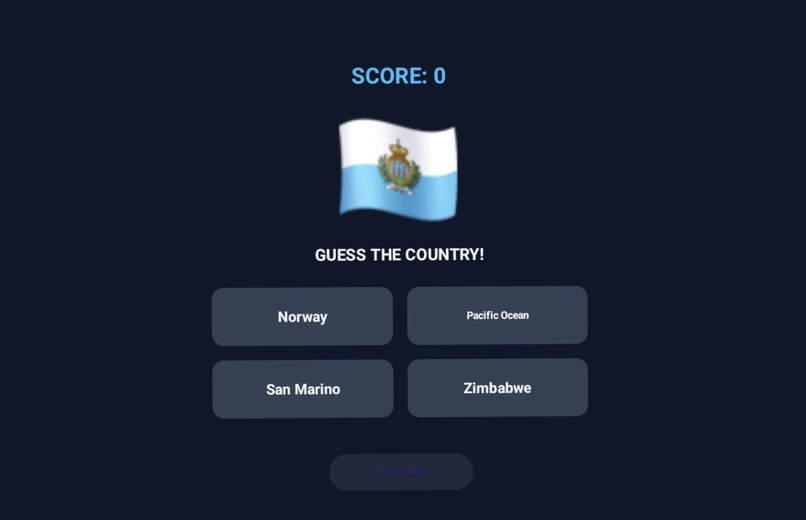
Flag Game
-
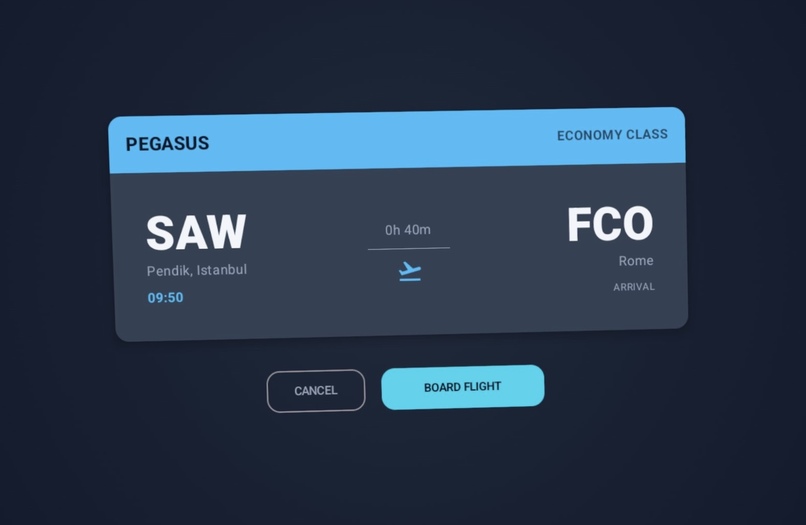
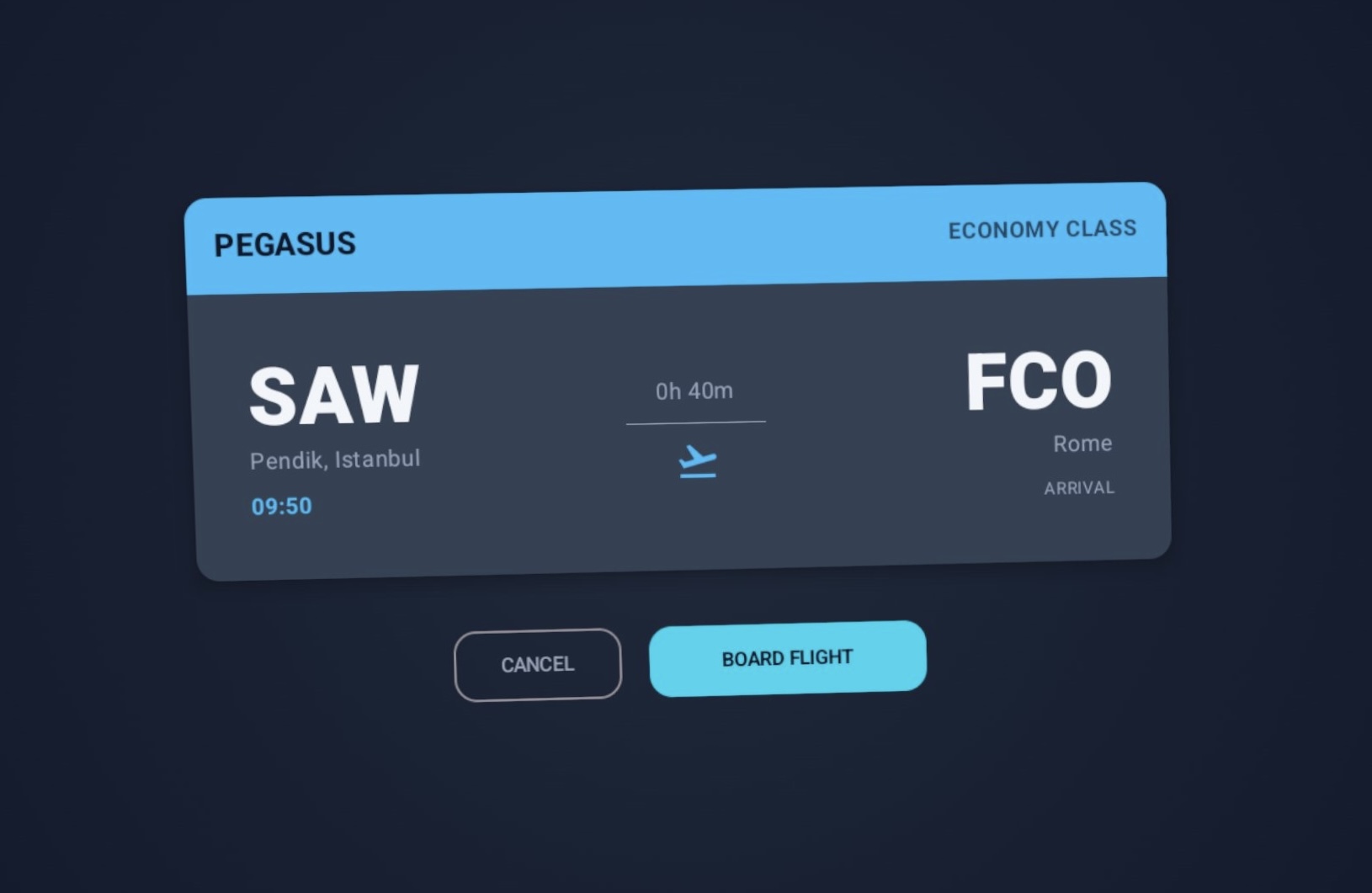
Selecting a Flight to track
-
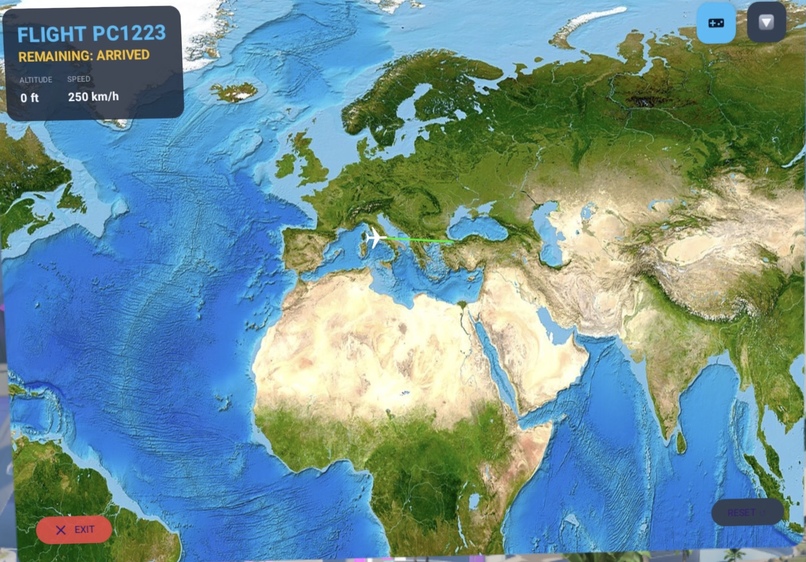
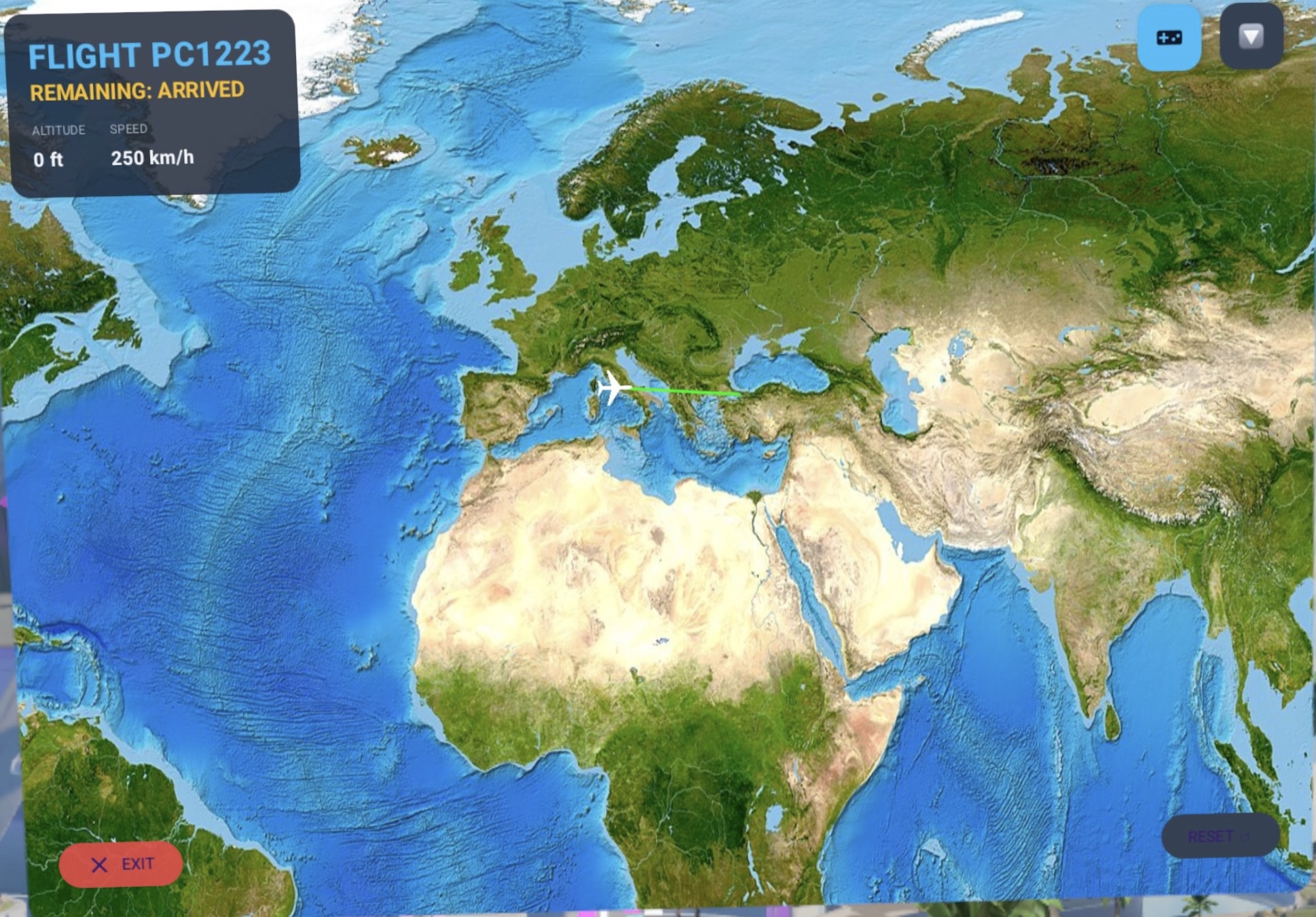
World map with your flight
Inspiration
I conceived this idea on a flight to Rome. Frustrated by the lack of entertainment systems and the inability to know our location, I saw an opportunity to solve the boredom of air travel. I wanted to create a solution that turns the "stuck in a seat" experience into a journey of discovery.
What it does
The app transforms in-flight travel into an interactive exploration. At its core, it is a real-time flight monitor that visualizes the journey on a dynamic map. Using a database of over 14,000 cities, it intelligently detects landmarks to trigger "City Explorations"—immersive 360° VR video tours of the locations below.
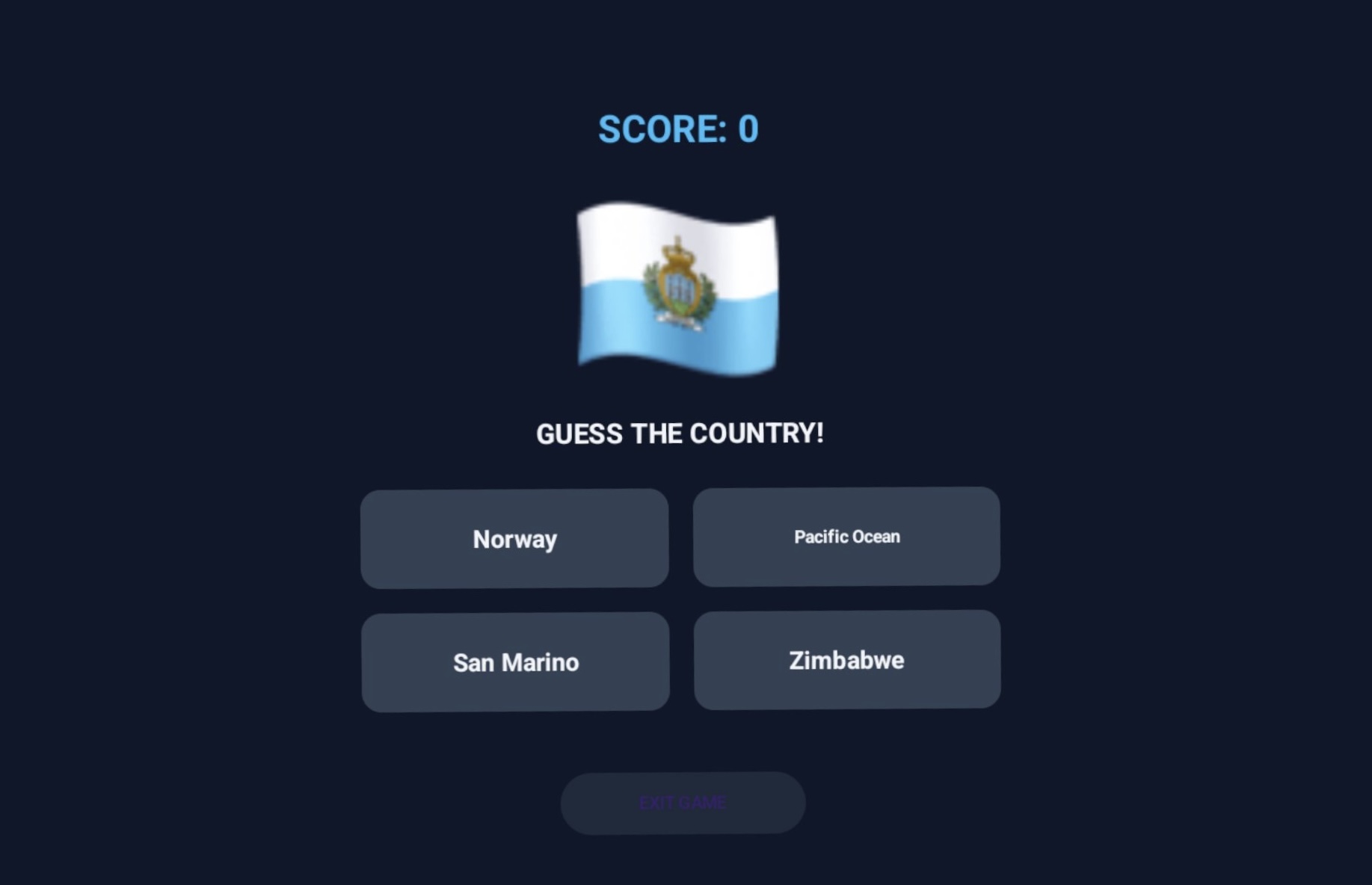
To keep passengers engaged, the app features a cyberpunk-inspired interface with educational mini-games like "Flag Challenge" and "Airport Rush." These can be played against an AI or nearby passengers via offline Bluetooth multiplayer, creating a complete in-flight entertainment ecosystem.
How we built it
I built the app using native Android technologies (Kotlin and Jetpack Compose). I engineered a custom data pipeline to cross-reference AviationStack API telemetry with local geospatial data.
Visually, I developed a custom graphics engine within Jetpack Compose’s Canvas API. Instead of heavy 3D libraries, I used custom projection algorithms to render a holographic globe with scientifically accurate day/night cycles. For social features, I implemented a custom Bluetooth networking layer for direct socket connections, while ExoPlayer handles the 360° video playback.
Challenges we ran into
My biggest problem was time. I only saw the competition 4 days before the deadline and wanted to do something even if it is not completed. Although I was still able to add every feature I wanted with a huge success. Also optimizing the 3D rendering engine was quite the process. Implementing custom projection algorithms initially caused stuttering and battery drain; I had to rigorously profile the app and refactor drawing logic to ensure smooth performance.
Additionally, managing offline Bluetooth multiplayer was difficult due to the variability of Android’s Bluetooth APIs. Establishing a stable handshake required building a custom logging system and a robust socket-management solution to handle interruptions and reconnect users seamlessly.
Accomplishments that we're proud of
I am proud of being able to build such useful application in just 4 day. Furthermore, establishing a stable peer-to-peer Bluetooth handshake in an offline environment was a major win. This robust local communication layer not only enables gaming but lays the groundwork for future synchronized in-flight media.
What we learned
I learned that with the right mathematical optimization, Jetpack Compose’s Canvas API is capable of high-performance complex visualizations without needing OpenGL. I also gained deep experience in offline-first architecture, realizing that building resilience against network failures—whether for API calls or Bluetooth packets—is essential for a polished user experience.
What's next
I plan to evolve the app into a comprehensive social platform. With our Bluetooth infrastructure in place, our next step is introducing "Shared Cinema" and "Music Lounge" features, allowing passengers to sync media offline. I also aim to expand the multiplayer ecosystem, using the holographic globe as a shared game board for deeper cooperative experiences.
Built With
- aviationstackapi
- bluetooth
- canvasapi
- exoplayer
- jetpackcompose
- kotlin


Log in or sign up for Devpost to join the conversation.