-
-
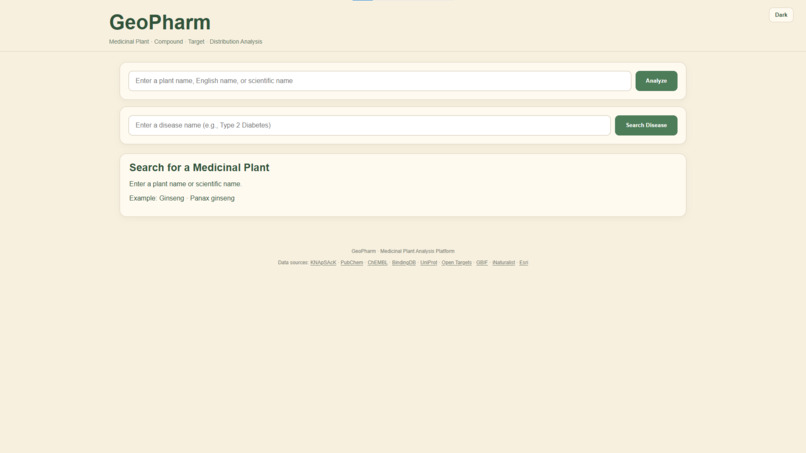
main
-
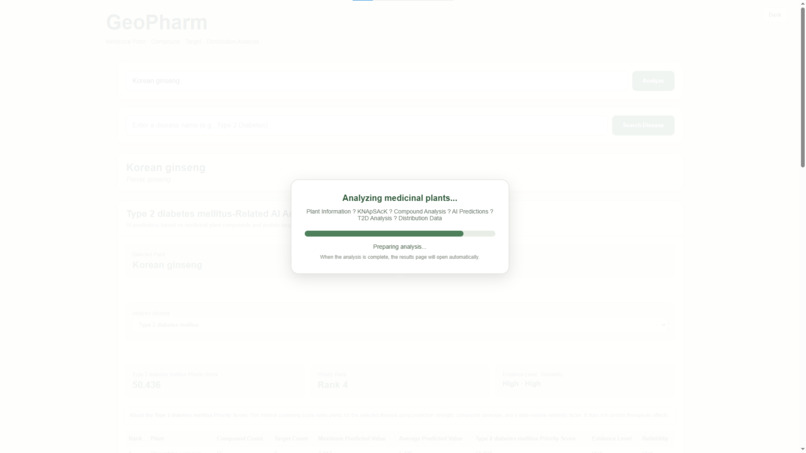
loading
-
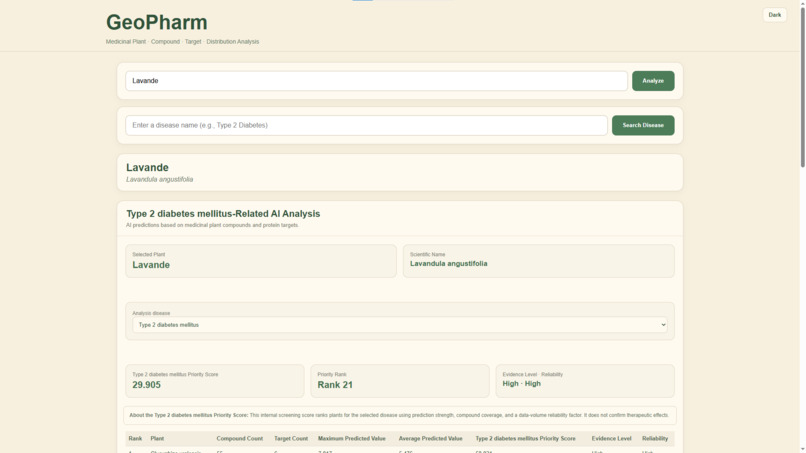
plant search
-
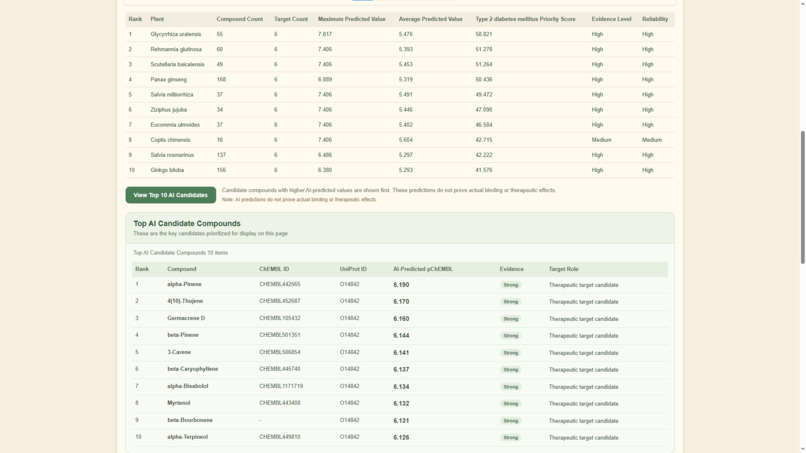
plant search-analysis1
-
plant search-analysis2
-
plant search-map
-
disease search
-
disease search-analysis1
-
disease search-analysis2
Track
Track 2 — Natural Products for Drug Discovery Apply machine learning and cheminformatics to identify promising plant-derived compounds for specific disease targets. Build predictive models, knowledge graphs, and screening pipelines.
Inspiration
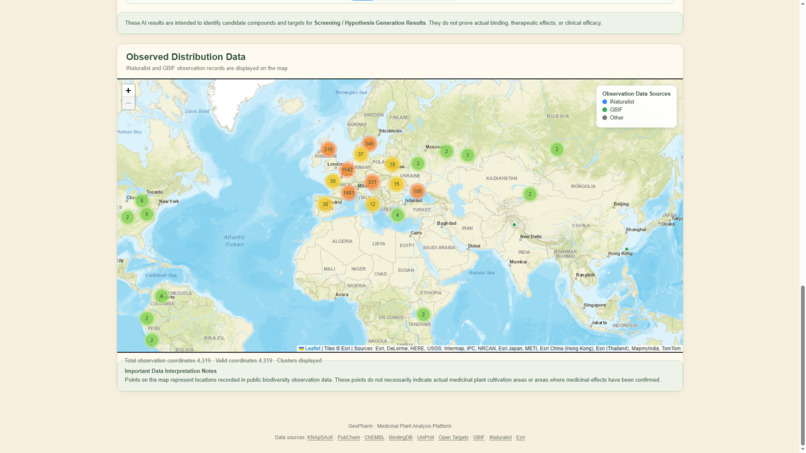
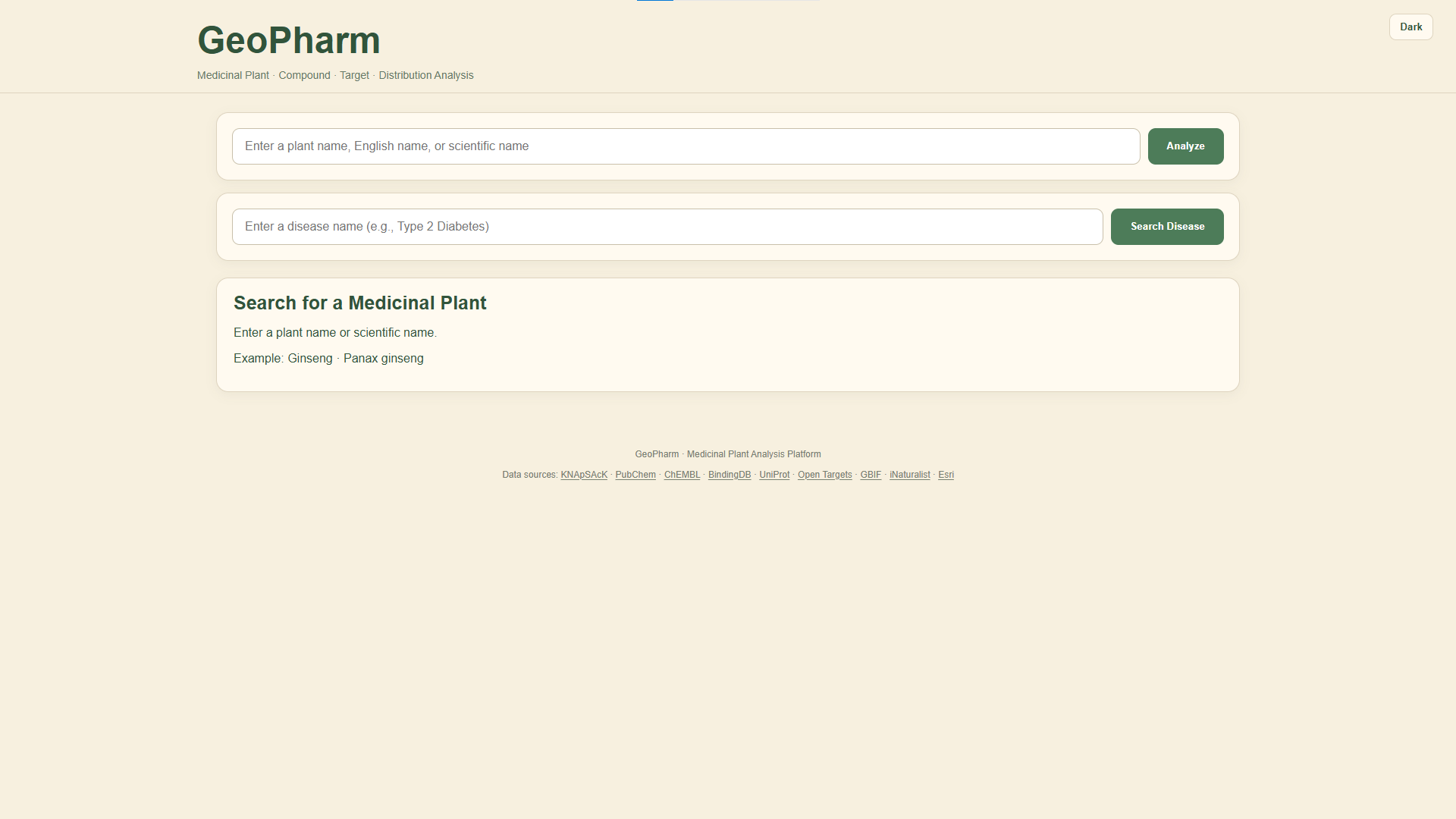
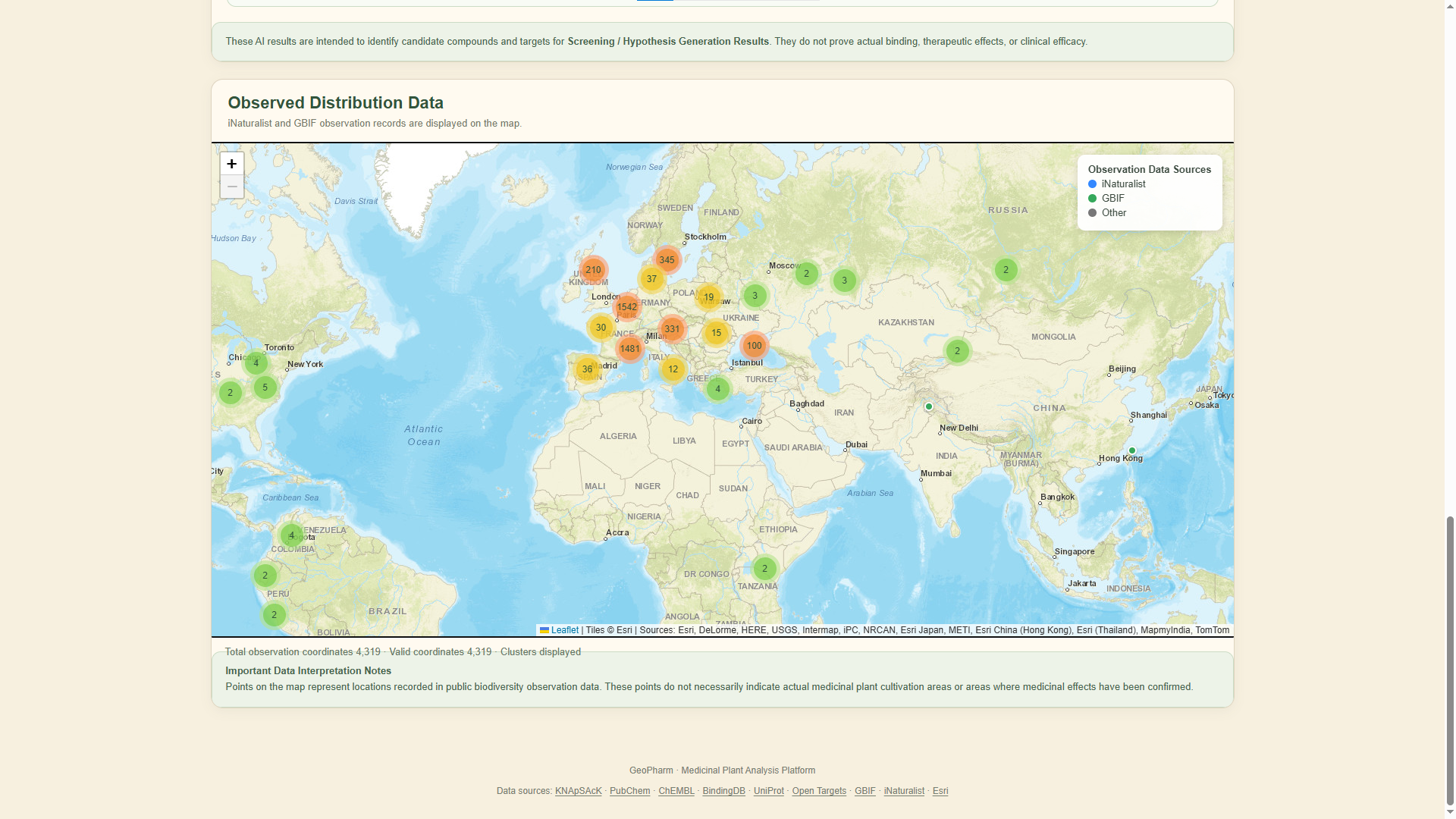
We were inspired by maps. For example, when searching for a café on a map, users can easily find its location and related information. We applied this concept to GeoPharm, aiming to make it easier to explore medicinal plants and diseases by providing both relevant information and geographical distribution data. We believed that connecting these different types of information would help users conveniently discover and narrow down potential candidates for further research.
What it does
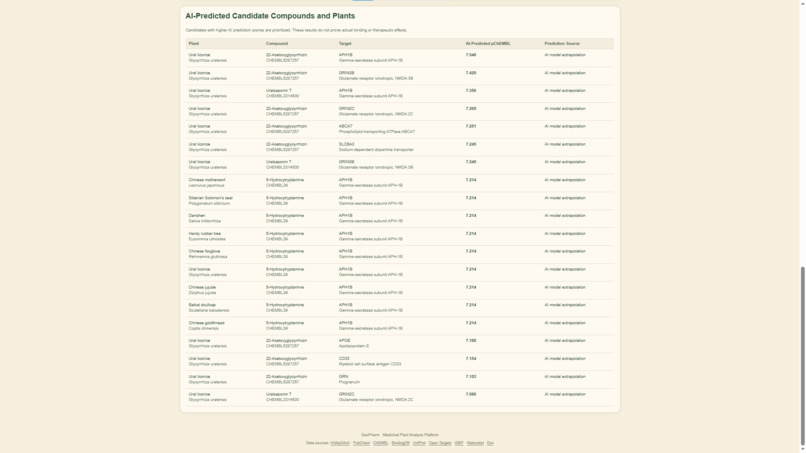
- GeoPharm is an AI-powered platform that connects medicinal plants, chemical compounds, proteins, and diseases to identify promising candidates for future drug discovery.
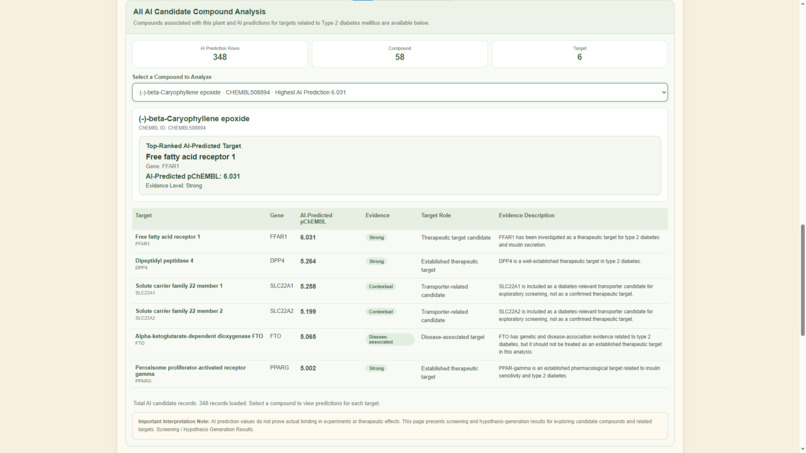
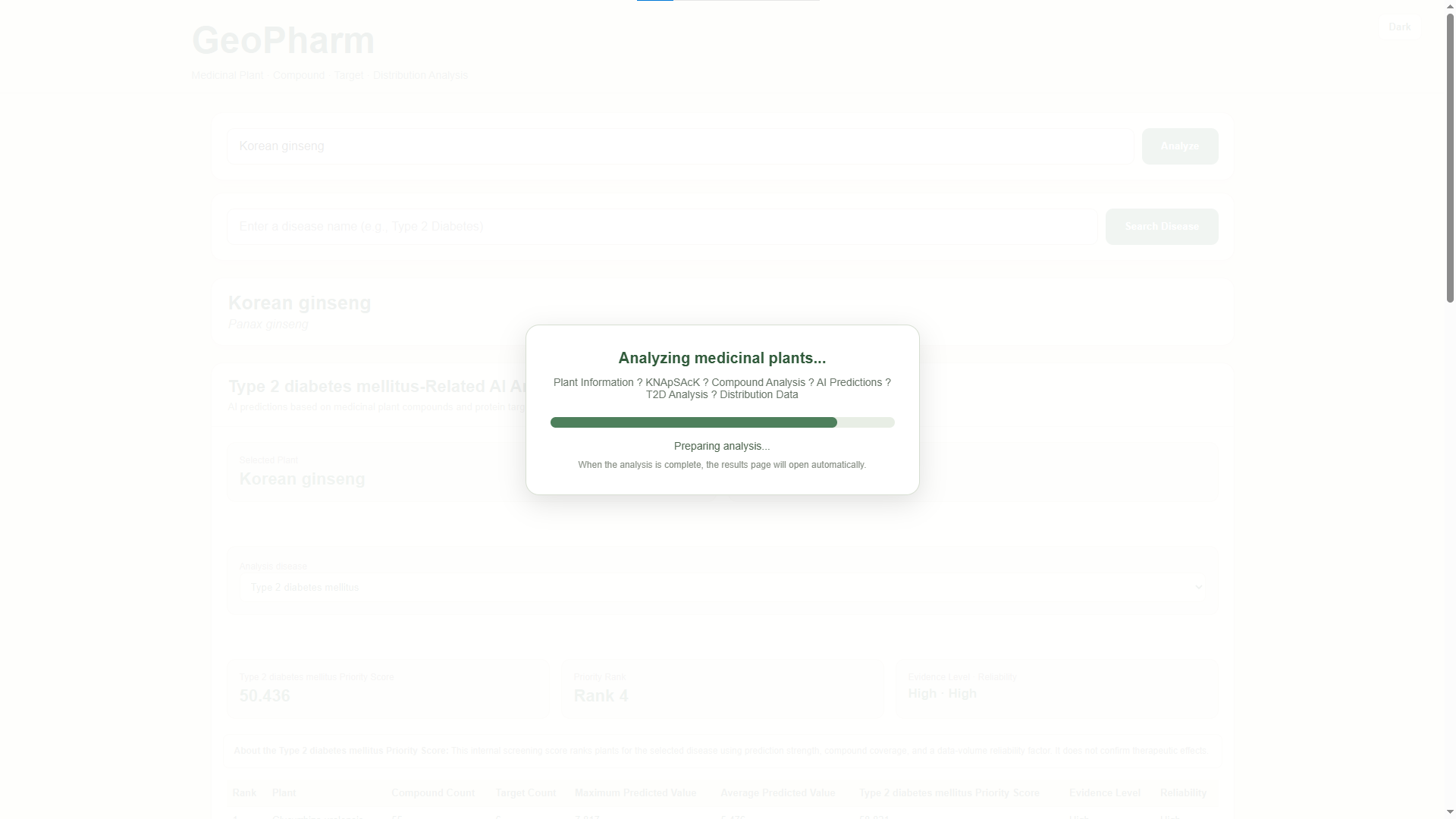
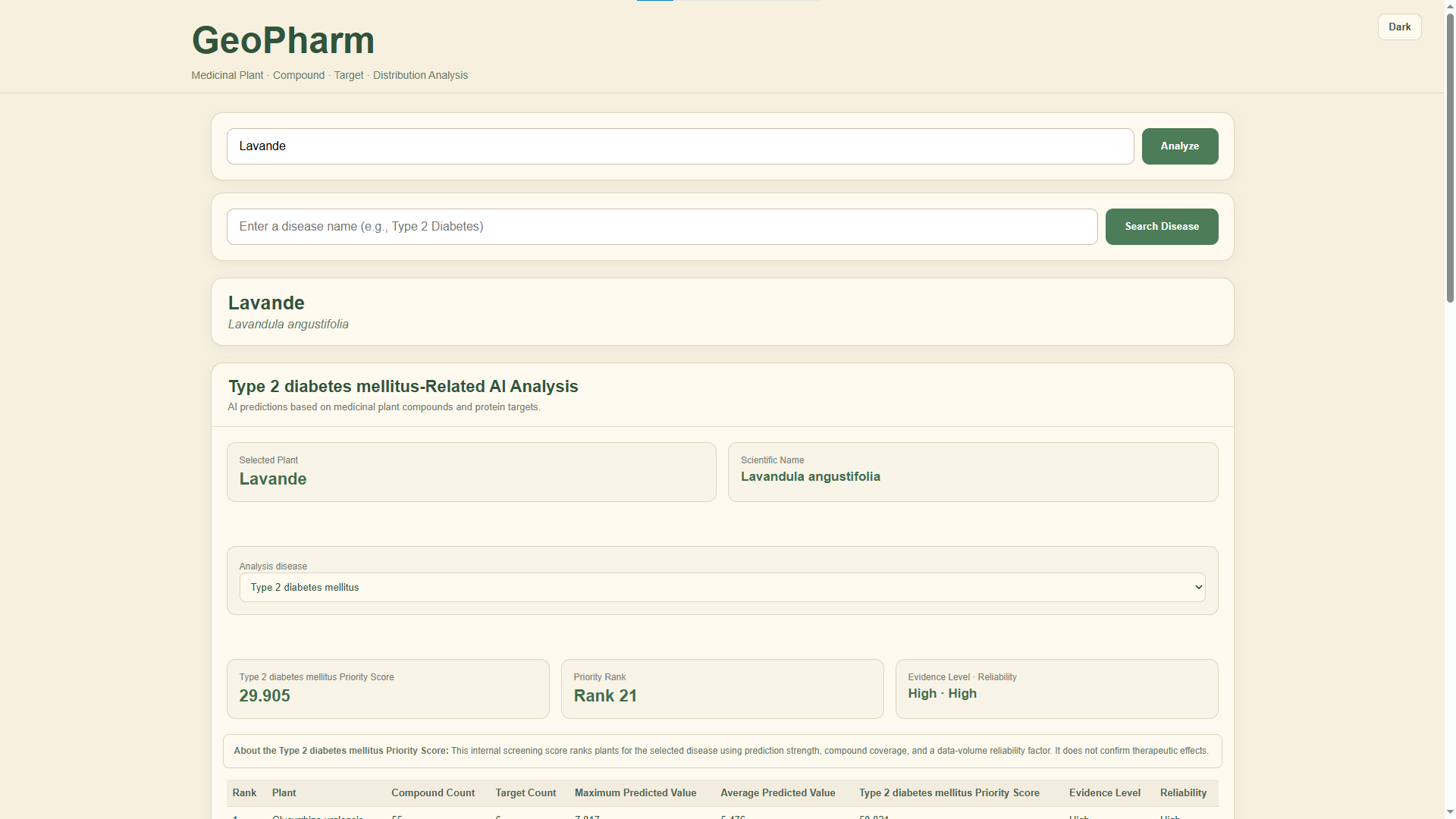
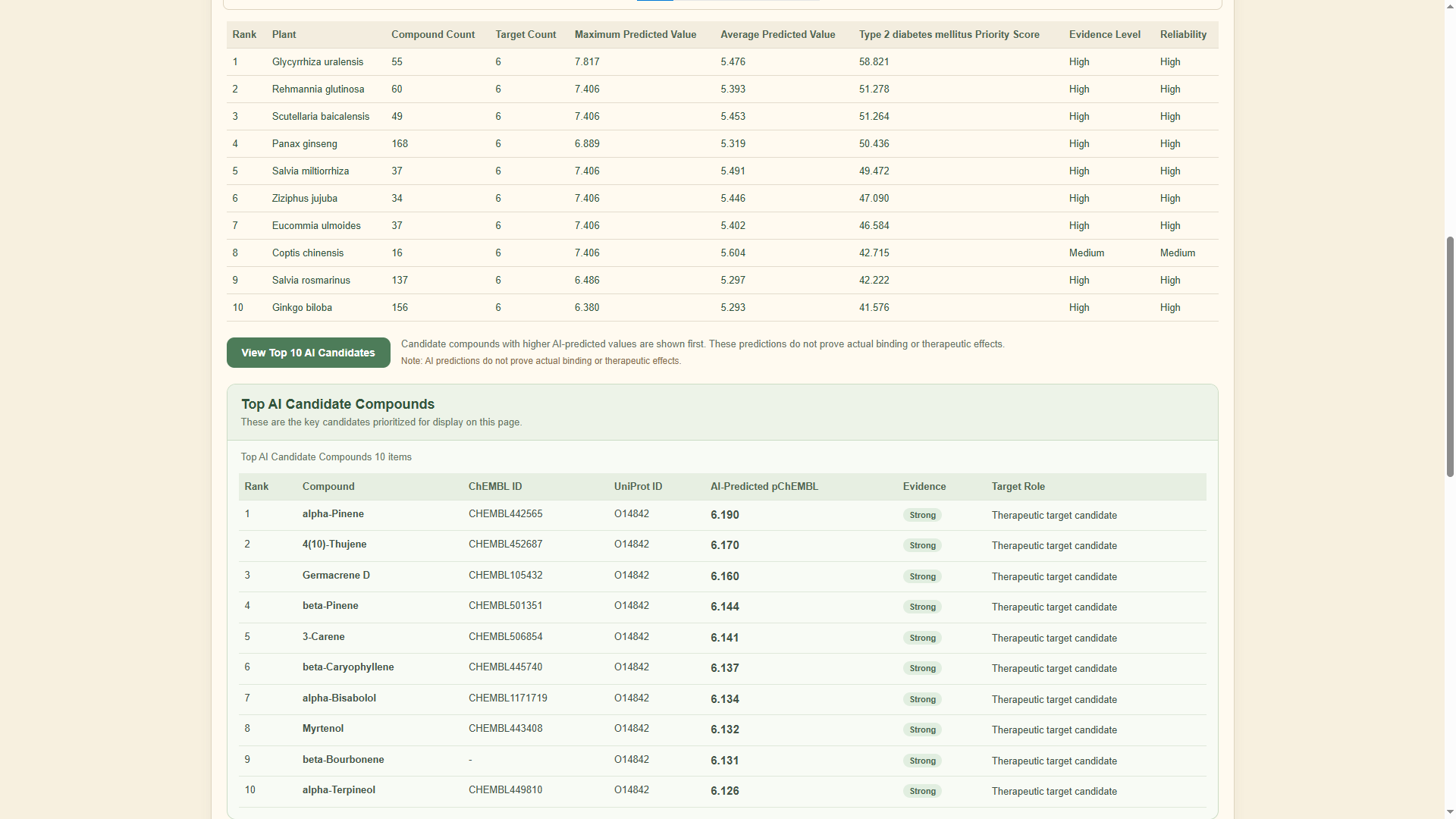
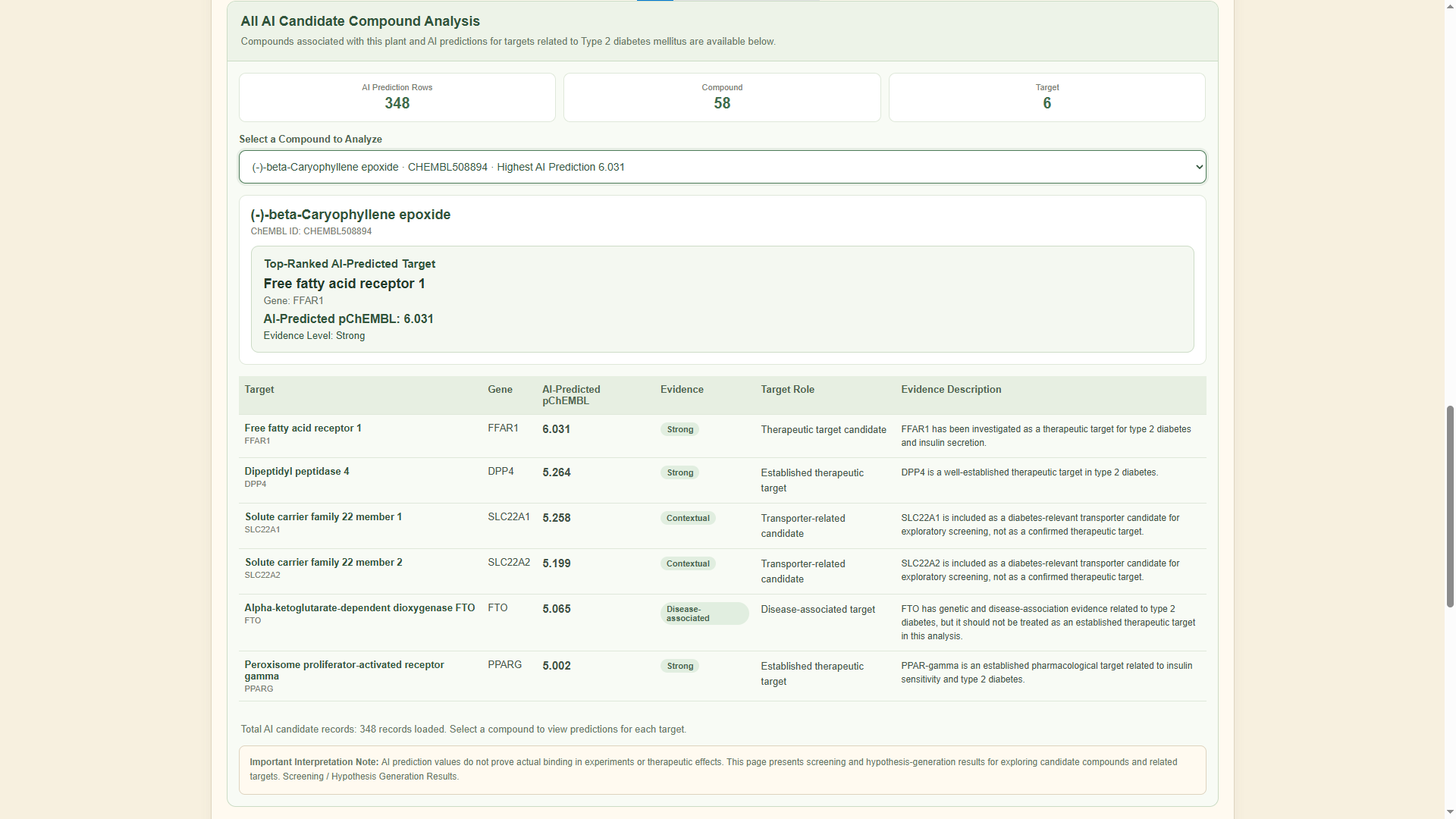
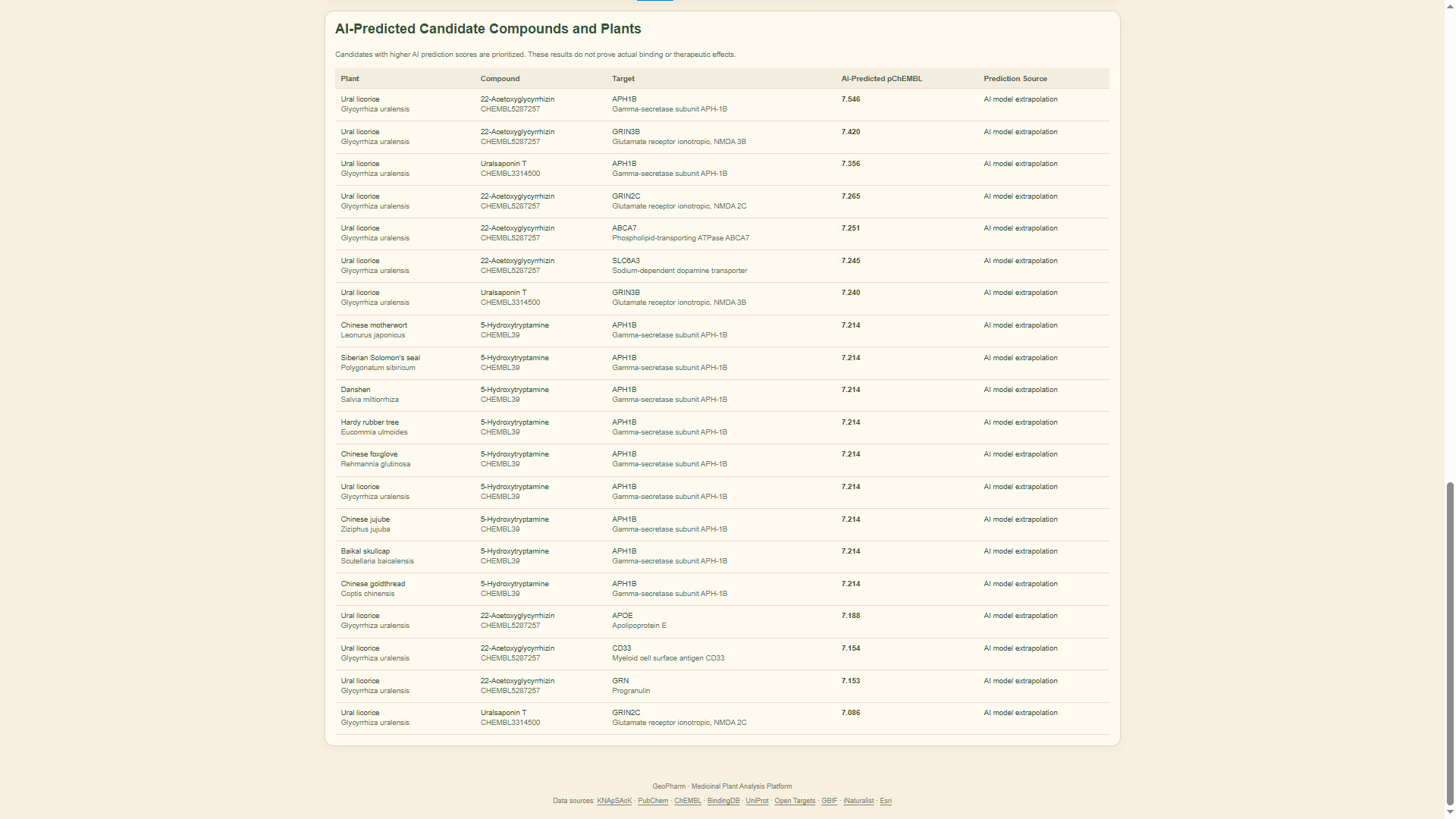
- When users search for a registered medicinal plant, the AI analyzes its associated compounds and compares them with registered diseases to identify potential therapeutic relevance. The results include related diseases and compounds that may contribute to these associations.
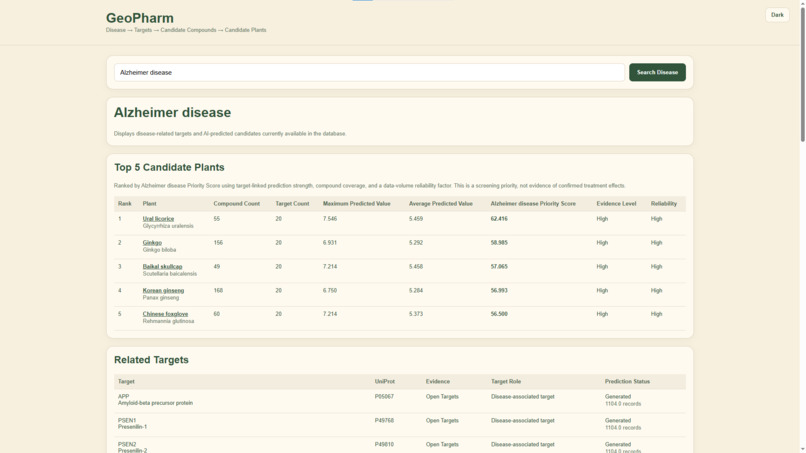
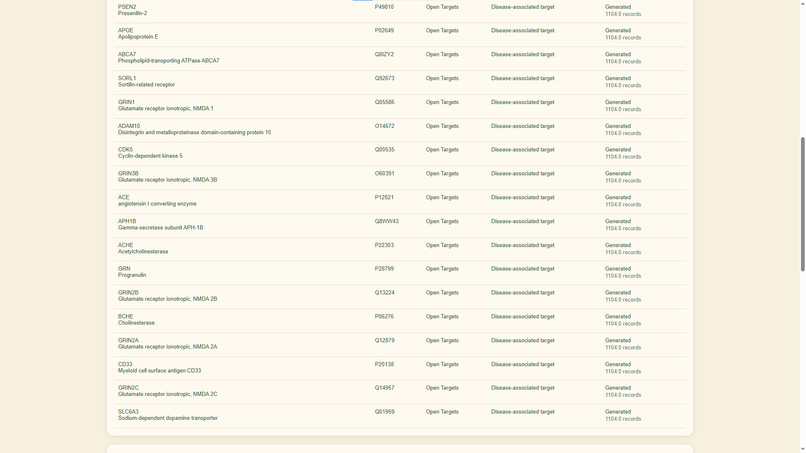
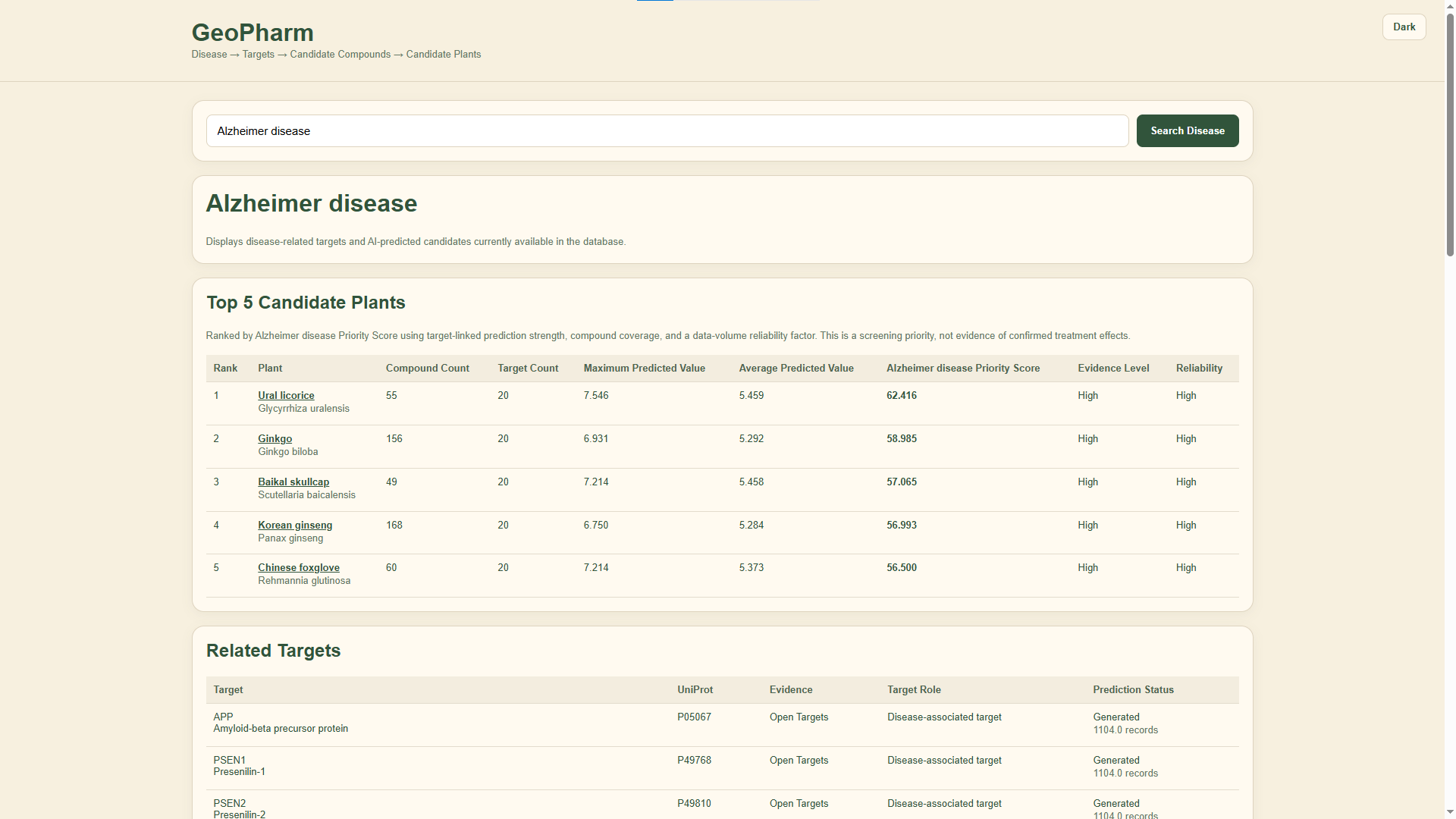
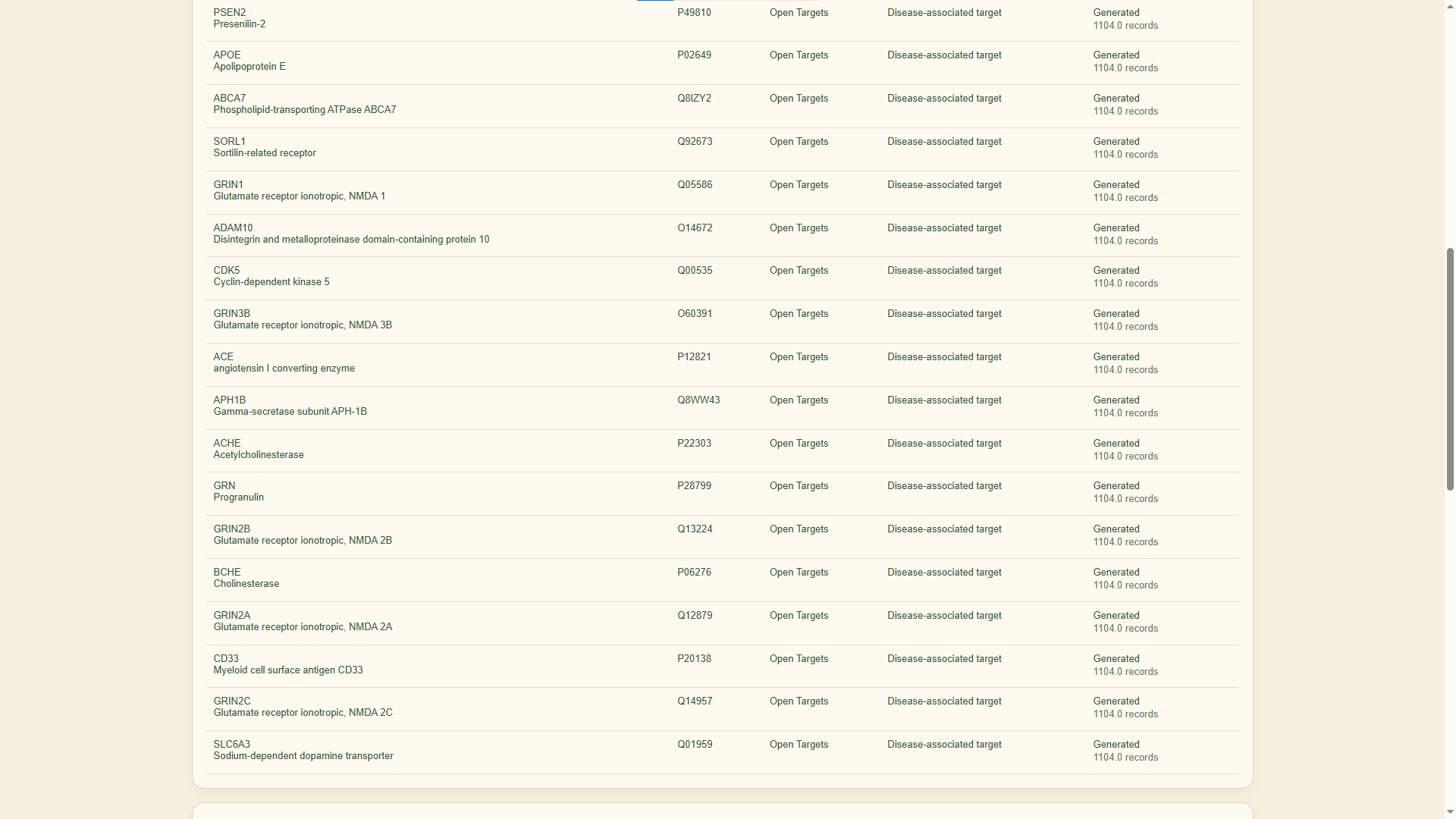
- Users can also search for registered diseases to explore promising medicinal plant candidates, along with their associated proteins and chemical compounds.
- For unregistered plants, GeoPharm automatically identifies the scientific name and searches external data sources to perform comparative analysis and display relevant results. For unregistered diseases, users can select related proteins or compounds to conduct additional analysis and identify potentially associated registered medicinal plants. It is important to note that GeoPharm's AI analysis is based on relationships between chemical compounds and proteins, rather than experimentally verified therapeutic effects. Therefore, the platform is intended to support preliminary research and candidate selection, rather than directly prove the effectiveness of medicinal plants.
How we built it
We started by brainstorming ideas as a team and developing an initial prototype to evaluate the feasibility of our concept. After finalizing the project direction, we focused on improving the website's usability and functionality. We continuously refined the interface, implemented additional features, and improved the overall user experience to make the platform more accessible and convenient.
Challenges we ran into
Since our team consisted mainly of students without specialized backgrounds in this field and relatively little development experience, one of our biggest challenges was identifying the causes of unexpected errors and understanding unfamiliar technical concepts. To overcome these difficulties, we actively used AI tools to learn unfamiliar technologies, troubleshoot errors, and improve our implementation. We also utilized Vibe Coding to accelerate development and gradually overcome technical challenges, including implementing machine learning models and AI-based analytical features.
Accomplishments that we're proud of
Our greatest achievement was developing and continuously improving an AI system capable of automatically analyzing medicinal plants using machine learning. Initially, users had to enter both the plant's common name and its scientific name to perform an analysis. However, we successfully improved the system so that it can automatically identify the scientific name and perform the analysis using only the plant's name. We are also proud of expanding the platform beyond a simple search system by incorporating automatic external data collection and comparative analysis for previously unregistered medicinal plants. Beyond the technical achievements, participating in the hackathon gave us a valuable opportunity to collaborate, share ideas, overcome challenges together, and turn our concept into a working prototype.
What we learned
Throughout this project, we gained practical experience in machine learning, AI applications, data analysis, and web development. We also discovered the diversity of medicinal plants and learned how their chemical compounds and biological interactions can be explored through data-driven approaches. This experience helped us understand the potential of combining AI and scientific data to support future research and drug discovery. We believe that as these technologies continue to advance, they will create new opportunities for developing medicines and improving quality of life.
What's next for GeoPharm
We aim to continuously expand GeoPharm's database and improve the accuracy and reliability of its analytical capabilities. As the platform accumulates more medicinal plant, compound, protein, and disease data, we hope that more researchers will be able to utilize it to explore new relationships and identify promising candidates for further investigation. Ultimately, our goal is to develop GeoPharm into a platform that supports early-stage drug discovery research and contributes to the development of new medicines.
