Inspiration
GeoFalcon took flight after witnessing the storm of confusion during Hurricane Milton. When disaster strikes, life can feel like it's blowing off course, and the last thing you need is to be stuck searching for shelter or figuring out where loved ones are. We wanted to swoop in with something fast, simple, and reliable to help you stay grounded.
Homeless shelters are essential in disaster relief, offering a safe place and access to basic needs like food and medical care for those displaced. They help restore dignity and stability, with organizations like ShelterBox coordinating these efforts during emergencies.
With the help of the speed of T-Mobile's 5G network, GeoFalcon is a real feather in your cap, helping you navigate straight to the nearest shelter in real-time. 5G makes sure everything happens at lightning speed, so you can spread your wings and focus on staying safe. Even in the eye of the storm, GeoFalcon’s here to help you soar to safety.
What it does
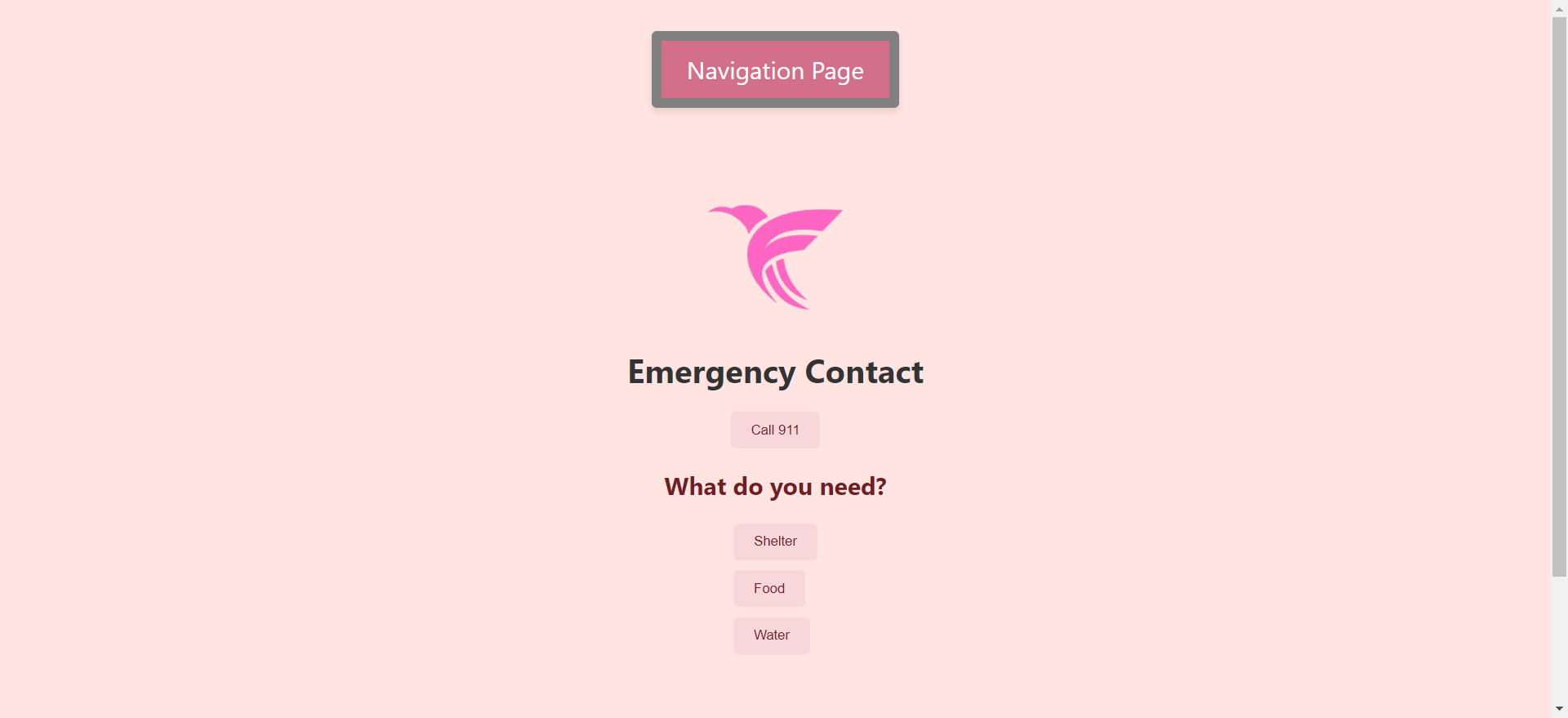
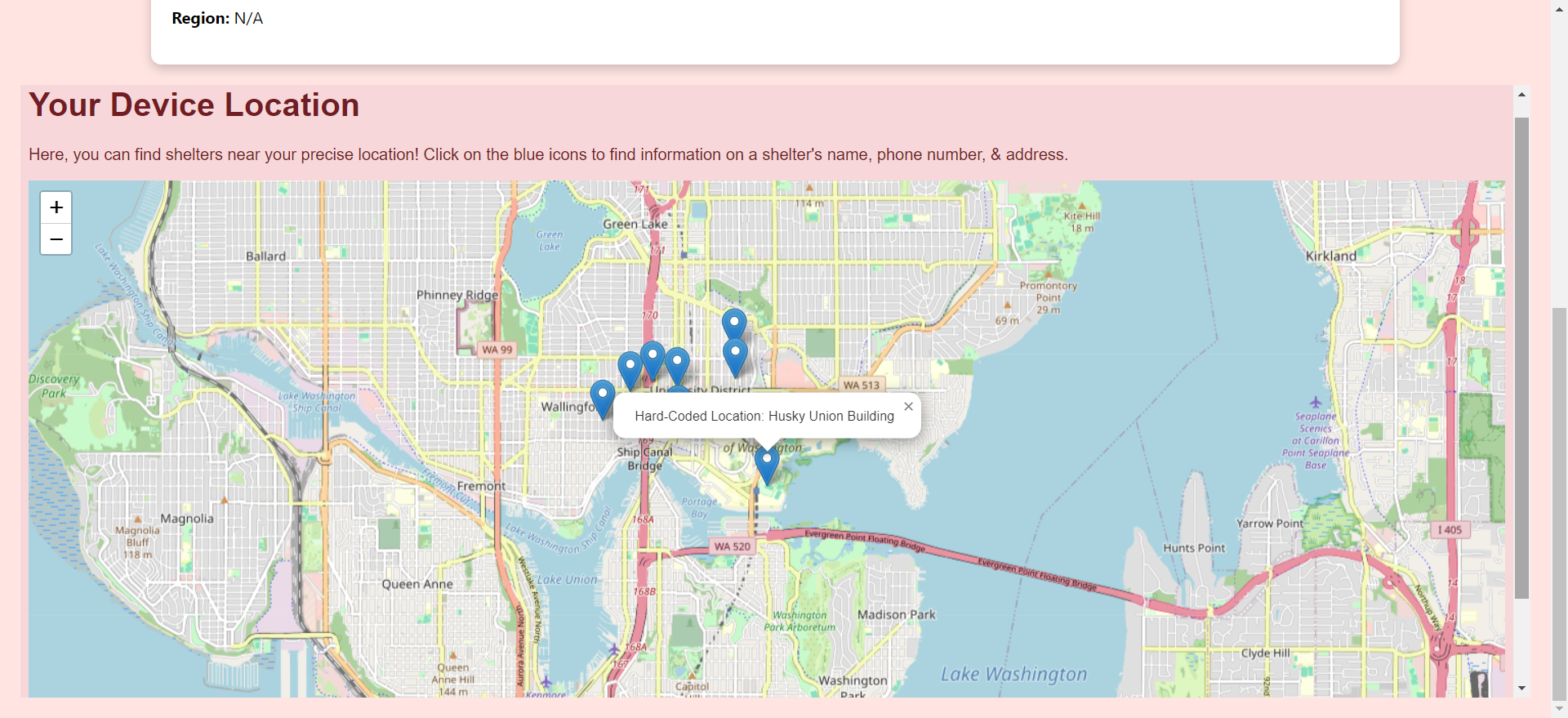
GeoFalcon helps quickly find the nearest shelters based on your precise location, so you can reach safety as soon as possible. It also allows you to connect them to nearby shelters by showing the nearest ones located. Additionally, GeoFalcon keeps you informed with live updates on shelter availability, and emergency services available.
How we built it
We started by prototyping and wireframing our design in Figma to flesh out a seamless UI/UX framework. Then, we built our web app by smoothly integrating our frontend (React, JavaScript, HTML/CSS) and backend (Python Flask).
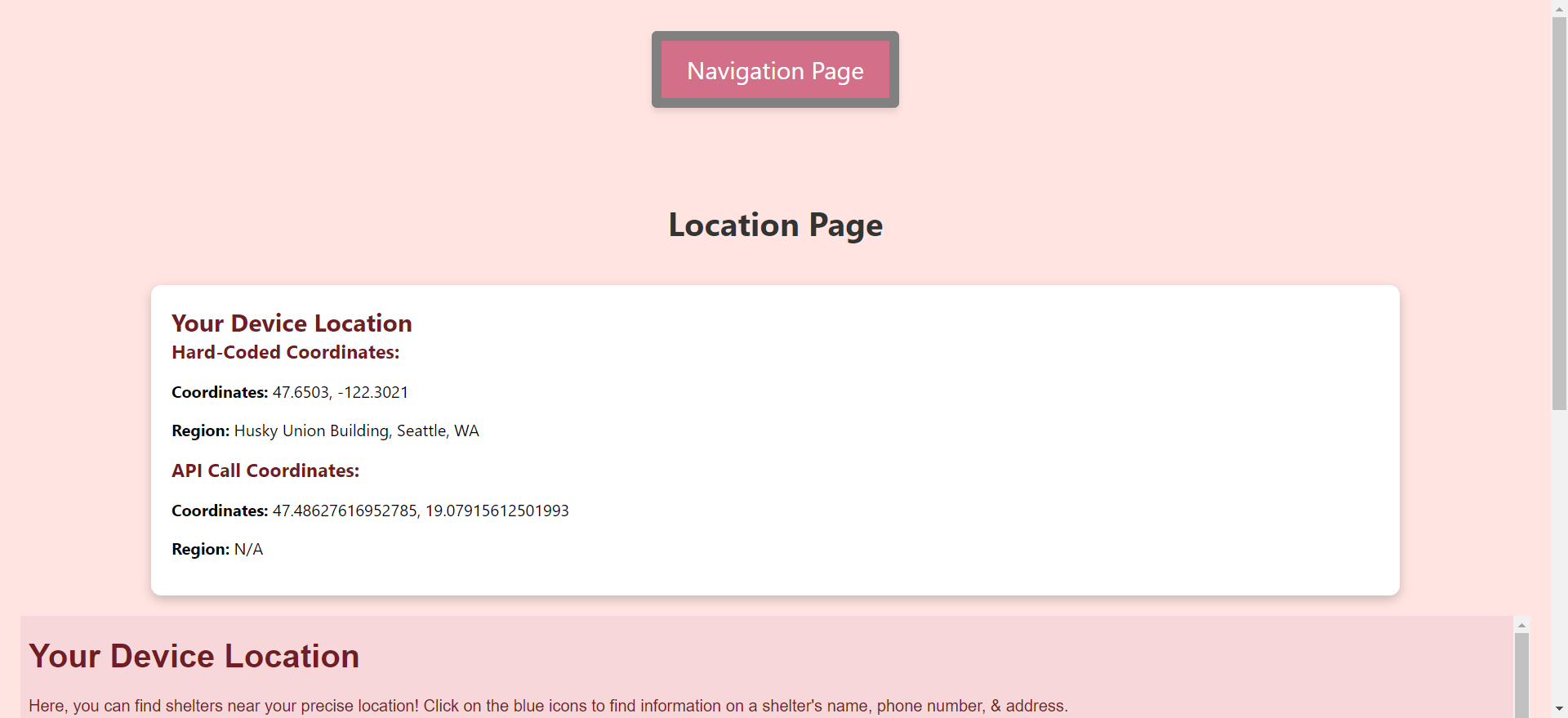
Most notably, we incorporated the Nokia Network as Code (NaC) API framework powered by T-Mobile's incredibly powerful 5G network. Specifically, we utilized the NaC location retrieval API framework to pinpoint a precise location for the user, such that it would withstand poor internet connectivity or the lack of GPS, which is common during natural disasters.
We also incorporated a dataset of local homeless shelters using API calls with Axios, dynamically integrating this with the Leaflet.js interface to create an interactive map.
Challenges we ran into
We faced several challenges during the project. One of our team members left, which meant we needed to accommodate needing extra help on the backend. However, our team acted efficiently and flexibly to fill this gap and still produce a functioning web app. We also encountered difficulties finding an open-source API for homeless shelters, as there weren't many free, publicly available datasets that met our needs for geospatial coverage and max API call rate. Despite this, we were able to find a custom set of homeless shelters were able to incorporate them into our map.
Additionally, it was our first time working with the T-Mobile 5G network and NaC, which required a learning curve to understand and use effectively. However, we learned a lot about APIs, Nokia's products, as well as Postman API in throughout the debugging process. We want to thank our mentors for supporting us and helping us overcome obstacles in our hackathon journey.
Accomplishments that we're proud of
We got better at using Figma for animations and prototyping, which made our project’s design and user experience a lot smoother. We also dived into Nokia’s Network-as-Code (NaC) platform for the T-Mobile track, using T-Mobile’s powerful 5G network. This gave us a glimpse into what’s possible with 5G development in the future.
What we learned
Throughout this project, we learned how to work better as a team and adapt when things didn't go as planned, as mentioned in our Challenges section. We also gained valuable experience with the technologies we used, especially with real-time data API calls with Nokia's Network-as-Code and mapping as well.
What's next for GeoFalcon
What we dream for the future of GeoFalcon extends beyond hurricanes and natural disasters. We aim to make the app into a multifaceted tool that can attack issues like poverty and housing insecurity especially right here in the Greater Seattle Area. By helping low-income families find affordable housing or connect with organizations offering assistance, GeoFalcon can contribute to long-term housing stability. Additionally, the web app has the possibility to help the homeless by including a feature that helps users locate nearby resources such as food banks, clothing drives, public kitchens, and community centers that provide support to those in need.
Built With
- css
- html
- javascript
- leaflet.js
- nokia-api
- python
- react
- t-mobile-5g


Log in or sign up for Devpost to join the conversation.