-
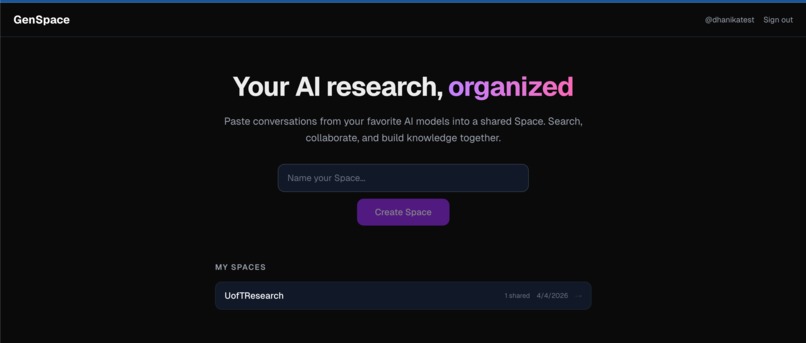
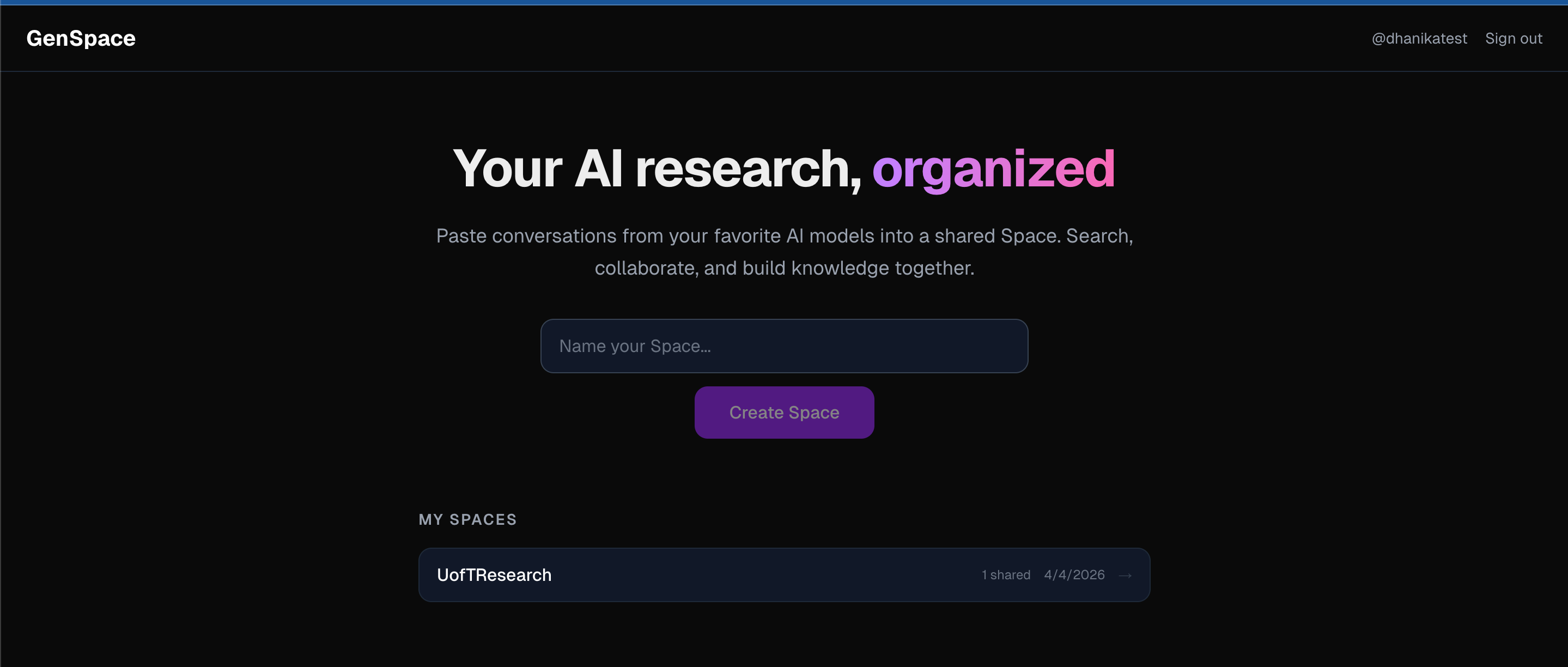
Home page
-
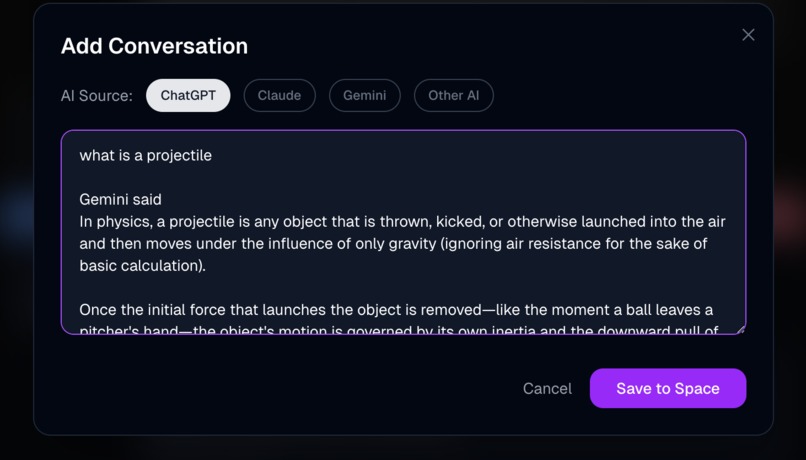
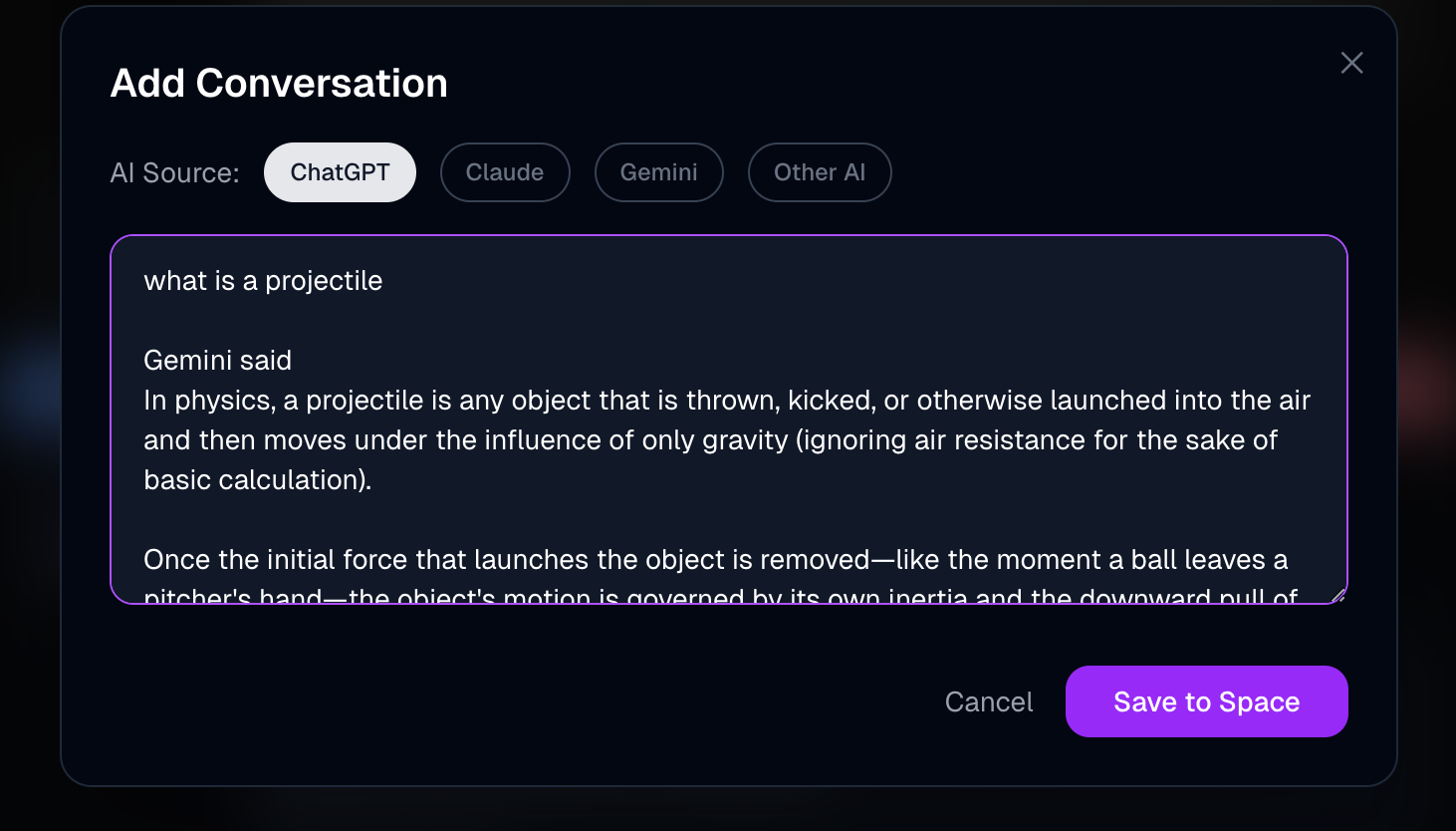
Add an AI Conversation and select which AI you chatted with
-
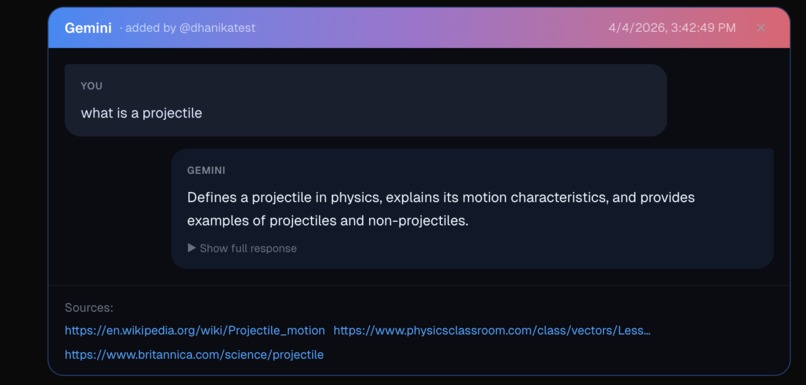
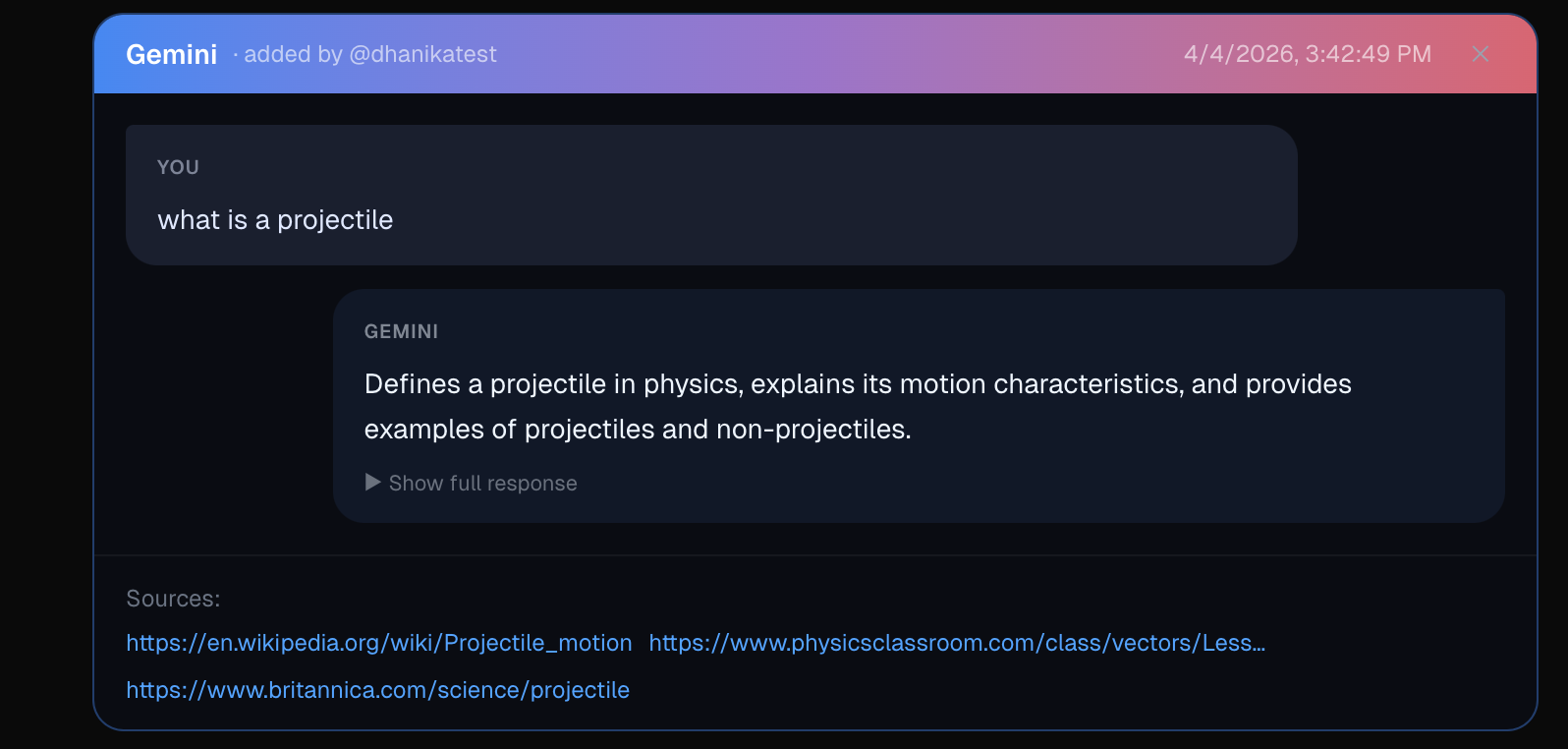
Human vs. AI parts are identified and put into clean UI for your partners to see your research
-
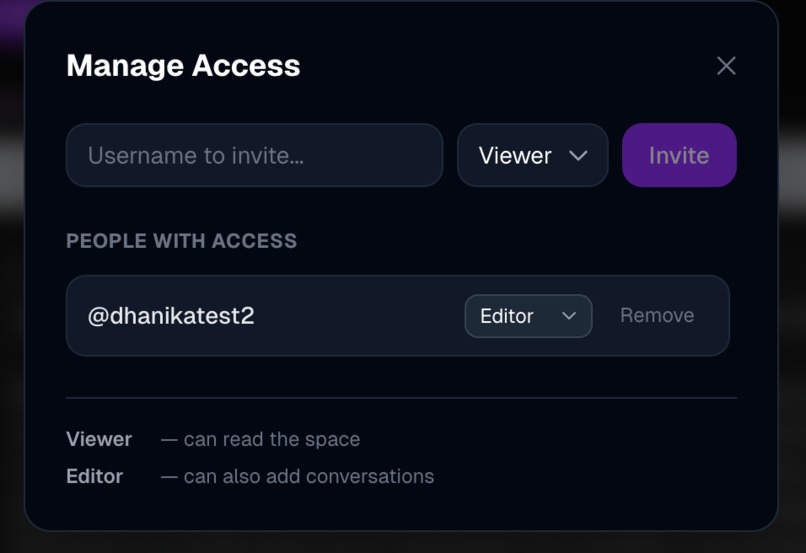
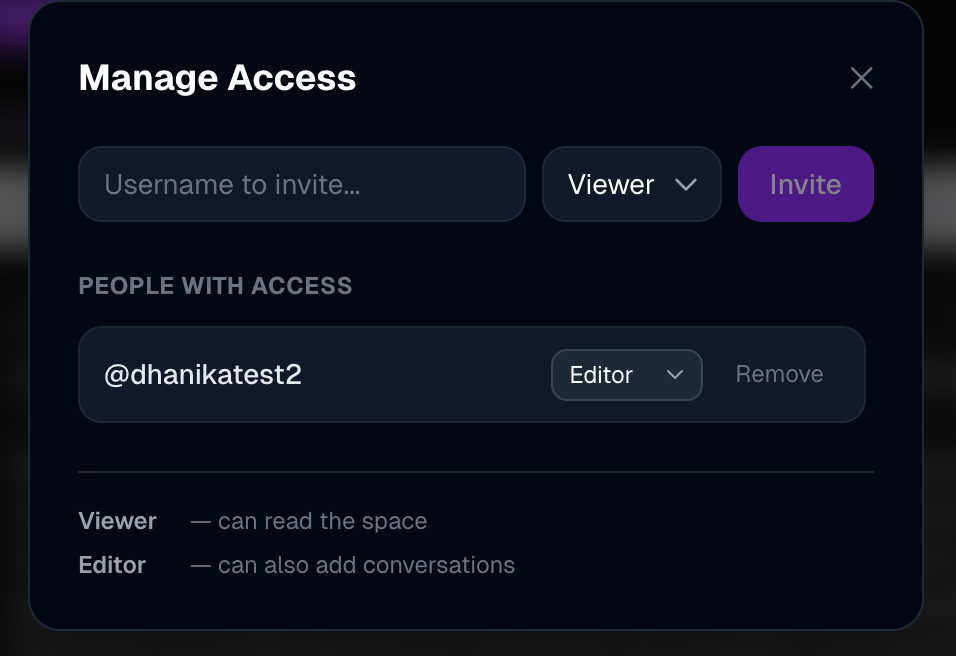
Add a parter as viewer or Space (Space is where you add AI conversations) editor
-
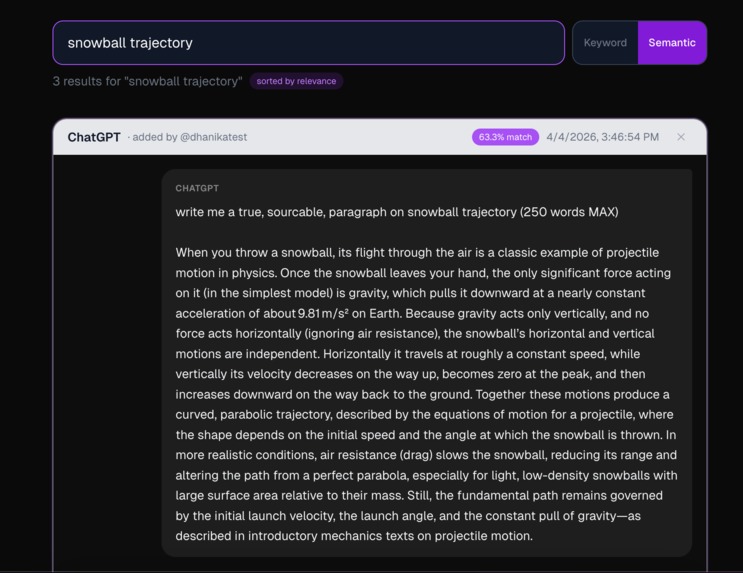
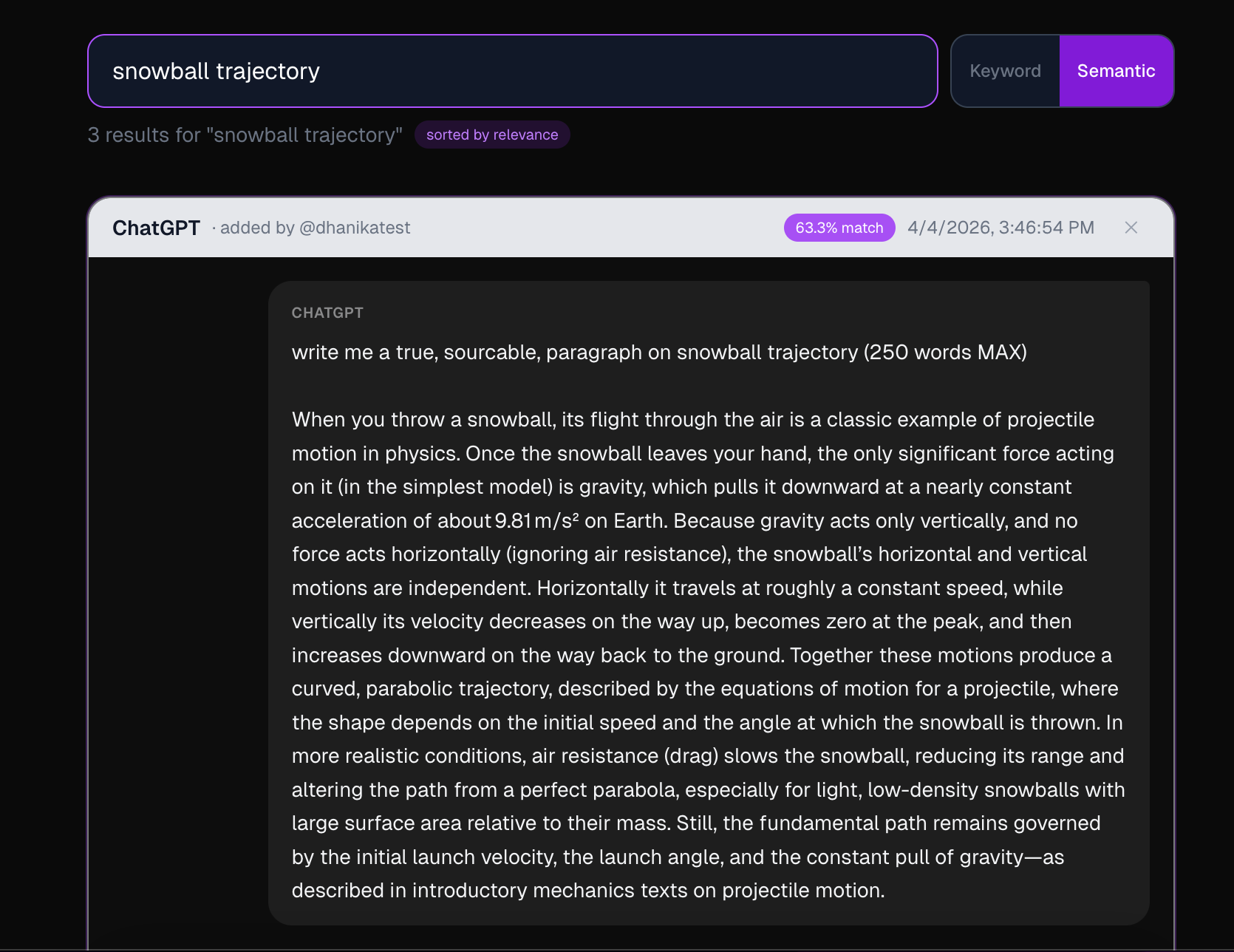
Semantically search through AI conversations you have put into your Space
-
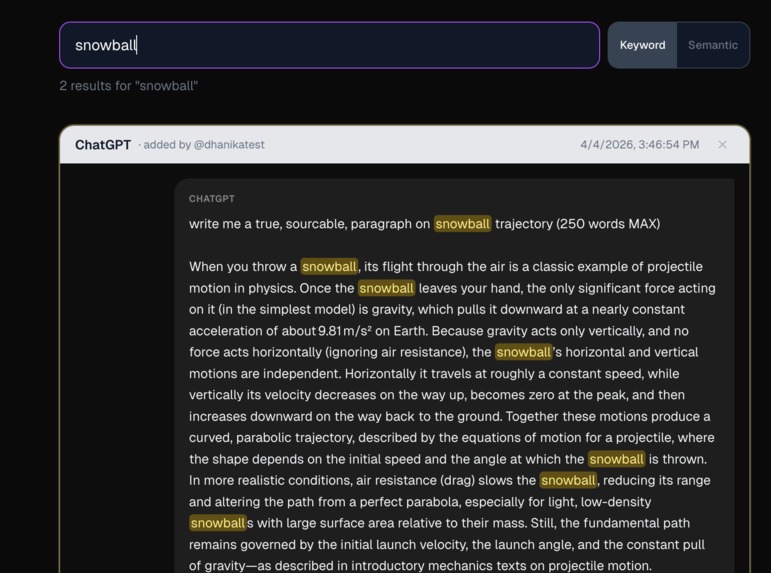
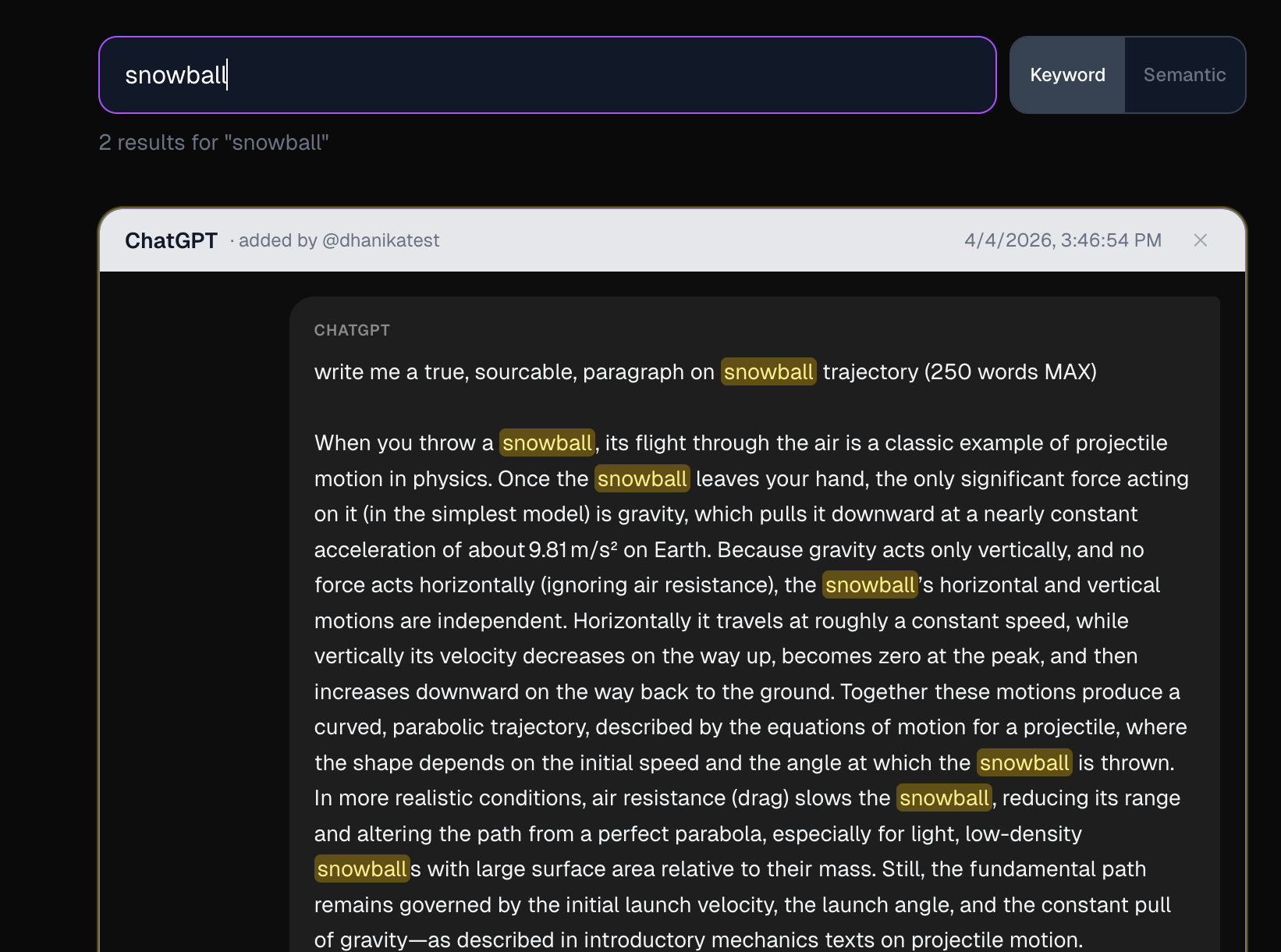
Keyword search
-
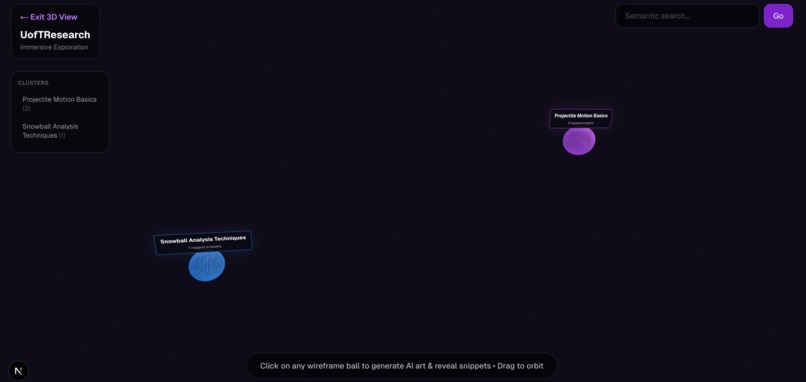
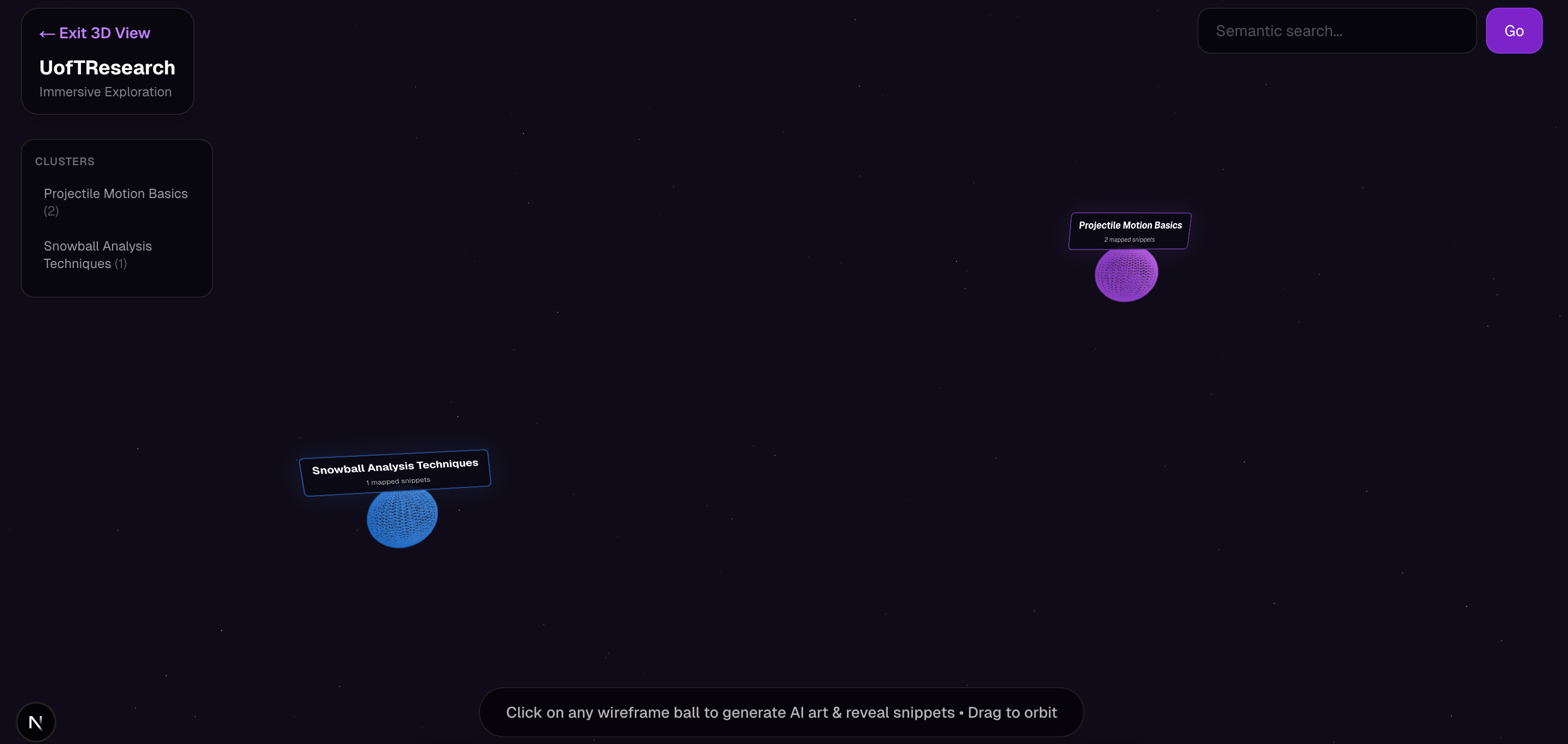
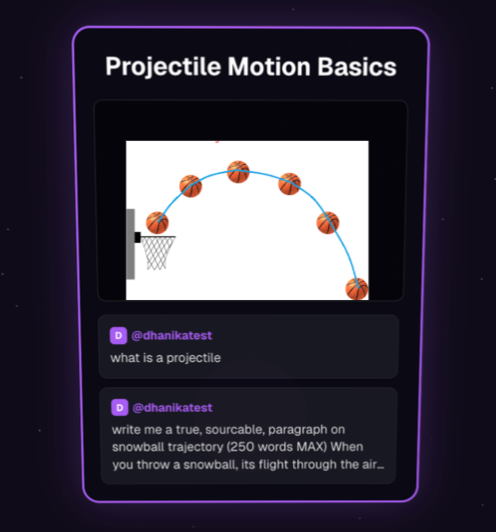
View the topics you have talked about in 3D, which appear as fancy floating balls
-
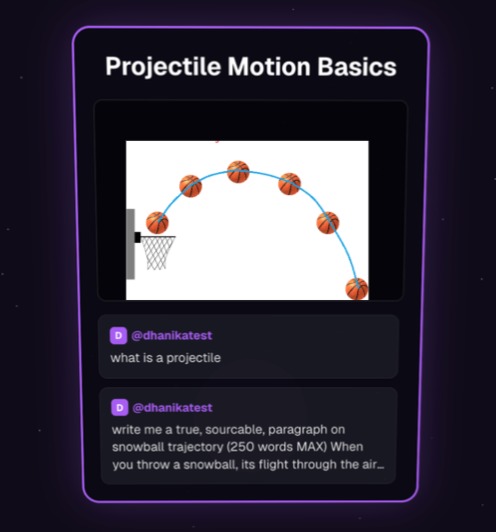
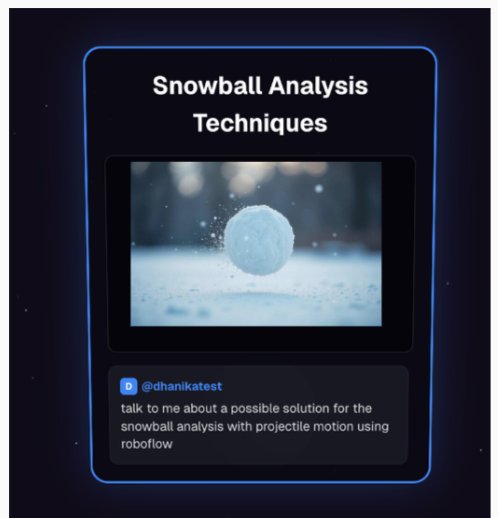
Press on a topic to view relevant chat details and a relevant AI generated image to assist comprehension
-
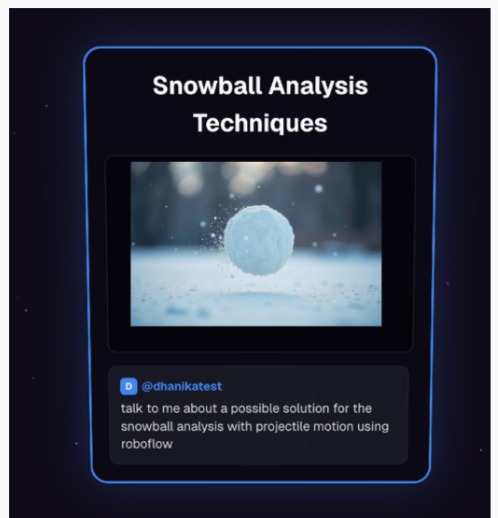
Press on a topic to view relevant chat details and a relevant AI generated image to assist comprehension
Inspiration
Collaborative research today is messy and fragmented. Students and teams constantly switch between multiple AI tools, copy-paste responses, and lose track of sources across tabs and documents.
The classic product we are reimagining is the traditional research workspace, such as shared documents (e.g., Google Docs), notebooks, and browser tabs. These tools were not designed for AI-driven workflows, where information comes from multiple intelligent sources.
We wanted to rethink this entirely by creating a system that is structured, visual, and built specifically for multi-AI collaboration.
What it does
GenSpace is an AI-powered collaborative research workspace that transforms the traditional document into a structured, intelligent system.
Instead of scattered notes and tabs, users can paste conversations from different AI tools into a shared “Space,” where GenSpace:
- Organizes information into a unified workspace
- Automatically extracts and links sources
- Visually distinguishes outputs from different AI models
- Enables semantic (meaning-based) search across all content
- Allows users to explore research in an immersive 3D environment with floating text and AI-generated visuals GenSpace turns fragmented AI outputs into a cohesive, explorable knowledge system.
How it works
Users create a Space and paste conversations from AI tools like ChatGPT, Claude, or Gemini. GenSpace then:
- Parses the conversation into structured messages
- Extracts any links and attaches them as sources
- Tags each message with its AI origin
- Stores everything in a shared database
- Enables searching and exploration through both text and 3D views This allows teams to collaboratively build and navigate research in a much more intuitive way.
How I built it
- GenSpace is built as a full-stack web application:
- Frontend: Next.js + Tailwind CSS for a clean, responsive interface
- Backend: Next.js API routes
- Database: MongoDB for storing users, Spaces, and messages
- Parsing System: Custom logic to structure pasted AI conversations
- Source Extraction: Regex-based link detection and display
- Search: Semantic search powered by embeddings
- 3D Exploration: Three.js / React Three Fiber for interactive research spaces
- AI Integration: Gemini API for generating contextual images
Challenges I ran into
Parsing messy, inconsistent AI chat formats into structured data Ensuring summaries were meaningful rather than vague Designing a UI that balances simplicity with powerful features Managing performance with semantic search and 3D rendering Making multiple AI sources feel unified Keeping scope manageable within hackathon time constraints
Accomplishments that I'm proud of
- Reimagining the research document into an AI-native workspace
- Building a clean and intuitive multi-AI interface
- Implementing source-aware visualization
- Creating a working semantic search system
- Developing an immersive 3D exploration concept
- Delivering a polished prototype within limited time
What I learned
- How to design systems around multi-AI workflows
- The importance of structuring unstructured data
- Tradeoffs between ambitious ideas and feasibility
- How semantic search improves discovery over keyword search
- How spatial interfaces can enhance understanding
What's next for GenSpace
- Browser extensions to directly import AI chats
- Support for more AI tools and integrations
- Mobile-friendly version
- Real-time collaboration
- Smarter clustering and knowledge graphs
- Improved 3D navigation and interaction
Built With
- gemini
- javascript
- mongodb
- next.js
- openai
- tailwind
- three.js
- typescript

Log in or sign up for Devpost to join the conversation.