-
-
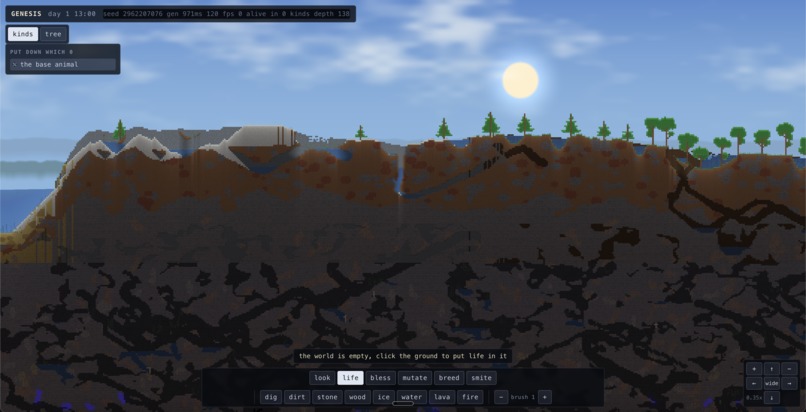
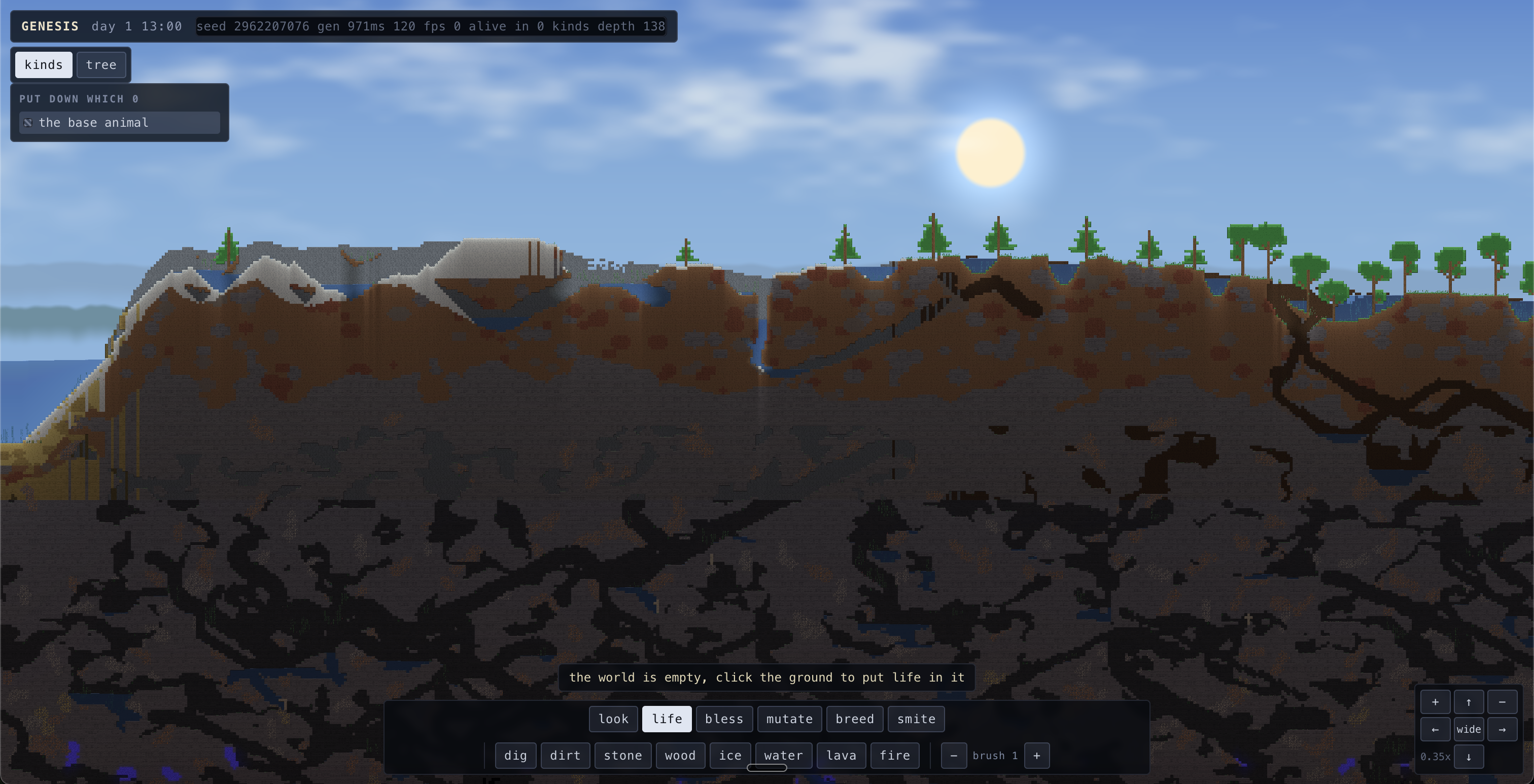
The World Genesis Provides
-
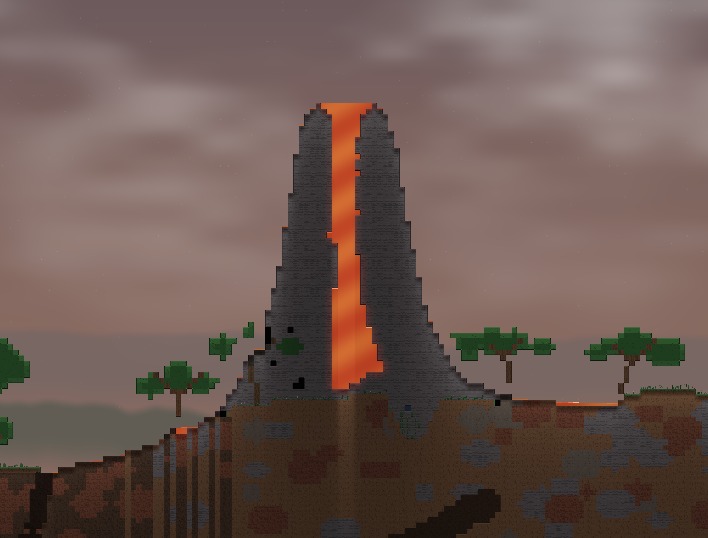
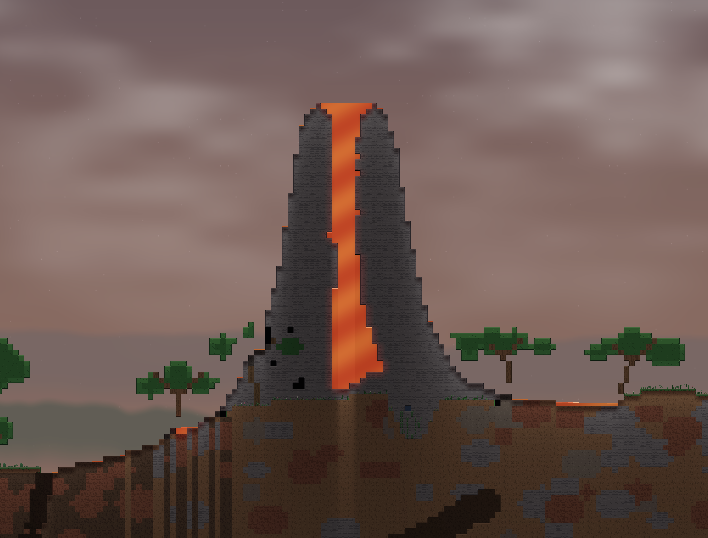
A Volcano Built Using the Terrain System
-
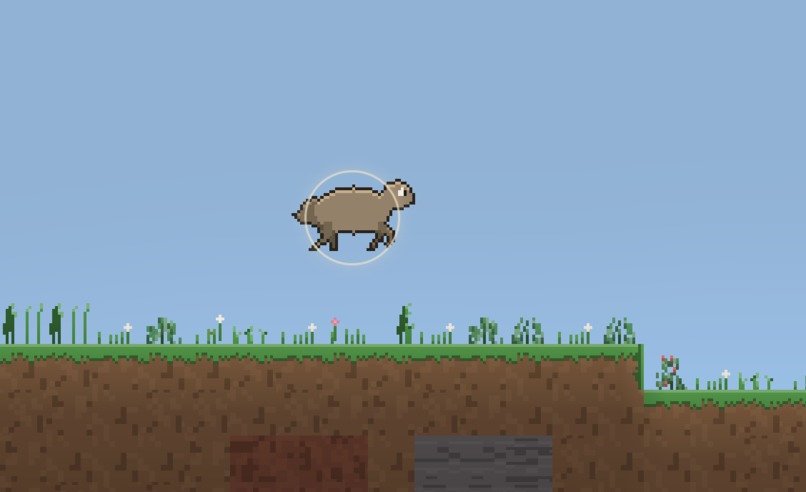
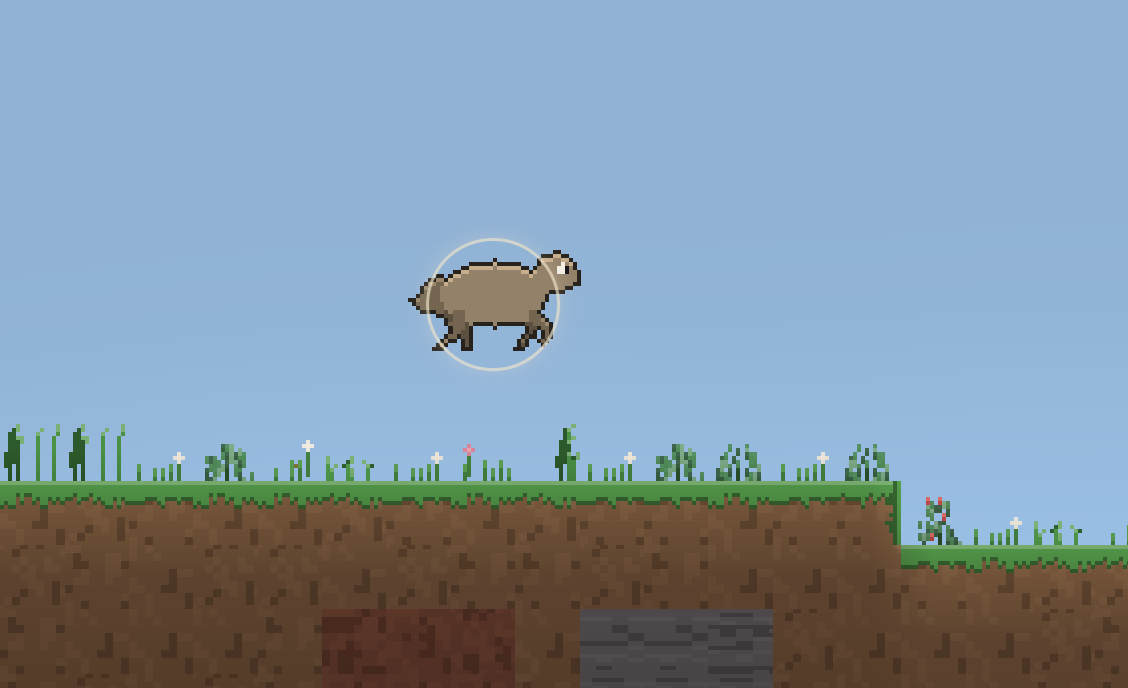
The First Glimpse of Life
-
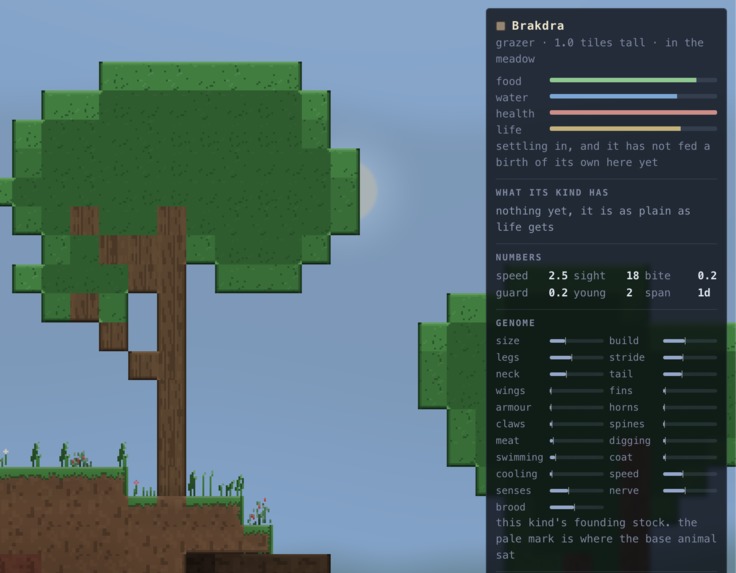
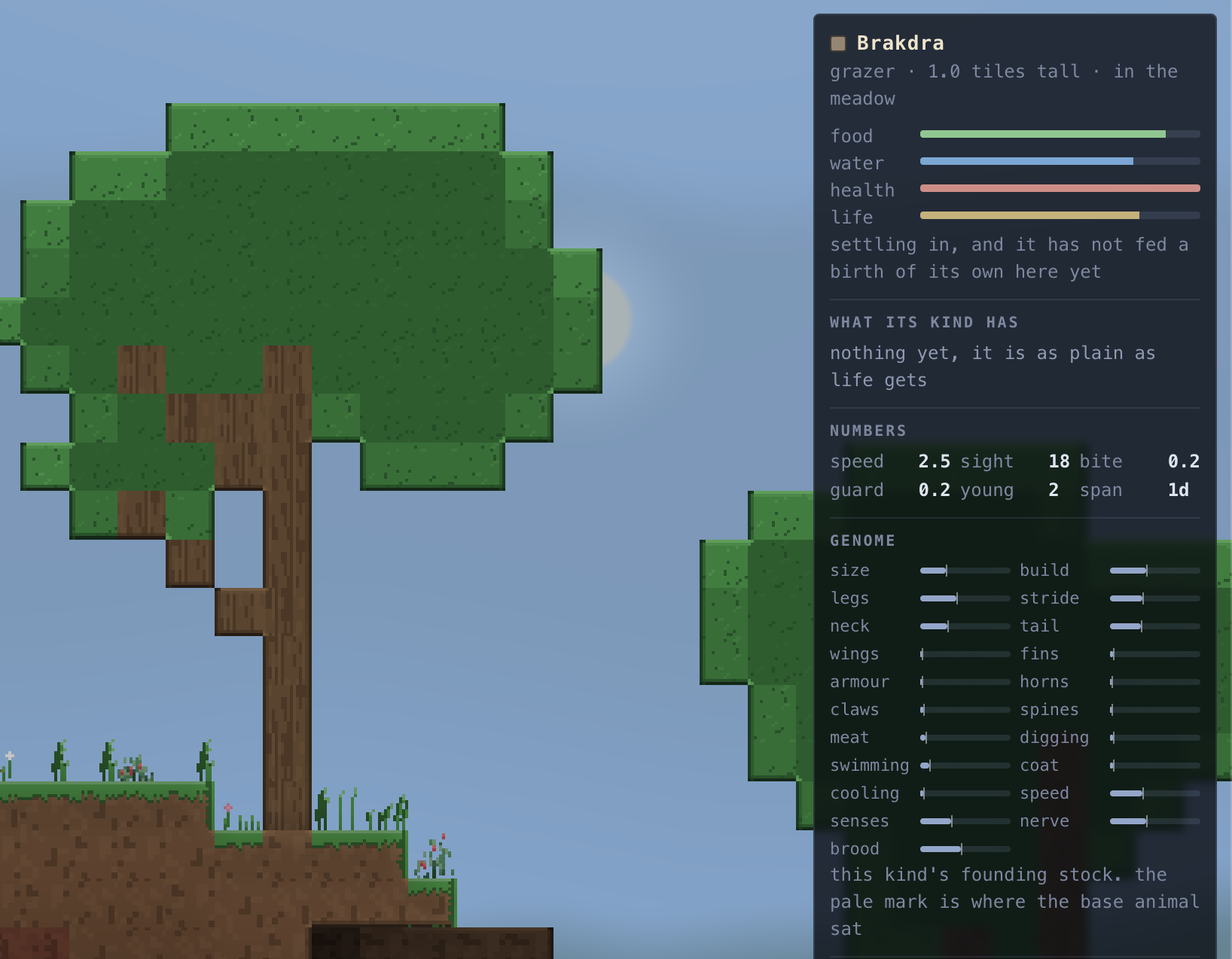
The Inspect Card with Details on the First Organism
Inspiration
I've always believed that the beauty of life is an art of its own, so Genesis was built around a simple question:
What if evolution itself was the creative medium?
Most evolution simulators rely on predefined species, handcrafted assets, or scripted behaviors. We wanted to build something fundamentally different: a world where every organism, every ecosystem, and every adaptation emerges entirely from code.
Genesis explores the idea that technology doesn't just display art—it creates it. Every simulation becomes a unique living artwork shaped jointly by the player and natural selection. No two worlds evolve the same way, and even we can't predict what life will become.
What it does
Genesis is an interactive artificial life simulation where evolution, ecosystems, and every creature emerge entirely from code. There are no pre-made animals, models, textures, or evolutionary scripts. Every organism is procedurally generated from its genome, and every adaptation observed is the result of environmental pressure rather than handcrafted rules.
Raise mountains, carve rivers, flood valleys, or freeze entire regions. Within minutes, populations begin adapting to the world you've created. Species split apart, new traits emerge, lineages go extinct, and entirely different ecosystems develop from identical starting conditions.
Unlike traditional simulations, Genesis doesn't contain a list of species or predefined evolutionary paths. Every world begins with the same three organisms. Everything after that is an emergent consequence of mutation, inheritance, natural selection, and the environment itself.
The same genetic information that determines how an organism behaves also determines how it looks. Wings aren't cosmetic, and fur isn't decorative. Every visible feature is generated directly from the same genome that drives the simulation, so every physical adaptation reflects a real evolutionary advantage.
Genesis isn't meant to be watched. It's something to experiment with.
Create lakes and watch aquatic species emerge.
Split continents apart and isolate populations until they diverge into entirely new species.
Transport organisms across the map and observe how they adapt to unfamiliar environments.
Flood caves. Ignite forests. Cover glaciers with lava. Every change to the environment becomes a new evolutionary pressure that permanently alters the trajectory of life.
Change the rules that determine which life survives.
How we built it
Genesis was built entirely from scratch using plain JavaScript ES modules and WebGL2, without a game engine, external libraries, or third-party assets.
Every creature is generated directly from its genome at runtime rather than selected from a library of assets. The same genetic representation drives both appearance and behavior, ensuring that visible traits always correspond to biological adaptations.
The world itself is built from interconnected systems for terrain, climate, liquids, vegetation, light propagation, genetics, mutation, inheritance, and natural selection. Rather than scripting evolution, Genesis creates a world where evolution emerges naturally from thousands of continuous interactions between organisms and their environment.
Everything is deterministic and seed-based, making every simulation perfectly reproducible while allowing entirely different worlds to emerge from different starting seeds.
Challenges we ran into
Building believable evolution turned out to be far more difficult than simply adding mutations.
The biggest challenge was designing systems that produced meaningful emergent behavior instead of scripted outcomes. Every adaptation needed real trade-offs, and environmental pressures had to reward useful traits without ever explicitly telling organisms how to evolve.
Because every system interacts with every other system, debugging often meant understanding why an entire ecosystem evolved a certain way rather than fixing a single bug. We spent significant time refining behaviors like aquatic navigation, aerial movement, species diversification, and environmental adaptation to ensure evolution consistently produced believable results.
Balancing open-ended emergence while keeping simulations stable, interesting, and diverse was easily the hardest part of the project.
Accomplishments that we're proud of
We're most proud that Genesis doesn't just simulate evolution—it makes evolution the creative process.
Some of our favorite accomplishments include:
- Procedurally generating every organism directly from its genome.
- Building ecosystems where species emerge without predefined templates or evolutionary paths.
- Creating an interactive world where every player action permanently influences evolutionary history.
- Making appearance and behavior originate from the exact same genetic representation.
- Building fully reproducible simulations where identical seeds produce identical evolutionary histories, while different seeds generate completely different worlds.
- Demonstrating that technology itself can become the artistic medium rather than simply displaying digital art.
Watching entirely new species emerge from identical starting conditions remains one of the most rewarding parts of the project.
What we learned
This project taught us that the most interesting systems come from simple rules interacting with one another.
Rather than scripting behaviors directly, we learned that independent systems can produce outcomes that are far more creative and believable than anything we could have designed by hand.
We also gained a much deeper appreciation for how sensitive evolution is to environmental pressures. Small changes to the world can completely reshape an ecosystem over time, and designing systems that consistently produce those emergent behaviors requires thinking less like a programmer and more like nature.
What's next for Genesis: A Self-Evolving Life Sandbox
Genesis is only the beginning.
We want to expand the simulation with richer genetics, predator-prey relationships, social behaviors, larger ecosystems, and even more environmental systems that create new evolutionary pressures.
We're also exploring persistent simulations that evolve over days or weeks, larger worlds, and better visualization tools for exploring evolutionary history and species relationships.
Ultimately, we want Genesis to become a platform for experimenting with artificial life—one where every simulation becomes a unique work of computational art that couldn't exist without technology.


Log in or sign up for Devpost to join the conversation.