Inspiration
Living in an era where genetic data is exploding—think 23andMe kits and clinical sequencing—I got hooked on the idea of protecting that data from misuse. HudsonAlpha’s mission to advance genomics for health and their hackathon’s vibe of tackling real-world biotech challenges inspired me. What if we could catch genomic data breaches or tampering as they happen, like a smoke alarm for your DNA?
What It Does
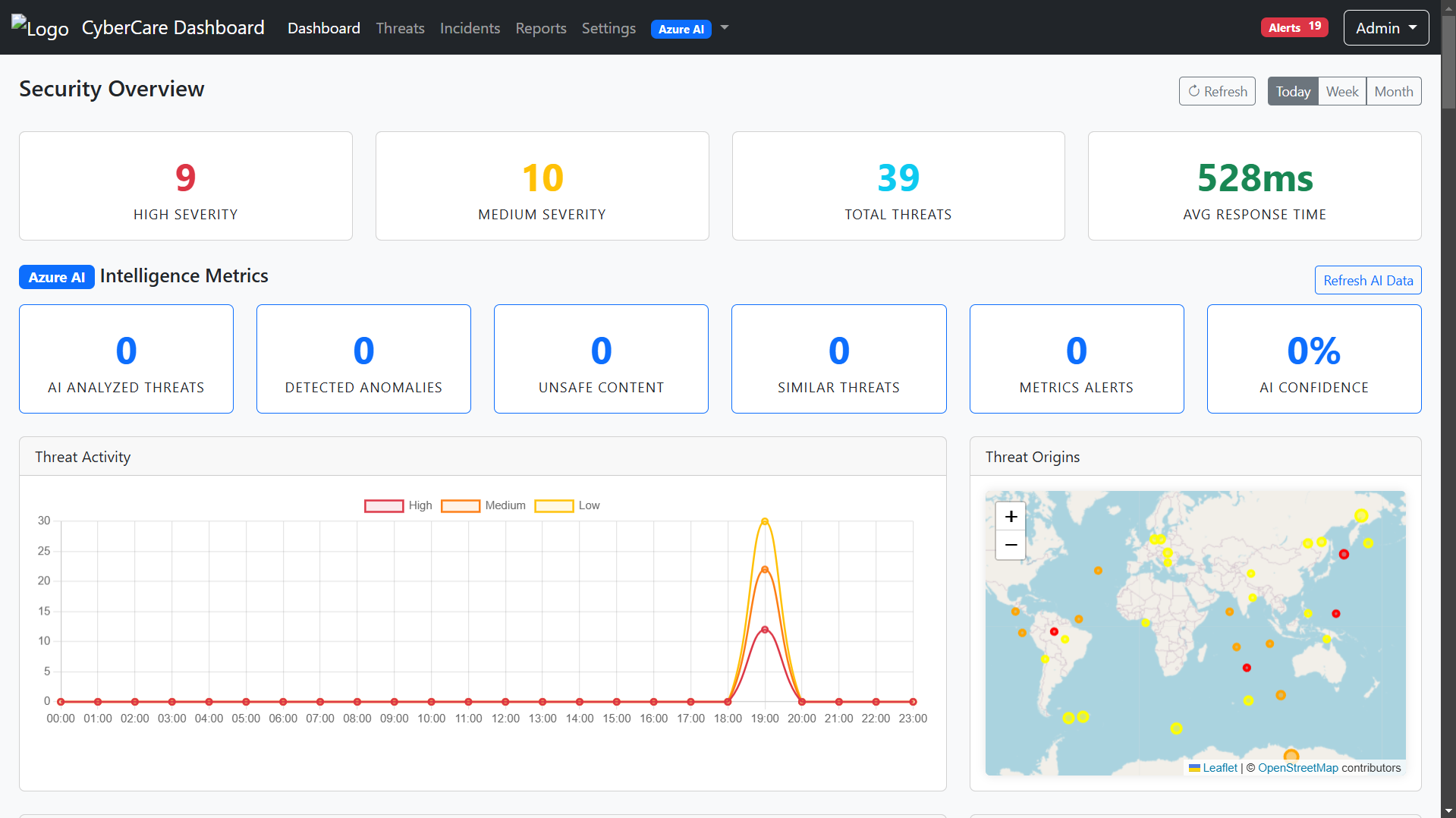
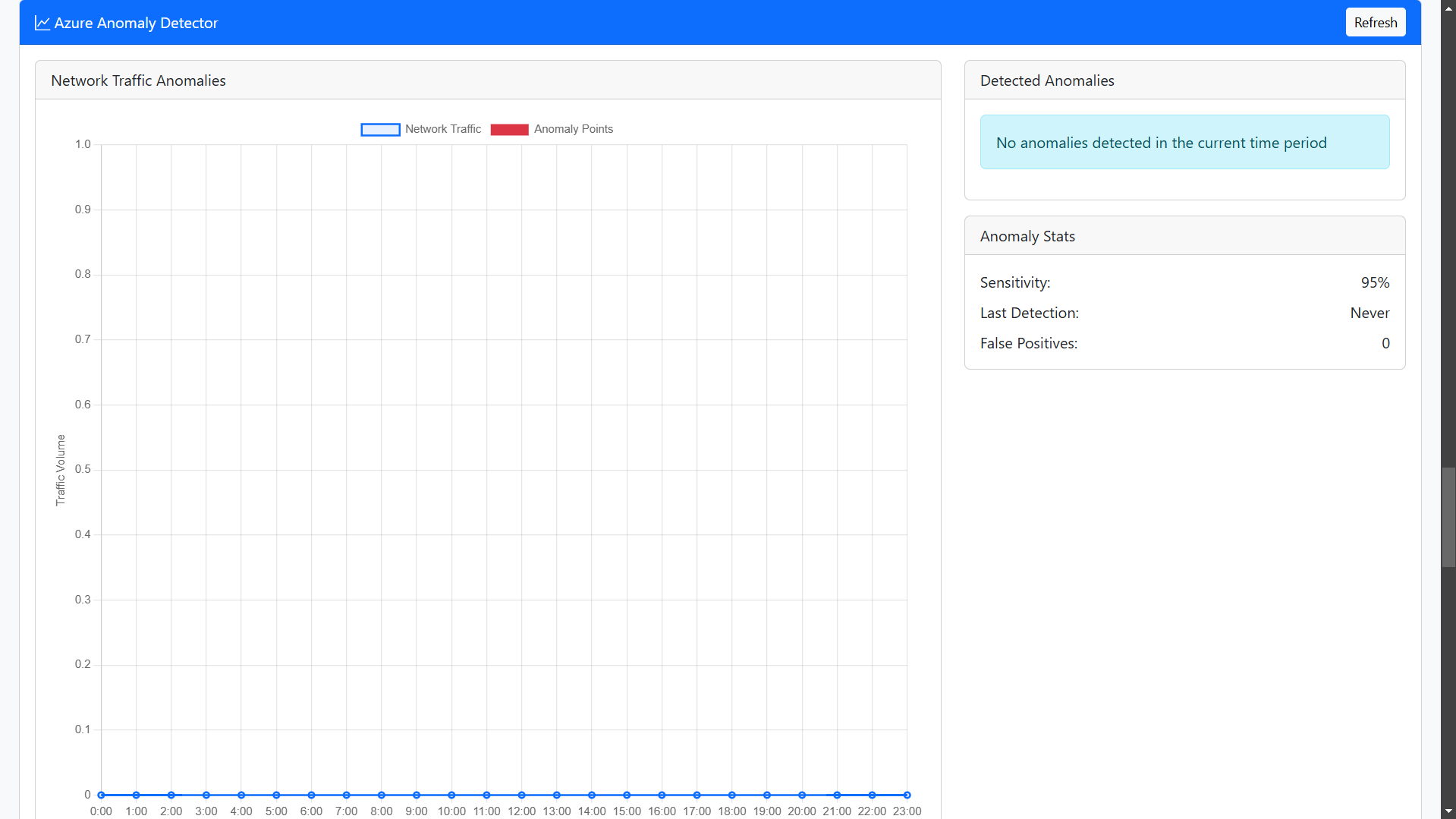
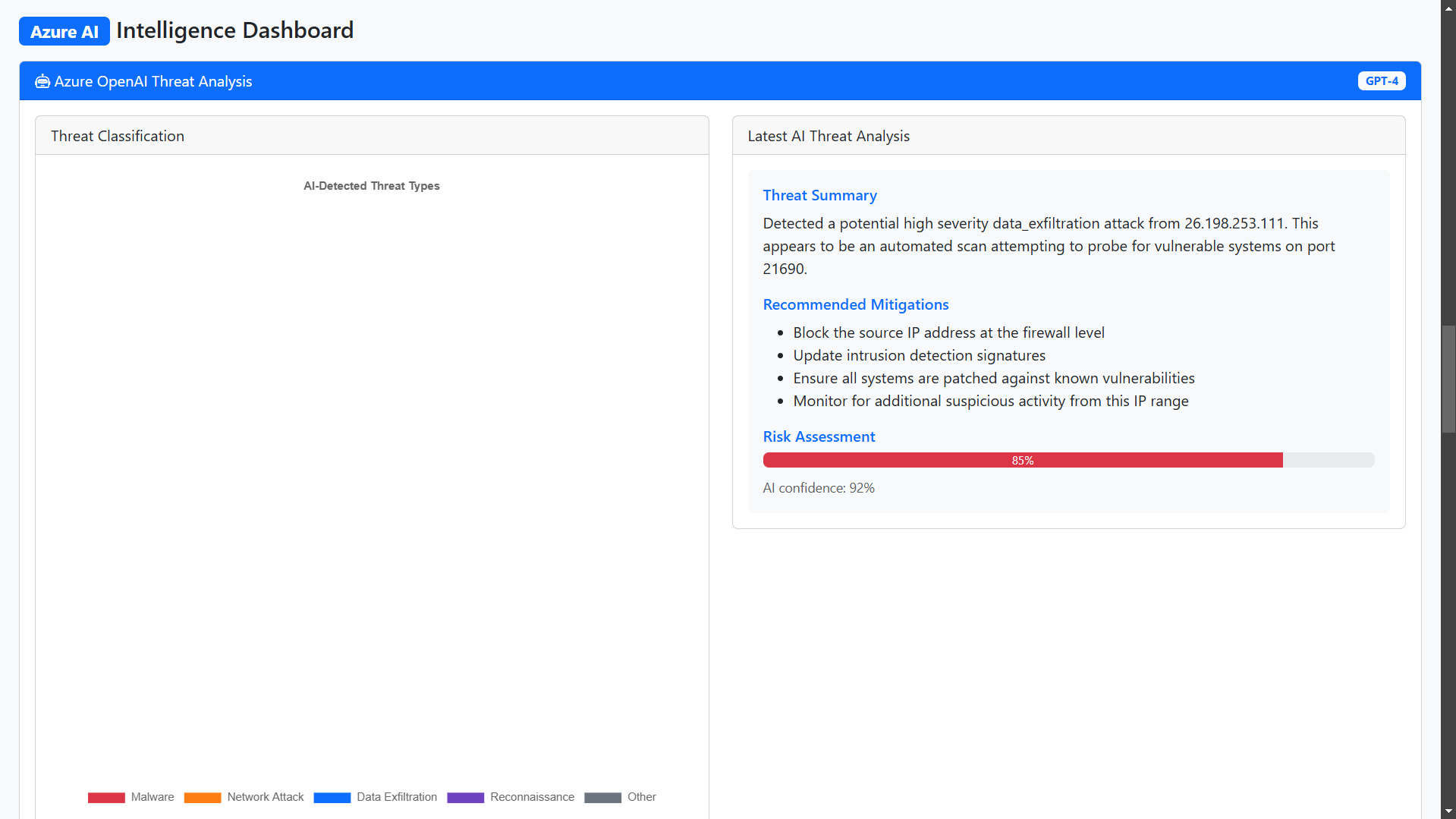
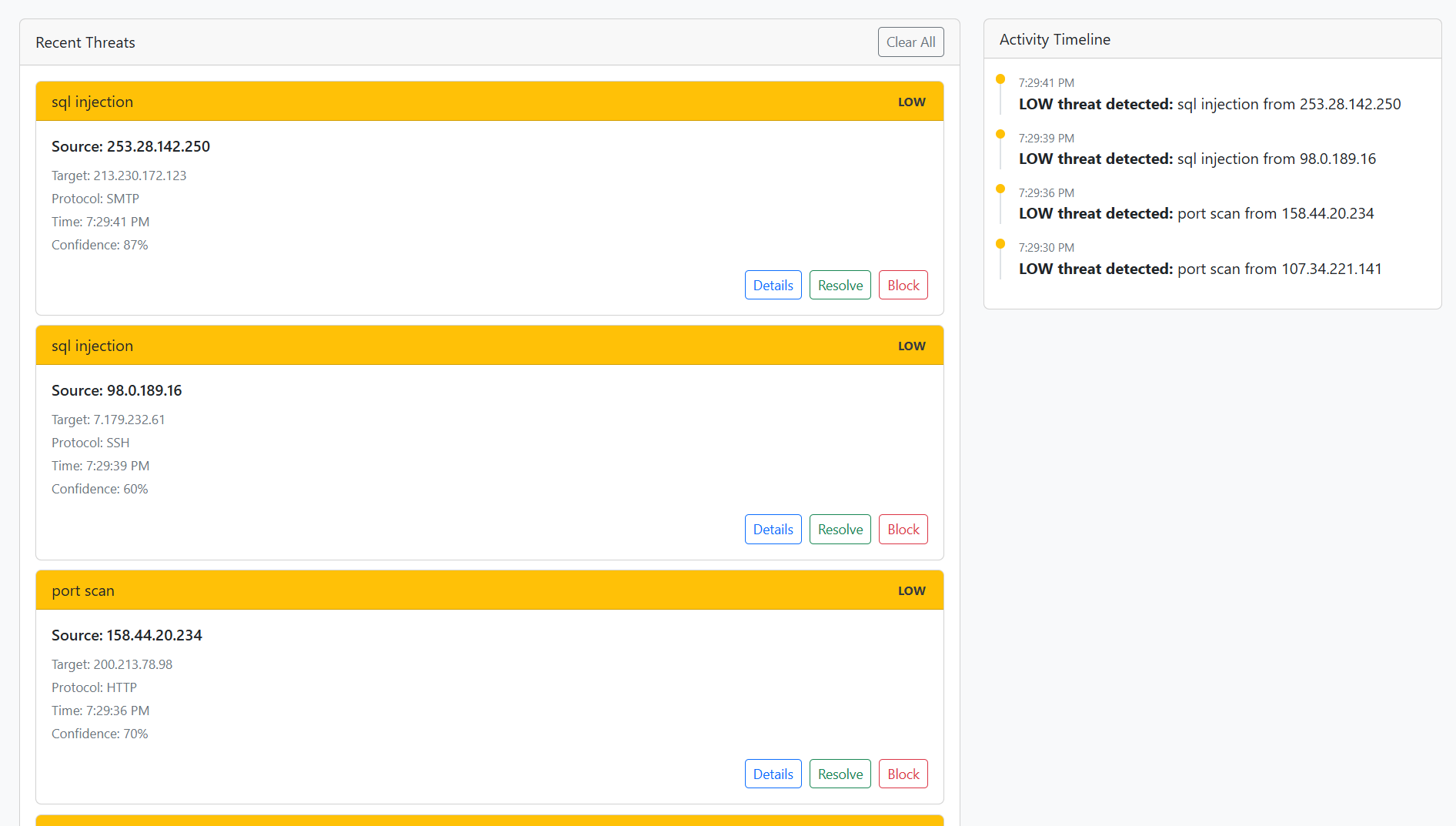
GeneSentry is a tool that monitors genomic datasets in real time to detect anomalies—think unauthorized access, data corruption, or even subtle signs of synthetic DNA manipulation (like biohacking threats). It flags these issues instantly, alerting researchers or clinicians via a simple dashboard, and logs the incident securely for later analysis.
How to Build It
Data Input: Use a sample genomic dataset (e.g., FASTQ files or VCFs from HudsonAlpha’s public resources).
Core Logic: Write a Python script with a lightweight anomaly detection algorithm (e.g., Isolation Forest or a simple statistical threshold) to spot weird patterns—like unexpected base pair changes or access spikes.
Edge Deployment: Package it with Docker to run on local servers or edge devices, mimicking a real-world setup.
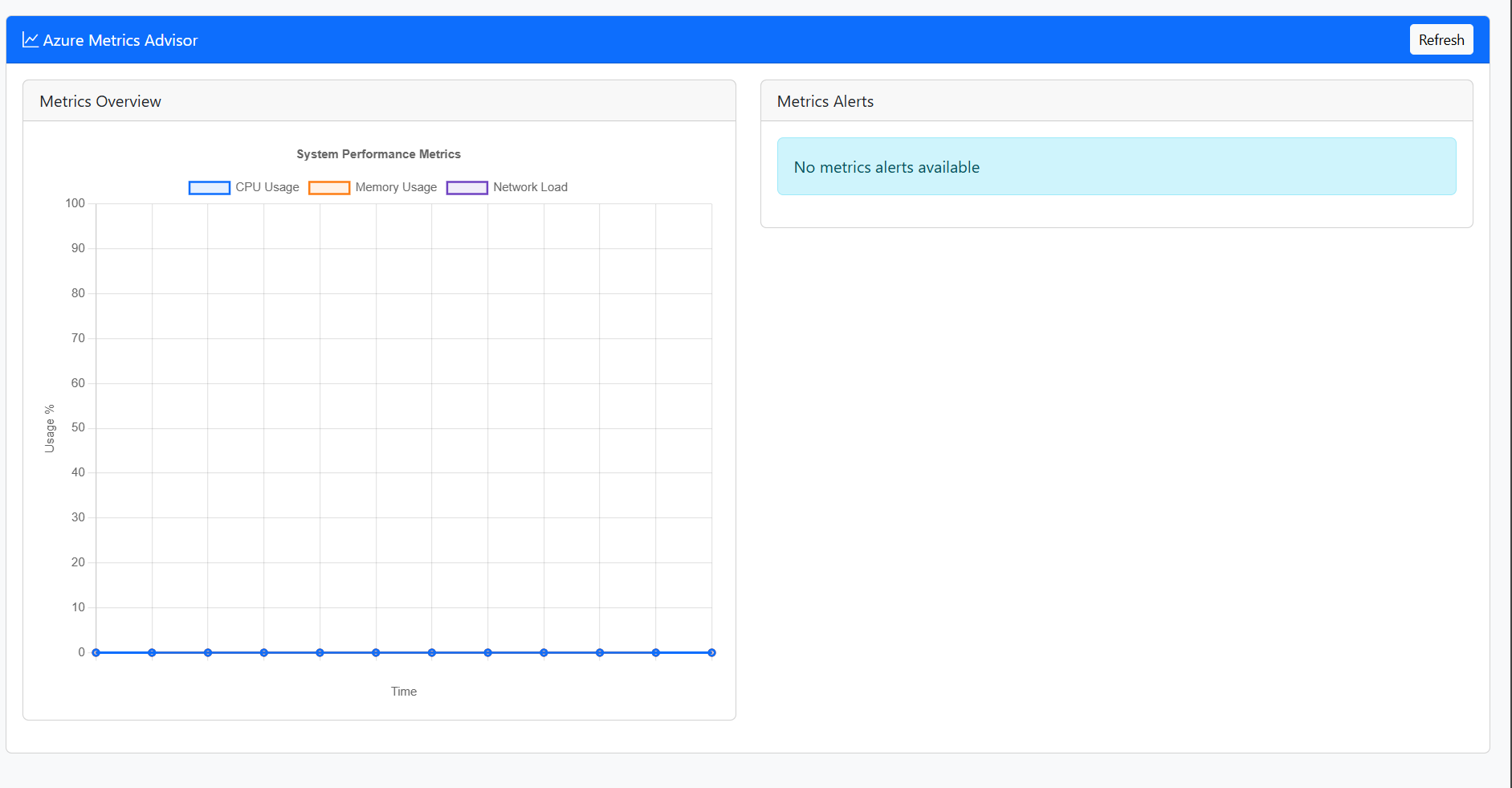
Dashboard: Slap together a Flask-based web interface to show alerts and logs.
Security: Hash sensitive data with SHA-256 and store logs in SQLite with basic encryption.
Target Deployment Scenario
Research labs handling sensitive patient genomes.
Clinical settings integrating genomic data into diagnostics.
Biotech startups scaling up sequencing operations.
Technical Details
Architecture: Edge nodes process data locally, syncing alerts to a central hub only when connected.
API: A POST endpoint (/scan) takes genomic snippets and returns anomaly scores.
AI Model: A pre-trained Isolation Forest (tweakable via scikit-learn) flags outliers in read depth or mutation rates.
Performance: Aim for <1s detection latency on a Raspberry Pi-class device.
Security: Encrypt logs with AES-128; use JWT for dashboard access.
Challenges to Tackle
Keeping it lightweight enough for edge hardware without sacrificing accuracy.
Simulating realistic “threats” (e.g., injecting fake mutations) for testing.
Balancing false positives—don’t want it crying wolf every five minutes.
Why It Fits HudsonAlpha
HudsonAlpha’s all about pushing genomic science into practical, impactful territory. GeneSentry aligns with their focus on health and bioinformatics, offering a tool that could safeguard the future of personalized medicine. Plus, it’s got that hackathon flair—quick to prototype, flashy to demo, and solves a problem people care about.
Built With
Languages: Python (logic), JavaScript (dashboard)
Frameworks: Flask (web), scikit-learn (ML)
Platforms: Docker (deployment)
Databases: SQLite (local logs)
APIs: Custom REST API for data scanning