Motivation
Blockchain runs computations on all nodes of the network, resulting in high costs to implement a truly P2P marketplace that any type of tokens can be traded as the surge of GameFi/Metaverse popularity we yet have no sustainable solution to trade gamefi items from one platform to another without exchange them into high-volatile native tokens first.
What it does
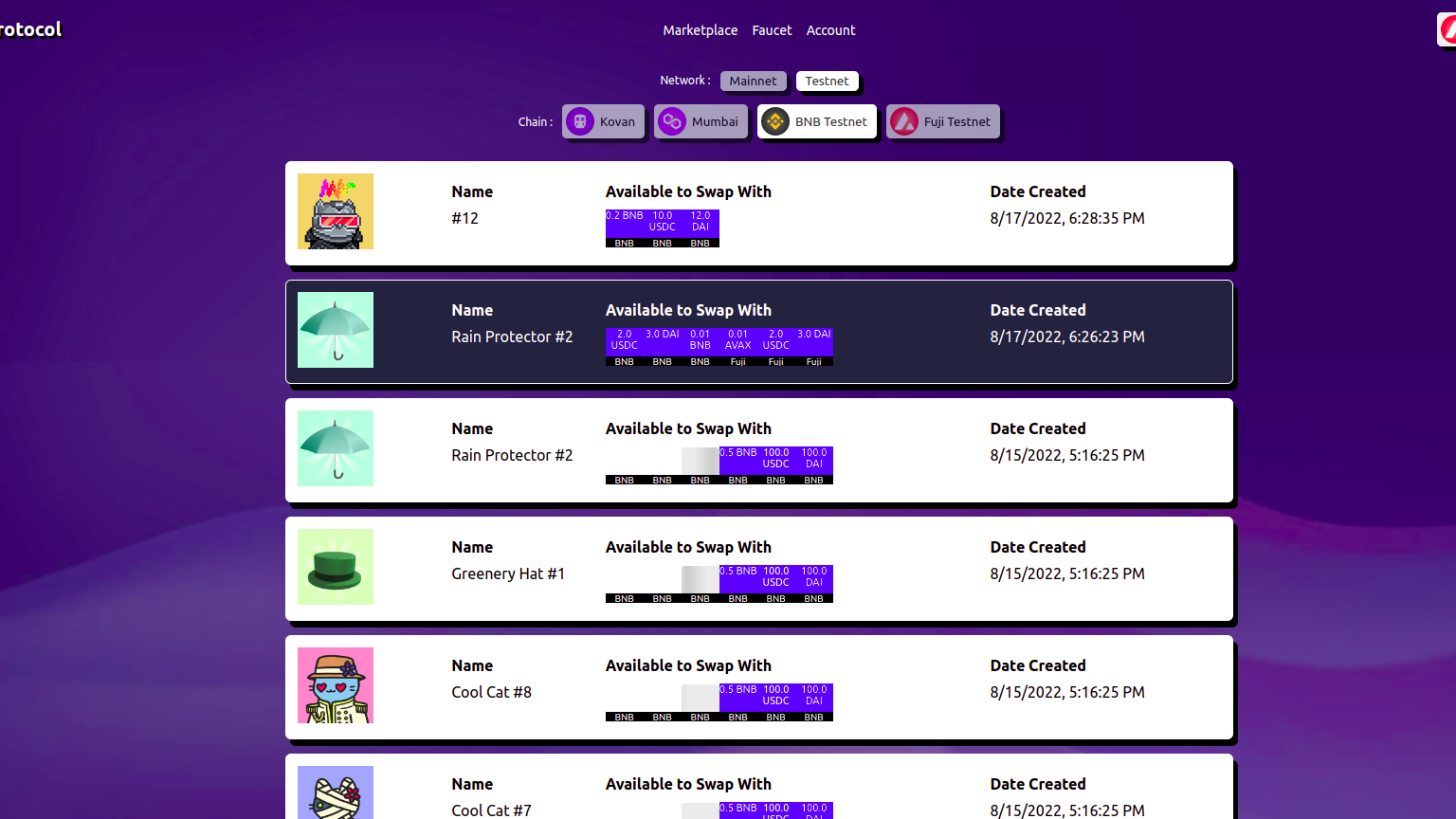
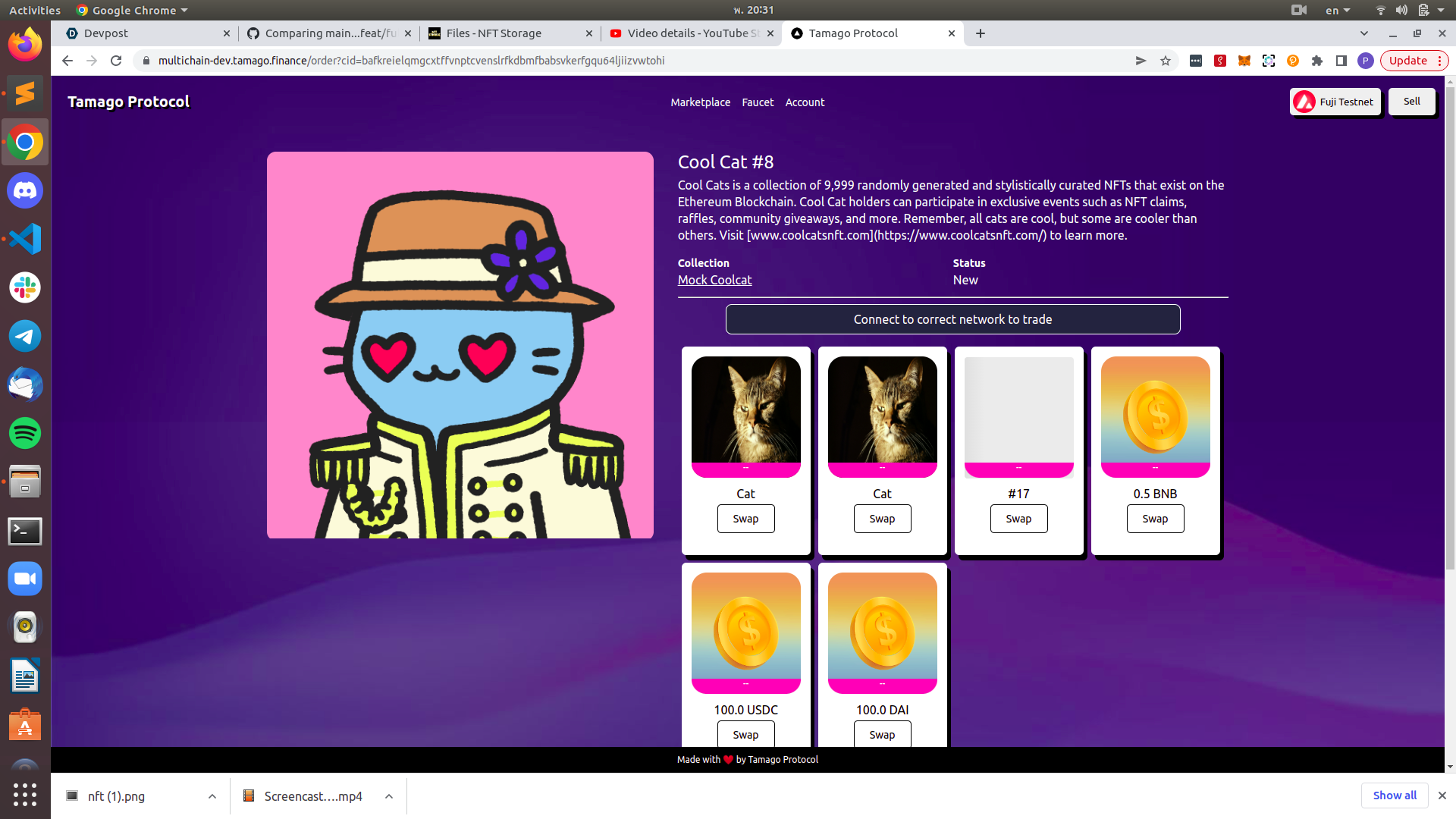
Tamago Protocol is a multi-chain native P2P trading protocol powered by Filecoin networks. It helps anyone create off-chain entries contain assets to be prices and terms and link them to the EVM-based blockchain via the Merkle tree root's hash support of ERC-20, ERC-721 and ERC-1155, after the order is set, potential buyers can check the details retrieved from IPFS and further generate a proof to swap the asset in a decentralized manner.
How we built it
We utilized the Merkle Tree verification together with the off-chain storage from Filecoin serves as a single source of truth makes anyone accepts payment with any type of assets, the Moralis API has been using for catch and store events dispatched from the smart contract.
Challenges we ran into
Multi-chain transaction is always complex, at the beginning we would like to integrate with 3rd parties such as Chainlink's CCIP but later we decided to make cross-chain communication module by ourselves that we can easily on-board new blockchain networks.
Accomplishments that we're proud of
For trading the asset at the same chain, the flow is fully decentralized, the user made a self-contract by themselves even us cannot alter or influence conditions between the users. While the cross-chain transaction may sacrifice decentralization.
What's next for Tamago Protocol
- UI/UX is messy, we would need the professional designer to re-design it.
- Support multiple validator nodes


Log in or sign up for Devpost to join the conversation.