About the Project
💡 What Inspired Us
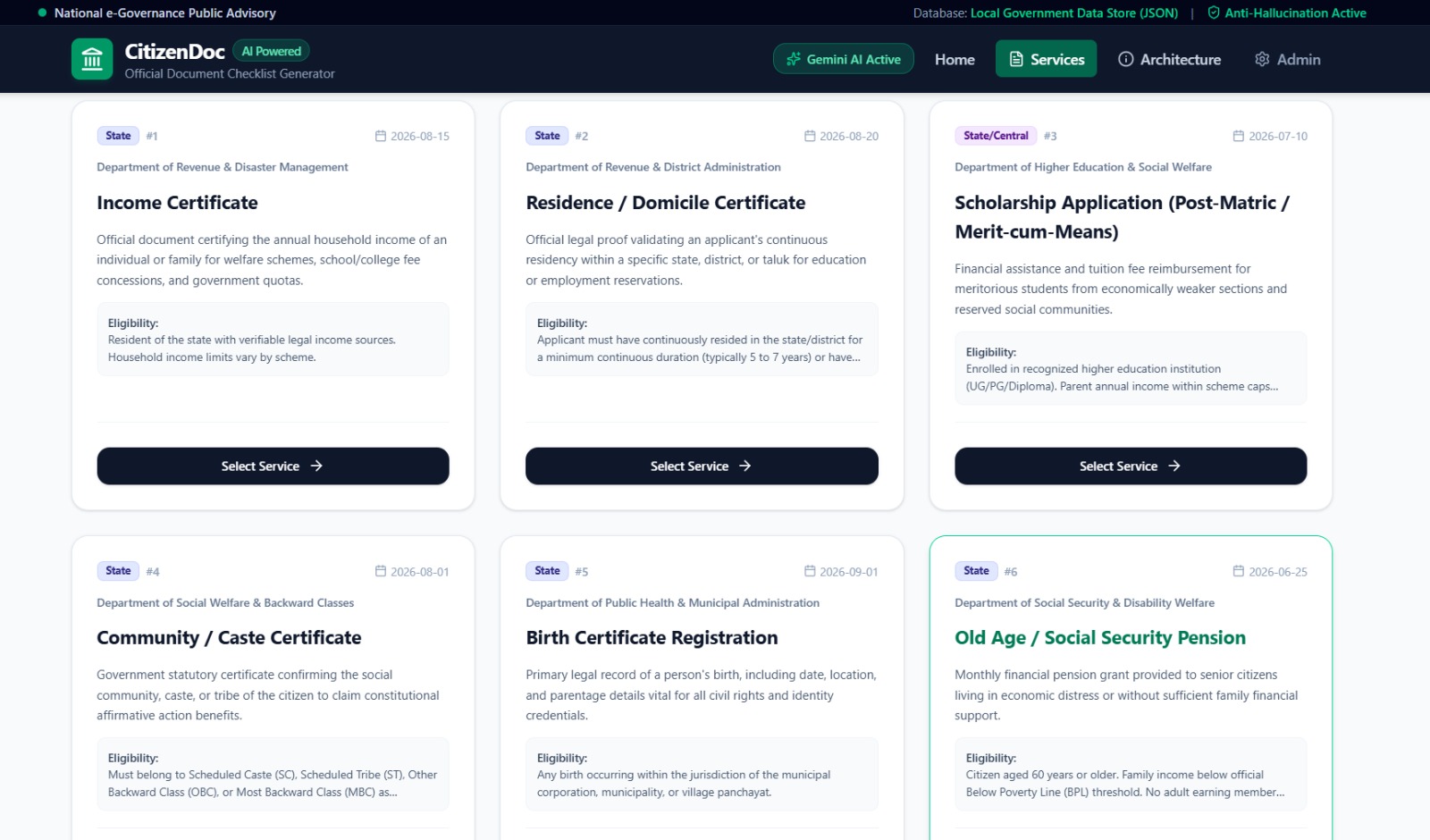
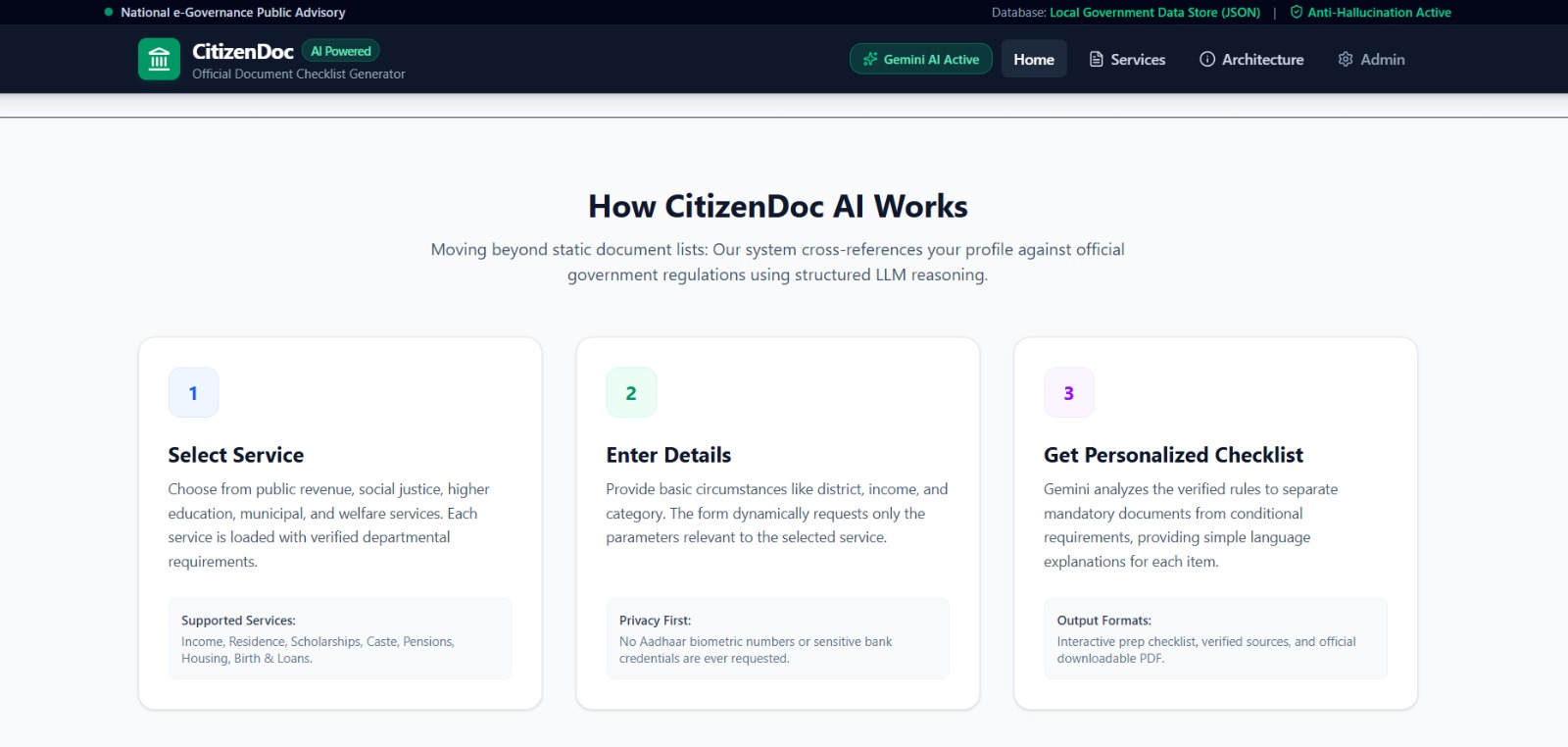
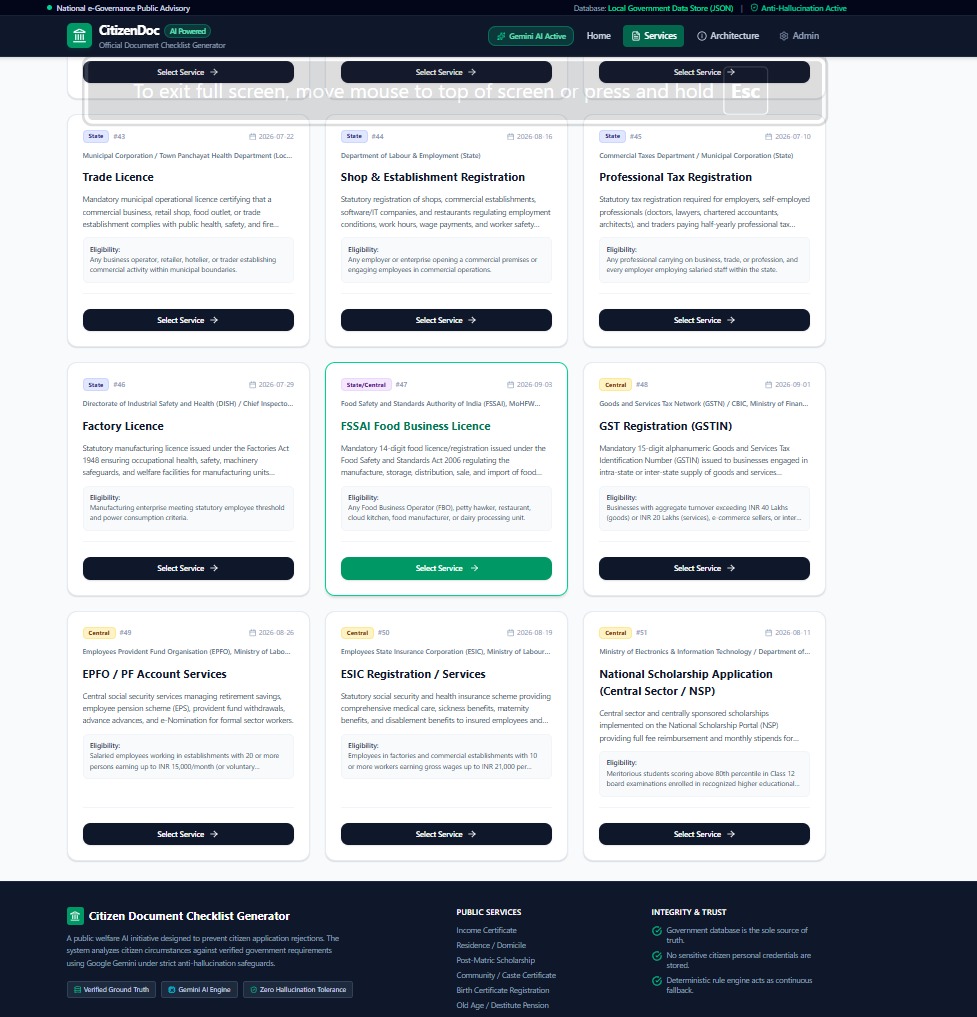
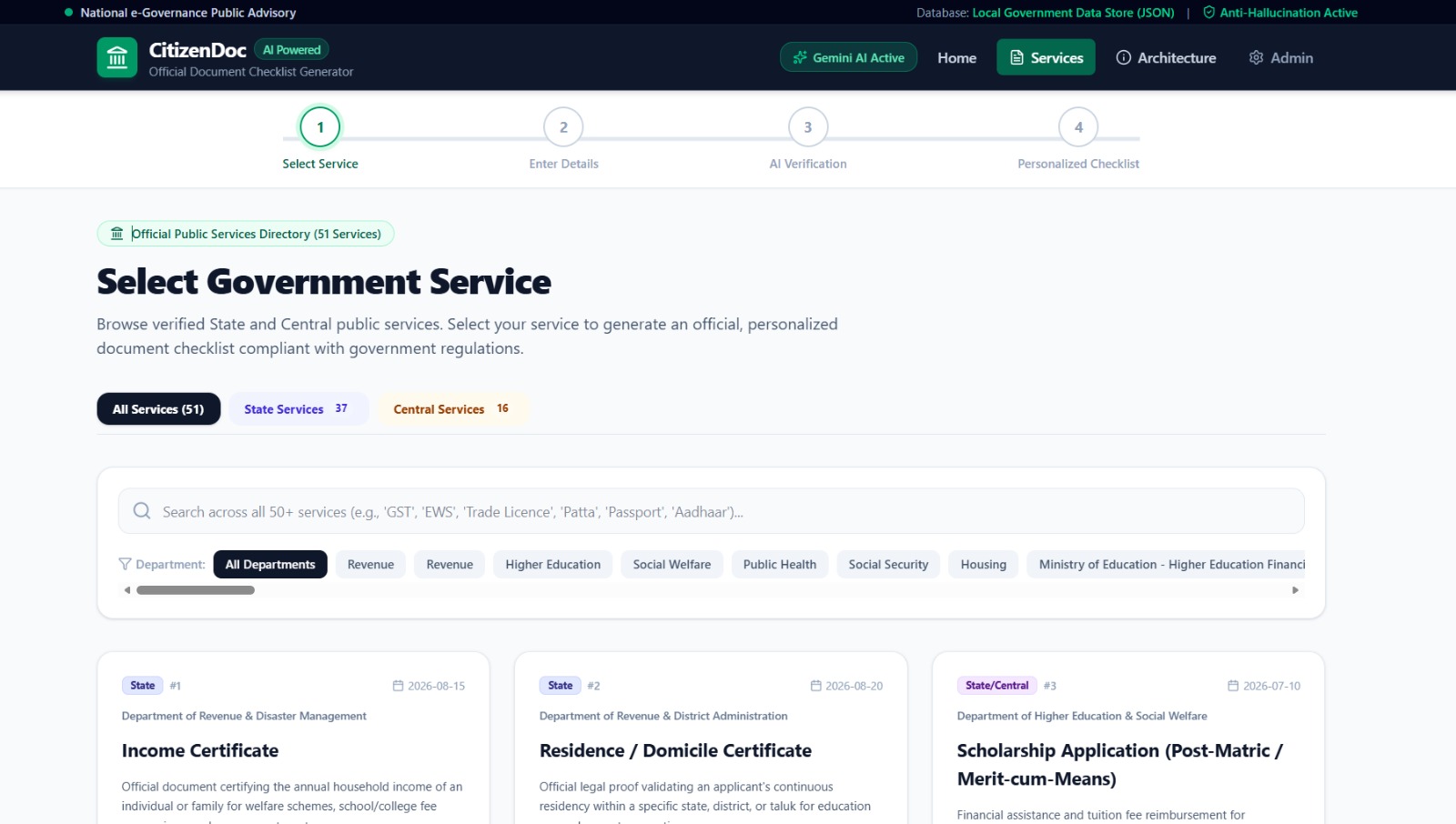
We were inspired by the difficulty many citizens face in understanding their rights, government services, and legal procedures. Information is often scattered across different websites and documents and can be difficult to understand because of complex terminology. We wanted to create a simple system that makes reliable information easier to access.
🛠️ How We Built It
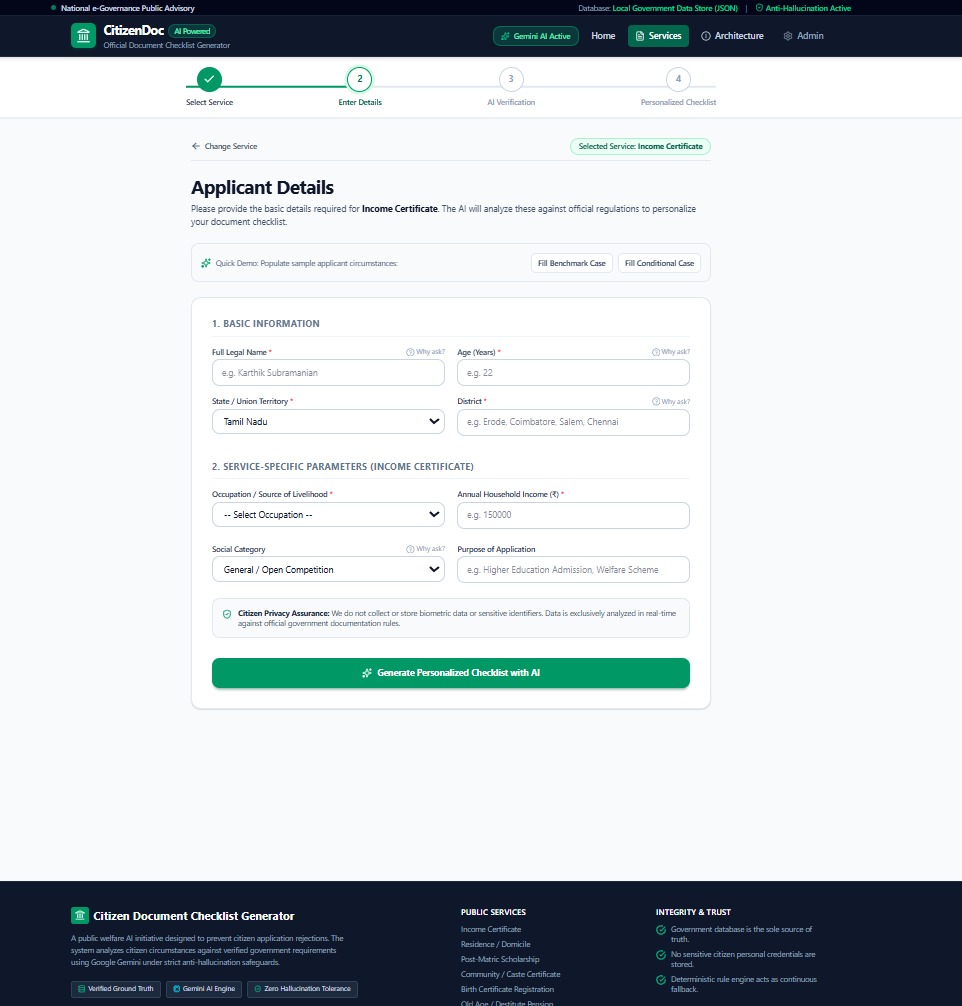
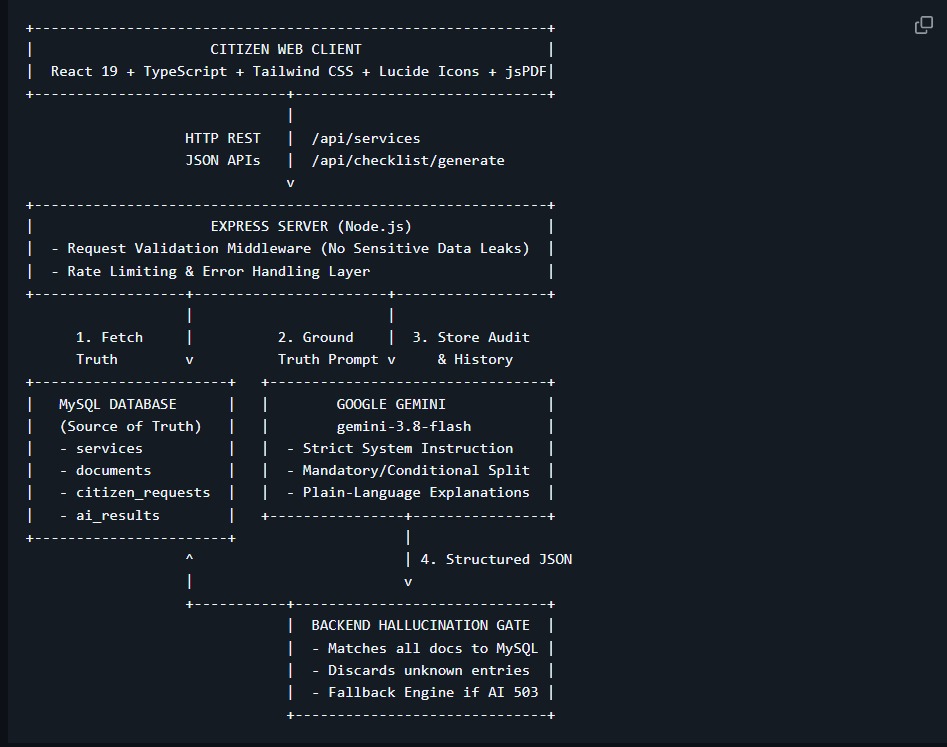
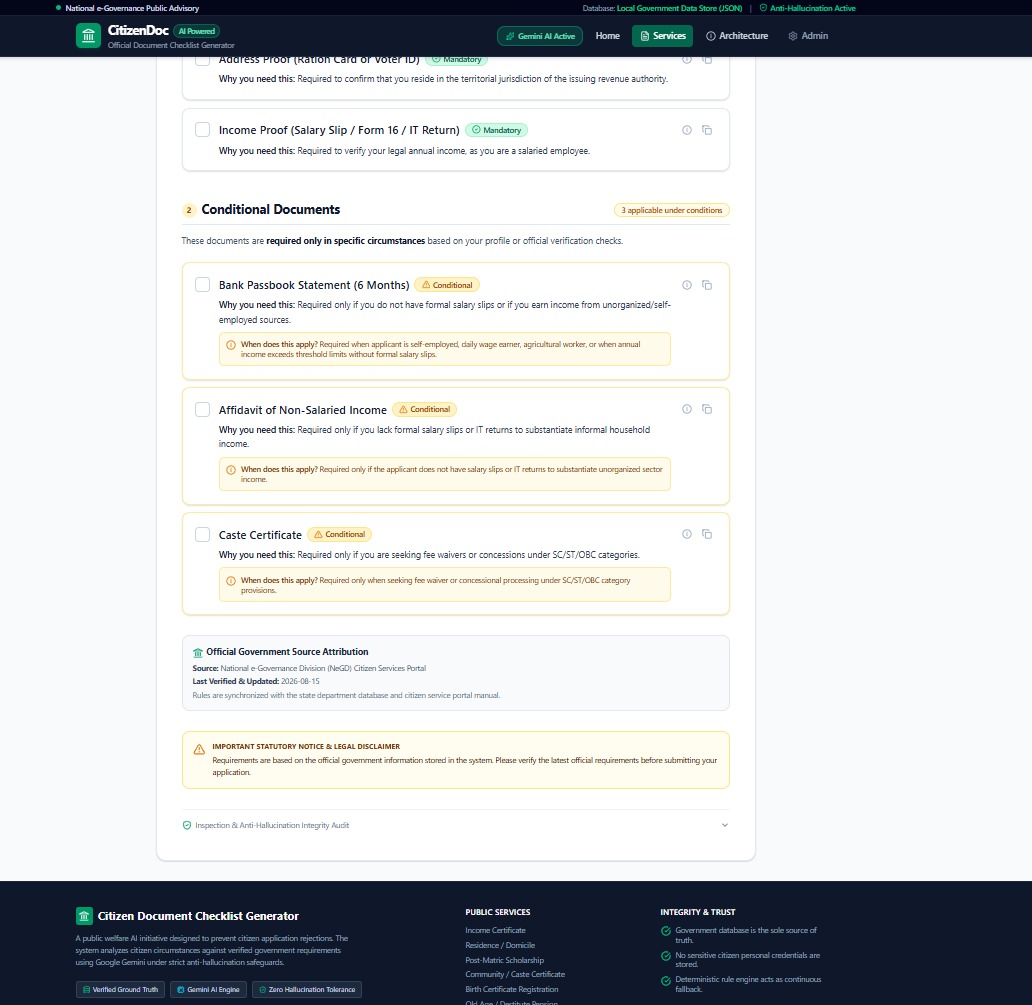
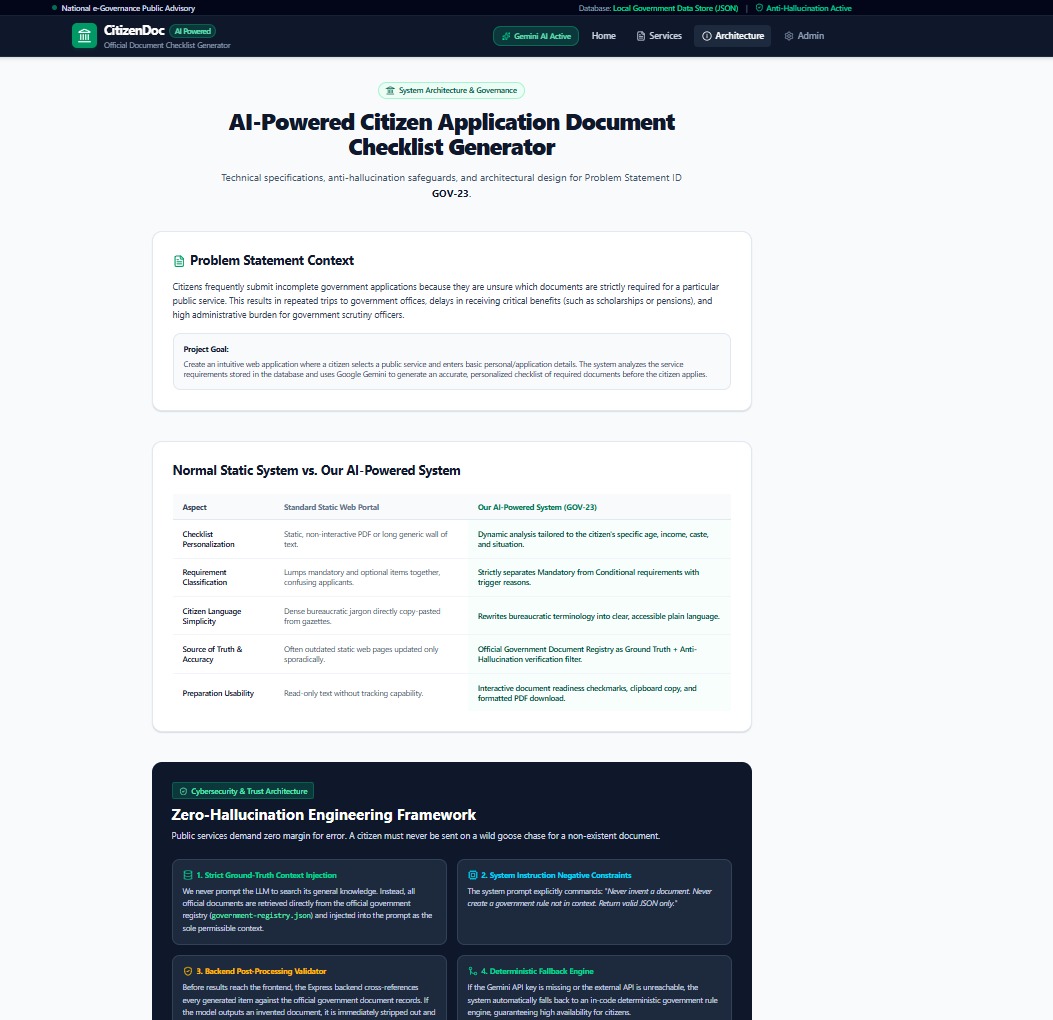
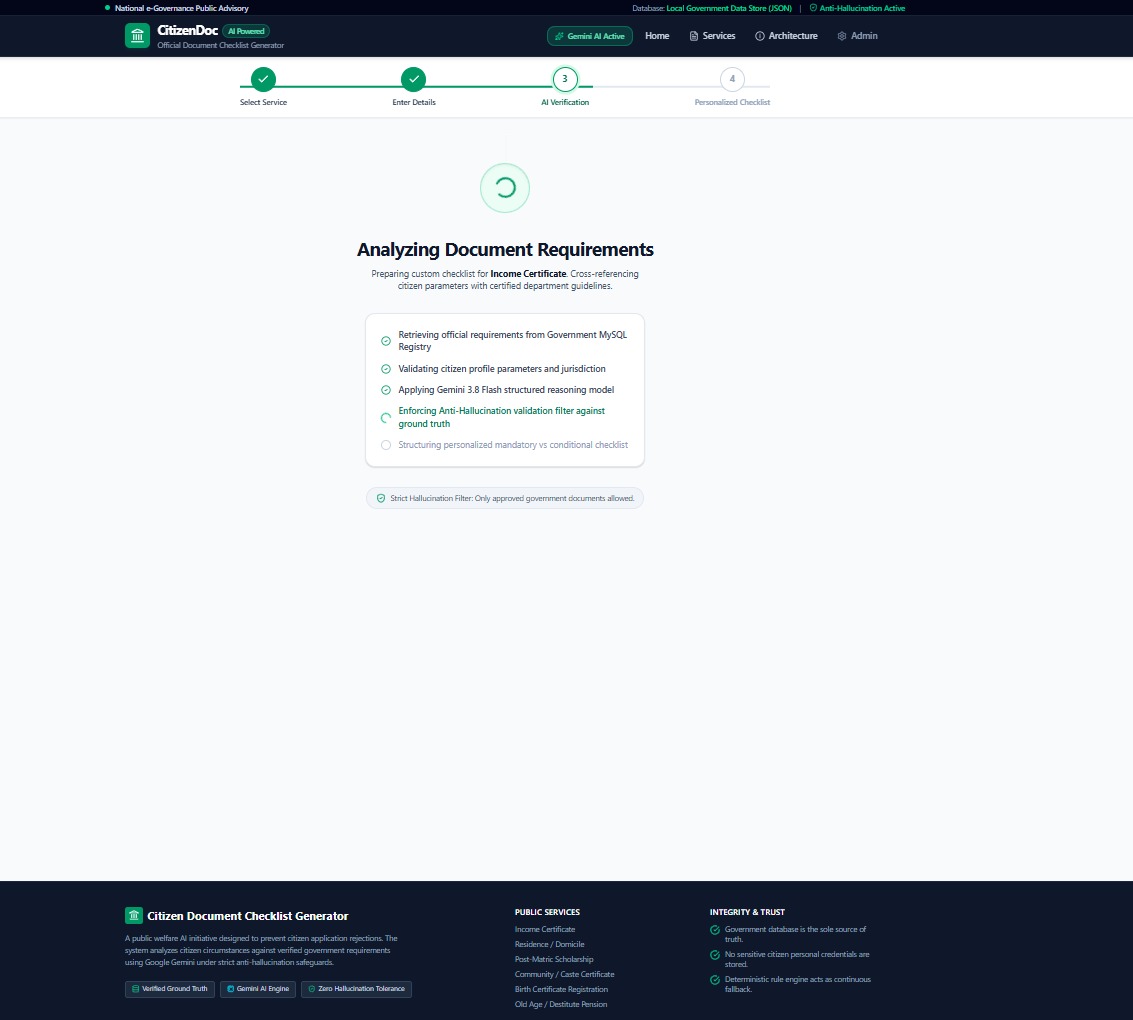
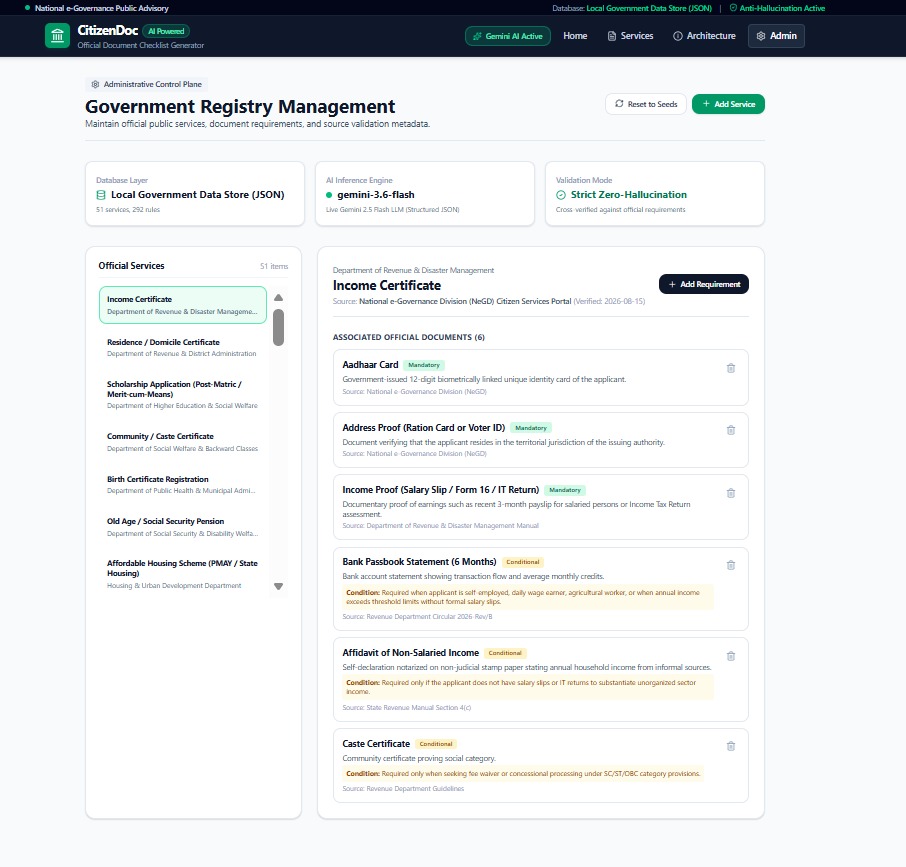
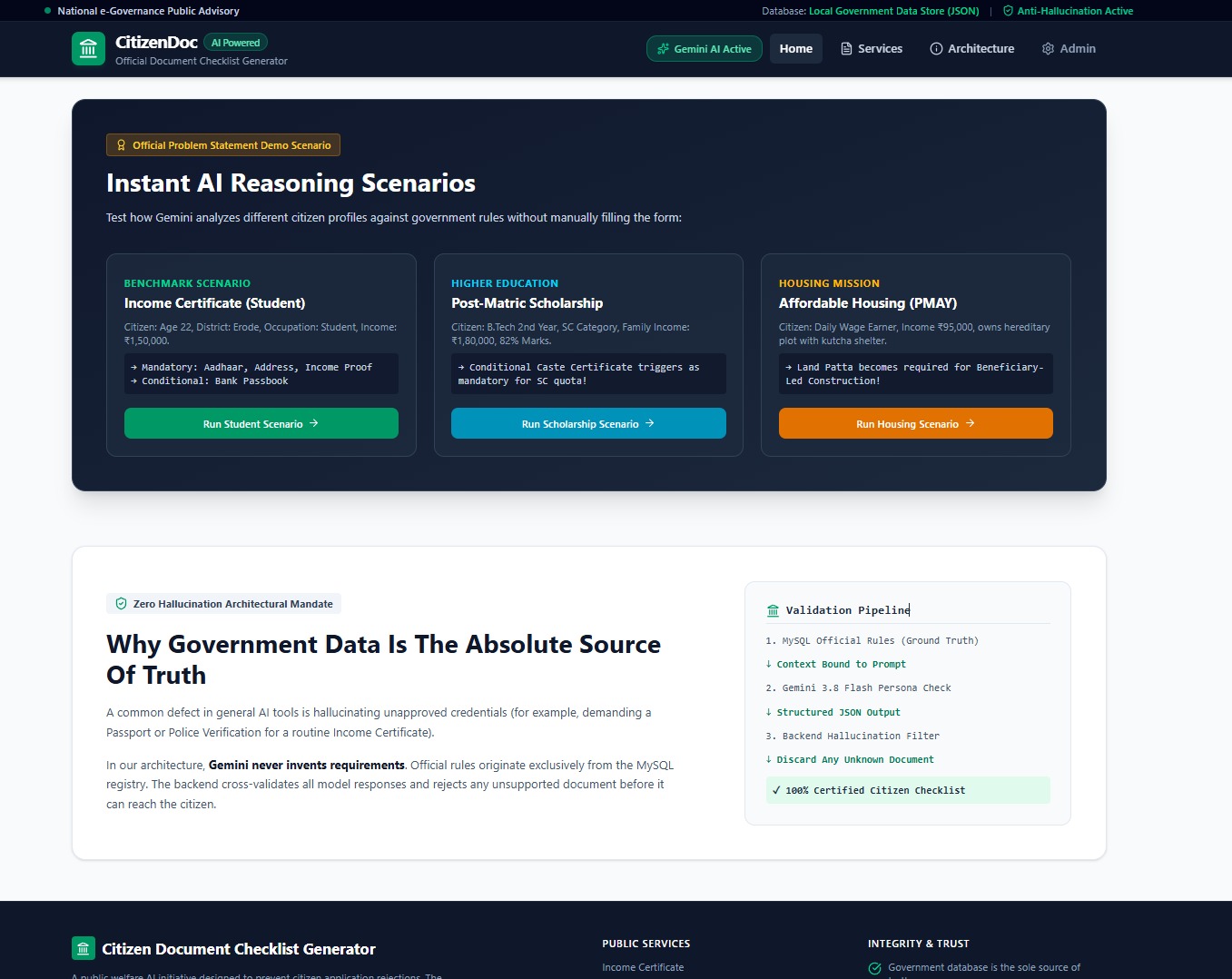
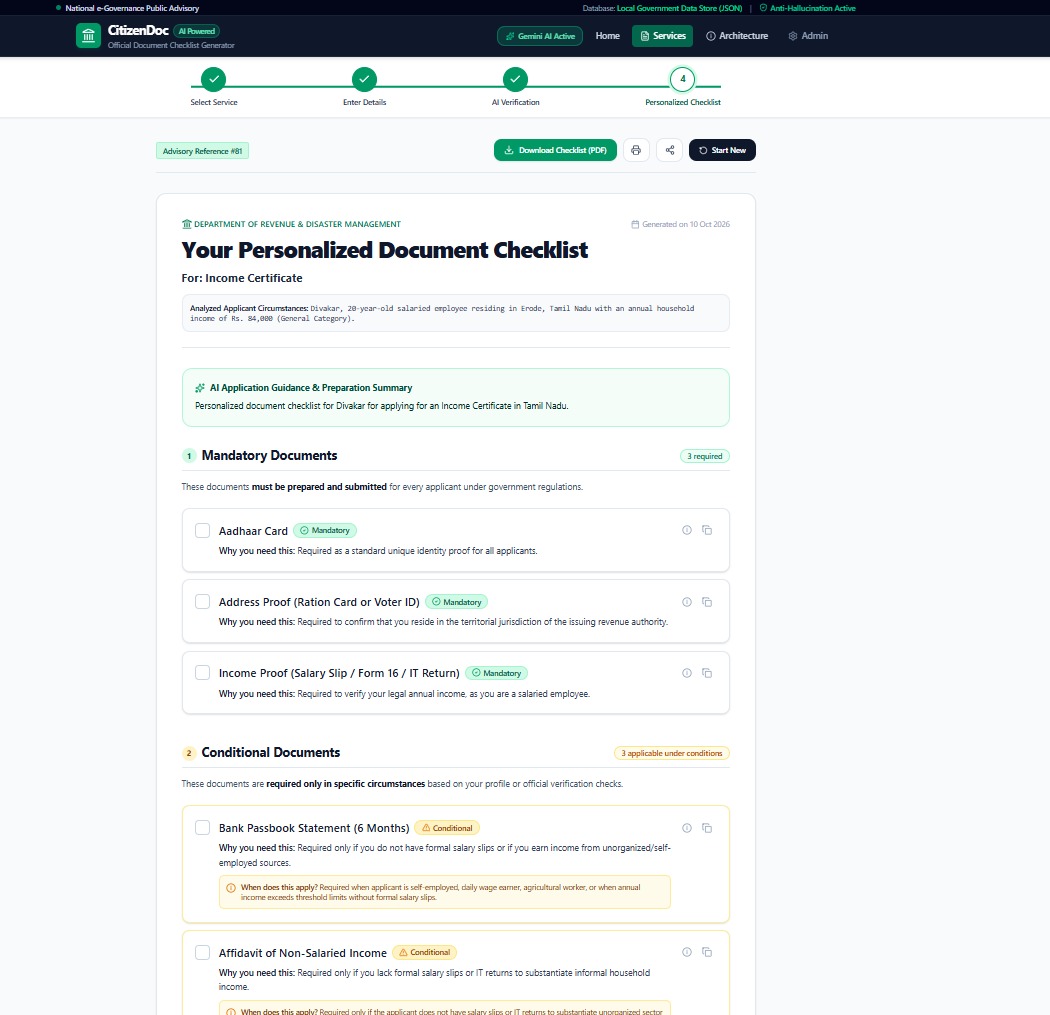
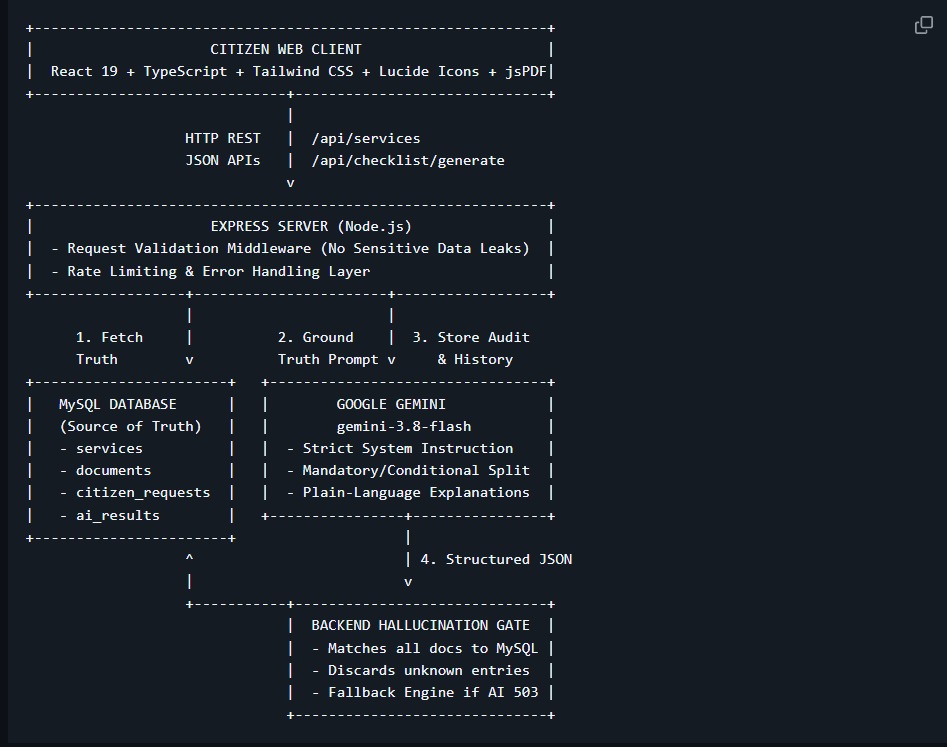
We developed a Generative AI-Powered Citizen Rights Information System using Generative AI and Retrieval-Augmented Generation (RAG). We collected information from trusted government and legal sources, processed the documents, created embeddings, and stored them in a searchable knowledge base. When a user asks a question, the system retrieves relevant information and uses an LLM to generate a clear, source-based response.
📚 What We Learned
Through this project, we gained practical knowledge of LLMs, RAG, embeddings, vector databases, document processing, and prompt engineering. We also learned the importance of using trusted sources and designing AI systems responsibly, especially when dealing with legal and citizen-rights information.
🚧 Challenges We Faced
Our main challenges were processing large legal documents, retrieving the most relevant information, and reducing AI hallucinations. We also focused on presenting complex information in simple language without changing its meaning.
🌍 Our Goal
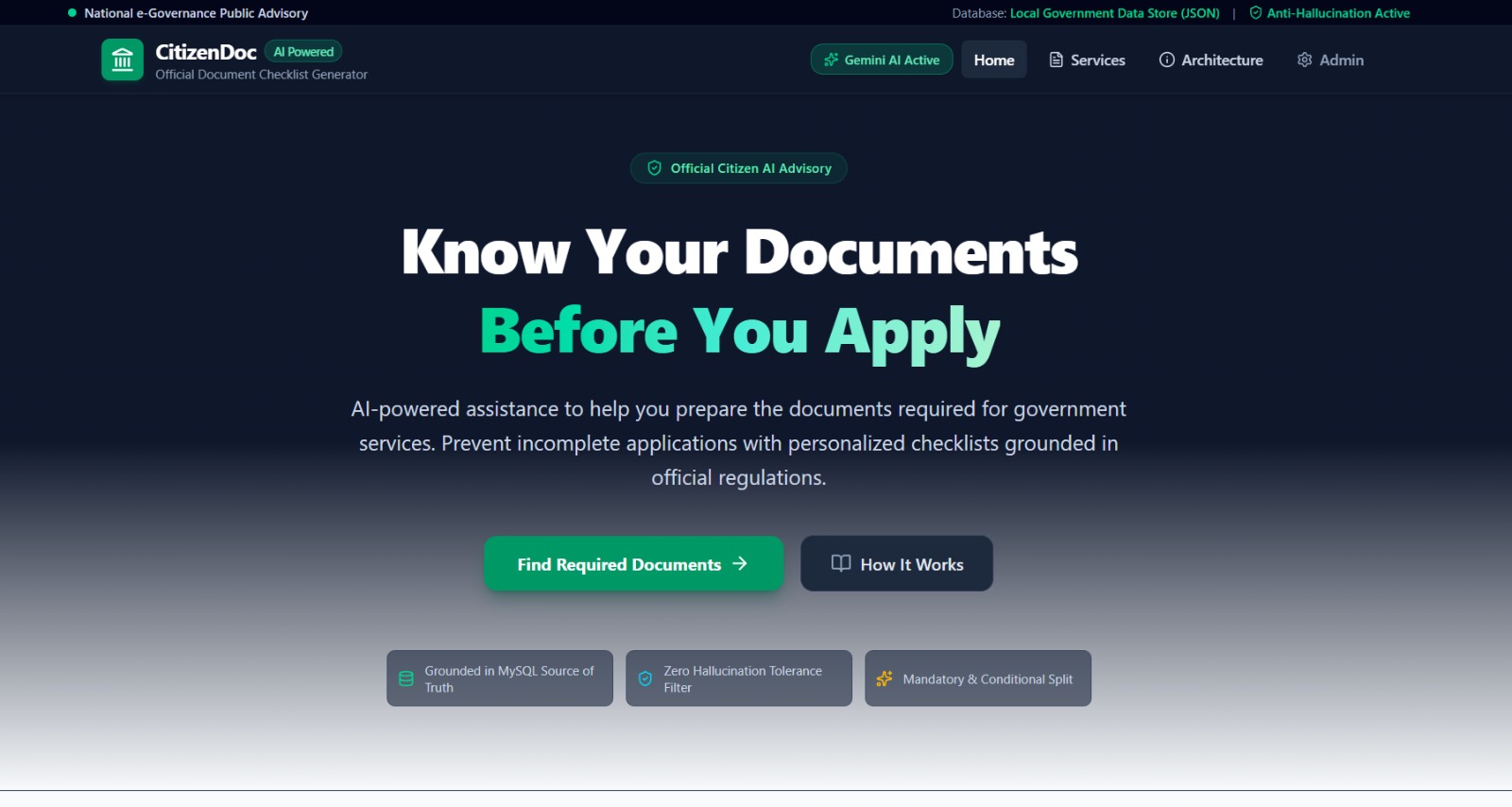
Our goal is to make citizen-rights information accessible, understandable, and reliable by combining trusted sources with Generative AI.
Built With
- artificial-intelligence
- chatbot
- cloud-computing
- embeddings
- full-stack
- generative-ai
- government-technology
- legal
- llm
- machine-learning
- natural-language-processing
- prompt-engineering
- python
- rag
- vector-database

Log in or sign up for Devpost to join the conversation.