-
-
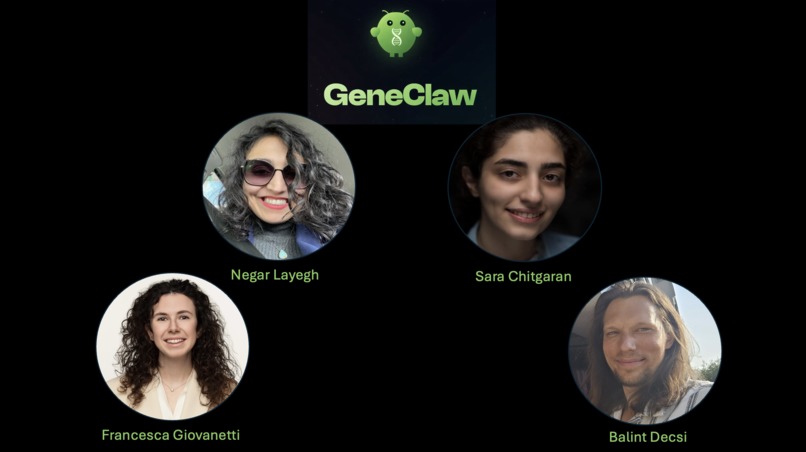
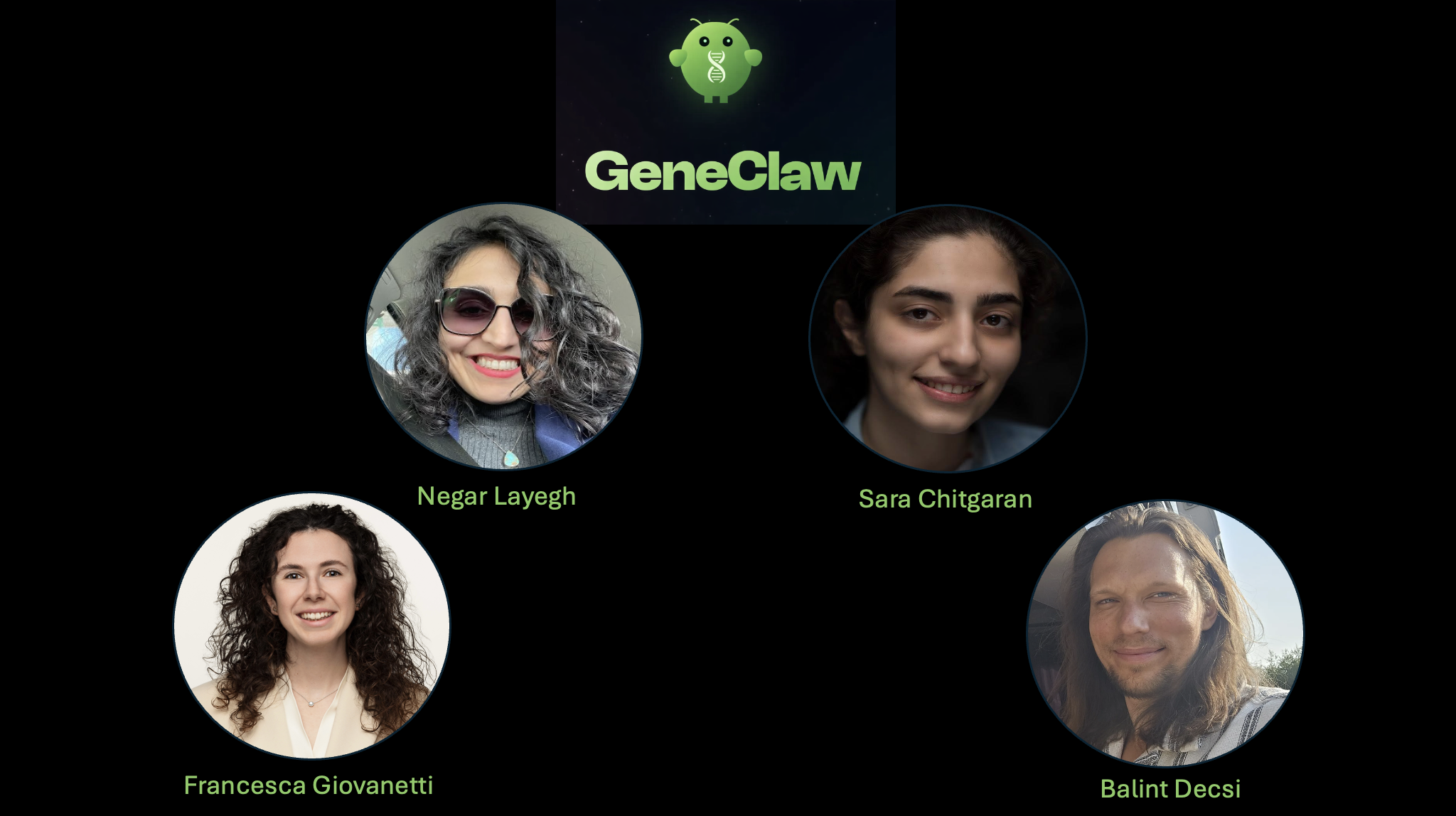
GeneClaw Team
Inspiration
The story of this project is inspired from a personal experience of mine. This summer my parents visited me in Vienna and I wanted to do something meaningful and useful for them. As I am a biologist myself, I decided to have their DNA tested by a genetic test company. After a month, the result was ready and I ended up with a wealth of information that I have no idea how to implement them in real life. It require a team of multi-disciplinary people to interpret the data. So why not build an agent to help us with this task?
What it does
The system is an agent-based Telegram bot that uses genetic risk data to guide users through symptom-based screening.
It asks adaptive follow-up questions:
Evaluates potential risk in real time
Recommends further action when necessary
Connects users with specialists if required
How we built it
Due to the sensitivity of genetic data and restricted access to the original platform, we developed a dummy website that replicates the relevant structure and content, focusing only on high-risk conditions.
This allowed safe data access and scraping without exposing credentials.
We then built:
A Telegram bot interface for user interaction
An agent loop for adaptive questioning
A state management system to track responses
Challenges we ran into
Handling sensitive genetic data while maintaining privacy
Sending scheduled messages to the user in the chat bot
Accomplishments that we're proud of
Transforming complex genetic data into an interactive system
Building a functional agent-based medical questioning flow
Implementing a privacy-conscious data pipeline
Bridging genetic risk with actionable user guidance
Making sense of complicated medical terms and turn it into real-life applicable suggestion
What we learned
The importance of combining genetics, AI, and user-centered design
How to convert static reports into dynamic interactions
The complexity of designing adaptive agents
What's next for GeneClaw
- The agents should know which disease is more urgent and schedule follow-up questions based on that.
- Some symptoms are shared between different diseases and a biology-aware agents must be able to connect the dots and consider all the possible scenarios.
Built With
- elevenlabs
- github
- lovable
- maritime
- openclaw
- telegram-api
