-
-
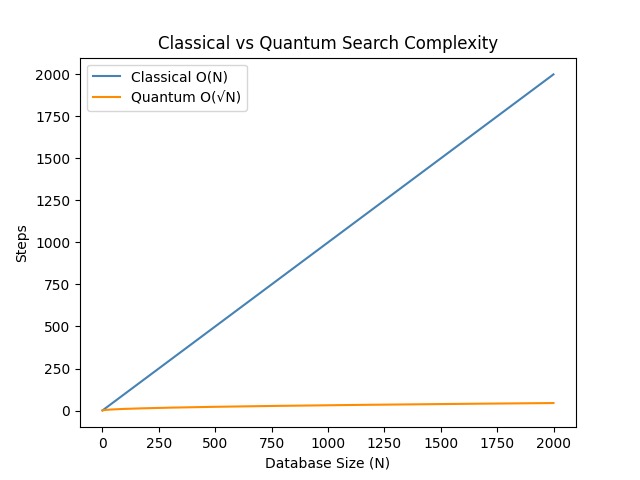
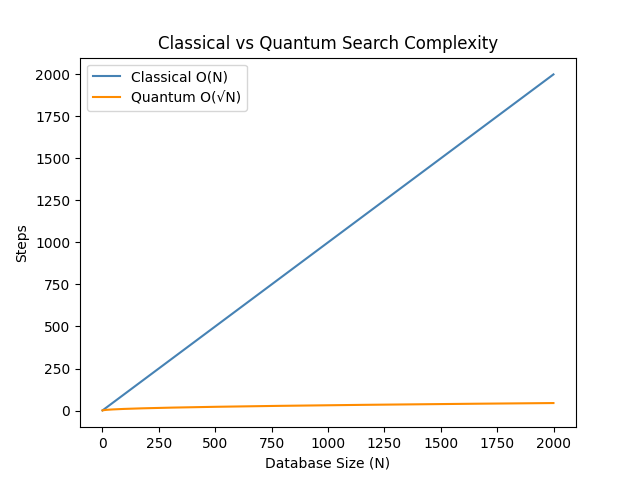
Complexity Comparison
-
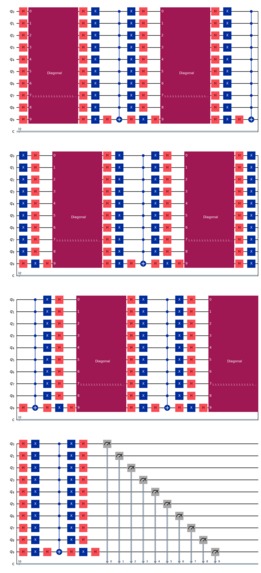
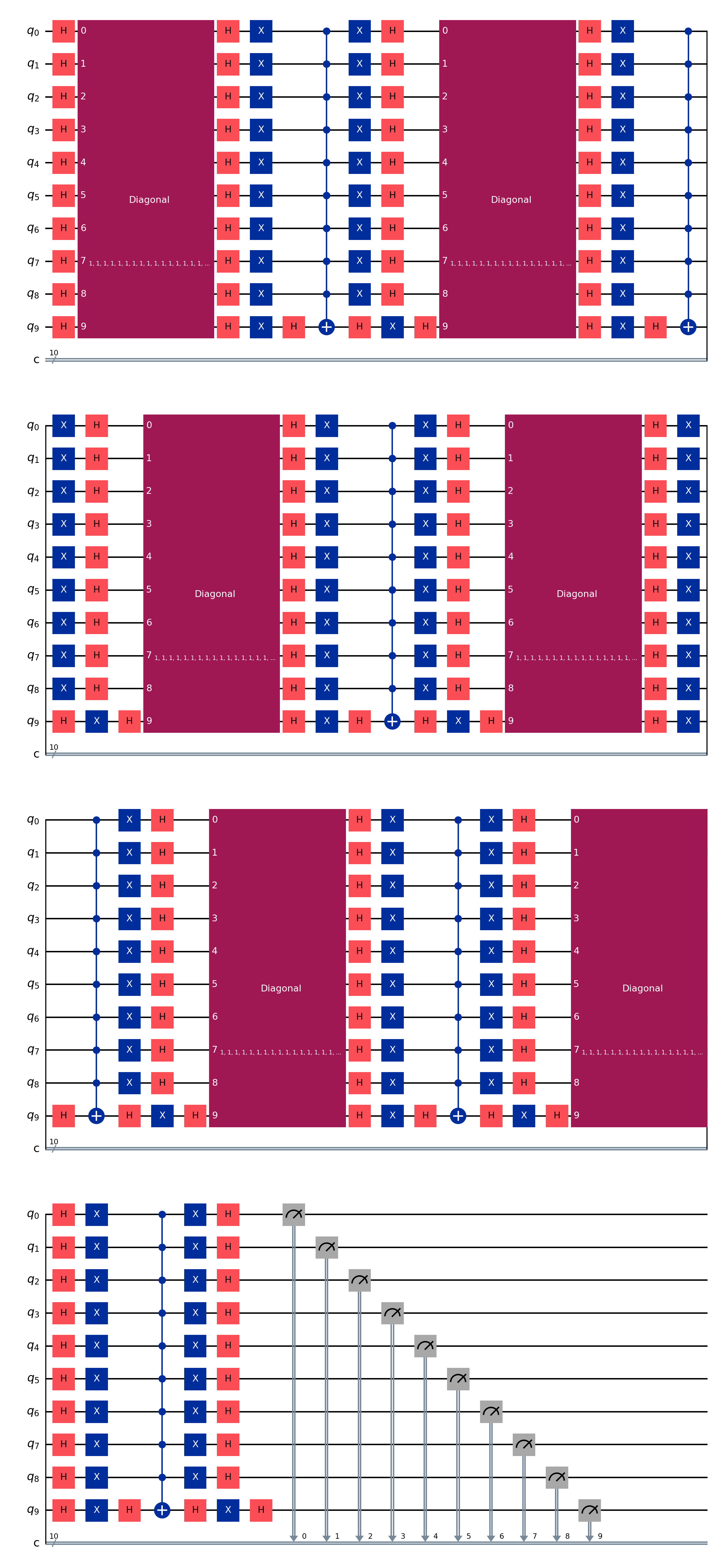
Circuit Diagram
-
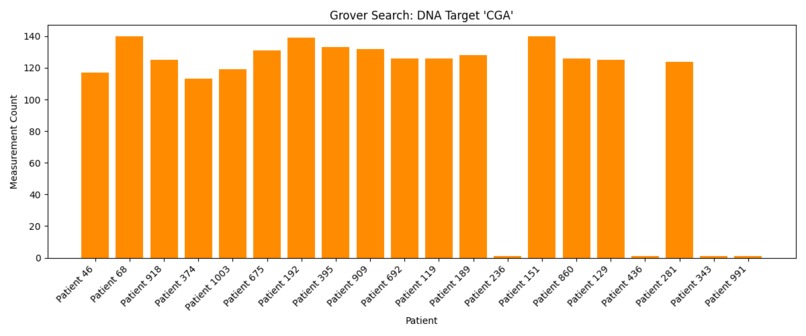
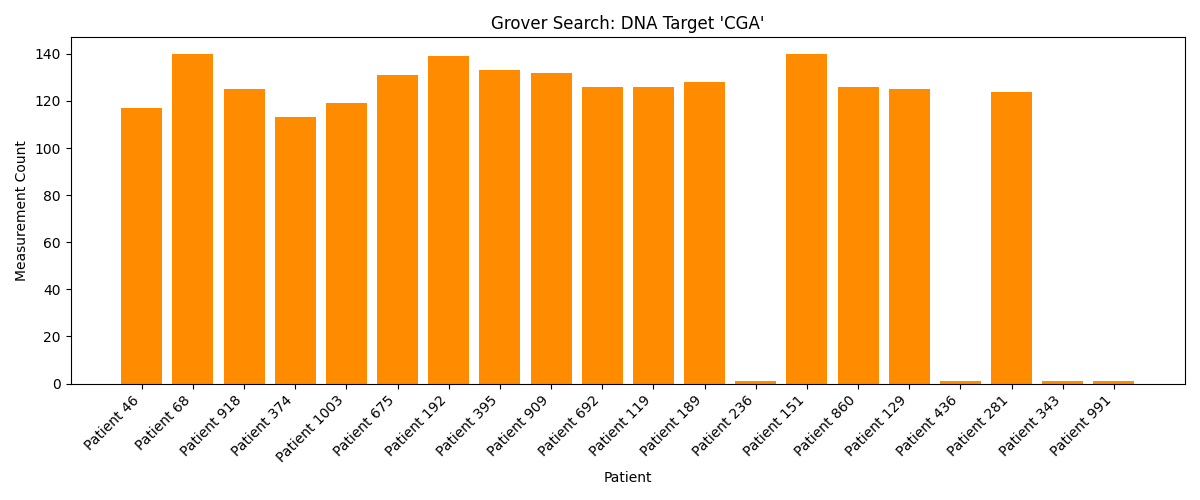
Patient Histogram
-
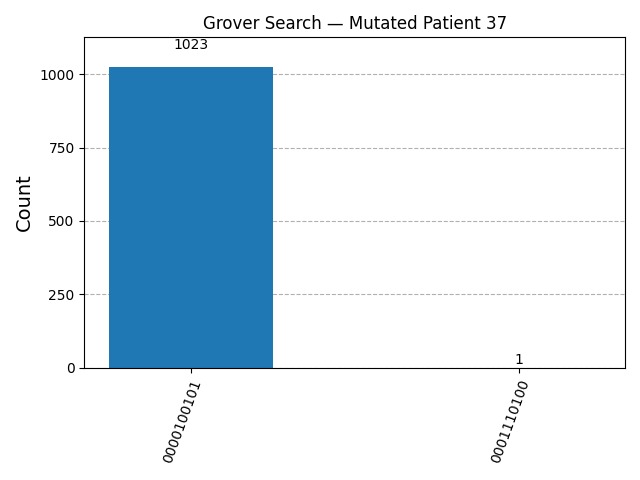
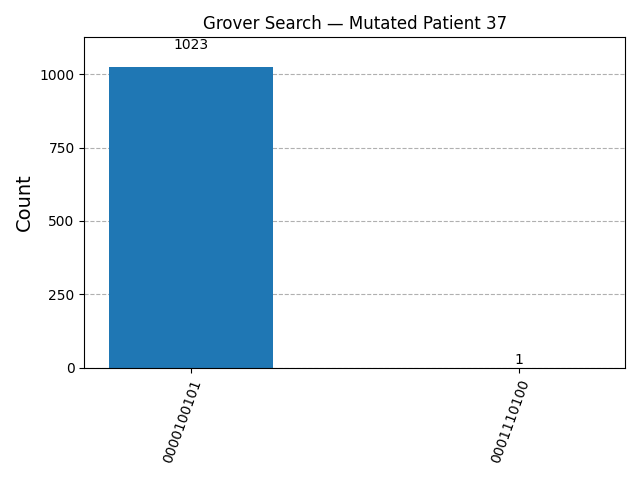
Steps Comparison Histogram
-

Application Logo
-
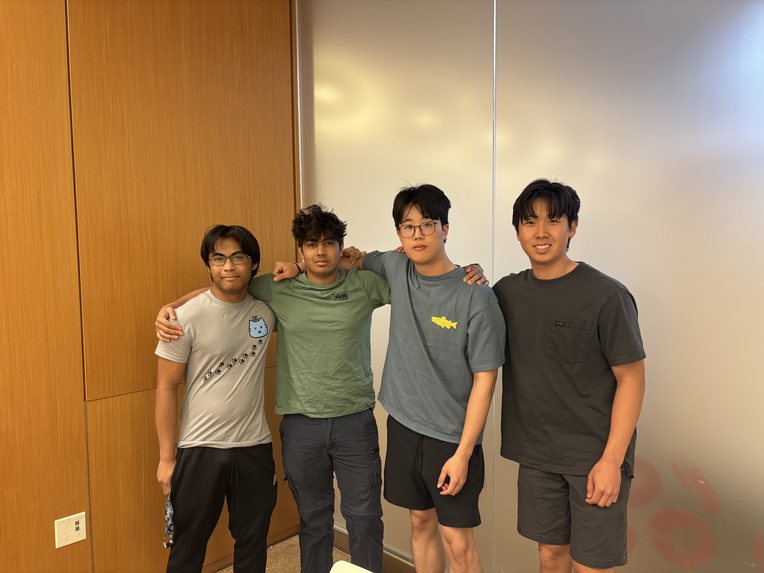
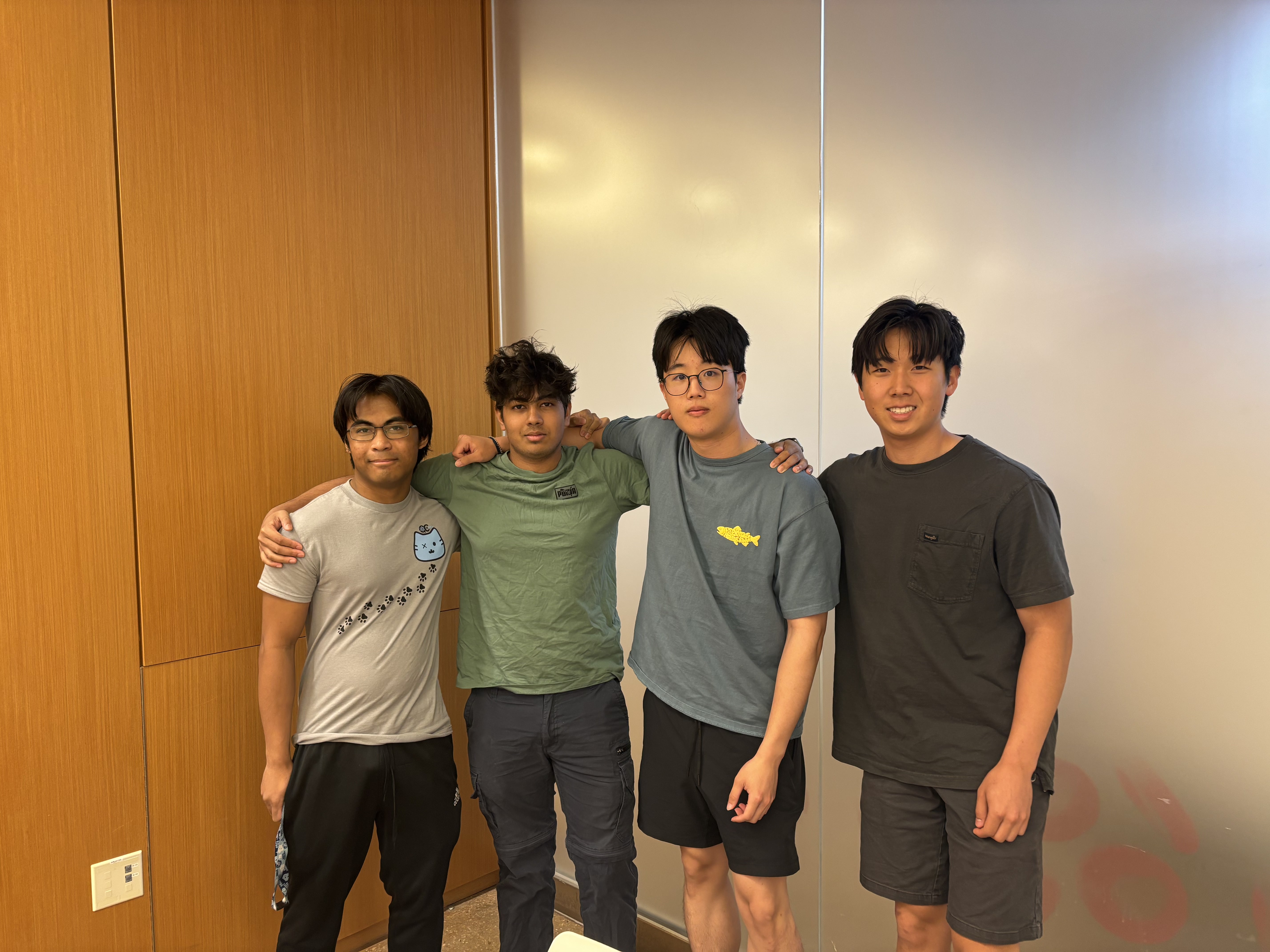
QuantHacks Team
-
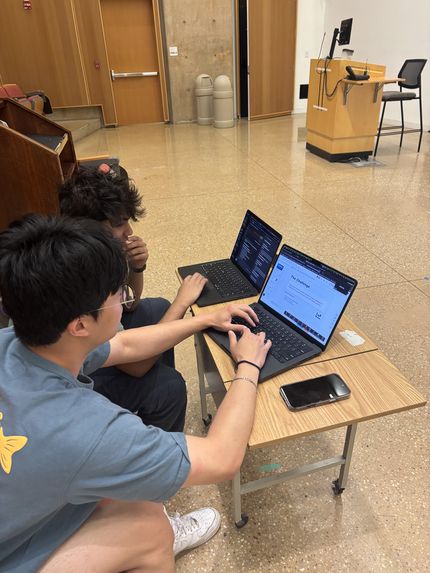
Working on Video
-
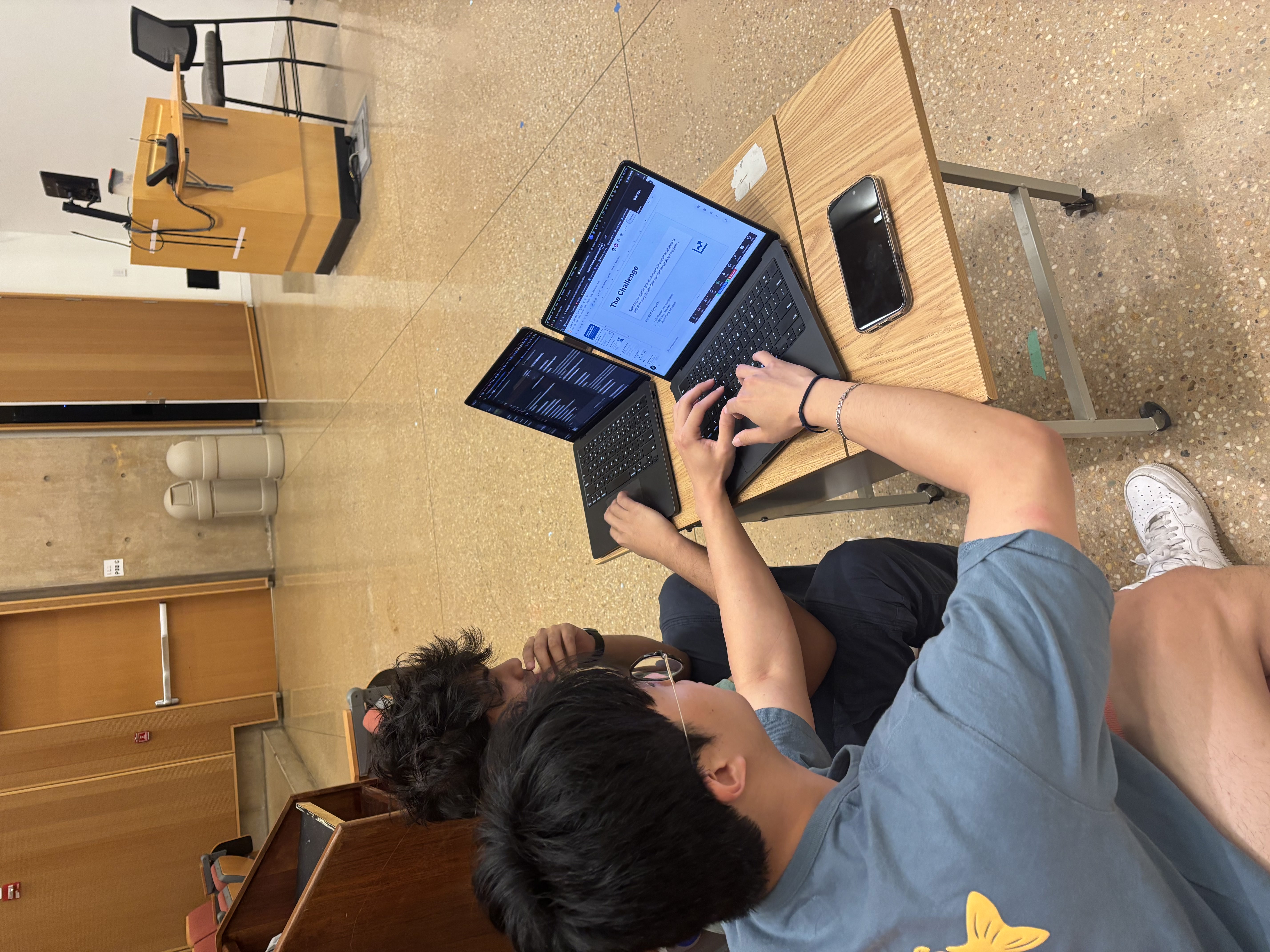
Coding


Inspiration
Half of our group members are premed and computer science, so we decided we would like to develop a project that involves real-world problem-solving and application, or at least application to problems we can foresee in the future.
What it does
When looking through the genetic sequences of human DNA, the programs must run sequentially on high-processing computers due to the variation in gene combinations, creating no pattern for the programs to pick up to run faster. Unless we introduce the implementation of Quantum computing. By applying Grover's principle, we can process DNA genome sequences in O(sqrt(N)) time rather than the O(N) time required by conventional coding algorithms. This development is exactly what we need to bridge the gap between abstract quantum theory and life-saving, real-world medical diagnostics.
How we built it
Our application utilizes Qiskit to develop an environment that mirrors quantum architecture. The entire project is built in Python, and Qiskit powers the quantum simulations. We developed a database of exactly 1024 patients using constrained DNA sequences to mimic the biological codon triplets, enabling simulators to process data as in the real world. To establish a point of comparison, we wrote the linear search algorithm that performed the same check for the target sequence codon. This replicates the frame of reading through traditional DNA scans operating at O(N). Then we developed the actual quantum-based engine using a 10-qubit system. The system constructs a Grover diffuser circuit based on the number of amplitude amplification iterations that are required. We then utilized AerSimulator to extract the high probability state vectors. To ensure the results are clear, we built a unified runner that uses both classic and quantum simulators and times their execution. Using Matplotlib and Qiskit’s visualization tools, the program exports four analytical graphs that prove the benefits of the quantum algorithm over classical searching.
Challenges we ran into
The primary challenges we came across were the shift from regular programming to the mindset of quantum mechanics. Quantum computing is a novel idea for our team, so we had to read up a lot about it to understand the core concepts like superposition and amplitude before attempting to write the code. Translating the complex theoretical math of Grover’s algorithm into a circuit required a lot of trial and error. The final challenge we faced was the attempt at data visualization, where we had to figure out how to map and plot abstract quantum concepts into Matplotlib so that the step difference was clear to others.
Accomplishments that we're proud of
We are proud of learning and applying the concepts to bridge the gap between theoretical physics and real-world bioinformatics applications. While quantum computing is intimidating, our team believes that we successfully engineered a fully functional 10-qubit search architecture. We proved a mathematical concept in a real-world application. Learning about these concepts and turning them into a working prototype that isolates mutated DNA is a huge milestone for our team.
What we learned
The project served as a huge learning point in terms of quantum applications. As we attempted to develop this application, we started gaining a better understanding of quantum computing and its use in practical engineering, specifically through Grover’s algorithm. Technically, we gained deep proficiency in the IBM Qiskit and learned how to construct quantum circuits, build gates, and execute precise simulations. We also learned how to bridge the science world with quantum computing.
What's next for Gene Mutation Search Acceleration in Bioinformatics
Our next step is to expand the simulation to handle massive datasets. We plan to achieve this by increasing our qubit and optimizing our circuit depth to run on Quantum hardware. We hope to integrate this into a real-world clinical data pipeline directly into our quantum oracle. Our vision is to transition this simulation into a diagnostic tool used for medical researchers.
Built With
- aersimulator
- ibm-qiskit
- matplotlib
- python

Log in or sign up for Devpost to join the conversation.