-
-

Brand Logo
-
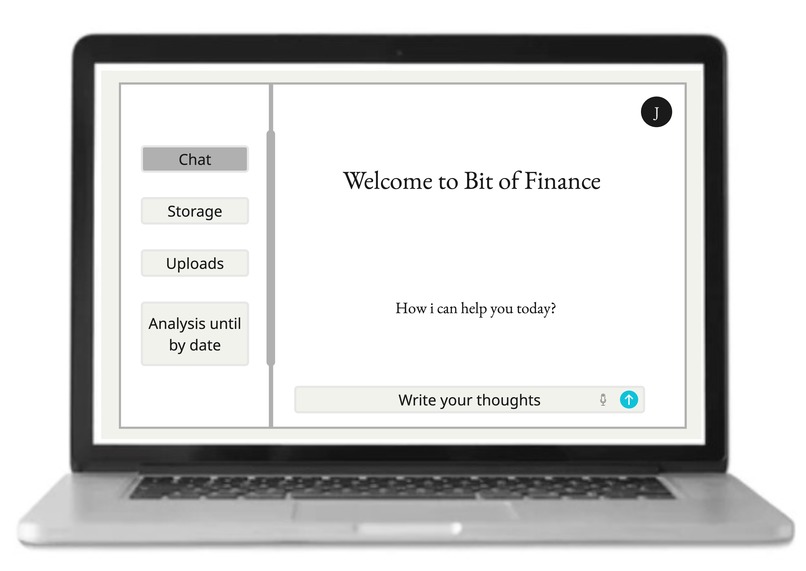
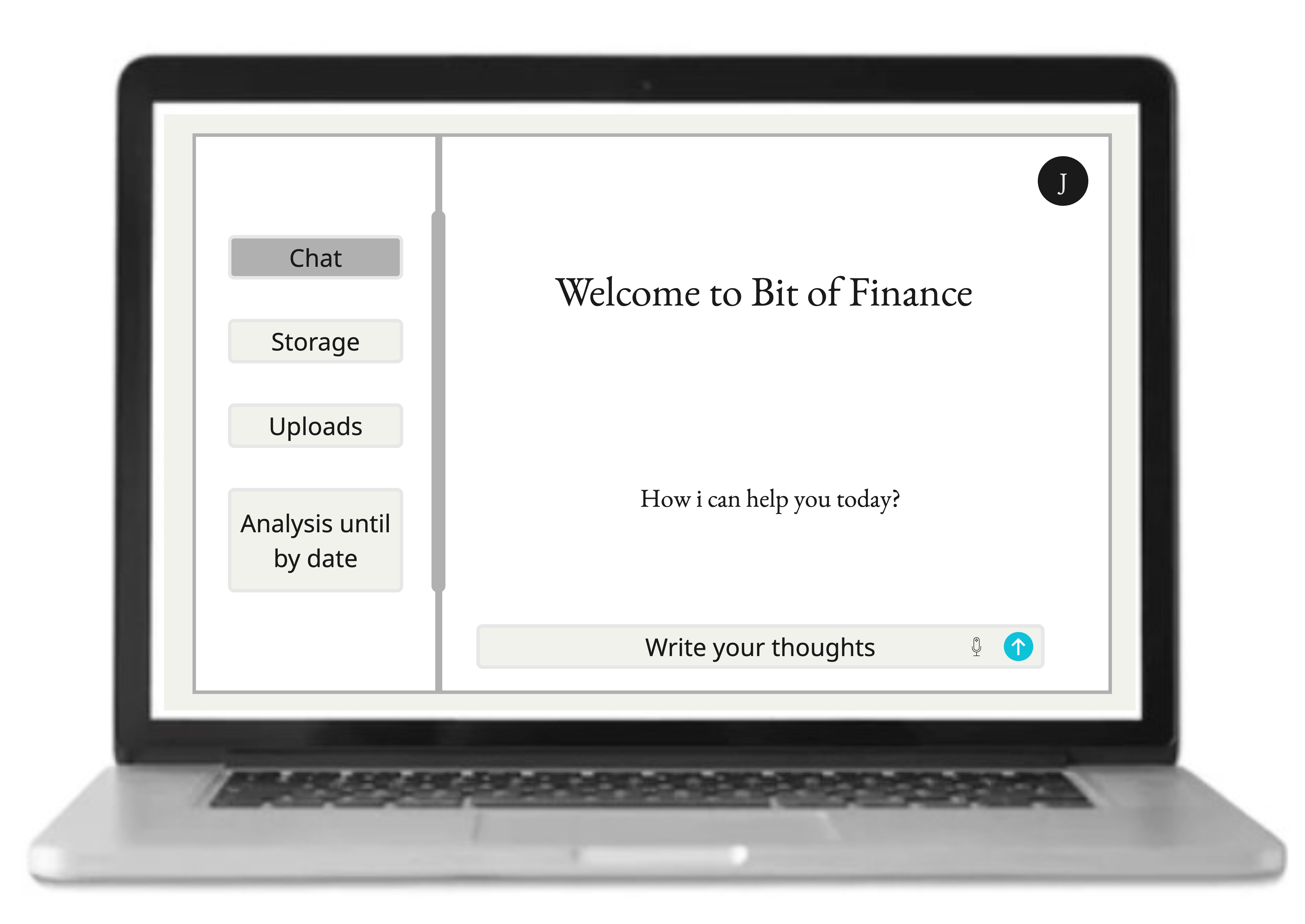
Mock up: Main screen greeting the user with simple prompt providing a minimal and clean interface so users immediately see where to start
-
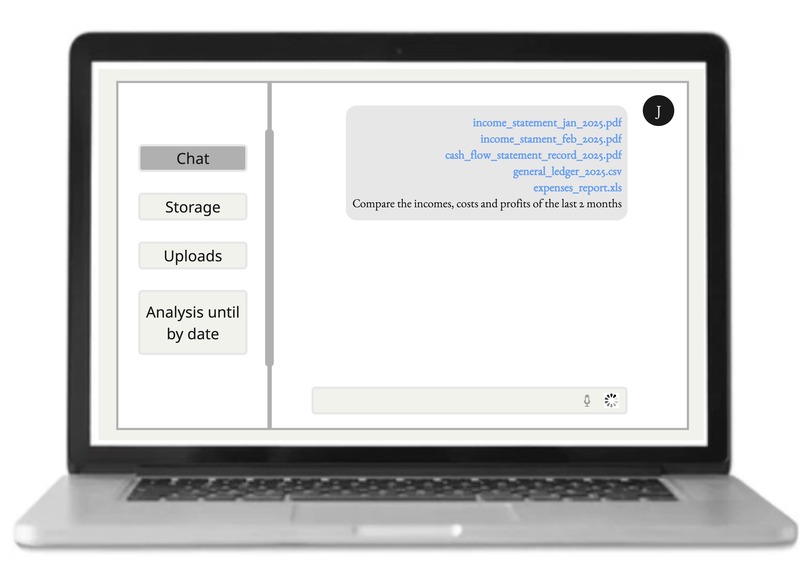
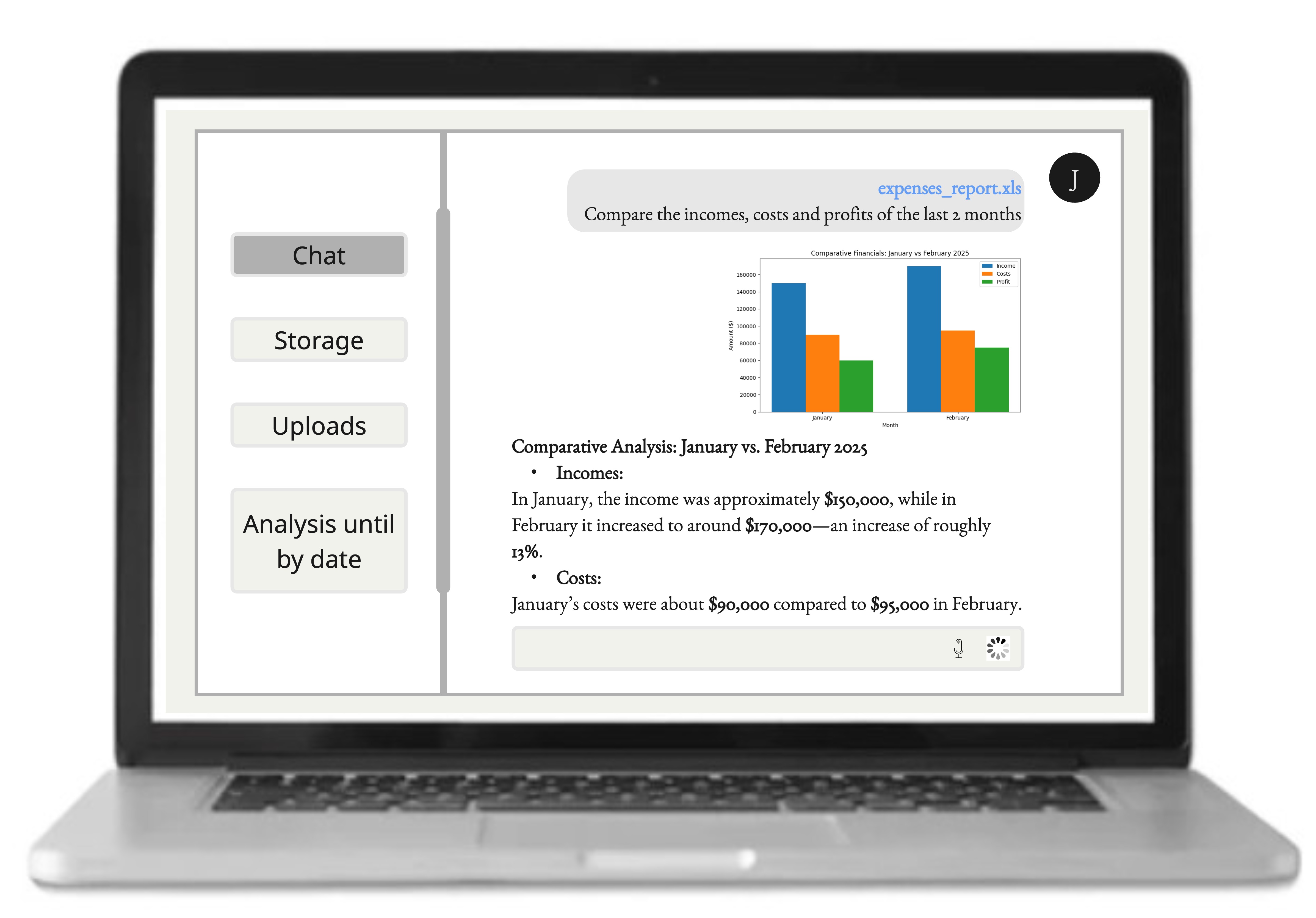
Mock up: Illustrates the conversation area where users can type or speak queries
-
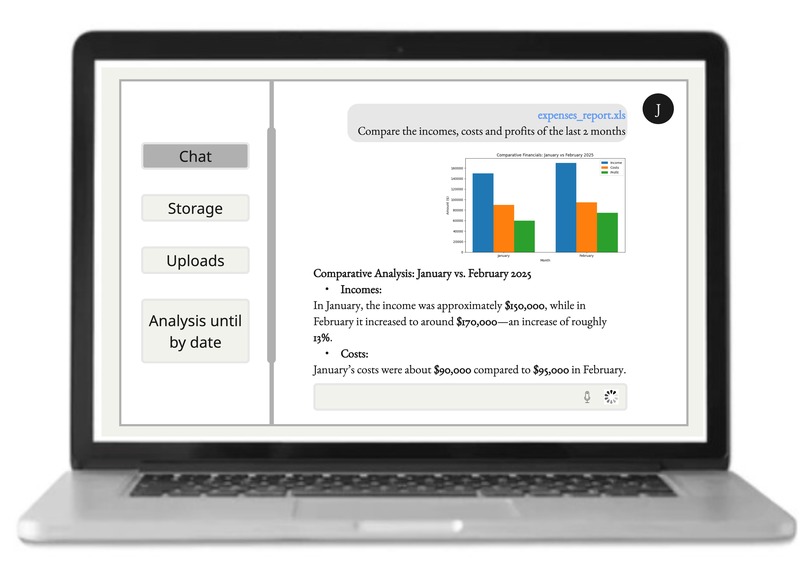
Mock up: Shows a detailed response from the AI in the chat window demonstrated how users can see both numerical and visual insights
-
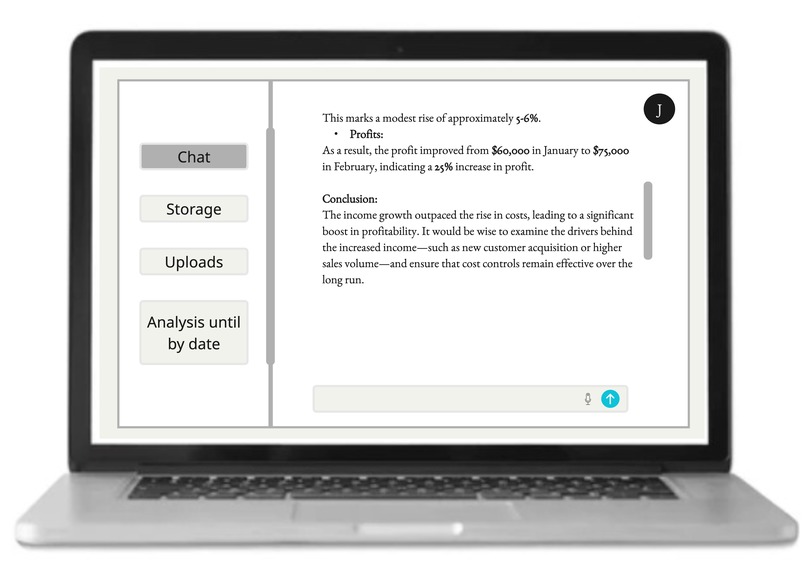
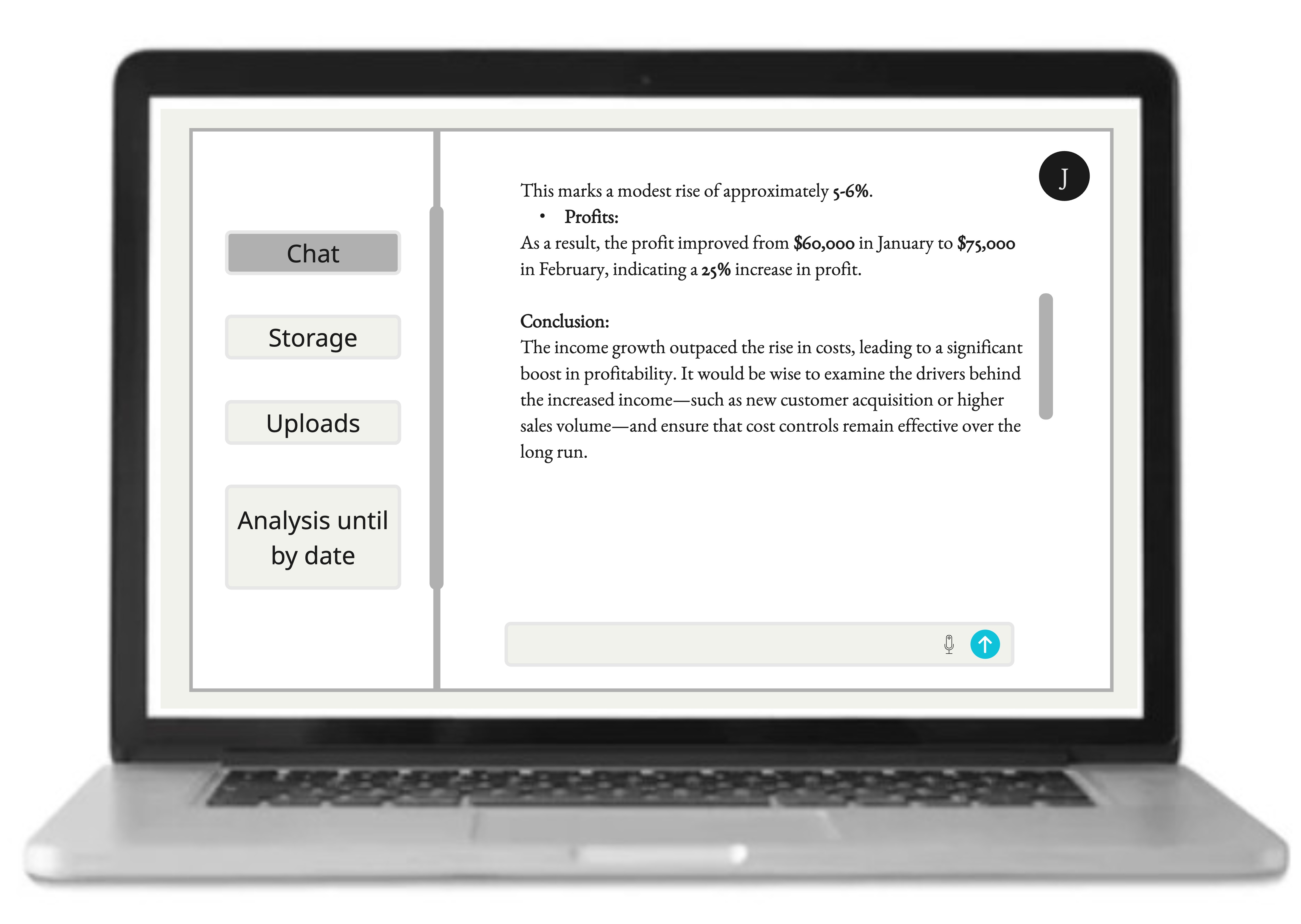
Mock up: Continues the conversation with more in depth commentary of financial data and providing a short conclusion or recomendation
-
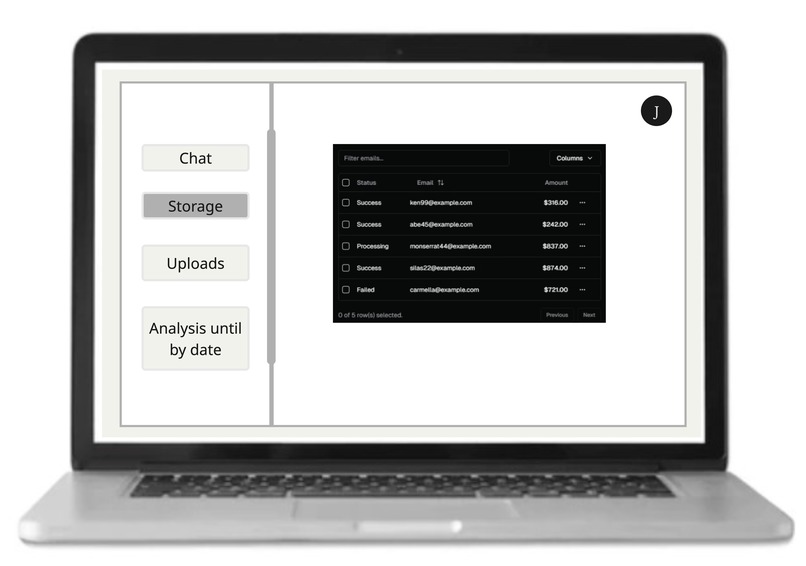
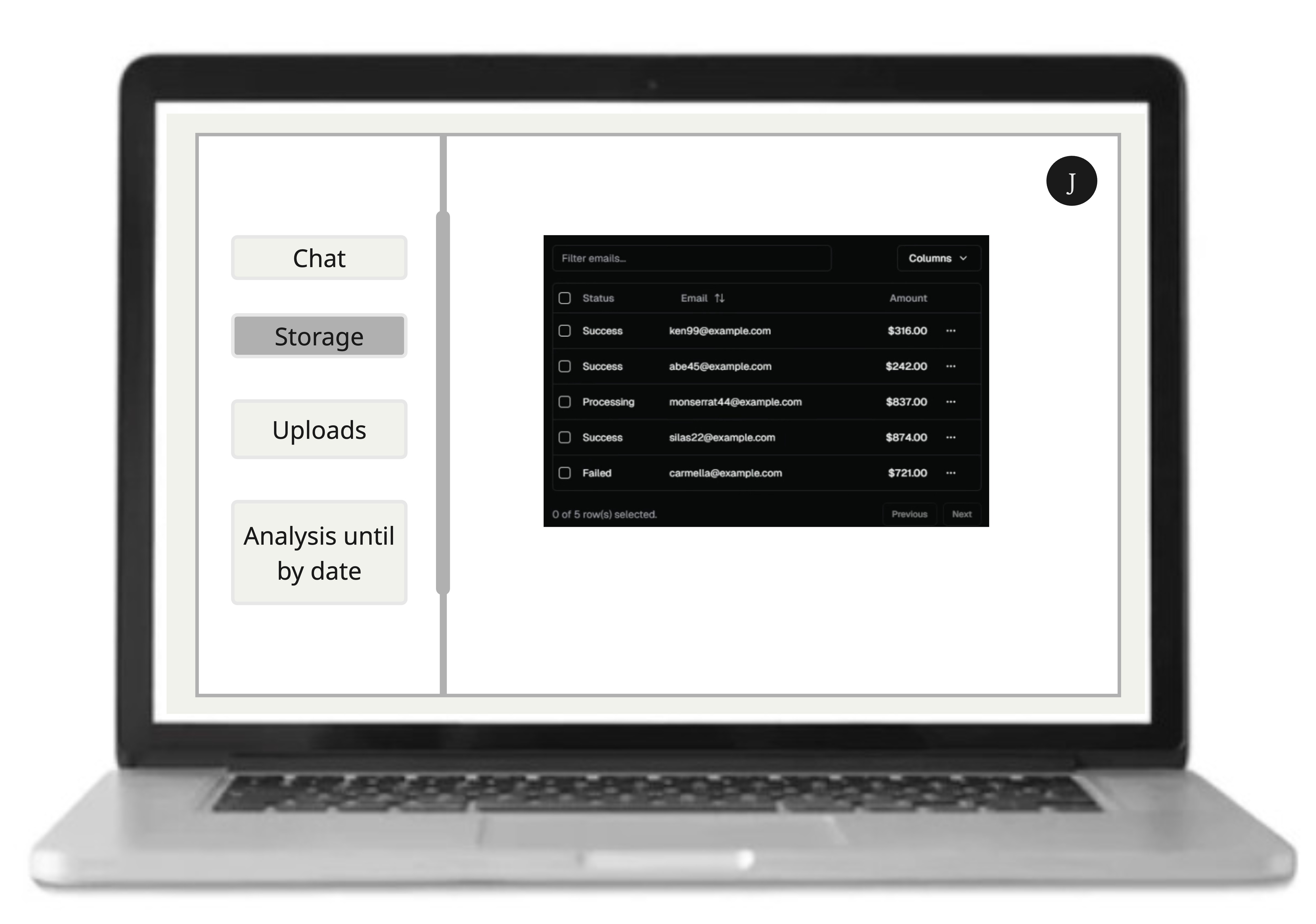
Mock up: Represents how files are managed within the app
-
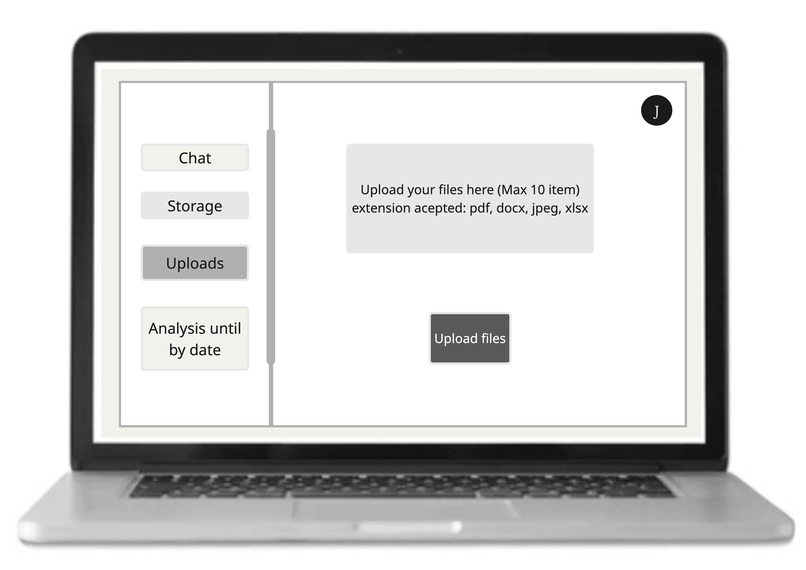
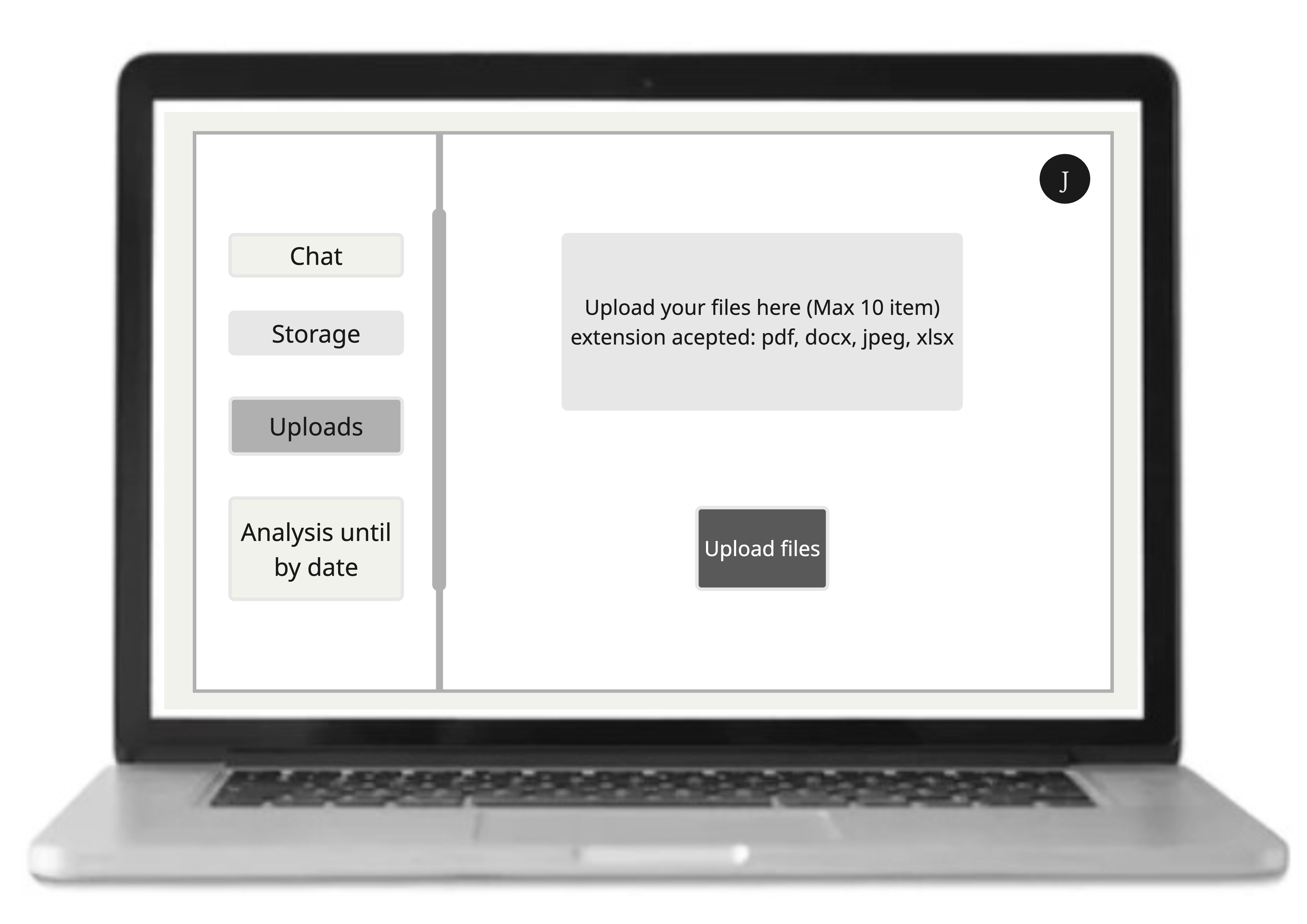
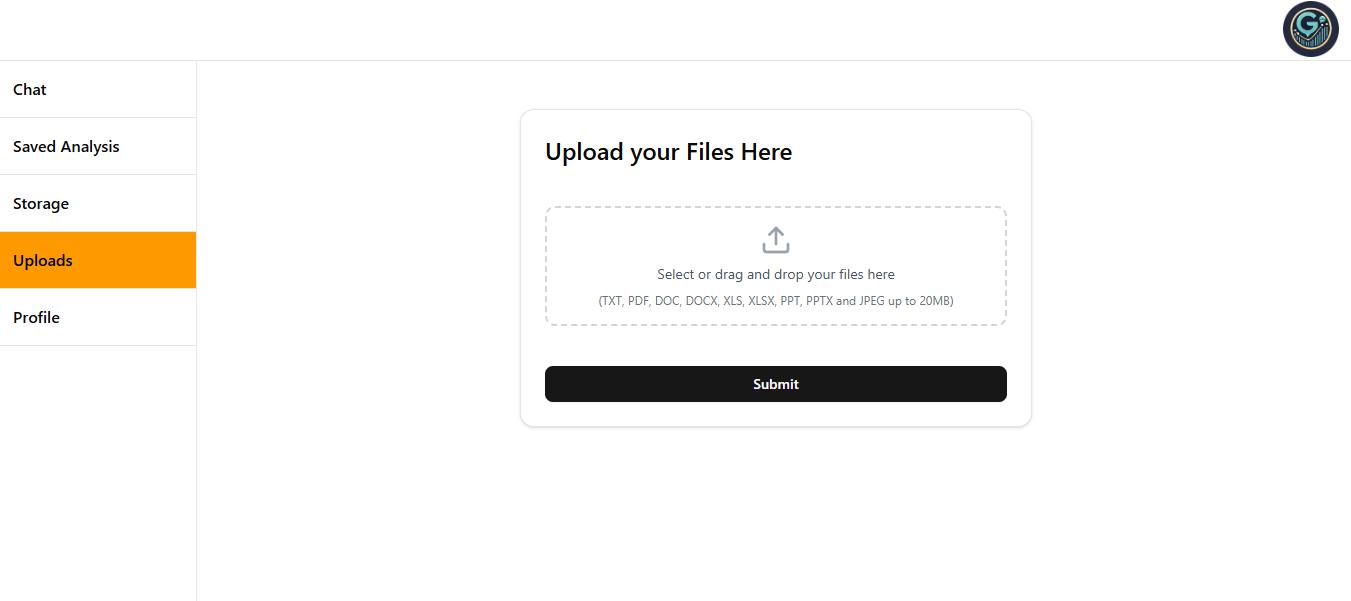
Mock up: Demonstrates the upload area where users can add up to 10 files at once, supporting various extensions
-
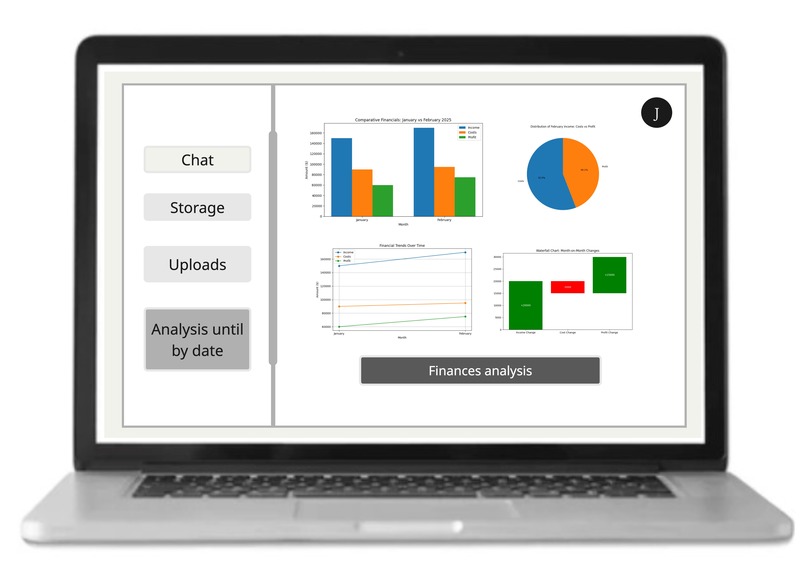
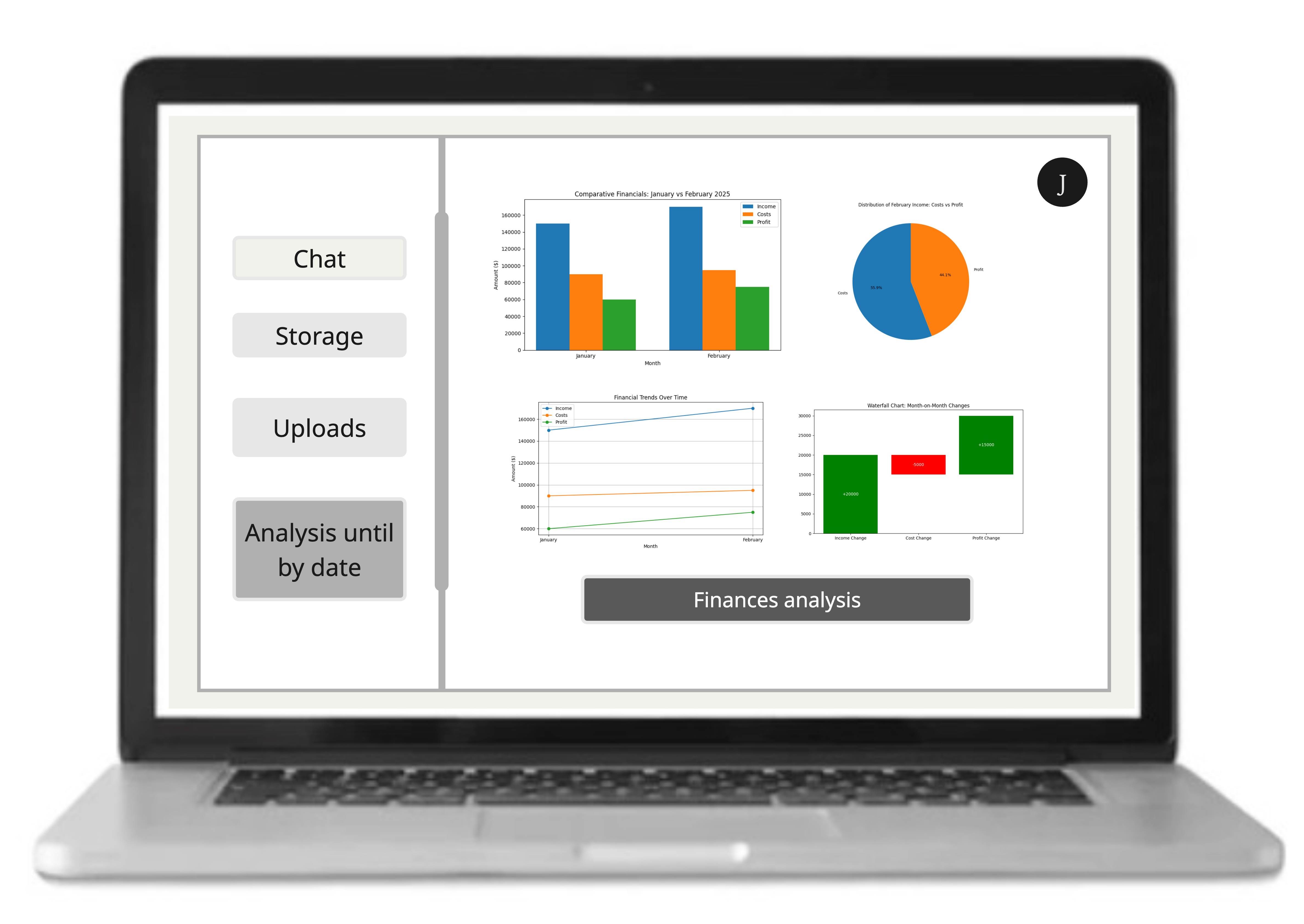
Mock up: Displays a dedicated analysis screen with various charts that express the financial status of the user
-
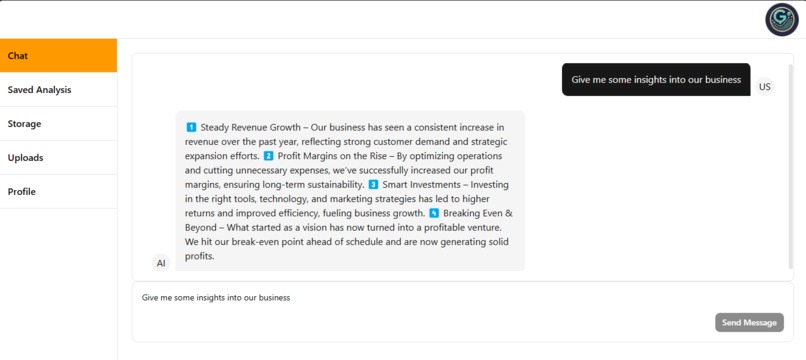
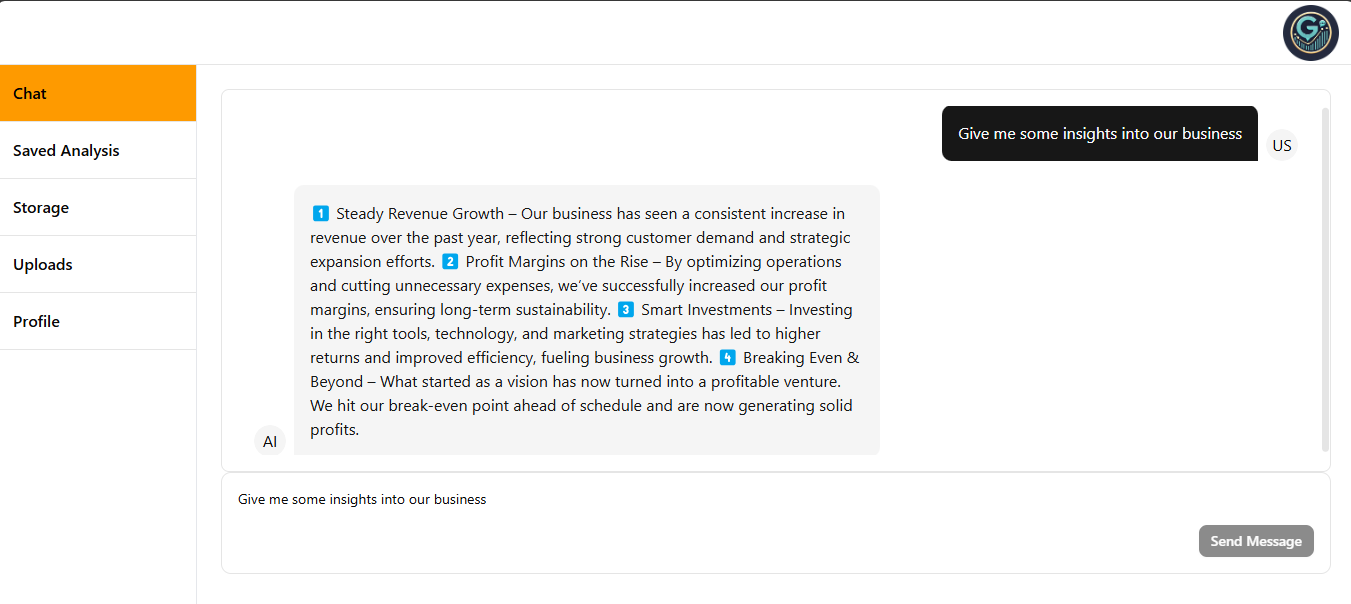
Implemented model: Chat
-
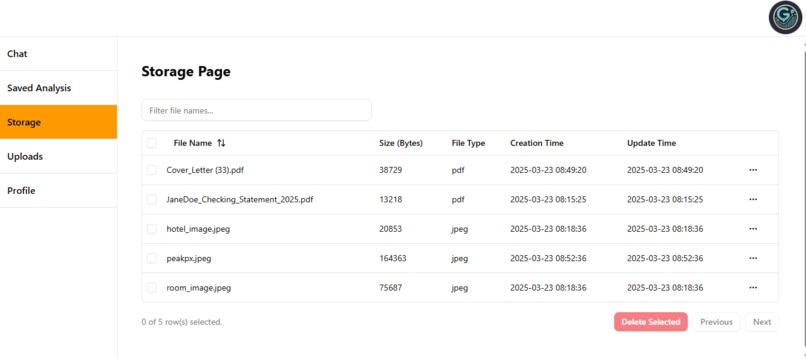
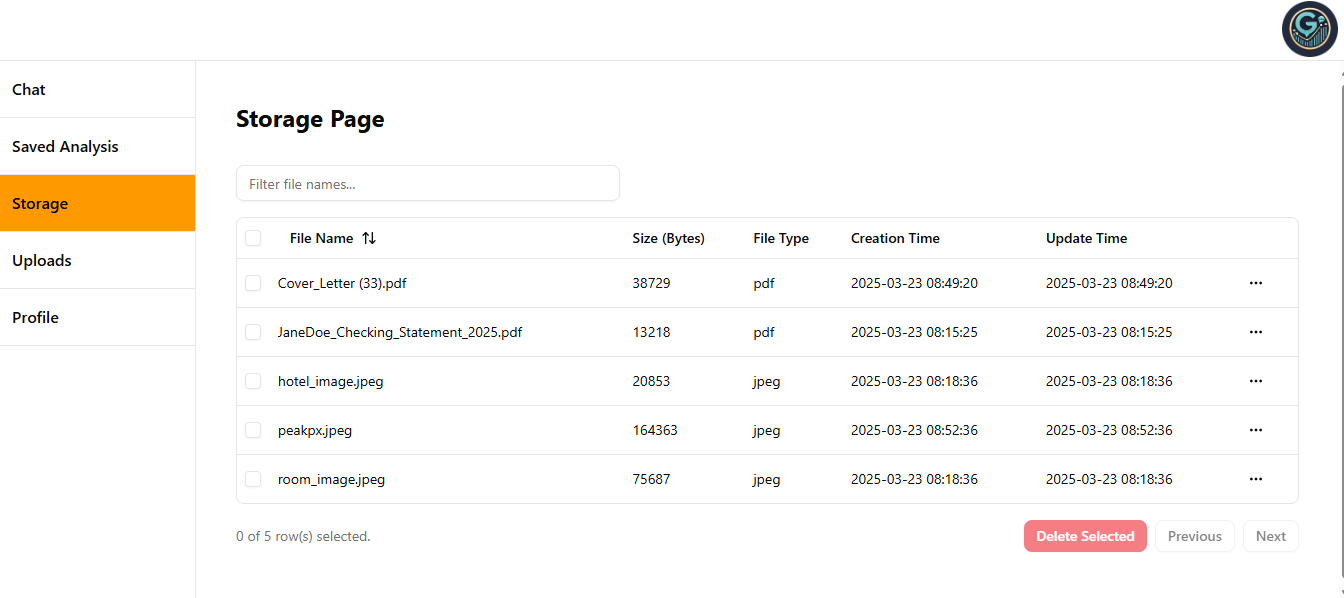
Implemented model: Storage
-
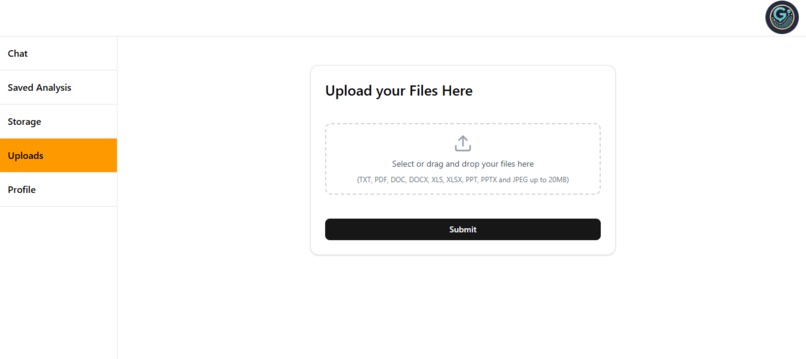
Implemented model: Uploads
-
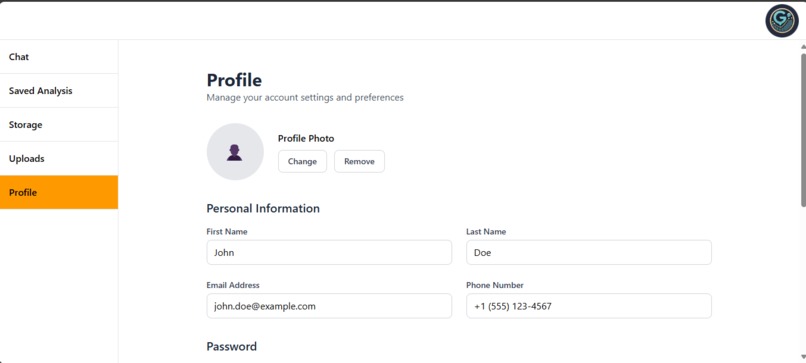
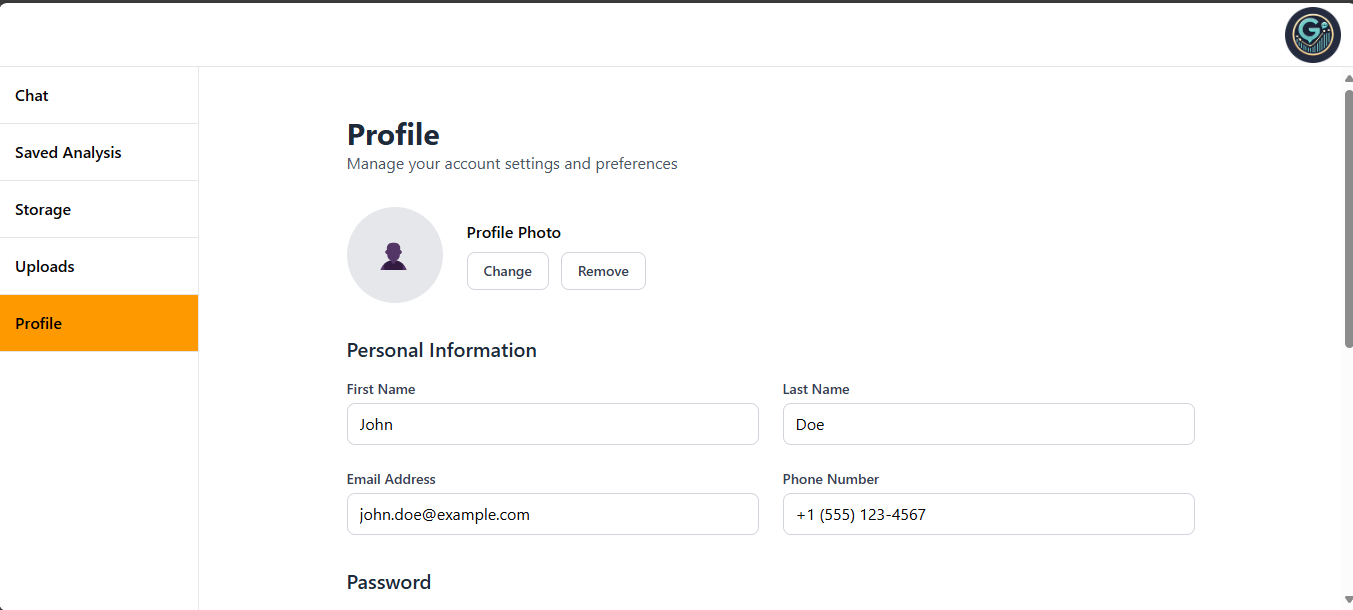
Implemented model: Profile
-
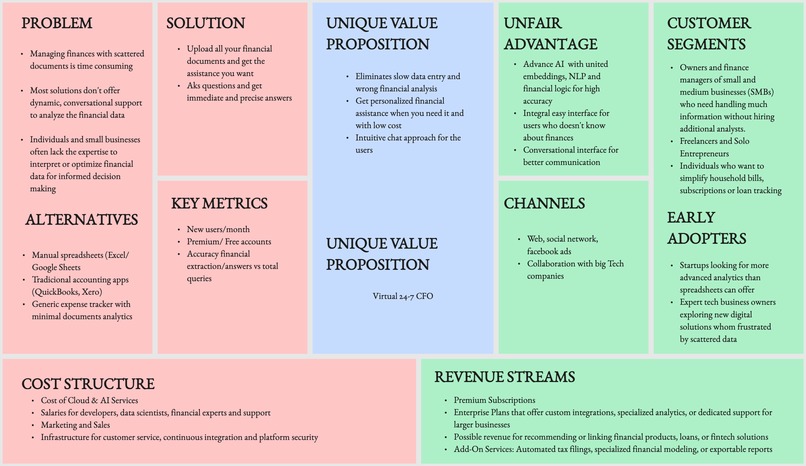
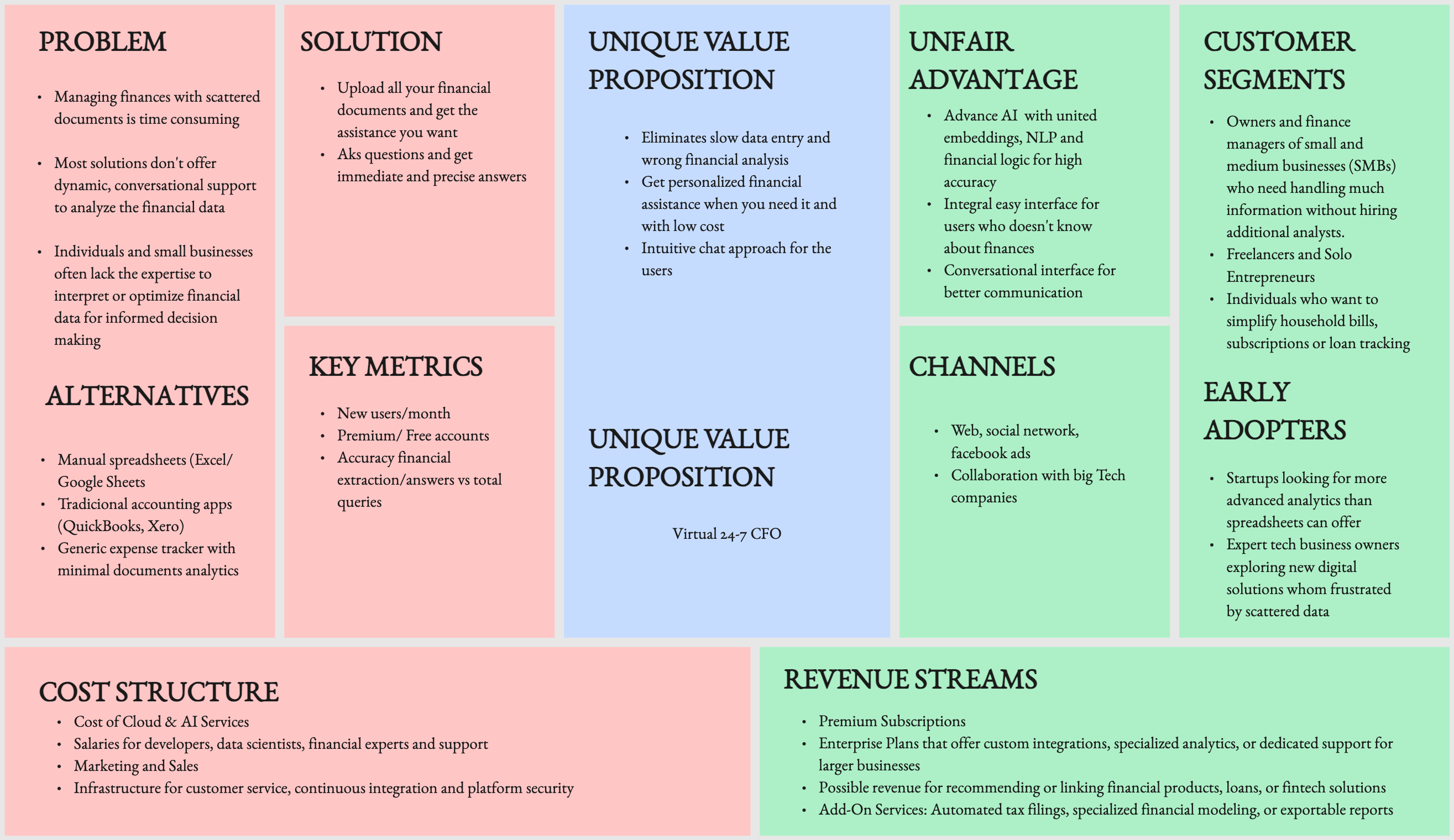
Lean Canvas of the project


Inspiration
Students, professors, intrapreneurs, and small businesses all face the challenge of managing money without always having a solid background in accounting or financial analysis. If finances are handled poorly, they can lead to serious problems, and a simple oversight might disrupt your purchasing power. It can be frustrating to store countless documents and never be sure where to find the details you really need.
What it does
Guru is a platform designed to help you organize your finances, make better decisions, and quickly access your information in an intuitive way. You can upload PDFs, DOCs, Excel files, and even photos of your receipts. The system learns from your data and becomes your personal financial assistant, instantly providing key insights.
It is especially useful for entrepreneurs or small businesses who need to navigate all their documents without endless searching, and for professionals who want to view their expenses and upcoming payments at a glance.
You might ask:
- In which month I spend more?
- How much did I pay in credit card interest last month?
- am I paying for duplicate services like internet and streaming?
How we built it
We followed the Lean Startup approach to shape our idea and model. During brainstorming, we used Miro to capture all our ideas focused on practical daily issues that, if solved, could have a significant positive impact on users. After three rounds of votes, a winning concept emerged: people need step by step guidance to manage their finances and to track spending or saving habits effectively. To stay organized and maintain a fast workflow, we turned to Trello for task distribution.
Our technology stack includes Vite-React for the front end, Flask for the back end, and Gemini for enhanced AI functionalities. We rely on Vertex AI RAG for retrieval augmented generation, Google Cloud Storage to hold documents, and we use Postman for API testing.
Challenges we ran into
From the start, we were uncertain because the financial domain is always demanding. Understanding how different APIs work and integrating Vertex AI RAG as a single tool proved to be the biggest hurdle. We also faced challenges in setting up Google Cloud for development, working with Google Cloud authentication APIs, and ensuring data ingestion and model training remained consistent. Our final interface had to stay user-friendly while retaining the depth of information that users need.
Accomplishments that we're proud of
We managed to build a functional application within the hackathon period, using lean strategies and effective team collaboration.
Implemented endpoints for uploading, listing, and deleting files (
POST /upload,GET /storage,DELETE /delete-files), ensuring a robust system for storing and managing user documents.Developed the client side with React and Shadcn UI components, providing a clean, responsive interface. We also added an interactive table to display file metadata (name, size, type, creation time, and update time) directly from GCS.
Apply technicals like Lean Start up and agile methodologies to create the project in a good time
What we learned
We discovered new tools such as Vertex AI for generating embeddings and learned more about people’s needs regarding financial information. Many do not fully understand their own financial health, so having a system that can interpret and summarize important data is crucial.
What's next for Guru App
In the future, the platform will feature alerts for non-essential spending, repeated late payments, and an overall view of your financial health. It will also incorporate automated tax calculation to simplify annual reporting.
We also plan to incorporate advanced budget projection features using user-defined goals, so the platform can automatically identify and highlight upcoming financial risks or opportunities.
Built With
- flask
- gemini
- google-cloud
- miro
- postman
- trello
- vite-react

Log in or sign up for Devpost to join the conversation.