
_ Excuse my Swedish Translation_
Inspiration
The app is called Finfunder, a playful take on shark investor, fun, finance, finding and funding.
I wanted a name that doesn’t sound like a bank, a trading terminal, or something intimidating. Just something friendly, human, and a bit lighter.
I’m pretty good at making money, but I’m honestly not that good at knowing where to put it or how to manage it long term.
It’s not enough money to hire a private banker or consultant, but it’s definetly too much to just leave unmanaged.
My investments are spread everywhere; stocks in one app, funds in another, some cash, some gold, some long-term fixed stuff.
There was no single place that felt like my space.
I wanted one calm overview where I could see everything I own, understand my exposure, and get tips and inspiration for doing smarter investments without feeling stupid or overwhelmed.
That’s where Finfunder started.
What it does
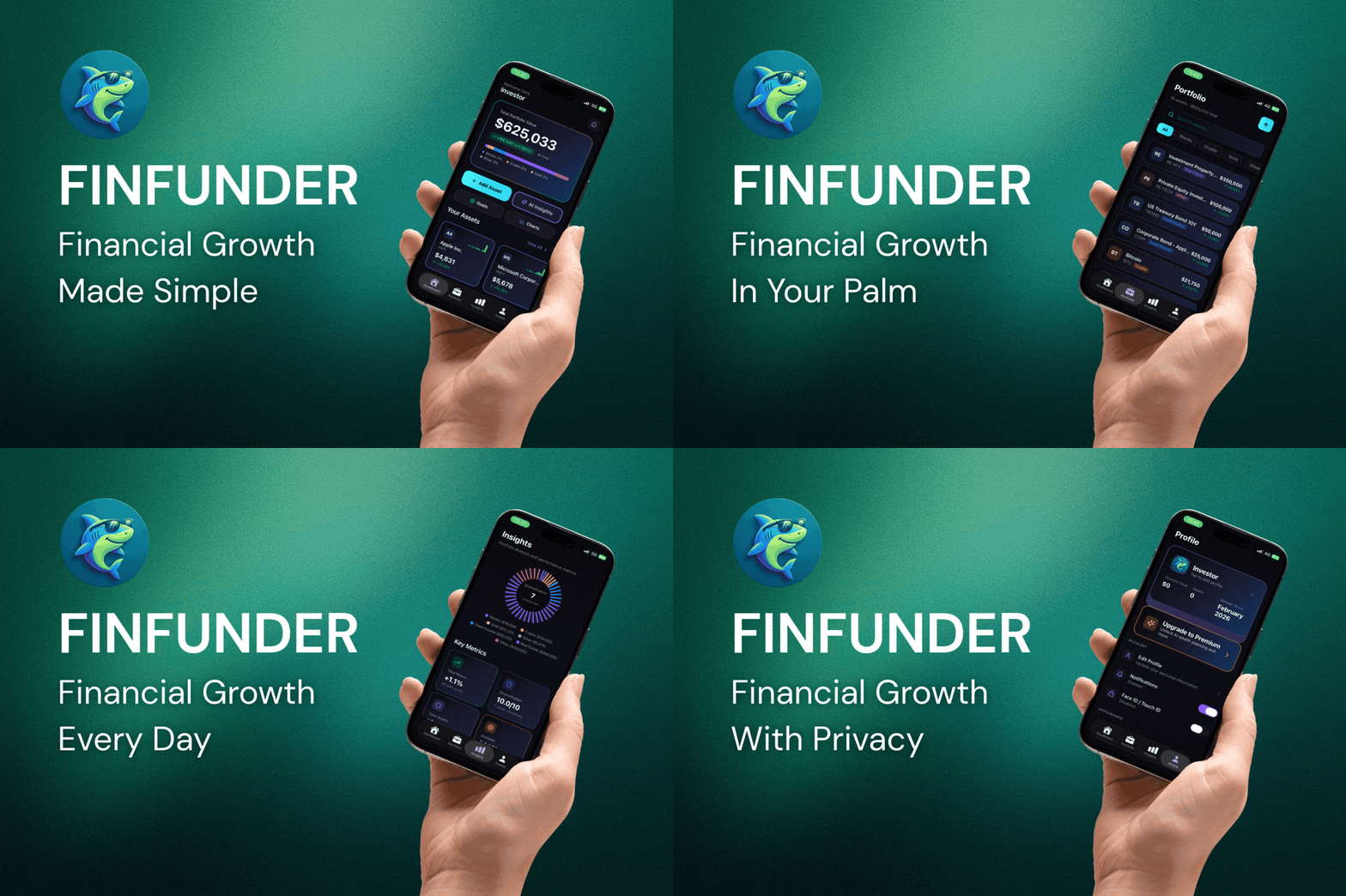
Finfunder is a simple investment overview app for people who manage their own money.
It lets you:
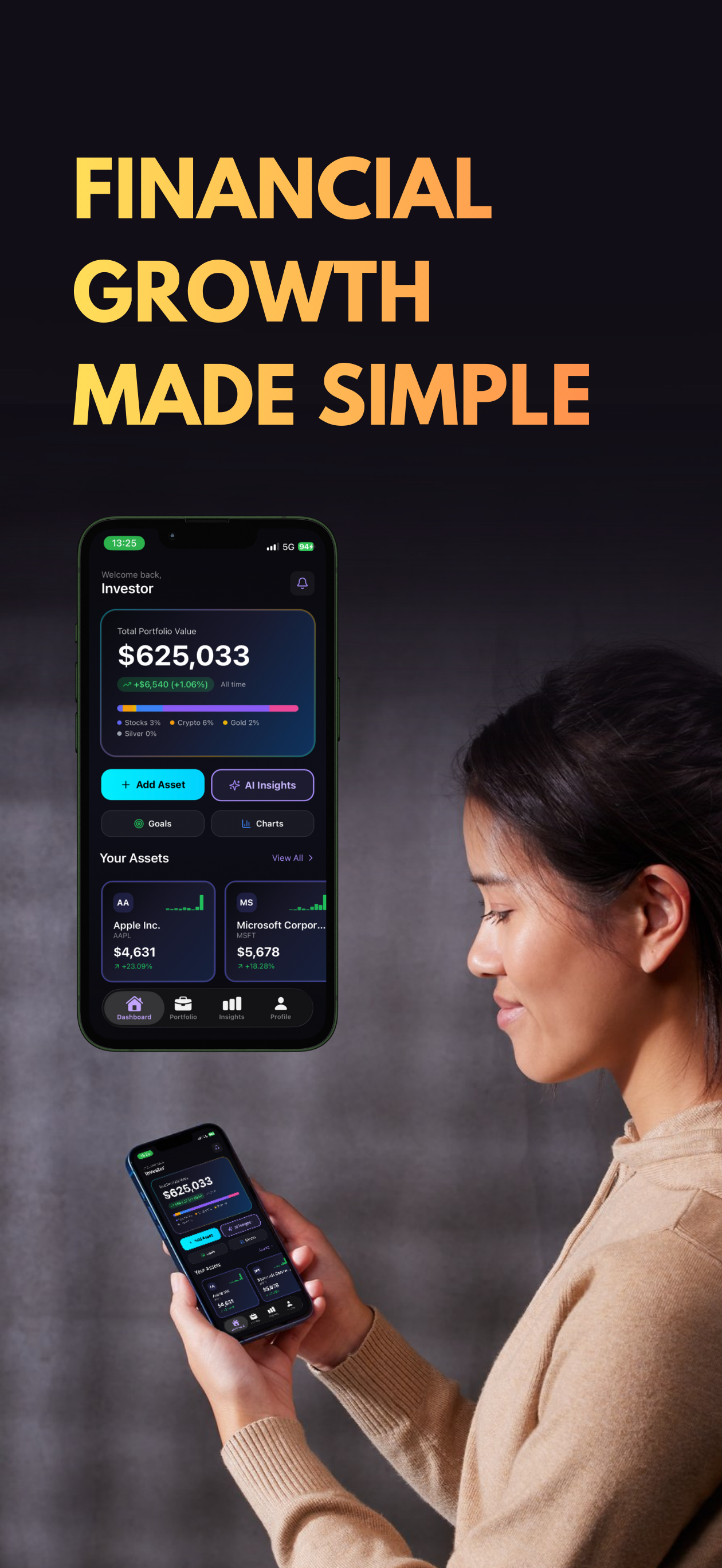
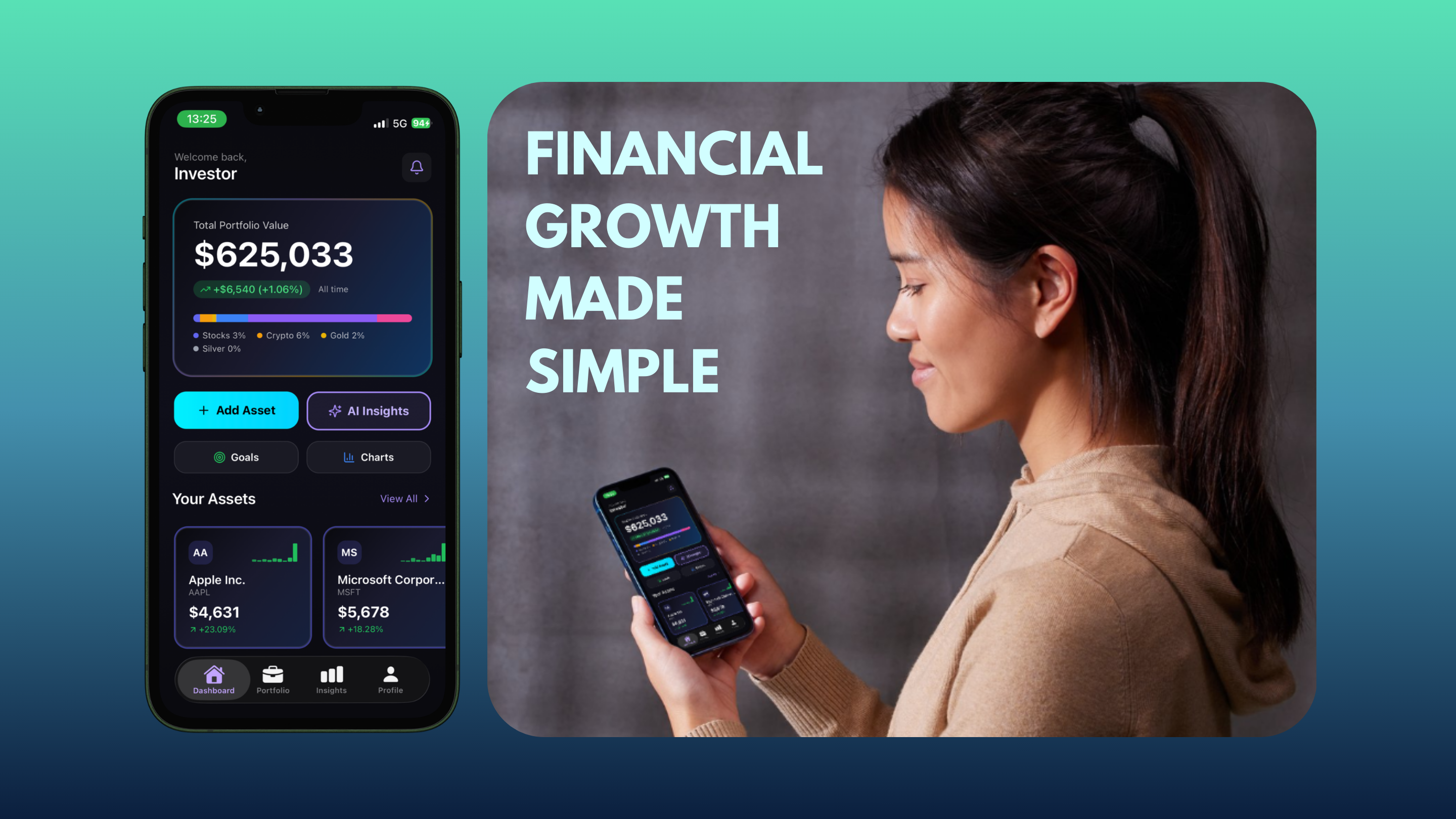
- Manually add all your assets in one place
- Track stocks, funds, gold, cash, fixed income, and other assets
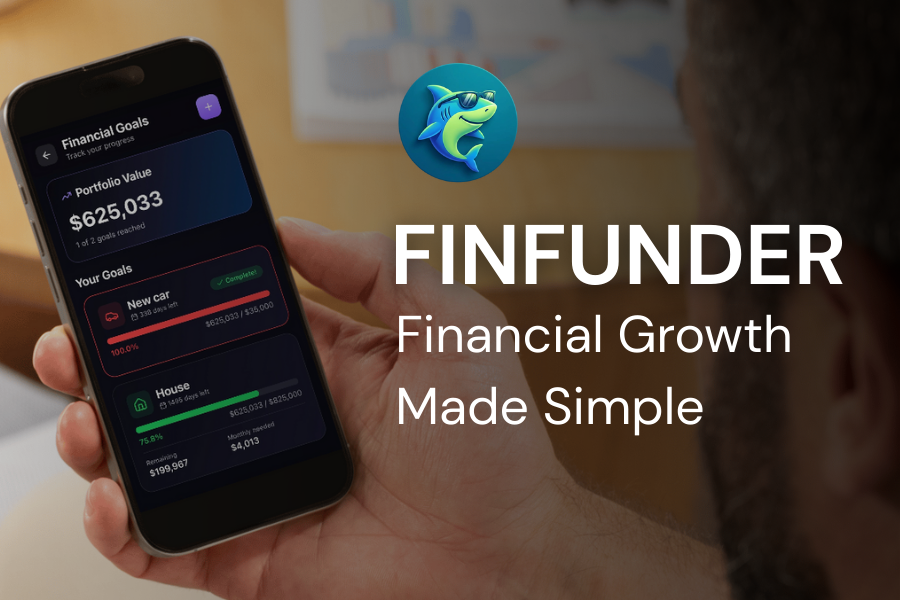
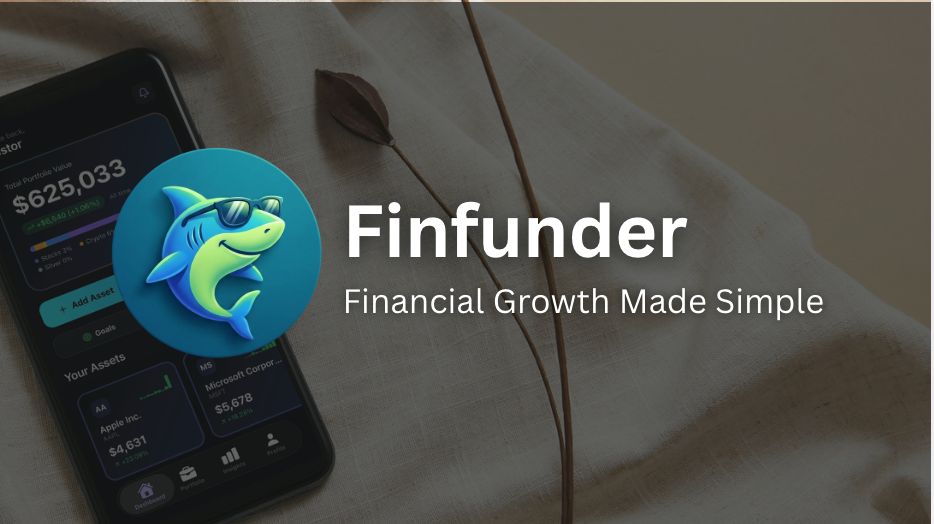
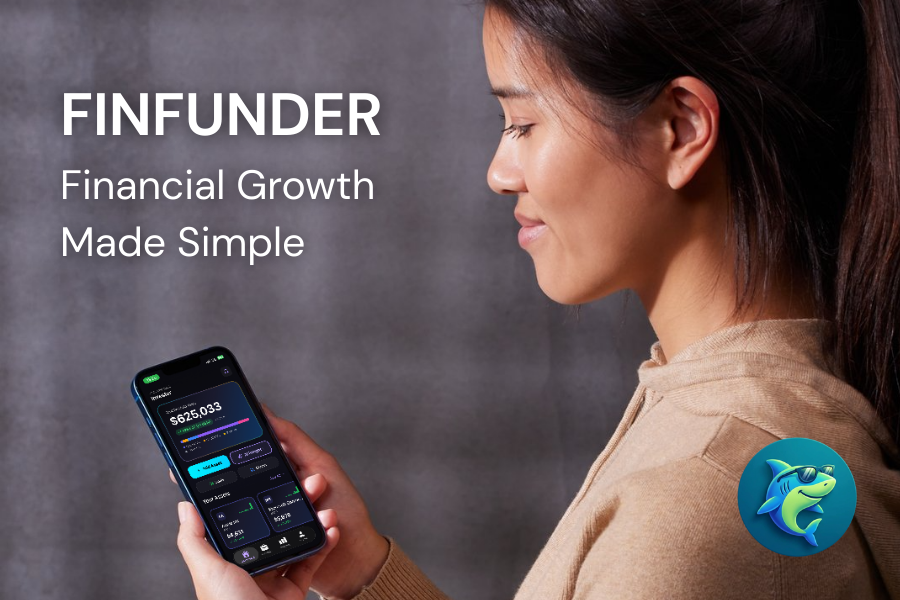
- See your total portfolio and how it’s distributed
- Understand concentration and diversification at a glance
- Get AI-powered insights based on market data
There’s no trading, no bank connections, no logins.
It’s just a clean, focused dashboard for understanding what you own and how it’s growing.
How we built it
Finfunder was built by me, as a solo developer.
The app is fully client-side with no backend and no user accounts. All data stays on the device.
I used a modern frontend setup and connected to third-party services for market data and AI-based analysis (for example OpenAI) to keep the app useful without collecting user data.
The main goal was to ship something real, usable, and calm and not feel to over-engineer.
Challenges I ran into
The biggest challenge was balancing simplicity vs usefulness.
I didn’t want Finfunder to feel like a complex finance product, but I also didn’t want it to feel shallow or pointless. Supporting many different asset types, especially non-listed ones like fixed income or manual assets, took more thinking than expected.
Another challange was deciding when something was “good enough” and moving on. When you’re building alone, it’s easy to get stuck polishing forever.
Accomplishments that we're proud of
I’m proud that:
- Finfunder solves a real problem I personally have
- It works without logins, accounts, or servers
- The UX feels calm and non-intimidating
- Privacy is respected by default
- I designed, built, and shipped the entire app on my own
Most importantly, I’m proud that Finfunder feels like something I actually want to keep using.
What we learned
I learned that:
- Finance tools don’t need to be loud or complicated
- Constraints (like no backend) can lead to better design
- Shipping alone teaches you way more than planning
- AI is most powerful when it stays subtle and supportive
Also… perfection is overrated. Progress matters more.
What's next for Finfunder
Next, I want to:
- Add a smarter insights around diversification and risk
- Improve visualizations over time
- Add light reminders for long-term assets
- Polish the UX and language even more
- Explore optional premium features, but only if they add real value
The goal is simple: Help people feel calmer, more confident, and more in control of their money day by day.
Built With
- cryptocoin-charts
- openai
- react-native
- stock-market-data
- vibecodeapp

Log in or sign up for Devpost to join the conversation.