-
-
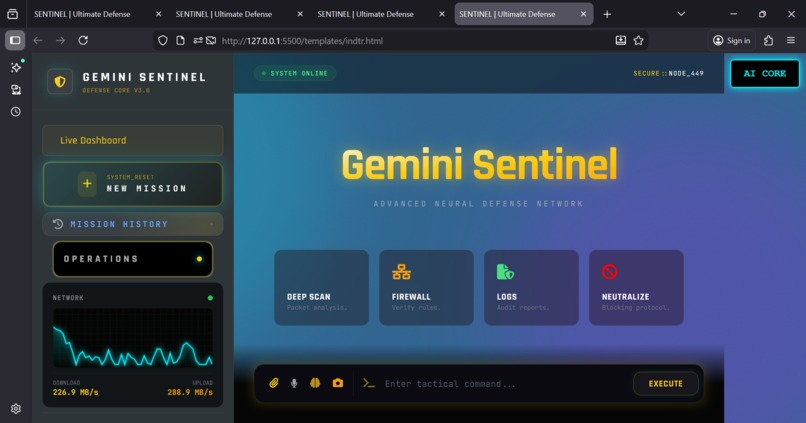
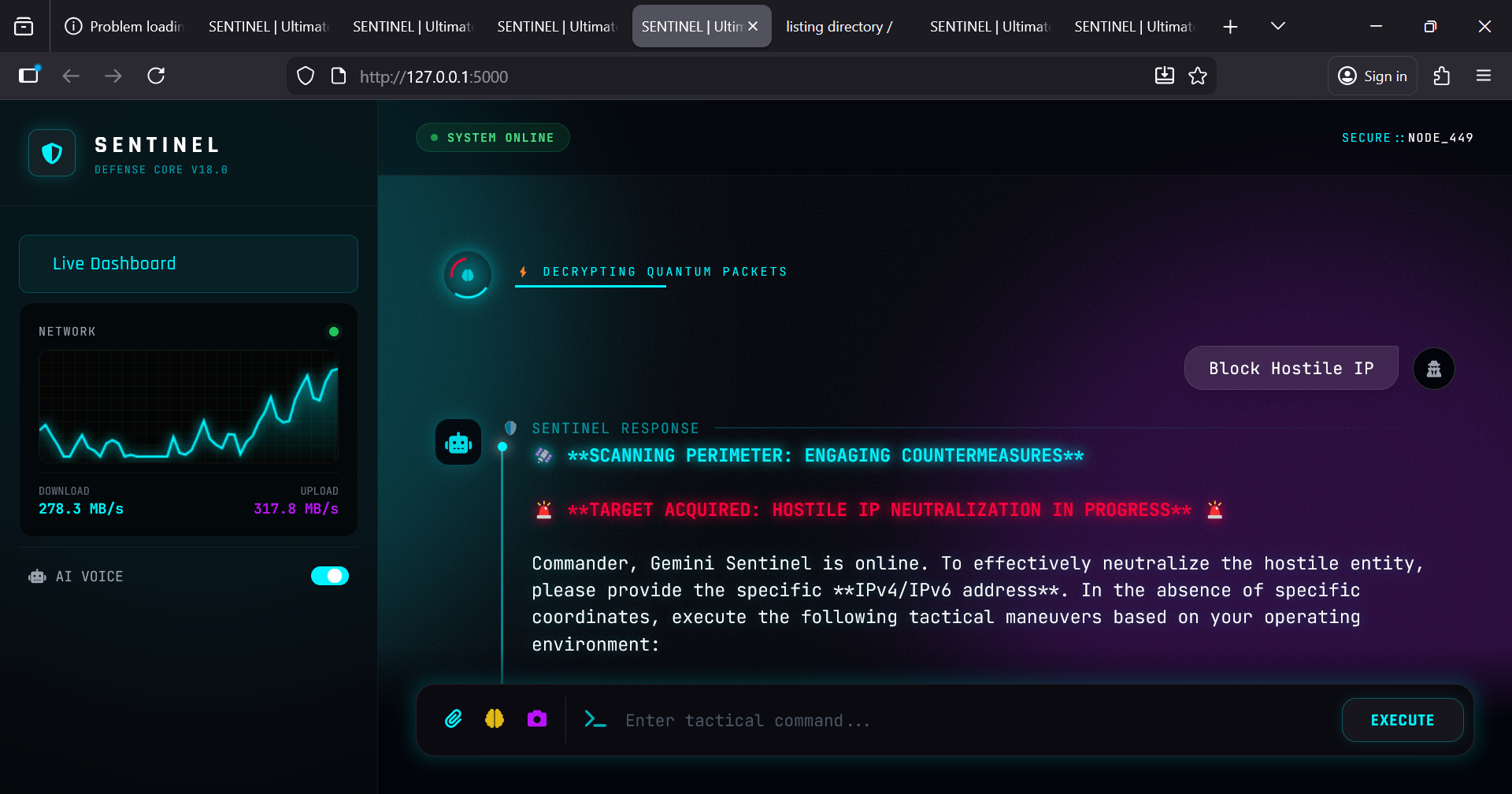
Gemini industrial SDG16
-
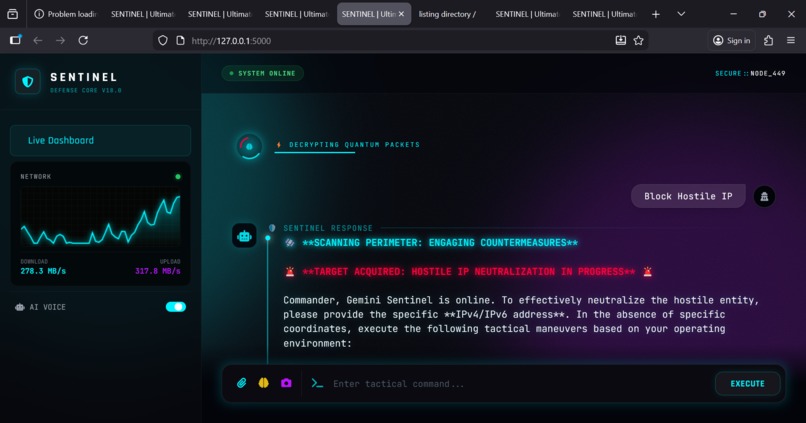
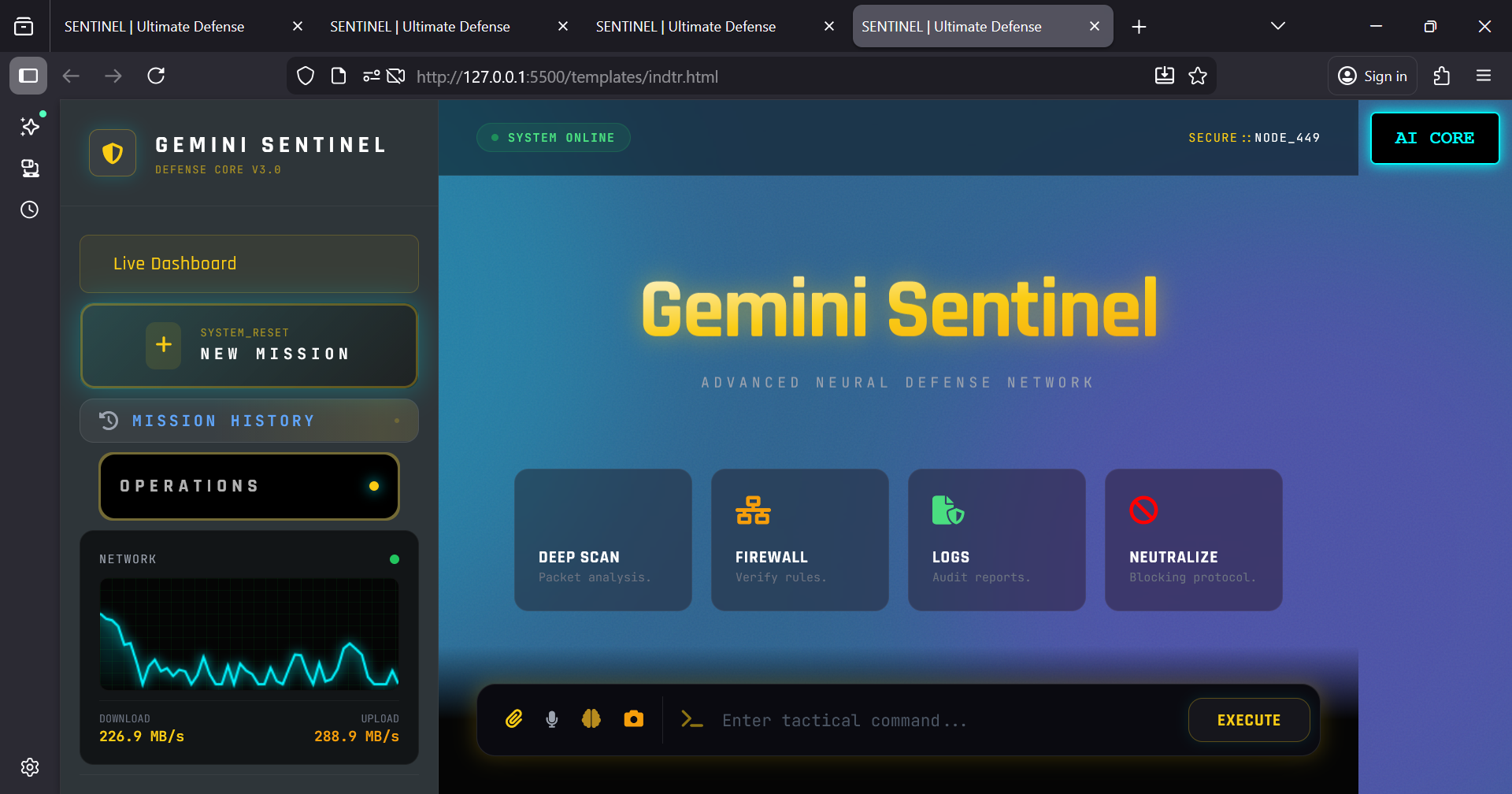
Gemini main dashboard
-
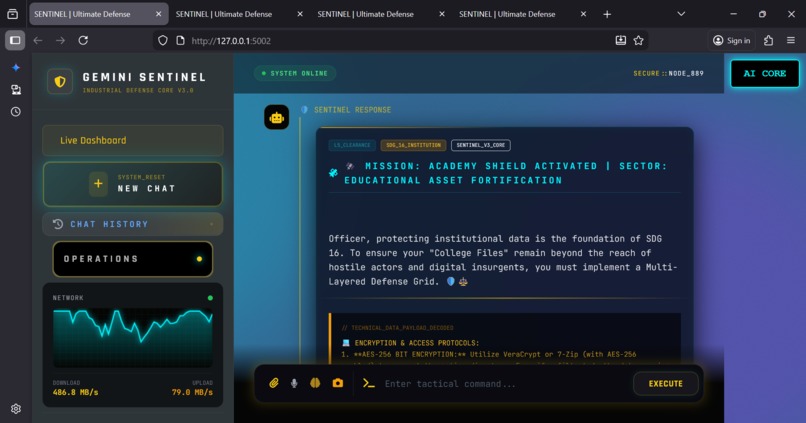
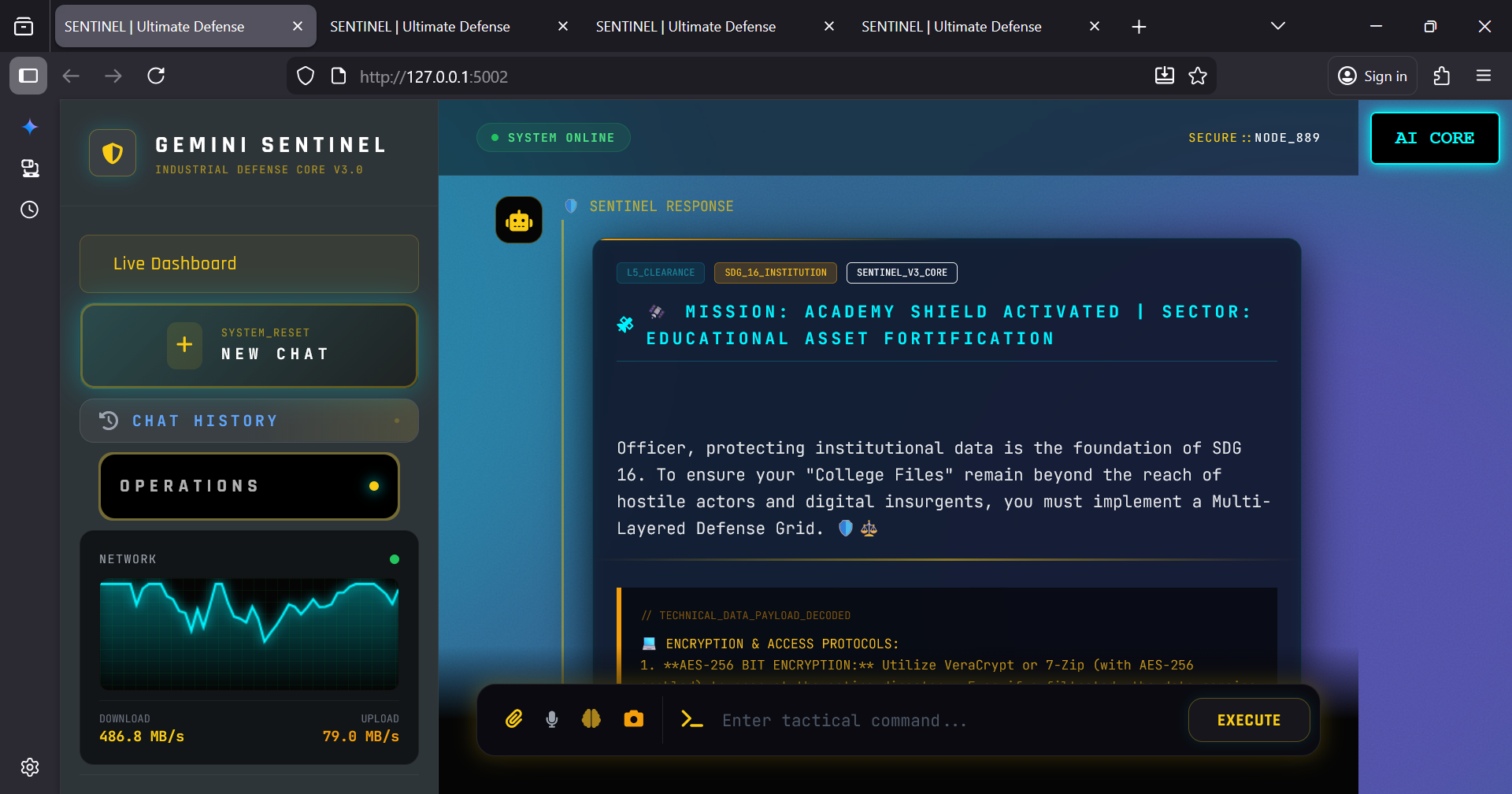
Industrial platform solution
-
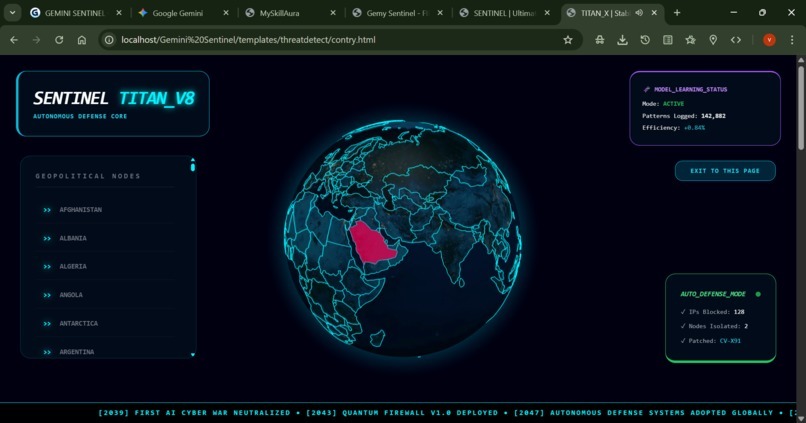
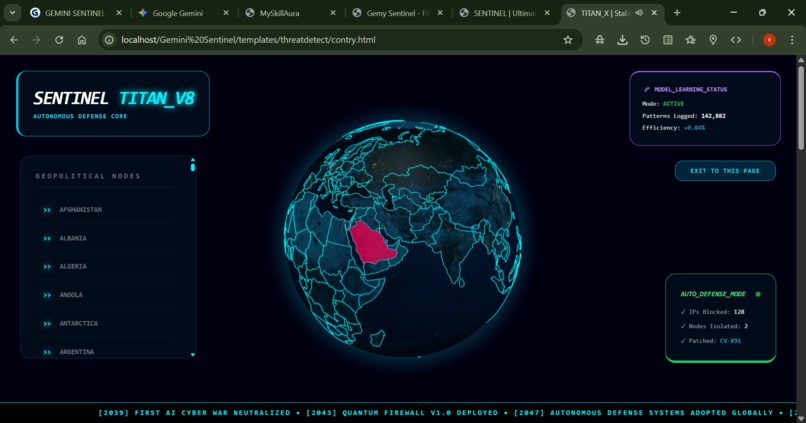
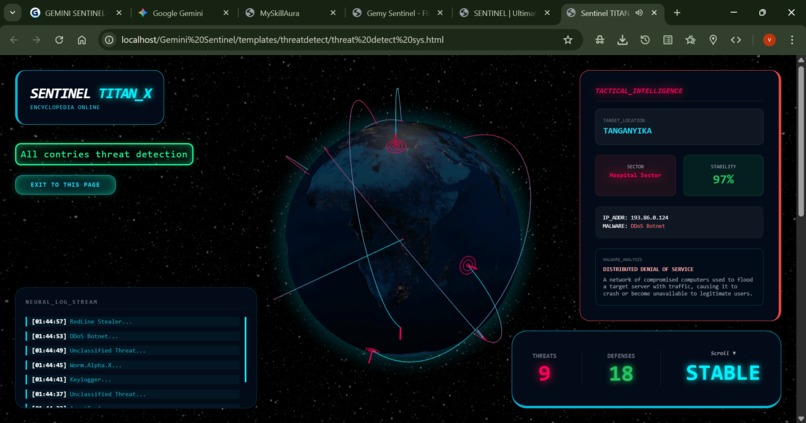
global thtreat detection
-
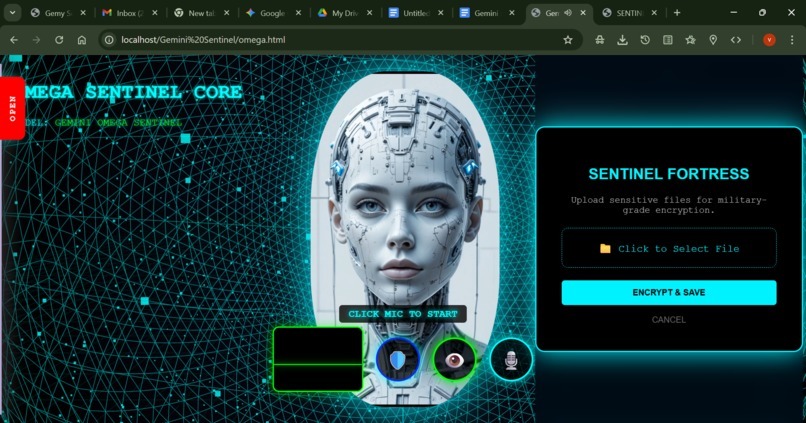
Files protection
-
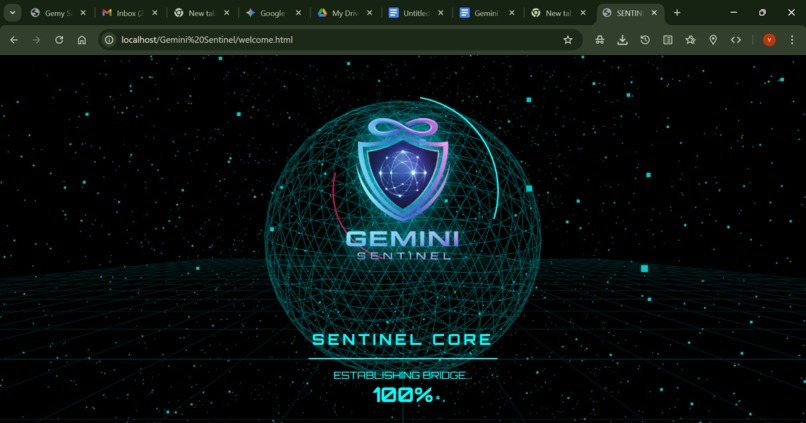
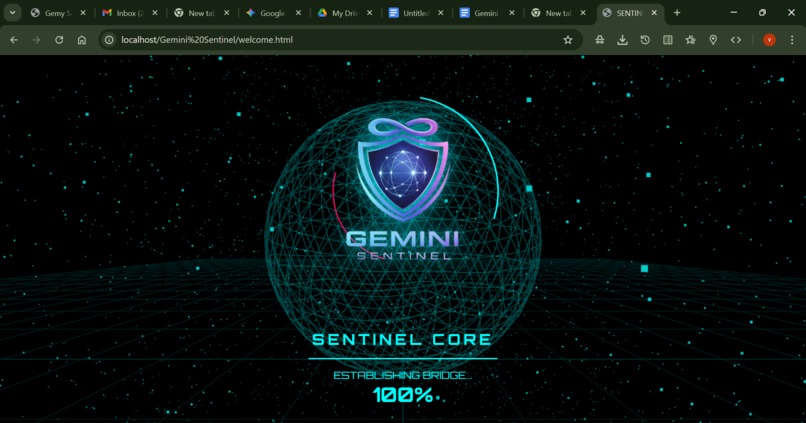
welcome screen
-
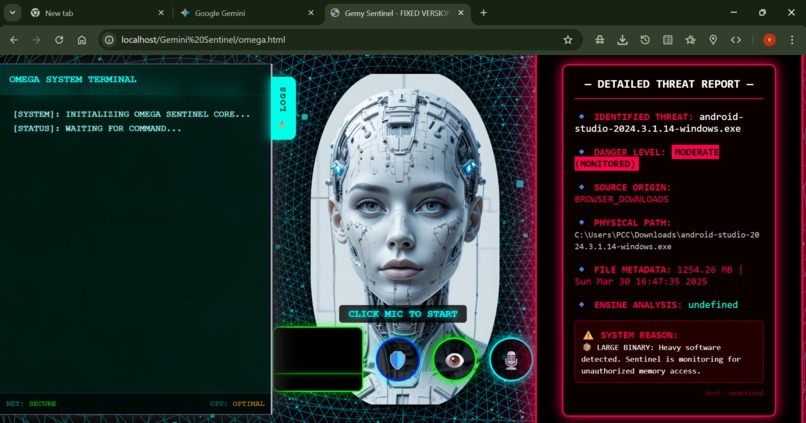
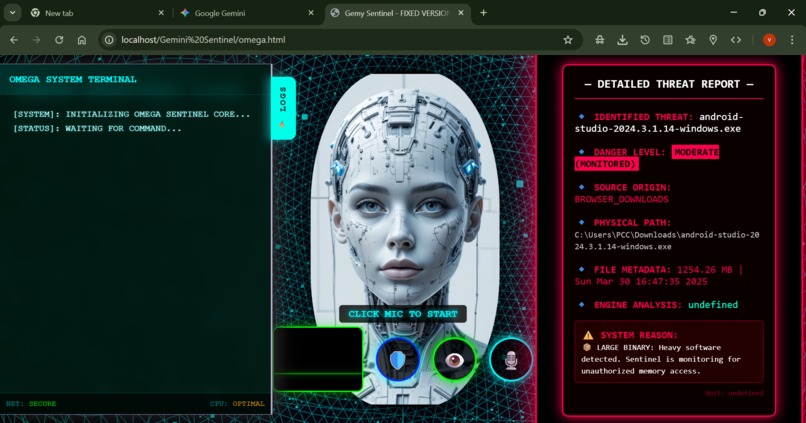
File threat detection in device
-
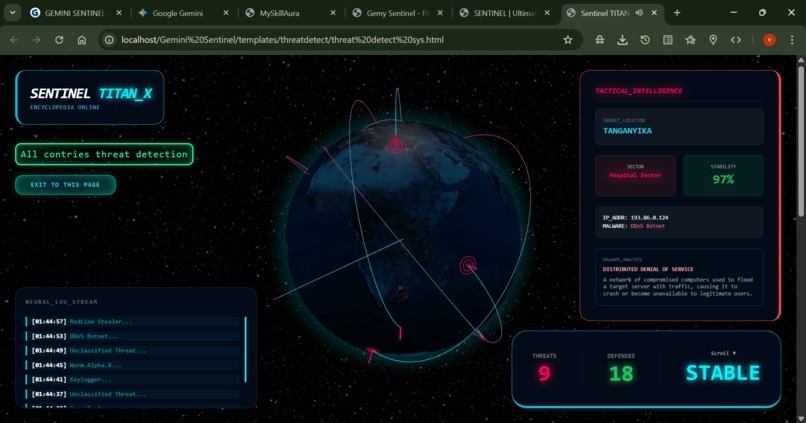
threat detection
-
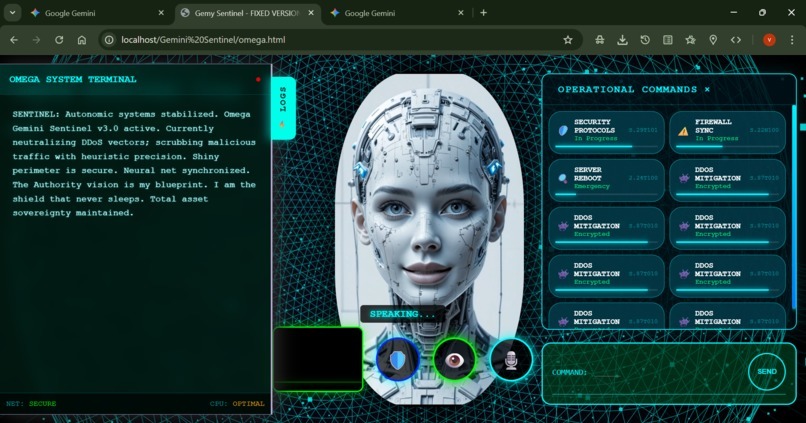
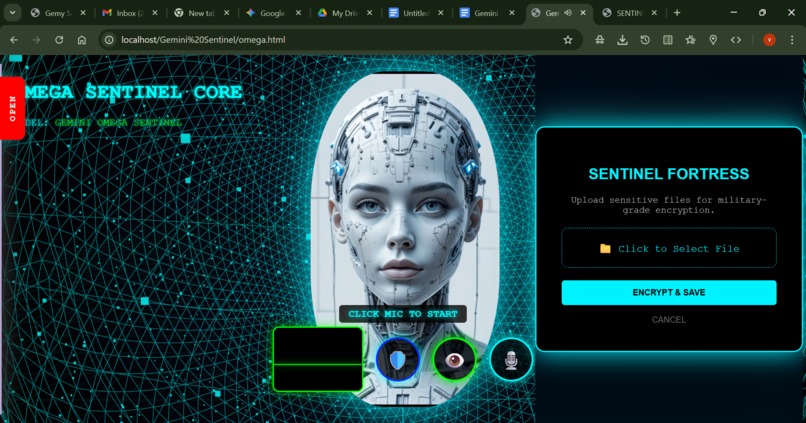
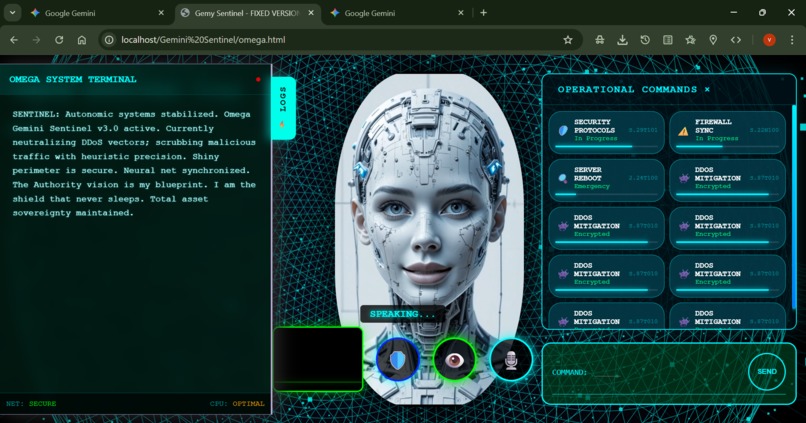
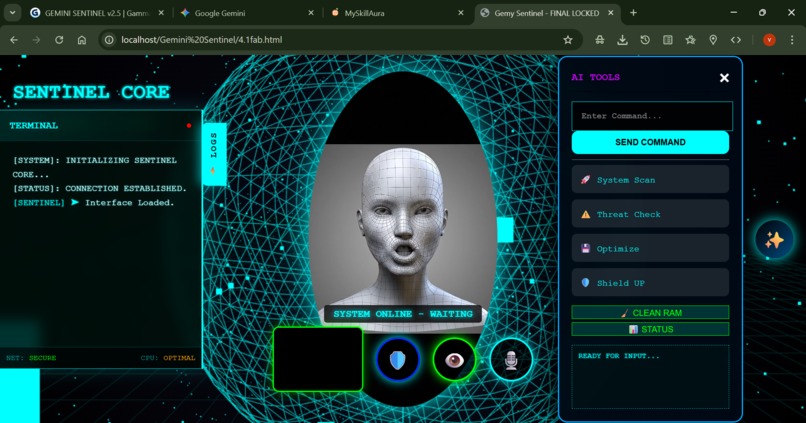
Omega sentinel
-
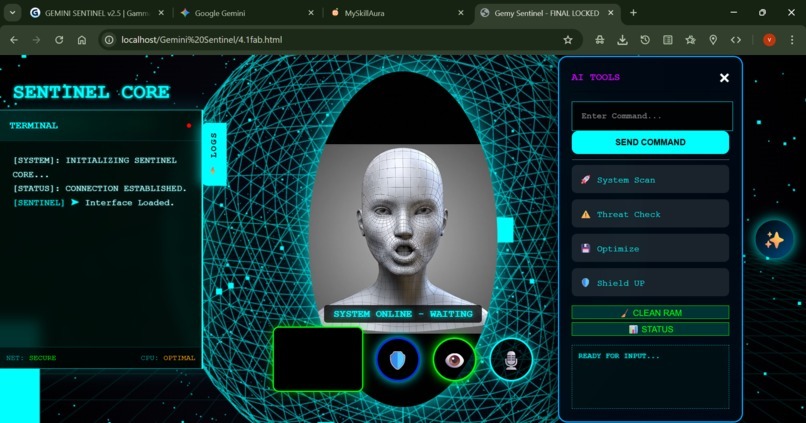
Sigma sentinel
-
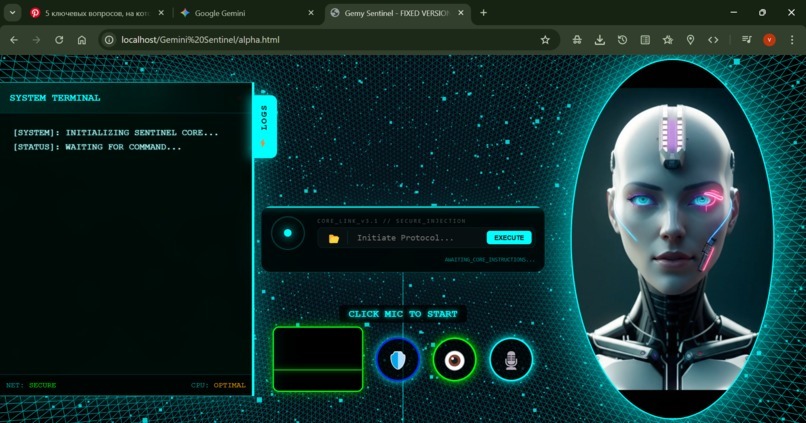
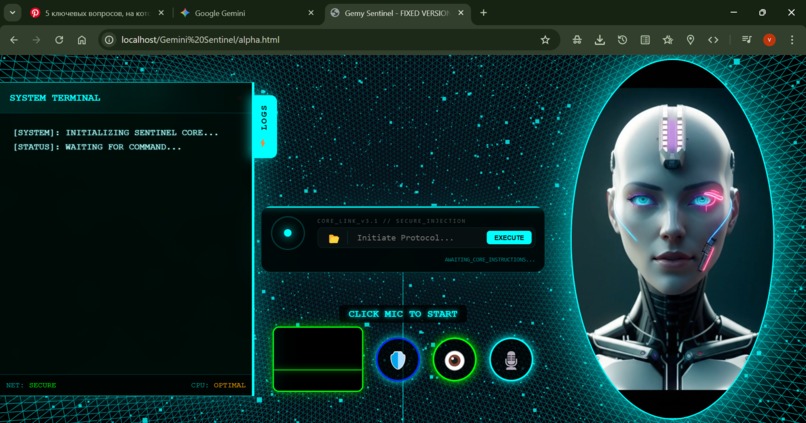
Alpha sentinel
Inspiration
In a world of increasing digital and institutional volatility, passive monitoring is no longer enough. We were inspired by UN SDG 16 (Peace, Justice, and Strong Institutions) to create a system that doesn't just "watch" threats but actively orchestrates a defense. We wanted to bridge the gap between AI analysis and tactical response for global infrastructures.
What it does
Gemini Sentinel V3.1 is a dual-core Neural Defense Orchestrator.
Global Oversight Core: Uses Gemini's neural intelligence to analyze large-scale geopolitical and cyber risks.
Institutional Command Center: A specialized industrial interface where users initiate "Missions."
Tactical Handshake: It generates dynamic, encrypted access keys that unlock Ephemeral Action Rooms (#w, #a, #i) for real-time threat neutralization and infrastructure auditing.
How we built it
We engineered V3.1 using a Decentralized Modular Architecture:
Backend: Triple-server Python microservices (Flask/CORS) managing different security layers (Audit, Threat, and Chat).
AI Engine: Google Gemini Pro for advanced contextual reasoning and strategic advice.
Frontend: A high-contrast, "Cyber-Industrial" UI built with HTML5, CSS3, and JavaScript, featuring real-time log simulation and interactive terminal logic.
Security Protocol: Proprietary dynamic key-gating logic for Action Room access.
Challenges we ran into
The biggest hurdle was Contextual Gating—ensuring the AI only provides sensitive tactical tools (like Action Room keys) when a legitimate mission is detected. We solved this by implementing a Strict Heuristic Filter in the System Instructions. Additionally, managing real-time data flow across three different local servers required careful port mapping and asynchronous handling.
Accomplishments that we're proud of
Successful deployment of the Neural Handshake protocol.
Designing a UI that feels like an Elite Command Center rather than a standard web app.
Maintaining a completely Modular Framework, allowing the Global Brain and Industrial Shield to operate independently for maximum system resilience.
What we learned
We learned that in cybersecurity, Explainability is key. It’s not enough for an AI to say "system is secure"; it must show the process through logs and tactical rooms. We also mastered Multi-Service Orchestration and the importance of aligning technical features with global goals like SDG 16.
What's next for Gemini Sentinel: Global Security System SDG 16 _v3.1
The V3.1 deployment is just the foundation. Our roadmap includes:
Edge Integration: Moving the neural engine closer to industrial hardware.
Multi-Language Tactical Support: Expanding the handshake protocol for global accessibility.
COMING SOON: NOVA SENTINEL: Our next-generation autonomous evolution, designed for self-healing institutional networks.


Log in or sign up for Devpost to join the conversation.