Inspiration C³ — Case Clarity Compass
"Clarity. Context. Control."
From complex case files to clear, verifiable next steps.
Inspiration
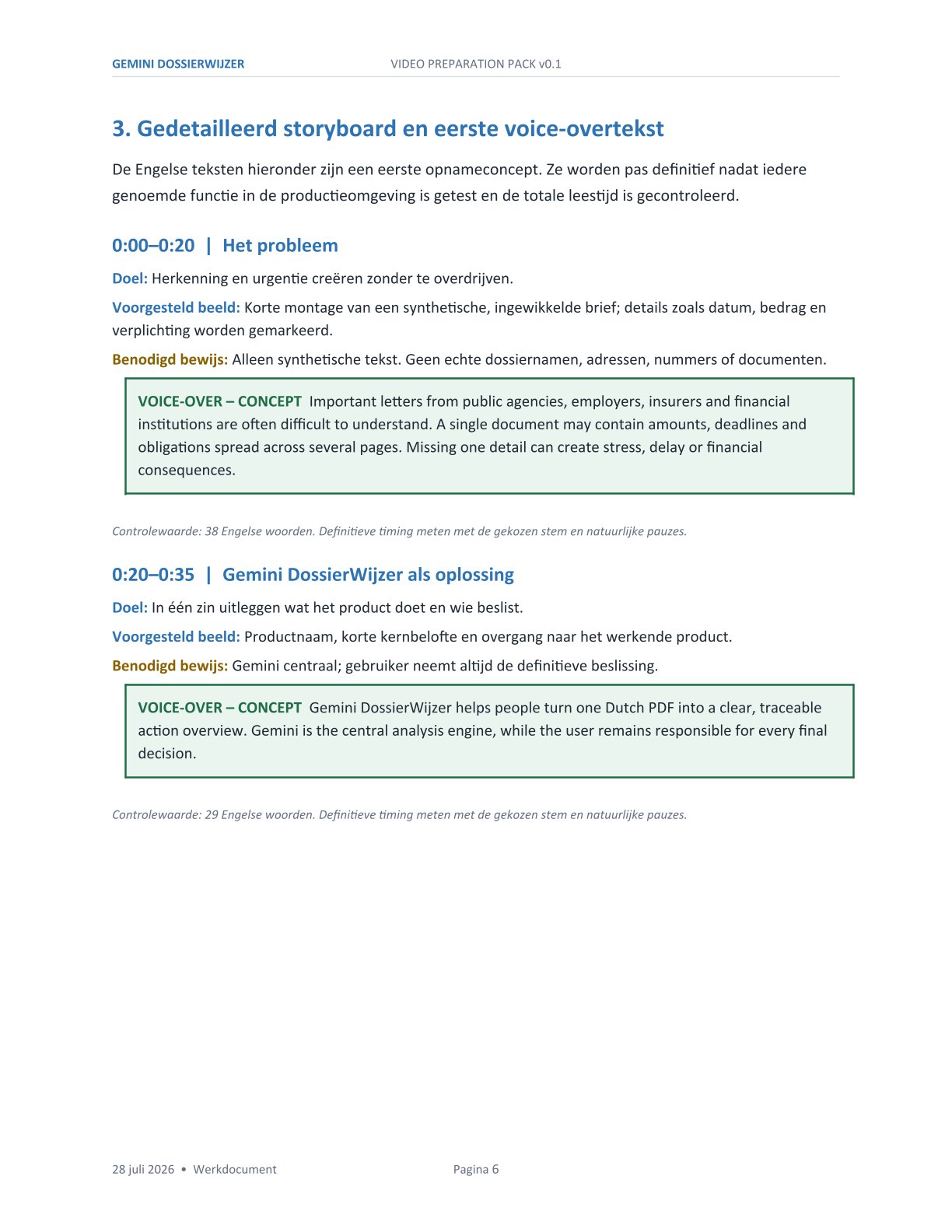
People regularly receive complex documents from government agencies, municipalities, employers, pension funds, insurers, banks, healthcare providers, and other organizations. These documents may contain important decisions, deadlines, financial amounts, obligations, evidence, and possible consequences—but the information is often scattered across many pages and written in language that is difficult to understand.
Missing one deadline, overlooking one attachment, or misunderstanding one sentence can have serious personal or financial consequences.
This problem is not limited to one country or one type of case. Around the world, people struggle to understand case files that affect their work, income, insurance, housing, benefits, healthcare, or legal position.
We created "Case Clarity Compass" to help people navigate that complexity.
Our goal is not to replace professional advice or make decisions on behalf of the user. Our goal is to provide a clear, source-grounded overview that helps people understand what matters, identify what may be missing, and prepare better questions and next steps.
What it does
"Case Clarity Compass" uses Google Gemini to transform complex case files into a structured and understandable overview.
The prototype helps users:
- identify and classify uploaded documents;
- extract key facts, dates, amounts, organizations, and people;
- reconstruct events as a clear timeline;
- explain difficult content in plain language;
- highlight deadlines, obligations, and points requiring attention;
- detect contradictions between documents;
- identify potentially missing documents or information;
- distinguish source facts from AI-generated interpretation;
- present suggested next steps without taking control away from the user;
- connect important findings to their underlying sources.
Instead of returning only a generic summary, Case Clarity Compass is designed to answer practical questions such as:
- What happened?
- Which documents and decisions matter most?
- What are the important dates and deadlines?
- Do any documents contradict each other?
- What information or evidence may be missing?
- Which conclusions are directly supported by the source material?
- What should the user verify or ask about next?
The result is not an autonomous decision. It is a decision-support overview that the user can inspect, verify, and use when speaking with an organization or qualified professional.
Why Google Gemini
Case files are difficult because meaning is distributed across multiple documents. A critical date may appear in one letter, the reason for a decision in another, and a conflicting amount in a third.
Google Gemini gives us the ability to analyze long and varied document content, reason across related information, produce structured output, and explain complex language in a more accessible way.
We use Gemini as the reasoning and language layer of the application—not as an unchecked authority.
Our product philosophy is built around three principles:
Clarity
Help the user understand what matters by turning fragmented documents into structured findings and timelines.
Context
Preserve the relationships between facts, dates, people, organizations, documents, and source passages.
Control
Keep the human in charge by showing uncertainty, enabling verification, and avoiding autonomous high-impact decisions.
Together, these principles form C³: Clarity, Context, and Control.
How we built it
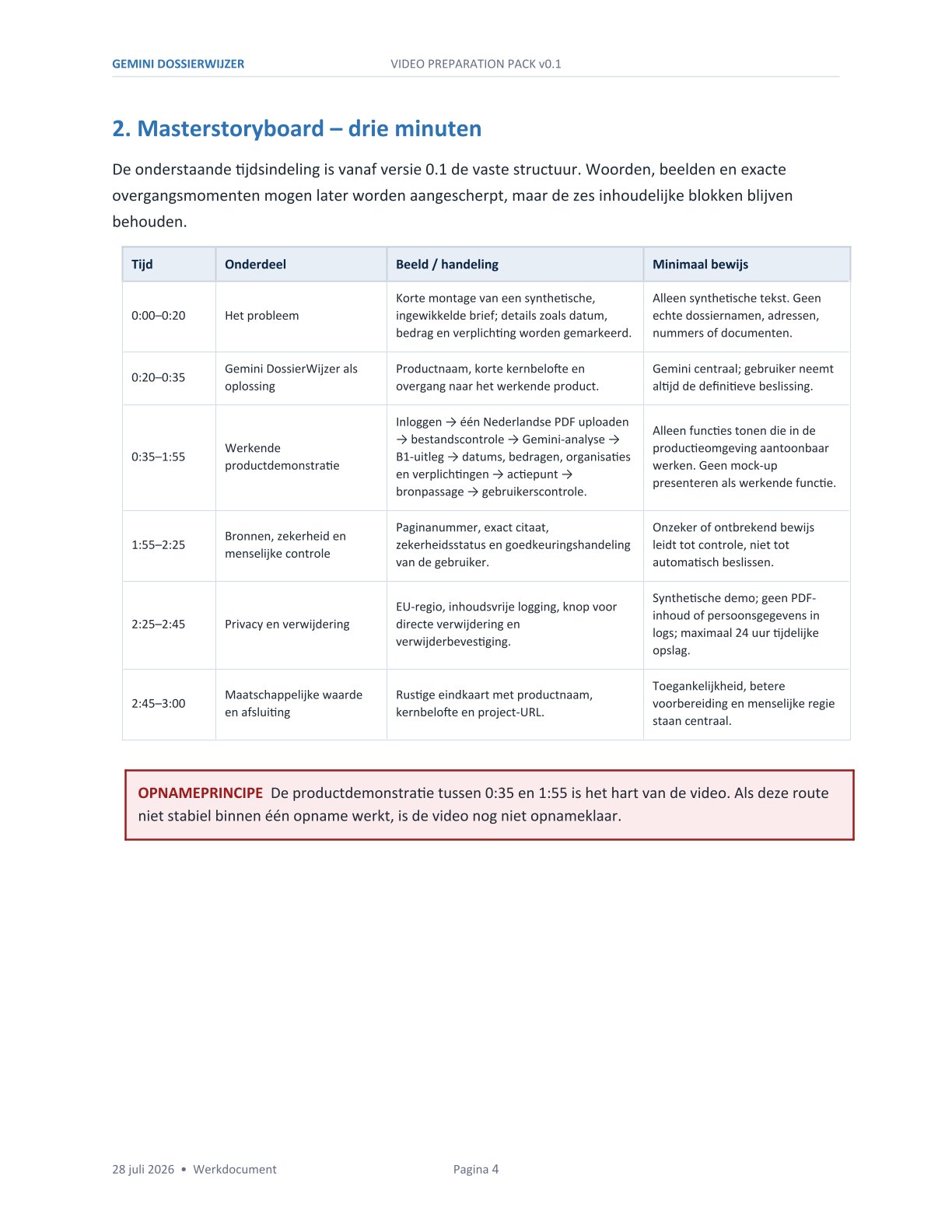
Case Clarity Compass is being developed as a privacy-conscious web application with a structured document-analysis workflow.
At a high level, the application:
- receives one or more case-file documents;
- validates and prepares the uploaded content;
- sends carefully structured analysis instructions to Google Gemini;
- asks Gemini to return findings in a consistent format;
- organizes those findings into timelines, facts, contradictions, missing information, and suggested next steps;
- presents the result in a form that users can review and verify.
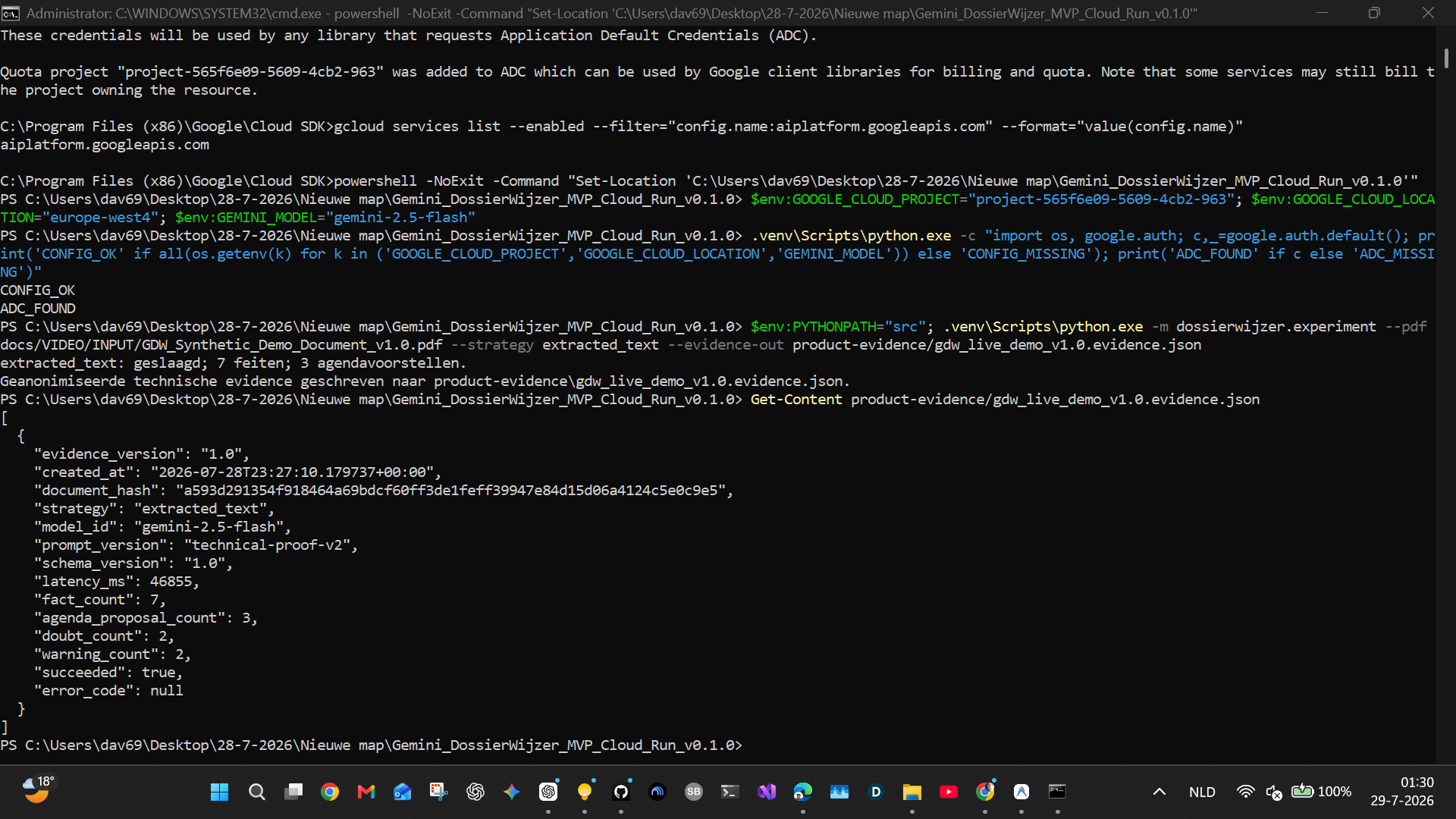
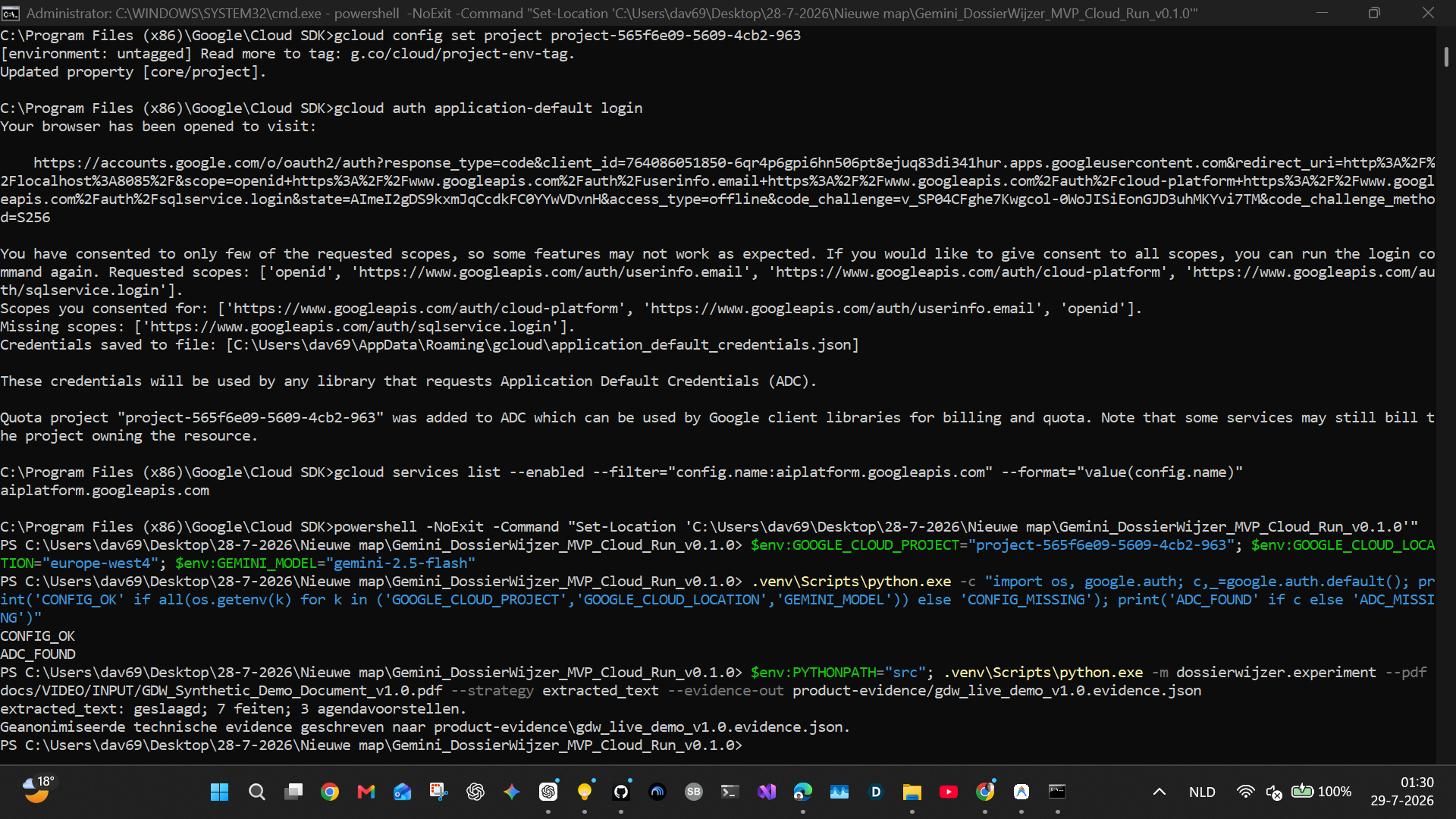
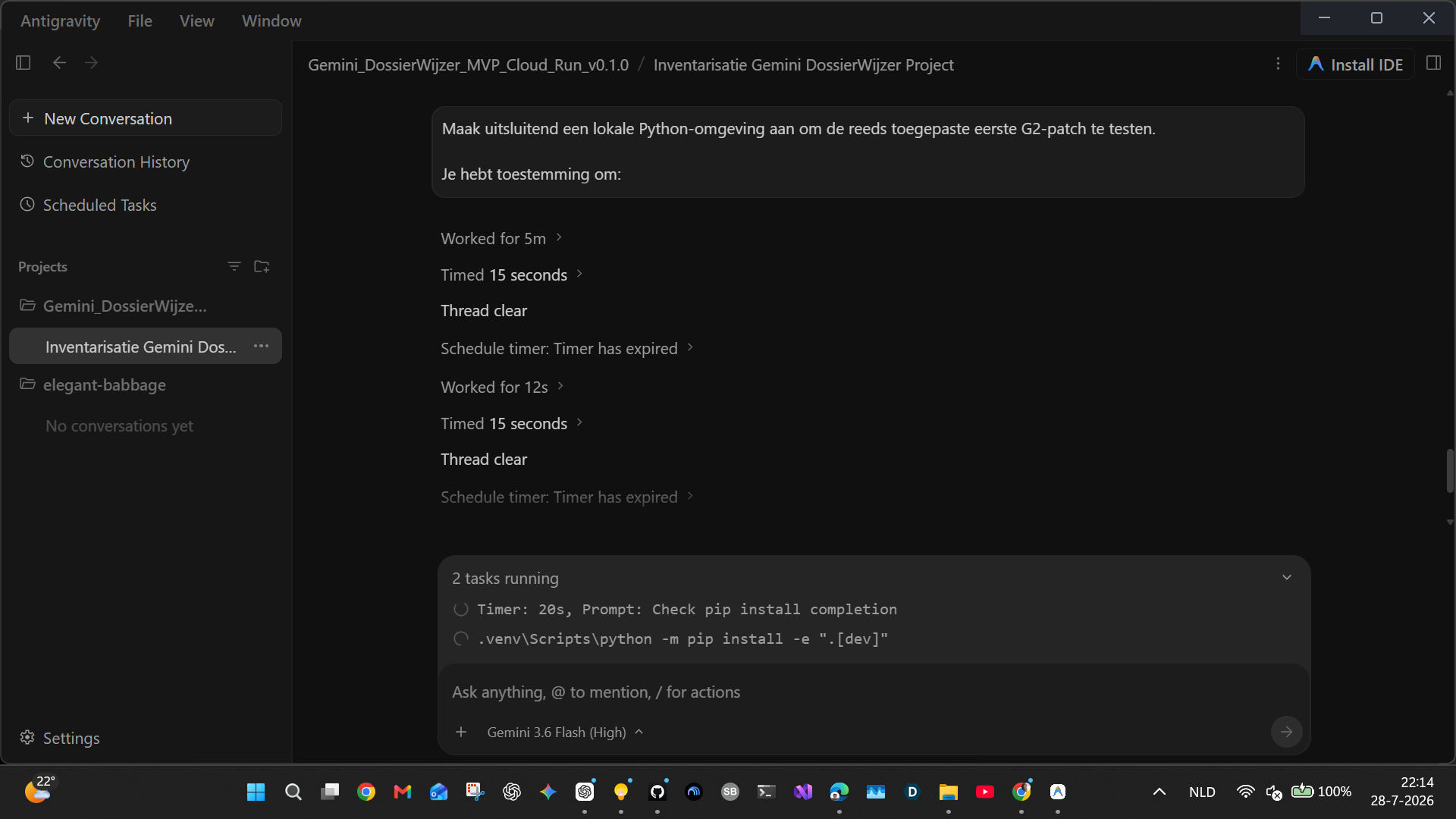
The application is containerized with Docker and prepared for deployment on Google Cloud Run in the europe-west4 region.
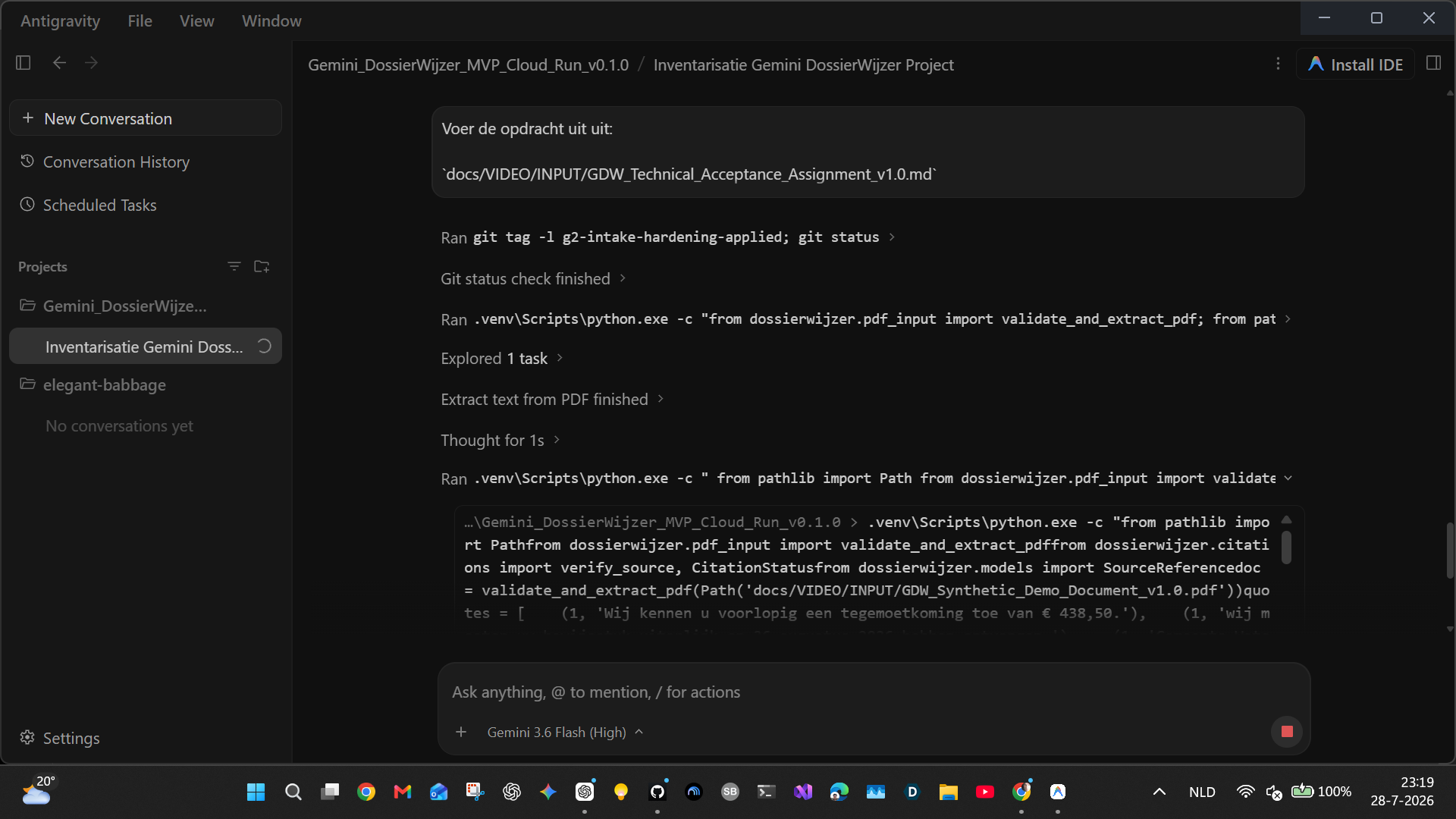
We have also designed a controlled release process around the application. Release artifacts are checked using exact file sizes, SHA-256 identities, strict UTF-8 validation, static PowerShell parsing, and explicit human approval gates.
New revisions are designed to be deployed initially with 0% production traffic. This allows us to verify a revision before considering any separate decision to expose it to users.
This engineering approach reflects the same philosophy as the product itself:
- do not silently guess;
- stop safely when something is inconsistent;
- preserve traceability;
- keep critical decisions under human control.
Challenges we faced
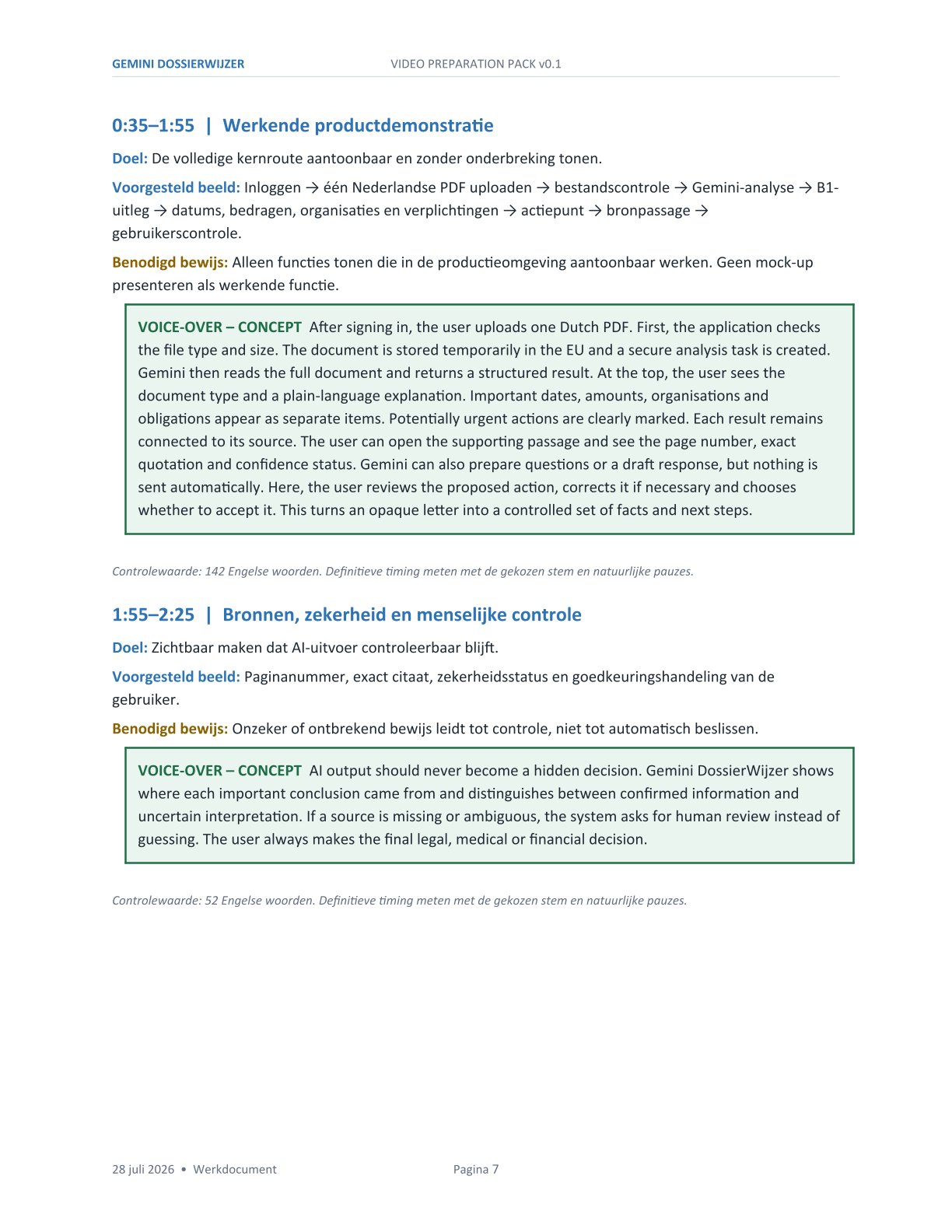
Making AI output verifiable
A fluent answer is not automatically a trustworthy answer. One of our main challenges was designing the experience around information that users can trace back to the original documents.
We learned that a useful case-file assistant must separate:
- facts found in the source;
- relationships inferred from multiple documents;
- uncertainty or missing information;
- suggested actions that still require human judgment.
Handling inconsistent documents
Real case files are rarely clean. Different documents may use different terminology, refer to different dates, repeat old information, or contradict one another.
A good system should not silently choose one version. It should show the conflict and help the user understand what needs to be verified.
Turning summaries into useful guidance
A summary may reduce the amount of text, but it does not necessarily help the user decide what deserves attention.
We therefore focused on structure: timelines, deadlines, key findings, contradictions, missing information, source references, and clear next steps.
Building a safe release process
The AI experience is only one part of a trustworthy product. The deployment process must also prevent accidental changes.
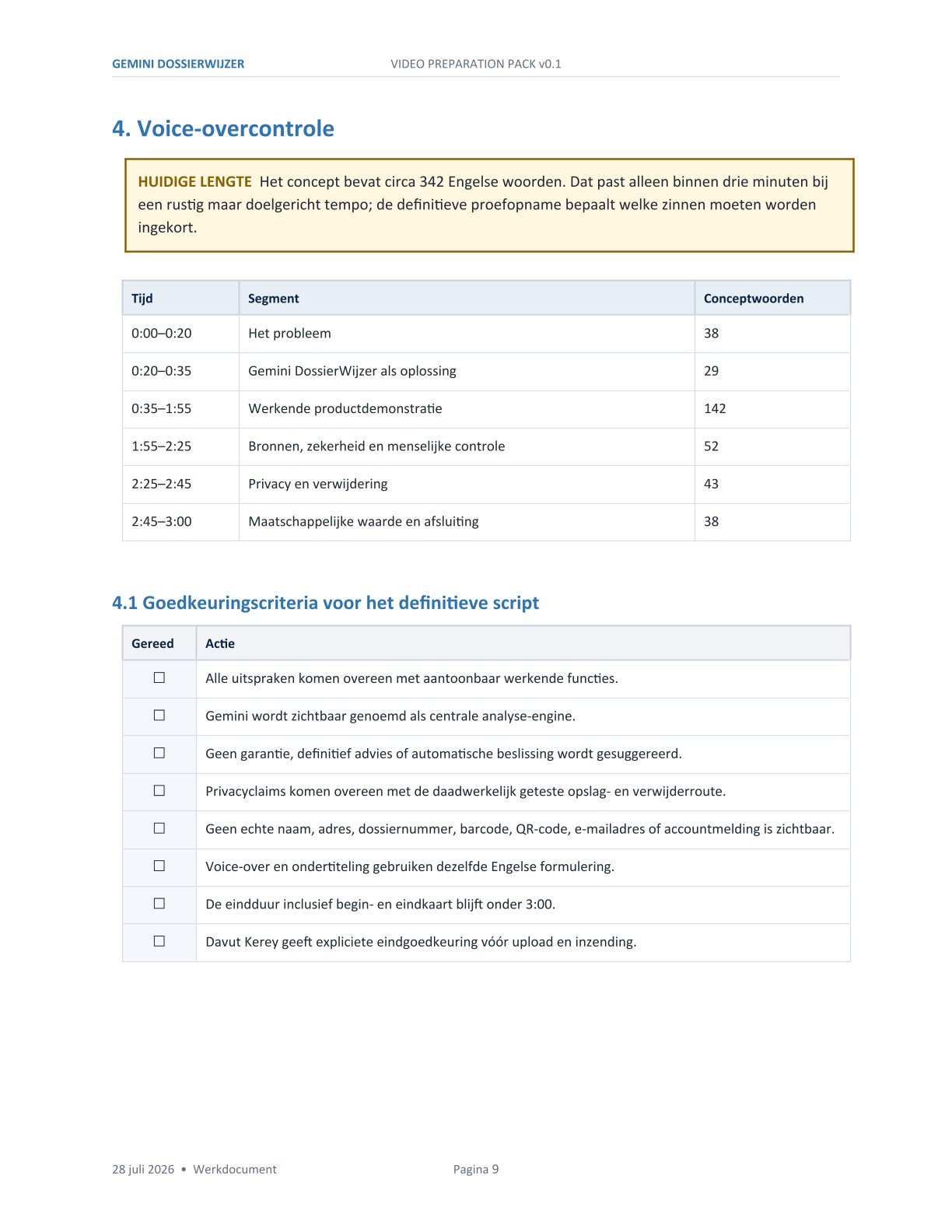
During development, our fail-closed release workflow successfully stopped when required inputs were missing and when a canonical release artifact contained a PowerShell syntax error. No build, push, deployment, or production traffic change was performed after those deviations.
Although stopping can feel slower, it demonstrated that the safeguards were working as intended.
Designing for an international audience
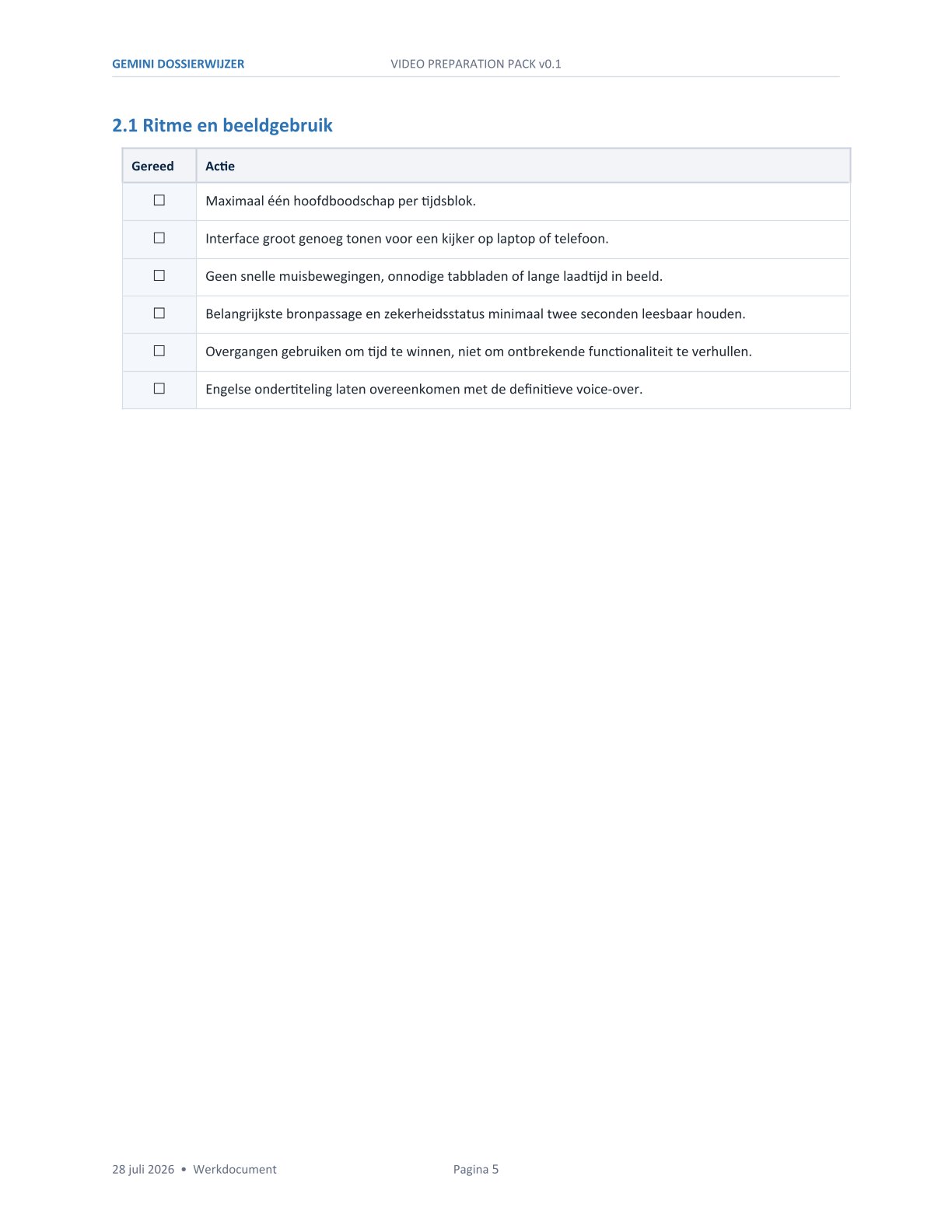
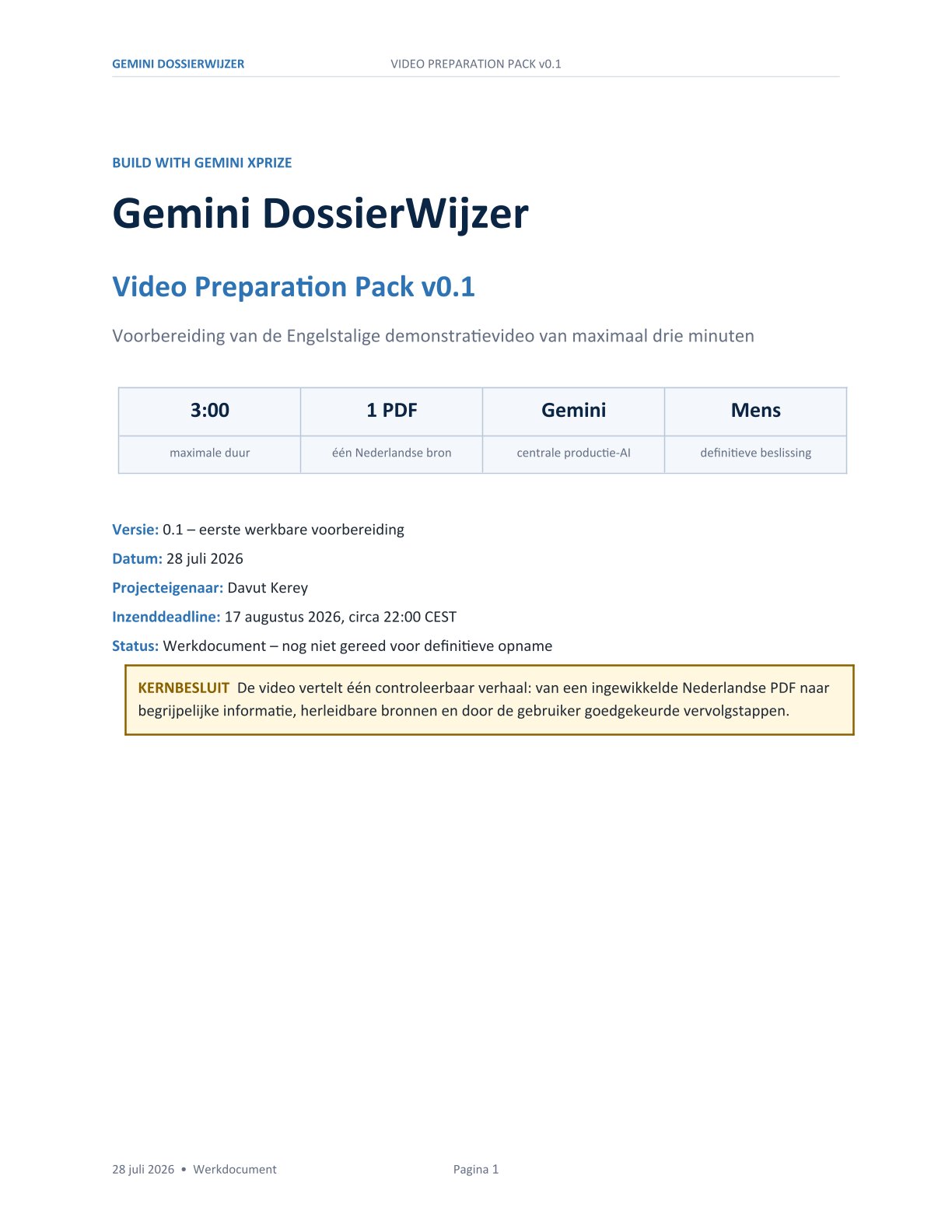
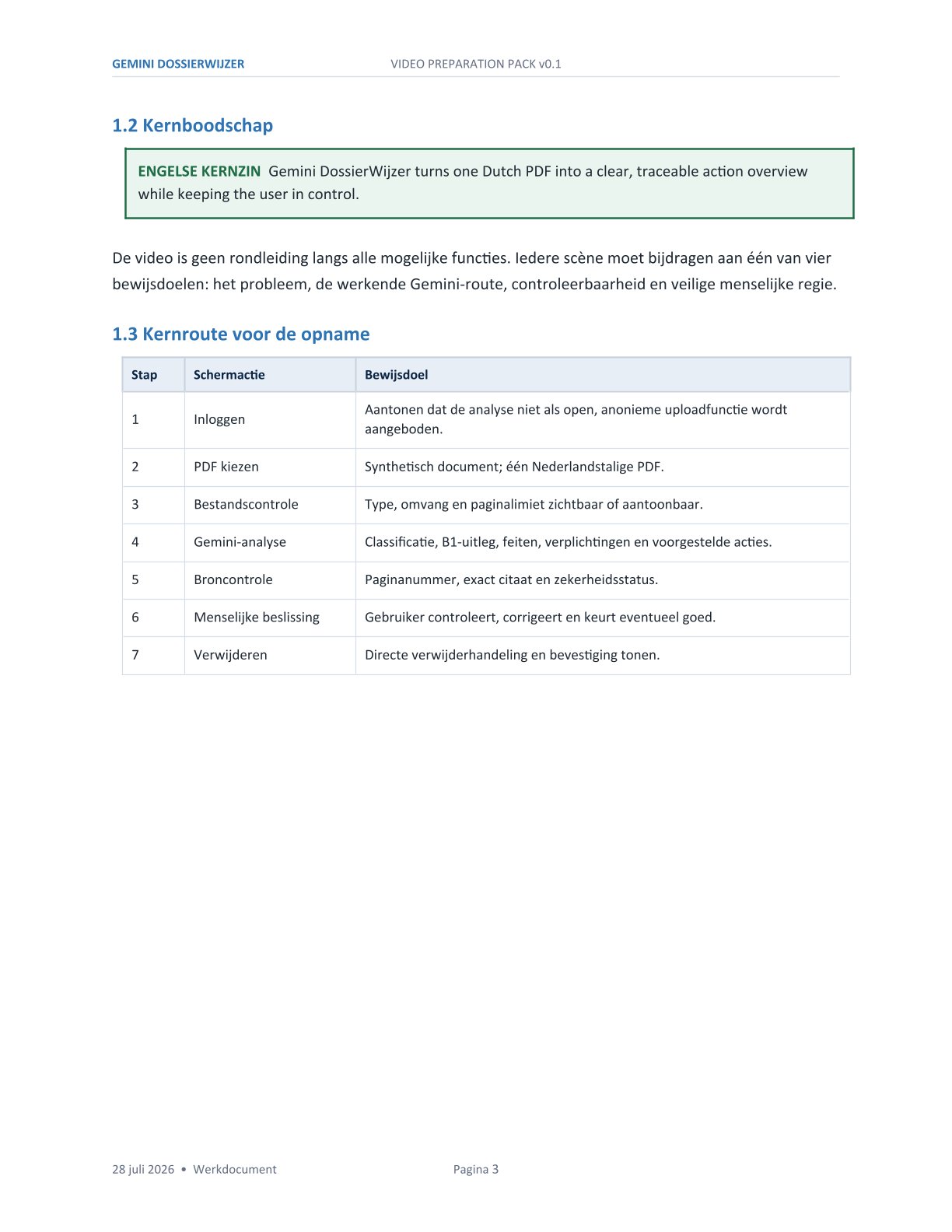
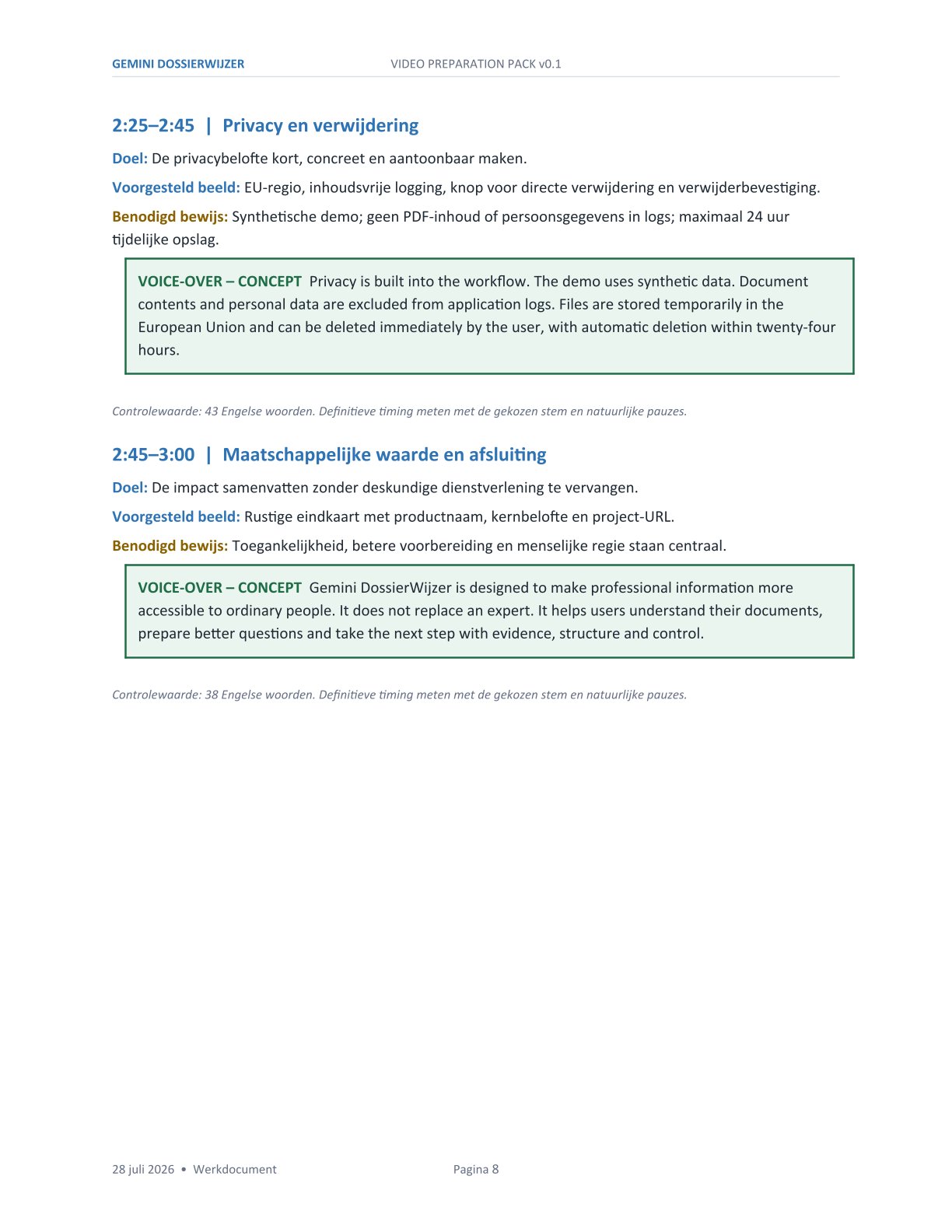
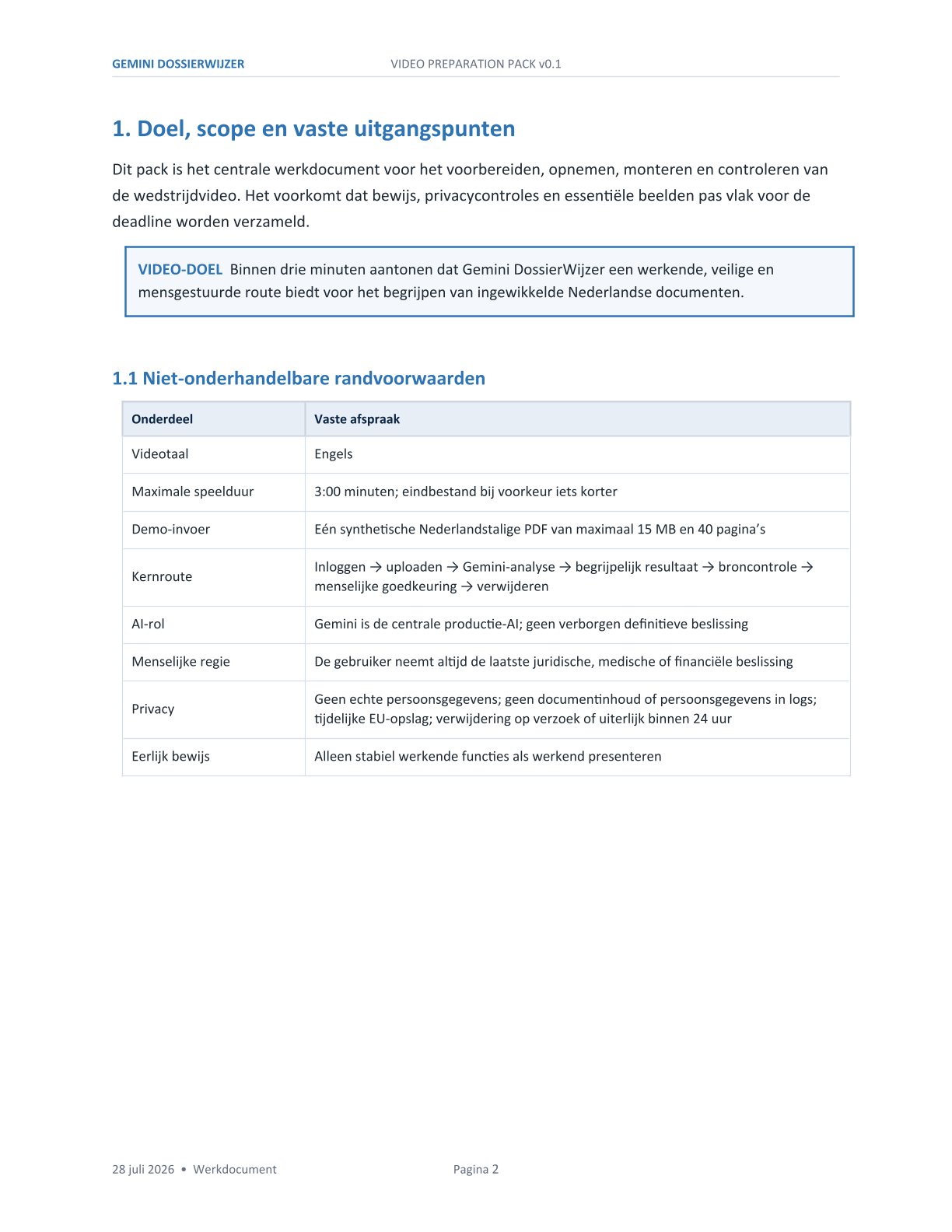
The project began with Dutch administrative documents and the working name “Gemini DossierWijzer.”
As the project developed, we recognized that the underlying problem is international. We therefore created a new English identity:
"C³ — Case Clarity Compass"
The product is now being prepared as an English-first experience, while multilingual document understanding remains an important direction for future development.
Accomplishments that we are proud of
We are proud that Case Clarity Compass is more than a generic document chatbot.
The project combines:
- a clear real-world problem;
- multi-document analysis with Google Gemini;
- structured timelines and key findings;
- contradiction and missing-information detection;
- source-grounded, verifiable output;
- explicit uncertainty and human oversight;
- a privacy-conscious product direction;
- containerized deployment on Google Cloud Run;
- deterministic release-artifact verification;
- a fail-closed deployment process;
- human approval before any high-impact execution or traffic change.
We are especially proud that our safety controls are not only presentation claims. During the release process, they have already demonstrated that they can stop the trajectory before execution when an artifact does not meet the required conditions.
What we learned
Trust is a product feature
Users need more than an answer. They need to know where the answer came from, what is uncertain, and what they should verify.
Clarity requires structure
The most useful output is not always the shortest summary. Timelines, categories, source links, contradictions, and missing-information checks often provide more value than a single block of generated text.
AI should support judgment, not replace it
For consequential documents, the safest and most useful role for AI is to help people understand, prepare, and ask better questions.
Safety must cover the complete system
Responsible AI is not only about prompts and model output. It also includes document handling, version control, deployment safeguards, permissions, auditability, and controlled release decisions.
Stopping safely is progress
A failed validation is not the same as a failed project. When a system detects an inconsistency before causing a side effect, it has done something valuable.
What's next
Our next steps are to:
- generate a corrected and newly verified release artifact;
- complete the full static and in-memory integrity preflight;
- review all intended side effects before execution;
- complete the controlled build, image push, and 0%-traffic predeployment after explicit human approval;
- create a representative evaluation set for accuracy, completeness, contradiction detection, and source traceability;
- measure the time users save compared with manual case-file review;
- improve the English-first user experience;
- expand and test multilingual document support;
- conduct structured user testing;
- strengthen privacy, security, accessibility, and data-retention controls;
- improve the presentation of uncertainty and source references;
- prepare a separate, carefully reviewed decision process for any future production traffic.
A successful predeployment will not automatically change production traffic. Any future production rollout will remain a separate human decision.
Our vision
We want Case Clarity Compass to help people move from confusion to understanding.
Not by making decisions for them.
Not by hiding uncertainty.
Not by replacing qualified professionals.
But by helping users see the facts, understand the context, verify the sources, and decide what to do next.
"Case Clarity Compass"
"Clarity. Context. Control."
"From complex case files to clear, verifiable next steps."
"Powered by Google Gemini."
Built With
- cloudfirestore
- cloudlogging
- cloudrun
- cloudstorage
- firebase
- firebaseaunthentication
- geminiapi
- google-cloud
- reackt
- typescript

Log in or sign up for Devpost to join the conversation.