Inspiration
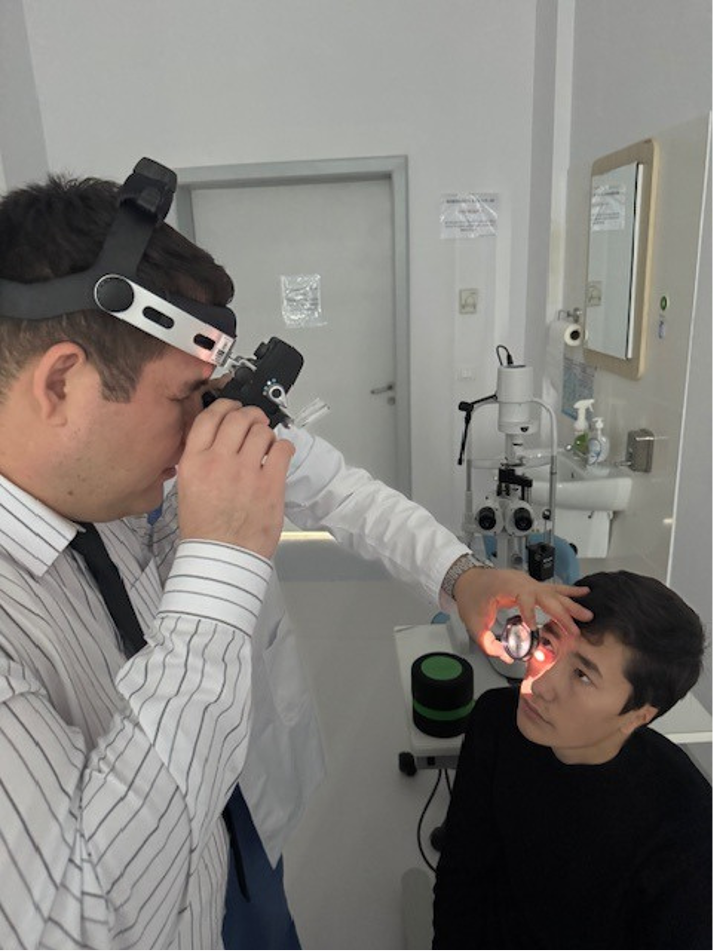
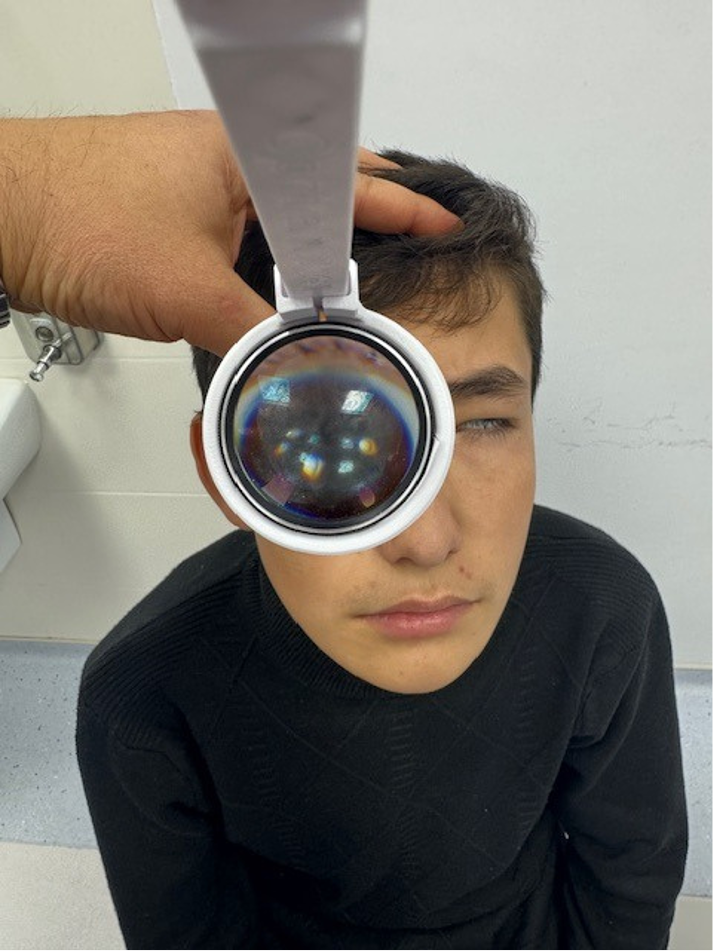
Myopia is one of the fastest-growing vision problems worldwide, especially among young people using digital devices daily. Early detection through retinal imaging can prevent serious complications, but access to ophthalmologists and diagnostic tools is often limited. We were inspired to build an AI-powered system that uses Gemini to help identify potential signs of myopia from ophthalmoscopic retinal images — making early vision screening more accessible and affordable.
What it does
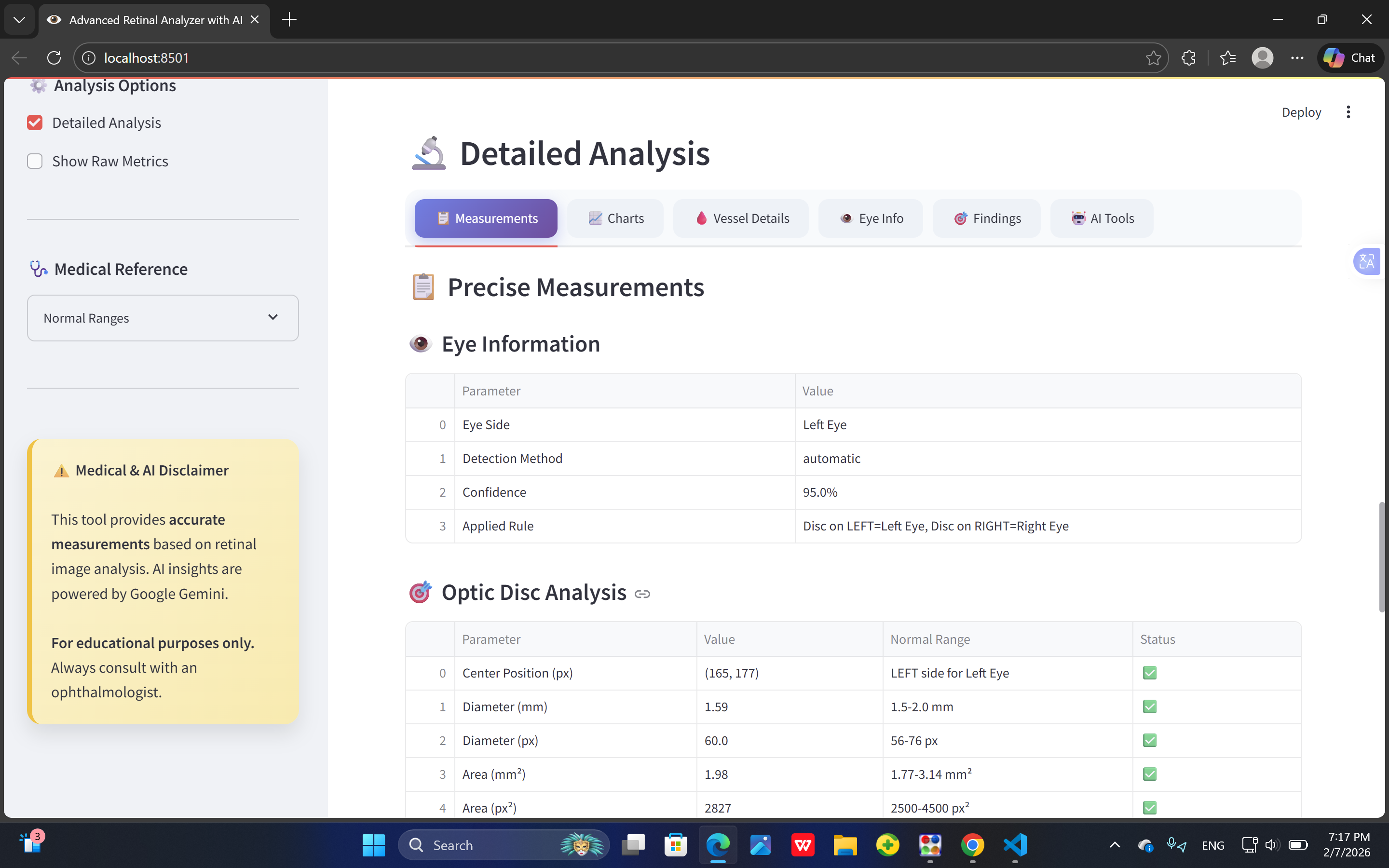
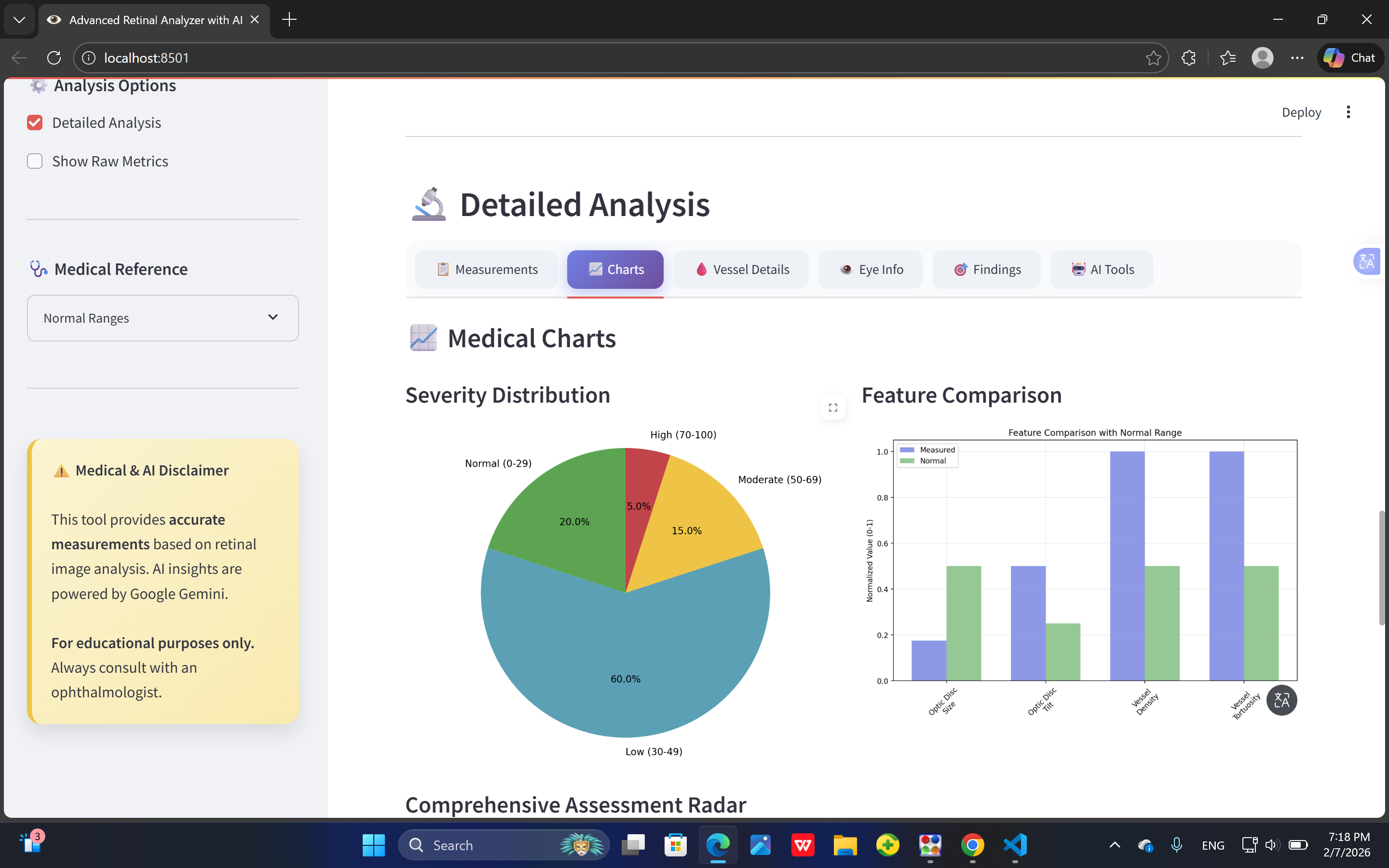
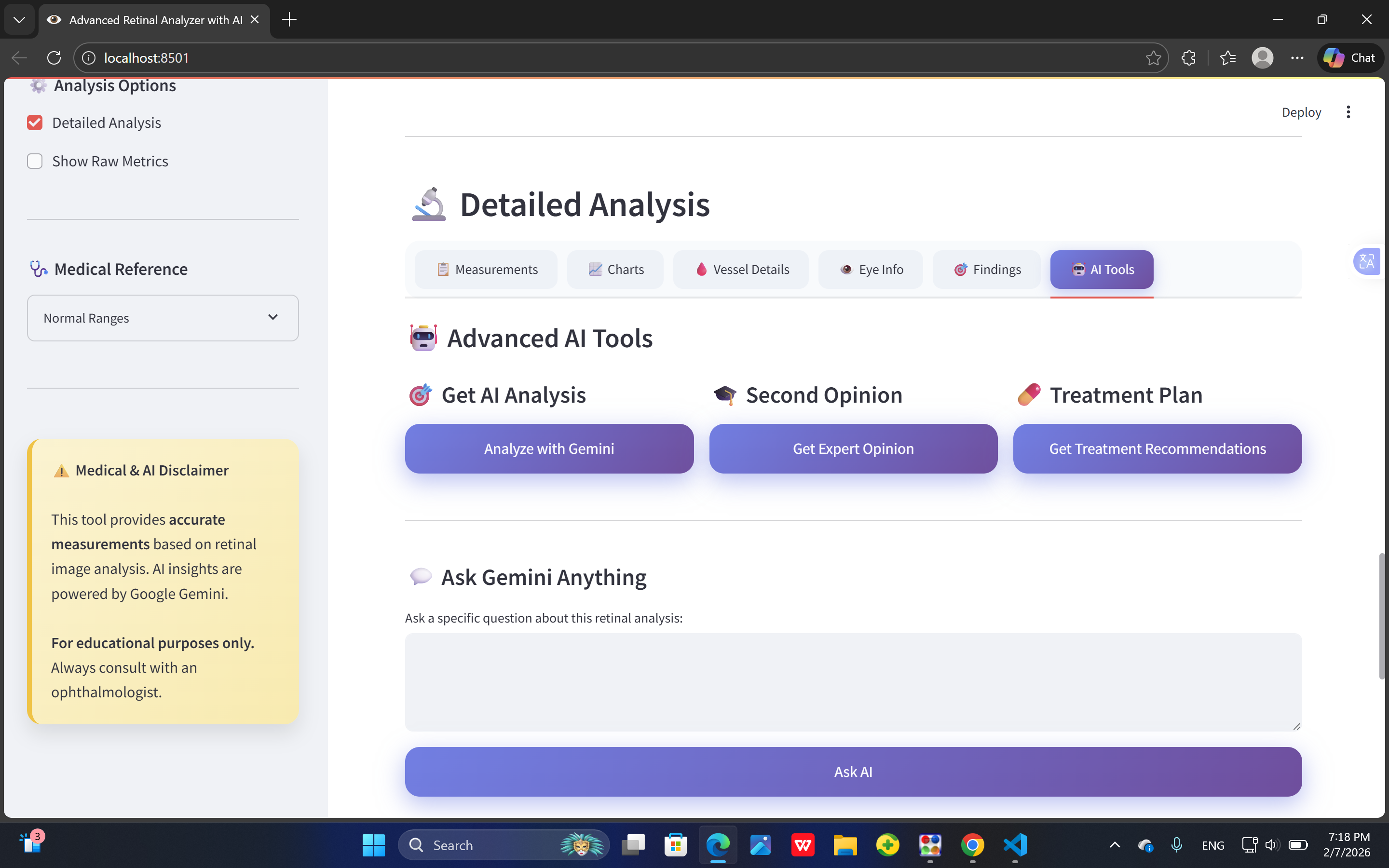
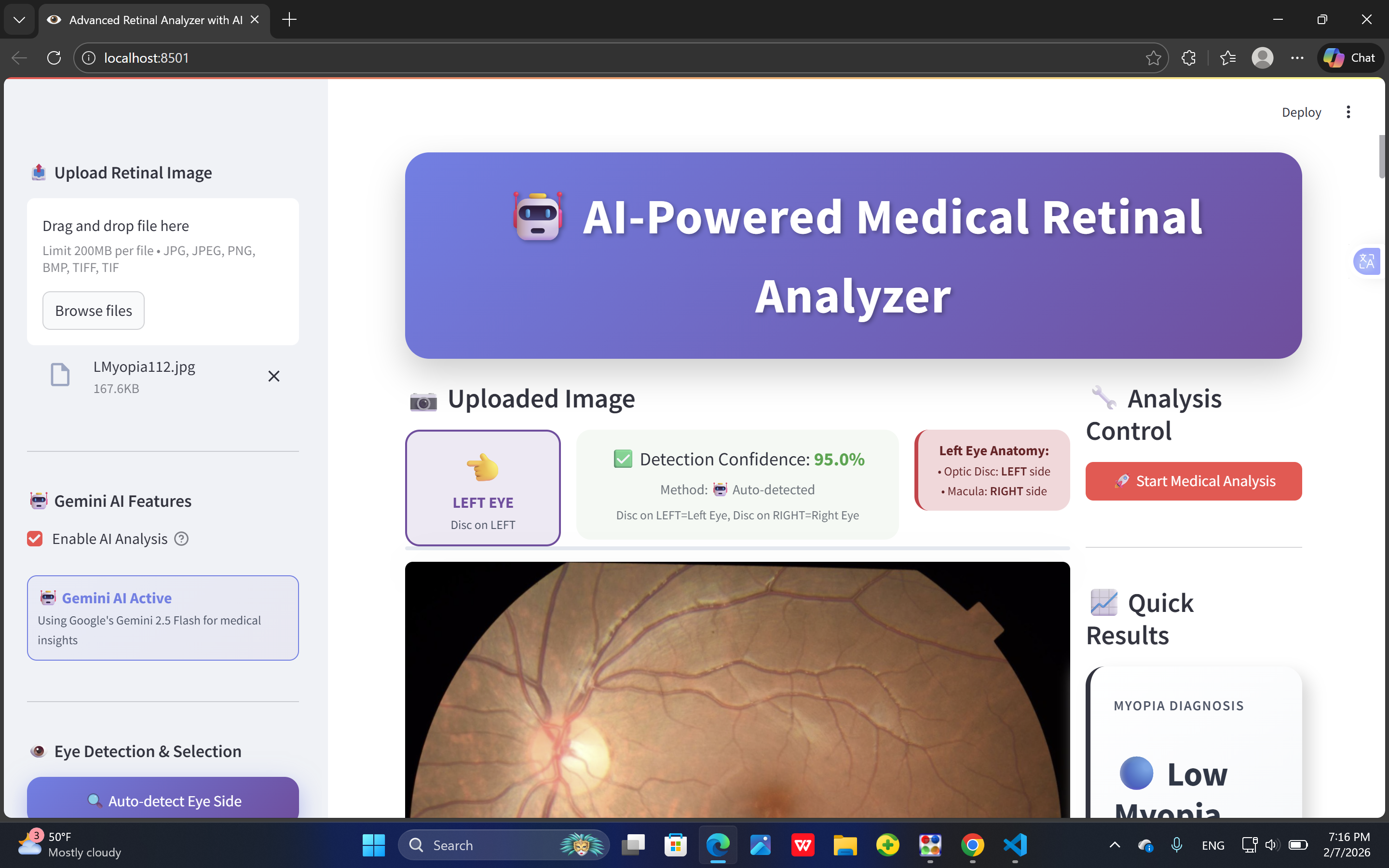
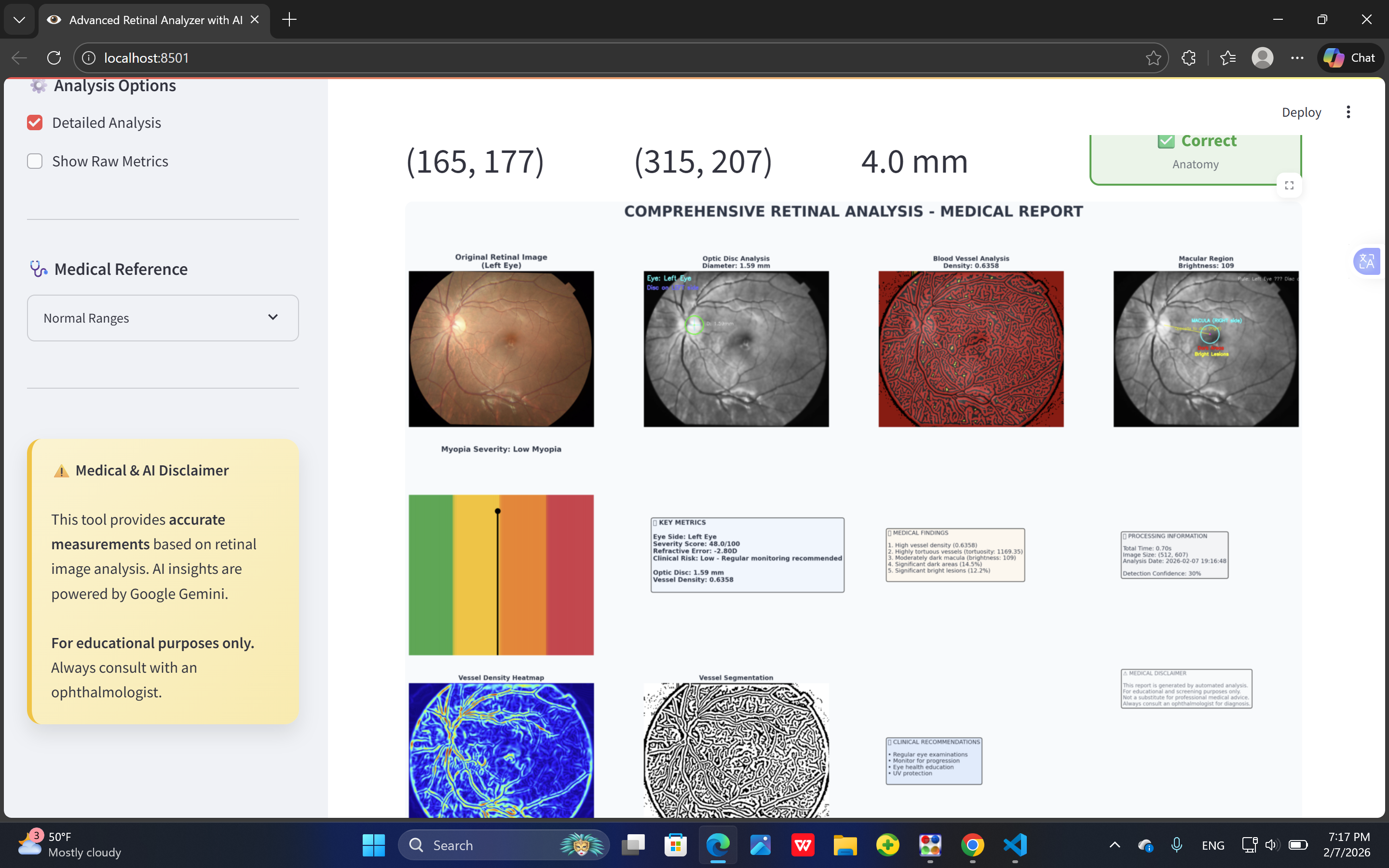
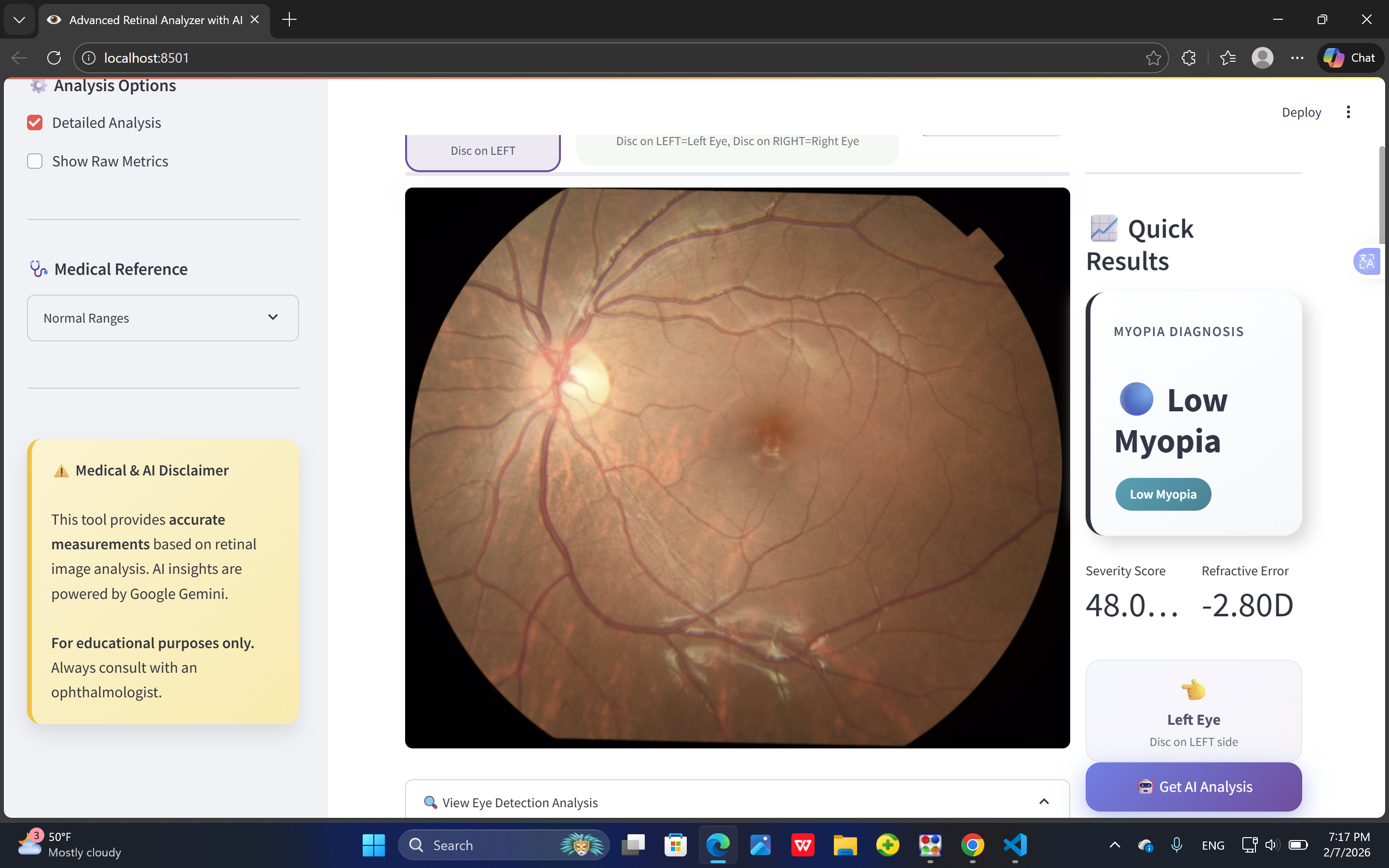
Our system analyzes ophthalmoscopic retinal photographs to detect and assess the severity of myopia. By leveraging the Gemini 2.5 multimodal API, it interprets both visual and textual data to provide a screening report indicating possible myopia indicators and their severity level. The tool is designed for educational and research use, helping doctors, students, and developers explore how AI can support ophthalmology.
How we built it
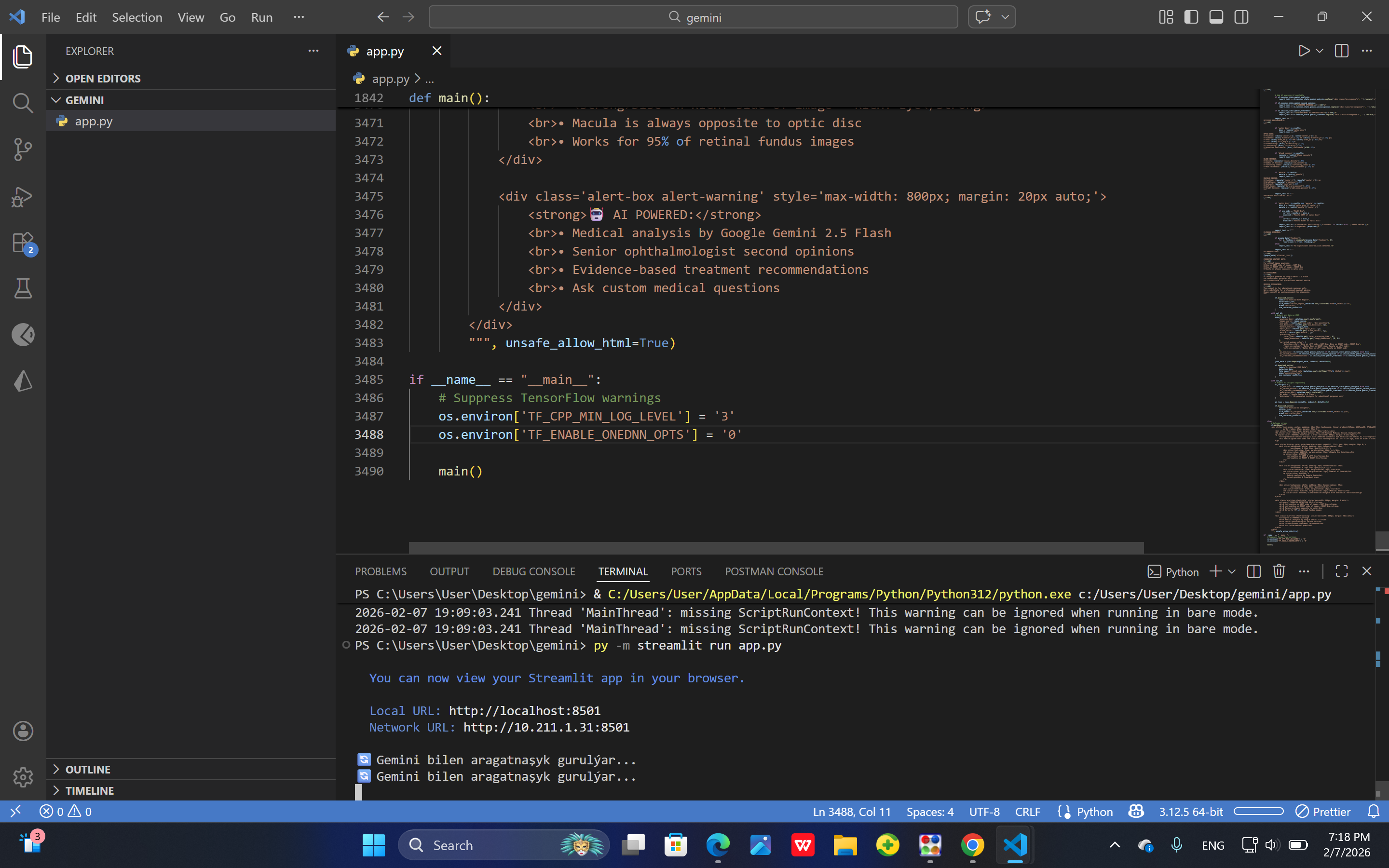
We built the prototype in Python using the Google Gemini 2.5 Flash Image model through the google-genai library. Retinal fundus images are preprocessed and passed to Gemini’s multimodal API along with a descriptive medical prompt. The AI then returns an interpretive summary of the visual indicators. The results are displayed through a lightweight Flask interface, allowing users to upload images and view analysis results in real time.
Challenges we ran into
Integrating the new Gemini API and handling multimodal image inputs required extensive testing due to version changes. We also faced challenges in balancing AI interpretability with medical accuracy — ensuring the model’s outputs were informative but not mistaken for clinical diagnoses. Managing limited datasets for realistic testing was another hurdle.
Accomplishments that we're proud of
We successfully built a functional AI prototype that can interpret ophthalmoscopic retinal images and provide meaningful screening insights. We’re proud of integrating Gemini’s newest multimodal capabilities with a clean, user-friendly interface — showing how advanced AI can contribute to early eye disease screening.
What we learned
We learned how to work with Gemini’s multimodal image APIs and design responsible AI prompts for medical-related use cases. The project also taught us how to translate technical model outputs into human-readable, non-diagnostic summaries, and the importance of ethical boundaries in healthcare AI.
What's next for Gemini AI for Early Myopia Screening
Our next goal is to expand the dataset and train a hybrid model combining Gemini’s reasoning with a custom CNN-based classifier for improved accuracy. We plan to collaborate with ophthalmologists to collect validated images, integrate OCT data, and potentially deploy the system as a cloud-based screening support tool for research and clinical education.
Built With
- ai
- python

Log in or sign up for Devpost to join the conversation.