Inspiration
In this day and age of vibe coding, many coders create an unnecessarily long database functions file. This problem is heightened by the use of ORM's that hide a lot of the SQL logic under the hood. This makes it harder to debug and scale the code as the codebase matures.
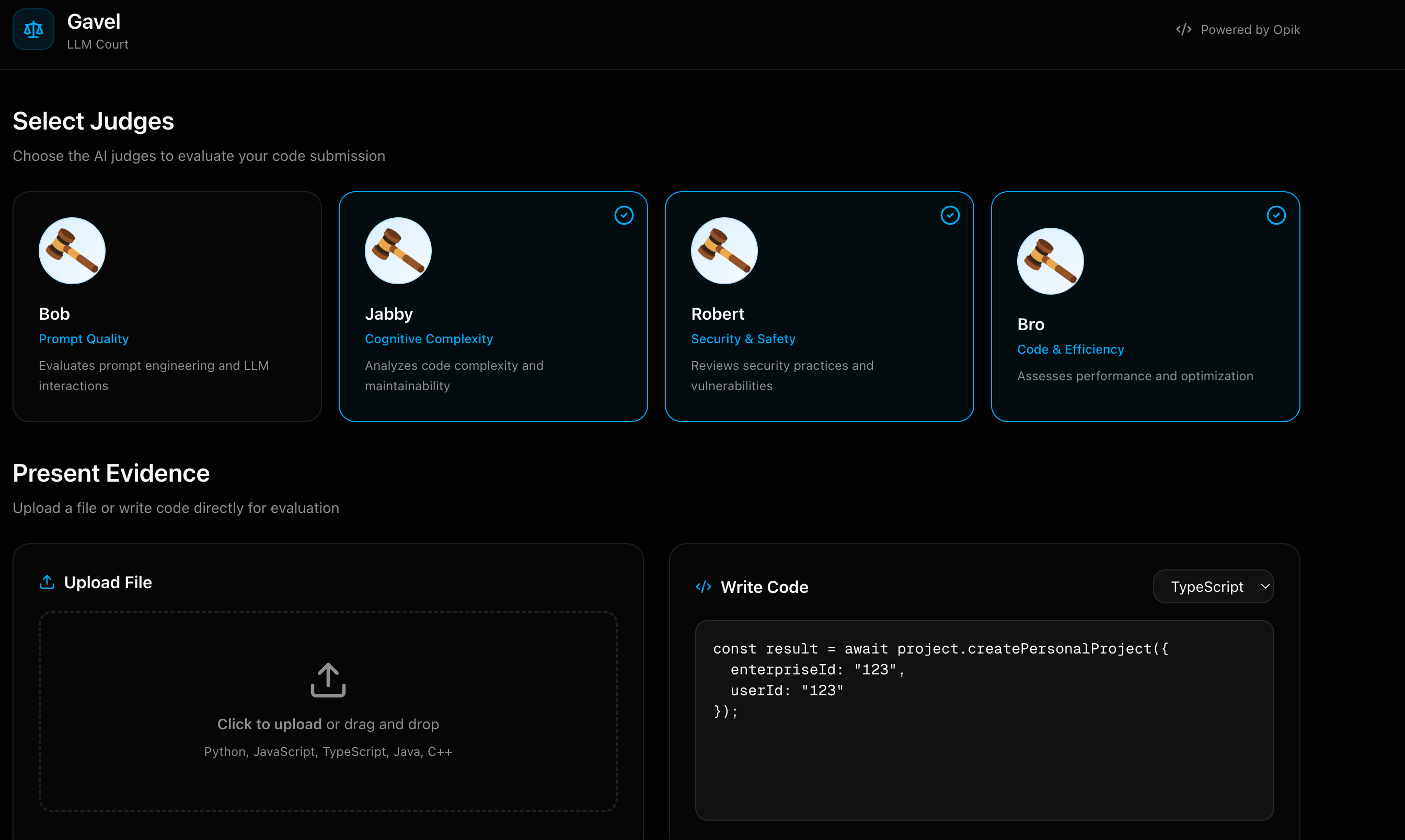
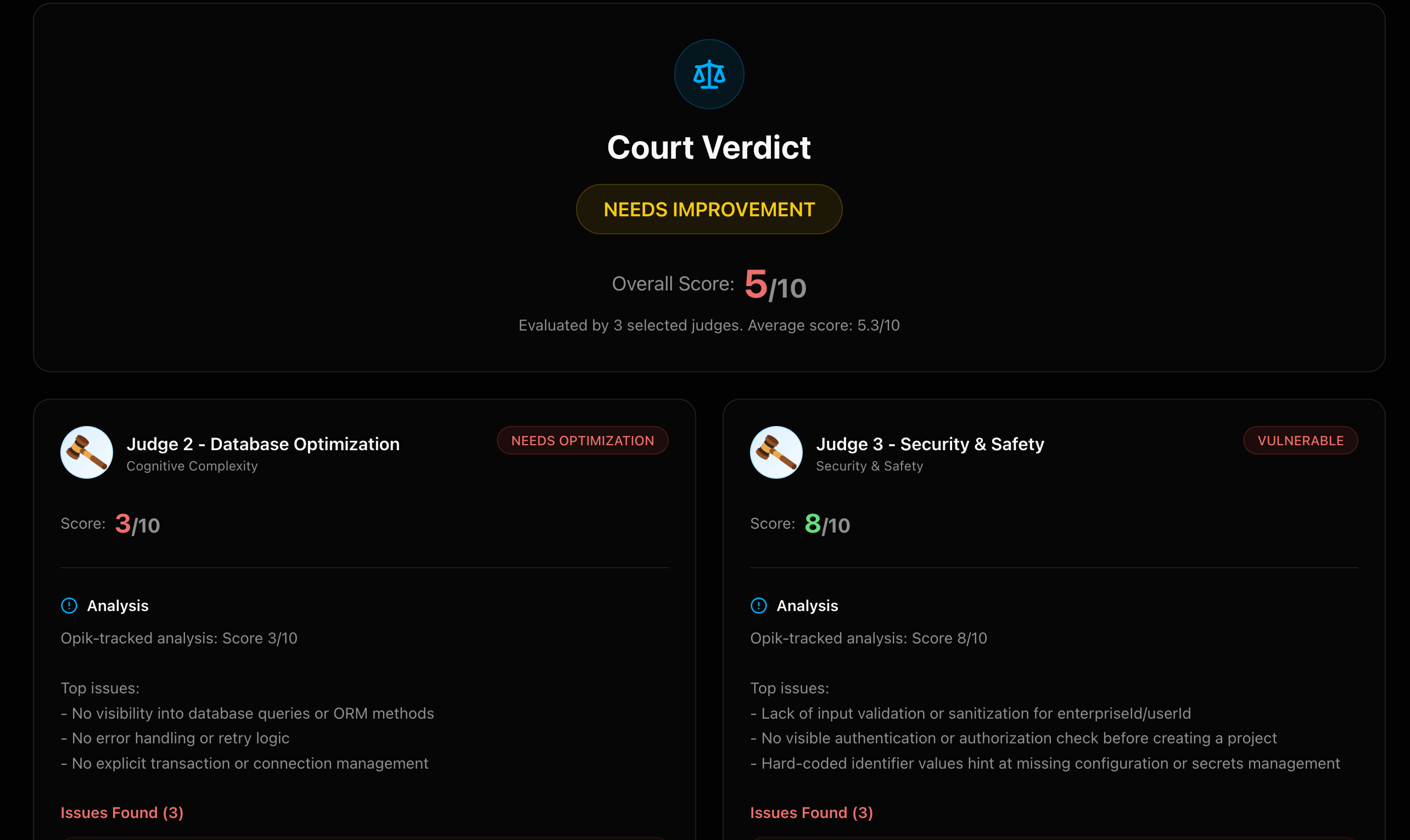
Using Gavel, users are able to get potential oversights in their code through Opik's LLM judges. Each agent serves a different purpose to give the user a transparent understanding of how their function may lack in a certain area.
What it does
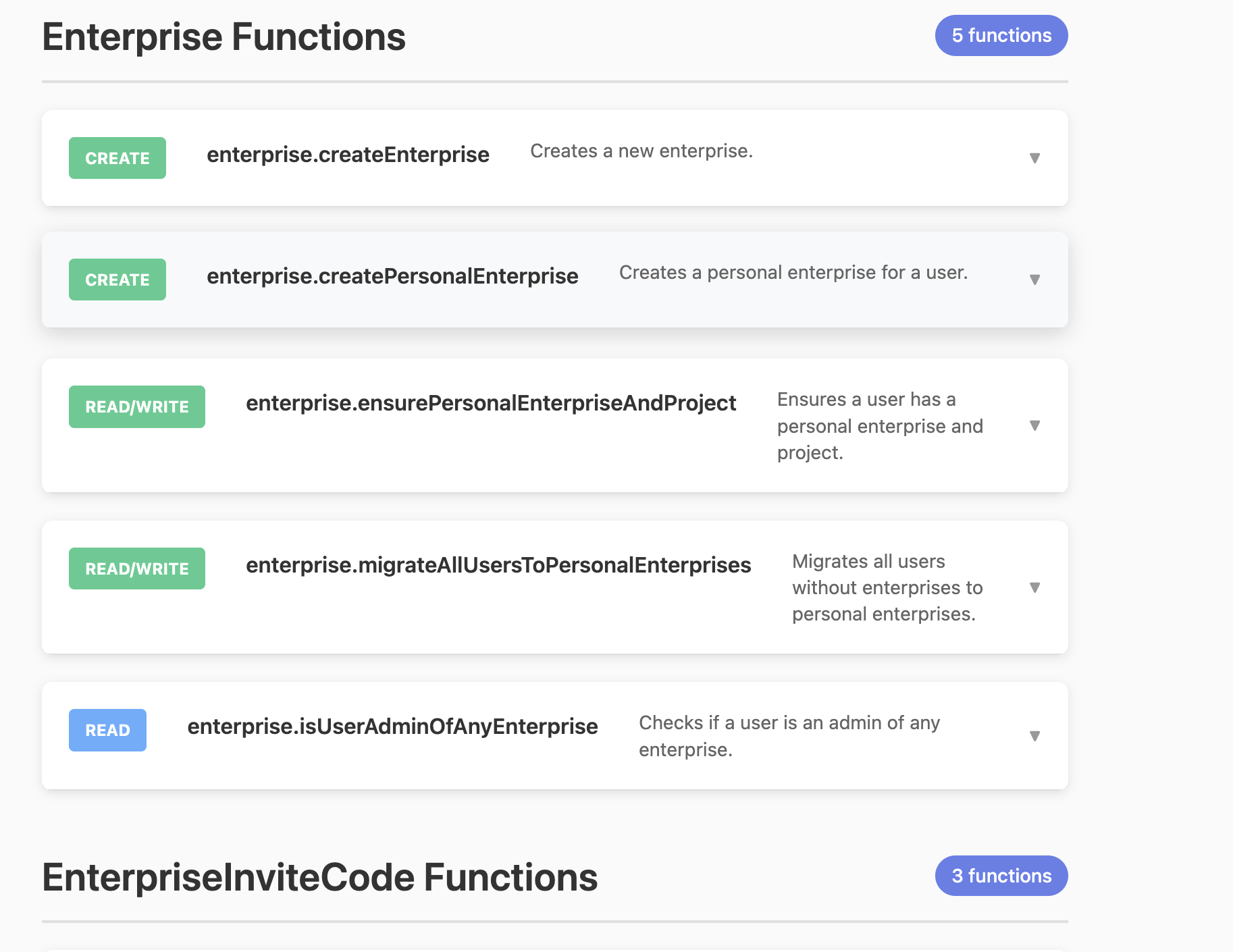
Our CLI generates a Swagger-like documentation file with
dagger generate
from here, aside from simply being able to understand and navigate complex database functions much more easily... the user can click "Submit to Jury."
This will take the user to our hosted site which feeds the file into our agents giving the user feedback on the code they wrote.
How we built it
We used the cookbook supplied by Opik and after talking with Abby about use cases of Opik, we realized 2 LLM brains are better than 1. So, we decided to agentically handle a vibe coders worst nightmare with Nextjs and Python.
Challenges we ran into
The 1 train tried to stop us from making it to Columbia.
Accomplishments that we're proud of
We're proud of being able to generate database documentation on the fly through a CLI and then analyze it with our hosted full stack site.
What we learned
We got comfortable with Opik and its broad open source software. We learned how to make a CLI for the first time!
What's next for Gavel
We want to solve other problems that vibe coders run into... like deployment. Especially for hackathons it's important that these tools are ready made and easy for users to use frequently.
Built With
- fastapi
- fly.io
- gemini
- nextjs
- openai
- opik
- vercel


Log in or sign up for Devpost to join the conversation.