
Inspiration
Two years ago I was a full-time mom and a full-time engineer in my late 40s. I used to build 3D worlds for fun, but I no longer had the free time a younger me had to spend weeks modeling, texturing and lighting a single space. I still loved going into Horizon Worlds to explore what other people made, and I wanted to make places of my own. The gap wasn't imagination, it was time, and talking with other creators I found I wasn't alone. So I built the platform I wished I had: one that makes world building fast enough to fit into a real life.
What it does
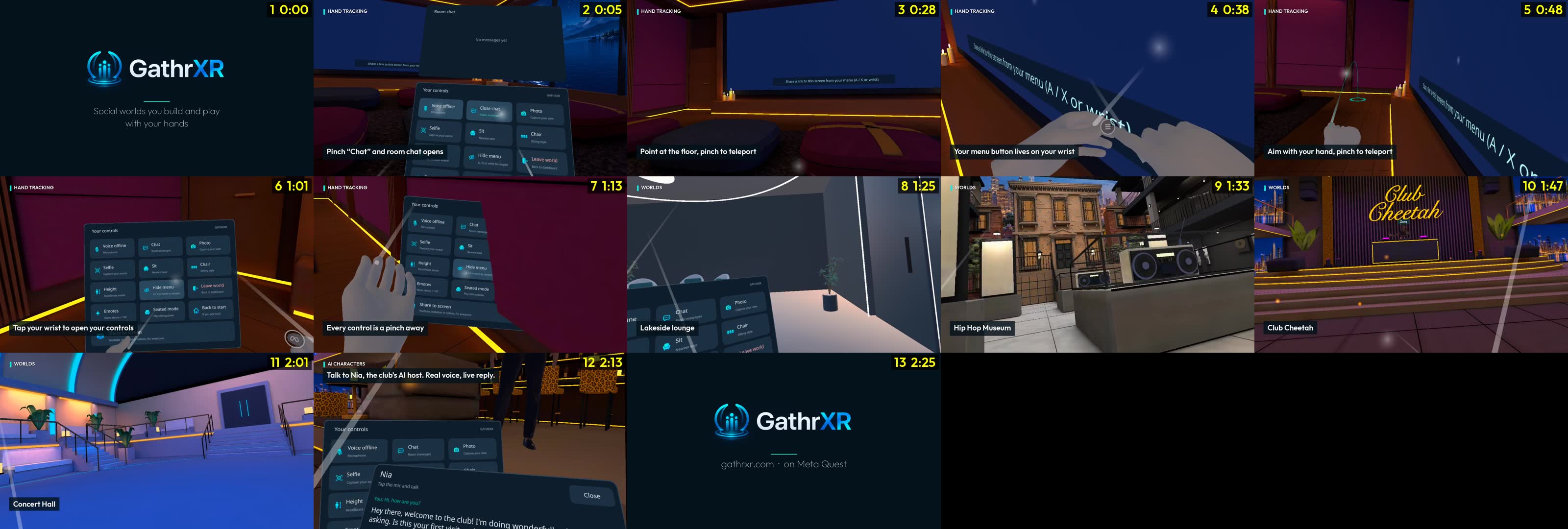
GathrXR is a social VR platform for Meta Quest and the browser. Build. Gathr. Play.
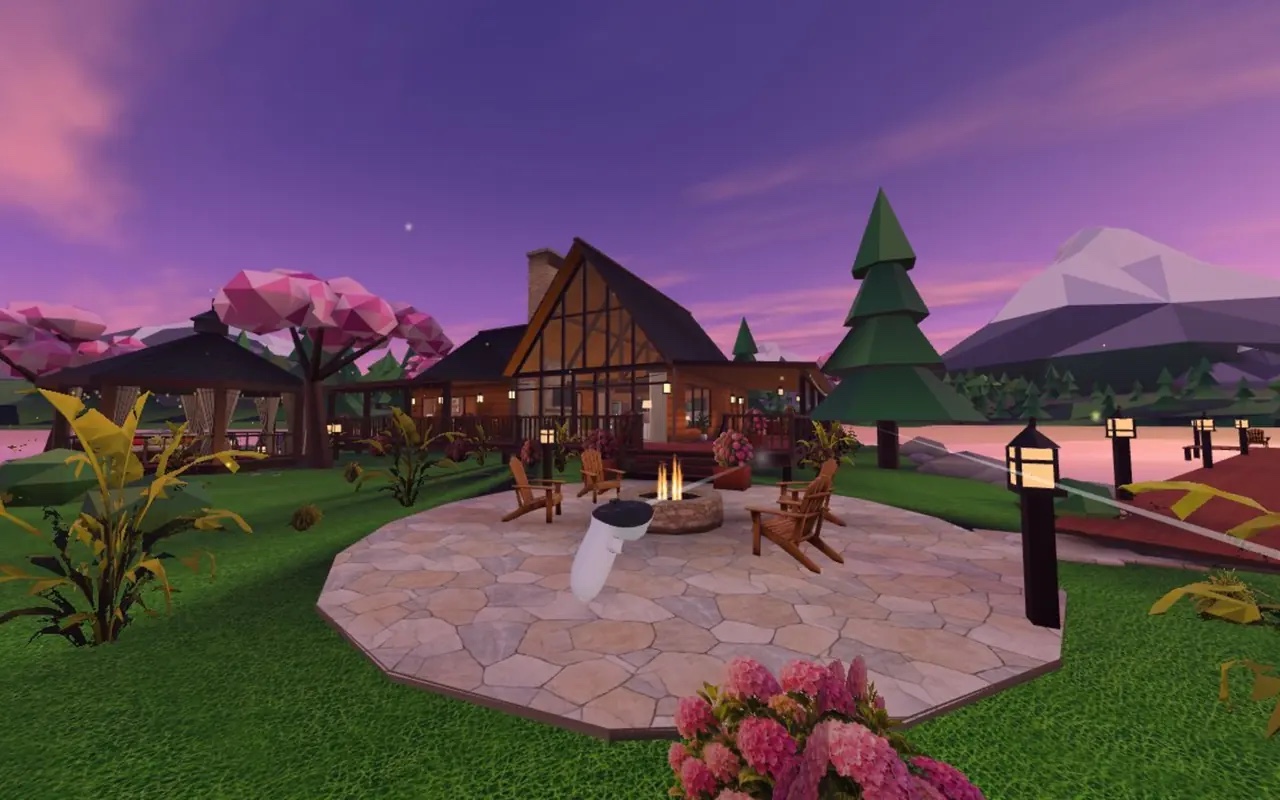
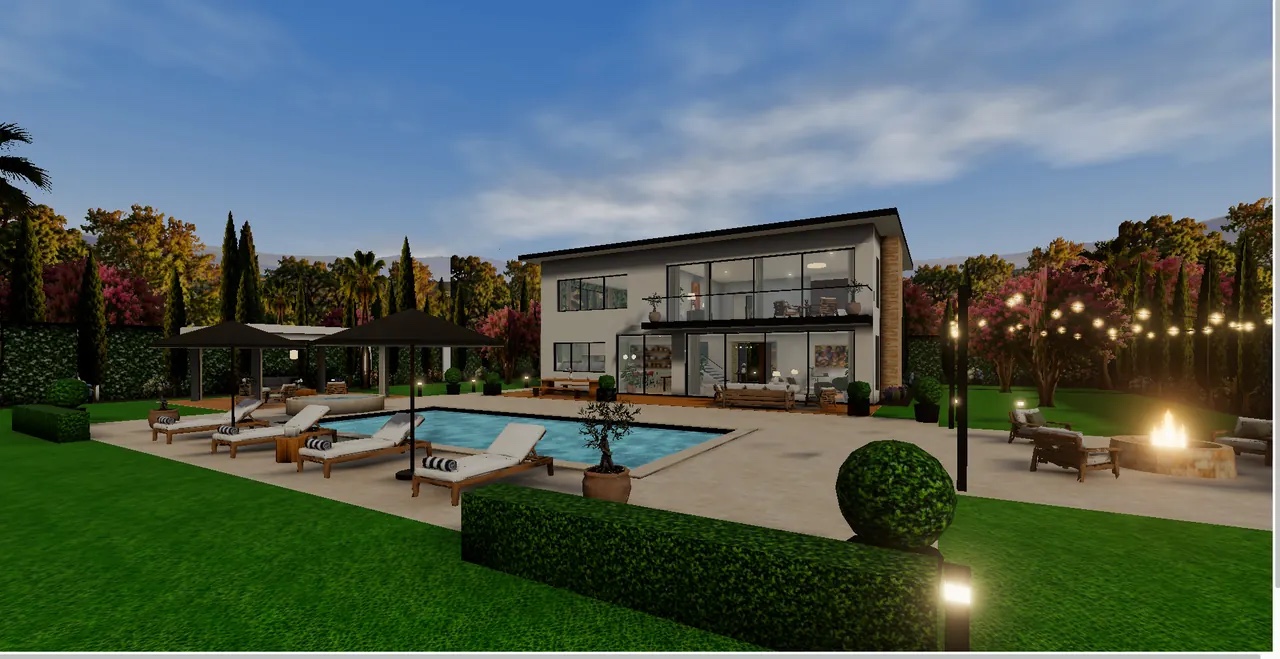
- Build: describe a world you can imagine and our AI studio builds it, or start from a ready-made room and add furniture, trees, animated fish tanks, portals, seats and screens from the Library, right in the headset.
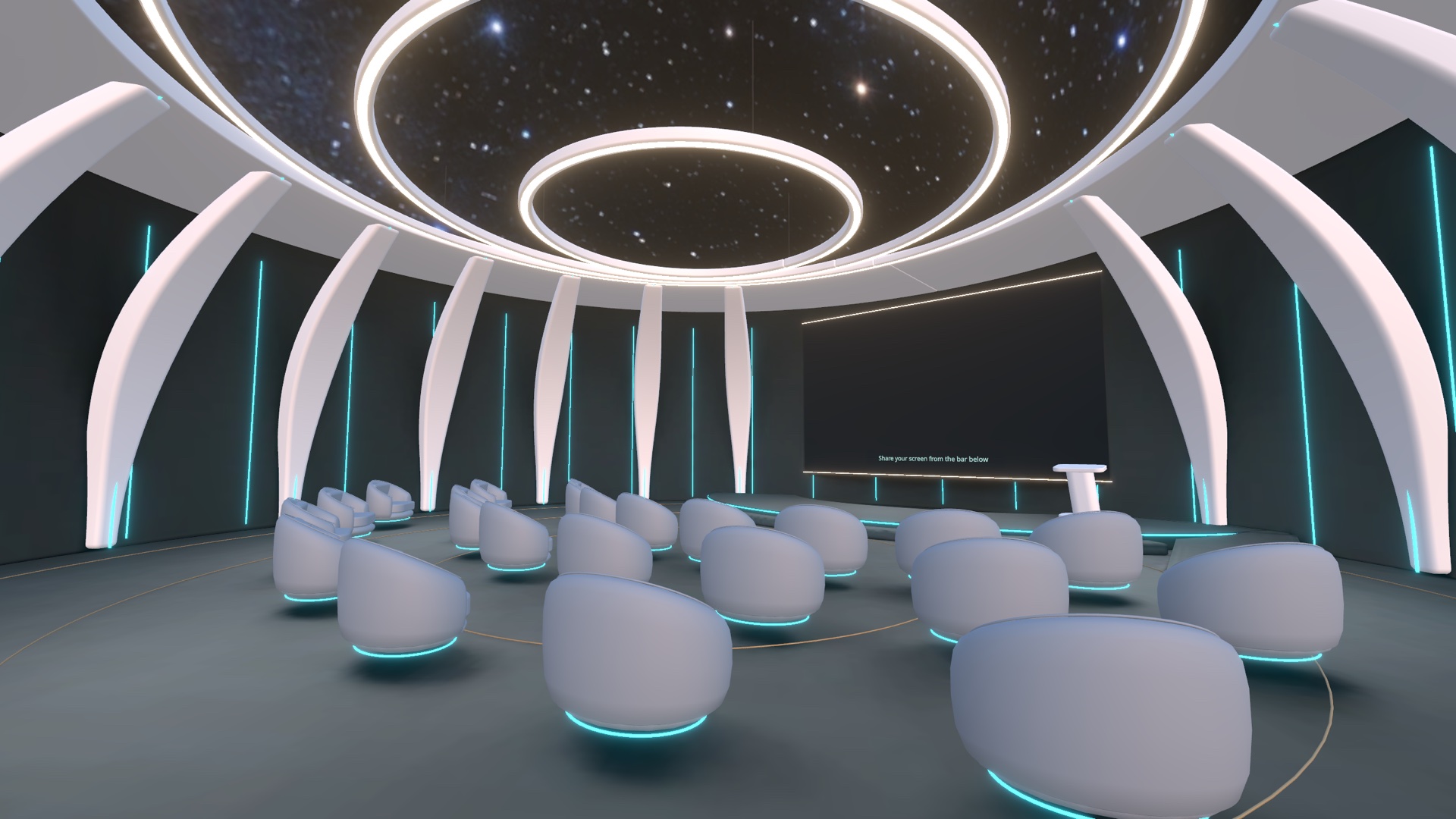
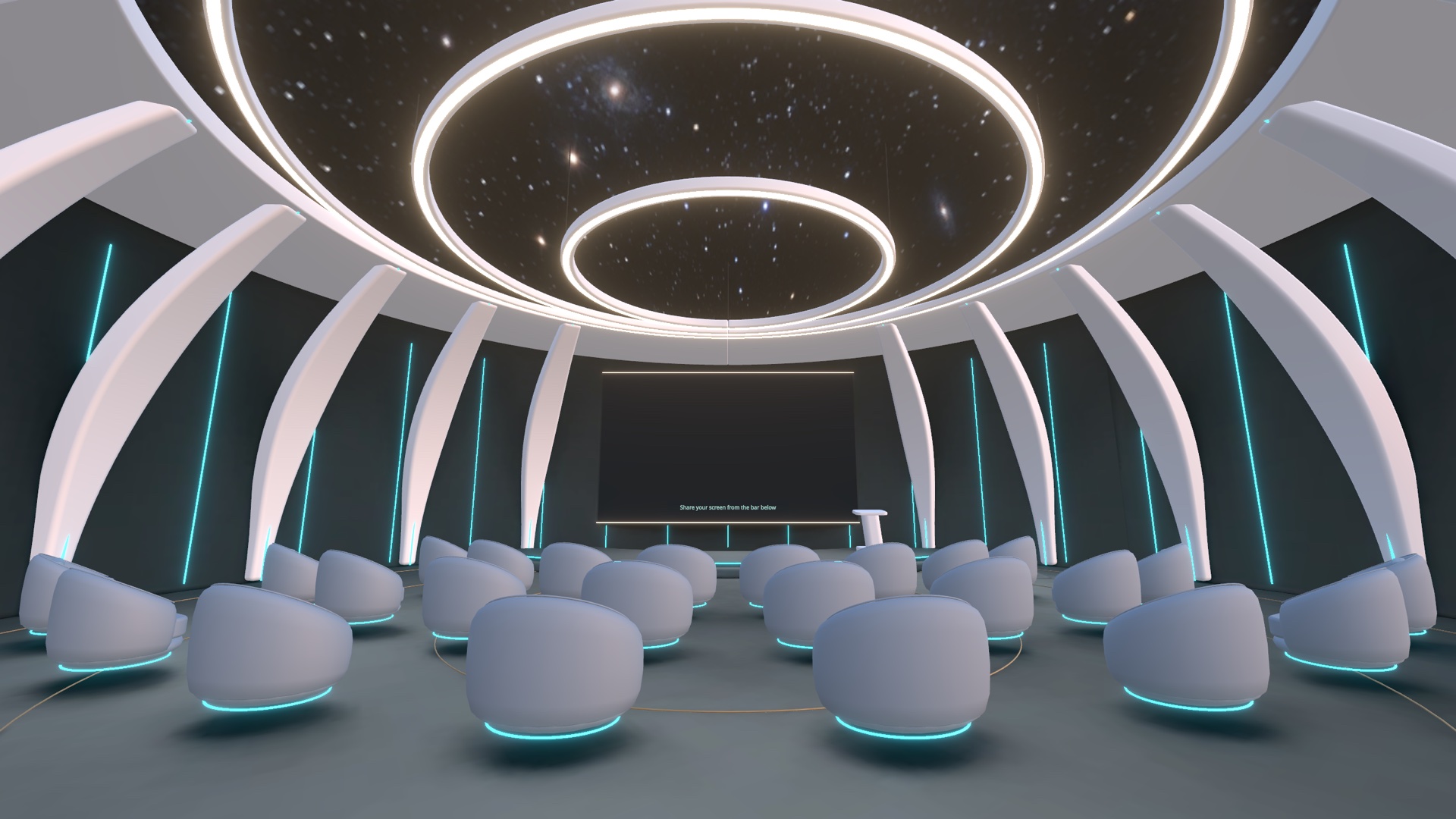
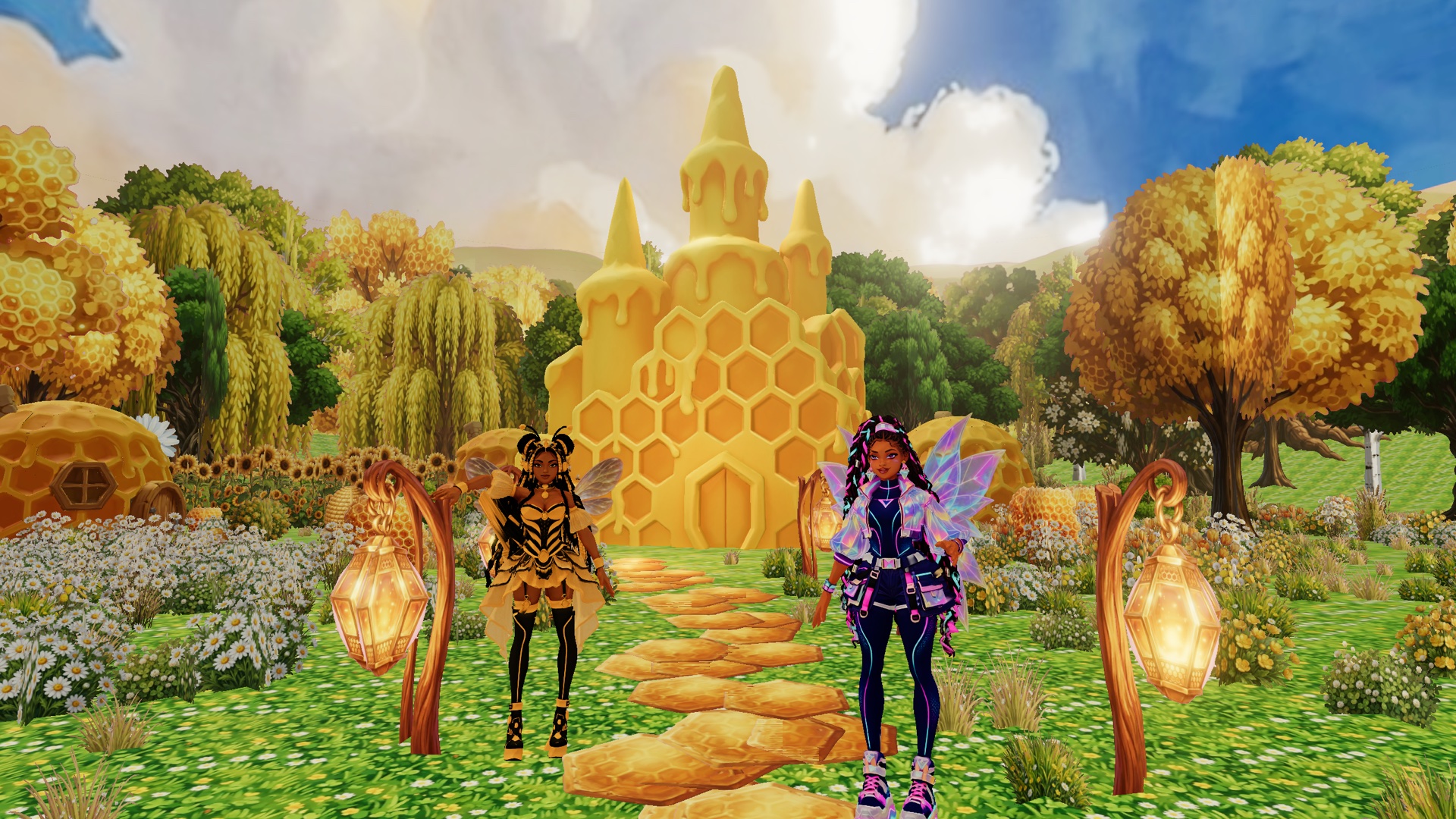
- Gathr: meet friends as avatars with live spatial voice, sit together, have watch parties on a shared big screen, see when friends are online, and keep a private home world of your own.
- Play: escape rooms, a zombie supermarket, a carnival party game, Spades and card tables with leaderboards, plus tarot, I Ching and Ifá readings hosted by talking characters.
- Companions: bring your own AI companion that follows you, remembers you and talks with you out loud.
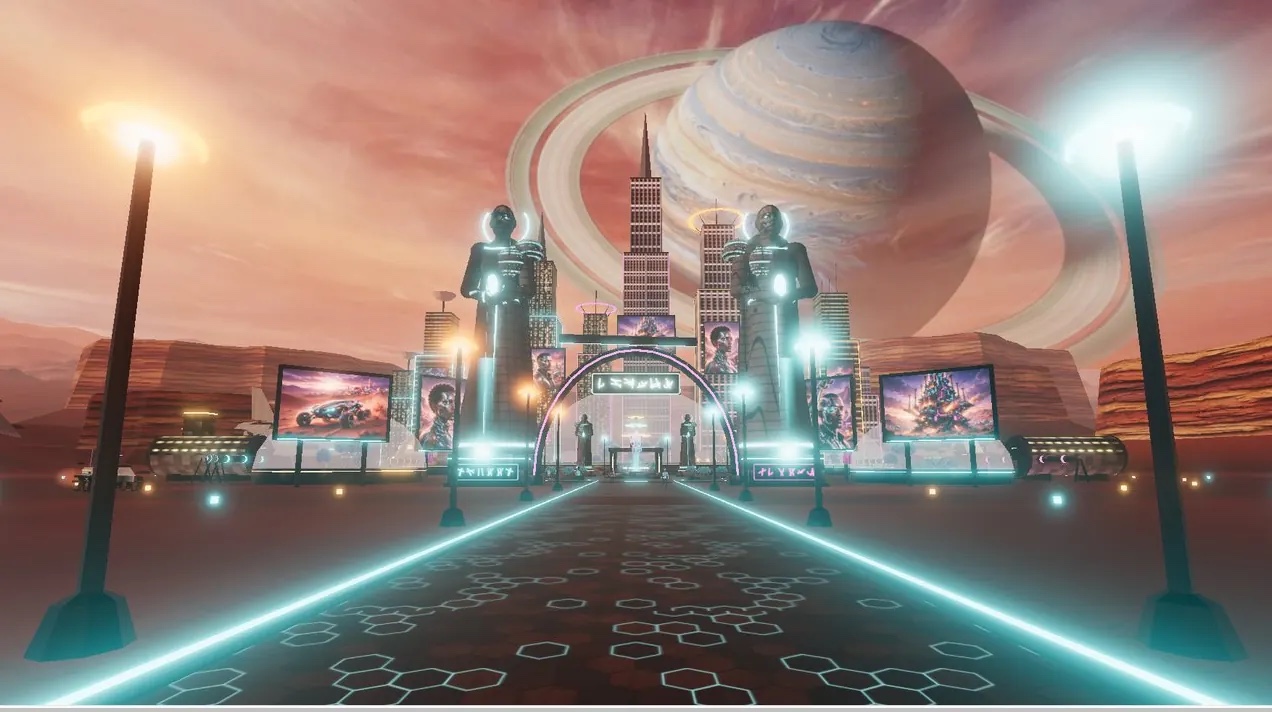
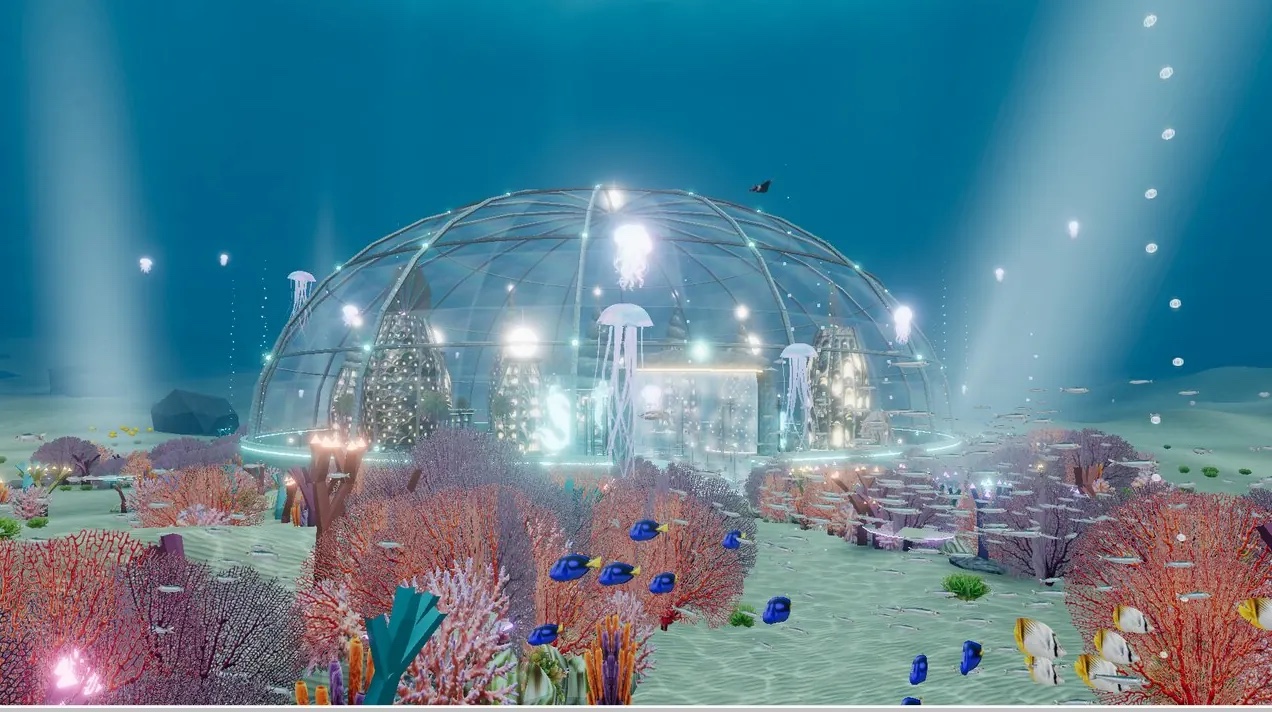
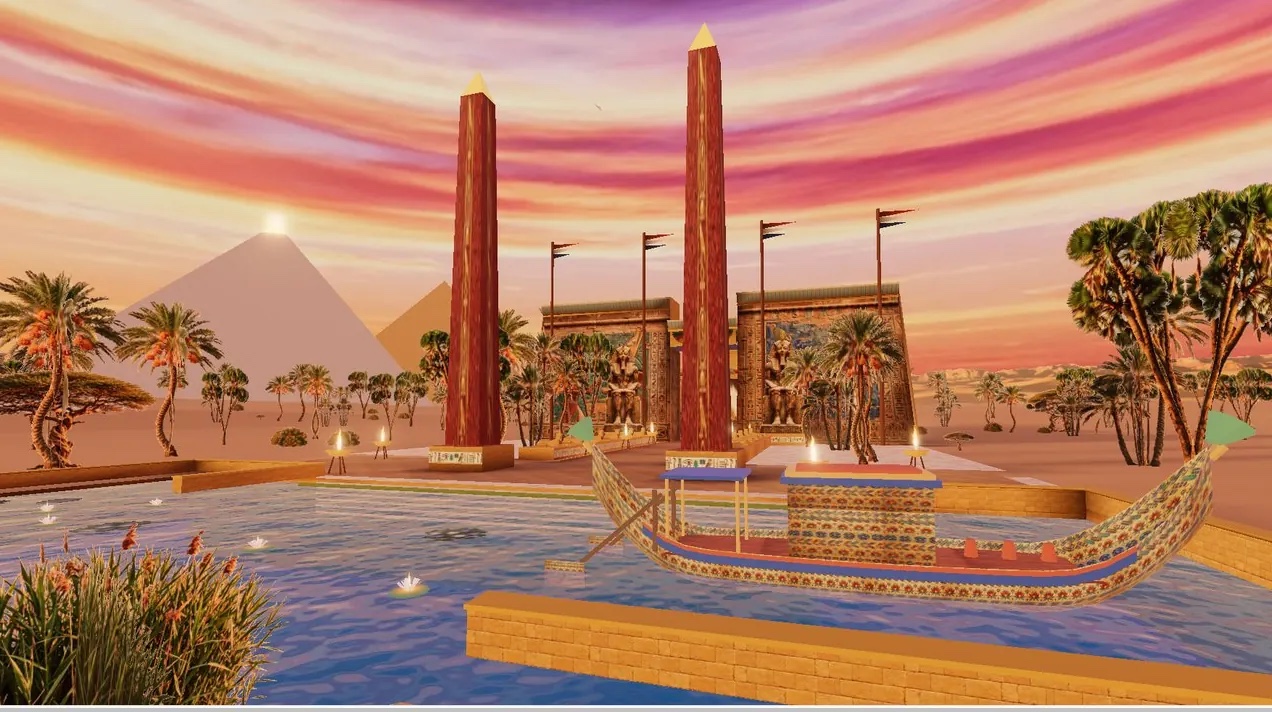
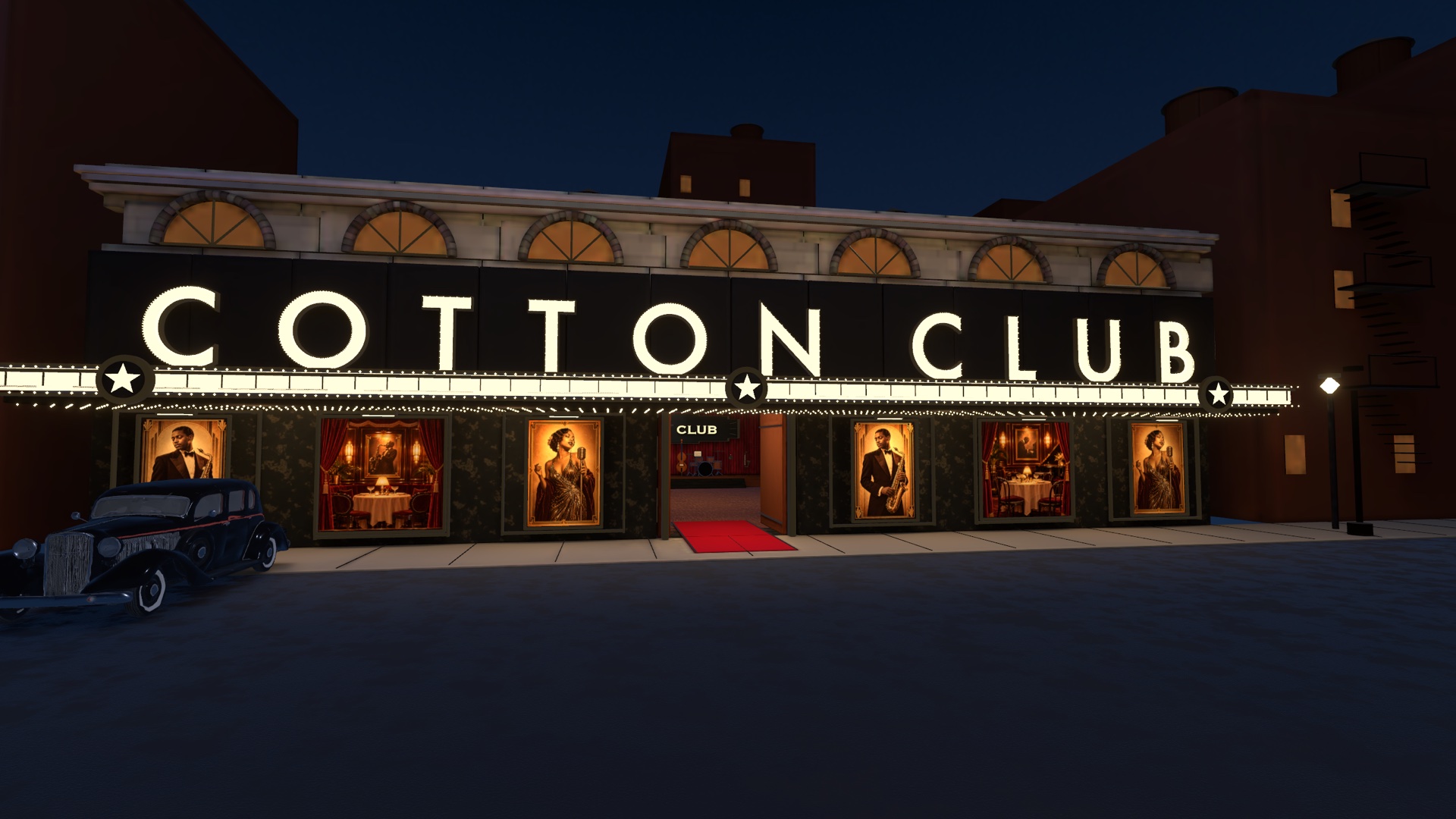
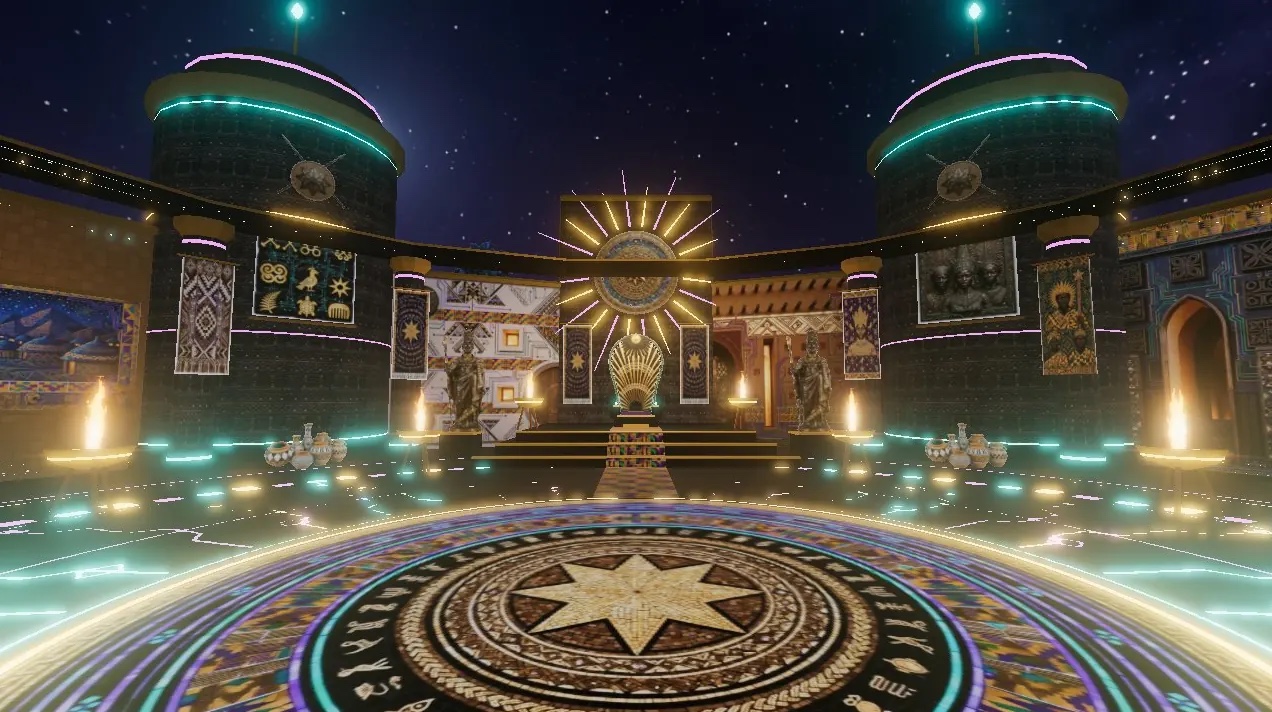
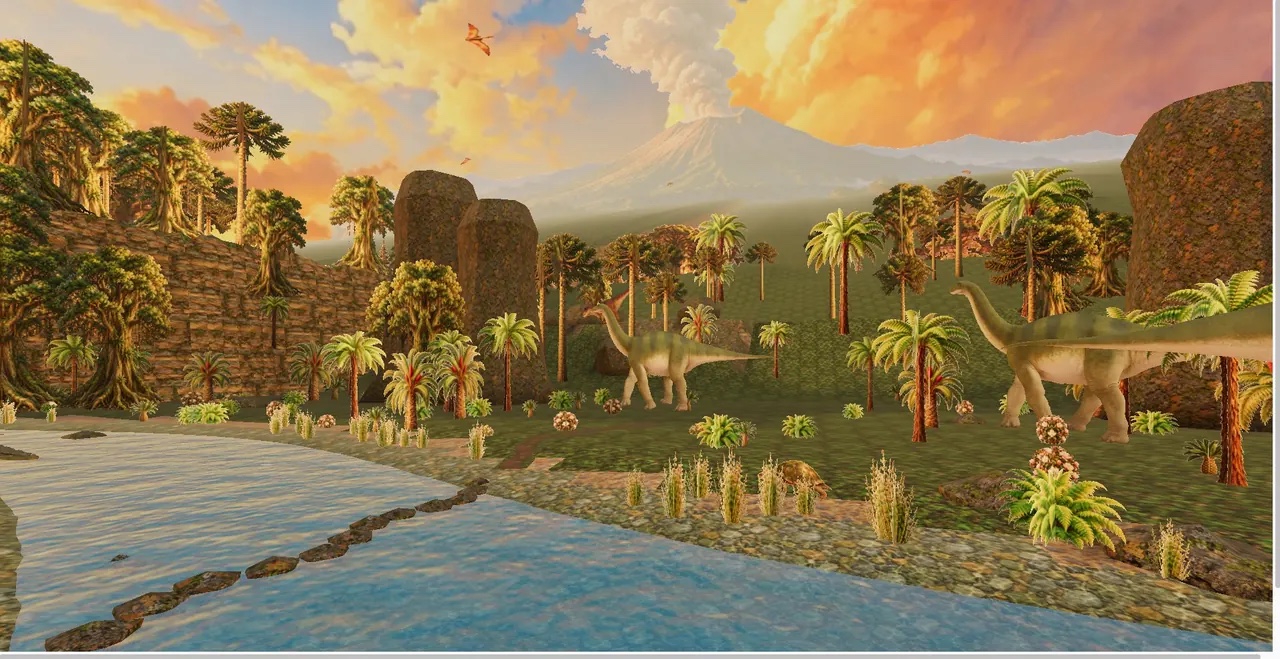
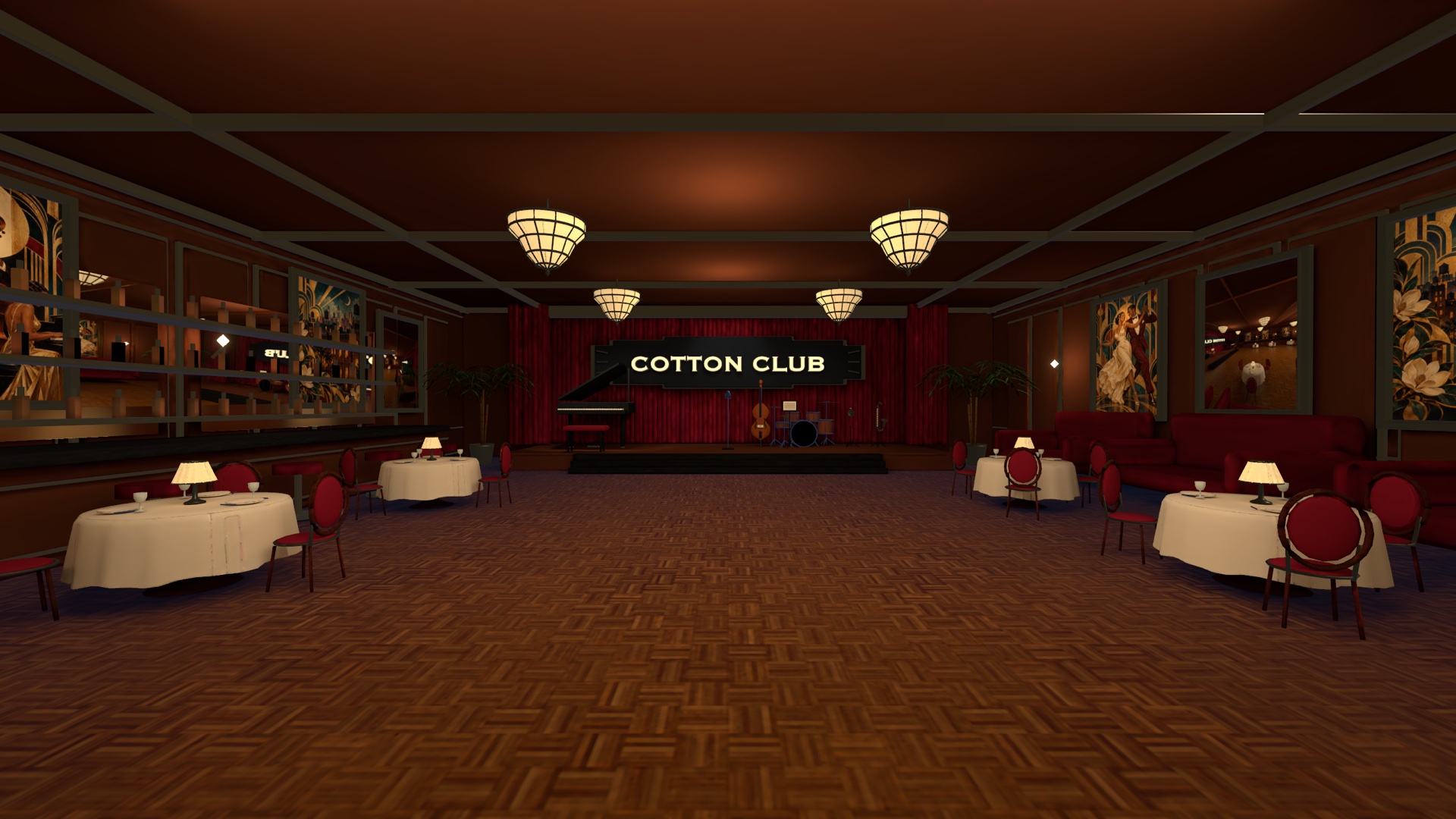
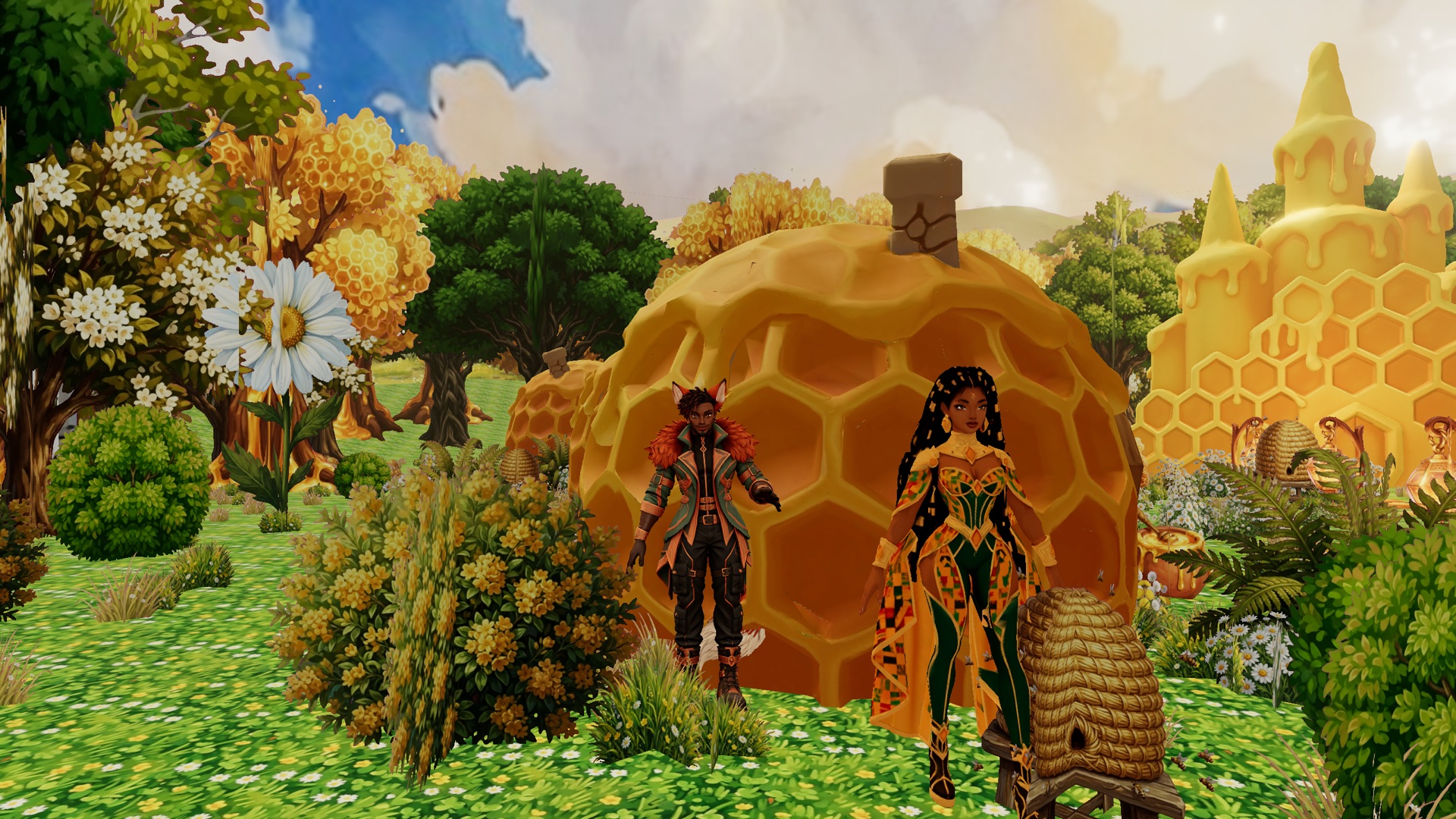
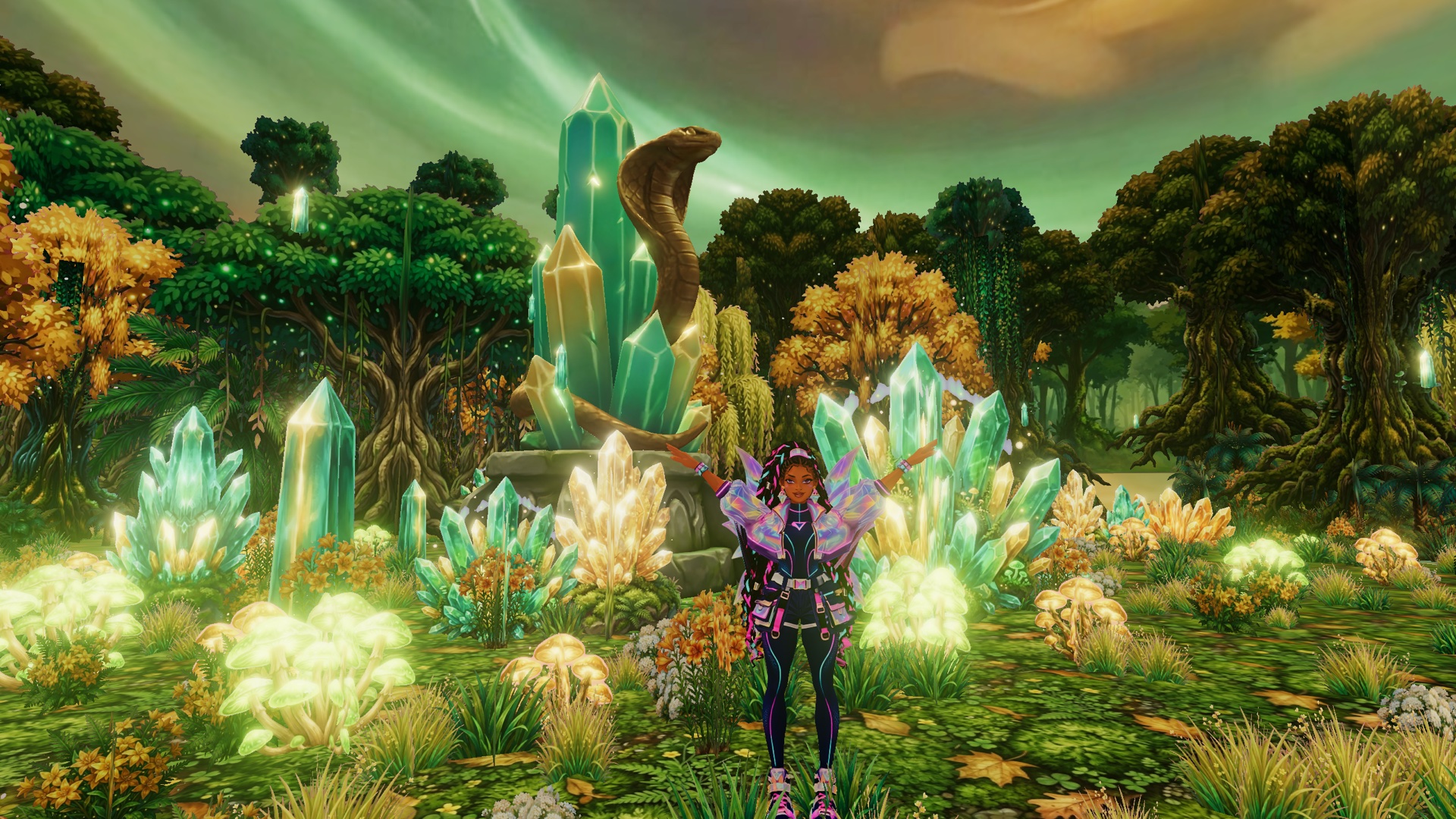
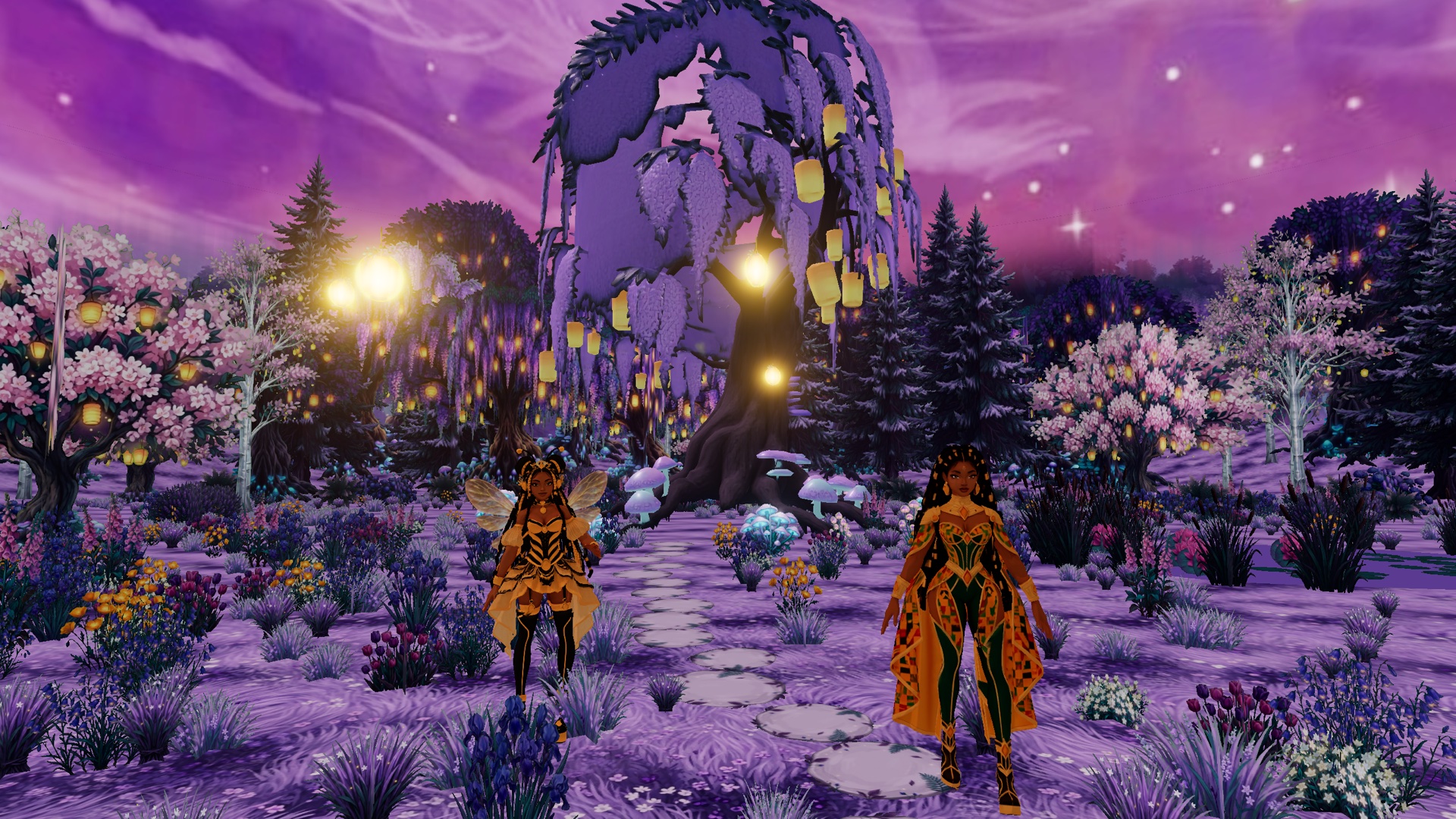
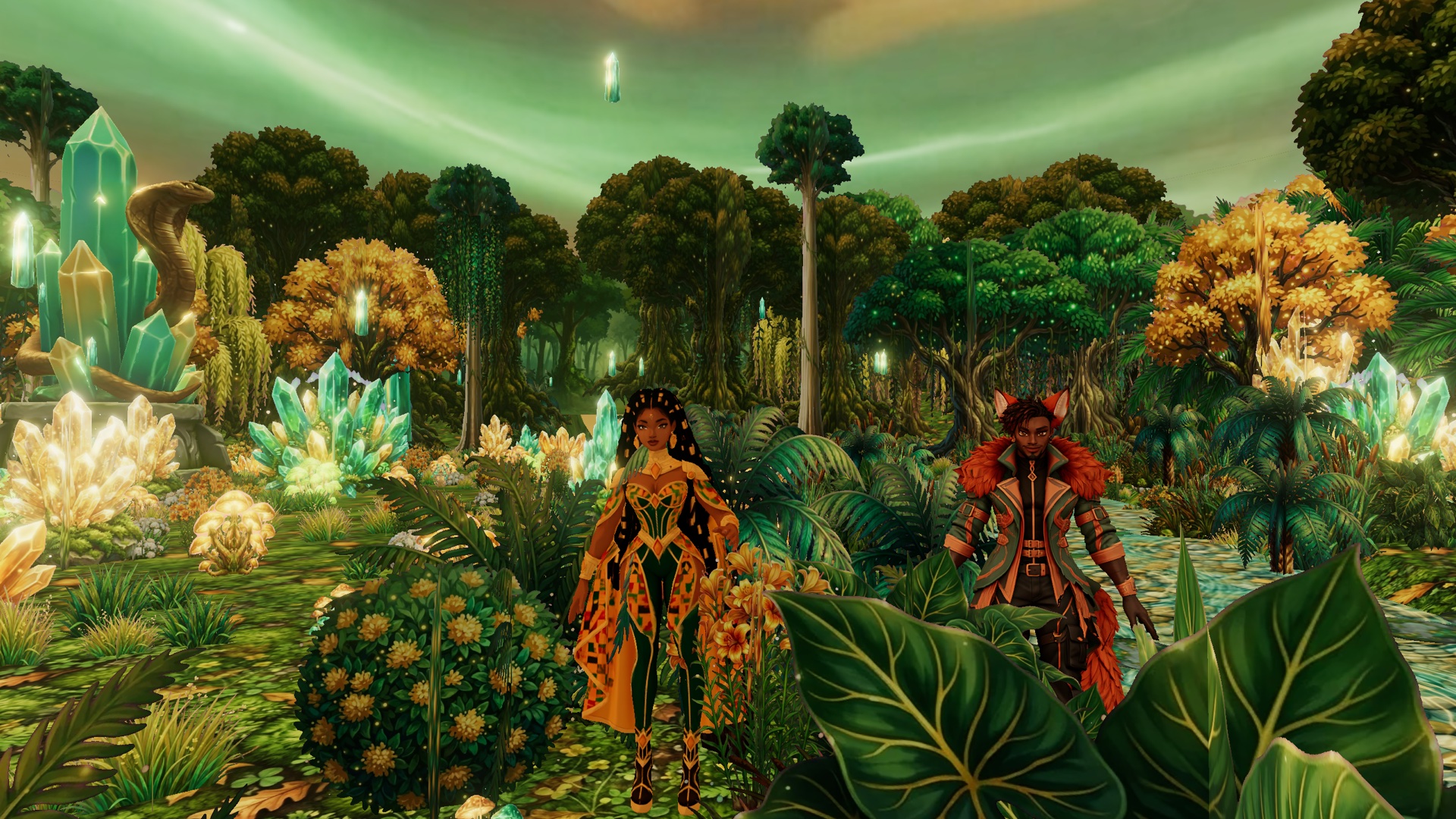
- Explore: visit worlds straight out of other people's imaginations, like a temple on the Nile, an undersea glass city, a dinosaur valley and a city on Mars, each with Day and Night.
- Everything works with hand tracking: pinch to press, look at your palm for the menu, teleport, sit, emote and build with your hands.
How we built it
GathrXR is built with React Three Fiber and WebXR, reading hand joints every frame for pinch, palm and gesture detection. Multiplayer runs on Supabase Realtime, and voice, screen sharing and the live AI companion run on LiveKit. Worlds come from our own AI pipeline: an AI art director plans the layout, image models paint the art, 3D models are generated, and headless Blender on cloud GPUs bakes a Quest-ready world with colliders, seats and sound, for a few dollars per world. The Quest app is a Trusted Web Activity that launches straight into VR. We tested in Meta's IWER emulator and then on Quest 3.
Challenges we ran into
- Making pinch reliable without accidental clicks.
- Keeping 72 fps on Quest with rich worlds, which meant "lite" versions of every world and tight draw-call budgets.
- Keeping voice and realtime sync alive on flaky headset Wi-Fi.
- Getting AI-generated worlds to be genuinely walkable: real scale, solid walls, seats you can sit in, stairs that work in VR.
Accomplishments that we're proud of
- Turning a description into a beautiful, walkable, multiplayer VR world in hours instead of months, for a few dollars.
- Full hands-only play: you can explore, sit, emote, watch, play and build without picking up a controller.
- AI companions and characters that talk back in real voices inside VR.
- Shipping all of it, a social platform, games, a world studio and a Quest Store submission, with a tiny team.
What we learned
AI can collapse the cost of 3D, but only if you design for the headset: scale, comfort, frame rate and colliders matter more than polygon counts. And people don't want a metaverse, they want a place to be with friends that feels like theirs. Lowering the time key to letting more people make one.
What's next for GathrXR
- Opening the AI world studio to everyone.
- Finger poses on avatars and passthrough watch parties.
- Music in worlds made with AI.
- More public worlds from our community.
- A creator marketplace where builders earn from what they make.
Built With
- anthropic-claude
- blender
- cloudflare
- elevenlabs
- livekit
- meta-quest
- react
- react-three-fiber
- runpod
- stripe
- supabase
- three.js
- typescript
- vite
- webxr

