-
-

Icon 1024x1024
-
-
-
-
-
-
-
-
-
-
-

Inspiration
Gathivo was built around a simple problem: event management is often spread across too many tools.
An organiser may use one platform to advertise an event, a form to collect registrations, bank transfers for payment, spreadsheets to track attendees, and then manually check people in at the door.
Gathivo brings that flow into one mobile app for both organisers and attendees.
The focus is especially on events that do not necessarily need a complex ticketing platform — community events, workshops, church events, conferences, launches, markets, and other local events.
What Gathivo does
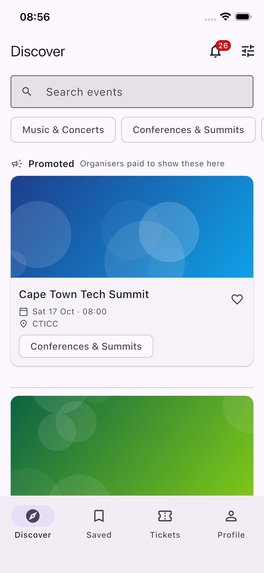
For attendees, Gathivo makes it possible to:
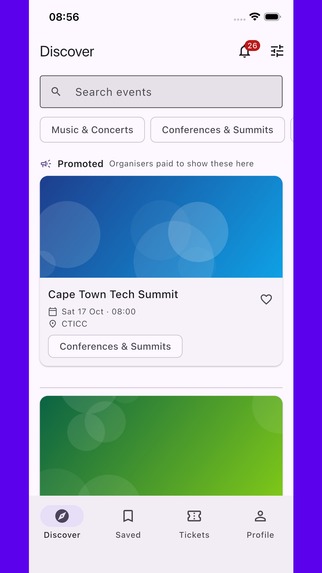
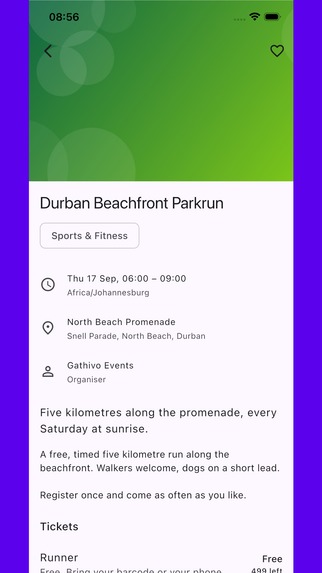
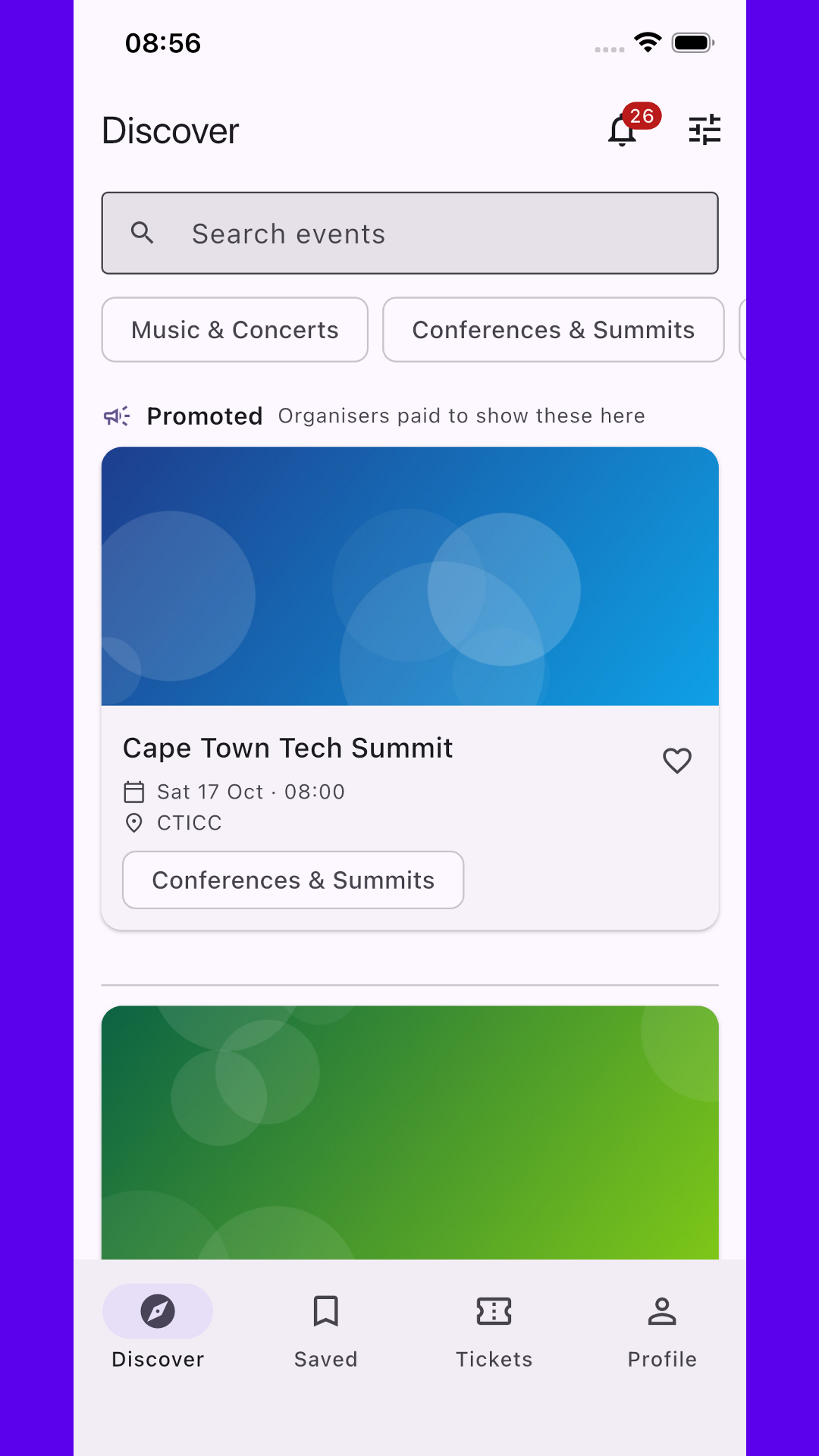
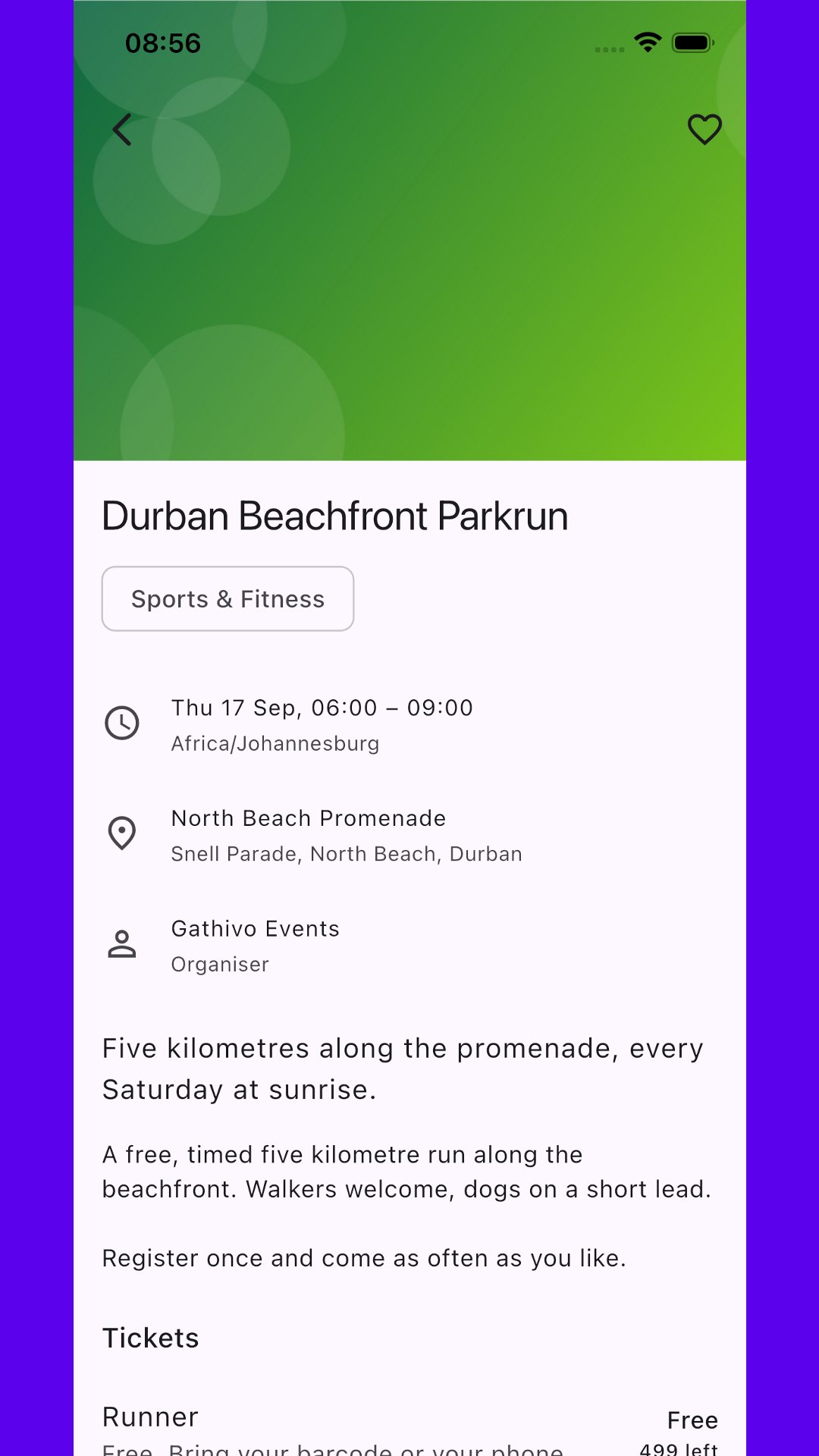
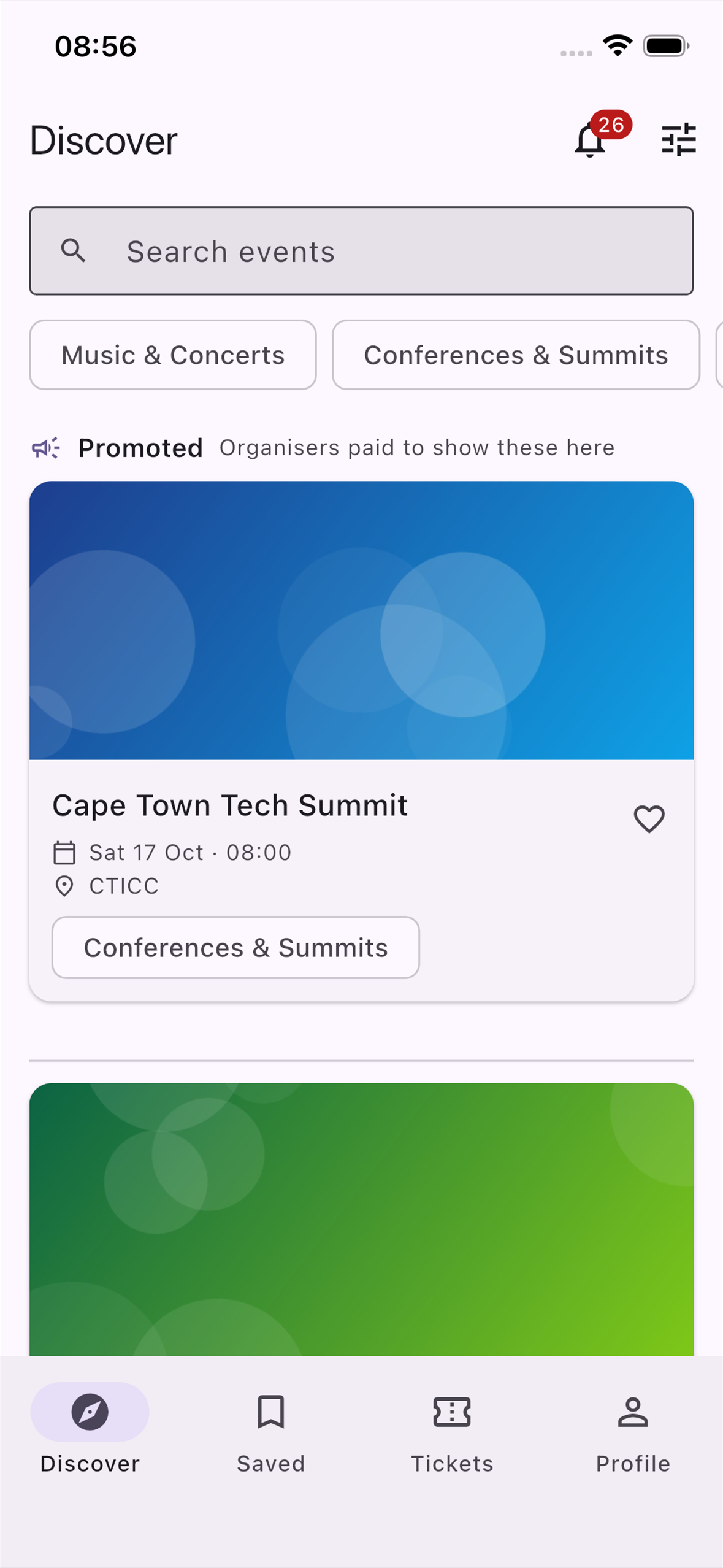
- Discover upcoming events
- Browse by category and location
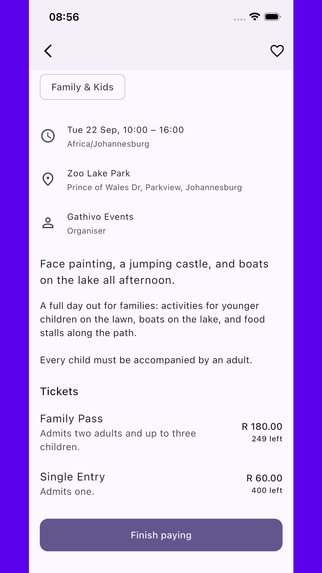
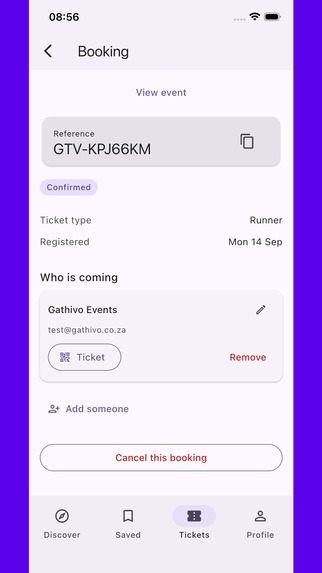
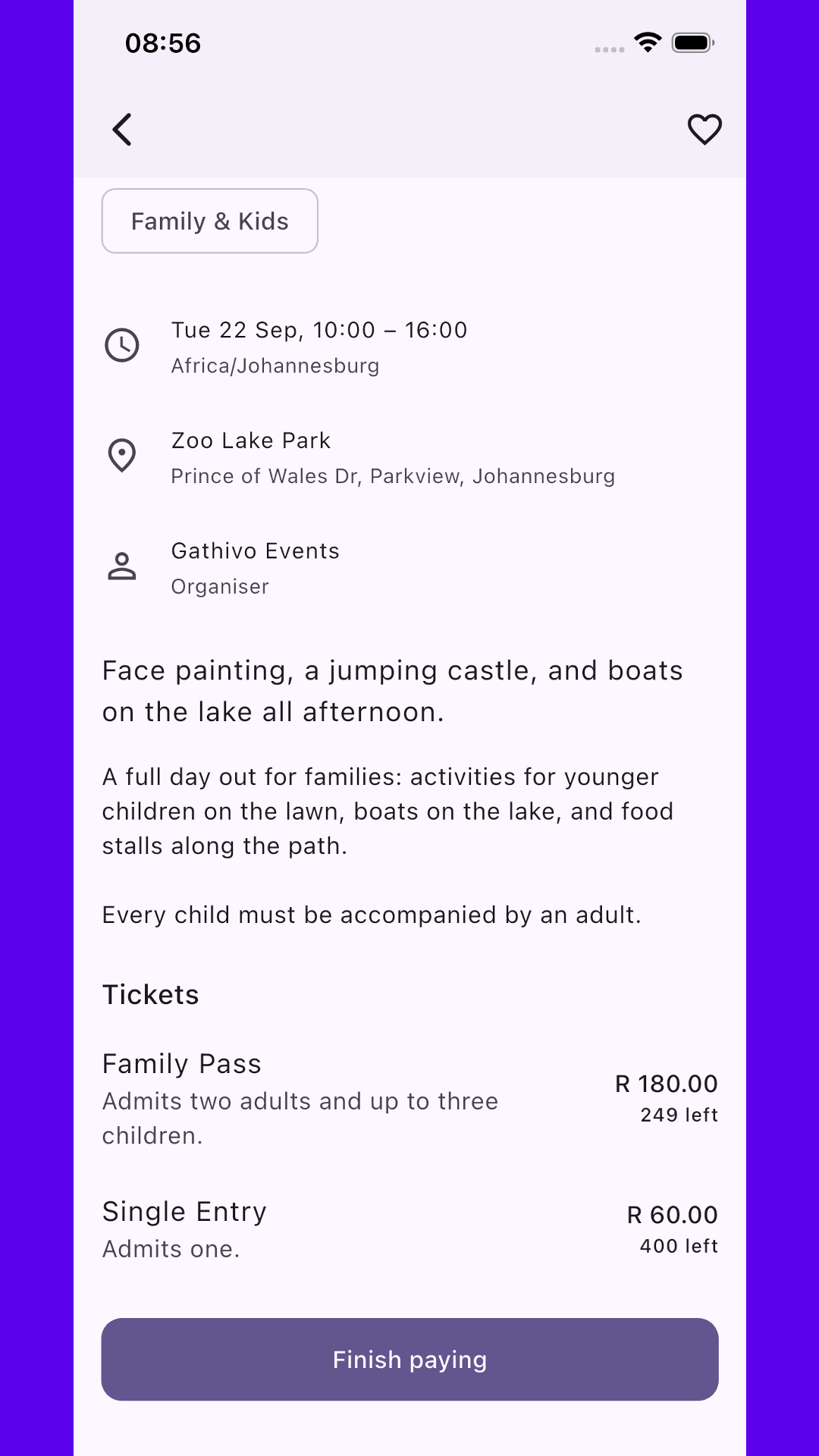
- Register or book directly in the app
- Complete event-specific registration questions
- Upload proof of payment when required
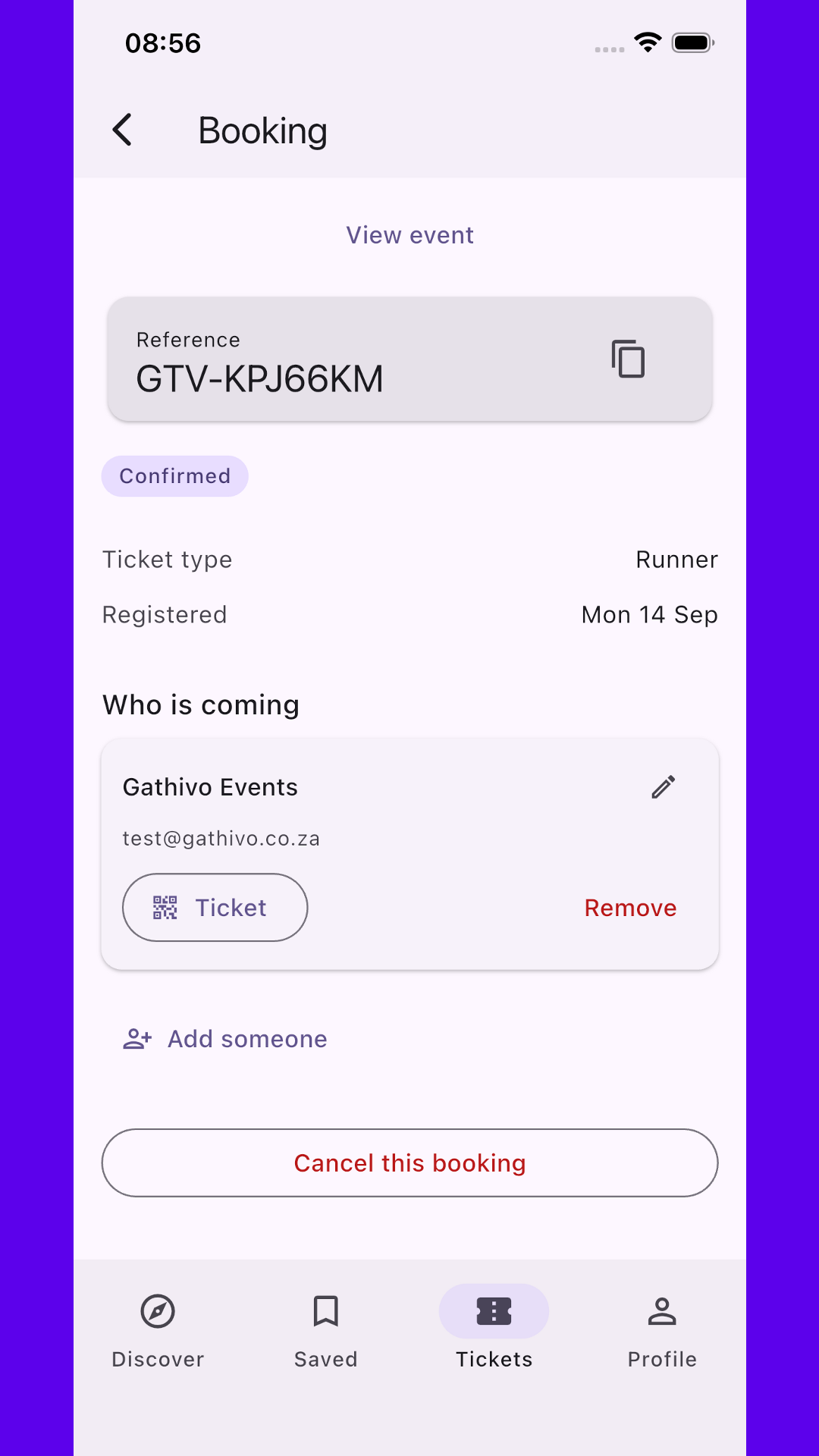
- Track booking and payment status
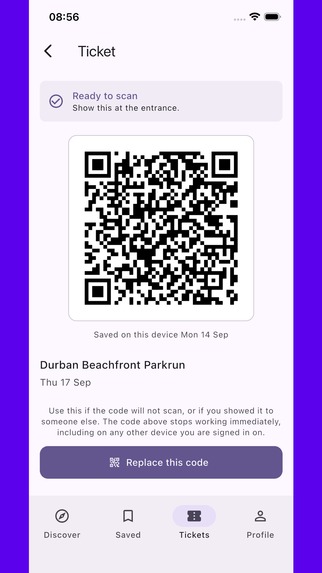
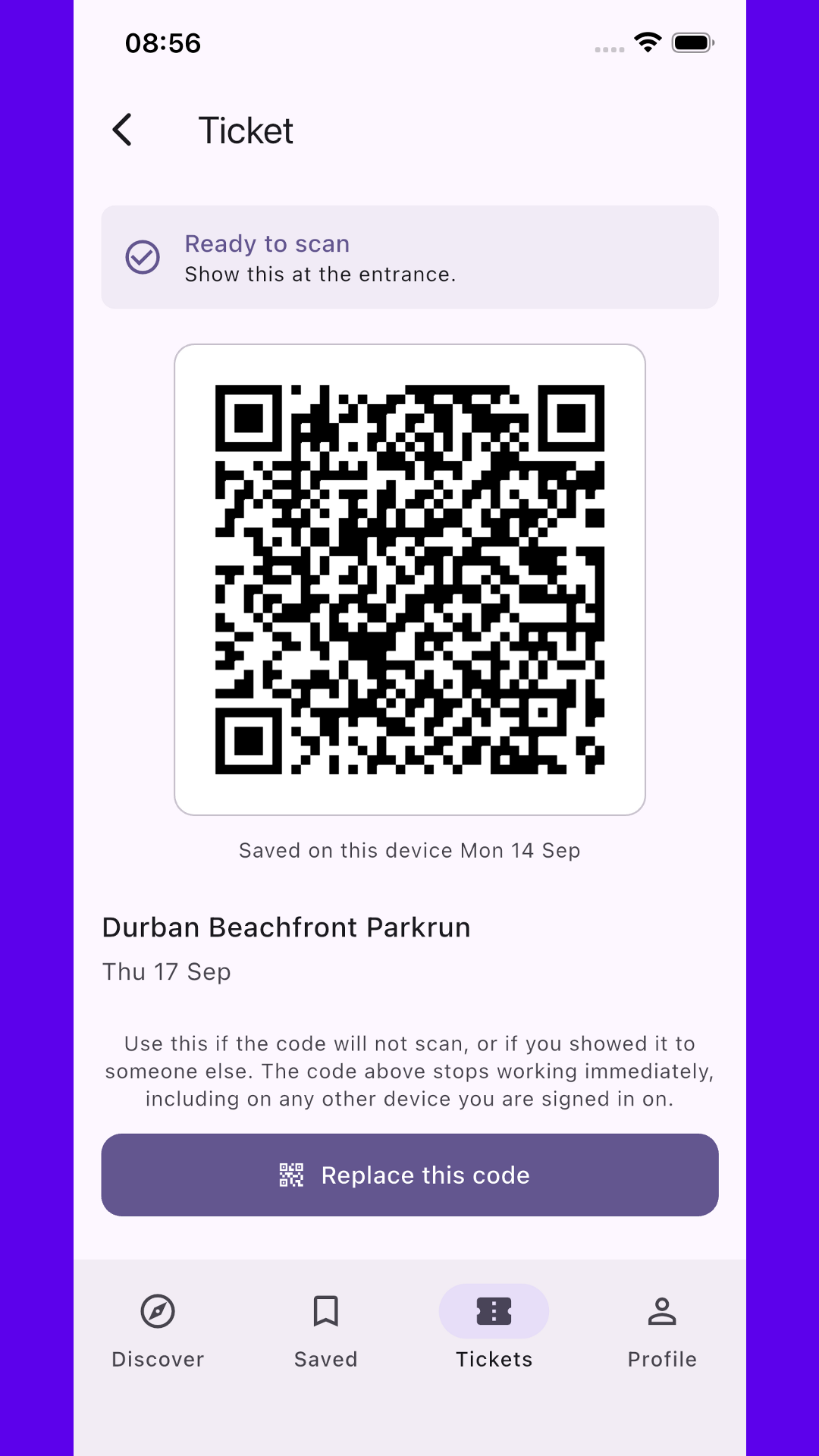
- Receive a QR ticket
- Keep tickets available on the phone for event day
- Receive updates from organisers
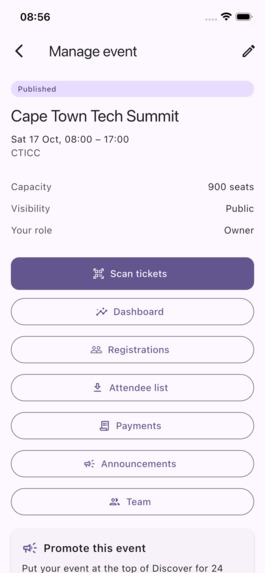
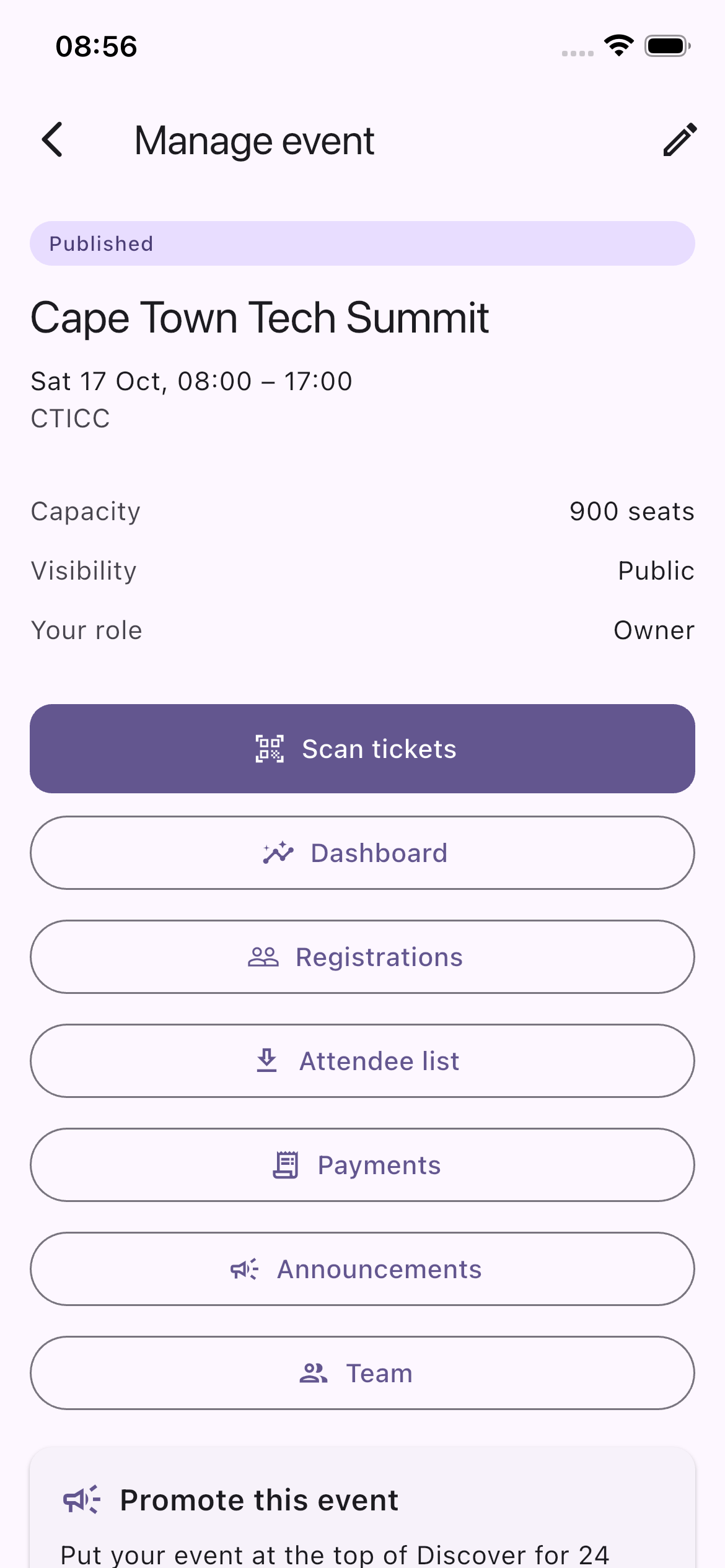
For organisers, Gathivo provides tools to:
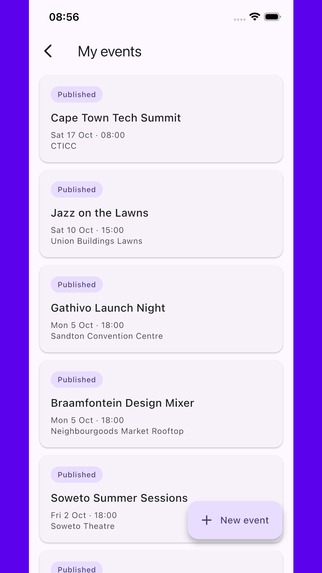
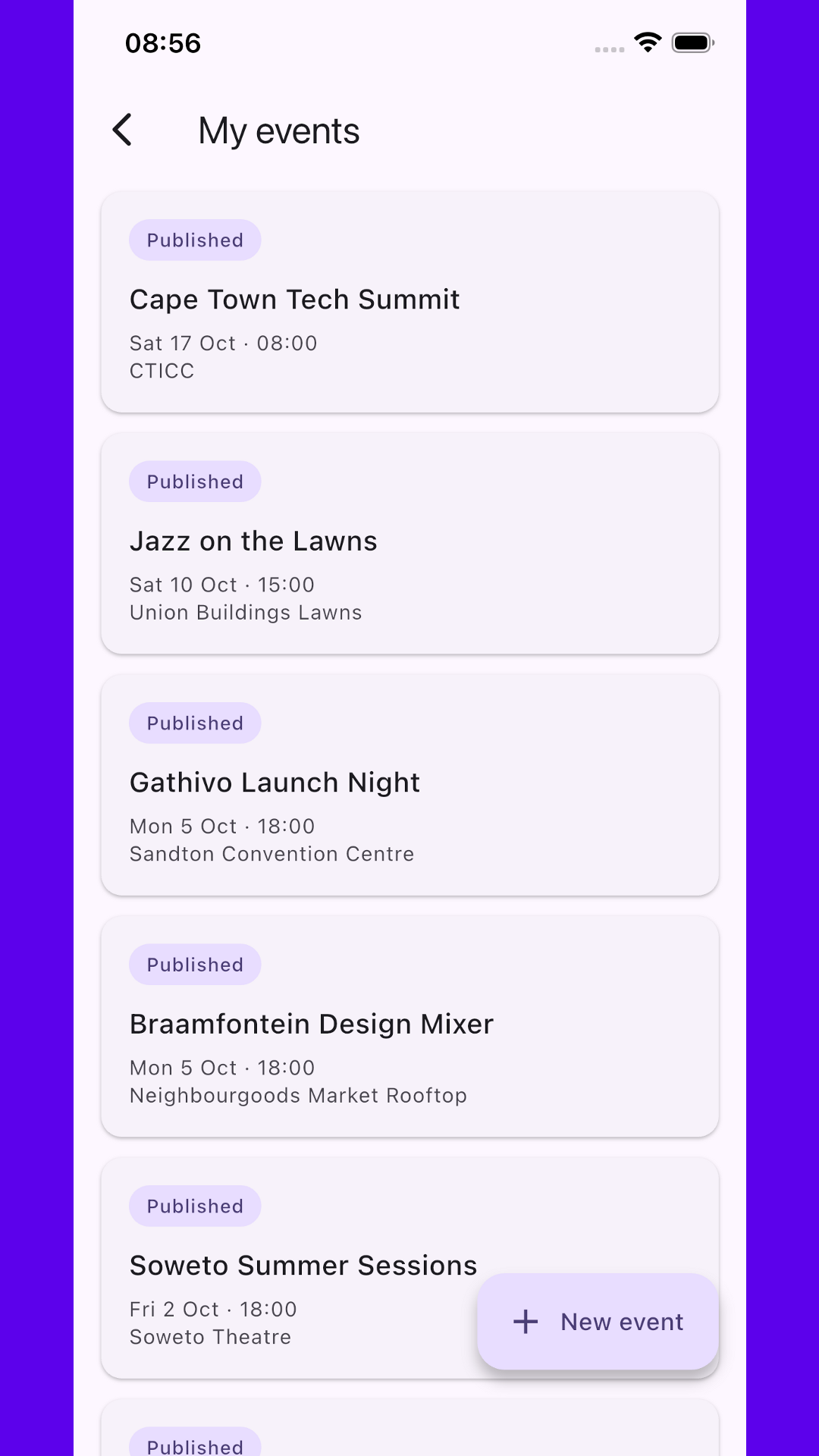
- Create and publish events
- Configure ticket types
- Create custom registration fields
- Set event capacity and registration periods
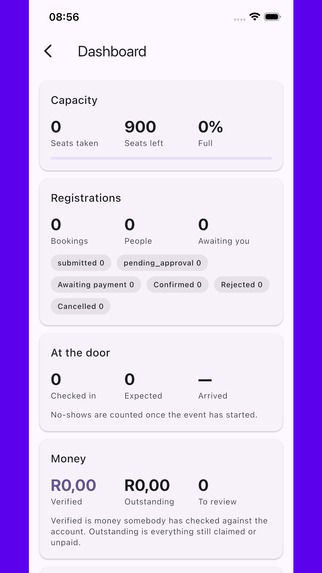
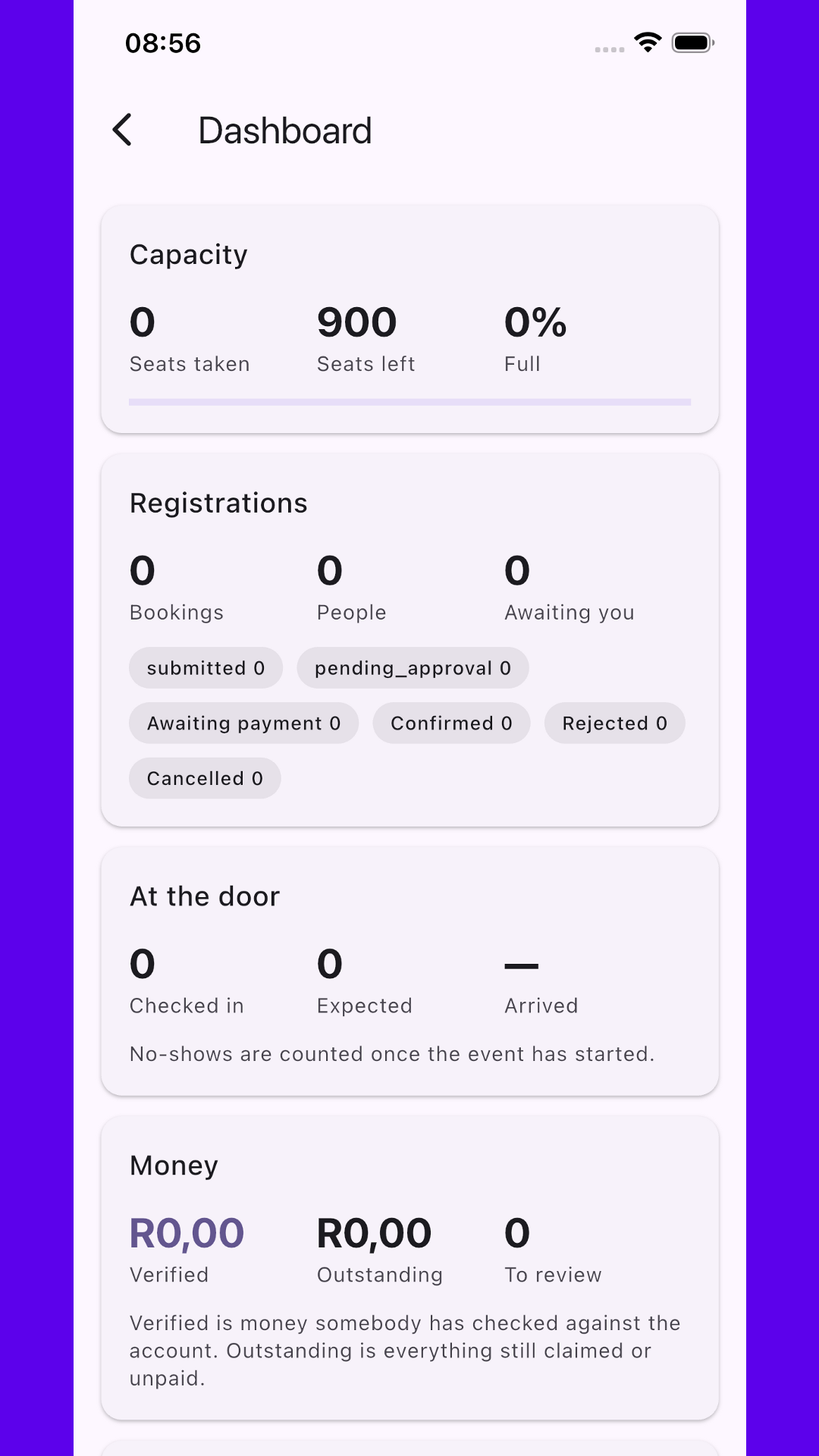
- Review bookings
- Review and approve proof of payment
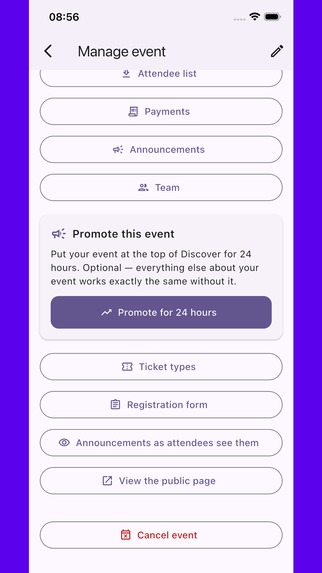
- Send event announcements
- Manage attendees
- Scan QR tickets at the door
- Track attendance
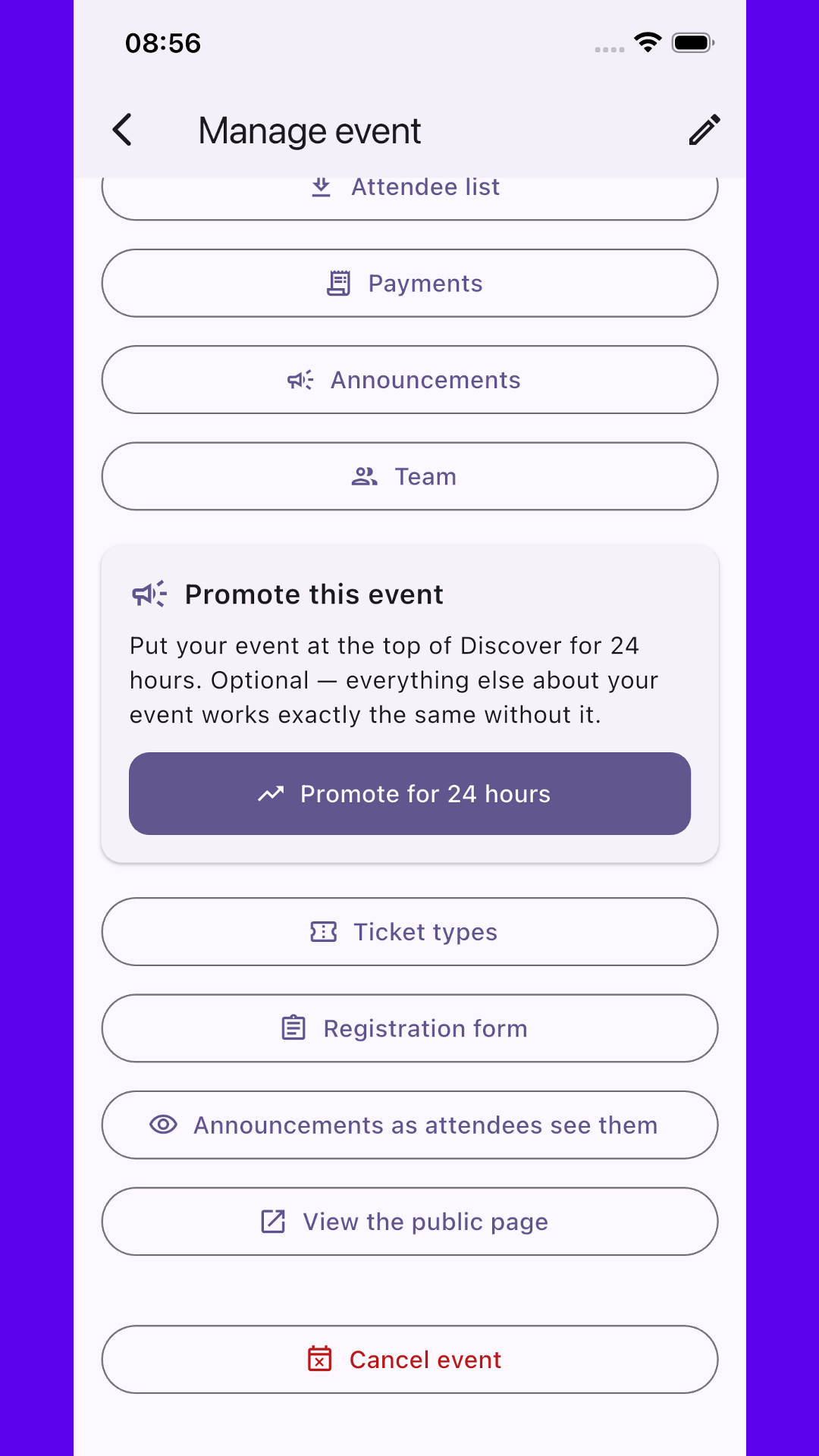
- Promote events inside Gathivo
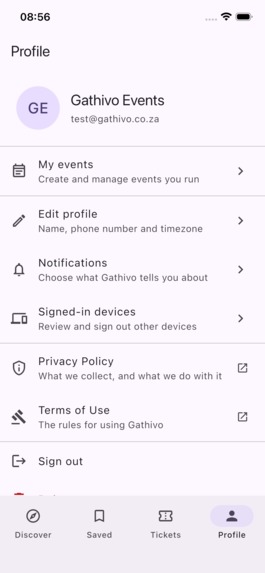
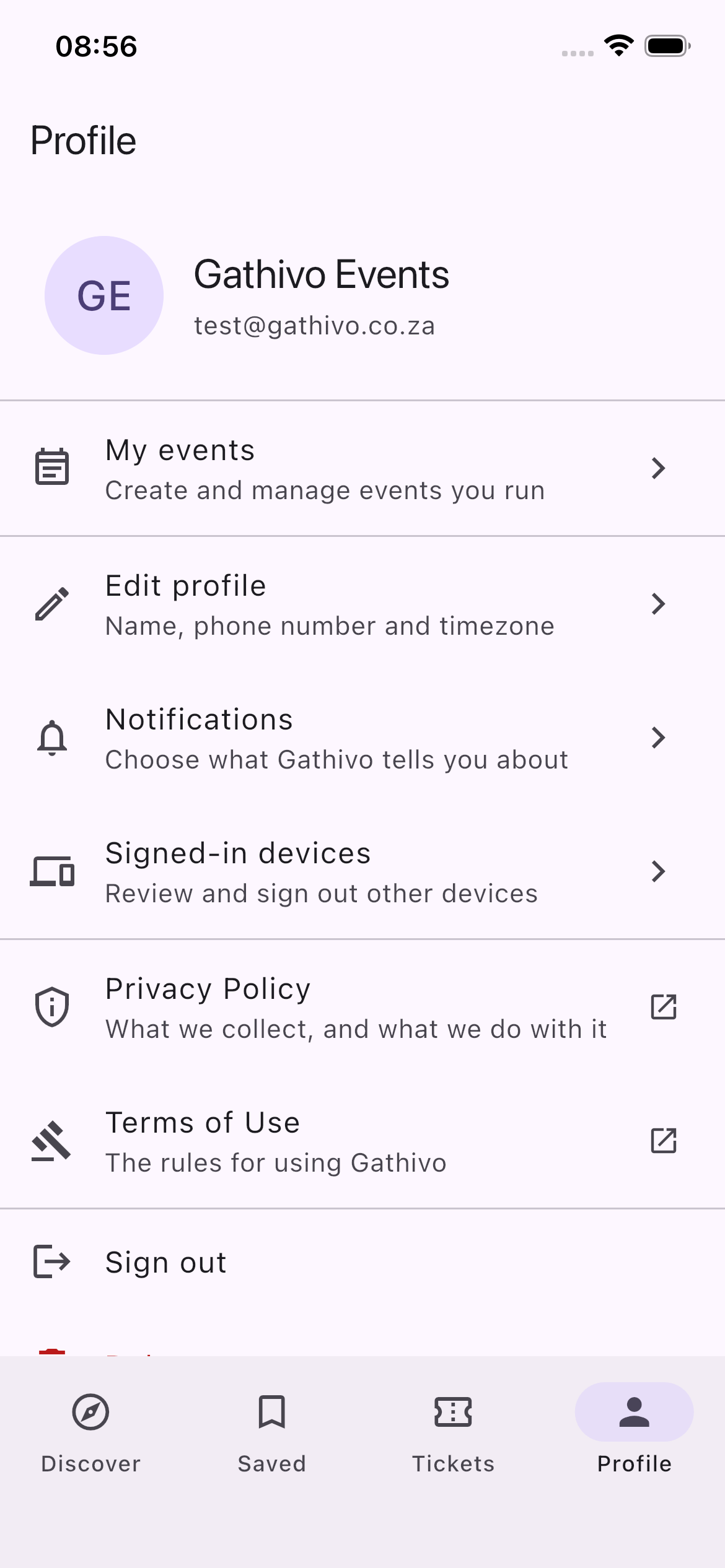
Both experiences live in the same app. A user can attend one event and organise another without needing separate accounts.
How it was built
Gathivo is built with Flutter for the mobile experience and Laravel for the backend API.
The backend manages authentication, events, bookings, configurable registration forms, payments, tickets, QR validation, check-ins, permissions, files, notifications, and organiser workflows.
The app was designed around a flexible event model because different organisers need different information from attendees. Instead of hard-coding registration fields for every event, organisers can define their own questions and requirements.
QR tickets use unique ticket credentials rather than embedding personal attendee information directly into the QR code.
RevenueCat is integrated to manage Gathivo's in-app monetisation. Organisers can purchase promoted placement for their events, while the rest of the core event-management experience remains free to use.
Challenges
One of the biggest challenges was designing one application for two very different user journeys.
Attendees need a fast and simple experience focused on discovering events, registering, and accessing tickets.
Organisers need a much more operational experience involving registration management, payments, forms, ticket scanning, and attendance.
Another challenge was designing registrations flexibly enough to support different event requirements without making the experience complicated for organisers.
Event-day reliability was also important. QR scanning and ticket validation need to remain simple and fast because a slow check-in flow becomes very visible when people are waiting at the door.
Payments presented another design decision. Gathivo does not take a percentage of event ticket payments. For events using manual payment, attendees pay organisers directly and can upload proof of payment for review.
What I learned
Shipping Gathivo reinforced that building the feature is only part of launching a real app.
A large part of the work was around the complete product lifecycle:
- Store review and release preparation
- Privacy and data disclosures
- Age ratings
- Event moderation
- Payment workflows
- User-generated content
- QR ticket security
- Handling both organiser and attendee permissions
- Making monetisation fit naturally into the product
I also learned the value of releasing early.
Gathivo is already live on both iOS and Android, which means the next stage is no longer based only on assumptions. The goal now is to learn from actual organisers and attendees and improve the product around how events are really run.
RevenueCat
RevenueCat is used for Gathivo's monetisation flow.
Organisers can optionally purchase promoted placement for an event. The purchase is handled through the platform's in-app purchase system and managed through RevenueCat.
This gives Gathivo a monetisation model that does not require charging organisers a percentage of every ticket sold.
The core platform can remain free while organisers who want additional visibility can pay to promote an event.
What's next
The current release is V1.
Next I want to focus on:
- Learning from real organiser feedback
- Improving event discovery
- Improving the event-day check-in experience
- Better organiser analytics
- More flexible event communication
- Additional payment options
- Expanding event promotion and monetisation
- Improving reliability for events with poor connectivity
The bigger goal for Gathivo is simple: make it easier to organise an event and easier to attend one.

Log in or sign up for Devpost to join the conversation.