-
-
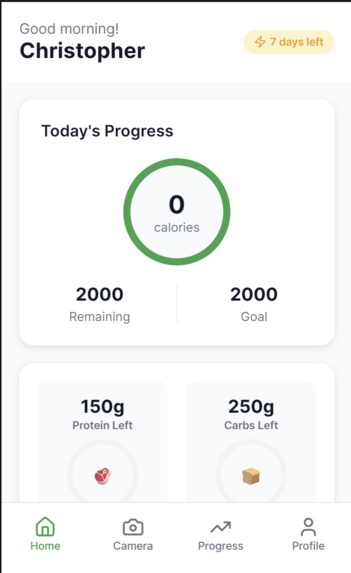
-
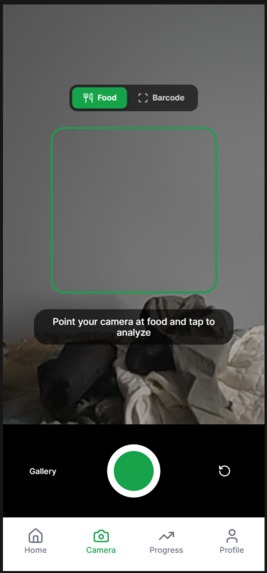
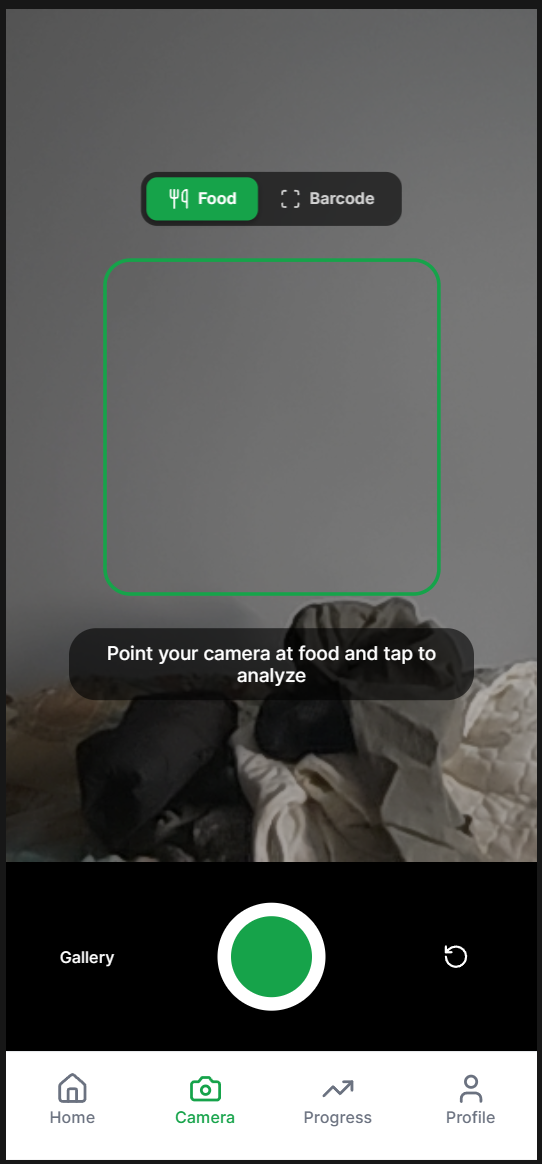
Camera screen
-
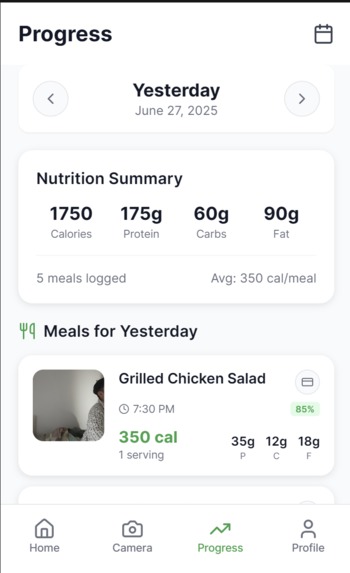
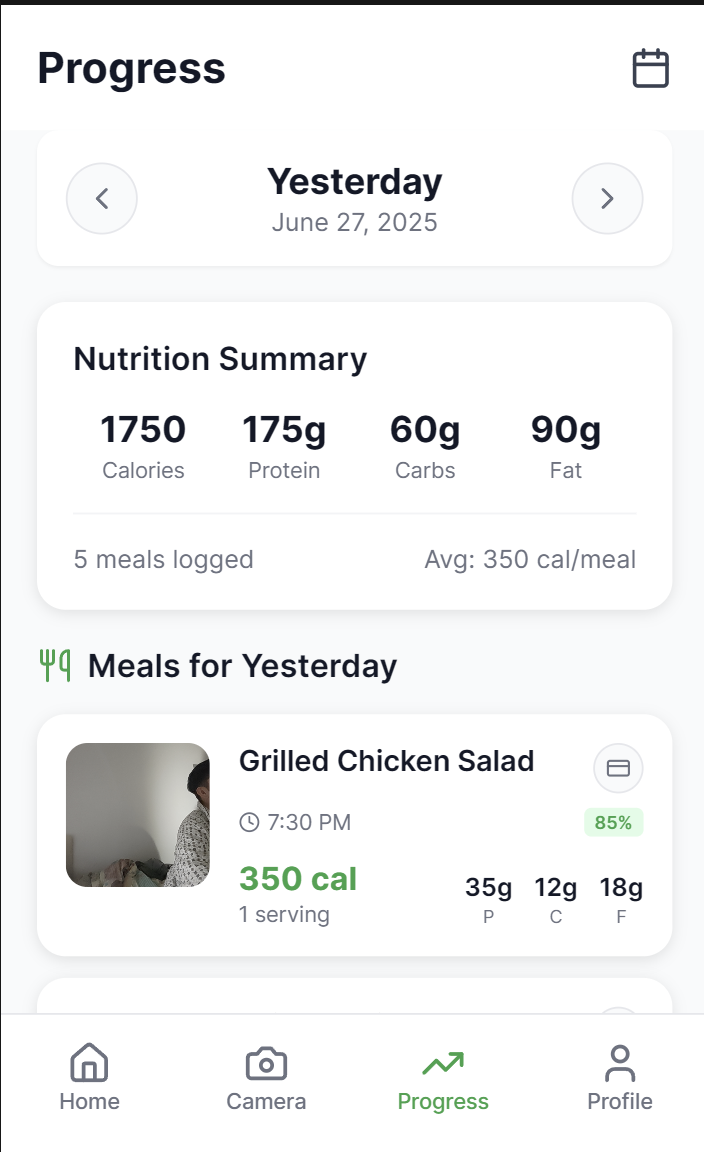
Progress screen
-
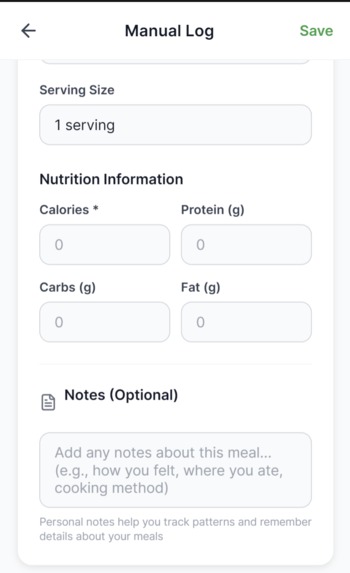
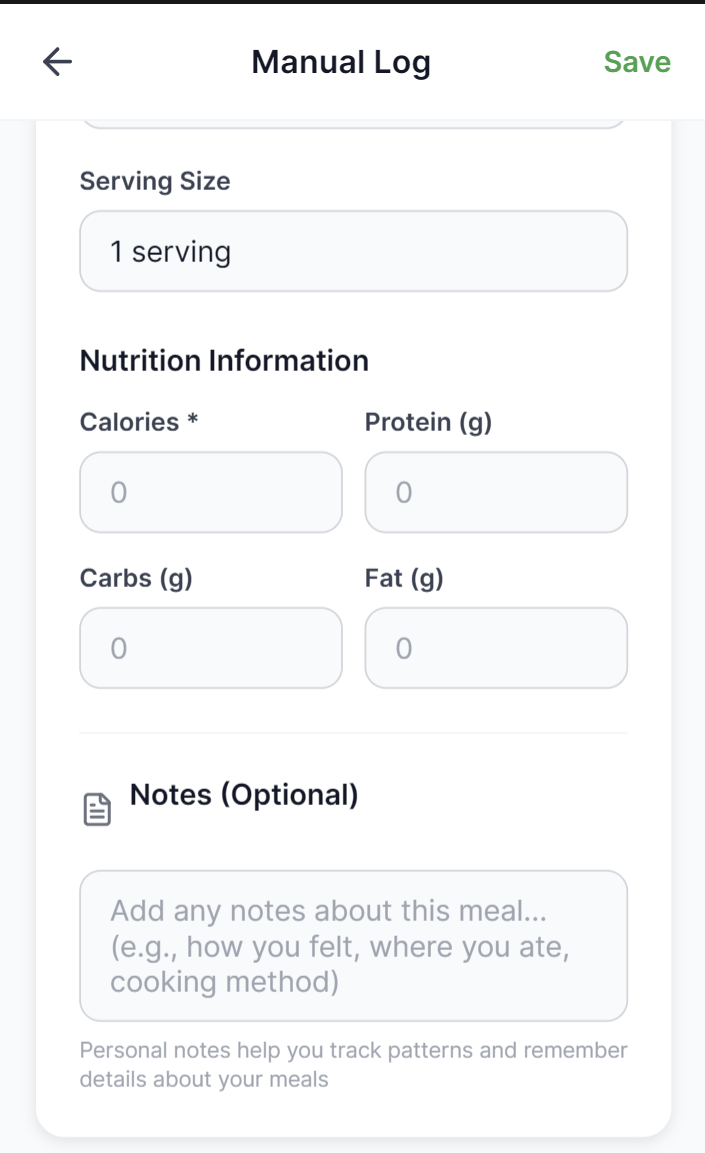
Manual Food Log Screen
-
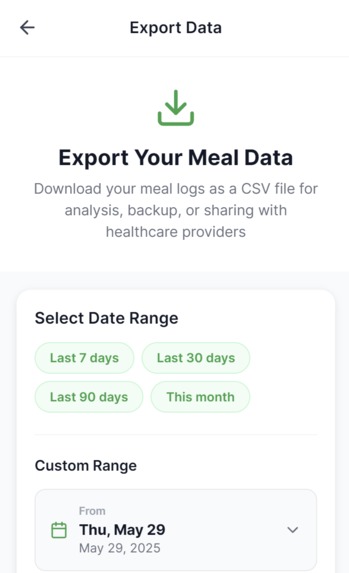
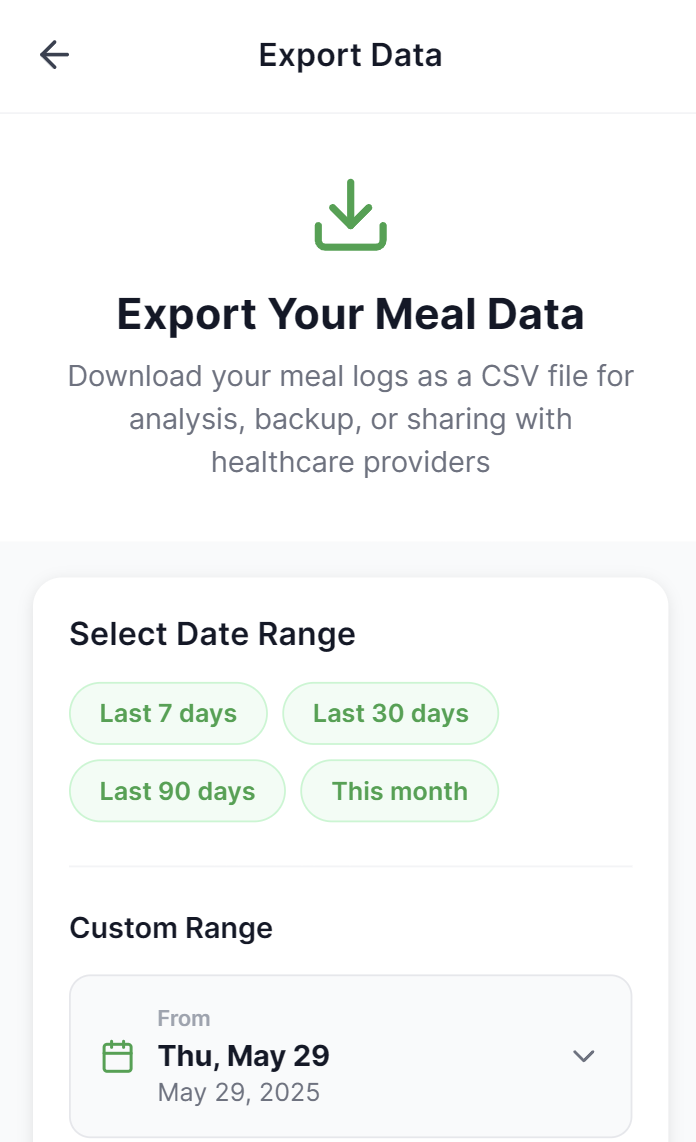
Export Data Screen
Inspiration
The main problem is that people spend too much time figuring out how much macronutrients such as protein, carbs, fats, etc are in their food. Additionally, they need to work out how big their portion sizes are. Tuckerlog AI makes it easy to take a photo, which will be analysed to find the relevant nutrient content.
What it does
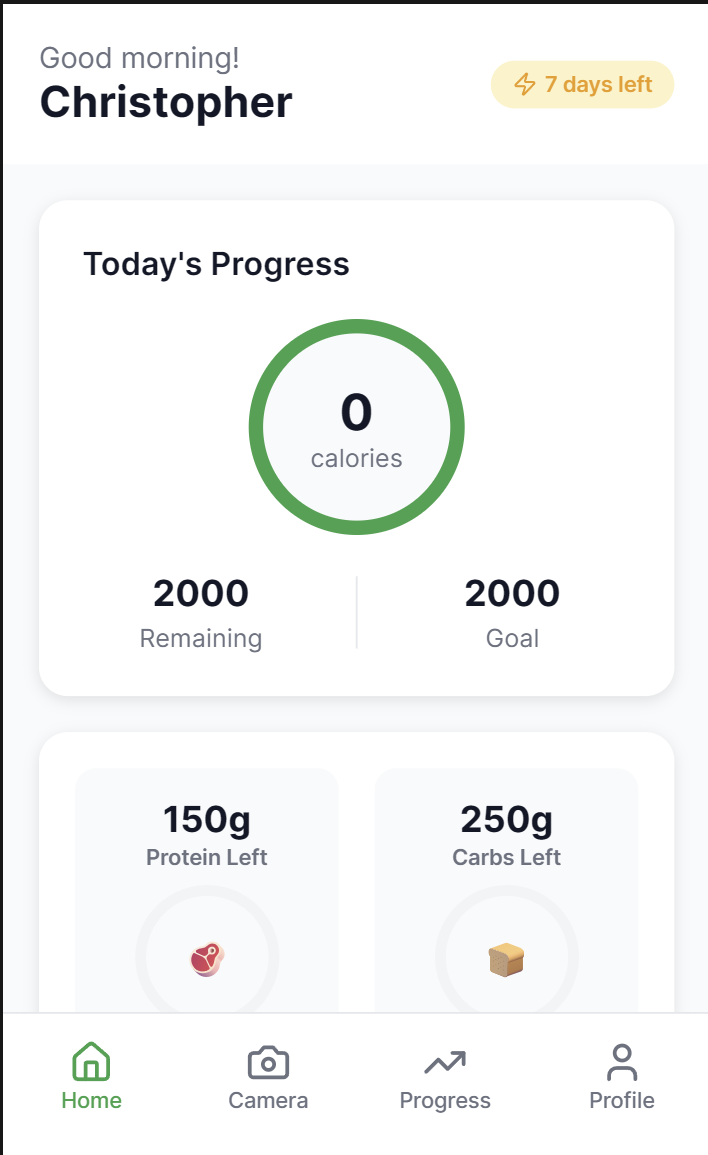
A user can set protein/carb/fat/calorie goals. They can take a photo and analyses the meal's nutrients so they know how much to consume. This is logged daily by the user. A user also manually log their meal by searching the brand's serving size, which relies on an external API to provide a database of food brands' nutrition analyses. By recording daily weight, they can hit their diet goals faster and see daily BMI.
How we built it
We use Bolt to bootstrap the app. It is built using React Native + Supabase for asset storage, authentication and database. An third-party external API was used so we could populate the manual food logging.
Challenges we ran into
There was not enough time to implement the AI on Google Cloud. There were also problems implementing Supabase Storage.
Accomplishments that we're proud of
Most of the features except the AI analysis has been built out.
What we learned
The limits of Bolt's builder. It can generate database migrations with Supabase integration but it did not work when using Supabase Storage.
What's next for Gathertix
We plan to monetise the app and eventually release it on the app store.
Built With
- mobile
- native
- react
- supabase

Log in or sign up for Devpost to join the conversation.