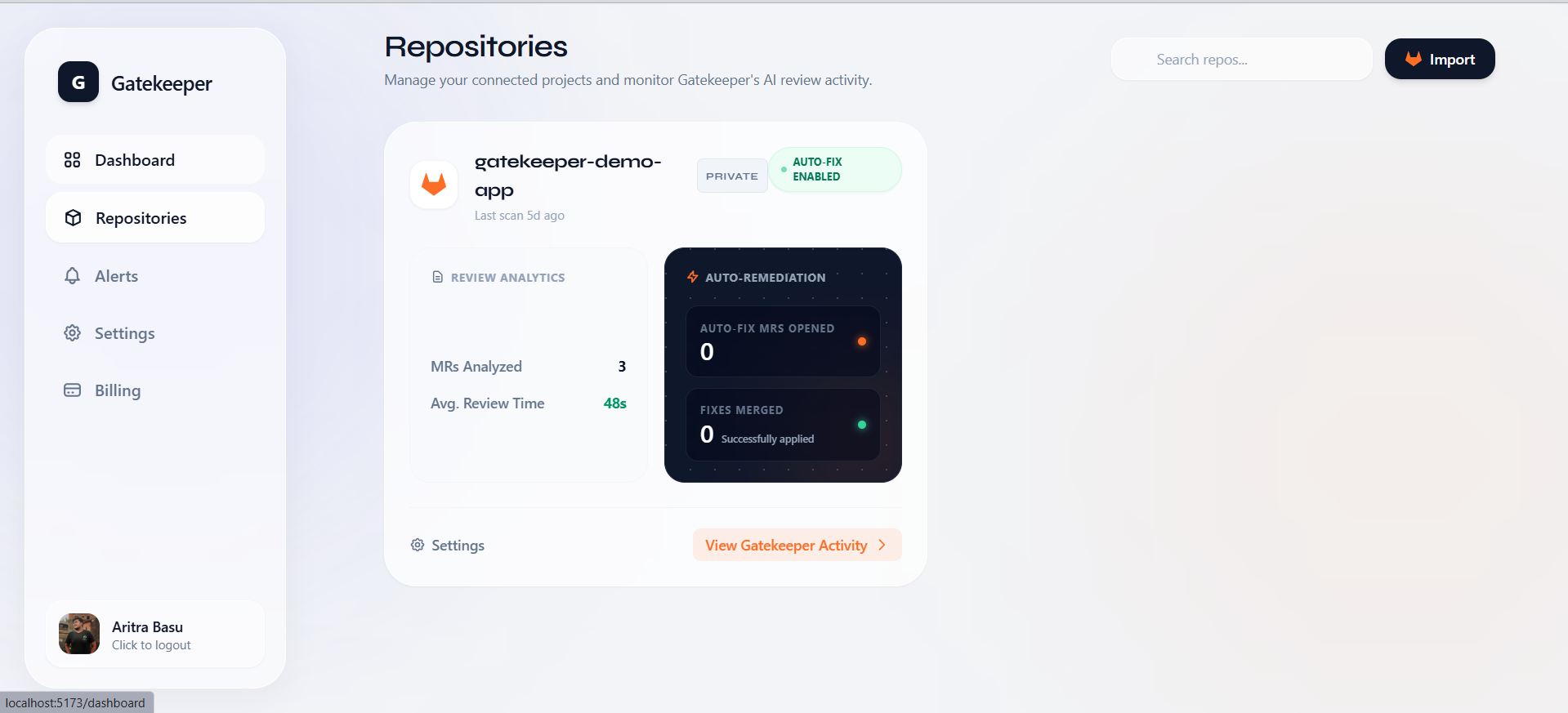
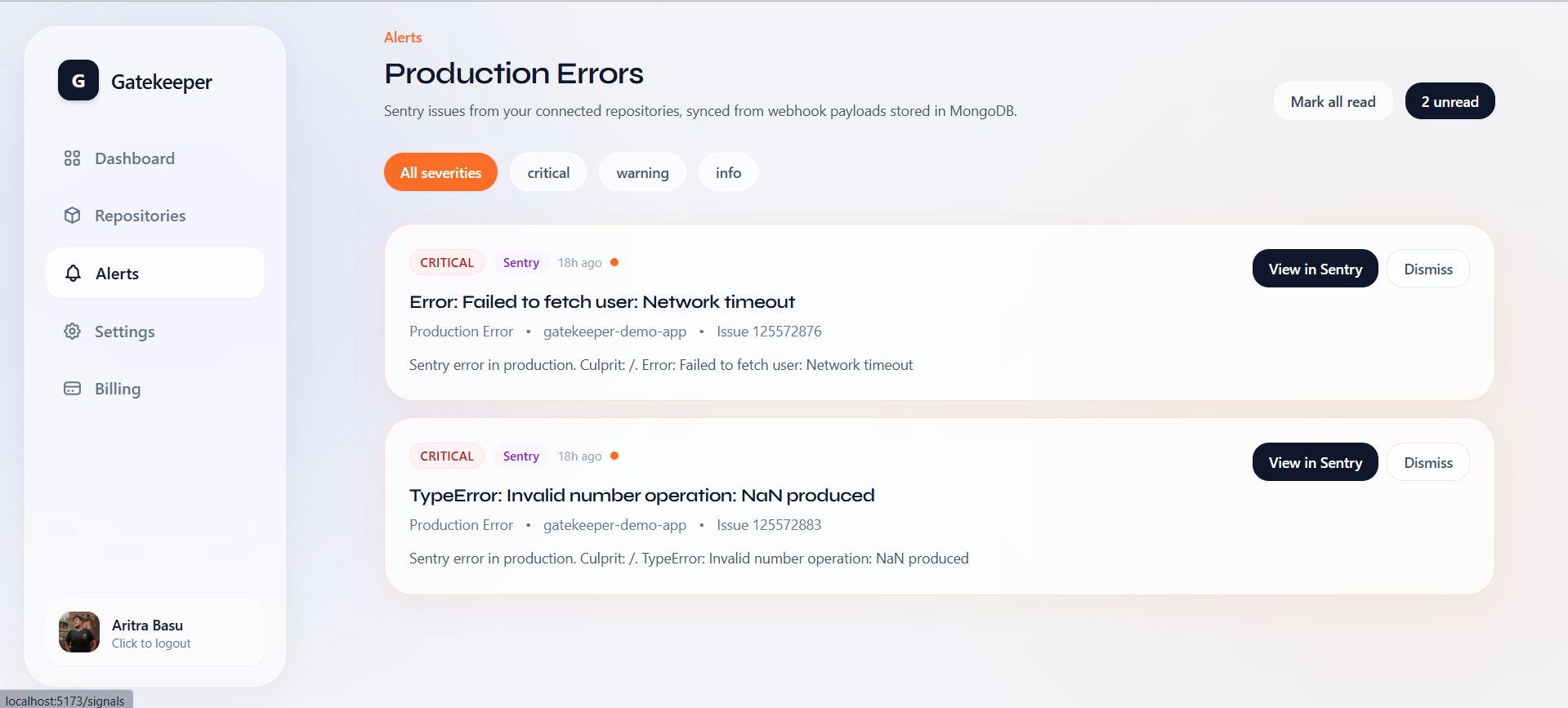
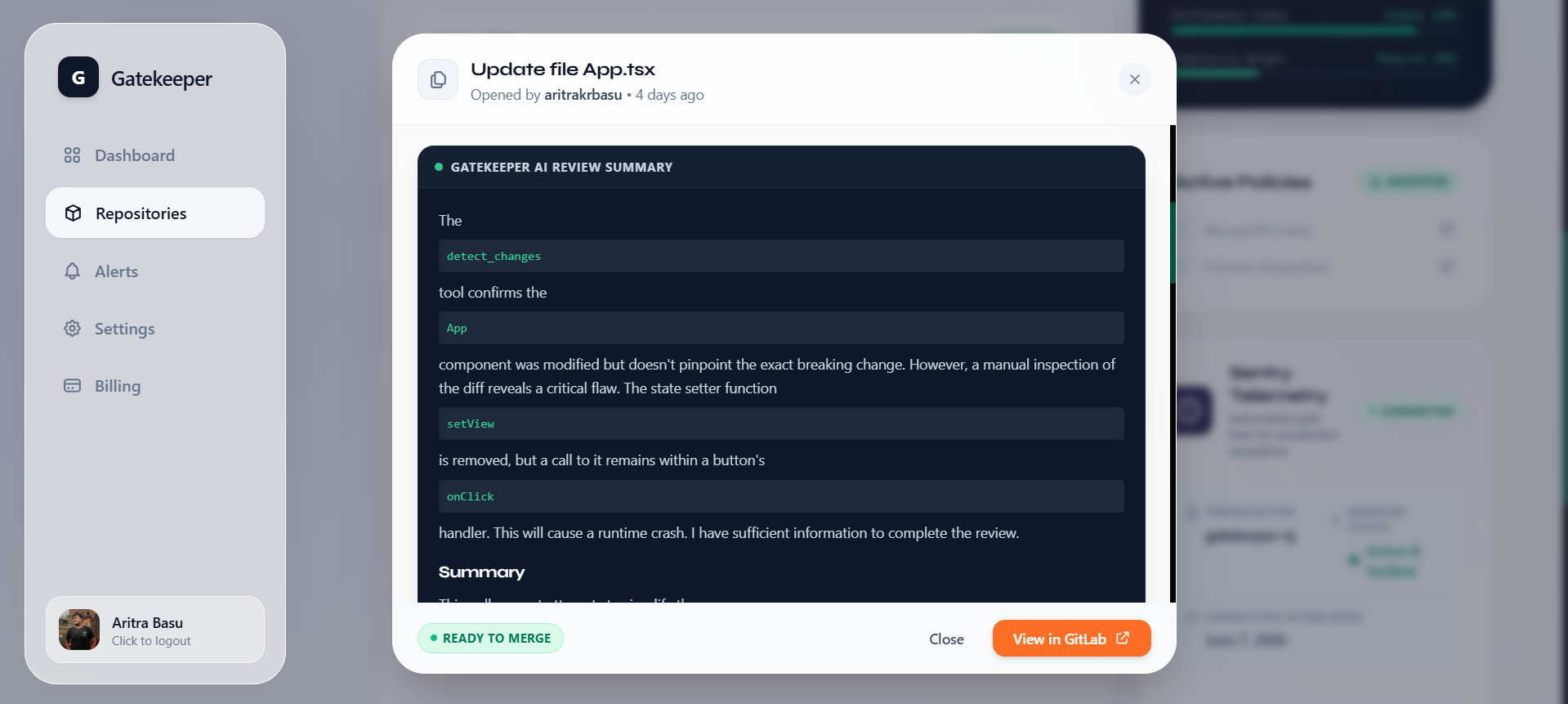
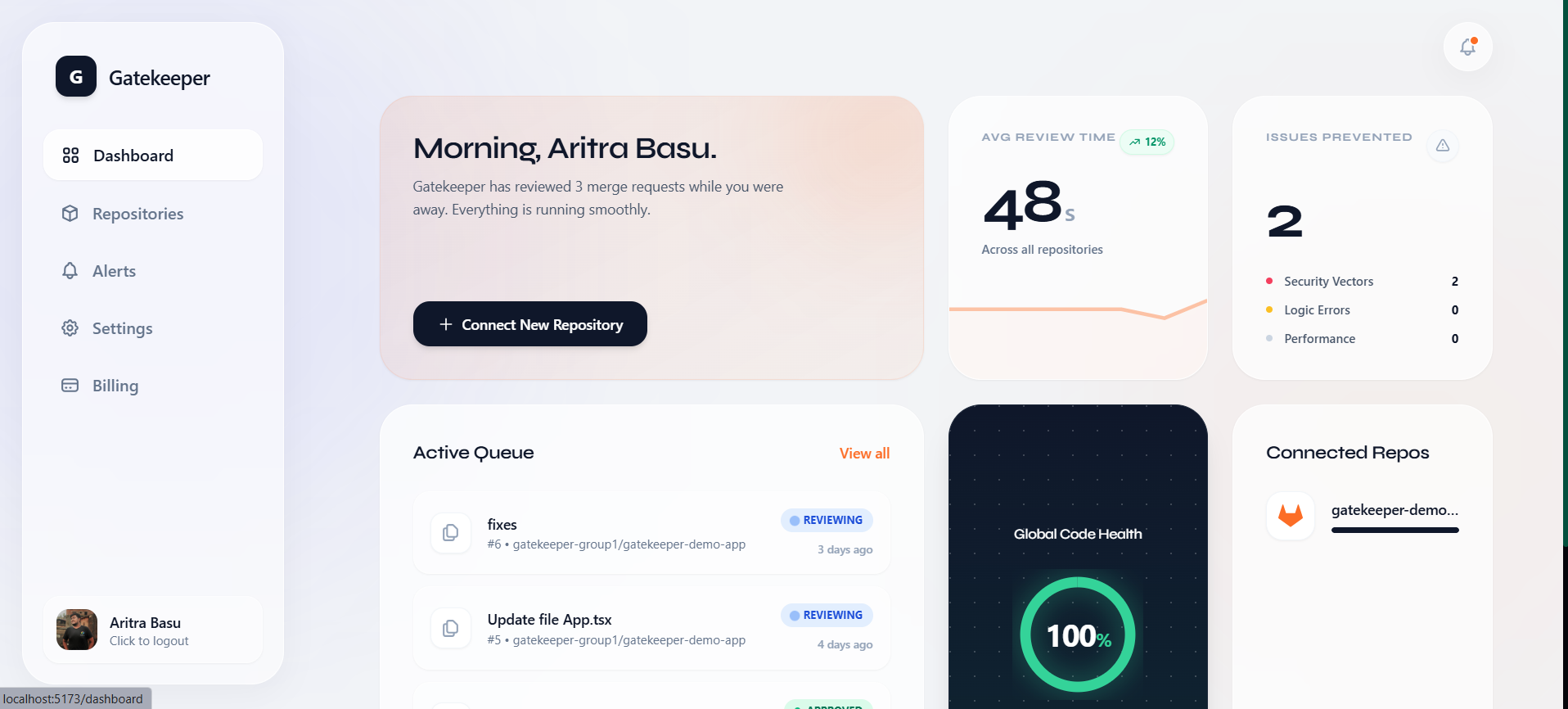
The Gatekeeper — Hack Submission
🎯 The Problem
Development teams spend 40% of their time on code review and incident management. Existing tools are:
- ❌ Static — Linters check syntax, not logic
- ❌ Forgetful — Every incident starts from zero, no memory of past fixes
- ❌ Opaque — AI decisions happen inside black boxes with no quality tracking
- ❌ Reactive — Wait for humans to spot problems instead of preventing them
💡 Our Solution
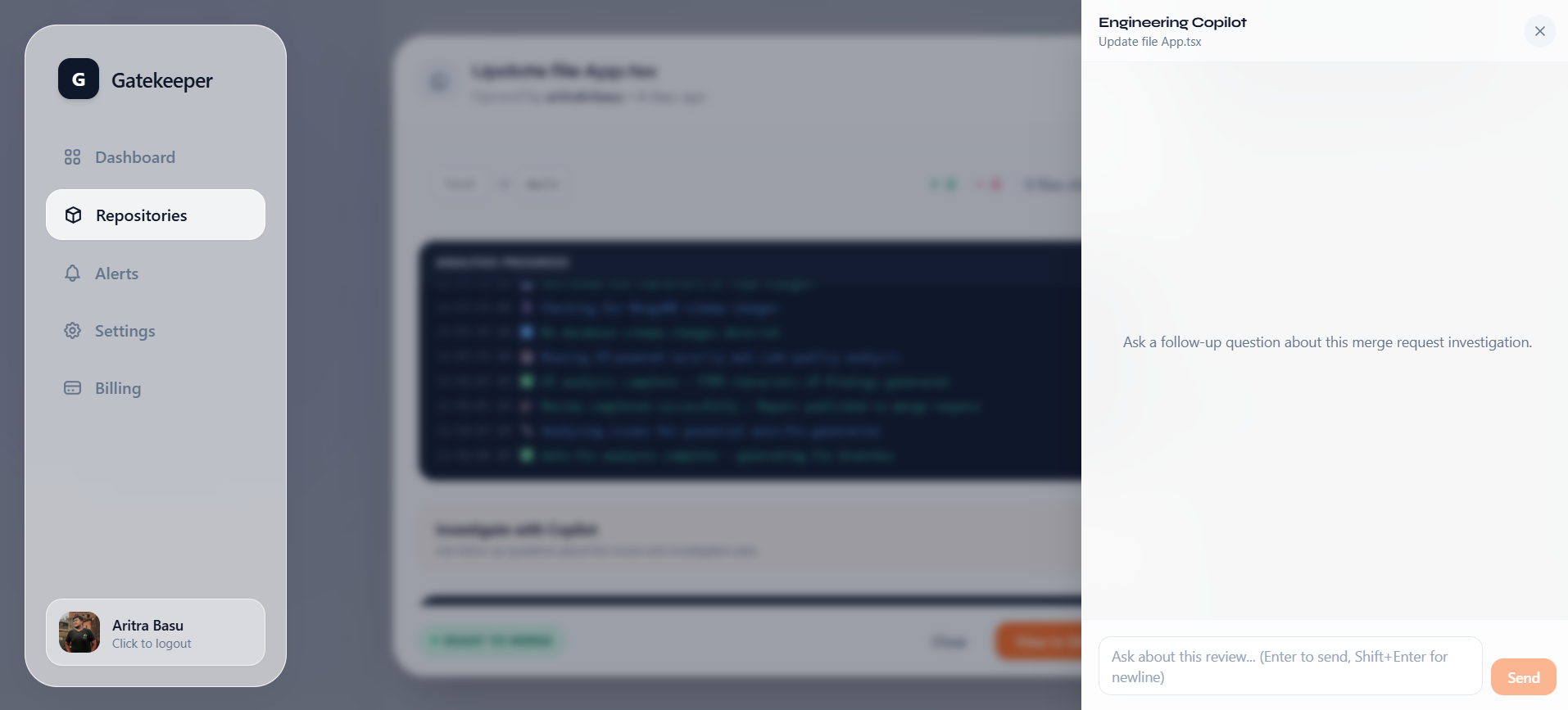
The Gatekeeper is an AI-powered GitLab orchestrator that learns from every review using a novel combination of:
| Technology | Innovation |
|---|---|
| Gemini AI | Generates intelligent remediation plans with ReAct-style reasoning |
| MongoDB MCP | Semantic memory layer — finds similar incidents across your entire history |
| Arize Phoenix | LLM-as-a-judge evaluates every output, enabling continuous self-improvement |
"An AI system that remembers every fix, learns from every mistake, and gets smarter with every merge request."
🏗️ Architecture
┌──────────────┐     ┌──────────────┐     ┌──────────────┐     ┌──────────────┐
│   GitLab     │────▶│   Gemini     │────▶│   MongoDB    │────▶│   Arize      │
│   Webhook    │     │   Analysis   │     │   MCP Store  │     │   Evaluate   │
└──────────────┘     └──────────────┘     └──────────────┘     └──────────────┘
                            │                     │                     │
                            ▼                     ▼                     ▼
                     ┌──────────────┐     ┌──────────────┐     ┌──────────────┐
                     │  Plan        │     │  Semantic    │     │  Prompt A/B  │
                     │  Execute     │     │  Search      │     │  Testing     │
                     │  Reflect     │     │  Retrieval   │     │  Optimization│
                     └──────────────┘     └──────────────┘     └──────────────┘
🚀 How It Works
1. GitLab Trigger → Gemini Analysis
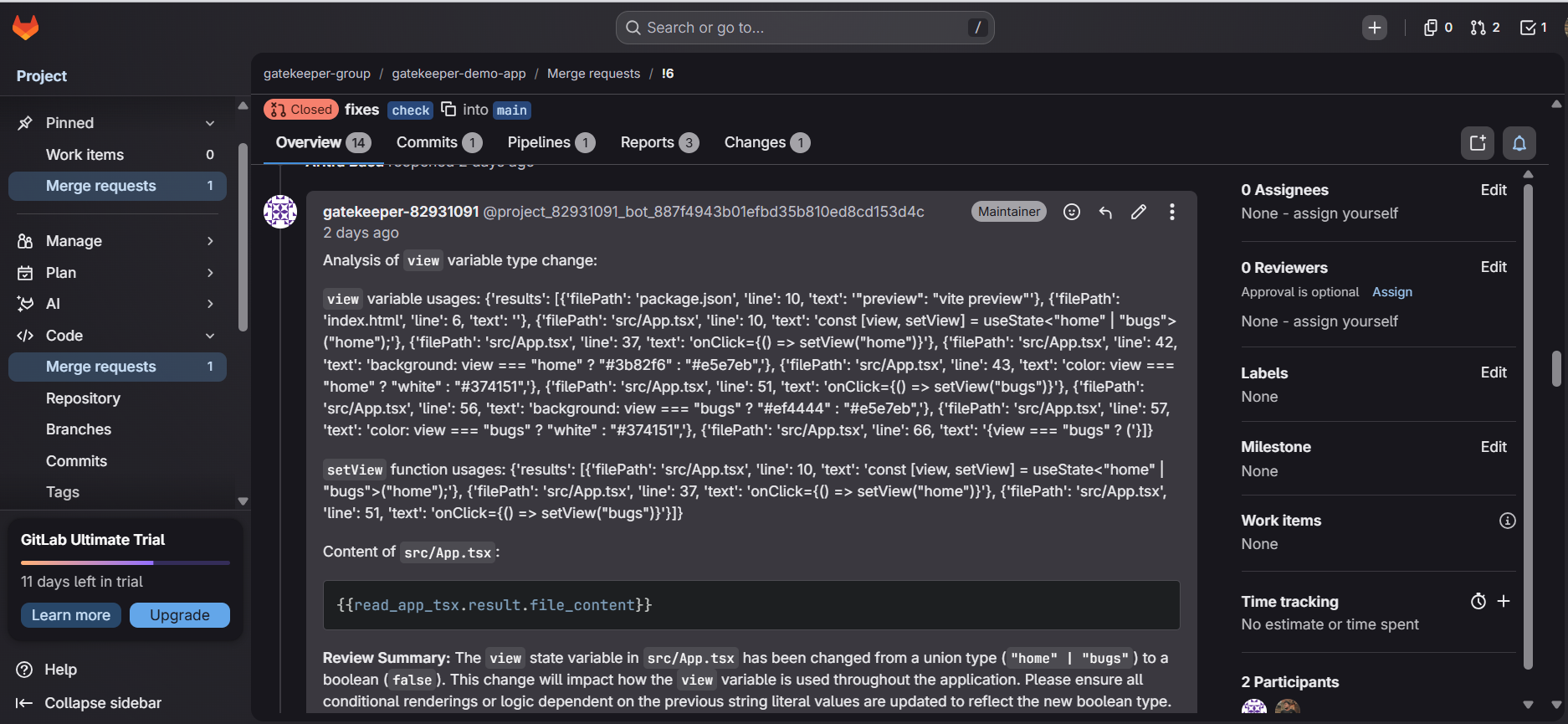
A merge request webhook triggers the workflow engine. Gemini AI analyzes:
- Code diffs and security implications
- Project context from past incidents
- Semantic similarity to known issues
2. MongoDB MCP Semantic Memory
Every action is stored with vector embeddings:
"NullPointerException in auth service"
    ↓
Embedding Search → Found 3 similar incidents from last year
    ↓
Retrieve successful fixes → Suggest remediation
3. Arize Phoenix Evaluation
LLM-as-a-judge automatically scores every Gemini output:
- Accuracy: Did the analysis catch real issues?
- Actionability: Can the fix be applied safely?
- Prompt Optimization: A/B test prompts, deploy winners automatically
🔥 Technical Highlights
| Feature | Implementation |
|---|---|
| Custom Agent Framework | ReAct-style workflow engine with planning, execution, reflection loops |
| MCP Integration | Unified tool layer — GitLab, MongoDB, Dynatrace, GitNexus |
| Observability | OpenInference tracing on every Gemini call via Arize SDK |
| Self-Improvement | Automatic prompt versioning with evaluation-driven deployment |
| Human-in-the-Loop | Approval gates for destructive operations |
| Failure Recovery | Retry strategies with exponential backoff |
🛠️ Tech Stack
Backend:  FastAPI + Motor (MongoDB async)
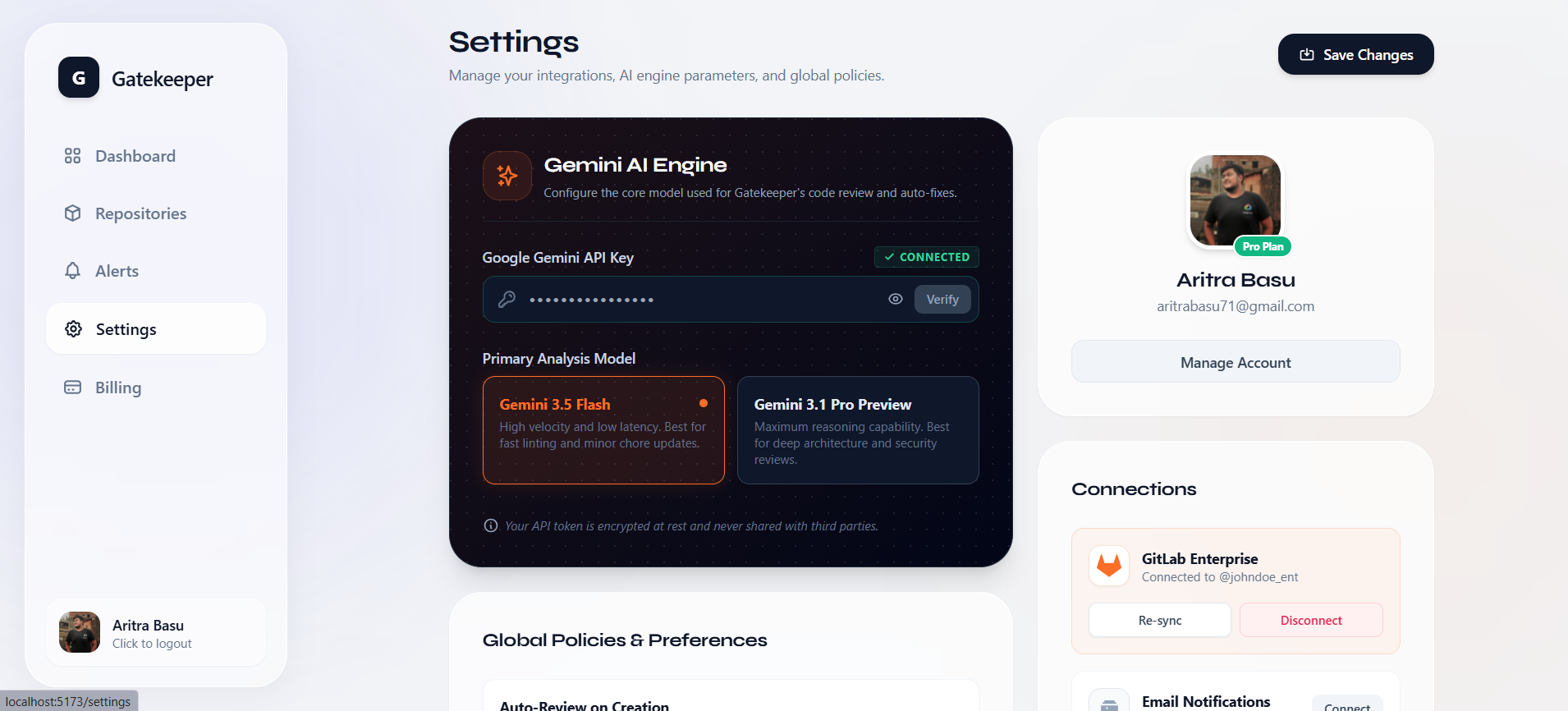
AI:       Google GenAI (Gemini 2.5 Flash)
Memory:   MongoDB with vector embeddings
Observability:  Arize Phoenix Cloud + OpenInference
Frontend: React 19 + Vite + TanStack Query
Protocol: Model Context Protocol (MCP)
📊 Demo Scenario
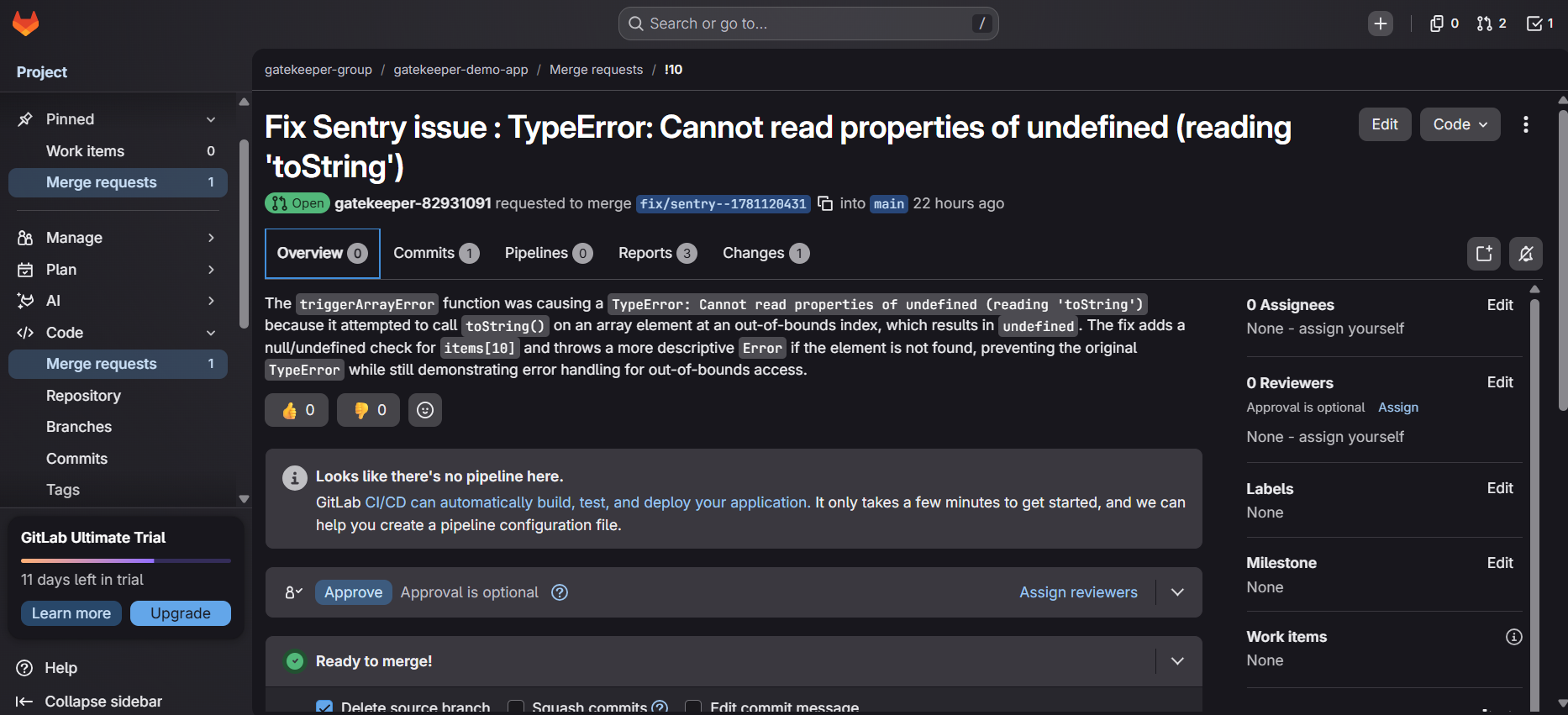
- Developer opens MR with a SQL injection vulnerability
- Gemini analyzes the diff and identifies the security issue
- MongoDB MCP searches and finds 3 similar incidents from last quarter
- Remediation plan generated with past fixes as reference
- Arize evaluates the plan quality and logs to Phoenix dashboard
- Human approves → Auto-fix applied → MR updated
Time saved: 2 hours of investigation → 5 minutes of review
🎓 What We Learned
- Gemini's reasoning shines in multi-step remediation planning
- MongoDB MCP's semantic search dramatically reduces incident investigation time
- Arize evaluation caught prompt regressions we would have missed
- Human approval gates are essential for autonomous systems in production
Built for GitLab developers who want their AI assistant to learn from every mistake, not repeat them. 🚀

Log in or sign up for Devpost to join the conversation.