Inspiration
The inspiration for this solution came from a very common but fascinating technology: RFID. It’s widely used in stores such as Uniqlo, where self-checkout becomes extremely efficient because you don’t scan items individually, you simply place them in a basket and they’re read automatically. Building on this idea, our solution evolved into a meticulously designed process to improve efficiency and reduce errors.
What it does
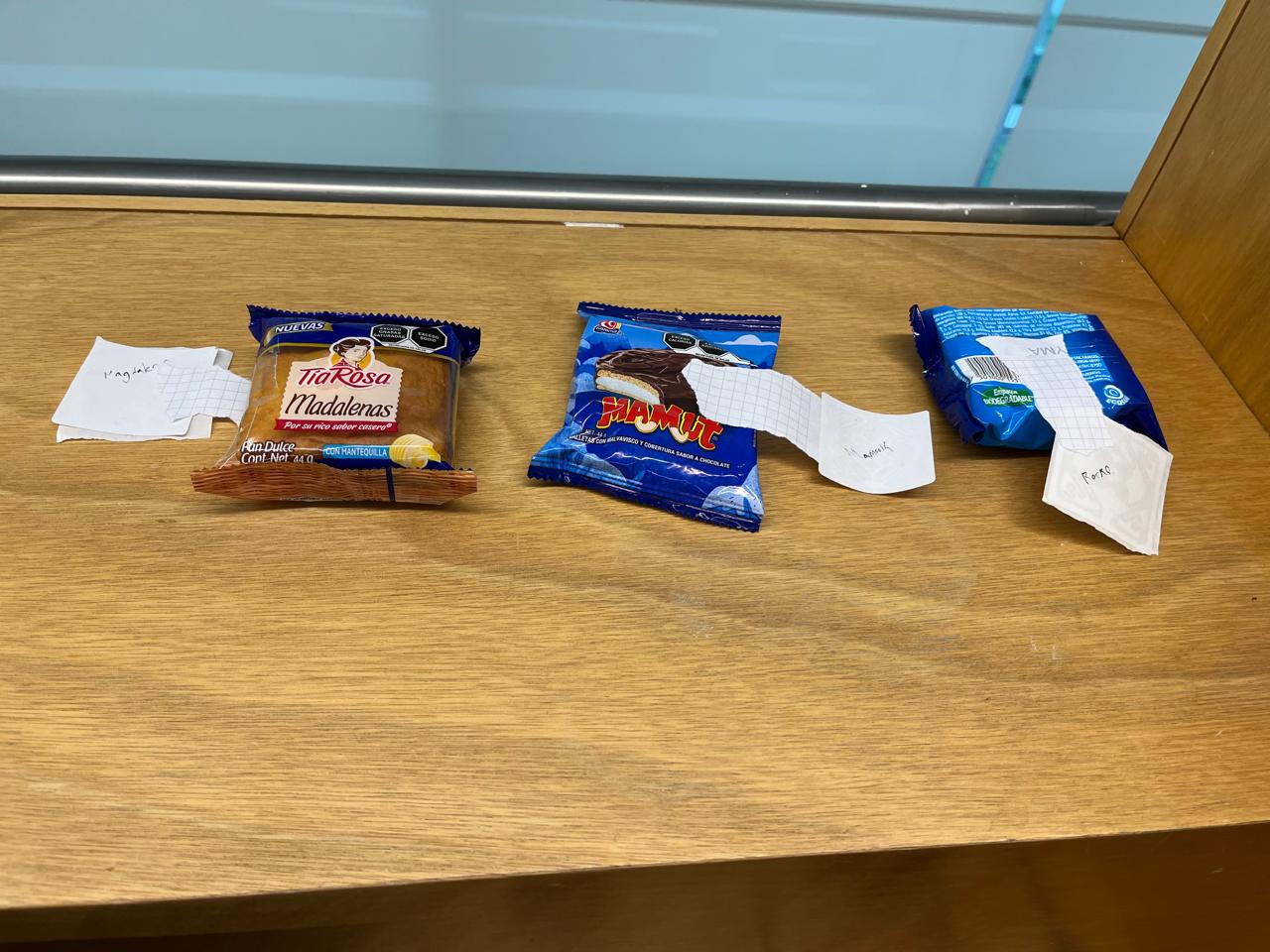
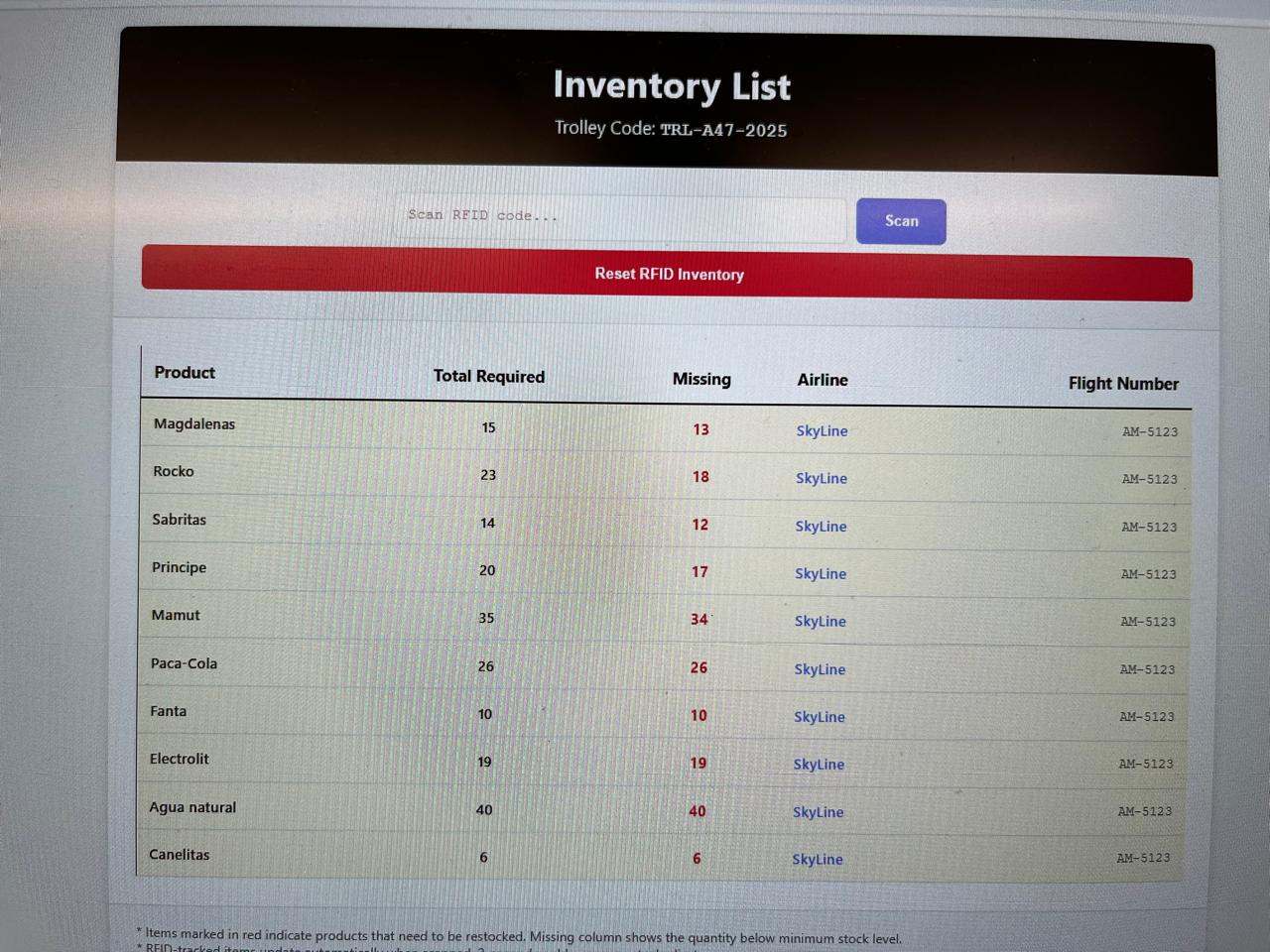
Our solution focuses on using RFID tags on products so they can be counted and tracked automatically, with key information (such as expiry dates) accessible without manually checking each package. RFID tags are also placed on the food carts, allowing the system to instantly identify where each cart is going, what items it needs, and what it already contains, greatly improving restocking efficiency. Since everything is scanned at both the beginning and end of the pick-and-pack process, metrics such as time, errors, and accuracy can be measured. These results are analyzed online, helping managers identify where time is lost or errors most often occur.
How we built it
We started by developing low-fidelity digital prototypes to visualize our ideas. From there, we added hardware components (such as a low-range RFID reader for the demo) and connected them to a front-end interface, primarily built as webpages. These pages collect data to help management identify what processes to improve and assist employees in knowing what actions to take more easily.
Challenges we ran into
One of our main challenges was figuring out how to connect RFID tags to all the different steps in the production line, and how to effectively transmit that information to both employees and management. Another challenge was linking the demo webpages with live hardware data to test how the system would behave if fully implemented.
Accomplishments that we're proud of
We’re proud of creating a working demo that showcases how our idea functions when fully developed, combining both hardware and software into one integrated system. We also managed to build collaboration between technical and design aspects, aligning hardware behavior with user-friendly digital interfaces. Our prototype successfully demonstrated how real-time data from RFID tags could enhance visibility and control within the restocking process. Additionally, we’re proud of how our team quickly adapted to new technologies, learning about RFID systems, warehouse logistics, and UI integration in just a few days. Bringing together multiple skill sets allowed us to create a solution that not only works but also reflects scalability and real-world impact.
What we learned
During this challenge, we learned a lot about the processes GateGroup uses to deliver a successful service, and how small details can have a big impact on efficiency and quality. We gained a deeper understanding of RFID technology, from reading and encoding tags to integrating them with web systems, and how these principles can be applied to improve supply chains and production lines. We also discovered the importance of data analysis and visualization for decision-making, as collecting information is only valuable if it can be clearly interpreted.
What's next for GateGroup Challenge
We’re not entirely sure what’s next for this project, but we really enjoyed building it and exploring how RFID can improve real-world systems. This challenge inspired us to keep experimenting, learning, and creating together.


Log in or sign up for Devpost to join the conversation.