-
-

Homepage
-
Dashboard
-

Sign up
-

Login



Inspiration
We refuse to stand by and wait for another tragedy. In an era where school safety is more crucial than ever, we asked ourselves: What if we could detect threats before they escalate? What if technology could prevent instead of just react? That question drove us to build GateAI, a real-time security system designed to identify suspicious behavior and alert security before it’s too late.
What It Does
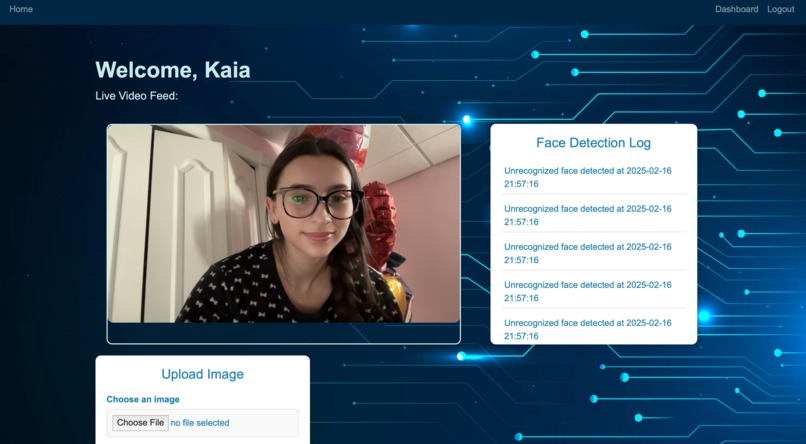
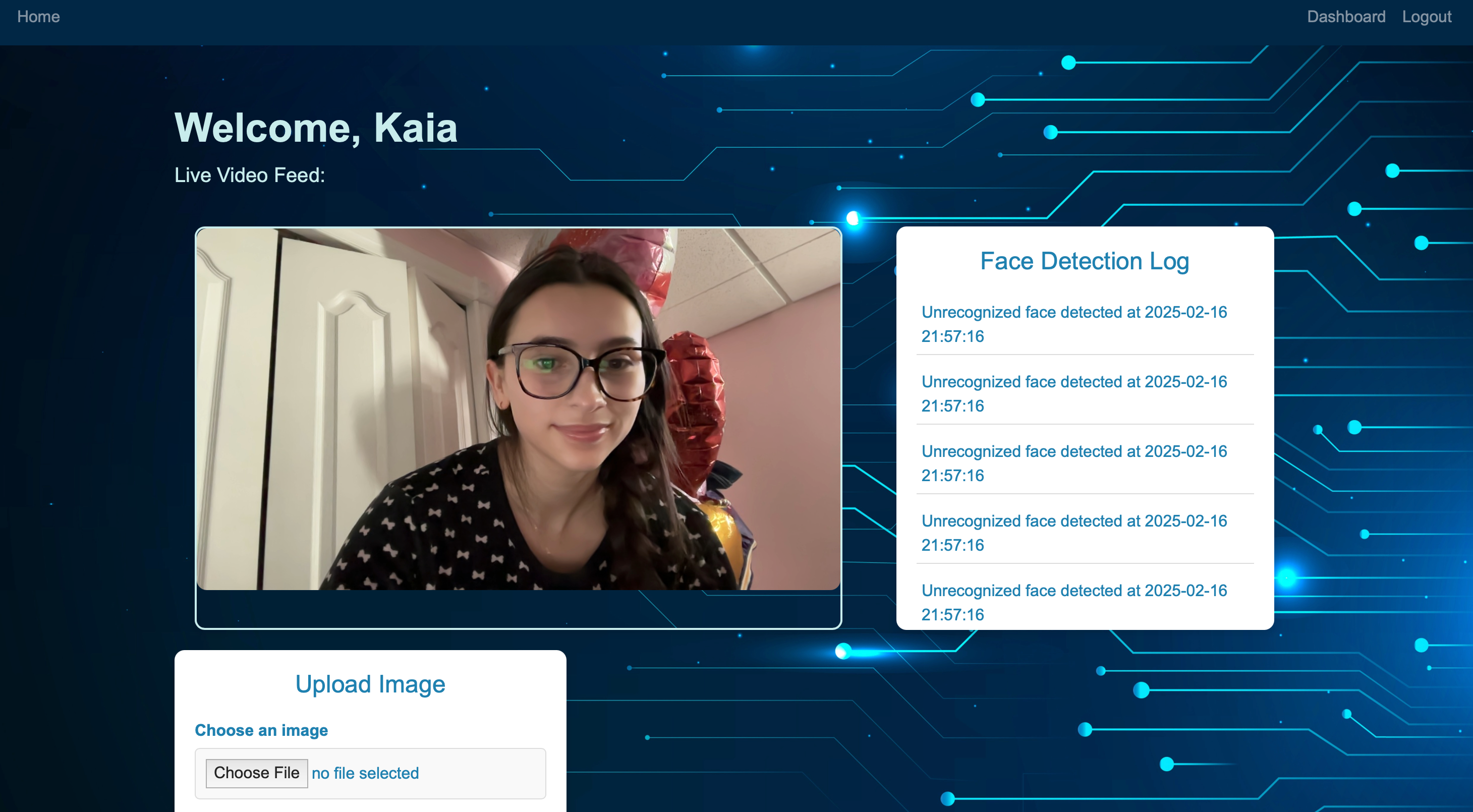
GateAI is a threat detection system that uses gesture and facial recognition to monitor for potential dangers. It analyzes movement patterns, identifies suspicious actions, and instantly alerts security personnel—because every second matters.
How We Built It
We trained our own gesture and facial recognition models using Python to detect potential threats and recognize known users. The system runs on a Flask server, integrating both the front-end and back-end seamlessly. We used an Arduino microcontroller (C++) to interface with a servo motor for door simulation, enhancing our real-world application. The web interface, built with HTML, Bootstrap, and Jinja, ensures security personnel receive instant alerts and live monitoring. Using SQLAlchemy, we securely store and manage detected events for later review.
Challenges We Ran Into
We faced challenges in training models to accurately distinguish between normal and suspicious activity. Ensuring seamless communication between our Arduino, camera, and server required troubleshooting and optimization. Optimizing our system for low-latency detection to ensure instant alerts was critical for real-time response.
Accomplishments That We’re Proud Of
We successfully trained and implemented a custom AI model for detecting suspicious activity. We built a working real-time system that integrates AI, hardware, and web applications. We developed a functional prototype that demonstrates real-world security enhancements.
What We Learned
We learned how to bridge AI and hardware, connecting AI models with an Arduino-controlled system. We realized that security isn’t just about reacting, it’s about stopping threats before they happen. Most importantly, we developed teamwork and rapid problem-solving skills, overcoming obstacles to build smarter solutions.
What’s Next for GateAI
We plan to further refine our AI models to improve detection precision. We aim to incorporate additional sensors for an even stronger security shield. Our goal is to test and implement GateAI in schools and public spaces, where proactive security measures can make a life-saving difference.
Acknowledgements
We used TensorFlow, OpenCV, SQLAlchemy, and Arduino to power our project. We trained our models using Teachable Machine for AI-powered gesture and facial recognition. We are grateful to the Arduino Community for open-source hardware support. Thank you to the HackED 2025 Organizers for fostering innovation and collaboration during the event. Finally, a huge thanks to our team members for their dedication, creativity, and teamwork in bringing GateAI to life.
Because safety should never be an afterthought.
Built With
- arduino
- bootstrap
- c++
- flask
- html/css
- javascript
- jinja
- mediapipe
- opencv
- python
- sqlalchemy
- sqlite
- teachable-machine
- tensorflow

Log in or sign up for Devpost to join the conversation.