Inspiration
Financial systems have long been intimidating, opaque, and dominated by a narrow demographic, creating barriers to entry that make it harder for minority groups to start investing. In our view, this is a key reason why women invest 18% less than men[1]. We were inspired to change that. Our idea was born from the belief that data can empower confidence, especially for women entering finance. By using network analysis and AI, we turn the complexity of global markets into clear, community driven insights that make investing accessible, transparent, and social.
What it does
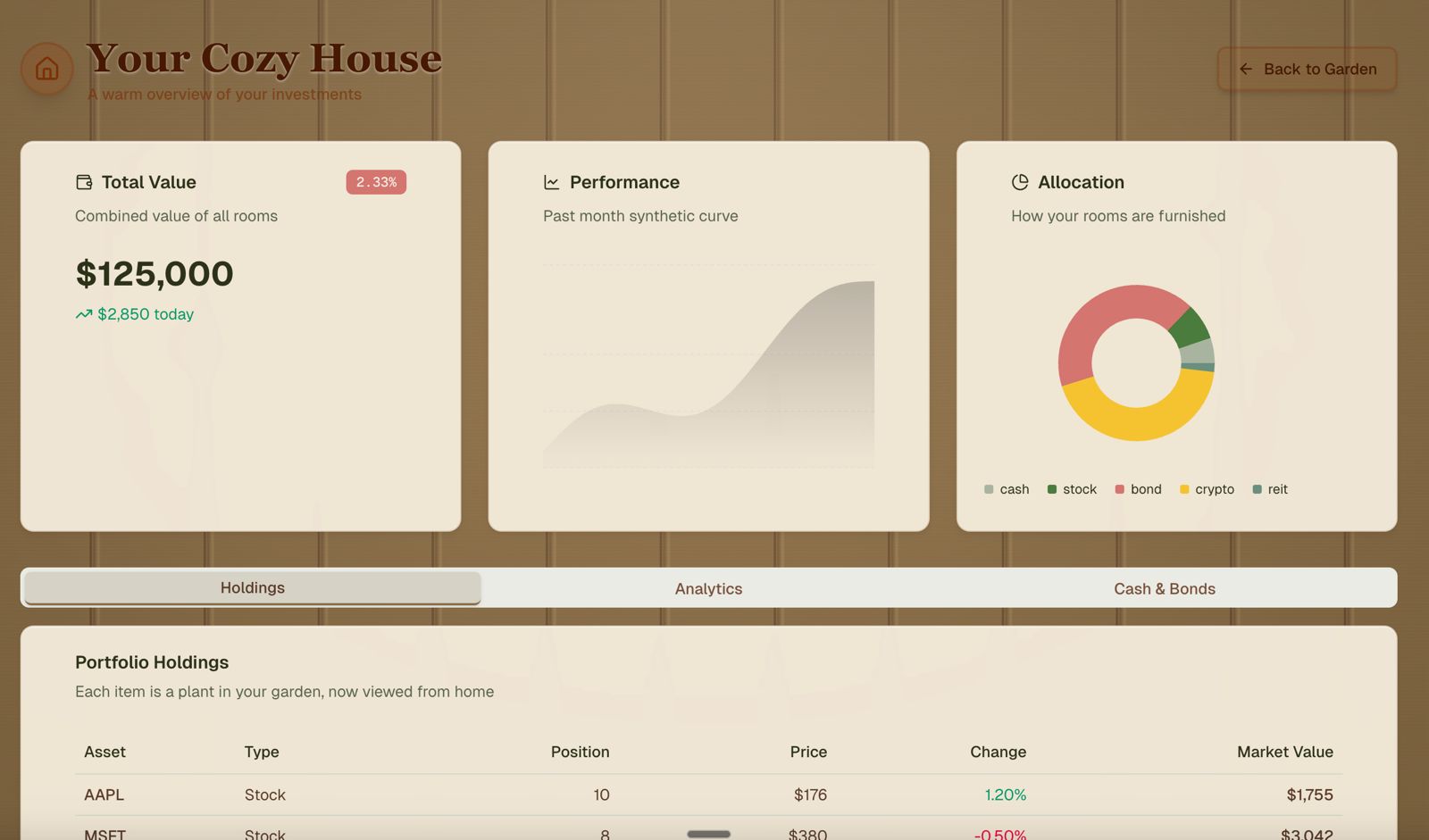
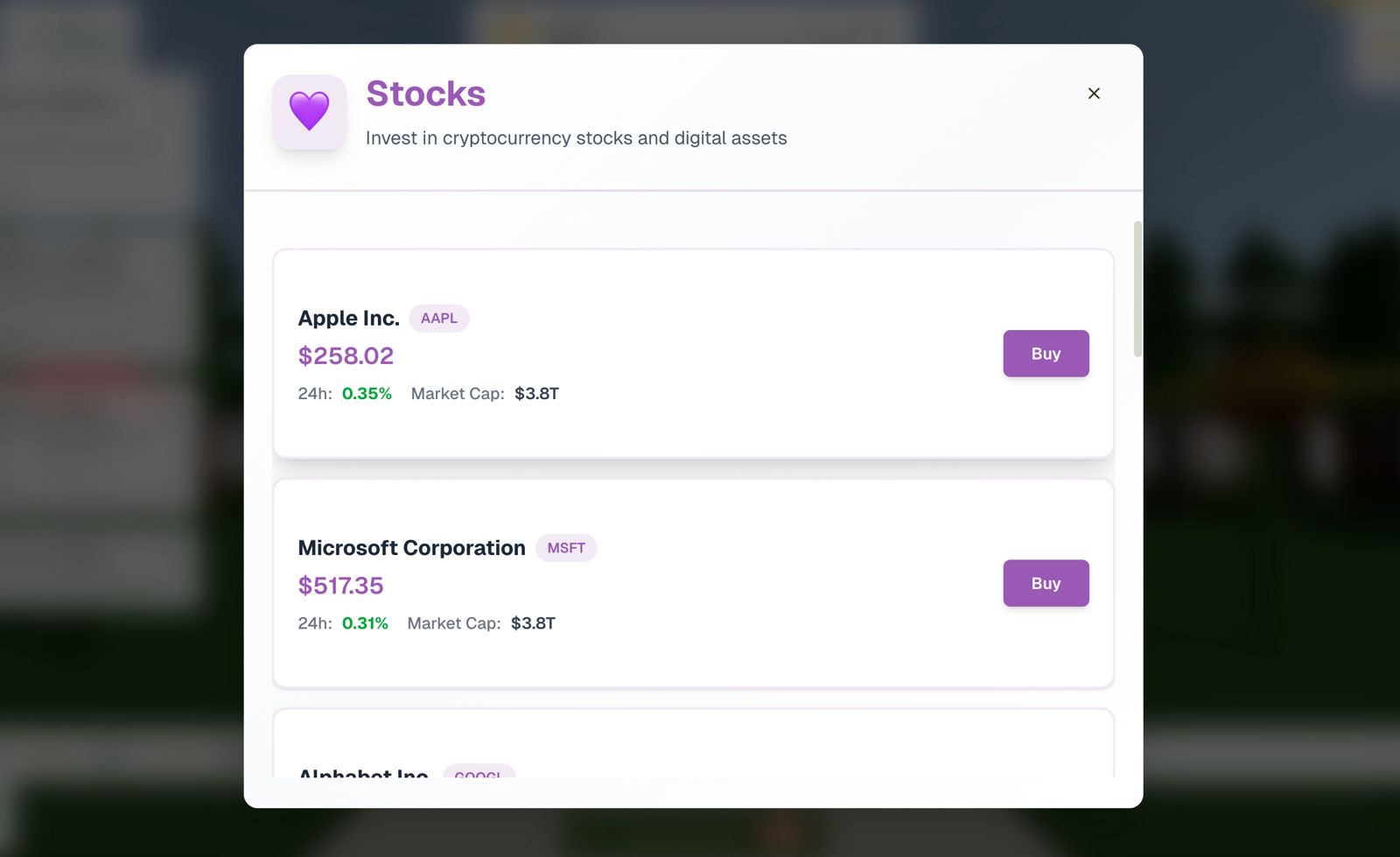
Garden Finance maps how people invest and uses these patterns to suggest opportunities, mentors, and communities. The platform identifies “co-holding” relationships (assets often held together) and recommends role models with similar portfolios or goals. It also proposes inclusive investment clubs where like-minded users can collaborate on themes such as green energy or women-led startups. Additionally, the platform continuously tracks and analyzes users’ behaviors and portfolio performance over time, uncovering meaningful patterns in how they make investment decisions and grow their portfolios. Also, it allows donations for charities and they can pitch their charities too. So, people can donate with their assets. People can also invest to startups.
How we built it
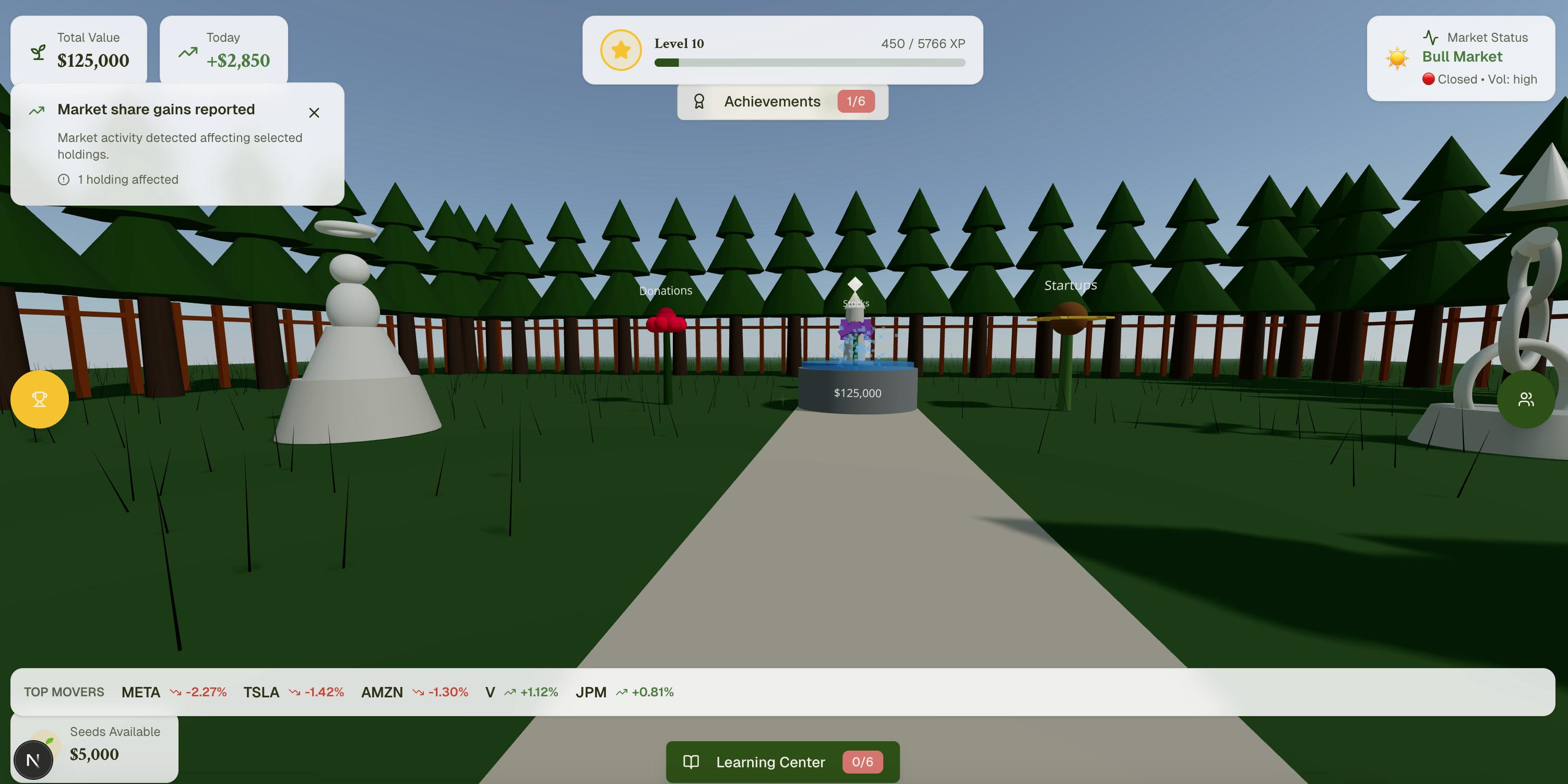
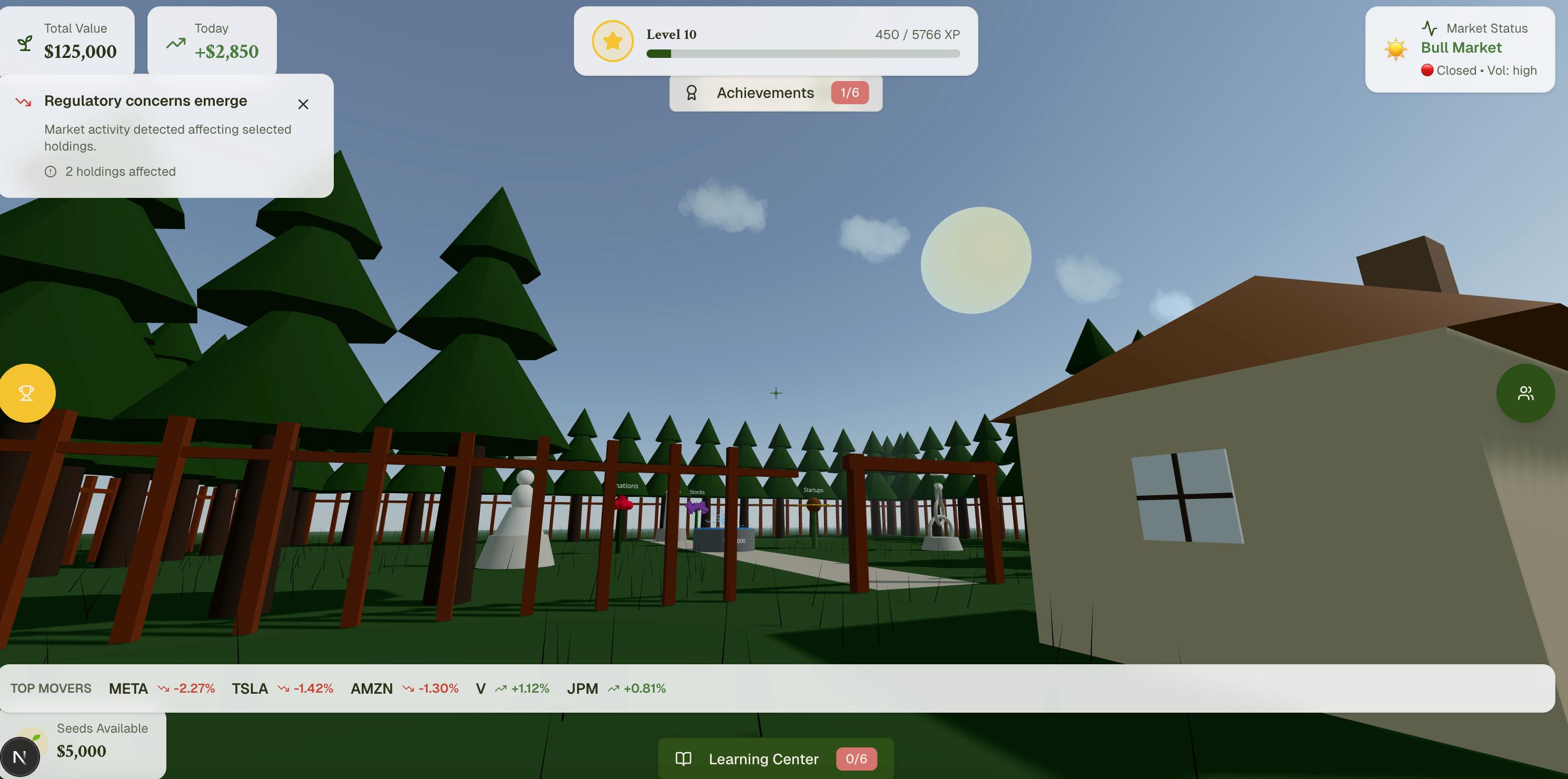
We built the backend using FastAPI, PostgreSQL, and Supabase to manage user data, holdings, startups, and social interactions. We generated embeddings and similarity scores between users and assets, then used materialized views to analyze co-occurrence patterns efficiently. For frontend we used next.js and three.js. We have built a 3D world.
Challenges we ran into
Given the project’s scope, connecting the backend and frontend in the time provided is difficult. Building a real-time network of users, assets, and startups while ensuring usability and stability was ambitious for the hackathon timeframe. We prioritized getting the data and algorithms right first, laying a strong foundation for future integration.
Accomplishments that we're proud of
We implemented community detection algorithms and a knowledge graph to reveal meaningful investment connections, making financial data more social and intuitive. It was also our first time working with the Yahoo Finance API. To make everything more engaging, we visualized our insights using 3D models, bringing investing patterns and communities to life in an immersive, interactive way.
What we learned
We learned that financial literacy isn’t just about numbers but it’s about belonging. Data alone doesn’t change behavior; trust, representation, and shared purpose do. Combining algorithmic insights with community design taught us that empowerment in finance requires both precision and empathy.
What's next for Garden Finance
Our next step is to bring real world investing into the experience by integrating Robinhood’s API. This will allow users to securely connect their live portfolios, giving the platform access to real data instead of simulations. With this integration, insights will evolve from static patterns to real-time behavioral analytics, showing how actual market actions shape confidence, community dynamics, and portfolio growth. It’s the bridge between learning and doing, helping women not just understand investing, but truly participate in it. Beyond data integration, we envision introducing a symbolic “garden economy”, a feature that connects financial growth with social good. In this system, each asset is represented by a virtual tree. When an asset grows by more than 20%, its tree becomes “dirty.” To clean it, the user donates 1% of that gain to causes supporting girls’ education, women’s entrepreneurship, or climate sustainability. This turns finance into a living ecosystem, where investing wisely doesn’t just grow wealth but also nurtures the world. By linking profit to purpose, Garden Finance aims to redefine investing as both a personal and collective act of positive change.
Built With
- alembic
- fastapi
- gunicorn
- http
- next.js
- pydantic
- three.js
- uvicorn
- yfinance


Log in or sign up for Devpost to join the conversation.