-
-
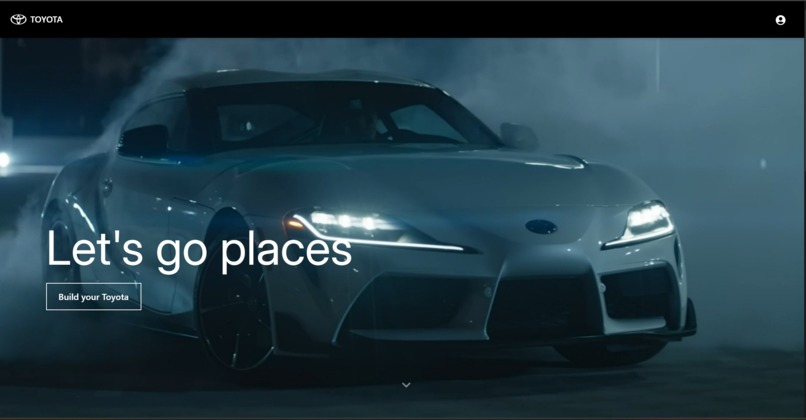
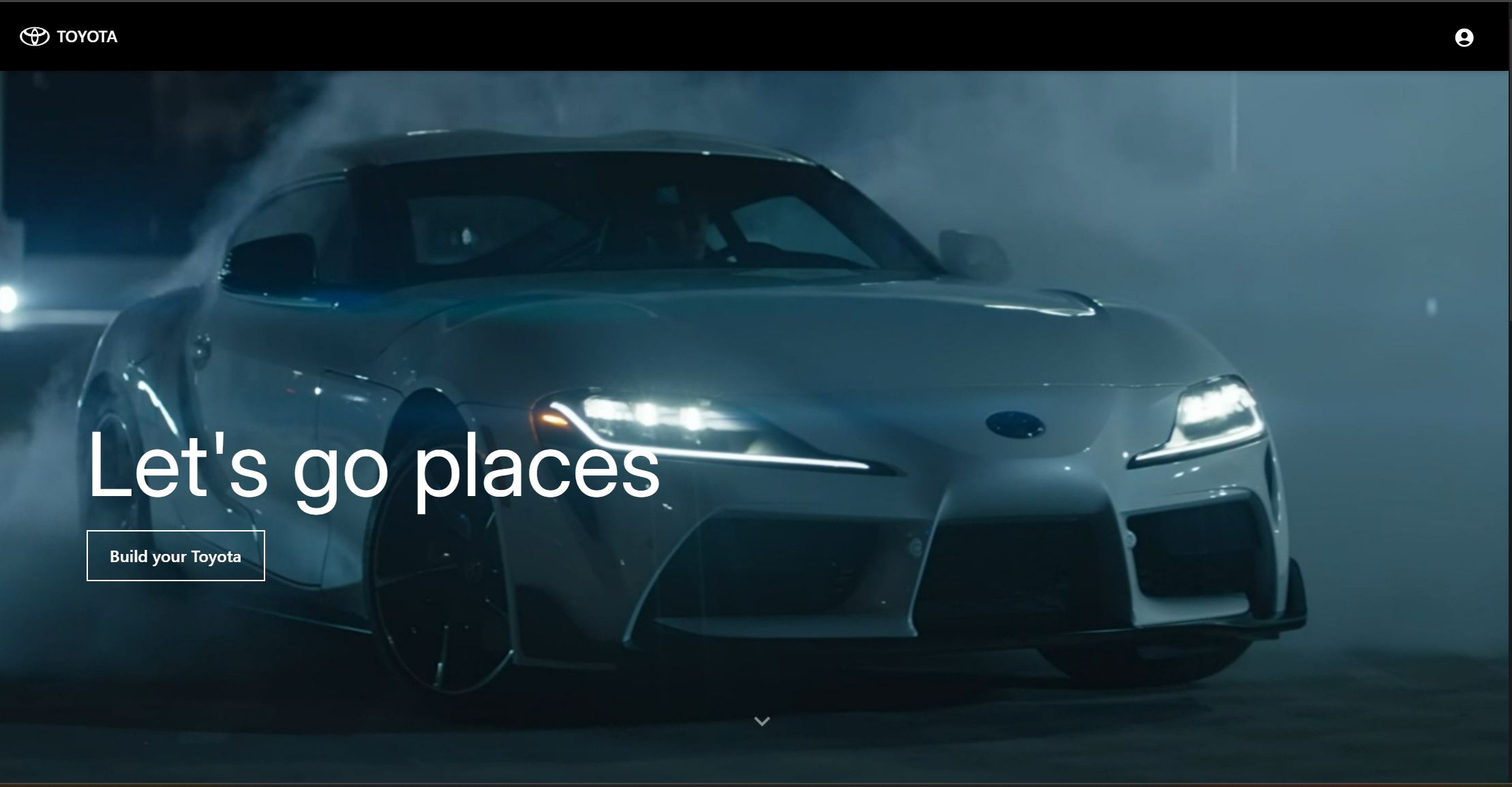
Homepage
-
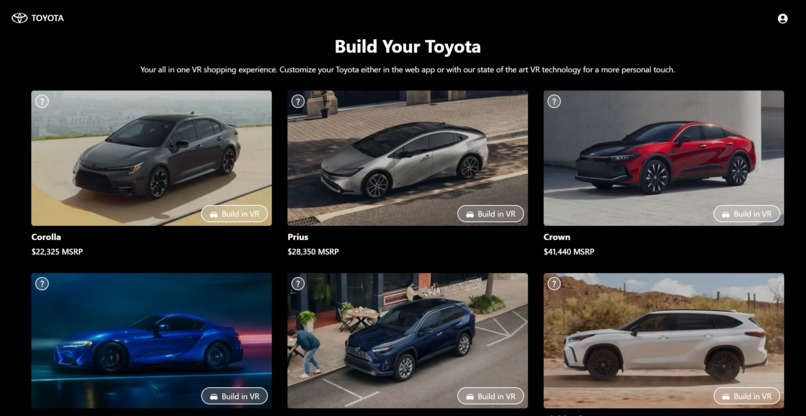
-
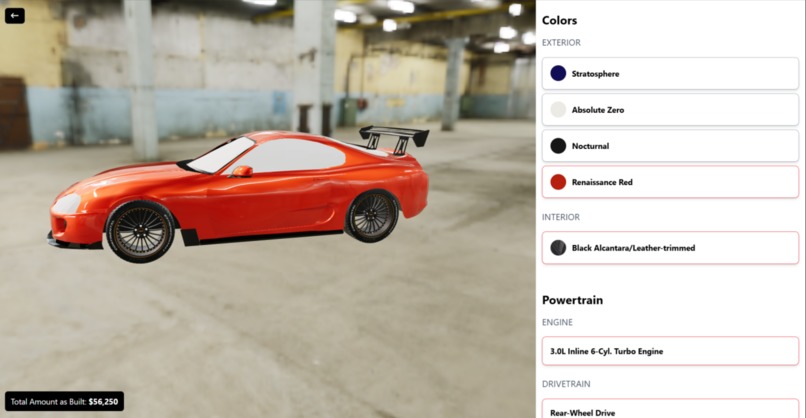
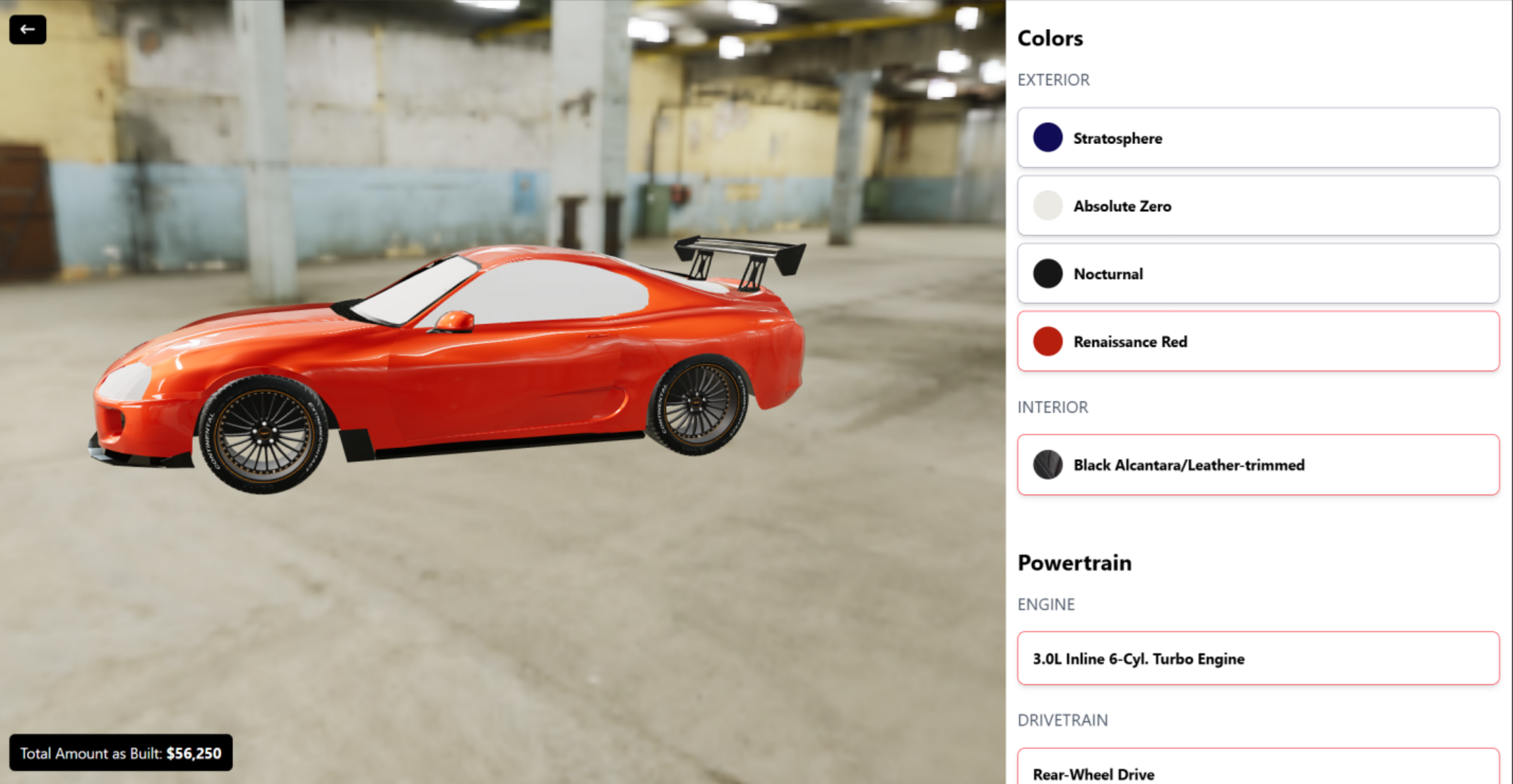
Supra Customizing Page
-
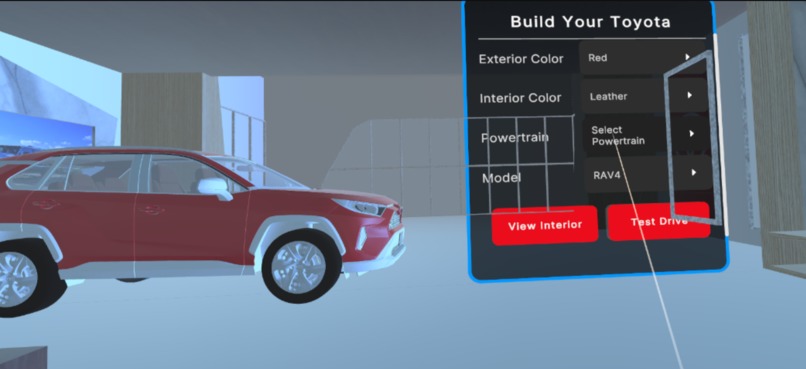
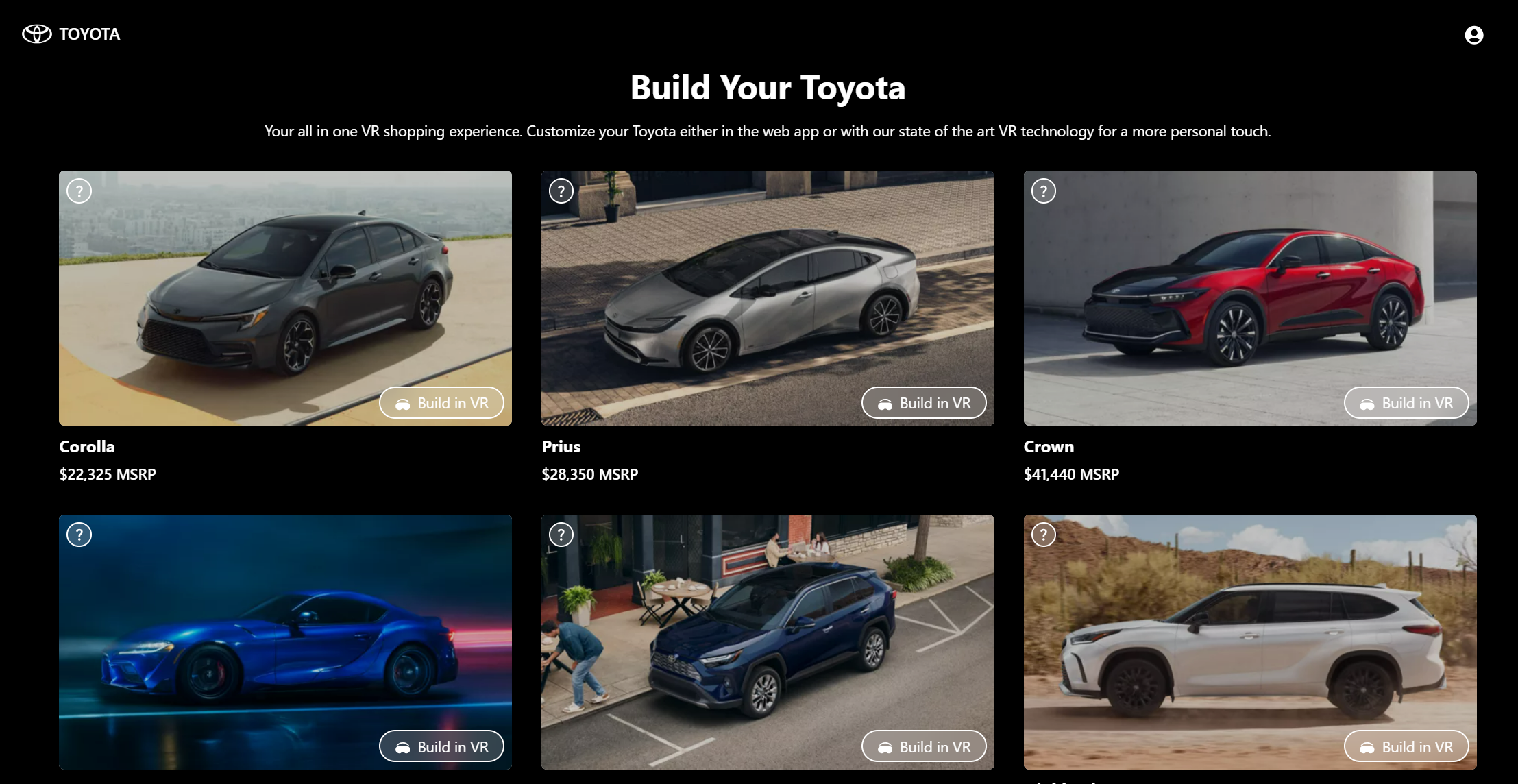
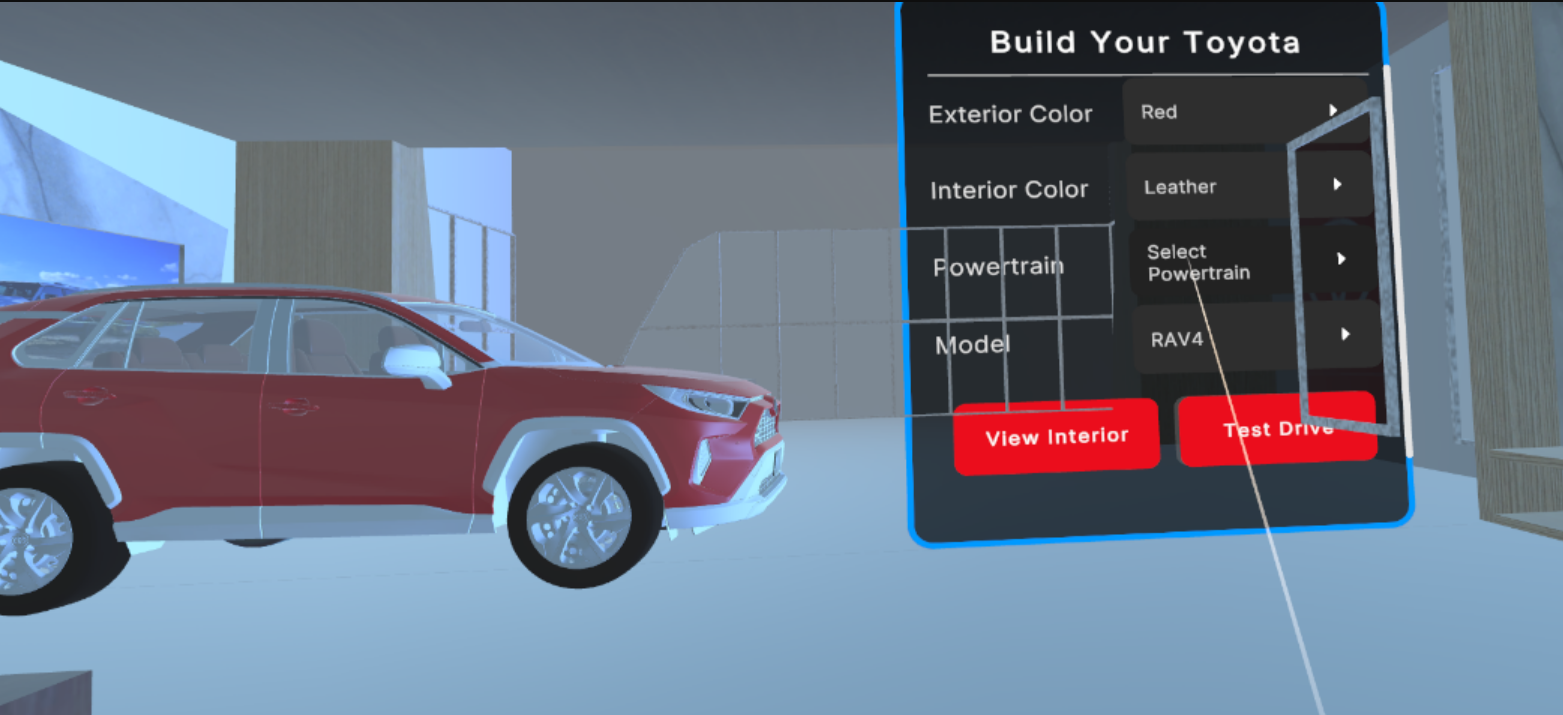
VR Modeling Page
-
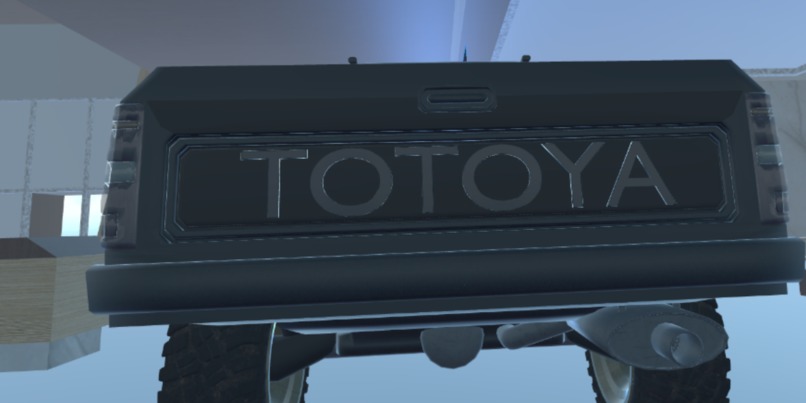
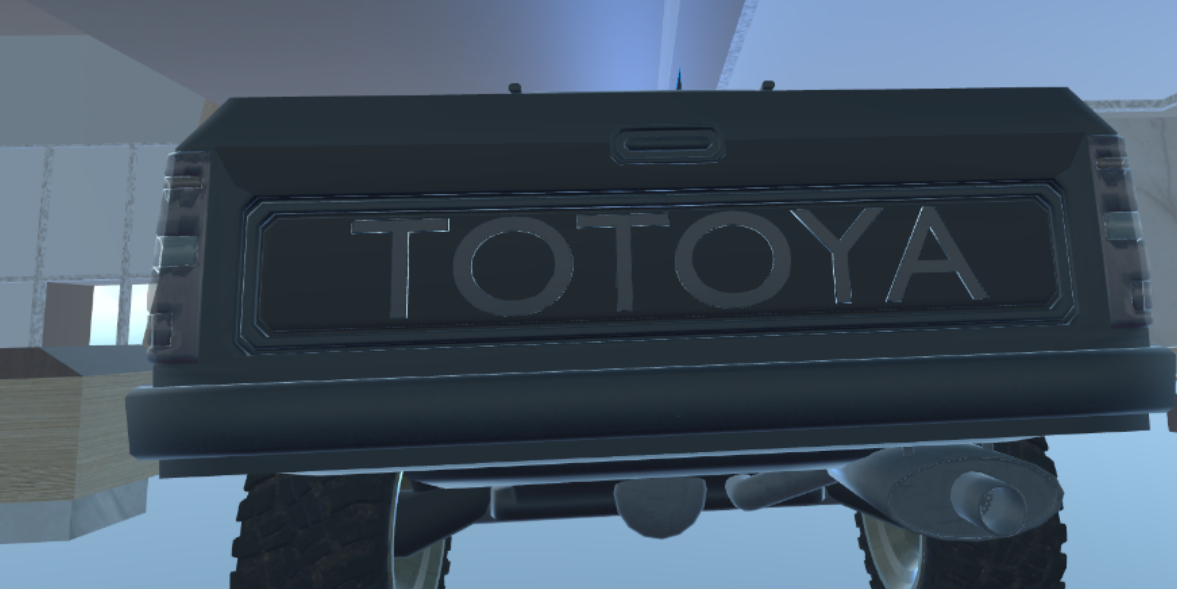
Additional VR Photos
-
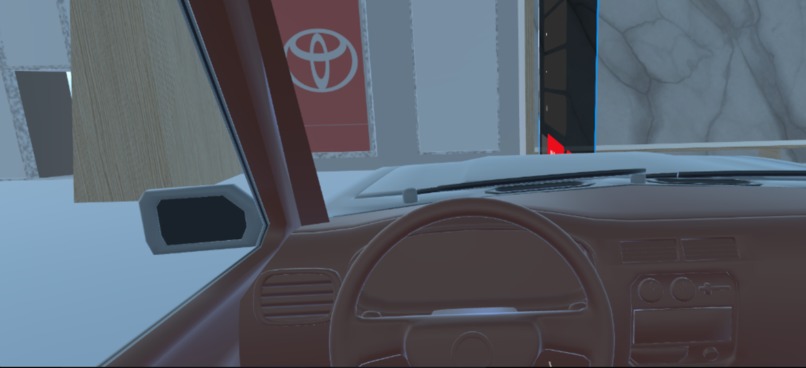
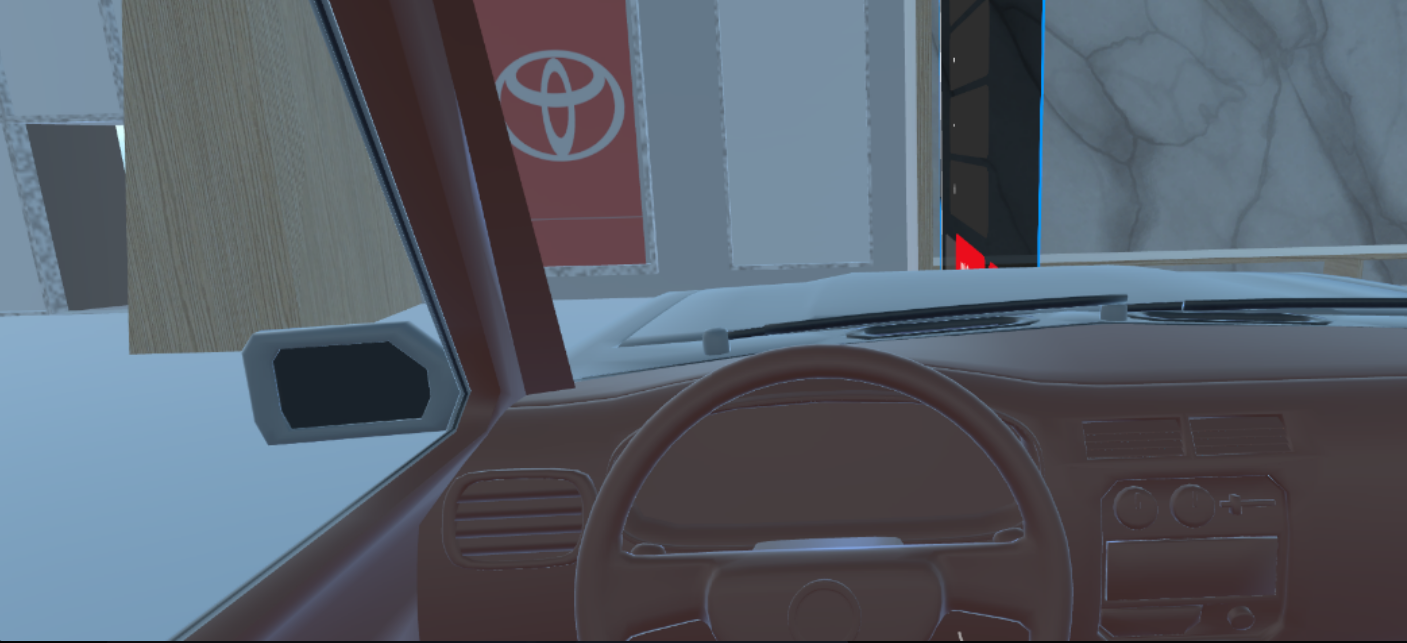
VR Car Interior
Inspiration
Buying a car is one of the biggest and most important purchases anyone can make, but the online shopping experience doesn’t always convey the true feel of the vehicle. Why go through all the struggle in customizing and building the car through some online configurator only to be disappointed when coming into the dealership to see the real product? It's even worse if you strictly order it online without seeing it in person. Garage aims to solve this struggle by creating a fully immersive car configuration experience, allowing customers to see their car live in VR, customize it, and even take it for a test drive after.
What it does
Our project recreates Toyota's online shopping page with enhanced functionality and a fully interactive 3D experience. Instead of static images, we use actual 3D models of Toyota vehicles. Users can explore these vehicles in detail, customize aspects like color, interior, and other features, and even send their customized 3D models to a VR headset. In VR, users can interact with a full-scale, life-like model of the car. They can walk around it, inspect every angle, and view it from entirely new perspectives. When finished building their dream car, customers can even take it for a test drive in VR to see how it feels.
How we built it
The main part of the project was the VR, for which we used tools like Blender and Unity to import, customize, and even drive the car models. More specifically, we custom-built everything in Unity from the ground up including the car configurator and test drive functionality. This was done using XR Origin rigging, Meta XR SDK, and the Andriod Unity 6 XR tool. Additionally, we wrote scripts using C# to implement the actual logic in the VR environment. We used React for the web application with Threejs for the 3D model loading and rendering. Additionally, we referenced the provided Toyota car database to analyze the model, costs to buy/lease, and options.
Challenges we ran into
Unity development is HARD... really really HARD. Especially if you're on a time crunch and have only one headset for the team. Additionally, finding the balance between high-quality car models and smooth performance was a significant challenge. 3D models with excessive details would cause lags or crashes in lower-end systems, so we had to optimize models without sacrificing realism. Also, driving the 3D model with accurate physics, camera placement, and visibility is not the easiest thing in the world. Syncing the VR state with the web application state was also super difficult due to the nature of limitations of our computers and limited time.
Accomplishments that we're proud of
We developed a fully functional VR interface for Toyota, enabling users to virtually customize and view their car before making a purchase. The VR experience allows users to modify various aspects of the car, from exterior colors to interior features, providing a easy to use comparison tool that can help users better plan out financially smart goals.
What we learned
A LOT. From the technical side, to the operational side, to the marketing side. We learned how to build interactive and intuitive interfaces that improve user experience, and the challenges of integrating realistic 3D models in a javascript environment.
What's next for Garage
Looking ahead, we plan to expand the app by integrating other car models, allowing customers to customize a wider range of vehicles. We also see potential for this VR technology to be used in other industries, such as real estate or interior design, where virtual customization can enhance the customer experience. As part of our roadmap, we're exploring VR integration with test-driving experiences, enabling users to "drive" their customized cars in a virtual environment before making a final decision.


Log in or sign up for Devpost to join the conversation.