Inspirations
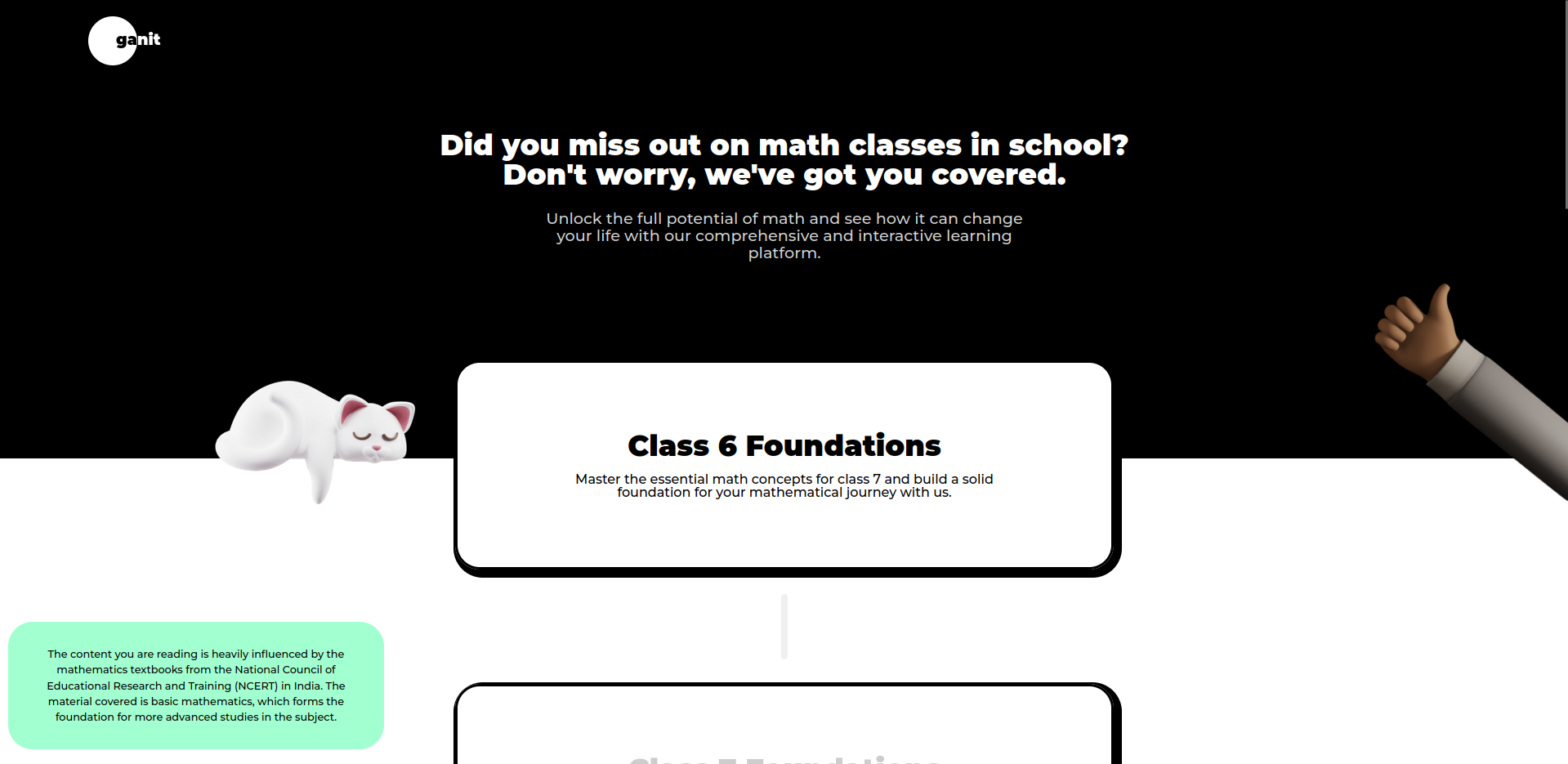
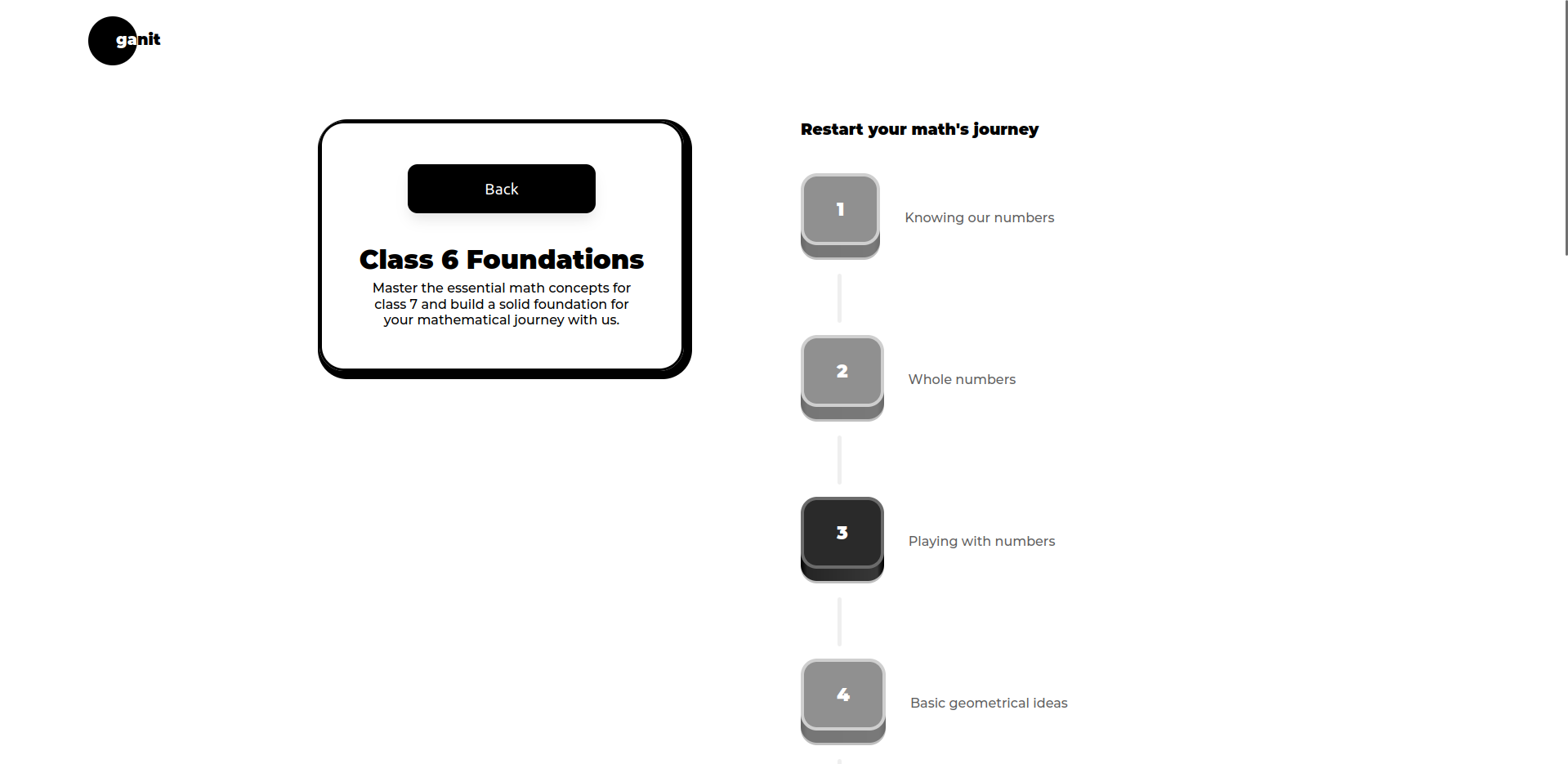
The concept of the mathematics chain was introduced by Terence Tao, who stated that mathematics builds upon previous concepts in a chain-like manner. If this chain is broken, it becomes difficult for a student to learn mathematics effectively. I personally experienced this issue during my school years as I struggled with mathematics. However, my desire to excel in computer science motivated me to improve my math skills. Unfortunately, not having attended a tier-1 college, I found it difficult to find quality, interactive math resources online. But with the advent of ChatGPT, the situation has changed dramatically. Its human-like ability to solve almost any problem makes it an exciting part of this project. My goal is to help those who have broken their math chain to rebuild it, so they can excel in mathematics. I began learning math from scratch after college and after several years, I have come to understand the significance of concepts that were not taught or were not taught well in school. Now I see the mathematics chain in a new light.
How we built it
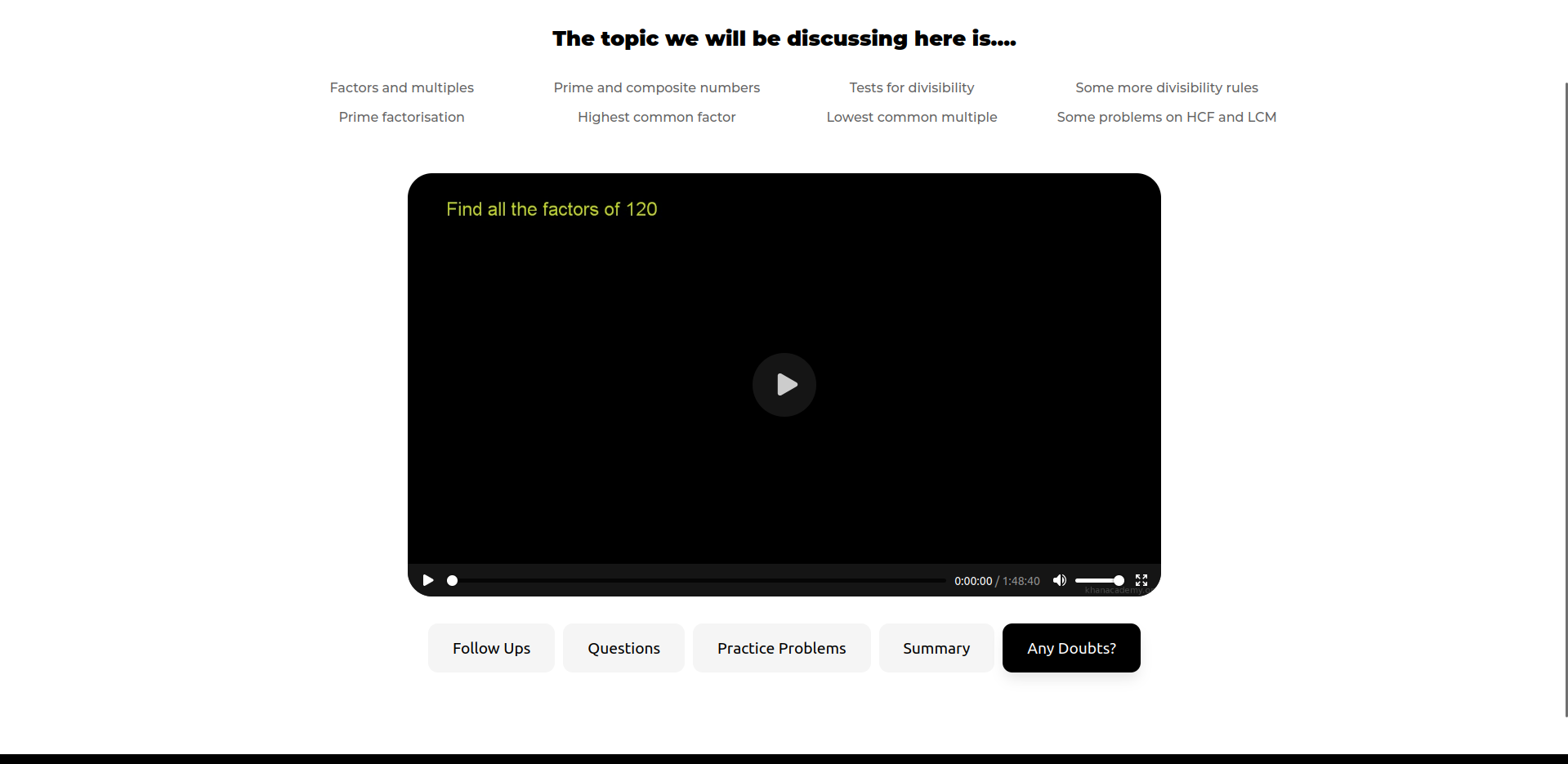
The ChatGPT API was used in conjunction with other technologies to build the project. ReactJS was utilized for the front-end, providing a user-friendly interface and allowing for dynamic updates to the user's experience. NodeJS was used for the back-end, ensuring efficient server-side processing and allowing for seamless integration with the ChatGPT API. Finally, MongoDB was employed as the database management system, providing a scalable and flexible solution for storing and retrieving user data. The ChatGPT API, along with ReactJS, NodeJS, and MongoDB, were all integral components in delivering a comprehensive and personalized learning experience for the user. The ChatGPT API was used in multiple ways to build the project. Firstly, it was used to generate follow-up questions based on the user's input, allowing for more meaningful interactions and a better understanding of the user's needs. Additionally, the ChatGPT API was utilized to generate general questions, which helped to guide the user towards specific topics they may be interested in learning more about. For the math-related aspect of the project, the ChatGPT API was used to generate math problems and provide solutions to any doubts the user may have. In this way, the ChatGPT API played a crucial role in delivering a comprehensive and personalized learning experience for the user.
Challenges we ran into
- During the development of the application, the biggest hurdle I faced was in regards to transcription. I was unable to use Google's transcription services and despite attempts to use Microsoft, IBM, and Google, I was unable to verify my credit card for some reason. To overcome this, I generated the transcriptions explicitly using Otter.ai and fed the resulting file to the GPT model in order to obtain meaningful data.
- Another challenge I faced was in finding appropriate content for the web application and training the model from that content.
Accomplishments that we're proud of
A major accomplishment for me was working with AI and the GPT-like model. To be honest, I had not worked with AI prior to this project and it was a tremendous experience for me, being my first time with AI.
What's next for ganit
There are several plans for the future of this project.
- The creation of personalized content for the web application is a priority, with the intention of using manim to generate math videos with animations. Manim is a math animation library that helps animate mathematical concepts.
- The development of a math exercise playground for practicing problems generated by the GPT model is also planned.
- A redesign and refactoring of the entire web application is in the works.
- An authentication system will be implemented in the app to enhance security and accessibility.

Log in or sign up for Devpost to join the conversation.