-
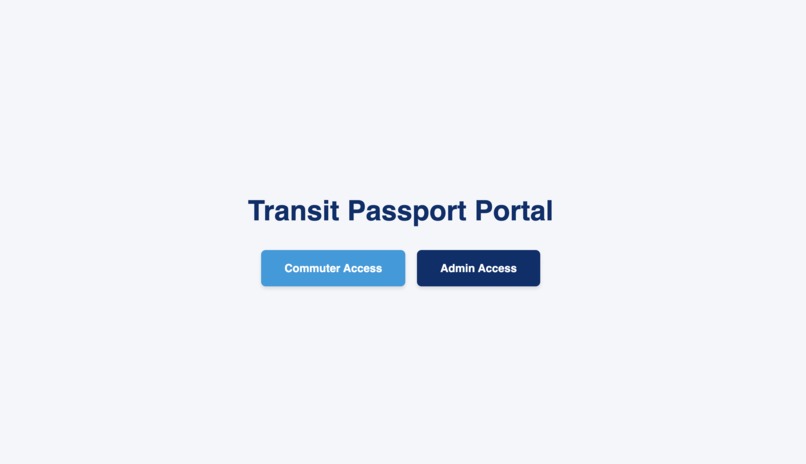
Home page
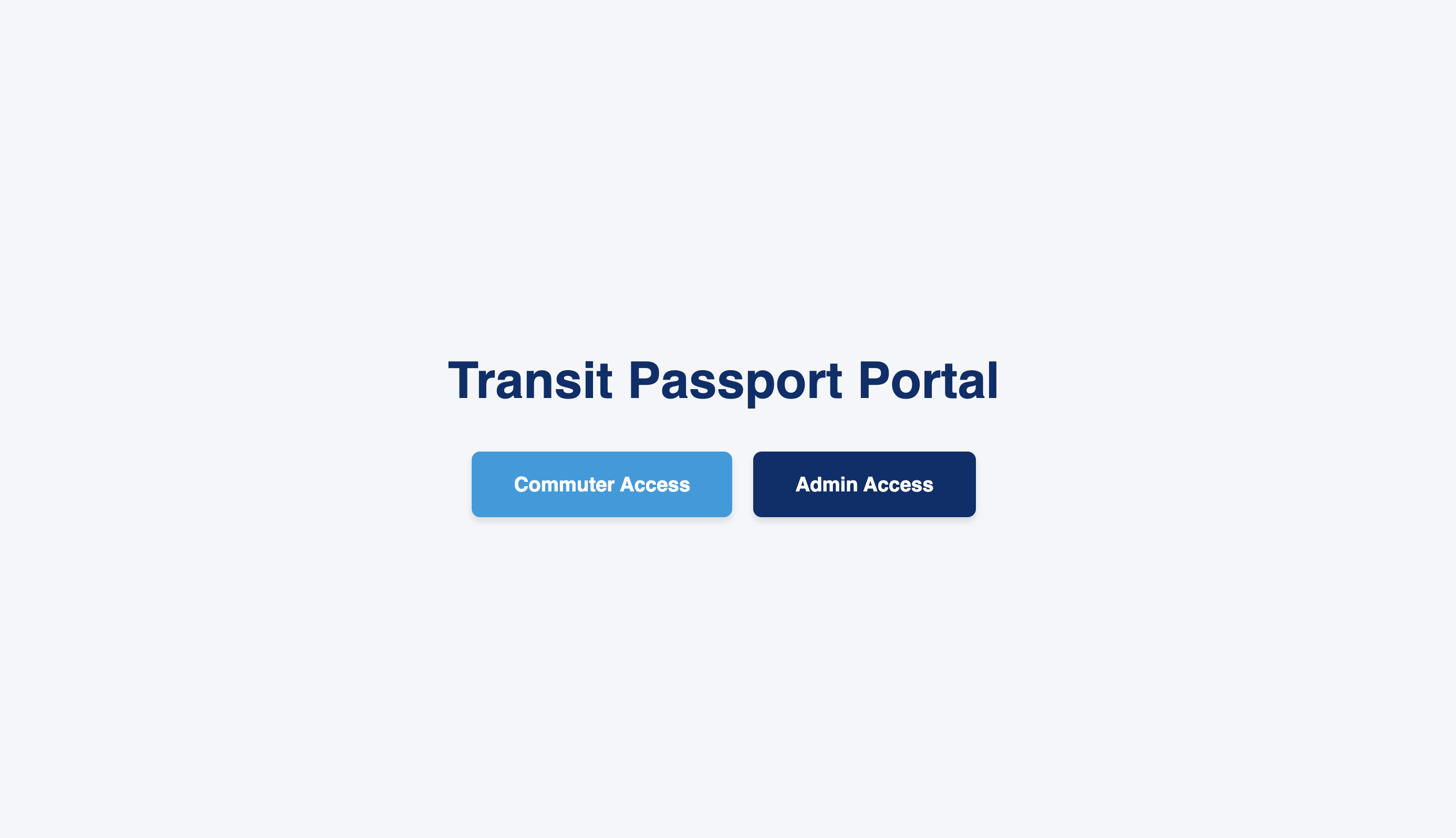
Inspiration The VTA's Transit-Oriented Communities Grant Program explicitly calls for creative outreach to increase transit ridership and equitable community engagement. Drawing on firsthand experience managing youth at the R.O.C.K. after-school and summer camp programs, it became clear that motivating younger demographics and busy families requires a highly interactive approach. We wanted to build a platform that makes utilizing public transit inherently rewarding. By applying core video game design principles to the everyday commute, Transit Passport gamifies civic engagement—incentivizing users to travel to housing application workshops, bilingual planning sessions, and community events.
What it does Transit Passport is a secure, gamified web platform that transforms a routine bus or light rail trip into a dynamic achievement system. The platform features two distinct interfaces:
The Commuter Passport: A personalized dashboard where users log transit trips to unlock three types of digital badges: One-and-Done milestones, Upgradable tiers (Wood to Gold), and Temporary badges that decay over time. Each badge displays a dynamic "Steam-style" rarity percentage bar, visually showing how unique their achievement is compared to the rest of the city.
The Admin Command Center: A secure, centralized dashboard for transit authorities to manage the global badge stockpile, view registered commuters, manually award specialized achievements (like attending a specific neighborhood meeting), and prune inactive accounts.
How we built it We completely bypassed bloated frameworks to build a highly optimized, lightning-fast Single Page Application (SPA).
Backend: We built a custom REST API server from scratch using pure C++ and the cpp-httplib framework.
Database: We engineered a multi-table relational SQLite3 database to securely link users, the global badge stockpile, and individual progression data.
Frontend: The UI was built using responsive vanilla HTML, CSS, and JavaScript, utilizing localStorage for seamless session management.
Security & Math: We implemented a lightweight C++ djb2 algorithm for secure password hashing. Instead of hardcoding badge rarity, we wrote complex SQL JOIN queries to calculate the rarity percentage of every badge on the fly based on the real-time size of the user base.
Challenges we ran into Our biggest hurdle happened before hacking even began: our team was severely reduced at the last minute due to illness. Handling the workload of a full team meant ruthlessly prioritizing our MVP. Midway through the night, we also realized our flat database structure couldn't support scaling to multiple users. We had to pause, completely drop our tables, and re-architect the backend into a relational schema with a mapping table (user_badges) without breaking the frontend API routes.
Accomplishments that we're proud of We are incredibly proud of designing a fully realized, multi-user product architecture in under 24 hours. To prove our dynamic mathematical rarity and time-decay logic worked, we wrote a custom C++ stress-test script that generated 500 simulated commuter bots and logged thousands of random transit trips in a fraction of a second. Furthermore, we successfully mapped every single database seed directly to the VTA's grant requirements—ensuring this prototype has a viable path to creating actual social impact in Santa Clara County.
What we learned Building this required a deep dive into relational database architecture and raw C++ server routing. We mastered complex SQL commands (like COALESCE and ON CONFLICT upserts) and learned how to build a robust API without relying on massive external libraries. Most importantly, we learned how to align technical development with specific municipal policy goals.
What's next for Transit Passport The hackathon is just step one. Next Sunday, March 8th, we plan to present this project at the Post H4H Pitch Competition hosted by the Ciocca Center. Ultimately, the goal is to secure a 501(c)(3) fiscal sponsor to officially apply for Cycle 3 of the VTA grant in Spring 2026, fully developing this prototype into a live module for the Santa Clara County transit system.

Log in or sign up for Devpost to join the conversation.